
Wechselwirkungen von Chloroquin
Chloroquin (Aralen), ein Malariamittel, hat in den von uns erfassten FDA-Fachinformationen und Faktenblättern 133 dokumentierte Wechselwirkungen: 67 schwerwiegende, 64 mittelschwere, 2 geringfügige und 0, bei denen eine Fachinformation keine relevante Wechselwirkung berichtet. Jeder Eintrag unten zitiert den Satz, auf dem er beruht. Diese Medikamentenseite ist ein Ausgangspunkt, kein Urteil über Ihre persönliche Situation.
So sieht Chloroquin aus
Alle 5 Varianten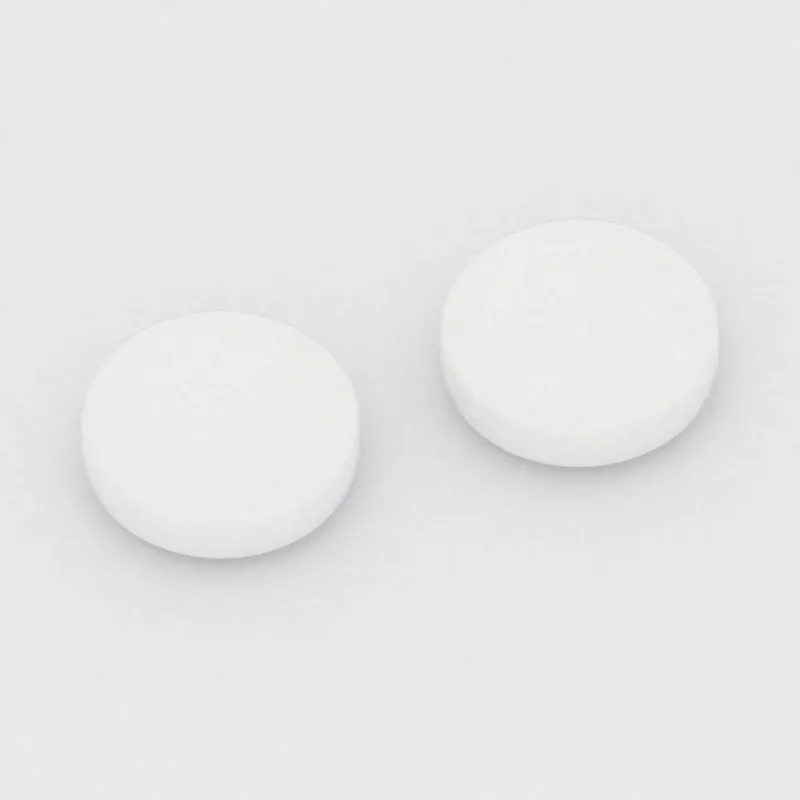
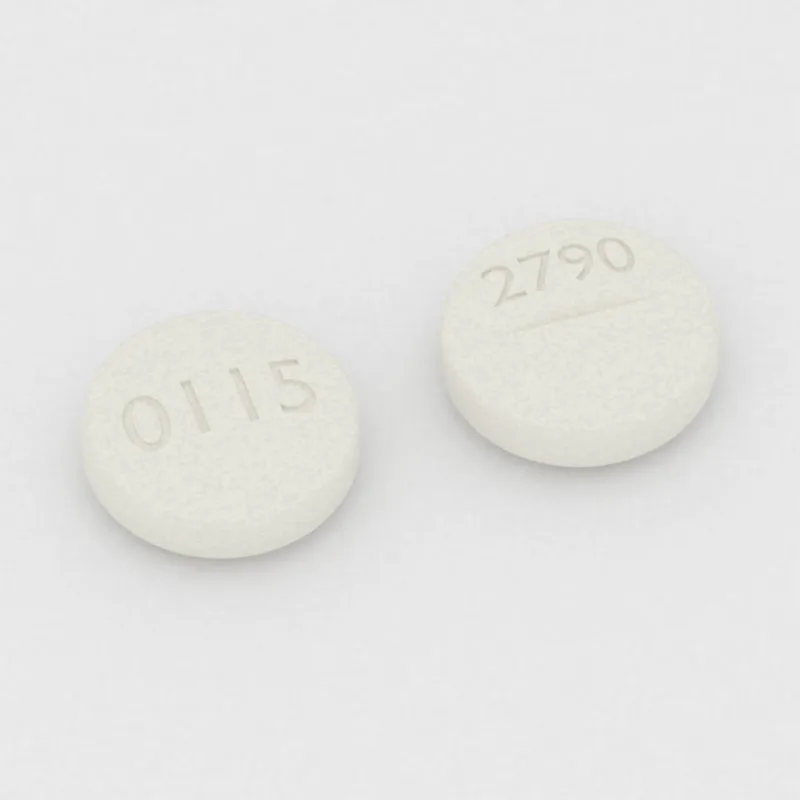
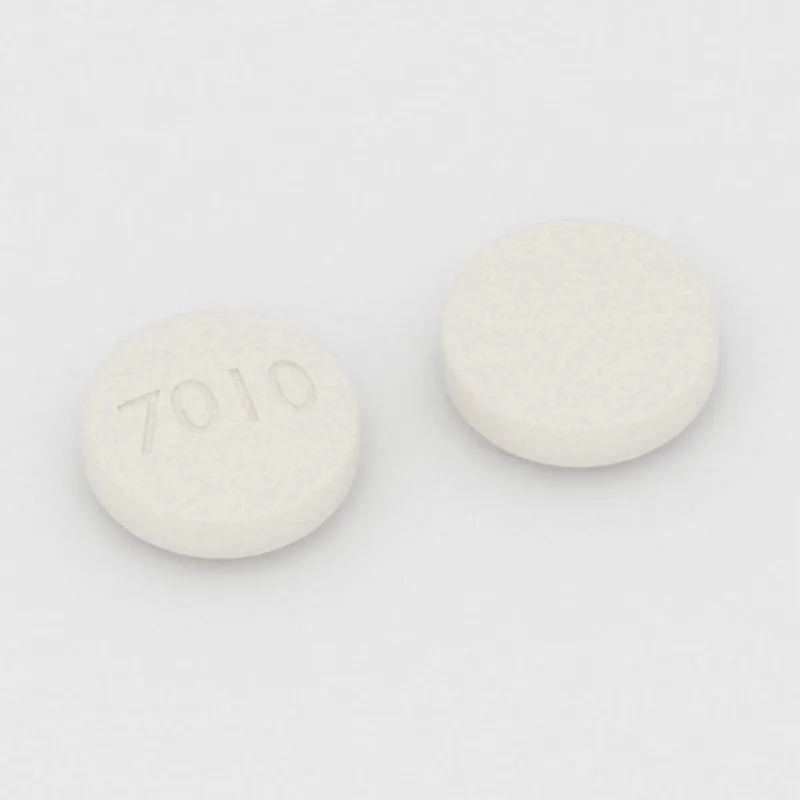
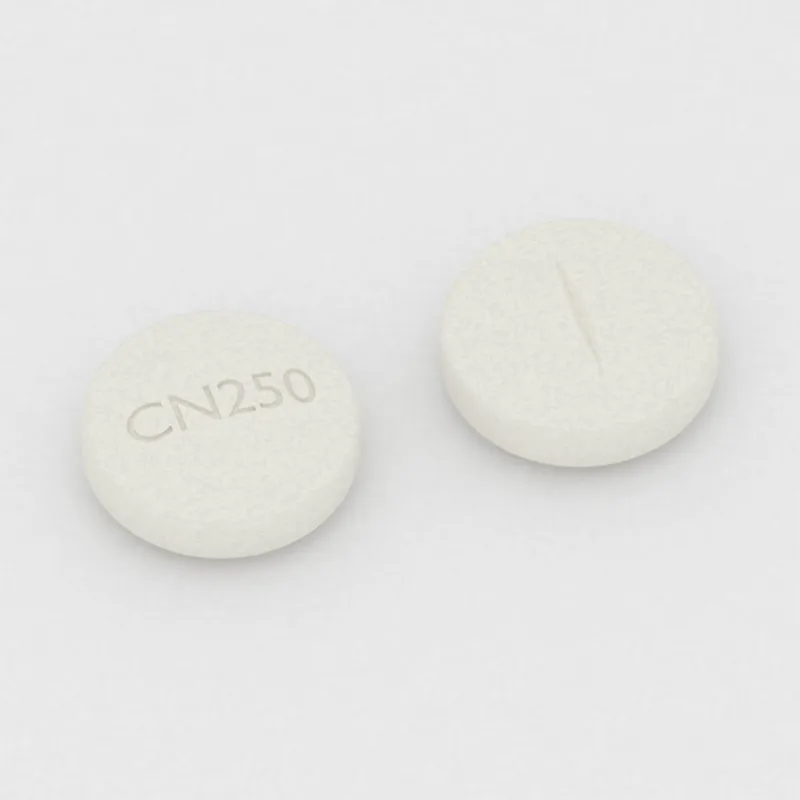
Darstellungen nach den Produktangaben der FDA-Fachinformationen: Farbe, Form, Größe und Prägung. 5 dokumentierte Varianten von 3 Anbietern.
Wechselwirkungen laut Fachinformation
Schwerwiegende Wechselwirkungen (67)
Hypoglycemia Chloroquine has been shown to cause severe hypoglycemia including loss of consciousness that could be life-threatening in patients treated with or without antidiabetic medications (see PRECAUTIONS , Drug Interactions ). (Fachinformation zu Chloroquin, Warnhinweise)
Hypoglycemia Chloroquine has been shown to cause severe hypoglycemia including loss of consciousness that could be life-threatening in patients treated with or without antidiabetic medications (see PRECAUTIONS , Drug Interactions ). (Fachinformation zu Chloroquin, Warnhinweise)
Hypoglycemia Chloroquine has been shown to cause severe hypoglycemia including loss of consciousness that could be life-threatening in patients treated with or without antidiabetic medications (see PRECAUTIONS , Drug Interactions ). (Fachinformation zu Chloroquin, Warnhinweise)
Reserve the combination of amiodarone with other antiarrhythmic therapies that prolong the QTc to patients with life-threatening ventricular arrhythmias who are incompletely responsive to a single agent. (Fachinformation zu Amiodaron, Warnhinweise und Vorsichtsmaßnahmen)
Drugs that Prolong QT Avoid use of AGRYLIN in patients taking medications that may prolong QT interval (including, but not limited to, chloroquine, clarithromycin, haloperidol, methadone, moxifloxacin, amiodarone, disopyramide, procainamide, and pimozide) [see Warnings and Precautions (5.1) and Clinical Pharmacology (12.2) ] . (Fachinformation zu Anagrelid, Arzneimittelwechselwirkungen)
This risk which can be fatal should be considered in patients with certain cardiovascular disorders including known QT prolongation or history torsades de pointes, those with proarrhythmic conditions, and with other drugs that prolong the QT interval. (Fachinformation zu Azithromycin, Warnhinweise und Vorsichtsmaßnahmen)
Hypoglycemia Chloroquine has been shown to cause severe hypoglycemia including loss of consciousness that could be life-threatening in patients treated with or without antidiabetic medications (see PRECAUTIONS , Drug Interactions ). (Fachinformation zu Chloroquin, Warnhinweise)
Hypoglycemia Chloroquine has been shown to cause severe hypoglycemia including loss of consciousness that could be life-threatening in patients treated with or without antidiabetic medications (see PRECAUTIONS , Drug Interactions ). (Fachinformation zu Chloroquin, Warnhinweise)
Concomitant use of cimetidine should be avoided. (Fachinformation zu Chloroquin, Arzneimittelwechselwirkungen)
Avoid use in patients with known prolongation, those with hypokalemia, and with other drugs that prolong the QT interval. (Fachinformation zu Ciprofloxacin, Warnhinweise und Vorsichtsmaßnahmen)
Hypoglycemia Chloroquine has been shown to cause severe hypoglycemia including loss of consciousness that could be life-threatening in patients treated with or without antidiabetic medications (see PRECAUTIONS , Drug Interactions ). (Fachinformation zu Chloroquin, Warnhinweise)
Hypoglycemia Chloroquine has been shown to cause severe hypoglycemia including loss of consciousness that could be life-threatening in patients treated with or without antidiabetic medications (see PRECAUTIONS , Drug Interactions ). (Fachinformation zu Chloroquin, Warnhinweise)
Use with Drugs that Prolong QT Interval and Antiarrhythmic Agents The use of dofetilide in conjunction with other drugs that prolong the QT interval has not been studied and is not recommended. (Fachinformation zu Dofetilid, Warnhinweise)
Hypoglycemia Chloroquine has been shown to cause severe hypoglycemia including loss of consciousness that could be life-threatening in patients treated with or without antidiabetic medications (see PRECAUTIONS , Drug Interactions ). (Fachinformation zu Chloroquin, Warnhinweise)
Hypoglycemia Chloroquine has been shown to cause severe hypoglycemia including loss of consciousness that could be life-threatening in patients treated with or without antidiabetic medications (see PRECAUTIONS , Drug Interactions ). (Fachinformation zu Chloroquin, Warnhinweise)
Hypoglycemia Chloroquine has been shown to cause severe hypoglycemia including loss of consciousness that could be life-threatening in patients treated with or without antidiabetic medications (see PRECAUTIONS , Drug Interactions ). (Fachinformation zu Chloroquin, Warnhinweise)
Concomitant use of COMPLERA with drugs with a known risk to prolong the QTc interval of the electrocardiogram may increase the risk of Torsade de Pointes. (Fachinformation zu Emtricitabin, Rilpivirin und Tenofovir, Warnhinweise und Vorsichtsmaßnahmen)
Hypoglycemia Chloroquine has been shown to cause severe hypoglycemia including loss of consciousness that could be life-threatening in patients treated with or without antidiabetic medications (see PRECAUTIONS , Drug Interactions ). (Fachinformation zu Chloroquin, Warnhinweise)
Coadministration of other drugs known to prolong the QT interval and which are metabolized via the enzyme CYP3A4 such as erythromycin, pimozide, and quinidine are contraindicated in patients receiving fluconazole. (Fachinformation zu Fluconazol, Gegenanzeigen)
(See DOSAGE and ADMINISTRATION. ) Because of the risk of QT prolongation and the potential for torsades de pointes, the use of FOSCAVIR should be avoided in combination with agents known to prolong the QT interval including Class IA (e.g., quinidine or procainamide) or Class III (e.g., dofetilide, amiodarone, sotalol) antiarrhythmic agents, phenothiazines, tricyclic… (Fachinformation zu Foscarnet, Arzneimittelwechselwirkungen)
Avoid co-administration of CONTEPO with drugs known to prolong the QT interval. (Fachinformation zu Fosfomycin, Arzneimittelwechselwirkungen)
Hypoglycemia Chloroquine has been shown to cause severe hypoglycemia including loss of consciousness that could be life-threatening in patients treated with or without antidiabetic medications (see PRECAUTIONS , Drug Interactions ). (Fachinformation zu Chloroquin, Warnhinweise)
Hypoglycemia Chloroquine has been shown to cause severe hypoglycemia including loss of consciousness that could be life-threatening in patients treated with or without antidiabetic medications (see PRECAUTIONS , Drug Interactions ). (Fachinformation zu Chloroquin, Warnhinweise)
Hypoglycemia Chloroquine has been shown to cause severe hypoglycemia including loss of consciousness that could be life-threatening in patients treated with or without antidiabetic medications (see PRECAUTIONS , Drug Interactions ). (Fachinformation zu Chloroquin, Warnhinweise)
Hypoglycemia Chloroquine has been shown to cause severe hypoglycemia including loss of consciousness that could be life-threatening in patients treated with or without antidiabetic medications (see PRECAUTIONS , Drug Interactions ). (Fachinformation zu Chloroquin, Warnhinweise)
Hypoglycemia Chloroquine has been shown to cause severe hypoglycemia including loss of consciousness that could be life-threatening in patients treated with or without antidiabetic medications (see PRECAUTIONS , Drug Interactions ). (Fachinformation zu Chloroquin, Warnhinweise)
Hypoglycemia Chloroquine has been shown to cause severe hypoglycemia including loss of consciousness that could be life-threatening in patients treated with or without antidiabetic medications (see PRECAUTIONS , Drug Interactions ). (Fachinformation zu Chloroquin, Warnhinweise)
Therefore, PLAQUENIL is not recommended in patients taking other drugs that have the potential to prolong the QT interval. (Fachinformation zu Hydroxychloroquin, Warnhinweise und Vorsichtsmaßnahmen)
Avoid the use of FANAPT in combination with any other drugs that prolong the QT interval [see Warnings and Precautions (5.3) ] . (Fachinformation zu Iloperidon, Arzneimittelwechselwirkungen)
Hypoglycemia Chloroquine has been shown to cause severe hypoglycemia including loss of consciousness that could be life-threatening in patients treated with or without antidiabetic medications (see PRECAUTIONS , Drug Interactions ). (Fachinformation zu Chloroquin, Warnhinweise)
Hypoglycemia Chloroquine has been shown to cause severe hypoglycemia including loss of consciousness that could be life-threatening in patients treated with or without antidiabetic medications (see PRECAUTIONS , Drug Interactions ). (Fachinformation zu Chloroquin, Warnhinweise)
Hypoglycemia Chloroquine has been shown to cause severe hypoglycemia including loss of consciousness that could be life-threatening in patients treated with or without antidiabetic medications (see PRECAUTIONS , Drug Interactions ). (Fachinformation zu Chloroquin, Warnhinweise)
Hypoglycemia Chloroquine has been shown to cause severe hypoglycemia including loss of consciousness that could be life-threatening in patients treated with or without antidiabetic medications (see PRECAUTIONS , Drug Interactions ). (Fachinformation zu Chloroquin, Warnhinweise)
Hypoglycemia Chloroquine has been shown to cause severe hypoglycemia including loss of consciousness that could be life-threatening in patients treated with or without antidiabetic medications (see PRECAUTIONS , Drug Interactions ). (Fachinformation zu Chloroquin, Warnhinweise)
- IvabradinSchwerwiegend
Bradycardia may increase the risk of QT prolongation which may lead to severe ventricular arrhythmias, including torsade de pointes, especially in patients with risk factors such as use of QTc prolonging drugs [see Adverse Reactions ( 6.2 )] . (Fachinformation zu Ivabradin, Warnhinweise und Vorsichtsmaßnahmen)
Avoid use in patients with known prolongation, those with hypokalemia, and with other drugs that prolong the QT interval ( 5.11 , 8.5 ) (Fachinformation zu Levofloxacin, Warnhinweise und Vorsichtsmaßnahmen)
Hypoglycemia Chloroquine has been shown to cause severe hypoglycemia including loss of consciousness that could be life-threatening in patients treated with or without antidiabetic medications (see PRECAUTIONS , Drug Interactions ). (Fachinformation zu Chloroquin, Warnhinweise)
Hypoglycemia Chloroquine has been shown to cause severe hypoglycemia including loss of consciousness that could be life-threatening in patients treated with or without antidiabetic medications (see PRECAUTIONS , Drug Interactions ). (Fachinformation zu Chloroquin, Warnhinweise)
Hypoglycemia Chloroquine has been shown to cause severe hypoglycemia including loss of consciousness that could be life-threatening in patients treated with or without antidiabetic medications (see PRECAUTIONS , Drug Interactions ). (Fachinformation zu Chloroquin, Warnhinweise)
Hypoglycemia Chloroquine has been shown to cause severe hypoglycemia including loss of consciousness that could be life-threatening in patients treated with or without antidiabetic medications (see PRECAUTIONS , Drug Interactions ). (Fachinformation zu Chloroquin, Warnhinweise)
Hypoglycemia Chloroquine has been shown to cause severe hypoglycemia including loss of consciousness that could be life-threatening in patients treated with or without antidiabetic medications (see PRECAUTIONS , Drug Interactions ). (Fachinformation zu Chloroquin, Warnhinweise)
Examples diazepam, alprazolam, alcohol Drugs that Prolong QTc Interval Clinical Impact The concomitant use of other drugs which prolong the QTc interval with REMERON/REMERONSolTab, increase the risk of QT prolongation and/or ventricular arrhythmias (e.g., Torsades de Pointes). (Fachinformation zu Mirtazapin, Arzneimittelwechselwirkungen)
Hypoglycemia Chloroquine has been shown to cause severe hypoglycemia including loss of consciousness that could be life-threatening in patients treated with or without antidiabetic medications (see PRECAUTIONS , Drug Interactions ). (Fachinformation zu Chloroquin, Warnhinweise)
- OxaliplatinSchwerwiegend
Avoid coadministration of oxaliplatin injection with medicinal products with a known potential to prolong the QT interval. (Fachinformation zu Oxaliplatin, Arzneimittelwechselwirkungen)
- PazopanibSchwerwiegend
Avoid coadministration of VOTRIENT with drugs known to prolong the QT/QTc interval. (Fachinformation zu Pazopanib, Arzneimittelwechselwirkungen)
- PenicillaminSchwerwiegend
Penicillamine should not be used in patients who are receiving concurrently gold therapy, antimalarial or cytotoxic drugs, oxyphenbutazone or phenylbutazone because these drugs are also associated with similar serious hematologic and renal adverse reactions. (Fachinformation zu Penicillamin, Vorsichtsmaßnahmen)
Drugs that Prolong the QT Interval : Avoid concomitant use. (Fachinformation zu Phenobarbital, Arzneimittelwechselwirkungen)
Because pimozide prolongs the QT interval of the electrocardiogram it is contraindicated in patients with congenital long QT syndrome, patients with a history of cardiac arrhythmias, patients taking other drugs which prolong the QT interval of the electrocardiogram or patients with known hypokalemia or hypomagnesemia (see also PRECAUTIONS - DRUG INTERACTIONS ). (Fachinformation zu Pimozid, Gegenanzeigen)
Hypoglycemia Chloroquine has been shown to cause severe hypoglycemia including loss of consciousness that could be life-threatening in patients treated with or without antidiabetic medications (see PRECAUTIONS , Drug Interactions ). (Fachinformation zu Chloroquin, Warnhinweise)
Hypoglycemia Chloroquine has been shown to cause severe hypoglycemia including loss of consciousness that could be life-threatening in patients treated with or without antidiabetic medications (see PRECAUTIONS , Drug Interactions ). (Fachinformation zu Chloroquin, Warnhinweise)
Hypoglycemia Chloroquine has been shown to cause severe hypoglycemia including loss of consciousness that could be life-threatening in patients treated with or without antidiabetic medications (see PRECAUTIONS , Drug Interactions ). (Fachinformation zu Chloroquin, Warnhinweise)
The use of WAKIX should be avoided in patients with known QT prolongation or in combination with other drugs known to prolong the QT interval [see Drug Interactions ( 7.1 )]. (Fachinformation zu Pitolisant, Warnhinweise und Vorsichtsmaßnahmen)
• Avoid use with other antiarrhythmic agents or drugs that prolong the QT interval. (Fachinformation zu Propafenon, Warnhinweise und Vorsichtsmaßnahmen)
Hypoglycemia Chloroquine has been shown to cause severe hypoglycemia including loss of consciousness that could be life-threatening in patients treated with or without antidiabetic medications (see PRECAUTIONS , Drug Interactions ). (Fachinformation zu Chloroquin, Warnhinweise)
Hypoglycemia Chloroquine has been shown to cause severe hypoglycemia including loss of consciousness that could be life-threatening in patients treated with or without antidiabetic medications (see PRECAUTIONS , Drug Interactions ). (Fachinformation zu Chloroquin, Warnhinweise)
Hypoglycemia Chloroquine has been shown to cause severe hypoglycemia including loss of consciousness that could be life-threatening in patients treated with or without antidiabetic medications (see PRECAUTIONS , Drug Interactions ). (Fachinformation zu Chloroquin, Warnhinweise)
Hypoglycemia Chloroquine has been shown to cause severe hypoglycemia including loss of consciousness that could be life-threatening in patients treated with or without antidiabetic medications (see PRECAUTIONS , Drug Interactions ). (Fachinformation zu Chloroquin, Warnhinweise)
Avoid the concomitant use of drugs known to prolong the QTc interval. (Fachinformation zu Sertralin, Arzneimittelwechselwirkungen)
Hypoglycemia Chloroquine has been shown to cause severe hypoglycemia including loss of consciousness that could be life-threatening in patients treated with or without antidiabetic medications (see PRECAUTIONS , Drug Interactions ). (Fachinformation zu Chloroquin, Warnhinweise)
Hypoglycemia Chloroquine has been shown to cause severe hypoglycemia including loss of consciousness that could be life-threatening in patients treated with or without antidiabetic medications (see PRECAUTIONS , Drug Interactions ). (Fachinformation zu Chloroquin, Warnhinweise)
Tamoxifen: Concomitant use of chloroquine with drugs known to induce retinal toxicity such as tamoxifen is not recommended (see WARNINGS ). (Fachinformation zu Chloroquin, Arzneimittelwechselwirkungen)
Certain conditions may increase the risk for torsade de pointes or sudden death such as (1) bradycardia; (2) hypokalemia or hypomagnesemia; (3) concomitant use of other drugs that prolong the QTc interval; and (4) presence of congenital prolongation of the QT interval [see Warnings and Precautions ( 5.8 ), Clinical Pharmacology (12.2) ]. (Fachinformation zu Tetrabenazin, Arzneimittelwechselwirkungen)
CONTRAINDICATIONS Thioridazine hydrochloride tablet use should be avoided in combination with other drugs that are known to prolong the QTc interval and in patients with congenital long QT syndrome or a history of cardiac arrhythmias. (Fachinformation zu Thioridazin, Gegenanzeigen)
Hypoglycemia Chloroquine has been shown to cause severe hypoglycemia including loss of consciousness that could be life-threatening in patients treated with or without antidiabetic medications (see PRECAUTIONS , Drug Interactions ). (Fachinformation zu Chloroquin, Warnhinweise)
- VepdegestrantSchwerwiegend
Avoid concomitant use of VEPPANU with strong CYP3A inhibitors or drugs known to prolong the QTc interval. (Fachinformation zu Vepdegestrant, Warnhinweise und Vorsichtsmaßnahmen)
…drugs, ziprasidone is contraindicated: • in patients with a known history of QT prolongation (including congenital long QT syndrome) • in patients with recent acute myocardial infarction • in patients with uncompensated heart failure Pharmacokinetic/pharmacodynamic studies between ziprasidone and other drugs that prolong the QT interval have not been performed. (Fachinformation zu Ziprasidon, Gegenanzeigen)
Mittelschwere Wechselwirkungen (64)
Ampicillin: In a study of healthy volunteers, chloroquine significantly reduced the bioavailability of ampicillin. (Fachinformation zu Chloroquin, Arzneimittelwechselwirkungen)
Ampicillin: In a study of healthy volunteers, chloroquine significantly reduced the bioavailability of ampicillin. (Fachinformation zu Chloroquin, Arzneimittelwechselwirkungen)
Drug Interactions Antacids and kaolin: Antacids and kaolin can reduce absorption of chloroquine; an interval of at least 4 hours between intake of these agents and chloroquine should be observed. (Fachinformation zu Chloroquin, Arzneimittelwechselwirkungen)
MAO inhibitors, tricyclic antidepressants and drugs that prolong the QTc interval may potentiate effect on the cardiovascular system. (Fachinformation zu Arformoterol, Arzneimittelwechselwirkungen)
…ropivacaine, tetracaine Antineoplastic agents cyclophosphamide, flutamide, hydroxyurea, ifosfamide, rasburicase Antibiotics dapsone, nitrofurantoin, para-aminosalicylic acid, sulfonamides Antimalarials chloroquine, primaquine Anticonvulsants phenobarbital, phenytoin, sodium valproate Other drugs acetaminophen, metoclopramide, quinine, sulfasalazine Monoamine Oxidase… (Fachinformation zu Articain und Adrenalin, Arzneimittelwechselwirkungen)
Patients infected with a resistant strain of plasmodia as shown by the fact that normally adequate doses have failed to prevent or cure clinical malaria or parasitemia should be treated with another form of antimalarial therapy. (Fachinformation zu Chloroquin, Warnhinweise)
Patients infected with a resistant strain of plasmodia as shown by the fact that normally adequate doses have failed to prevent or cure clinical malaria or parasitemia should be treated with another form of antimalarial therapy. (Fachinformation zu Chloroquin, Warnhinweise)
Drugs that Prolong the QT interval QT prolongation has been reported with metronidazole, a component of bismuth subcitrate potassium, metronidazole and tetracycline hydrochloride, particularly when administered with drugs with the potential for prolonging the QT interval. (Fachinformation zu Bismutsubcitrat, Metronidazol und Tetracyclin, Warnhinweise und Vorsichtsmaßnahmen)
• Drugs Associated with Methemoglobinemia : Patients are at increased risk of developing methemoglobinemia when concurrently exposed to nitrates, nitrites, local anesthetics, antineoplastic agents, antibiotics, antimalarials, anticonvulsants, and other drugs. (Fachinformation zu Bupivacain, Arzneimittelwechselwirkungen)
• Drugs Associated with Methemoglobinemia : Patients are at increased risk of developing methemoglobinemia when concurrently exposed to nitrates, nitrites, local anesthetics, antineoplastic agents, antibiotics, antimalarials, anticonvulsants, and other drugs. (Fachinformation zu Bupivacain und Adrenalin, Arzneimittelwechselwirkungen)
The risk of combining buprenorphine with other QT-prolonging agents is not known. (Fachinformation zu Buprenorphin, Warnhinweise und Vorsichtsmaßnahmen)
The risk of combining buprenorphine with other QT-prolonging agents is not known. (Fachinformation zu Buprenorphin und Naloxon, Warnhinweise und Vorsichtsmaßnahmen)
Patients infected with a resistant strain of plasmodia as shown by the fact that normally adequate doses have failed to prevent or cure clinical malaria or parasitemia should be treated with another form of antimalarial therapy. (Fachinformation zu Chloroquin, Warnhinweise)
…procaine, ropivacaine, tetracaine Antineoplastic agents cyclophosphamide, flutamide, hydroxyurea, ifosfamide, rasburicase Antibiotics dapsone, nitrofurantoin, para-aminosalicylic acid, sulfonamides Antimalarials chloroquine, primaquine Anticonvulsants Phenobarbital, phenytoin, sodium valproate Other drugs acetaminophen, metoclopramide, quinine, sulfasalazine (Fachinformation zu Chloroprocain, Vorsichtsmaßnahmen)
Cyclosporine: After introduction of chloroquine (oral form), a sudden increase in serum cyclosporine level has been reported. (Fachinformation zu Chloroquin, Arzneimittelwechselwirkungen)
QT Interval Prolongation and V entricular A rr h ythmia Decreases in serum calcium can also prolong the QT interval, potentially resulting in ventricular arrhythmia. (Fachinformation zu Cinacalcet, Warnhinweise und Vorsichtsmaßnahmen)
Avoid use of Citalopram Capsules in patients with congenital long QT syndrome, bradycardia, hypokalemia or hypomagnesemia, recent acute myocardial infarction, or uncompensated heart failure and patients taking other drugs that prolong the QTc interval. (Fachinformation zu Citalopram, Warnhinweise und Vorsichtsmaßnahmen)
Carefully monitor cardiac rhythm when administering SUPRANE to susceptible patients (e.g., patients with congenital Long QT Syndrome or patients taking drugs that can prolong the QT interval). (Fachinformation zu Desfluran, Warnhinweise und Vorsichtsmaßnahmen)
…cardiac disease, 3) treatment with Class I and Class III antiarrhythmics, 4) treatment with monoamine oxidase inhibitors (MAOI's), 5) concomitant treatment with other drug products known to prolong the QT interval (see PRECAUTIONS, Drug Interactions ), and 6) electrolyte imbalance, in particular hypokalemia and hypomagnesemia, or concomitant treatment with drugs… (Fachinformation zu Droperidol, Warnhinweise)
QT Prolonging Drugs There is limited information available on the potential for a pharmacodynamic interaction between efavirenz and drugs that prolong the QTc interval. (Fachinformation zu Efavirenz, Arzneimittelwechselwirkungen)
QT Prolonging Drugs There is limited information available on the potential for a pharmacodynamic interaction between EFV and drugs that prolong the QTc interval. (Fachinformation zu Efavirenz, Lamivudin und Tenofovir, Arzneimittelwechselwirkungen)
- EribulinMittelschwer
QT Prolongation: Monitor for prolonged QT intervals in patients with congestive heart failure, bradyarrhythmias, drugs known to prolong the QT interval, and electrolyte abnormalities. (Fachinformation zu Eribulin, Warnhinweise und Vorsichtsmaßnahmen)
Antimalarial : artemether/lumefantrine ↔ etravirine ↓ artemether ↓ dihydroartemisinin ↓ lumefantrine Caution is warranted when co-administering Etravirine and artemether/lumefantrine as it is unknown whether the decrease in exposure of artemether or its active metabolite, dihydroartemisinin, could result in decreased antimalarial efficacy. (Fachinformation zu Etravirin, Arzneimittelwechselwirkungen)
…prolonged QT interval, 3) treatment with Class 1 and Class III antiarrhythmics, 4) treatment with monoamine oxidase inhibitors (MAOI's), 5) concomitant treatment with other drug products known to prolong the QT interval and 6) electrolyte imbalance, in particular hypokalemia and hypomagnesemia, or concomitant treatment with drugs (e.g., diuretics) that may cause electrolyte… (Fachinformation zu Fentanyl, Warnhinweise und Vorsichtsmaßnahmen)
Use with caution in combination with other drugs that prolong the QT interval ( 4.2 , 5.11 , 7.7 , 7.8 ) 7.1 Monoamine Oxidase Inhibitors (MAOI) [See Dosage and Administration ( 2.9 , 2.10 ), Contraindications ( 4.1 ), and Warnings and Precautions ( 5.2 )] . (Fachinformation zu Fluoxetin, Arzneimittelwechselwirkungen)
…Antidepressants, QTc Prolonging Drugs Formoterol, as with other beta 2 -agonists, should be administered with extreme caution to patients being treated with monoamine oxidase inhibitors, tricyclic antidepressants, or drugs known to prolong the QTc interval because the effect of adrenergic agonists on the cardiovascular system may be potentiated by these agents. (Fachinformation zu Formoterol, Arzneimittelwechselwirkungen)
- GoserelinMittelschwer
Effect on QT/QTc Interval: Androgen deprivation therapy may prolong the QT interval. (Fachinformation zu Goserelin, Warnhinweise und Vorsichtsmaßnahmen)
This observation should be considered in making clinical decisions regarding patient monitoring when prescribing HYSINGLA ER in patients with congestive heart failure, bradyarrhythmias, electrolyte abnormalities, or who are taking medications that are known to prolong the QTc interval. (Fachinformation zu Hydrocodon, Warnhinweise und Vorsichtsmaßnahmen)
Monitor QT interval when administering FORANE to susceptible patients (e.g., patients with congenital Long QT Syndrome or patients taking drugs that can prolong the QT interval). (Fachinformation zu Isofluran, Warnhinweise und Vorsichtsmaßnahmen)
TYKERB may prolong the QT interval in some patients. (Fachinformation zu Lapatinib, Warnhinweise und Vorsichtsmaßnahmen)
- LeuprorelinMittelschwer
Effect on QT/QTc Interval: Androgen deprivation therapy may prolong the QT interval. (Fachinformation zu Leuprorelin, Warnhinweise und Vorsichtsmaßnahmen)
Drugs Associated with Methemoglobinemia: Patients are at increased risk of developing methemoglobinemia when concurrently exposed to nitrates, nitrites, local anesthetics, antineoplastic agents, antibiotics, antimalarials, anticonvulsants, and other drugs. (Fachinformation zu Lidocain und Adrenalin, Arzneimittelwechselwirkungen)
…prilocaine, procaine, ropivacaine, tetracaine Antineoplastic agents cyclophosphamide, flutamide, hydroxyurea, isofamide, rasburicase Antibiotics dapsone, nitrofurantoin, para-aminosalicylic acid, sufonamides Antimalarials chloroquine, primaquine Anticonvulsants Phenobarbital, phenytoin, sodium valproate Other drugs acetaminophen, metoclopramide, quinine, sulfasalazine (Fachinformation zu Lidocain und Prilocain, Arzneimittelwechselwirkungen)
Risk of QT Prolongation : Lofexidine tablets prolong the QT interval. (Fachinformation zu Lofexidin, Warnhinweise und Vorsichtsmaßnahmen)
Mefloquine: Co-administration of chloroquine and mefloquine may increase the risk of convulsions. (Fachinformation zu Chloroquin, Arzneimittelwechselwirkungen)
…procaine, ropivacaine, tetracaine Antineoplastic agents cyclophosphamide, flutamide, hydroxyurea, ifosfamide, rasburicase Antibiotics dapsone, nitrofurantoin, para-aminosalicylic acid, sulfonamides Antimalarials chloroquine, primaquine Anticonvulsants phenobarbital, phenytoin, sodium valproate Other drugs acetaminophen, metoclopramide, quinine, sulfasalazine (Fachinformation zu Mepivacain, Arzneimittelwechselwirkungen)
Drugs that Prolong the QT Interval QT prolongation has been reported, particularly when metronidazole was administered with drugs with the potential for prolonging the QT interval. (Fachinformation zu Metronidazol, Arzneimittelwechselwirkungen)
There is little or no experience with high exposure, concomitant dosing with other QT-prolonging drugs, or potassium channel variants resulting in a long QT interval. [See Warnings & Precautions ( 5.6 )] To minimize risk, the lowest effective dose should always be used. (Fachinformation zu Mifepriston, Warnhinweise und Vorsichtsmaßnahmen)
Arrhythmogenic drugs: There may be an increased risk of inducing ventricular arrhythmias if chloroquine is used concomitantly with other arrhythmogenic drugs, such as amiodarone or moxifloxacin. (Fachinformation zu Chloroquin, Arzneimittelwechselwirkungen)
Drug Interactions Antacids and kaolin: Antacids and kaolin can reduce absorption of chloroquine; an interval of at least 4 hours between intake of these agents and chloroquine should be observed. (Fachinformation zu Chloroquin, Arzneimittelwechselwirkungen)
Use olanzapine and fluoxetine capsules with caution in combination with other drugs that prolong the QT interval ( 4.2 , 5.20 , 7.7 , 7.8 ) 7.1 Monoamine Oxidase Inhibitors (MAOIs) [See Dosage and Administration ( 2.4 , 2.5 ), Contraindications ( 4.1 ), and Warnings and Precautions ( 5.6 )] . (Fachinformation zu Olanzapin und Fluoxetin, Arzneimittelwechselwirkungen)
Drug Interactions Antacids and kaolin: Antacids and kaolin can reduce absorption of chloroquine; an interval of at least 4 hours between intake of these agents and chloroquine should be observed. (Fachinformation zu Chloroquin, Arzneimittelwechselwirkungen)
…combination with other drugs that are known to prolong QTc including Class 1A (e.g., quinidine, procainamide) or Class III (e.g., amiodarone, sotalol) antiarrhythmic medications, antipsychotic medications (e.g., chlorpromazine, thioridazine), antibiotics (e.g., gatifloxacin, moxifloxacin), or any other class of medications known to prolong the QTc interval. (Fachinformation zu Paliperidon, Warnhinweise und Vorsichtsmaßnahmen)
- PasireotidMittelschwer
Drugs that Prolong QT: Use with caution in patients who are at significant risk of developing QTc prolongation. (Fachinformation zu Pasireotid, Arzneimittelwechselwirkungen)
Anti-Arrhythmic Drugs, QT Prolonging Drugs, Drugs that may Decrease Heart Rate PONVORY has not been studied in patients taking QT prolonging drugs. (Fachinformation zu Ponesimod, Arzneimittelwechselwirkungen)
- PraziquantelMittelschwer
Praziquantel: In a single-dose interaction study, chloroquine has been reported to reduce the bioavailability of praziquantel. (Fachinformation zu Chloroquin, Arzneimittelwechselwirkungen)
…ropivacaine, tetracaine Antineoplastic Agents cyclophosphamide, flutamide, hydroxyurea, ifosfamide, rasburicase Antibiotics dapsone, nitrofurantoin, para-aminosalicylic acid, sulfonamides Antimalarials chloroquine, primaquine Anticonvulsants phenobarbital, phenytoin, sodium valproate Other drugs acetaminophen, metoclopramide, quinine, sulfasalazine The administration… (Fachinformation zu Prilocain und Adrenalin, Arzneimittelwechselwirkungen)
Patients infected with a resistant strain of plasmodia as shown by the fact that normally adequate doses have failed to prevent or cure clinical malaria or parasitemia should be treated with another form of antimalarial therapy. (Fachinformation zu Chloroquin, Warnhinweise)
Patients infected with a resistant strain of plasmodia as shown by the fact that normally adequate doses have failed to prevent or cure clinical malaria or parasitemia should be treated with another form of antimalarial therapy. (Fachinformation zu Chloroquin, Warnhinweise)
…Class 1A antiarrythmics (e.g., quinidine, procainamide) or Class III antiarrythmics (e.g., amiodarone, sotalol), antipsychotic medications (e.g., ziprasidone, chlorpromazine, thioridazine), antibiotics (e.g., gatifloxacin, moxifloxacin), or any other class of medications known to prolong the QTc interval (e.g., pentamidine, levomethadyl acetate, methadone). (Fachinformation zu Quetiapin, Warnhinweise und Vorsichtsmaßnahmen)
…quinidine, tocainide Antibiotics Chloramphenicol, clarithromycin, dapsone, doxycycline; Fluoroquinolones (such as ciprofloxacin) Oral Anticoagulants Warfarin Anticonvulsants Phenytoin Antimalarials Quinine Azole Antifungals Fluconazole, itraconazole, ketoconazole Antipsychotics Haloperidol Barbiturates Phenobarbital Benzodiazepines Diazepam Beta-Blockers Propranolol… (Fachinformation zu Rifapentin, Arzneimittelwechselwirkungen)
In healthy subjects, 75 mg once daily and 300 mg once daily (3 times and 12 times the dose in EDURANT) have been shown to prolong the QTc interval of the electrocardiogram. (Fachinformation zu Rilpivirin, Warnhinweise und Vorsichtsmaßnahmen)
QT Interval Prolongation The overall analysis of ECG data in pediatric patients indicates that the concomitant use of Rocuronium Bromide Injection with general anesthetic agents can prolong the QTc interval [see Clinical Studies ( 14.3 )]. (Fachinformation zu Rocuronium, Warnhinweise und Vorsichtsmaßnahmen)
…ropivacaine, tetracaine Antineoplastic agents cyclophosphamide, flutamide, hydroxyurea, ifosfamide, rasburicase Antibiotics dapsone, nitrofurantoin, para-aminosalicylic acid, sulfonamides Antimalarials chloroquine, primaquine Anticonvulsants Phenobarbital, phenytoin, sodium valproate Other drugs acetaminophen, metoclopramide, quinine, sulfasalazine NAROPIN should be… (Fachinformation zu Ropivacain, Arzneimittelwechselwirkungen)
Caution should be exercised when administering sevoflurane to susceptible patients (e.g., patients with congenital Long QT Syndrome or patients taking drugs that can prolong the QT interval). (Fachinformation zu Sevofluran, Warnhinweise)
- SorafenibMittelschwer
Monitor electrolytes and electrocardiograms in patients with congestive heart failure, bradyarrhythmias, drugs known to prolong the QT interval, including Class Ia and III antiarrhythmics. (Fachinformation zu Sorafenib, Warnhinweise und Vorsichtsmaßnahmen)
Additive to other QT-prolonging drugs ( 7.1 , 7.2 ) (Fachinformation zu Sotalol, Arzneimittelwechselwirkungen)
- SunitinibMittelschwer
Drugs that Prolong QT Interval SUTENT is associated with QTc interval prolongation [see Warnings and Precautions (5.3) , Clinical Pharmacology (12.2) ] . (Fachinformation zu Sunitinib, Arzneimittelwechselwirkungen)
…the Neuromuscular Blocking Action of Succinylcholine : promazine, oxytocin, aprotinin, certain non-penicillin antibiotics, quinidine, β-adrenergic blockers, procainamide, lidocaine, trimethaphan, lithium carbonate, magnesium salts, quinine, chloroquine, isoflurane, desflurane, metoclopramide, terbutaline, and drugs that reduce plasma cholinesterase activity. (Fachinformation zu Suxamethonium, Arzneimittelwechselwirkungen)
Patients infected with a resistant strain of plasmodia as shown by the fact that normally adequate doses have failed to prevent or cure clinical malaria or parasitemia should be treated with another form of antimalarial therapy. (Fachinformation zu Chloroquin, Warnhinweise)
- TriptorelinMittelschwer
Effect on QT/QTc Interval: Androgen deprivation therapy may prolong the QT interval. (Fachinformation zu Triptorelin, Warnhinweise und Vorsichtsmaßnahmen)
…like other beta 2 -agonists, should be administered with extreme caution to patients being treated with monoamine oxidase inhibitors, tricyclic antidepressants, or drugs known to prolong the QTc interval or within 2 weeks of discontinuation of such agents, because the effect of adrenergic agonists on the cardiovascular system may be potentiated by these agents. (Fachinformation zu Umeclidiniumbromid und Vilanterol, Arzneimittelwechselwirkungen)
Geringfügige Erwähnungen (2)
Cytochrome (CYP) 3A4 inhibitors, epoxide hydrolase inhibitors, CYP3A4 inducers, drugs metabolized by CYP1A2 or CYP3A4 (oral contraceptives, delavirdine, nefazodone), phenytoin, CNS depressants, lithium, chloroquine, mefloquine ( 7.1 , 7.2 , 7.3 ) (Fachinformation zu Carbamazepin, Arzneimittelwechselwirkungen)
Pediatric use In antimalarial trials, quinidine was as safe and effective in pediatric patients as in adults. (Fachinformation zu Chinidin, Vorsichtsmaßnahmen)
Prüfen Sie Chloroquin gegen alles, was Sie einnehmen. Fügen Sie Ihre gesamte Liste hinzu; alle Paare werden auf einmal geprüft.
Im Wechselwirkungscheck öffnenKeine medizinische Beratung. Der Schweregrad gibt die Formulierung der Fachinformation wieder, nicht Ihre persönlichen Umstände. Eine als „schwerwiegend“ eingestufte Wechselwirkung kann unter Aufsicht Routine sein, und eine „geringfügige“ kann bei hohen Dosen von Bedeutung sein. Fragen Sie in einer Apotheke nach.