
Interaksi Klorokuin
Klorokuin (Aralen), golongan antimalaria, memiliki 133 interaksi terdokumentasi dalam label FDA dan lembar fakta yang kami indeks: 67 mayor, 64 moderat, 2 minor, dan 0 dengan label yang melaporkan tidak ada interaksi bermakna. Setiap entri di bawah ini mengutip kalimat yang mendasarinya. Halaman obat ini adalah titik awal, bukan putusan untuk situasi Anda.
Seperti apa tampilan Klorokuin
Semua 5 versi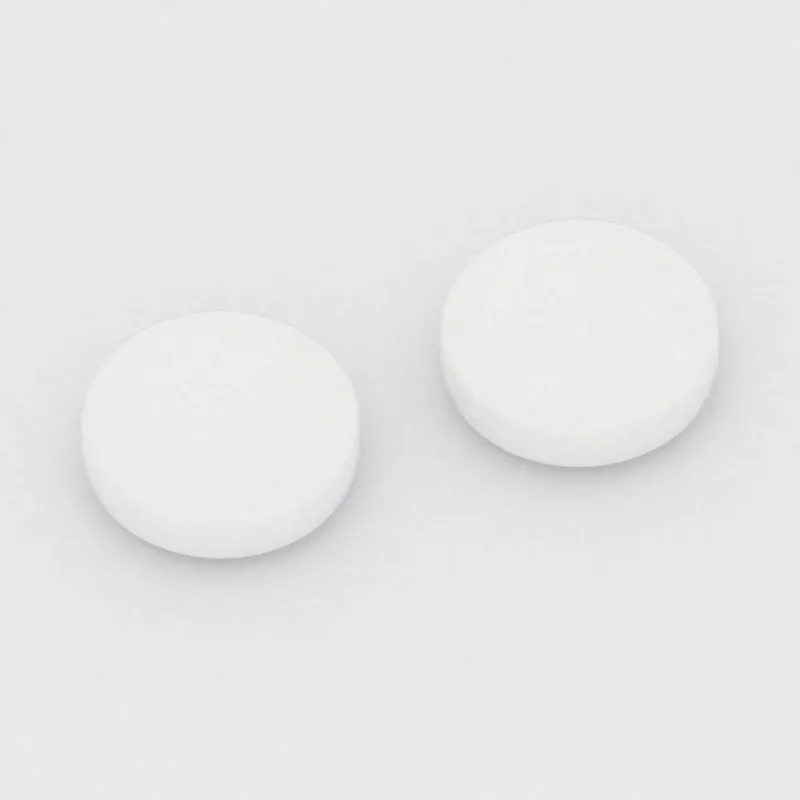
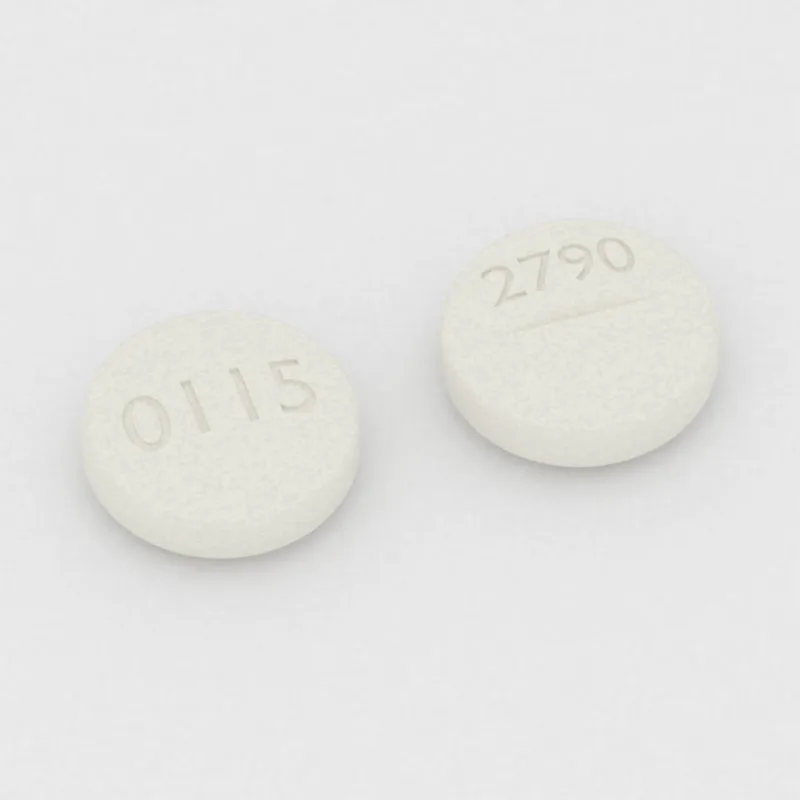
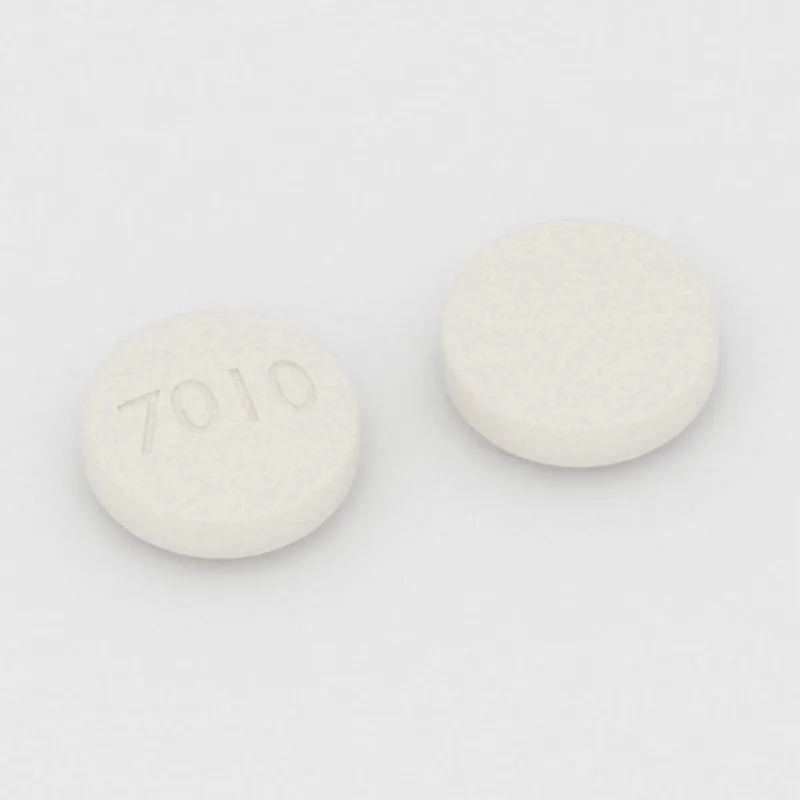
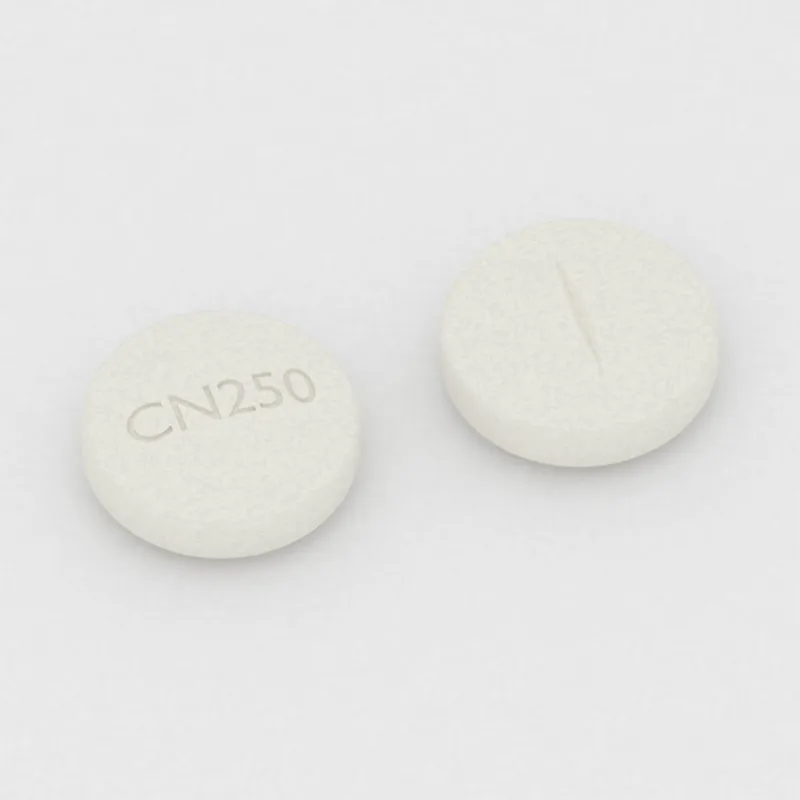
Gambar hasil render dari daftar produk pada label FDA: warna, bentuk, ukuran, dan kode cetak. 5 versi terdokumentasi dari 3 pelabel.
Interaksi dari label
Interaksi mayor (67)
Hypoglycemia Chloroquine has been shown to cause severe hypoglycemia including loss of consciousness that could be life-threatening in patients treated with or without antidiabetic medications (see PRECAUTIONS , Drug Interactions ). (label Klorokuin, Peringatan)
Hypoglycemia Chloroquine has been shown to cause severe hypoglycemia including loss of consciousness that could be life-threatening in patients treated with or without antidiabetic medications (see PRECAUTIONS , Drug Interactions ). (label Klorokuin, Peringatan)
Hypoglycemia Chloroquine has been shown to cause severe hypoglycemia including loss of consciousness that could be life-threatening in patients treated with or without antidiabetic medications (see PRECAUTIONS , Drug Interactions ). (label Klorokuin, Peringatan)
Reserve the combination of amiodarone with other antiarrhythmic therapies that prolong the QTc to patients with life-threatening ventricular arrhythmias who are incompletely responsive to a single agent. (label Amiodaron, Peringatan dan perhatian)
Drugs that Prolong QT Avoid use of AGRYLIN in patients taking medications that may prolong QT interval (including, but not limited to, chloroquine, clarithromycin, haloperidol, methadone, moxifloxacin, amiodarone, disopyramide, procainamide, and pimozide) [see Warnings and Precautions (5.1) and Clinical Pharmacology (12.2) ] . (label Anagrelid, Interaksi obat)
This risk which can be fatal should be considered in patients with certain cardiovascular disorders including known QT prolongation or history torsades de pointes, those with proarrhythmic conditions, and with other drugs that prolong the QT interval. (label Azitromisin, Peringatan dan perhatian)
Hypoglycemia Chloroquine has been shown to cause severe hypoglycemia including loss of consciousness that could be life-threatening in patients treated with or without antidiabetic medications (see PRECAUTIONS , Drug Interactions ). (label Klorokuin, Peringatan)
Hypoglycemia Chloroquine has been shown to cause severe hypoglycemia including loss of consciousness that could be life-threatening in patients treated with or without antidiabetic medications (see PRECAUTIONS , Drug Interactions ). (label Klorokuin, Peringatan)
Hypoglycemia Chloroquine has been shown to cause severe hypoglycemia including loss of consciousness that could be life-threatening in patients treated with or without antidiabetic medications (see PRECAUTIONS , Drug Interactions ). (label Klorokuin, Peringatan)
Use with Drugs that Prolong QT Interval and Antiarrhythmic Agents The use of dofetilide in conjunction with other drugs that prolong the QT interval has not been studied and is not recommended. (label Dofetilid, Peringatan)
Hypoglycemia Chloroquine has been shown to cause severe hypoglycemia including loss of consciousness that could be life-threatening in patients treated with or without antidiabetic medications (see PRECAUTIONS , Drug Interactions ). (label Klorokuin, Peringatan)
Hypoglycemia Chloroquine has been shown to cause severe hypoglycemia including loss of consciousness that could be life-threatening in patients treated with or without antidiabetic medications (see PRECAUTIONS , Drug Interactions ). (label Klorokuin, Peringatan)
Hypoglycemia Chloroquine has been shown to cause severe hypoglycemia including loss of consciousness that could be life-threatening in patients treated with or without antidiabetic medications (see PRECAUTIONS , Drug Interactions ). (label Klorokuin, Peringatan)
Hypoglycemia Chloroquine has been shown to cause severe hypoglycemia including loss of consciousness that could be life-threatening in patients treated with or without antidiabetic medications (see PRECAUTIONS , Drug Interactions ). (label Klorokuin, Peringatan)
Concomitant use of COMPLERA with drugs with a known risk to prolong the QTc interval of the electrocardiogram may increase the risk of Torsade de Pointes. (label Emtrisitabin, rilpivirin, dan tenofovir, Peringatan dan perhatian)
Drugs that Prolong the QT Interval : Avoid concomitant use. (label Fenobarbital, Interaksi obat)
Coadministration of other drugs known to prolong the QT interval and which are metabolized via the enzyme CYP3A4 such as erythromycin, pimozide, and quinidine are contraindicated in patients receiving fluconazole. (label Flukonazol, Kontraindikasi)
Avoid co-administration of CONTEPO with drugs known to prolong the QT interval. (label Fosfomisin, Interaksi obat)
(See DOSAGE and ADMINISTRATION. ) Because of the risk of QT prolongation and the potential for torsades de pointes, the use of FOSCAVIR should be avoided in combination with agents known to prolong the QT interval including Class IA (e.g., quinidine or procainamide) or Class III (e.g., dofetilide, amiodarone, sotalol) antiarrhythmic agents, phenothiazines, tricyclic… (label Foskarnet, Interaksi obat)
Hypoglycemia Chloroquine has been shown to cause severe hypoglycemia including loss of consciousness that could be life-threatening in patients treated with or without antidiabetic medications (see PRECAUTIONS , Drug Interactions ). (label Klorokuin, Peringatan)
Hypoglycemia Chloroquine has been shown to cause severe hypoglycemia including loss of consciousness that could be life-threatening in patients treated with or without antidiabetic medications (see PRECAUTIONS , Drug Interactions ). (label Klorokuin, Peringatan)
Hypoglycemia Chloroquine has been shown to cause severe hypoglycemia including loss of consciousness that could be life-threatening in patients treated with or without antidiabetic medications (see PRECAUTIONS , Drug Interactions ). (label Klorokuin, Peringatan)
Hypoglycemia Chloroquine has been shown to cause severe hypoglycemia including loss of consciousness that could be life-threatening in patients treated with or without antidiabetic medications (see PRECAUTIONS , Drug Interactions ). (label Klorokuin, Peringatan)
Hypoglycemia Chloroquine has been shown to cause severe hypoglycemia including loss of consciousness that could be life-threatening in patients treated with or without antidiabetic medications (see PRECAUTIONS , Drug Interactions ). (label Klorokuin, Peringatan)
Therefore, PLAQUENIL is not recommended in patients taking other drugs that have the potential to prolong the QT interval. (label Hidroksiklorokuin, Peringatan dan perhatian)
Avoid the use of FANAPT in combination with any other drugs that prolong the QT interval [see Warnings and Precautions (5.3) ] . (label Iloperidon, Interaksi obat)
Hypoglycemia Chloroquine has been shown to cause severe hypoglycemia including loss of consciousness that could be life-threatening in patients treated with or without antidiabetic medications (see PRECAUTIONS , Drug Interactions ). (label Klorokuin, Peringatan)
Hypoglycemia Chloroquine has been shown to cause severe hypoglycemia including loss of consciousness that could be life-threatening in patients treated with or without antidiabetic medications (see PRECAUTIONS , Drug Interactions ). (label Klorokuin, Peringatan)
Hypoglycemia Chloroquine has been shown to cause severe hypoglycemia including loss of consciousness that could be life-threatening in patients treated with or without antidiabetic medications (see PRECAUTIONS , Drug Interactions ). (label Klorokuin, Peringatan)
Hypoglycemia Chloroquine has been shown to cause severe hypoglycemia including loss of consciousness that could be life-threatening in patients treated with or without antidiabetic medications (see PRECAUTIONS , Drug Interactions ). (label Klorokuin, Peringatan)
Hypoglycemia Chloroquine has been shown to cause severe hypoglycemia including loss of consciousness that could be life-threatening in patients treated with or without antidiabetic medications (see PRECAUTIONS , Drug Interactions ). (label Klorokuin, Peringatan)
Hypoglycemia Chloroquine has been shown to cause severe hypoglycemia including loss of consciousness that could be life-threatening in patients treated with or without antidiabetic medications (see PRECAUTIONS , Drug Interactions ). (label Klorokuin, Peringatan)
- IvabradinMayor
Bradycardia may increase the risk of QT prolongation which may lead to severe ventricular arrhythmias, including torsade de pointes, especially in patients with risk factors such as use of QTc prolonging drugs [see Adverse Reactions ( 6.2 )] . (label Ivabradin, Peringatan dan perhatian)
Hypoglycemia Chloroquine has been shown to cause severe hypoglycemia including loss of consciousness that could be life-threatening in patients treated with or without antidiabetic medications (see PRECAUTIONS , Drug Interactions ). (label Klorokuin, Peringatan)
Avoid use in patients with known prolongation, those with hypokalemia, and with other drugs that prolong the QT interval ( 5.11 , 8.5 ) (label Levofloksasin, Peringatan dan perhatian)
Hypoglycemia Chloroquine has been shown to cause severe hypoglycemia including loss of consciousness that could be life-threatening in patients treated with or without antidiabetic medications (see PRECAUTIONS , Drug Interactions ). (label Klorokuin, Peringatan)
Hypoglycemia Chloroquine has been shown to cause severe hypoglycemia including loss of consciousness that could be life-threatening in patients treated with or without antidiabetic medications (see PRECAUTIONS , Drug Interactions ). (label Klorokuin, Peringatan)
Hypoglycemia Chloroquine has been shown to cause severe hypoglycemia including loss of consciousness that could be life-threatening in patients treated with or without antidiabetic medications (see PRECAUTIONS , Drug Interactions ). (label Klorokuin, Peringatan)
Hypoglycemia Chloroquine has been shown to cause severe hypoglycemia including loss of consciousness that could be life-threatening in patients treated with or without antidiabetic medications (see PRECAUTIONS , Drug Interactions ). (label Klorokuin, Peringatan)
Hypoglycemia Chloroquine has been shown to cause severe hypoglycemia including loss of consciousness that could be life-threatening in patients treated with or without antidiabetic medications (see PRECAUTIONS , Drug Interactions ). (label Klorokuin, Peringatan)
Examples diazepam, alprazolam, alcohol Drugs that Prolong QTc Interval Clinical Impact The concomitant use of other drugs which prolong the QTc interval with REMERON/REMERONSolTab, increase the risk of QT prolongation and/or ventricular arrhythmias (e.g., Torsades de Pointes). (label Mirtazapin, Interaksi obat)
Hypoglycemia Chloroquine has been shown to cause severe hypoglycemia including loss of consciousness that could be life-threatening in patients treated with or without antidiabetic medications (see PRECAUTIONS , Drug Interactions ). (label Klorokuin, Peringatan)
- OksaliplatinMayor
Avoid coadministration of oxaliplatin injection with medicinal products with a known potential to prolong the QT interval. (label Oksaliplatin, Interaksi obat)
- PazopanibMayor
Avoid coadministration of VOTRIENT with drugs known to prolong the QT/QTc interval. (label Pazopanib, Interaksi obat)
- PenisilaminMayor
Penicillamine should not be used in patients who are receiving concurrently gold therapy, antimalarial or cytotoxic drugs, oxyphenbutazone or phenylbutazone because these drugs are also associated with similar serious hematologic and renal adverse reactions. (label Penisilamin, Perhatian)
Because pimozide prolongs the QT interval of the electrocardiogram it is contraindicated in patients with congenital long QT syndrome, patients with a history of cardiac arrhythmias, patients taking other drugs which prolong the QT interval of the electrocardiogram or patients with known hypokalemia or hypomagnesemia (see also PRECAUTIONS - DRUG INTERACTIONS ). (label Pimozid, Kontraindikasi)
Hypoglycemia Chloroquine has been shown to cause severe hypoglycemia including loss of consciousness that could be life-threatening in patients treated with or without antidiabetic medications (see PRECAUTIONS , Drug Interactions ). (label Klorokuin, Peringatan)
Hypoglycemia Chloroquine has been shown to cause severe hypoglycemia including loss of consciousness that could be life-threatening in patients treated with or without antidiabetic medications (see PRECAUTIONS , Drug Interactions ). (label Klorokuin, Peringatan)
Hypoglycemia Chloroquine has been shown to cause severe hypoglycemia including loss of consciousness that could be life-threatening in patients treated with or without antidiabetic medications (see PRECAUTIONS , Drug Interactions ). (label Klorokuin, Peringatan)
The use of WAKIX should be avoided in patients with known QT prolongation or in combination with other drugs known to prolong the QT interval [see Drug Interactions ( 7.1 )]. (label Pitolisant, Peringatan dan perhatian)
• Avoid use with other antiarrhythmic agents or drugs that prolong the QT interval. (label Propafenon, Peringatan dan perhatian)
Hypoglycemia Chloroquine has been shown to cause severe hypoglycemia including loss of consciousness that could be life-threatening in patients treated with or without antidiabetic medications (see PRECAUTIONS , Drug Interactions ). (label Klorokuin, Peringatan)
Hypoglycemia Chloroquine has been shown to cause severe hypoglycemia including loss of consciousness that could be life-threatening in patients treated with or without antidiabetic medications (see PRECAUTIONS , Drug Interactions ). (label Klorokuin, Peringatan)
Hypoglycemia Chloroquine has been shown to cause severe hypoglycemia including loss of consciousness that could be life-threatening in patients treated with or without antidiabetic medications (see PRECAUTIONS , Drug Interactions ). (label Klorokuin, Peringatan)
Hypoglycemia Chloroquine has been shown to cause severe hypoglycemia including loss of consciousness that could be life-threatening in patients treated with or without antidiabetic medications (see PRECAUTIONS , Drug Interactions ). (label Klorokuin, Peringatan)
Avoid the concomitant use of drugs known to prolong the QTc interval. (label Sertralin, Interaksi obat)
Concomitant use of cimetidine should be avoided. (label Klorokuin, Interaksi obat)
Avoid use in patients with known prolongation, those with hypokalemia, and with other drugs that prolong the QT interval. (label Siprofloksasin, Peringatan dan perhatian)
Hypoglycemia Chloroquine has been shown to cause severe hypoglycemia including loss of consciousness that could be life-threatening in patients treated with or without antidiabetic medications (see PRECAUTIONS , Drug Interactions ). (label Klorokuin, Peringatan)
Hypoglycemia Chloroquine has been shown to cause severe hypoglycemia including loss of consciousness that could be life-threatening in patients treated with or without antidiabetic medications (see PRECAUTIONS , Drug Interactions ). (label Klorokuin, Peringatan)
Tamoxifen: Concomitant use of chloroquine with drugs known to induce retinal toxicity such as tamoxifen is not recommended (see WARNINGS ). (label Klorokuin, Interaksi obat)
Certain conditions may increase the risk for torsade de pointes or sudden death such as (1) bradycardia; (2) hypokalemia or hypomagnesemia; (3) concomitant use of other drugs that prolong the QTc interval; and (4) presence of congenital prolongation of the QT interval [see Warnings and Precautions ( 5.8 ), Clinical Pharmacology (12.2) ]. (label Tetrabenazin, Interaksi obat)
CONTRAINDICATIONS Thioridazine hydrochloride tablet use should be avoided in combination with other drugs that are known to prolong the QTc interval and in patients with congenital long QT syndrome or a history of cardiac arrhythmias. (label Tioridazin, Kontraindikasi)
Hypoglycemia Chloroquine has been shown to cause severe hypoglycemia including loss of consciousness that could be life-threatening in patients treated with or without antidiabetic medications (see PRECAUTIONS , Drug Interactions ). (label Klorokuin, Peringatan)
- VepdegestrantMayor
Avoid concomitant use of VEPPANU with strong CYP3A inhibitors or drugs known to prolong the QTc interval. (label Vepdegestrant, Peringatan dan perhatian)
…drugs, ziprasidone is contraindicated: • in patients with a known history of QT prolongation (including congenital long QT syndrome) • in patients with recent acute myocardial infarction • in patients with uncompensated heart failure Pharmacokinetic/pharmacodynamic studies between ziprasidone and other drugs that prolong the QT interval have not been performed. (label Ziprasidon, Kontraindikasi)
Interaksi moderat (64)
Ampicillin: In a study of healthy volunteers, chloroquine significantly reduced the bioavailability of ampicillin. (label Klorokuin, Interaksi obat)
Ampicillin: In a study of healthy volunteers, chloroquine significantly reduced the bioavailability of ampicillin. (label Klorokuin, Interaksi obat)
Drug Interactions Antacids and kaolin: Antacids and kaolin can reduce absorption of chloroquine; an interval of at least 4 hours between intake of these agents and chloroquine should be observed. (label Klorokuin, Interaksi obat)
MAO inhibitors, tricyclic antidepressants and drugs that prolong the QTc interval may potentiate effect on the cardiovascular system. (label Arformoterol, Interaksi obat)
…ropivacaine, tetracaine Antineoplastic agents cyclophosphamide, flutamide, hydroxyurea, ifosfamide, rasburicase Antibiotics dapsone, nitrofurantoin, para-aminosalicylic acid, sulfonamides Antimalarials chloroquine, primaquine Anticonvulsants phenobarbital, phenytoin, sodium valproate Other drugs acetaminophen, metoclopramide, quinine, sulfasalazine Monoamine Oxidase… (label Artikain dan epinefrin, Interaksi obat)
Patients infected with a resistant strain of plasmodia as shown by the fact that normally adequate doses have failed to prevent or cure clinical malaria or parasitemia should be treated with another form of antimalarial therapy. (label Klorokuin, Peringatan)
Patients infected with a resistant strain of plasmodia as shown by the fact that normally adequate doses have failed to prevent or cure clinical malaria or parasitemia should be treated with another form of antimalarial therapy. (label Klorokuin, Peringatan)
Drugs that Prolong the QT interval QT prolongation has been reported with metronidazole, a component of bismuth subcitrate potassium, metronidazole and tetracycline hydrochloride, particularly when administered with drugs with the potential for prolonging the QT interval. (label Bismut subsitrat, metronidazol, dan tetrasiklin, Peringatan dan perhatian)
• Drugs Associated with Methemoglobinemia : Patients are at increased risk of developing methemoglobinemia when concurrently exposed to nitrates, nitrites, local anesthetics, antineoplastic agents, antibiotics, antimalarials, anticonvulsants, and other drugs. (label Bupivakain, Interaksi obat)
• Drugs Associated with Methemoglobinemia : Patients are at increased risk of developing methemoglobinemia when concurrently exposed to nitrates, nitrites, local anesthetics, antineoplastic agents, antibiotics, antimalarials, anticonvulsants, and other drugs. (label Bupivakain dan epinefrin, Interaksi obat)
The risk of combining buprenorphine with other QT-prolonging agents is not known. (label Buprenorfin, Peringatan dan perhatian)
The risk of combining buprenorphine with other QT-prolonging agents is not known. (label Buprenorfin dan nalokson, Peringatan dan perhatian)
Carefully monitor cardiac rhythm when administering SUPRANE to susceptible patients (e.g., patients with congenital Long QT Syndrome or patients taking drugs that can prolong the QT interval). (label Desfluran, Peringatan dan perhatian)
…cardiac disease, 3) treatment with Class I and Class III antiarrhythmics, 4) treatment with monoamine oxidase inhibitors (MAOI's), 5) concomitant treatment with other drug products known to prolong the QT interval (see PRECAUTIONS, Drug Interactions ), and 6) electrolyte imbalance, in particular hypokalemia and hypomagnesemia, or concomitant treatment with drugs… (label Droperidol, Peringatan)
QT Prolonging Drugs There is limited information available on the potential for a pharmacodynamic interaction between efavirenz and drugs that prolong the QTc interval. (label Efavirenz, Interaksi obat)
QT Prolonging Drugs There is limited information available on the potential for a pharmacodynamic interaction between EFV and drugs that prolong the QTc interval. (label Efavirenz, lamivudin, dan tenofovir, Interaksi obat)
- EribulinModerat
QT Prolongation: Monitor for prolonged QT intervals in patients with congestive heart failure, bradyarrhythmias, drugs known to prolong the QT interval, and electrolyte abnormalities. (label Eribulin, Peringatan dan perhatian)
Antimalarial : artemether/lumefantrine ↔ etravirine ↓ artemether ↓ dihydroartemisinin ↓ lumefantrine Caution is warranted when co-administering Etravirine and artemether/lumefantrine as it is unknown whether the decrease in exposure of artemether or its active metabolite, dihydroartemisinin, could result in decreased antimalarial efficacy. (label Etravirin, Interaksi obat)
…prolonged QT interval, 3) treatment with Class 1 and Class III antiarrhythmics, 4) treatment with monoamine oxidase inhibitors (MAOI's), 5) concomitant treatment with other drug products known to prolong the QT interval and 6) electrolyte imbalance, in particular hypokalemia and hypomagnesemia, or concomitant treatment with drugs (e.g., diuretics) that may cause electrolyte… (label Fentanil, Peringatan dan perhatian)
Use with caution in combination with other drugs that prolong the QT interval ( 4.2 , 5.11 , 7.7 , 7.8 ) 7.1 Monoamine Oxidase Inhibitors (MAOI) [See Dosage and Administration ( 2.9 , 2.10 ), Contraindications ( 4.1 ), and Warnings and Precautions ( 5.2 )] . (label Fluoksetin, Interaksi obat)
…Antidepressants, QTc Prolonging Drugs Formoterol, as with other beta 2 -agonists, should be administered with extreme caution to patients being treated with monoamine oxidase inhibitors, tricyclic antidepressants, or drugs known to prolong the QTc interval because the effect of adrenergic agonists on the cardiovascular system may be potentiated by these agents. (label Formoterol, Interaksi obat)
- GoserelinModerat
Effect on QT/QTc Interval: Androgen deprivation therapy may prolong the QT interval. (label Goserelin, Peringatan dan perhatian)
This observation should be considered in making clinical decisions regarding patient monitoring when prescribing HYSINGLA ER in patients with congestive heart failure, bradyarrhythmias, electrolyte abnormalities, or who are taking medications that are known to prolong the QTc interval. (label Hidrokodon, Peringatan dan perhatian)
Monitor QT interval when administering FORANE to susceptible patients (e.g., patients with congenital Long QT Syndrome or patients taking drugs that can prolong the QT interval). (label Isofluran, Peringatan dan perhatian)
…procaine, ropivacaine, tetracaine Antineoplastic agents cyclophosphamide, flutamide, hydroxyurea, ifosfamide, rasburicase Antibiotics dapsone, nitrofurantoin, para-aminosalicylic acid, sulfonamides Antimalarials chloroquine, primaquine Anticonvulsants Phenobarbital, phenytoin, sodium valproate Other drugs acetaminophen, metoclopramide, quinine, sulfasalazine (label Kloroprokain, Perhatian)
…Class 1A antiarrythmics (e.g., quinidine, procainamide) or Class III antiarrythmics (e.g., amiodarone, sotalol), antipsychotic medications (e.g., ziprasidone, chlorpromazine, thioridazine), antibiotics (e.g., gatifloxacin, moxifloxacin), or any other class of medications known to prolong the QTc interval (e.g., pentamidine, levomethadyl acetate, methadone). (label Kuetiapin, Peringatan dan perhatian)
Patients infected with a resistant strain of plasmodia as shown by the fact that normally adequate doses have failed to prevent or cure clinical malaria or parasitemia should be treated with another form of antimalarial therapy. (label Klorokuin, Peringatan)
TYKERB may prolong the QT interval in some patients. (label Lapatinib, Peringatan dan perhatian)
- LeuprorelinModerat
Effect on QT/QTc Interval: Androgen deprivation therapy may prolong the QT interval. (label Leuprorelin, Peringatan dan perhatian)
Drugs Associated with Methemoglobinemia: Patients are at increased risk of developing methemoglobinemia when concurrently exposed to nitrates, nitrites, local anesthetics, antineoplastic agents, antibiotics, antimalarials, anticonvulsants, and other drugs. (label Lidokain dan epinefrin, Interaksi obat)
…prilocaine, procaine, ropivacaine, tetracaine Antineoplastic agents cyclophosphamide, flutamide, hydroxyurea, isofamide, rasburicase Antibiotics dapsone, nitrofurantoin, para-aminosalicylic acid, sufonamides Antimalarials chloroquine, primaquine Anticonvulsants Phenobarbital, phenytoin, sodium valproate Other drugs acetaminophen, metoclopramide, quinine, sulfasalazine (label Lidokain dan prilokain, Interaksi obat)
Risk of QT Prolongation : Lofexidine tablets prolong the QT interval. (label Lofeksidin, Peringatan dan perhatian)
Mefloquine: Co-administration of chloroquine and mefloquine may increase the risk of convulsions. (label Klorokuin, Interaksi obat)
…procaine, ropivacaine, tetracaine Antineoplastic agents cyclophosphamide, flutamide, hydroxyurea, ifosfamide, rasburicase Antibiotics dapsone, nitrofurantoin, para-aminosalicylic acid, sulfonamides Antimalarials chloroquine, primaquine Anticonvulsants phenobarbital, phenytoin, sodium valproate Other drugs acetaminophen, metoclopramide, quinine, sulfasalazine (label Mepivakain, Interaksi obat)
Drugs that Prolong the QT Interval QT prolongation has been reported, particularly when metronidazole was administered with drugs with the potential for prolonging the QT interval. (label Metronidazol, Interaksi obat)
There is little or no experience with high exposure, concomitant dosing with other QT-prolonging drugs, or potassium channel variants resulting in a long QT interval. [See Warnings & Precautions ( 5.6 )] To minimize risk, the lowest effective dose should always be used. (label Mifepriston, Peringatan dan perhatian)
Arrhythmogenic drugs: There may be an increased risk of inducing ventricular arrhythmias if chloroquine is used concomitantly with other arrhythmogenic drugs, such as amiodarone or moxifloxacin. (label Klorokuin, Interaksi obat)
Drug Interactions Antacids and kaolin: Antacids and kaolin can reduce absorption of chloroquine; an interval of at least 4 hours between intake of these agents and chloroquine should be observed. (label Klorokuin, Interaksi obat)
Use olanzapine and fluoxetine capsules with caution in combination with other drugs that prolong the QT interval ( 4.2 , 5.20 , 7.7 , 7.8 ) 7.1 Monoamine Oxidase Inhibitors (MAOIs) [See Dosage and Administration ( 2.4 , 2.5 ), Contraindications ( 4.1 ), and Warnings and Precautions ( 5.6 )] . (label Olanzapin dan fluoksetin, Interaksi obat)
Drug Interactions Antacids and kaolin: Antacids and kaolin can reduce absorption of chloroquine; an interval of at least 4 hours between intake of these agents and chloroquine should be observed. (label Klorokuin, Interaksi obat)
…combination with other drugs that are known to prolong QTc including Class 1A (e.g., quinidine, procainamide) or Class III (e.g., amiodarone, sotalol) antiarrhythmic medications, antipsychotic medications (e.g., chlorpromazine, thioridazine), antibiotics (e.g., gatifloxacin, moxifloxacin), or any other class of medications known to prolong the QTc interval. (label Paliperidon, Peringatan dan perhatian)
- PasireotidModerat
Drugs that Prolong QT: Use with caution in patients who are at significant risk of developing QTc prolongation. (label Pasireotid, Interaksi obat)
Patients infected with a resistant strain of plasmodia as shown by the fact that normally adequate doses have failed to prevent or cure clinical malaria or parasitemia should be treated with another form of antimalarial therapy. (label Klorokuin, Peringatan)
Anti-Arrhythmic Drugs, QT Prolonging Drugs, Drugs that may Decrease Heart Rate PONVORY has not been studied in patients taking QT prolonging drugs. (label Ponesimod, Interaksi obat)
- PrazikuantelModerat
Praziquantel: In a single-dose interaction study, chloroquine has been reported to reduce the bioavailability of praziquantel. (label Klorokuin, Interaksi obat)
…ropivacaine, tetracaine Antineoplastic Agents cyclophosphamide, flutamide, hydroxyurea, ifosfamide, rasburicase Antibiotics dapsone, nitrofurantoin, para-aminosalicylic acid, sulfonamides Antimalarials chloroquine, primaquine Anticonvulsants phenobarbital, phenytoin, sodium valproate Other drugs acetaminophen, metoclopramide, quinine, sulfasalazine The administration… (label Prilokain dan epinefrin, Interaksi obat)
Patients infected with a resistant strain of plasmodia as shown by the fact that normally adequate doses have failed to prevent or cure clinical malaria or parasitemia should be treated with another form of antimalarial therapy. (label Klorokuin, Peringatan)
…quinidine, tocainide Antibiotics Chloramphenicol, clarithromycin, dapsone, doxycycline; Fluoroquinolones (such as ciprofloxacin) Oral Anticoagulants Warfarin Anticonvulsants Phenytoin Antimalarials Quinine Azole Antifungals Fluconazole, itraconazole, ketoconazole Antipsychotics Haloperidol Barbiturates Phenobarbital Benzodiazepines Diazepam Beta-Blockers Propranolol… (label Rifapentin, Interaksi obat)
In healthy subjects, 75 mg once daily and 300 mg once daily (3 times and 12 times the dose in EDURANT) have been shown to prolong the QTc interval of the electrocardiogram. (label Rilpivirin, Peringatan dan perhatian)
QT Interval Prolongation The overall analysis of ECG data in pediatric patients indicates that the concomitant use of Rocuronium Bromide Injection with general anesthetic agents can prolong the QTc interval [see Clinical Studies ( 14.3 )]. (label Rokuronium, Peringatan dan perhatian)
…ropivacaine, tetracaine Antineoplastic agents cyclophosphamide, flutamide, hydroxyurea, ifosfamide, rasburicase Antibiotics dapsone, nitrofurantoin, para-aminosalicylic acid, sulfonamides Antimalarials chloroquine, primaquine Anticonvulsants Phenobarbital, phenytoin, sodium valproate Other drugs acetaminophen, metoclopramide, quinine, sulfasalazine NAROPIN should be… (label Ropivakain, Interaksi obat)
Caution should be exercised when administering sevoflurane to susceptible patients (e.g., patients with congenital Long QT Syndrome or patients taking drugs that can prolong the QT interval). (label Sevofluran, Peringatan)
Cyclosporine: After introduction of chloroquine (oral form), a sudden increase in serum cyclosporine level has been reported. (label Klorokuin, Interaksi obat)
QT Interval Prolongation and V entricular A rr h ythmia Decreases in serum calcium can also prolong the QT interval, potentially resulting in ventricular arrhythmia. (label Sinakalset, Peringatan dan perhatian)
Avoid use of Citalopram Capsules in patients with congenital long QT syndrome, bradycardia, hypokalemia or hypomagnesemia, recent acute myocardial infarction, or uncompensated heart failure and patients taking other drugs that prolong the QTc interval. (label Sitalopram, Peringatan dan perhatian)
- SorafenibModerat
Monitor electrolytes and electrocardiograms in patients with congestive heart failure, bradyarrhythmias, drugs known to prolong the QT interval, including Class Ia and III antiarrhythmics. (label Sorafenib, Peringatan dan perhatian)
Additive to other QT-prolonging drugs ( 7.1 , 7.2 ) (label Sotalol, Interaksi obat)
…the Neuromuscular Blocking Action of Succinylcholine : promazine, oxytocin, aprotinin, certain non-penicillin antibiotics, quinidine, β-adrenergic blockers, procainamide, lidocaine, trimethaphan, lithium carbonate, magnesium salts, quinine, chloroquine, isoflurane, desflurane, metoclopramide, terbutaline, and drugs that reduce plasma cholinesterase activity. (label Suksinilkolin, Interaksi obat)
- SunitinibModerat
Drugs that Prolong QT Interval SUTENT is associated with QTc interval prolongation [see Warnings and Precautions (5.3) , Clinical Pharmacology (12.2) ] . (label Sunitinib, Interaksi obat)
Patients infected with a resistant strain of plasmodia as shown by the fact that normally adequate doses have failed to prevent or cure clinical malaria or parasitemia should be treated with another form of antimalarial therapy. (label Klorokuin, Peringatan)
- TriptorelinModerat
Effect on QT/QTc Interval: Androgen deprivation therapy may prolong the QT interval. (label Triptorelin, Peringatan dan perhatian)
…like other beta 2 -agonists, should be administered with extreme caution to patients being treated with monoamine oxidase inhibitors, tricyclic antidepressants, or drugs known to prolong the QTc interval or within 2 weeks of discontinuation of such agents, because the effect of adrenergic agonists on the cardiovascular system may be potentiated by these agents. (label Umeklidinium dan vilanterol, Interaksi obat)
Penyebutan minor (2)
Cytochrome (CYP) 3A4 inhibitors, epoxide hydrolase inhibitors, CYP3A4 inducers, drugs metabolized by CYP1A2 or CYP3A4 (oral contraceptives, delavirdine, nefazodone), phenytoin, CNS depressants, lithium, chloroquine, mefloquine ( 7.1 , 7.2 , 7.3 ) (label Karbamazepin, Interaksi obat)
Pediatric use In antimalarial trials, quinidine was as safe and effective in pediatric patients as in adults. (label Kuinidin, Perhatian)
Periksa Klorokuin terhadap semua yang Anda gunakan. Tambahkan seluruh daftar Anda; setiap pasangan diperiksa sekaligus.
Buka di pemeriksaBukan nasihat medis. Tingkat keparahan mencerminkan kata-kata dalam label, bukan keadaan Anda. Tanda “mayor” bisa merupakan hal yang rutin di bawah pengawasan, dan tanda “minor” bisa menjadi penting pada dosis tinggi. Tanyakan kepada apoteker.