
تداخلات كلوروكين
كلوروكين (Aralen؛ من فئة مضادات الملاريا): 133 تداخلًا موثّقًا في نشرات FDA وصحائف الوقائع التي نفهرسها، وتوزيعها: شديدة 67، متوسطة 64، طفيفة 2، وحالات تفيد فيها نشرة بعدم وجود تداخل مهم 0. كل مُدخل أدناه يقتبس الجملة التي يستند إليها. صفحة الدواء هذه نقطة انطلاق، وليست حكمًا على حالتك.
كيف يبدو كلوروكين
كل النسخ (5)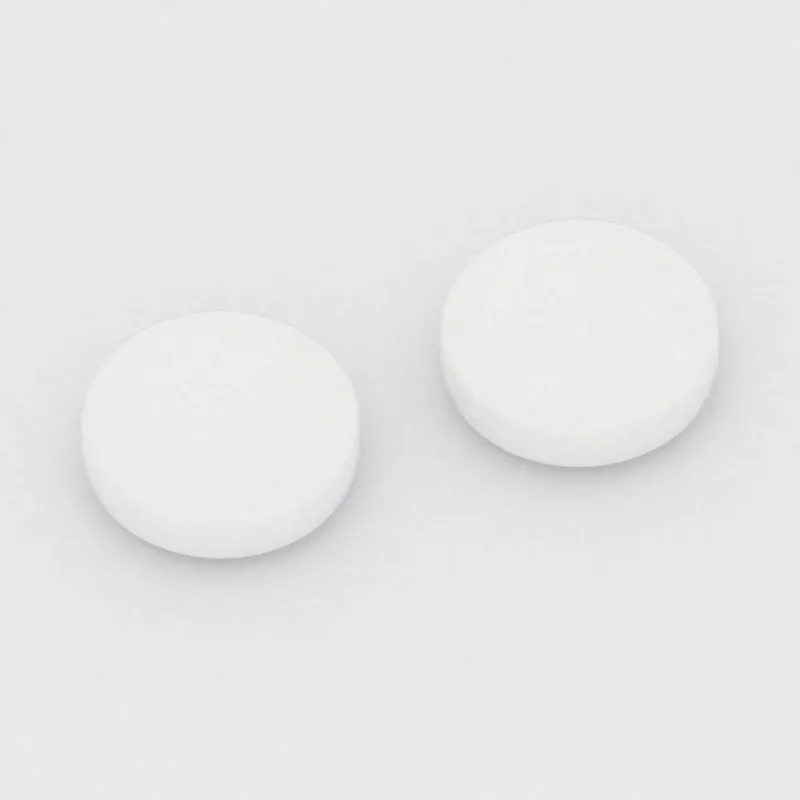
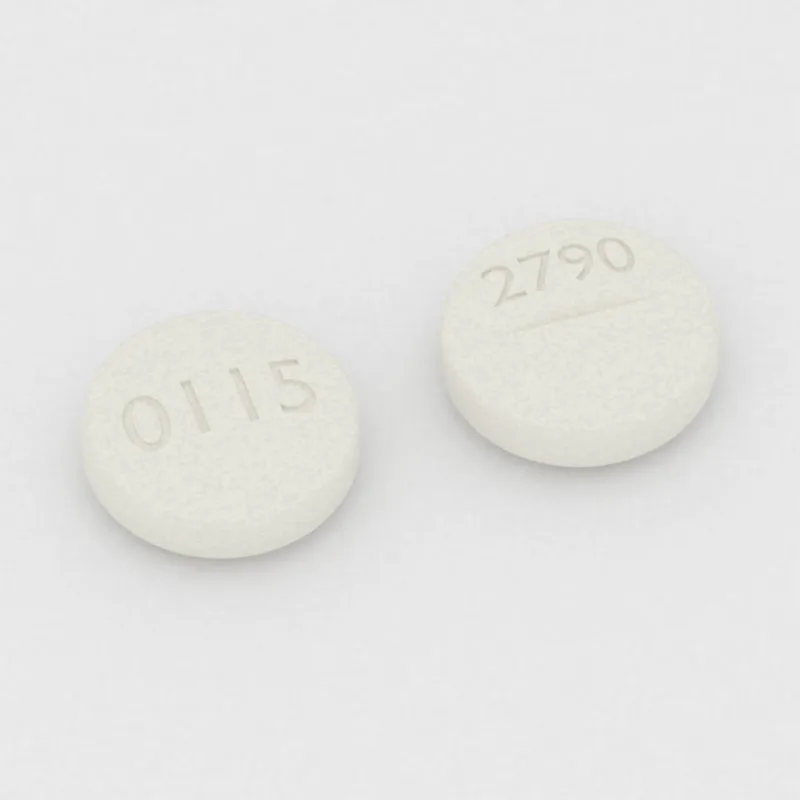
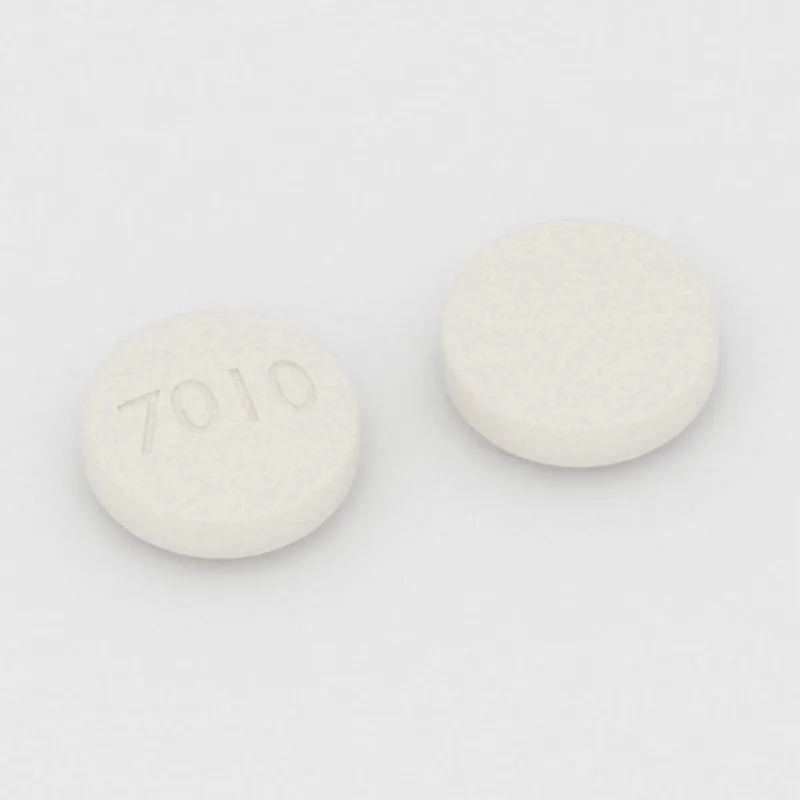
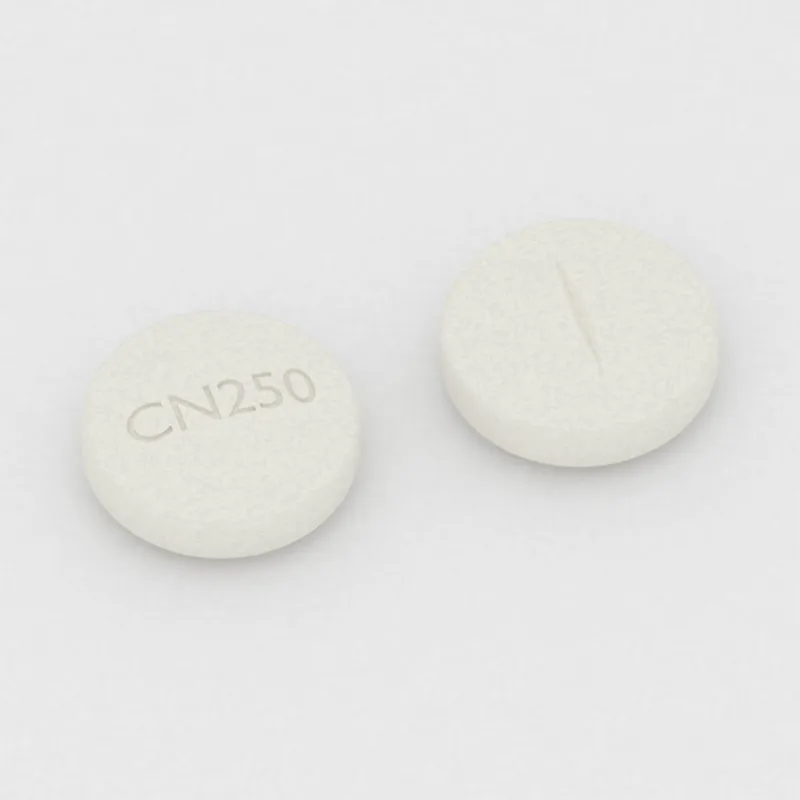
رسوم مُنشأة من قوائم المنتجات في نشرات FDA: اللون والشكل والحجم والنقش. 5 نسخ موثّقة من 3 شركات مسوّقة.
تداخلات من النشرة
تداخلات شديدة (67)
This risk which can be fatal should be considered in patients with certain cardiovascular disorders including known QT prolongation or history torsades de pointes, those with proarrhythmic conditions, and with other drugs that prolong the QT interval. (نشرة أزيثرومايسين، التحذيرات والاحتياطات)
Hypoglycemia Chloroquine has been shown to cause severe hypoglycemia including loss of consciousness that could be life-threatening in patients treated with or without antidiabetic medications (see PRECAUTIONS , Drug Interactions ). (نشرة كلوروكين، التحذيرات)
Hypoglycemia Chloroquine has been shown to cause severe hypoglycemia including loss of consciousness that could be life-threatening in patients treated with or without antidiabetic medications (see PRECAUTIONS , Drug Interactions ). (نشرة كلوروكين، التحذيرات)
Hypoglycemia Chloroquine has been shown to cause severe hypoglycemia including loss of consciousness that could be life-threatening in patients treated with or without antidiabetic medications (see PRECAUTIONS , Drug Interactions ). (نشرة كلوروكين، التحذيرات)
Hypoglycemia Chloroquine has been shown to cause severe hypoglycemia including loss of consciousness that could be life-threatening in patients treated with or without antidiabetic medications (see PRECAUTIONS , Drug Interactions ). (نشرة كلوروكين، التحذيرات)
Hypoglycemia Chloroquine has been shown to cause severe hypoglycemia including loss of consciousness that could be life-threatening in patients treated with or without antidiabetic medications (see PRECAUTIONS , Drug Interactions ). (نشرة كلوروكين، التحذيرات)
Hypoglycemia Chloroquine has been shown to cause severe hypoglycemia including loss of consciousness that could be life-threatening in patients treated with or without antidiabetic medications (see PRECAUTIONS , Drug Interactions ). (نشرة كلوروكين، التحذيرات)
Concomitant use of COMPLERA with drugs with a known risk to prolong the QTc interval of the electrocardiogram may increase the risk of Torsade de Pointes. (نشرة إمتريسيتابين وريلبيفيرين وتينوفوفير، التحذيرات والاحتياطات)
Reserve the combination of amiodarone with other antiarrhythmic therapies that prolong the QTc to patients with life-threatening ventricular arrhythmias who are incompletely responsive to a single agent. (نشرة أميودارون، التحذيرات والاحتياطات)
Drugs that Prolong QT Avoid use of AGRYLIN in patients taking medications that may prolong QT interval (including, but not limited to, chloroquine, clarithromycin, haloperidol, methadone, moxifloxacin, amiodarone, disopyramide, procainamide, and pimozide) [see Warnings and Precautions (5.1) and Clinical Pharmacology (12.2) ] . (نشرة أناغريليد، التداخلات الدوائية)
Hypoglycemia Chloroquine has been shown to cause severe hypoglycemia including loss of consciousness that could be life-threatening in patients treated with or without antidiabetic medications (see PRECAUTIONS , Drug Interactions ). (نشرة كلوروكين، التحذيرات)
Hypoglycemia Chloroquine has been shown to cause severe hypoglycemia including loss of consciousness that could be life-threatening in patients treated with or without antidiabetic medications (see PRECAUTIONS , Drug Interactions ). (نشرة كلوروكين، التحذيرات)
Hypoglycemia Chloroquine has been shown to cause severe hypoglycemia including loss of consciousness that could be life-threatening in patients treated with or without antidiabetic medications (see PRECAUTIONS , Drug Interactions ). (نشرة كلوروكين، التحذيرات)
Hypoglycemia Chloroquine has been shown to cause severe hypoglycemia including loss of consciousness that could be life-threatening in patients treated with or without antidiabetic medications (see PRECAUTIONS , Drug Interactions ). (نشرة كلوروكين، التحذيرات)
Hypoglycemia Chloroquine has been shown to cause severe hypoglycemia including loss of consciousness that could be life-threatening in patients treated with or without antidiabetic medications (see PRECAUTIONS , Drug Interactions ). (نشرة كلوروكين، التحذيرات)
Hypoglycemia Chloroquine has been shown to cause severe hypoglycemia including loss of consciousness that could be life-threatening in patients treated with or without antidiabetic medications (see PRECAUTIONS , Drug Interactions ). (نشرة كلوروكين، التحذيرات)
- أوكساليبلاتينشديد
Avoid coadministration of oxaliplatin injection with medicinal products with a known potential to prolong the QT interval. (نشرة أوكساليبلاتين، التداخلات الدوائية)
- إيفابرادينشديد
Bradycardia may increase the risk of QT prolongation which may lead to severe ventricular arrhythmias, including torsade de pointes, especially in patients with risk factors such as use of QTc prolonging drugs [see Adverse Reactions ( 6.2 )] . (نشرة إيفابرادين، التحذيرات والاحتياطات)
Avoid the use of FANAPT in combination with any other drugs that prolong the QT interval [see Warnings and Precautions (5.3) ] . (نشرة إيلوبيريدون، التداخلات الدوائية)
- بازوبانيبشديد
Avoid coadministration of VOTRIENT with drugs known to prolong the QT/QTc interval. (نشرة بازوبانيب، التداخلات الدوائية)
• Avoid use with other antiarrhythmic agents or drugs that prolong the QT interval. (نشرة بروبافينون، التحذيرات والاحتياطات)
- بنسيلامينشديد
Penicillamine should not be used in patients who are receiving concurrently gold therapy, antimalarial or cytotoxic drugs, oxyphenbutazone or phenylbutazone because these drugs are also associated with similar serious hematologic and renal adverse reactions. (نشرة بنسيلامين، الاحتياطات)
The use of WAKIX should be avoided in patients with known QT prolongation or in combination with other drugs known to prolong the QT interval [see Drug Interactions ( 7.1 )]. (نشرة بيتوليسانت، التحذيرات والاحتياطات)
Hypoglycemia Chloroquine has been shown to cause severe hypoglycemia including loss of consciousness that could be life-threatening in patients treated with or without antidiabetic medications (see PRECAUTIONS , Drug Interactions ). (نشرة كلوروكين، التحذيرات)
Because pimozide prolongs the QT interval of the electrocardiogram it is contraindicated in patients with congenital long QT syndrome, patients with a history of cardiac arrhythmias, patients taking other drugs which prolong the QT interval of the electrocardiogram or patients with known hypokalemia or hypomagnesemia (see also PRECAUTIONS - DRUG INTERACTIONS ). (نشرة بيموزيد، موانع الاستعمال)
Hypoglycemia Chloroquine has been shown to cause severe hypoglycemia including loss of consciousness that could be life-threatening in patients treated with or without antidiabetic medications (see PRECAUTIONS , Drug Interactions ). (نشرة كلوروكين، التحذيرات)
Hypoglycemia Chloroquine has been shown to cause severe hypoglycemia including loss of consciousness that could be life-threatening in patients treated with or without antidiabetic medications (see PRECAUTIONS , Drug Interactions ). (نشرة كلوروكين، التحذيرات)
Hypoglycemia Chloroquine has been shown to cause severe hypoglycemia including loss of consciousness that could be life-threatening in patients treated with or without antidiabetic medications (see PRECAUTIONS , Drug Interactions ). (نشرة كلوروكين، التحذيرات)
Tamoxifen: Concomitant use of chloroquine with drugs known to induce retinal toxicity such as tamoxifen is not recommended (see WARNINGS ). (نشرة كلوروكين، التداخلات الدوائية)
Certain conditions may increase the risk for torsade de pointes or sudden death such as (1) bradycardia; (2) hypokalemia or hypomagnesemia; (3) concomitant use of other drugs that prolong the QTc interval; and (4) presence of congenital prolongation of the QT interval [see Warnings and Precautions ( 5.8 ), Clinical Pharmacology (12.2) ]. (نشرة تيترابينازين، التداخلات الدوائية)
Hypoglycemia Chloroquine has been shown to cause severe hypoglycemia including loss of consciousness that could be life-threatening in patients treated with or without antidiabetic medications (see PRECAUTIONS , Drug Interactions ). (نشرة كلوروكين، التحذيرات)
CONTRAINDICATIONS Thioridazine hydrochloride tablet use should be avoided in combination with other drugs that are known to prolong the QTc interval and in patients with congenital long QT syndrome or a history of cardiac arrhythmias. (نشرة ثيوريدازين، موانع الاستعمال)
Hypoglycemia Chloroquine has been shown to cause severe hypoglycemia including loss of consciousness that could be life-threatening in patients treated with or without antidiabetic medications (see PRECAUTIONS , Drug Interactions ). (نشرة كلوروكين، التحذيرات)
Hypoglycemia Chloroquine has been shown to cause severe hypoglycemia including loss of consciousness that could be life-threatening in patients treated with or without antidiabetic medications (see PRECAUTIONS , Drug Interactions ). (نشرة كلوروكين، التحذيرات)
Use with Drugs that Prolong QT Interval and Antiarrhythmic Agents The use of dofetilide in conjunction with other drugs that prolong the QT interval has not been studied and is not recommended. (نشرة دوفيتيليد، التحذيرات)
Hypoglycemia Chloroquine has been shown to cause severe hypoglycemia including loss of consciousness that could be life-threatening in patients treated with or without antidiabetic medications (see PRECAUTIONS , Drug Interactions ). (نشرة كلوروكين، التحذيرات)
Hypoglycemia Chloroquine has been shown to cause severe hypoglycemia including loss of consciousness that could be life-threatening in patients treated with or without antidiabetic medications (see PRECAUTIONS , Drug Interactions ). (نشرة كلوروكين، التحذيرات)
…drugs, ziprasidone is contraindicated: • in patients with a known history of QT prolongation (including congenital long QT syndrome) • in patients with recent acute myocardial infarction • in patients with uncompensated heart failure Pharmacokinetic/pharmacodynamic studies between ziprasidone and other drugs that prolong the QT interval have not been performed. (نشرة زيبراسيدون، موانع الاستعمال)
Hypoglycemia Chloroquine has been shown to cause severe hypoglycemia including loss of consciousness that could be life-threatening in patients treated with or without antidiabetic medications (see PRECAUTIONS , Drug Interactions ). (نشرة كلوروكين، التحذيرات)
Hypoglycemia Chloroquine has been shown to cause severe hypoglycemia including loss of consciousness that could be life-threatening in patients treated with or without antidiabetic medications (see PRECAUTIONS , Drug Interactions ). (نشرة كلوروكين، التحذيرات)
Avoid use in patients with known prolongation, those with hypokalemia, and with other drugs that prolong the QT interval. (نشرة سيبروفلوكساسين، التحذيرات والاحتياطات)
Hypoglycemia Chloroquine has been shown to cause severe hypoglycemia including loss of consciousness that could be life-threatening in patients treated with or without antidiabetic medications (see PRECAUTIONS , Drug Interactions ). (نشرة كلوروكين، التحذيرات)
Hypoglycemia Chloroquine has been shown to cause severe hypoglycemia including loss of consciousness that could be life-threatening in patients treated with or without antidiabetic medications (see PRECAUTIONS , Drug Interactions ). (نشرة كلوروكين، التحذيرات)
Avoid the concomitant use of drugs known to prolong the QTc interval. (نشرة سيرترالين، التداخلات الدوائية)
Hypoglycemia Chloroquine has been shown to cause severe hypoglycemia including loss of consciousness that could be life-threatening in patients treated with or without antidiabetic medications (see PRECAUTIONS , Drug Interactions ). (نشرة كلوروكين، التحذيرات)
Concomitant use of cimetidine should be avoided. (نشرة كلوروكين، التداخلات الدوائية)
Hypoglycemia Chloroquine has been shown to cause severe hypoglycemia including loss of consciousness that could be life-threatening in patients treated with or without antidiabetic medications (see PRECAUTIONS , Drug Interactions ). (نشرة كلوروكين، التحذيرات)
Hypoglycemia Chloroquine has been shown to cause severe hypoglycemia including loss of consciousness that could be life-threatening in patients treated with or without antidiabetic medications (see PRECAUTIONS , Drug Interactions ). (نشرة كلوروكين، التحذيرات)
Hypoglycemia Chloroquine has been shown to cause severe hypoglycemia including loss of consciousness that could be life-threatening in patients treated with or without antidiabetic medications (see PRECAUTIONS , Drug Interactions ). (نشرة كلوروكين، التحذيرات)
Hypoglycemia Chloroquine has been shown to cause severe hypoglycemia including loss of consciousness that could be life-threatening in patients treated with or without antidiabetic medications (see PRECAUTIONS , Drug Interactions ). (نشرة كلوروكين، التحذيرات)
Hypoglycemia Chloroquine has been shown to cause severe hypoglycemia including loss of consciousness that could be life-threatening in patients treated with or without antidiabetic medications (see PRECAUTIONS , Drug Interactions ). (نشرة كلوروكين، التحذيرات)
Coadministration of other drugs known to prolong the QT interval and which are metabolized via the enzyme CYP3A4 such as erythromycin, pimozide, and quinidine are contraindicated in patients receiving fluconazole. (نشرة فلوكونازول، موانع الاستعمال)
Avoid co-administration of CONTEPO with drugs known to prolong the QT interval. (نشرة فوسفومايسين، التداخلات الدوائية)
(See DOSAGE and ADMINISTRATION. ) Because of the risk of QT prolongation and the potential for torsades de pointes, the use of FOSCAVIR should be avoided in combination with agents known to prolong the QT interval including Class IA (e.g., quinidine or procainamide) or Class III (e.g., dofetilide, amiodarone, sotalol) antiarrhythmic agents, phenothiazines, tricyclic… (نشرة فوسكارنت، التداخلات الدوائية)
- فيبديغيسترانتشديد
Avoid concomitant use of VEPPANU with strong CYP3A inhibitors or drugs known to prolong the QTc interval. (نشرة فيبديغيسترانت، التحذيرات والاحتياطات)
Drugs that Prolong the QT Interval : Avoid concomitant use. (نشرة فينوباربيتال، التداخلات الدوائية)
Hypoglycemia Chloroquine has been shown to cause severe hypoglycemia including loss of consciousness that could be life-threatening in patients treated with or without antidiabetic medications (see PRECAUTIONS , Drug Interactions ). (نشرة كلوروكين، التحذيرات)
Hypoglycemia Chloroquine has been shown to cause severe hypoglycemia including loss of consciousness that could be life-threatening in patients treated with or without antidiabetic medications (see PRECAUTIONS , Drug Interactions ). (نشرة كلوروكين، التحذيرات)
Avoid use in patients with known prolongation, those with hypokalemia, and with other drugs that prolong the QT interval ( 5.11 , 8.5 ) (نشرة ليفوفلوكساسين، التحذيرات والاحتياطات)
Hypoglycemia Chloroquine has been shown to cause severe hypoglycemia including loss of consciousness that could be life-threatening in patients treated with or without antidiabetic medications (see PRECAUTIONS , Drug Interactions ). (نشرة كلوروكين، التحذيرات)
Hypoglycemia Chloroquine has been shown to cause severe hypoglycemia including loss of consciousness that could be life-threatening in patients treated with or without antidiabetic medications (see PRECAUTIONS , Drug Interactions ). (نشرة كلوروكين، التحذيرات)
Hypoglycemia Chloroquine has been shown to cause severe hypoglycemia including loss of consciousness that could be life-threatening in patients treated with or without antidiabetic medications (see PRECAUTIONS , Drug Interactions ). (نشرة كلوروكين، التحذيرات)
Examples diazepam, alprazolam, alcohol Drugs that Prolong QTc Interval Clinical Impact The concomitant use of other drugs which prolong the QTc interval with REMERON/REMERONSolTab, increase the risk of QT prolongation and/or ventricular arrhythmias (e.g., Torsades de Pointes). (نشرة ميرتازابين، التداخلات الدوائية)
Hypoglycemia Chloroquine has been shown to cause severe hypoglycemia including loss of consciousness that could be life-threatening in patients treated with or without antidiabetic medications (see PRECAUTIONS , Drug Interactions ). (نشرة كلوروكين، التحذيرات)
Hypoglycemia Chloroquine has been shown to cause severe hypoglycemia including loss of consciousness that could be life-threatening in patients treated with or without antidiabetic medications (see PRECAUTIONS , Drug Interactions ). (نشرة كلوروكين، التحذيرات)
Therefore, PLAQUENIL is not recommended in patients taking other drugs that have the potential to prolong the QT interval. (نشرة هيدروكسي كلوروكين، التحذيرات والاحتياطات)
تداخلات متوسطة (64)
Patients infected with a resistant strain of plasmodia as shown by the fact that normally adequate doses have failed to prevent or cure clinical malaria or parasitemia should be treated with another form of antimalarial therapy. (نشرة كلوروكين، التحذيرات)
Patients infected with a resistant strain of plasmodia as shown by the fact that normally adequate doses have failed to prevent or cure clinical malaria or parasitemia should be treated with another form of antimalarial therapy. (نشرة كلوروكين، التحذيرات)
…ropivacaine, tetracaine Antineoplastic agents cyclophosphamide, flutamide, hydroxyurea, ifosfamide, rasburicase Antibiotics dapsone, nitrofurantoin, para-aminosalicylic acid, sulfonamides Antimalarials chloroquine, primaquine Anticonvulsants phenobarbital, phenytoin, sodium valproate Other drugs acetaminophen, metoclopramide, quinine, sulfasalazine Monoamine Oxidase… (نشرة أرتيكايين وأدرينالين، التداخلات الدوائية)
MAO inhibitors, tricyclic antidepressants and drugs that prolong the QTc interval may potentiate effect on the cardiovascular system. (نشرة أرفورموتيرول، التداخلات الدوائية)
Ampicillin: In a study of healthy volunteers, chloroquine significantly reduced the bioavailability of ampicillin. (نشرة كلوروكين، التداخلات الدوائية)
Ampicillin: In a study of healthy volunteers, chloroquine significantly reduced the bioavailability of ampicillin. (نشرة كلوروكين، التداخلات الدوائية)
Use olanzapine and fluoxetine capsules with caution in combination with other drugs that prolong the QT interval ( 4.2 , 5.20 , 7.7 , 7.8 ) 7.1 Monoamine Oxidase Inhibitors (MAOIs) [See Dosage and Administration ( 2.4 , 2.5 ), Contraindications ( 4.1 ), and Warnings and Precautions ( 5.6 )] . (نشرة أولانزابين وفلوكسيتين، التداخلات الدوائية)
Drug Interactions Antacids and kaolin: Antacids and kaolin can reduce absorption of chloroquine; an interval of at least 4 hours between intake of these agents and chloroquine should be observed. (نشرة كلوروكين، التداخلات الدوائية)
…like other beta 2 -agonists, should be administered with extreme caution to patients being treated with monoamine oxidase inhibitors, tricyclic antidepressants, or drugs known to prolong the QTc interval or within 2 weeks of discontinuation of such agents, because the effect of adrenergic agonists on the cardiovascular system may be potentiated by these agents. (نشرة أوميكليدينيوم وفيلانتيرول، التداخلات الدوائية)
Antimalarial : artemether/lumefantrine ↔ etravirine ↓ artemether ↓ dihydroartemisinin ↓ lumefantrine Caution is warranted when co-administering Etravirine and artemether/lumefantrine as it is unknown whether the decrease in exposure of artemether or its active metabolite, dihydroartemisinin, could result in decreased antimalarial efficacy. (نشرة إيترافيرين، التداخلات الدوائية)
- إيريبولينمتوسط
QT Prolongation: Monitor for prolonged QT intervals in patients with congestive heart failure, bradyarrhythmias, drugs known to prolong the QT interval, and electrolyte abnormalities. (نشرة إيريبولين، التحذيرات والاحتياطات)
Monitor QT interval when administering FORANE to susceptible patients (e.g., patients with congenital Long QT Syndrome or patients taking drugs that can prolong the QT interval). (نشرة إيزوفلوران، التحذيرات والاحتياطات)
QT Prolonging Drugs There is limited information available on the potential for a pharmacodynamic interaction between efavirenz and drugs that prolong the QTc interval. (نشرة إيفافيرينز، التداخلات الدوائية)
QT Prolonging Drugs There is limited information available on the potential for a pharmacodynamic interaction between EFV and drugs that prolong the QTc interval. (نشرة إيفافيرينز ولاميفودين وتينوفوفير، التداخلات الدوائية)
- باسيريوتيدمتوسط
Drugs that Prolong QT: Use with caution in patients who are at significant risk of developing QTc prolongation. (نشرة باسيريوتيد، التداخلات الدوائية)
…combination with other drugs that are known to prolong QTc including Class 1A (e.g., quinidine, procainamide) or Class III (e.g., amiodarone, sotalol) antiarrhythmic medications, antipsychotic medications (e.g., chlorpromazine, thioridazine), antibiotics (e.g., gatifloxacin, moxifloxacin), or any other class of medications known to prolong the QTc interval. (نشرة باليبيريدون، التحذيرات والاحتياطات)
- برازيكوانتيلمتوسط
Praziquantel: In a single-dose interaction study, chloroquine has been reported to reduce the bioavailability of praziquantel. (نشرة كلوروكين، التداخلات الدوائية)
…ropivacaine, tetracaine Antineoplastic Agents cyclophosphamide, flutamide, hydroxyurea, ifosfamide, rasburicase Antibiotics dapsone, nitrofurantoin, para-aminosalicylic acid, sulfonamides Antimalarials chloroquine, primaquine Anticonvulsants phenobarbital, phenytoin, sodium valproate Other drugs acetaminophen, metoclopramide, quinine, sulfasalazine The administration… (نشرة بريلوكايين وأدرينالين، التداخلات الدوائية)
Patients infected with a resistant strain of plasmodia as shown by the fact that normally adequate doses have failed to prevent or cure clinical malaria or parasitemia should be treated with another form of antimalarial therapy. (نشرة كلوروكين، التحذيرات)
The risk of combining buprenorphine with other QT-prolonging agents is not known. (نشرة بوبرينورفين، التحذيرات والاحتياطات)
The risk of combining buprenorphine with other QT-prolonging agents is not known. (نشرة بوبرينورفين ونالوكسون، التحذيرات والاحتياطات)
• Drugs Associated with Methemoglobinemia : Patients are at increased risk of developing methemoglobinemia when concurrently exposed to nitrates, nitrites, local anesthetics, antineoplastic agents, antibiotics, antimalarials, anticonvulsants, and other drugs. (نشرة بوبيفاكايين، التداخلات الدوائية)
• Drugs Associated with Methemoglobinemia : Patients are at increased risk of developing methemoglobinemia when concurrently exposed to nitrates, nitrites, local anesthetics, antineoplastic agents, antibiotics, antimalarials, anticonvulsants, and other drugs. (نشرة بوبيفاكايين وأدرينالين، التداخلات الدوائية)
Anti-Arrhythmic Drugs, QT Prolonging Drugs, Drugs that may Decrease Heart Rate PONVORY has not been studied in patients taking QT prolonging drugs. (نشرة بونيسيمود، التداخلات الدوائية)
Patients infected with a resistant strain of plasmodia as shown by the fact that normally adequate doses have failed to prevent or cure clinical malaria or parasitemia should be treated with another form of antimalarial therapy. (نشرة كلوروكين، التحذيرات)
Drug Interactions Antacids and kaolin: Antacids and kaolin can reduce absorption of chloroquine; an interval of at least 4 hours between intake of these agents and chloroquine should be observed. (نشرة كلوروكين، التداخلات الدوائية)
Patients infected with a resistant strain of plasmodia as shown by the fact that normally adequate doses have failed to prevent or cure clinical malaria or parasitemia should be treated with another form of antimalarial therapy. (نشرة كلوروكين، التحذيرات)
Drugs that Prolong the QT interval QT prolongation has been reported with metronidazole, a component of bismuth subcitrate potassium, metronidazole and tetracycline hydrochloride, particularly when administered with drugs with the potential for prolonging the QT interval. (نشرة تحت سترات البزموت وميترونيدازول وتتراسيكلين، التحذيرات والاحتياطات)
- تريبتوريلينمتوسط
Effect on QT/QTc Interval: Androgen deprivation therapy may prolong the QT interval. (نشرة تريبتوريلين، التحذيرات والاحتياطات)
…cardiac disease, 3) treatment with Class I and Class III antiarrhythmics, 4) treatment with monoamine oxidase inhibitors (MAOI's), 5) concomitant treatment with other drug products known to prolong the QT interval (see PRECAUTIONS, Drug Interactions ), and 6) electrolyte imbalance, in particular hypokalemia and hypomagnesemia, or concomitant treatment with drugs… (نشرة دروبيريدول، التحذيرات)
Carefully monitor cardiac rhythm when administering SUPRANE to susceptible patients (e.g., patients with congenital Long QT Syndrome or patients taking drugs that can prolong the QT interval). (نشرة ديسفلوران، التحذيرات والاحتياطات)
…ropivacaine, tetracaine Antineoplastic agents cyclophosphamide, flutamide, hydroxyurea, ifosfamide, rasburicase Antibiotics dapsone, nitrofurantoin, para-aminosalicylic acid, sulfonamides Antimalarials chloroquine, primaquine Anticonvulsants Phenobarbital, phenytoin, sodium valproate Other drugs acetaminophen, metoclopramide, quinine, sulfasalazine NAROPIN should be… (نشرة روبيفاكايين، التداخلات الدوائية)
QT Interval Prolongation The overall analysis of ECG data in pediatric patients indicates that the concomitant use of Rocuronium Bromide Injection with general anesthetic agents can prolong the QTc interval [see Clinical Studies ( 14.3 )]. (نشرة روكورونيوم، التحذيرات والاحتياطات)
…quinidine, tocainide Antibiotics Chloramphenicol, clarithromycin, dapsone, doxycycline; Fluoroquinolones (such as ciprofloxacin) Oral Anticoagulants Warfarin Anticonvulsants Phenytoin Antimalarials Quinine Azole Antifungals Fluconazole, itraconazole, ketoconazole Antipsychotics Haloperidol Barbiturates Phenobarbital Benzodiazepines Diazepam Beta-Blockers Propranolol… (نشرة ريفابنتين، التداخلات الدوائية)
In healthy subjects, 75 mg once daily and 300 mg once daily (3 times and 12 times the dose in EDURANT) have been shown to prolong the QTc interval of the electrocardiogram. (نشرة ريلبيفيرين، التحذيرات والاحتياطات)
…the Neuromuscular Blocking Action of Succinylcholine : promazine, oxytocin, aprotinin, certain non-penicillin antibiotics, quinidine, β-adrenergic blockers, procainamide, lidocaine, trimethaphan, lithium carbonate, magnesium salts, quinine, chloroquine, isoflurane, desflurane, metoclopramide, terbutaline, and drugs that reduce plasma cholinesterase activity. (نشرة سكسينيل كولين، التداخلات الدوائية)
Additive to other QT-prolonging drugs ( 7.1 , 7.2 ) (نشرة سوتالول، التداخلات الدوائية)
- سورافينيبمتوسط
Monitor electrolytes and electrocardiograms in patients with congestive heart failure, bradyarrhythmias, drugs known to prolong the QT interval, including Class Ia and III antiarrhythmics. (نشرة سورافينيب، التحذيرات والاحتياطات)
- سونيتينيبمتوسط
Drugs that Prolong QT Interval SUTENT is associated with QTc interval prolongation [see Warnings and Precautions (5.3) , Clinical Pharmacology (12.2) ] . (نشرة سونيتينيب، التداخلات الدوائية)
Avoid use of Citalopram Capsules in patients with congenital long QT syndrome, bradycardia, hypokalemia or hypomagnesemia, recent acute myocardial infarction, or uncompensated heart failure and patients taking other drugs that prolong the QTc interval. (نشرة سيتالوبرام، التحذيرات والاحتياطات)
Caution should be exercised when administering sevoflurane to susceptible patients (e.g., patients with congenital Long QT Syndrome or patients taking drugs that can prolong the QT interval). (نشرة سيفوفلوران، التحذيرات)
Cyclosporine: After introduction of chloroquine (oral form), a sudden increase in serum cyclosporine level has been reported. (نشرة كلوروكين، التداخلات الدوائية)
QT Interval Prolongation and V entricular A rr h ythmia Decreases in serum calcium can also prolong the QT interval, potentially resulting in ventricular arrhythmia. (نشرة سيناكالسيت، التحذيرات والاحتياطات)
- غوسيريلينمتوسط
Effect on QT/QTc Interval: Androgen deprivation therapy may prolong the QT interval. (نشرة غوسيريلين، التحذيرات والاحتياطات)
Use with caution in combination with other drugs that prolong the QT interval ( 4.2 , 5.11 , 7.7 , 7.8 ) 7.1 Monoamine Oxidase Inhibitors (MAOI) [See Dosage and Administration ( 2.9 , 2.10 ), Contraindications ( 4.1 ), and Warnings and Precautions ( 5.2 )] . (نشرة فلوكسيتين، التداخلات الدوائية)
…prolonged QT interval, 3) treatment with Class 1 and Class III antiarrhythmics, 4) treatment with monoamine oxidase inhibitors (MAOI's), 5) concomitant treatment with other drug products known to prolong the QT interval and 6) electrolyte imbalance, in particular hypokalemia and hypomagnesemia, or concomitant treatment with drugs (e.g., diuretics) that may cause electrolyte… (نشرة فنتانيل، التحذيرات والاحتياطات)
…Antidepressants, QTc Prolonging Drugs Formoterol, as with other beta 2 -agonists, should be administered with extreme caution to patients being treated with monoamine oxidase inhibitors, tricyclic antidepressants, or drugs known to prolong the QTc interval because the effect of adrenergic agonists on the cardiovascular system may be potentiated by these agents. (نشرة فورموتيرول، التداخلات الدوائية)
…procaine, ropivacaine, tetracaine Antineoplastic agents cyclophosphamide, flutamide, hydroxyurea, ifosfamide, rasburicase Antibiotics dapsone, nitrofurantoin, para-aminosalicylic acid, sulfonamides Antimalarials chloroquine, primaquine Anticonvulsants Phenobarbital, phenytoin, sodium valproate Other drugs acetaminophen, metoclopramide, quinine, sulfasalazine (نشرة كلوروبروكايين، الاحتياطات)
…Class 1A antiarrythmics (e.g., quinidine, procainamide) or Class III antiarrythmics (e.g., amiodarone, sotalol), antipsychotic medications (e.g., ziprasidone, chlorpromazine, thioridazine), antibiotics (e.g., gatifloxacin, moxifloxacin), or any other class of medications known to prolong the QTc interval (e.g., pentamidine, levomethadyl acetate, methadone). (نشرة كويتيابين، التحذيرات والاحتياطات)
Patients infected with a resistant strain of plasmodia as shown by the fact that normally adequate doses have failed to prevent or cure clinical malaria or parasitemia should be treated with another form of antimalarial therapy. (نشرة كلوروكين، التحذيرات)
TYKERB may prolong the QT interval in some patients. (نشرة لاباتينيب، التحذيرات والاحتياطات)
Risk of QT Prolongation : Lofexidine tablets prolong the QT interval. (نشرة لوفيكسيدين، التحذيرات والاحتياطات)
Drugs Associated with Methemoglobinemia: Patients are at increased risk of developing methemoglobinemia when concurrently exposed to nitrates, nitrites, local anesthetics, antineoplastic agents, antibiotics, antimalarials, anticonvulsants, and other drugs. (نشرة ليدوكايين وأدرينالين، التداخلات الدوائية)
…prilocaine, procaine, ropivacaine, tetracaine Antineoplastic agents cyclophosphamide, flutamide, hydroxyurea, isofamide, rasburicase Antibiotics dapsone, nitrofurantoin, para-aminosalicylic acid, sufonamides Antimalarials chloroquine, primaquine Anticonvulsants Phenobarbital, phenytoin, sodium valproate Other drugs acetaminophen, metoclopramide, quinine, sulfasalazine (نشرة ليدوكايين وبريلوكايين، التداخلات الدوائية)
- ليوبروليدمتوسط
Effect on QT/QTc Interval: Androgen deprivation therapy may prolong the QT interval. (نشرة ليوبروليد، التحذيرات والاحتياطات)
Drug Interactions Antacids and kaolin: Antacids and kaolin can reduce absorption of chloroquine; an interval of at least 4 hours between intake of these agents and chloroquine should be observed. (نشرة كلوروكين، التداخلات الدوائية)
Arrhythmogenic drugs: There may be an increased risk of inducing ventricular arrhythmias if chloroquine is used concomitantly with other arrhythmogenic drugs, such as amiodarone or moxifloxacin. (نشرة كلوروكين، التداخلات الدوائية)
…procaine, ropivacaine, tetracaine Antineoplastic agents cyclophosphamide, flutamide, hydroxyurea, ifosfamide, rasburicase Antibiotics dapsone, nitrofurantoin, para-aminosalicylic acid, sulfonamides Antimalarials chloroquine, primaquine Anticonvulsants phenobarbital, phenytoin, sodium valproate Other drugs acetaminophen, metoclopramide, quinine, sulfasalazine (نشرة ميبيفاكايين، التداخلات الدوائية)
Drugs that Prolong the QT Interval QT prolongation has been reported, particularly when metronidazole was administered with drugs with the potential for prolonging the QT interval. (نشرة ميترونيدازول، التداخلات الدوائية)
Mefloquine: Co-administration of chloroquine and mefloquine may increase the risk of convulsions. (نشرة كلوروكين، التداخلات الدوائية)
There is little or no experience with high exposure, concomitant dosing with other QT-prolonging drugs, or potassium channel variants resulting in a long QT interval. [See Warnings & Precautions ( 5.6 )] To minimize risk, the lowest effective dose should always be used. (نشرة ميفيبريستون، التحذيرات والاحتياطات)
This observation should be considered in making clinical decisions regarding patient monitoring when prescribing HYSINGLA ER in patients with congestive heart failure, bradyarrhythmias, electrolyte abnormalities, or who are taking medications that are known to prolong the QTc interval. (نشرة هيدروكودون، التحذيرات والاحتياطات)
إشارات طفيفة (2)
Cytochrome (CYP) 3A4 inhibitors, epoxide hydrolase inhibitors, CYP3A4 inducers, drugs metabolized by CYP1A2 or CYP3A4 (oral contraceptives, delavirdine, nefazodone), phenytoin, CNS depressants, lithium, chloroquine, mefloquine ( 7.1 , 7.2 , 7.3 ) (نشرة كاربامازيبين، التداخلات الدوائية)
Pediatric use In antimalarial trials, quinidine was as safe and effective in pediatric patients as in adults. (نشرة كينيدين، الاحتياطات)
افحص كلوروكين مع كل ما تتناوله. أضف قائمتك كاملة؛ تُفحص كل الأزواج دفعة واحدة.
افتح في الفاحصليست نصيحة طبية. درجة الشدة تعكس صياغة النشرة، لا ظروفك. فالتنبيه «الشديد» قد يكون أمرًا معتادًا تحت الإشراف، والتنبيه «الطفيف» قد يكون مهمًا عند الجرعات العالية. اسأل صيدليًا.