
Cenobamate interactions
Cenobamate (Xcopri), an anticonvulsant has 458 documented interactions across the FDA labels and fact sheets we index: 175 major, 260 moderate, 20 minor, and 3 where a label reports no significant interaction. Each entry below quotes the sentence behind it. This drug page is a starting point, not a verdict for your situation.
What Cenobamate looks like
All 6 versions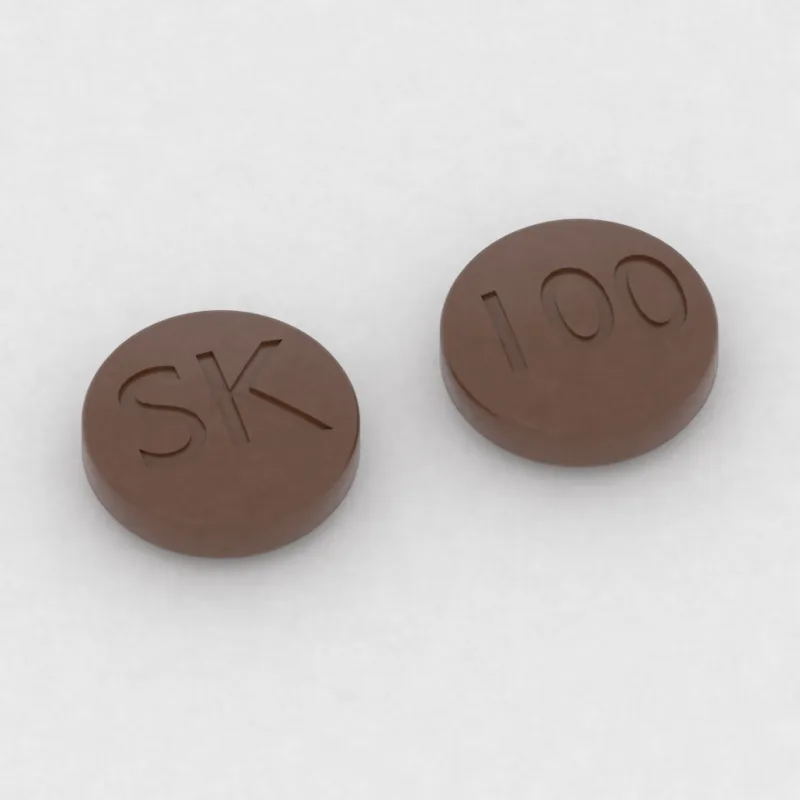
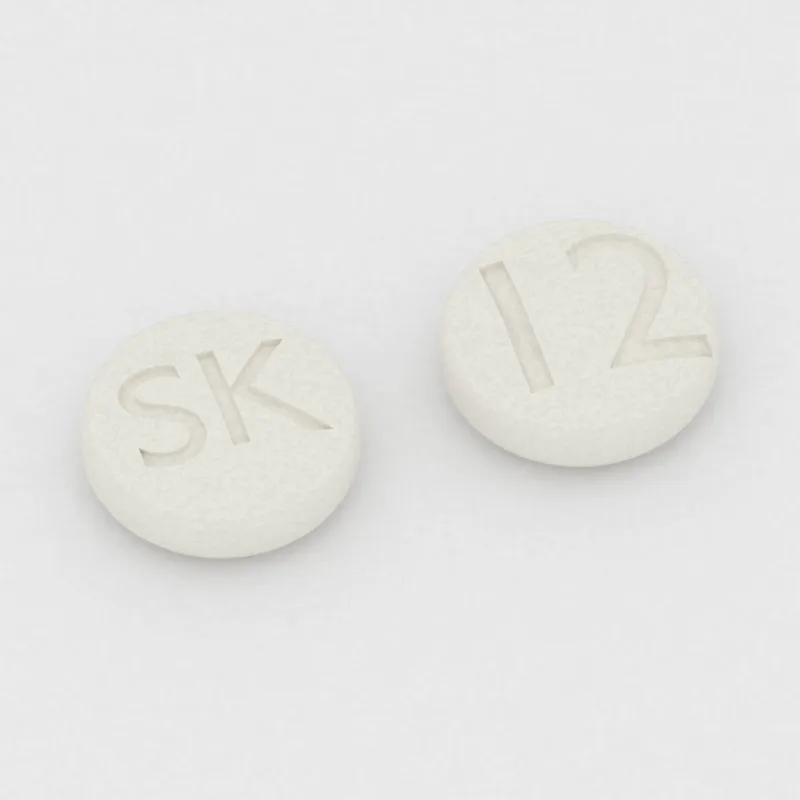
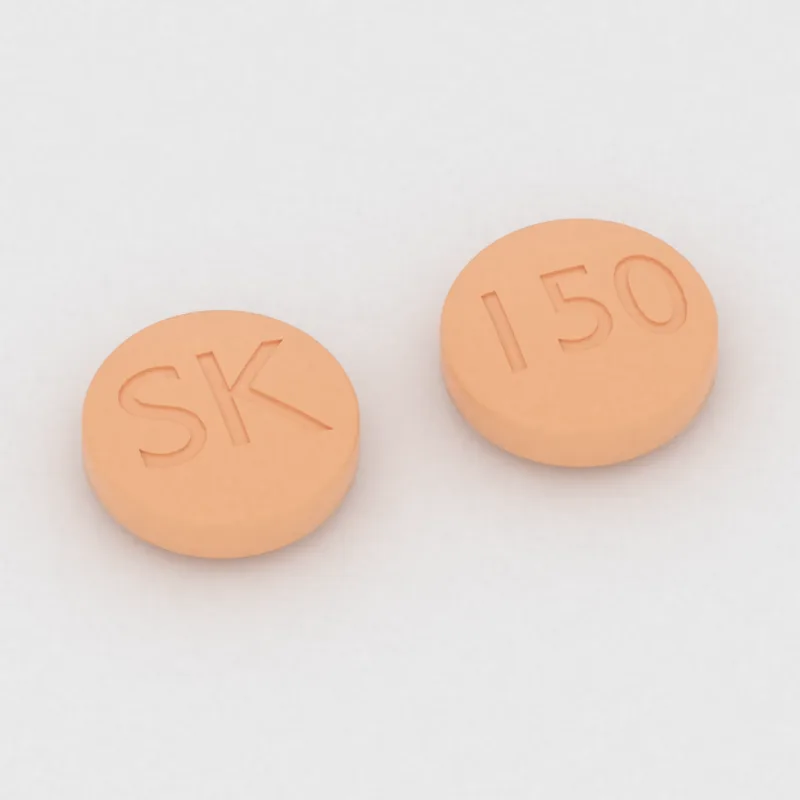
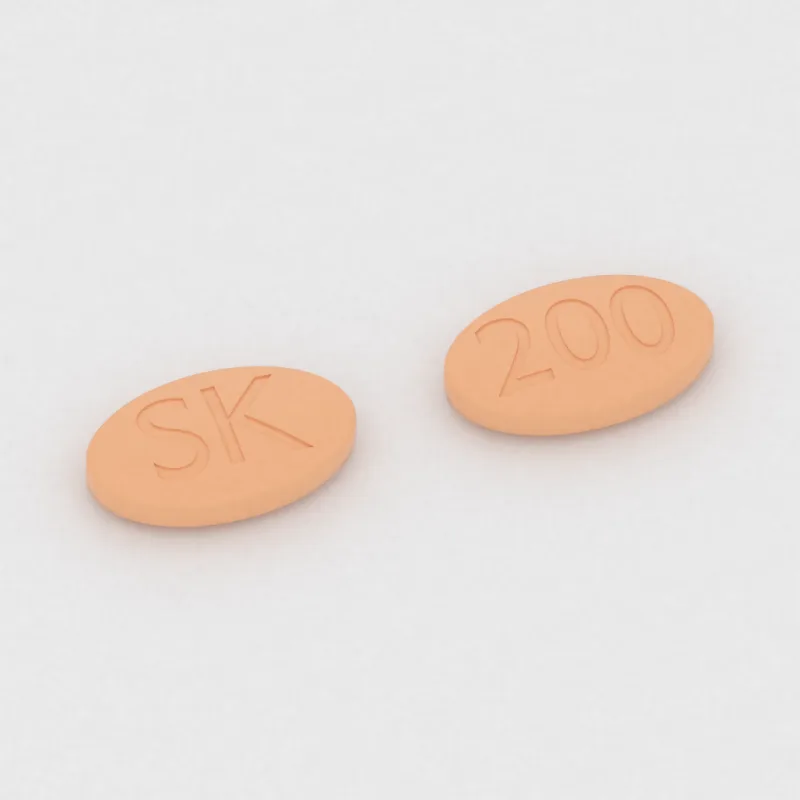
Renderings from the FDA labels' product listings: color, shape, size, and imprint. 6 documented versions from 1 labelers.
Interactions from the label
Major interactions (175)
CYP3A4 Inducers: Avoid concomitant strong CYP3A4 inducers during YONSA treatment. (Abiraterone label, Drug interactions)
- AcalabrutinibMajor
• CYP3A Inhibitors: Avoid co-administration with strong CYP3A inhibitors. (Acalabrutinib label, Drug interactions)
Risks from Concomitant Use with Benzodiazepines or Other CNS Depressants Concomitant use of opioids with benzodiazepines or other central nervous system (CNS) depressants, including alcohol, may result in profound sedation, respiratory depression, coma, and death. (Acetaminophen and codeine label, Boxed warning)
Combining alcohol with sedating medicines (opioids, benzodiazepines, sleep medicines, muscle relaxants) can cause dangerous drowsiness, slowed breathing, and overdose. (NIAAA, Harmful Interactions: Mixing Alcohol with Medicines)
…(Childs-Pugh categories B and C), since alfuzosin blood levels are increased in these patients [see Use in Specific Populations (8.7) and Clinical Pharmacology (12.3) ]. with potent CYP3A4 inhibitors such as ketoconazole, itraconazole, and ritonavir, since alfuzosin blood levels are increased [see Drug Interactions (7.1) and Clinical Pharmacology (12.3) ] . in… (Alfuzosin label, Contraindications)
Concomitant use of almotriptan tablets and potent CYP3A4 inhibitors should be avoided in patients with renal or hepatic impairment [see Clinical Pharmacology ( 12.3 )] . (Almotriptan label, Drug interactions)
- AlpelisibMajor
CYP3A4 Inducers : Avoid coadministration of VIJOICE with a strong CYP3A4 inducer. (Alpelisib label, Drug interactions)
• taking strong cytochrome P450 3A (CYP3A) inhibitors (e.g., ketoconazole, itraconazole), except ritonavir [see Dosage and Administration (2.5) , Warnings and Precautions (5.5) , Drug Interactions (7.1) ] . (Alprazolam label, Contraindications)
• Simultaneous use of combined P-gp and strong CYP3A4 inducers reduces blood levels of apixaban: Avoid concomitant use. (Apixaban label, Drug interactions)
Drug Interactions : Use with strong cytochrome P450 enzyme inducers (e.g., rifampin, phenobarbital, carbamazepine, phenytoin) is not recommended because loss of efficacy may occur ( 5.5 , 7.1 ) (Apremilast label, Warnings and precautions)
CYP3A4 Inducers : Avoid concomitant use for greater than 14 days ( 7.1 ) (Aripiprazole label, Drug interactions)
Do not use avanafil in patients taking strong CYP3A4 inhibitors [see Warnings and Precautions ( 5.2 ) and Dosage and Administration ( 2.3 )]. (Avanafil label, Drug interactions)
• Avoid concurrent use of alcohol or other central nervous system (CNS) depressants with azelastine hydrochloride and fluticasone propionate nasal spray because further decreased alertness and impairment of CNS performance may occur. (Azelastine and fluticasone label, Warnings and precautions)
…AND MISUSE; LIFE-THREATENING RESPIRATORY DEPRESSION; ACCIDENTAL EXPOSURE; NEONATAL OPIOD WITHDRAWAL SYNDROME; and RISKS FROM CONCOMITANT USE WITH ALCOHOL, BENZODIAZEPINES OR OTHER CNS DEPRESSANTS Addiction, Abuse, and Misuse Belladonna and opium suppositories expose patients and other users to the risks of opioid addiction, abuse, and misuse, which can lead to… (Belladonna and opium label, Boxed warning)
Concomitant administration of BIXLENVO is contraindicated with: dofetilide due to the potential for increased dofetilide plasma concentrations and associated serious and/or life-threatening events. strong CYP3A inducers due to decreased plasma concentrations of BIC and LEN, which may result in the loss of therapeutic effect and development of resistance to BIXLENVO. (Bictegravir, emtricitabine, and tenofovir alafenamide label, Contraindications)
- BortezomibMajor
Strong CYP3A4 Inducers: Avoid concomitant use. (Bortezomib label, Drug interactions)
Co-administration of such combinations of a CYP2C9 inhibitor plus a strong or moderate CYP3A inhibitor with TRACLEER is not recommended. (Bosentan label, Drug interactions)
- BosutinibMajor
• Strong and Moderate CYP3A Inhibitors: Avoid concomitant use with BOSULIF. (Bosutinib label, Drug interactions)
Concomitant use of strong CYP3A4 inhibitors (e.g., azole antimycotics, HIV protease inhibitors) with CYCLOSET should be avoided. (Bromocriptine label, Drug interactions)
Concomitant use of opioids with benzodiazepines or other central nervous system (CNS) depressants, including alcohol, may result in profound sedation, respiratory depression, coma, and death. (Buprenorphine label, Boxed warning)
Bupropion hydrochloride extended-release tablets (XL) are contraindicated in patients undergoing abrupt discontinuation of alcohol, benzodiazepines, barbiturates, and antiepileptic drugs [see Warnings and Precautions (5.3) and Drug Interactions (7.3)] . (Bupropion label, Contraindications)
Risks From Concomitant Use With Benzodiazepines Or Other CNS Depressants Concomitant use of opioids with benzodiazepines or other central nervous system (CNS) depressants, including alcohol, may result in profound sedation, respiratory depression, coma, and death. (Butalbital, acetaminophen, caffeine, and codeine label, Boxed warning)
Concomitant use of opioids or a barbiturate with benzodiazepines or other central nervous system (CNS) depressants, including alcohol, may result in profound sedation, respiratory depression, coma, and death. (Butalbital, aspirin, caffeine, and codeine label, Boxed warning)
Risks From Concomitant Use With Benzodiazepines Or Other CNS Depressants Concomitant use of opioids with benzodiazepines or other central nervous system (CNS) depressants, including alcohol, may result in profound sedation, respiratory depression, coma, and death. (Butorphanol label, Boxed warning)
…diphosphate glucuronosyltransferase (UGT)1A1 enzyme induction, which may result in loss of virologic response [see Drug Interactions ( 7.2 , 7.3 ), Clinical Pharmacology ( 12.3 )] : o Anticonvulsants: Carbamazepine, oxcarbazepine, phenobarbital, phenytoin o Antimycobacterials: Rifampin, rifapentine Prior to initiation of VOCABRIA, note that use of CABENUVA (cabotegravir… (Cabotegravir label, Contraindications)
- CabozantinibMajor
Avoid taking a strong CYP3A4 inhibitor (e.g., ketoconazole, itraconazole, clarithromycin, atazanavir, indinavir, nefazodone, nelfinavir, ritonavir, saquinavir, telithromycin, voriconazole) while taking COMETRIQ or reduce the dosage of COMETRIQ if concomitant use with strong CYP3A4 inhibitors cannot be avoided [see Dosage and Administration ( 2.2 ), Clinical Pharmacology… (Cabozantinib label, Drug interactions)
Avoid concurrent use of Carbinoxamine Maleate Extended-Release Oral Suspension with alcohol or other central nervous system depressants because additional impairment of central nervous system performance may occur. (Carbinoxamine label, Warnings and precautions)
Intervention: Concomitant use of VRAYLAR with a CYP3A4 inducer is not recommended [see Dosage and Administration ( 2.1 , 2.6 ) ] . (Cariprazine label, Drug interactions)
Avoid concurrent use of QUZYTTIR with alcohol or other CNS depressants because additional reduction in alertness and additional impairment of CNS performance may occur. (Cetirizine label, Warnings and precautions)
Table 8: Drugs That are Affected by and Affecting Ciprofloxacin Drugs That are Affected by Ciprofloxacin Drug(s) Recommendation Comments Tizanidine Contraindicated Concomitant administration of tizanidine and ciprofloxacin is contraindicated due to the potentiation of hypotensive and sedative effects of tizanidine [see Contraindications ( 4.2 )]. (Ciprofloxacin label, Drug interactions)
Avoid use of Citalopram Capsules in CYP2C19 poor metabolizers, patients receiving concomitant cimetidine or another CYP2C19 inhibitor, patients with hepatic impairment, and patients who are greater than 60 years of age, because Citalopram Capsules are only available in a 30 mg dose strength and dosage adjustments are not possible [see Drug Interactions ( 7 ),… (Citalopram label, Warnings and precautions)
Avoid use with other central nervous system (CNS) depressants ( 5.3 ) (Clonidine label, Warnings and precautions)
CYP2C19 inhibitors: Avoid concomitant use of omeprazole or esomeprazole. (Clopidogrel label, Warnings and precautions)
• Concomitant use of Strong CYP3A4 Inducers is not recommended. (Clozapine label, Drug interactions)
Risks From Concomitant Use With Benzodiazepines Or Other CNS Depressants Concomitant use of opioids with benzodiazepines or other central nervous system (CNS) depressants, including alcohol, may result in profound sedation, respiratory depression, coma, and death. (Codeine label, Boxed warning)
- ColchicineMajor
Patients with renal or hepatic impairment should not be given colchicine capsules with drugs that inhibit both P-glycoprotein and CYP3A4 inhibitors [see Drug Interactions (7) ] . (Colchicine label, Contraindications)
Based on its structural similarity to TCAs, concomitant use of TONMYA with: MAO inhibitors may be life-threatening [see Contraindications (4) ] , Alcohol, barbiturates, and other CNS depressants may increase the risk of adverse reactions associated with these drugs, Tramadol may increase the seizure risk, Guanethidine or other similar acting drugs may block the… (Cyclobenzaprine label, Drug interactions)
Strong CYP3A4 inhibitors: Avoid concomitant use. (Daridorexant label, Drug interactions)
- DasatinibMajor
Avoid concomitant use of strong CYP3A4 inhibitors. (Dasatinib label, Drug interactions)
Avoid use of moderate or strong CYP3A4 inducers with EMFLAZA, as they may reduce efficacy ( 7.1 ) (Deflazacort label, Drug interactions)
• Avoid concomitant use of strong CYP3A4 inhibitors or inducers. (Dexamethasone label, Drug interactions)
QT Prolongation: Monitor ECG if concomitant use of drugs that prolong QT interval cannot be avoided or if concomitant CYP3A4 inhibitors used. (Dextromethorphan and quinidine label, Warnings and precautions)
WARNING: PERIPHERAL ISCHEMIA FOLLOWING COADMINISTRATION WITH POTENT CYP3A4 INHIBITORS Serious and/or life-threatening peripheral ischemia has been associated with the coadministration of dihydroergotamine with potent CYP3A4 inhibitors including protease inhibitors and macrolide antibiotics. (Dihydroergotamine label, Boxed warning)
CONTRAINDICATIONS Diphenoxylate hydrochloride and atropine sulfate is contraindicated in: • Pediatric patients less than 6 years of age due to the risks of respiratory and central nervous system (CNS) depression (see WARNINGS ). (Diphenoxylate and atropine label, Contraindications)
Children under the age of two years are at a considerably increased risk of developing fatal hepatotoxicity, especially those on multiple anticonvulsants, those with congenital metabolic disorders, those with severe seizure disorders accompanied by mental retardation, and those with organic brain disease. (Divalproex (valproate) label, Boxed warning)
- DocetaxelMajor
Concomitant use of Docetaxel Injection and drugs that inhibit CYP3A4 may increase exposure to docetaxel and should be avoided. (Docetaxel label, Drug interactions)
PIFELTRO is contraindicated when co-administered with drugs that are strong cytochrome P450 (CYP)3A enzyme inducers as significant decreases in doravirine plasma concentrations may occur, which may decrease the effectiveness of PIFELTRO [see Warnings and Precautions (5.2) , Drug Interactions (7.1) , and Clinical Pharmacology (12.3) ] . (Doravirine label, Contraindications)
- DoxorubicinMajor
• Avoid concomitant use of doxorubicin hydrochloride with inhibitors and inducers of CYP3A4, CYP2D6, and/or P-gp ( 7.1 ) (Doxorubicin label, Drug interactions)
• CYP3A inducers: Avoid concomitant use. (Dronedarone label, Drug interactions)
Drug-Drug Interactions Strong Inhibitors of Cytochrome P450 (CYP) 3A4 Tamsulosin-containing products, including JALYN, should not be coadministered with strong CYP3A4 inhibitors (e.g., ketoconazole) as this can significantly increase tamsulosin exposure [see Drug Interactions (7.1) , Clinical Pharmacology (12.3) ]. (Dutasteride and tamsulosin label, Warnings and precautions)
• Recent use (i.e., within at least 72 hours) of the following potent CYP3A4 inhibitors: ketoconazole, itraconazole, nefazodone, troleandomycin, clarithromycin, ritonavir, or nelfinavir [see Drug Interactions (7.2) and Clinical Pharmacology (12.3) ]. (Eletriptan label, Contraindications)
Therefore, concomitant use with strong CYP3A inducers is not recommended [see Drug Interactions (7.1) and Clinical Pharmacology (12.3) ] . (Elexacaftor, tezacaftor, and ivacaftor label, Warnings and precautions)
Alpha 1-adrenoreceptor antagonist: alfuzosin Anticonvulsants: carbamazepine, phenobarbital, phenytoin Antimycobacterial: rifampin Antipsychotics: lurasidone, pimozide Ergot Derivatives: dihydroergotamine, ergotamine, methylergonovine Herbal Products: St. (Elvitegravir, cobicistat, emtricitabine, and tenofovir label, Contraindications)
…virologic response and possible resistance to COMPLERA or to the class of NNRTIs [see Warnings and Precautions (5.7) , Drug Interactions (7) , and Clinical Pharmacology (12.3) ]: Anticonvulsants: carbamazepine, oxcarbazepine, phenobarbital, phenytoin Antimycobacterials: rifampin, rifapentine Glucocorticoid (systemic): dexamethasone (more than a single-dose)… (Emtricitabine, rilpivirine, and tenofovir label, Contraindications)
…Patients Eplerenone is contraindicated in all patients with: • serum potassium > 5.5 mEq/L at initiation, • creatinine clearance ≤ 30 mL/min, or • concomitant administration of strong CYP3A inhibitors (e.g., ketoconazole, itraconazole, nefazodone, troleandomycin, clarithromycin, ritonavir, and nelfinavir) [see Drug Interactions (7.1) , Clinical Pharmacology (12.3)… (Eplerenone label, Contraindications)
WARNING Serious and/or life-threatening peripheral ischemia has been associated with the coadministration of ergotamine tartrate and caffeine tablets with potent CYP 3A4 inhibitors including protease inhibitors and macrolide antibiotics. (Ergotamine and caffeine label, Boxed warning)
- ErlotinibMajor
Avoid co-administering erlotinib with strong CYP3A4 inhibitors (e.g., boceprevir, clarithromycin, conivaptan, indinavir, itraconazole, ketoconazole, lopinavir/ritonavir, nefazodone, nelfinavir, posaconazole, ritonavir, saquinavir, telithromycin, voriconazole, grapefruit or grapefruit juice) or a combined CYP3A4 and CYP1A2 inhibitor (e.g., ciprofloxacin). (Erlotinib label, Drug interactions)
Consequently, estazolam should be avoided in patients receiving ketoconazole and itraconazole, which are very potent inhibitors of CYP3A (see CONTRAINDICATIONS ). (Estazolam label, Warnings)
The use of LUNESTA with other sedative-hypnotics at bedtime or the middle of the night is not recommended. (Eszopiclone label, Warnings and precautions)
VYTORIN is contraindicated in the following conditions: Concomitant use of strong CYP3A4 inhibitors (select azole anti-fungals, macrolide antibiotics, anti-viral medications, and nefazodone) [see Drug Interactions (7.1) ] . (Ezetimibe and simvastatin label, Contraindications)
IT IS NOT KNOWN WHETHER CONCOMITANT USE OF OTHER ANTIEPILEPTIC DRUGS AND/OR OTHER DRUGS AFFECT THE INCIDENCE OF HEPATIC FAILURE. (Felbamate label, Boxed warning)
• Concomitant use of opioids with benzodiazepines or other central nervous system (CNS) depressants, including alcohol, may result in profound sedation, respiratory depression, coma, and death. (Fentanyl label, Boxed warning)
CYP3A4 Inhibitors Doses of Toviaz greater than 4 mg are not recommended in adult patients taking strong CYP3A4 inhibitors, such as ketoconazole, itraconazole, and clarithromycin [see Dosage and Administration (2.5) ]. (Fesoterodine label, Drug interactions)
Contraindicated with Strong or Moderate CYP3A4 Inhibitors The concomitant use of ADDYI and moderate or strong CYP3A4 inhibitors increases flibanserin concentrations, which can cause severe hypotension and syncope [see Warnings and Precautions (5.2) ] . (Flibanserin label, Boxed warning)
Strong cytochrome P450 3A4 inhibitors (e.g., ritonavir, ketoconazole): Use not recommended. (Fluticasone label, Drug interactions)
Avoid strong cytochrome P450 3A4 inhibitors (e.g., ritonavir, ketoconazole): May increase risk of systemic corticosteroid and cardiovascular effects. (Fluticasone and salmeterol label, Drug interactions)
Risks From Concomitant Use With Benzodiazepines Or Other CNS Depressants Concomitant use of opioids with benzodiazepines or other central nervous system (CNS) depressants, including alcohol, may result in profound sedation, respiratory depression, coma, and death. (Hydrocodone label, Boxed warning)
Risks From Concomitant Use With Benzodiazepines Or Other CNS Depressants Concomitant use of opioids with benzodiazepines or other central nervous system (CNS) depressants, including alcohol, may result in profound sedation, respiratory depression, coma, and death. (Hydrocodone and acetaminophen label, Boxed warning)
…ABUSE, AND MISUSE; LIFE-THREATENING RESPIRATORY DEPRESSION; ACCIDENTAL INGESTION; MEDICATION ERRORS; CYTOCHROME P450 3A4 INTERACTION; CONCOMITANT USE WITH BENZODIAZEPINES OR OTHER CNS DEPRESSANTS; INTERACTION WITH ALCOHOL; NEONATAL OPIOID WITHDRAWAL SYNDROME WARNING: ADDICTION, ABUSE, AND MISUSE; LIFE-THREATENING RESPIRATORY DEPRESSION; ACCIDENTAL INGESTION;… (Hydrocodone and chlorpheniramine label, Boxed warning)
…ABUSE, AND MISUSE; LIFE-THREATENING RESPIRATORY DEPRESSION; ACCIDENTAL INGESTION; MEDICATION ERRORS; CYTOCHROME P450 3A4 INTERACTION; CONCOMITANT USE WITH BENZODIAZEPINES OR OTHER CNS DEPRESSANTS; INTERACTION WITH ALCOHOL; NEONATAL OPIOID WITHDRAWAL SYNDROME Addiction, Abuse, and Misuse Hydrocodone bitartrate and homatropine methylbromide exposes patients and… (Hydrocodone and homatropine label, Boxed warning)
…LIFE-THREATENING RESPIRATORY DEPRESSION; ACCIDENTAL INGESTION; NEONATAL OPIOID WITHDRAWAL SYNDROME; CYTOCHROME P4503A4 INTERACTION; RISKS FROM CONCOMITANT USE WITH BENZODIAZEPINES OR OTHER CNS DEPRESSANTS; and SERIOUS CARDIOVASCULAR AND GASTROINTESTINAL EVENTS WARNING: SERIOUS AND LIFE-THREATENING RISKS FROM USE OF HYDROCODONE BITARTRATE AND IBUPROFEN TABLETS Addiction,… (Hydrocodone and ibuprofen label, Boxed warning)
Risks From Concomitant Use With Benzodiazepines Or Other CNS Depressants Concomitant use of opioids with benzodiazepines or other central nervous system (CNS) depressants, including alcohol, may result in profound sedation, respiratory depression, coma, and death . (Hydromorphone label, Boxed warning)
Rarely, cardiac arrests and death have been reported in association with the combined use of hydroxyzine hydrochloride intramuscularly and other CNS depressants. (Hydroxyzine label, Precautions)
- IrinotecanMajor
• Strong CYP3A4 Inducers: Do not administer strong CYP3A4 inducers with CAMPTOSAR. (Irinotecan label, Drug interactions)
To avoid phenytoin intoxication, appropriate adjustment of the anticonvulsant should be made 5,6 . (Isoniazid label, Drug interactions)
Anticonvulsants Carbamazepine Not recommended 2 weeks before, during, and 2 weeks after TOLSURA treatment. (Itraconazole label, Drug interactions)
- IvabradineMajor
…bradycardia [see Warnings and Precautions ( 5.3 )] • Severe hepatic impairment [see Use in Specific Populations ( 8.6 )] • Pacemaker dependence (heart rate maintained exclusively by the pacemaker) [see Drug Interactions ( 7.3 )] • Concomitant use of strong cytochrome P450 3A4 (CYP3A4) inhibitors [see Drug Interactions ( 7.1 )] Acute decompensated heart failure ( 4 ) (Ivabradine label, Contraindications)
Benzodiazepines, Opioid Analgesics, or other CNS Depressants : Concomitant use may result in profound sedation, respiratory depression, coma, or death. (Ketamine label, Drug interactions)
This may potentiate and prolong hypnotic and sedative effects, especially with repeated dosing or chronic administration of these agents. (Ketoconazole label, Contraindications)
Avoid strong CYP3A4 inhibitors. (Lapatinib label, Drug interactions)
- LarotrectinibMajor
Strong CYP3A4 Inhibitors: Avoid coadministration of strong CYP3A4 inhibitors with VITRAKVI. (Larotrectinib label, Drug interactions)
Strong or moderate CYP3A inhibitors: Avoid concomitant use. (Lemborexant label, Drug interactions)
Concomitant administration of SUNLENCA with strong CYP3A inducers is contraindicated due to decreased lenacapavir plasma concentrations, which may result in the loss of therapeutic effect and development of resistance to SUNLENCA [see Drug Interactions (7.1) ] . (Lenacapavir label, Contraindications)
Avoid concurrent use of alcohol or other central nervous system depressants with XYZAL. (Levocetirizine label, Warnings and precautions)
Risks from Concomitant Use with Benzodiazepines or Other CNS Depressants Concomitant use of opioids with benzodiazepines or other central nervous system (CNS) depressants, including alcohol, may result in profound sedation, respiratory depression, coma, and death. (Levorphanol label, Boxed warning)
- LomitapideMajor
Concomitant administration of JUXTAPID with moderate or strong CYP3A4 inhibitors, as this can increase JUXTAPID exposure [see Warnings and Precautions (5.6) , Drug Interactions (7.1) , and Clinical Pharmacology (12.3) ]. (Lomitapide label, Contraindications)
Caution patients receiving LOREEV XR against operating machinery or driving a motor vehicle as well to avoid the concomitant use of alcohol and other CNS depressant drugs during treatment ( 5.4 , 7 ) (Lorazepam label, Warnings and precautions)
• Strong CYP3A Inhibitors : Avoid concomitant use; reduce LORBRENA dose if concomitant use cannot be avoided. (Lorlatinib label, Drug interactions)
Concomitant administration with strong CYP3A4 inhibitors (e.g., itraconazole, ketoconazole, posaconazole, voriconazole, HIV protease inhibitors, boceprevir, telaprevir, erythromycin, clarithromycin, telithromycin, nefazodone and cobicistat-containing products) (see WARNINGS , Myopathy/Rhabdomyolysis ). (Lovastatin label, Contraindications)
CYP3A4 inducers: Avoid concomitant use with CAPLYTA. (Lumateperone label, Drug interactions)
Strong CYP3A4 inhibitors (e.g., ketoconazole, clarithromycin, ritonavir, voriconazole, mibefradil, etc.) [see Drug Interactions ( 7.1 )]. (Lurasidone label, Contraindications)
- MacitentanMajor
Strong CYP3A4 inducers (rifampin) reduce exposure to macitentan: avoid co-administration with OPSUMIT ( 7.1 , 12.3 ). (Macitentan label, Drug interactions)
SELZENTRY is contraindicated in patients with severe renal impairment or ESRD (creatinine clearance [CrCl] less than 30 mL per minute) who are concomitantly taking potent CYP3A inhibitors or inducers [see Warnings and Precautions ( 5.3 )]. (Maraviroc label, Contraindications)
Risks from Concomitant Use with Benzodiazepines or Other CNS Depressants Concomitant use of opioids with benzodiazepines or other central nervous system (CNS) depressants, including alcohol, may result in profound sedation, respiratory depression, coma, and death. (Meperidine label, Boxed warning)
If concomitant use with another CNS depressant is warranted, closely monitor for signs of respiratory depression and sedation, particularly during treatment initiation and dosage increases. (Metaxalone label, Warnings and precautions)
Managing Risks from Concomitant Use with Benzodiazepines or Other CNS Depressants Concomitant use with benzodiazepines or other central nervous system (CNS) depressants, including alcohol, is a risk factor for respiratory depression and death [see Warnings and Precautions ( 5.2 )]. (Methadone label, Boxed warning)
Although there have been no reports of such interactions with methylergonovine alone, strong and moderate CYP 3A4 inhibitors should not be co-administered with methylergonovine. (Methylergonovine label, Drug interactions)
WARNING: PERSONNEL AND EQUIPMENT FOR MONITORING AND RESUSCITATION AND RISKS FROM CONCOMITANT USE WITH OPIOID ANALGESICS AND OTHER SEDATIVE-HYPNOTICS Personnel and Equipment for Monitoring and Resuscitation Only personnel trained in the administration of procedural sedation, and not involved in the conduct of the diagnostic or therapeutic procedure, should administer… (Midazolam label, Boxed warning)
CYP3A inducers: Do not use mifepristone with CYP3A inducers ( 7.3 ). (Mifepristone label, Drug interactions)
Strong CYP3A Inhibitors and Inducers: Avoid concomitant use. (Mitapivat label, Drug interactions)
Risks From Concomitant Use With Benzodiazepines Or Other CNS Depressants Concomitant use of opioids with benzodiazepines or other central nervous system (CNS) depressants, including alcohol, may result in profound sedation, respiratory depression, coma, and death. (Morphine label, Boxed warning)
Risks From Concomitant Use With Benzodiazepines Or Other CNS Depressants Concomitant use of opioids with benzodiazepines or other central nervous system (CNS) depressants, including alcohol, may result in profound sedation, respiratory depression, coma, and death. (Nalbuphine label, Boxed warning)
John's Wort) Clinical Impact Significant decrease in plasma naldemedine concentrations, which may reduce efficacy [see Clinical Pharmacology (12.3) ] Intervention Avoid use of SYMPROIC with strong CYP3A inducers. (Naldemedine label, Drug interactions)
Risk of Recurrent Respiratory and CNS Depression : A recurrence of respiratory depression is possible, therefore, keep the patient under continued surveillance and administer repeat doses of ZURNAI using a new auto-injector with each dose while awaiting emergency medical assistance. (Nalmefene label, Warnings and precautions)
Patients concomitantly using strong CYP3A4 inhibitors (e.g., clarithromycin, ketoconazole) because these medications can significantly increase exposure to naloxegol which may precipitate opioid withdrawal symptoms such as hyperhidrosis, chills, diarrhea, abdominal pain, anxiety, irritability, and yawning [see Drug Interactions (7.1) and Clinical Pharmacology… (Naloxegol label, Contraindications)
…(e.g., buprenorphine) use, or acute opiate withdrawal [see Warnings and Precautions (5.4) and Drug Interactions (7.2) ] Patients undergoing an abrupt discontinuation of alcohol, benzodiazepines, barbiturates, and antiepileptic drugs [see Warnings and Precautions (5.3) and Drug Interactions (7.7) ] Concomitant administration of monoamine oxidase inhibitors (MAOI). (Naltrexone and bupropion label, Contraindications)
John’s Wort reduce the bioavailability and efficacy of nifedipine; therefore nifedipine should not be used in combination with strong CYP3A inducers such as rifampin (See CONTRAINDICATIONS ). (Nifedipine label, Drug interactions)
Avoid use of concomitant drugs known to prolong the QT interval and strong CYP3A4 inhibitors [see Drug Interactions ( 7.1 , 7.2 )] . (Nilotinib label, Boxed warning)
Therefore, the concomitant administration of NYMALIZE and strong CYP3A4 inhibitors should generally be avoided [ see Warnings and Precautions (5.3) ]. (Nimodipine label, Drug interactions)
CYP3A4 inhibitors and inducers : SULAR is substrate of CYP3A4 and coadministration of SULAR with any known inducer or inhibitor of CYP3A4 should be avoided in general. (Nisoldipine label, Drug interactions)
Counsel patients to use a back-up method or alternative method of contraception when enzyme inducers are used with COCs ( 7.1 ) -- - ---------- ------ USE IN SPECIFIC POPULATIONS---- -- -- --------- ---- Lactation: Not recommended; Lo Loestrin Fe can decrease milk production ( 8.2 ) (Norethindrone and ethinyl estradiol label, Drug interactions)
Risks From Concomitant Use With Benzodiazepines Or Other CNS Depressants Concomitant use of opioids with benzodiazepines or other central nervous system (CNS) depressants, including alcohol, may result in profound sedation, respiratory depression, coma, and death. (Oliceridine label, Boxed warning)
• Avoid concurrent use of alcohol or other central nervous system depressants with olopatadine hydrochloride nasal solution (nasal spray) ( 5.2 ). (Olopatadine label, Warnings and precautions)
• Avoid concurrent use of alcohol or other central nervous system (CNS) depressants with RYALTRIS because additional reductions in alertness and additional impairment of CNS performance may occur. (Olopatadine and mometasone label, Warnings and precautions)
Risks From Concomitant Use With Benzodiazepines Or Other CNS Depressants Concomitant use of opioids with benzodiazepines or other central nervous system (CNS) depressants, including alcohol, may result in profound sedation, respiratory depression, coma, and death. (Oxycodone label, Boxed warning)
…LIFE-THREATENING RESPIRATORY DEPRESSION; ACCIDENTAL INGESTION; NEONATAL OPIOID WITHDRAWAL SYNDROME; CYTOCHROME P450 3A4 INTERACTION; and RISKS FROM CONCOMITANT USE WITH BENZODIAZEPINES OR OTHER CNS DEPRESSANTS Addiction, Abuse, and Misuse Oxycodone hydrochloride tablets exposes patients and other users to the risks of opioid addiction, abuse, and misuse, which can lead to… (Oxycodone and acetaminophen label, Boxed warning)
Risks From Concomitant Use with Benzodiazepines or Other CNS Depressants Concomitant use of opioids with benzodiazepines or other central nervous system (CNS) depressants, including alcohol, may result in profound sedation, respiratory depression, coma, and death. (Oxymorphone label, Boxed warning)
• CYP3A Inducers: Avoid concurrent use of IBRANCE with strong CYP3A inducers. (Palbociclib label, Drug interactions)
Strong CYP3A4 and P-glycoprotein (P-gp) inducers : Avoid using a strong inducer of CYP3A4 and/or P-gp during a dosing interval for ERZOFRI. (Paliperidone label, Drug interactions)
- PazopanibMajor
Strong CYP3A4 Inhibitors : Avoid coadministration of VOTRIENT with strong CYP3A4 inhibitors. (Pazopanib label, Drug interactions)
…MITIGATION STRATEGY (REMS); LIFE-THREATENING RESPIRATORY DEPRESSION; ACCIDENTAL INGESTION; NEONATAL OPIOID WITHDRAWAL SYNDROME; and RISKS FROM CONCOMITANT USE WITH BENZODIAZEPINES OR OTHER CNS DEPRESSANTS Addiction, Abuse, and Misuse Pentazocine and Naloxone Tablets exposes patients and other users to the risks of opioid addiction, abuse, and misuse, which can lead to… (Pentazocine and naloxone label, Boxed warning)
Phenelzine sulfate should not be used in combination with dextromethorphan or with CNS depressants such as alcohol and certain narcotics. (Phenelzine label, Contraindications)
Strong or Moderate CYP3A4 Inducers: Avoid concomitant use of NUPLAZID. (Pimavanserin label, Drug interactions)
- PraziquantelMajor
• Patients taking strong Cytochrome P450 3A enzyme (CYP3A) inducers, such as rifampin, [see Warnings and Precautions ( 5.6 ) and Drug Interactions ( 7.1 , 7.2 )] . (Praziquantel label, Contraindications)
…PROMETHAZINE AND RESPIRATORY DEPRESSION IN CHILDREN; MEDICATION ERRORS; INTERACTIONS WITH DRUGS AFFECTING CYTOCHROME P450 ISOENZYMES; CONCOMITANT USE WITH BENZODIAZEPINES OR OTHER CNS DEPRESSANTS; NEONATAL OPIOID WITHDRAWAL SYNDROME Addiction, Abuse, and Misuse Promethazine HCl and Codeine Phosphate Oral Solution exposes patients and other users to the risks… (Promethazine and codeine label, Boxed warning)
• Avoid simultaneous use of propafenone with both a cytochrome P450 2D6 (CYP2D6) inhibitor and a 3A4 inhibitor (CYP3A4). (Propafenone label, Warnings and precautions)
If concomitant administration with carbamazepine or phenobarbital cannot be avoided, frequent monitoring of anticonvulsant drug concentrations is recommended. (Quinine label, Drug interactions)
ASPRUZYO Sprinkle is contraindicated in patients: Taking strong inhibitors of CYP3A [see Drug Interactions (7.1)] Taking inducers of CYP3A [see Drug Interactions (7.1)] With liver cirrhosis [see Use in Specific Populations (8.6)] Strong CYP3A inhibitors (e.g., ketoconazole, clarithromycin, nelfinavir) (4, 7.1) (Ranolazine label, Contraindications)
Risks From Concomitant Use With Benzodiazepines Or Other CNS Depressants Concomitant use of opioids with benzodiazepines or other central nervous system (CNS) depressants, including alcohol, may result in profound sedation, respiratory depression, coma, and death. (Remifentanil label, Boxed warning)
Table 2: Drugs That are Contraindicated with EDURANT and EDURANT PED Drug Class Contraindicated Drugs in Class Clinical Comment Anticonvulsants Carbamazepine Oxcarbazepine Phenobarbital Phenytoin Potential for significant decreases in rilpivirine plasma concentrations due to CYP3A enzyme induction, which may result in loss of virologic response. (Rilpivirine label, Contraindications)
- RimegepantMajor
• Strong CYP3A4 Inhibitors: Avoid concomitant administration. (Rimegepant label, Drug interactions)
• Certain CYP3A inducers: Coadministration with strong inducers of CYP3A is not recommended. (Ritlecitinib label, Drug interactions)
Use with P-gp and Strong CYP3A Inhibitors or Inducers Avoid concomitant use of XARELTO with known combined P-gp and strong CYP3A inhibitors [see Drug Interactions (7.2) ] . (Rivaroxaban label, Warnings and precautions)
• Drug Interactions: Use with strong cytochrome P450 enzyme inducers (e.g., rifampicin, phenobarbital, carbamazepine, phenytoin) is not recommended. (Roflumilast label, Warnings and precautions)
Intervention: Avoid the use of VARUBI in patients who require chronic administration of strong CYP3A4 inducers. (Rolapitant label, Drug interactions)
- RomidepsinMajor
• Avoid use with rifampin and strong CYP3A4 inducers ( 7.3 ). (Romidepsin label, Drug interactions)
• Strong cytochrome P450 3A4 inhibitors (e.g., ritonavir, ketoconazole): Use not recommended. (Salmeterol label, Drug interactions)
Severe renal impairment (CCr < 30 mL/min) Severe hepatic impairment (Child-Pugh score ≥ 10) Concomitant administration with strong Cytochrome P450 3A4 (CYP3A4) inhibitors (e.g., ketoconazole, clarithromycin, itraconazole, ritonavir) [see DRUG INTERACTIONS (7.1) ] Patients with a history of hypersensitivity to silodosin or any of the ingredients in silodosin capsules… (Silodosin label, Contraindications)
ZOCOR is contraindicated in the following conditions: Concomitant use of strong CYP3A4 inhibitors (select azole anti-fungals, macrolide antibiotics, anti-viral medications, and nefazodone) [see Drug Interactions (7.1) ] . (Simvastatin label, Contraindications)
Interaction with Strong Inhibitors and Inducers of CYP3A4 and/or P-gp Avoid concomitant use of sirolimus with strong inhibitors of CYP3A4 and/or P-gp (such as ketoconazole, voriconazole, itraconazole, erythromycin, telithromycin, or clarithromycin) or strong inducers of CYP3A4 and/or P-gp (such as rifampin or rifabutin) [ see Drug Interactions (7.2) ]. (Sirolimus label, Warnings and precautions)
Abuse or misuse of illicit GHB, either alone or in combination with other CNS depressants, is associated with CNS adverse reactions, including seizure, respiratory depression, decreases in the level of consciousness, coma, and death [see Warnings and Precautions ( 5.2 )]. (Sodium oxybate label, Boxed warning)
Anticonvulsants: carbamazepine phenytoin phenobarbital ↓ sofosbuvir ↓ velpatasvir ↓ voxilaprevir Coadministration is not recommended. (Sofosbuvir and velpatasvir label, Drug interactions)
The dosage of Solifenacin succinate tablets greater than 5 mg once daily is not recommended when concomitantly used with strong CYP3A4 inhibitors [see Dosage and Administration ( 2.4 )] . (Solifenacin label, Drug interactions)
- SorafenibMajor
• Strong CYP3A Inducers: Avoid strong CYP3A4 inducers. (Sorafenib label, Drug interactions)
Concomitant use of JOURNAVX with strong CYP3A inhibitors is contraindicated [see Warnings and Precautions (5.1) , Drug Interactions (7.1) ] . (Suzetrigine label, Contraindications)
Inducers of CYP3A4 Strong CYP3A4 inducers should not be used with tamoxifen. (Tamoxifen label, Drug interactions)
• Should not be used in combination with strong inhibitors of CYP3A4. (Tamsulosin label, Warnings and precautions)
Risks From Concomitant Use With Benzodiazepines Or Other CNS Depressants Concomitant use of opioids with benzodiazepines or other central nervous system (CNS) depressants, including alcohol, may result in profound sedation, respiratory depression, coma, and death. (Tapentadol label, Boxed warning)
Strong CYP3A4 inducers (e.g., rifampin): Avoid use of HETLIOZ in combination with rifampin or other CYP3A4 inducers, because of decreased exposure ( 7.2 , 12.3 ) (Tasimelteon label, Drug interactions)
- ThiotepaMajor
Avoid co-administration of strong CYP3A4 inhibitors (e.g., itraconazole, clarithromycin, ritonavir) and strong CYP3A4 inducers (e.g., rifampin, phenytoin) with TEPADINA due to the potential effects on efficacy and toxicity [see Clinical Pharmacology ( 12.3 ) ] . (Thiotepa label, Drug interactions)
• Avoid use with strong CYP3A inhibitors or CYP3A inducers. (Ticagrelor label, Drug interactions)
- TolvaptanMajor
…dominant polycystic kidney disease (ADPKD) outside of FDA-approved REMS [see Warnings and Precautions (5.2) ] Unable to sense or respond to thirst Hypovolemic hyponatremia Taking strong CYP3A inhibitors [see Warnings and Precautions (5.5) ] Anuria Hypersensitivity (e.g., anaphylactic shock, rash generalized) to tolvaptan or any components of the product [see Adverse… (Tolvaptan label, Contraindications)
Drugs known to prolong the QT interval and strong CYP3A4 inhibitors should be avoided [see Warnings and Precautions (5.1) ] . (Toremifene label, Boxed warning)
- TrabectedinMajor
CYP3A inhibitors: Avoid concomitant strong CYP3A inhibitors ( 7.1 ) (Trabectedin label, Drug interactions)
Concomitant use of opioids with benzodiazepines or other central nervous system (CNS) depressants, including alcohol, may result in profound sedation, respiratory depression, coma, and death. (Tramadol label, Boxed warning)
Risks from Concomitant Use with Benzodiazepines or Other CNS Depressants Concomitant use of opioids with benzodiazepines or other central nervous system (CNS) depressants, including alcohol, may result in profound sedation, respiratory depression, coma, and death. (Tramadol and acetaminophen label, Boxed warning)
The use of RALDESY Should be avoided in patients with known QT prolongation or in combination with other drugs that are inhibitors of CYP3A4 (e.g., itraconazole, clarithromycin, voriconazole), or known to prolong QT interval including Class 1A antiarrhythmics (e.g., quinidine, procainamide) or Class 3 antiarrhythmics (e.g., amiodarone, sotalol), certain antipsychotic… (Trazodone label, Warnings and precautions)
• Strong CYP3A Inhibitors and Inducers: Avoid coadministration with strong CYP3A inhibitors and inducers. (Tretinoin label, Drug interactions)
• Effects on Driving and Operating Heavy Machinery : Patients receiving triazolam should be cautioned against driving or operating heavy machinery, as well as avoiding concomitant use with alcohol and other CNS depressant drugs. (Triazolam label, Warnings and precautions)
- UbrogepantMajor
UBRELVY is contraindicated: With concomitant use of strong CYP3A4 inhibitors [see Drug Interactions ( 7.1 )] In patients with a history of serious hypersensitivity to ubrogepant or any component of UBRELVY. (Ubrogepant label, Contraindications)
- UlipristalMajor
Ella should not be administered with CYP3A4 inducers [see Drug interactions (7.1) and Clinical Pharmacology (12.3) ] . (Ulipristal label, Warnings and precautions)
Strong CYP3A4 Inducers : Coadministration of RINVOQ/RINVOQ LQ with strong CYP3A4 inducers is not recommended. (Upadacitinib label, Drug interactions)
Use of strong CYP3A4 inducers with INGREZZA or INGREZZA SPRINKLE Concomitant use is not recommended. (Valbenazine label, Drug interactions)
Children under the age of two years are at a considerably increased risk of developing fatal hepatotoxicity, especially those on multiple anticonvulsants, those with congenital metabolic disorders, those with severe seizure disorders accompanied by mental retardation, and those with organic brain disease. (Valproic acid label, Boxed warning)
- VepdegestrantMajor
Avoid concomitant use of VEPPANU with strong CYP3A inhibitors or drugs known to prolong the QTc interval. (Vepdegestrant label, Warnings and precautions)
- VincristineMajor
Therefore, the concomitant use of strong CYP3A inhibitors with vincristine sulfate should be avoided. (Vincristine label, Drug interactions)
The use of zaleplon with other sedative-hypnotics at bedtime or the middle of the night is not recommended (see ). (Zaleplon label, Warnings)
The use of Zolpidem Tartrate with other sedative-hypnotics (including other zolpidem products) at bedtime or the middle of the night is not recommended. (Zolpidem label, Warnings and precautions)
Moderate interactions (260)
• Strong Inhibitors of CYP2C19 : The recommended dosage is 50 mg once daily or 100 mg once daily for those patients who are not responding to 50 mg once daily. (Abrocitinib label, Drug interactions)
By decreasing the gastrointestinal absorption of primidone, acetazolamide may decrease serum concentrations of primidone and its metabolites, with a consequent possible decrease in anticonvulsant effect. (Acetazolamide label, Drug interactions)
- AlbendazoleModerate
Risk of Neurologic Symptoms: Neurocysticercosis patients may experience cerebral hypertensive episodes, seizures or focal neurologic deficits after initiation of therapy; begin appropriate steroid and anticonvulsant therapy. (Albendazole label, Warnings and precautions)
Inform patients also that the central nervous system depressant effects of allopurinol tablets may be additive to those of alcohol and other CNS depressants. (Allopurinol label, Warnings and precautions)
- AlosetronModerate
CYP3A4 inhibitors: Use with caution in combination due to increased exposure of alosetron. (Alosetron label, Drug interactions)
25% increase Diazepam Benzodiazepines increase CNS concentrations of adenosine, a potent CNS depressant, while theophylline blocks adenosine receptors. (Aminophylline label, Drug interactions)
Concomitant use with other CNS depressants or alcohol may have additive effects. (Cenobamate label, Warnings and precautions)
Impact of Other Drugs on Amlodipine CYP3A Inhibitors Co-administration with CYP3A inhibitors (moderate and strong) results in increased systemic exposure to amlodipine and may require dose reduction. (Amlodipine label, Drug interactions)
Impact of Other Drugs on Amlodipine CYP3A Inhibitors Co-administration with CYP3A inhibitors (moderate and strong) results in increased systemic exposure to amlodipine and may require dose reduction. (Amlodipine and atorvastatin label, Drug interactions)
CYP3A4 Inhibitors : Coadministration with CYP3A inhibitors (moderate and strong) results in increased systemic exposure to amlodipine and may require dose reduction. (Amlodipine and benazepril label, Drug interactions)
• Increased exposure of amlodipine when coadministered with CYP3A inhibitors Olmesartan medoxomil ( 7.2 ): • Nonsteroidal anti-inflammatory drugs (NSAIDS) may lead to increased risk of renal impairment and loss of antihypertensive effect. (Amlodipine and olmesartan label, Drug interactions)
Amlodipine Impact of Other Drugs on Amlodipine CYP3A Inhibitors Coadministration with CYP3A inhibitors (moderate and strong) results in increased systemic exposure to amlodipine and may require dose reduction. (Amlodipine and valsartan label, Drug interactions)
Concomitant use with other CNS depressants or alcohol may have additive effects. (Cenobamate label, Warnings and precautions)
…cyclophosphamide, flutamide, hydroxyurea, ifosfamide, rasburicase Antibiotics dapsone, nitrofurantoin, para-aminosalicylic acid, sulfonamides Antimalarials chloroquine, primaquine Anticonvulsants phenobarbital, phenytoin, sodium valproate Other drugs acetaminophen, metoclopramide, quinine, sulfasalazine Monoamine Oxidase Inhibitors, Nonselective Beta-Adrenergic… (Articaine and epinephrine label, Drug interactions)
Concomitant use with other CNS depressants or alcohol may have additive effects. (Cenobamate label, Warnings and precautions)
Anticonvulsants Salicylic acid can displace protein-bound phenytoin and valproic acid, leading to a decrease in the total concentration of phenytoin and an increase in serum valproic acid levels. (Aspirin and dipyridamole label, Drug interactions)
LIPITOR plasma levels can be significantly increased with concomitant administration of inhibitors of CYP3A4 and transporters. (Atorvastatin label, Drug interactions)
- AxitinibModerate
CYP3A4/5 Inhibitors Co-administration of ketoconazole, a strong inhibitor of CYP3A4/5, increased the plasma exposure of axitinib in healthy volunteers. (Axitinib label, Drug interactions)
Concomitant use with other CNS depressants or alcohol may have additive effects. (Cenobamate label, Warnings and precautions)
Concomitant use with other CNS depressants or alcohol may have additive effects. (Cenobamate label, Warnings and precautions)
Patients with major risk factors for decreased bone mineral content, such as prolonged immobilization, family history of osteoporosis, or chronic use of drugs that can reduce bone mass (e.g., anticonvulsants and corticosteroids) should be monitored and treated with established standards of care. (Beclomethasone label, Warnings and precautions)
Clinically Significant Interactions with Bexagliflozin Tablets UGT Enzyme Inducers Clinical Impact UGT Enzyme Inducers may significantly reduce exposure to bexagliflozin and lead to a decreased efficacy [ see Clinical Pharmacology ( 12.3 )]. (Bexagliflozin label, Drug interactions)
Concomitant use with other CNS depressants or alcohol may have additive effects. (Cenobamate label, Warnings and precautions)
Use with CNS depressants may result in an additive or potentiating effect. (Brimonidine label, Drug interactions)
Use with CNS depressants may result in an additive or potentiating effect. (Brimonidine and timolol label, Drug interactions)
Concomitant use with other CNS depressants or alcohol may have additive effects. (Cenobamate label, Warnings and precautions)
Concomitant use with other CNS depressants or alcohol may have additive effects. (Cenobamate label, Warnings and precautions)
Interactions with Strong Cytochrome P450 3A4 Inhibitors Caution should be exercised when considering the co-administration of PULMICORT FLEXHALER with ketoconazole, and other known strong CYP3A4 inhibitors (e.g., ritonavir, atazanavir, clarithromycin, indinavir, itraconazole, nefazodone, nelfinavir, saquinavir, telithromycin) because adverse effects related to… (Budesonide label, Warnings and precautions)
Strong cytochrome P450 3A4 inhibitors (e.g., ritonavir): Risk of increased systemic corticosteroid effects. (Budesonide and formoterol label, Warnings and precautions)
Possible early warning signs of central nervous system (CNS) toxicity are restlessness, anxiety, incoherent speech, lightheadedness, numbness and tingling of the mouth and lips, metallic taste, tinnitus, dizziness, blurred vision, tremors, twitching, CNS depression, or drowsiness. (Bupivacaine label, Warnings and precautions)
Possible early warning signs of central nervous system (CNS) toxicity are restlessness, anxiety, incoherent speech, lightheadedness, numbness and tingling of the mouth and lips, metallic taste, tinnitus, dizziness, blurred vision, tremors, twitching, CNS depression, or drowsiness. (Bupivacaine and epinephrine label, Warnings and precautions)
Concomitant use with other CNS depressants or alcohol may have additive effects. (Cenobamate label, Warnings and precautions)
Triazolam/flurazepam: Coadministration of buspirone with either triazolam or flurazepam did not appear to prolong or intensify the sedative effects of either benzodiazepine. (Buspirone label, Drug interactions)
Concomitant use with other CNS depressants or alcohol may have additive effects. (Cenobamate label, Warnings and precautions)
Concomitant use with other CNS depressants or alcohol may have additive effects. (Cenobamate label, Warnings and precautions)
Concomitant use with other CNS depressants or alcohol may have additive effects. (Cenobamate label, Warnings and precautions)
Table 7: Clinically Significant Drug Interactions with INVOKANA UGT Enzyme Inducers Clinical Impact: UGT enzyme inducers decrease canagliflozin exposure which may reduce the effectiveness of INVOKANA. (Canagliflozin label, Drug interactions)
Concomitant use with other CNS depressants or alcohol may have additive effects. (Cenobamate label, Warnings and precautions)
Lamotrigine, Carbamazepine: Increase dosage as needed when used concomitantly with XCOPRI. (Cenobamate label, Drug interactions)
Concomitant use with other CNS depressants or alcohol may have additive effects. (Cenobamate label, Warnings and precautions)
Inducers of Hepatic CYP Enzymes Rifampin : Rifampin is a potent CYP3A4 inducer and concomitant administration with caspofungin acetate for injection is expected to reduce the plasma concentrations of caspofungin acetate for injection. (Caspofungin label, Drug interactions)
Concomitant use with other CNS depressants or alcohol may have additive effects. (Cenobamate label, Warnings and precautions)
Concomitant use with other CNS depressants or alcohol may have additive effects. (Cenobamate label, Warnings and precautions)
…procaine, ropivacaine, tetracaine Antineoplastic agents cyclophosphamide, flutamide, hydroxyurea, ifosfamide, rasburicase Antibiotics dapsone, nitrofurantoin, para-aminosalicylic acid, sulfonamides Antimalarials chloroquine, primaquine Anticonvulsants Phenobarbital, phenytoin, sodium valproate Other drugs acetaminophen, metoclopramide, quinine, sulfasalazine (Chloroprocaine label, Precautions)
Concomitant use with other CNS depressants or alcohol may have additive effects. (Cenobamate label, Warnings and precautions)
Concomitant use with other CNS depressants or alcohol may have additive effects. (Cenobamate label, Warnings and precautions)
Concomitant use with other CNS depressants or alcohol may have additive effects. (Cenobamate label, Warnings and precautions)
Patients with major risk factors for decreased bone mineral content, such as prolonged immobilization, family history of osteoporosis, or chronic use of drugs that can reduce bone mass (e.g., anticonvulsants and oral corticosteroids) should be monitored and treated with established standards of care. (Ciclesonide label, Warnings and precautions)
Strong and moderate CYP3A4 and CYP2C19 inhibitors: Increase exposure to cilostazol. (Cilostazol label, Drug interactions)
Co-administration with a strong CYP3A4 inhibitor may increase serum levels of cinacalcet. (Cinacalcet label, Drug interactions)
Antiepileptics: Carbamazepine Use With Caution Carbamazepine: Concomitant administration of single doses of clarithromycin and carbamazepine has been shown to result in increased plasma concentrations of carbamazepine. (Clarithromycin label, Drug interactions)
Concomitant use with other CNS depressants or alcohol may have additive effects. (Cenobamate label, Warnings and precautions)
Inhibitors of CYP3A4 and CYP3A5 Inhibitors of CYP3A4 and/or CYP3A5 may increase plasma concentrations of clindamycin [ see Clinical Pharmacology (12.3) ]. (Clindamycin label, Drug interactions)
Phenobarbital and Clobazam: Reduce dosage as needed when used concomitantly with XCOPRI. (Cenobamate label, Drug interactions)
Concomitant use with other CNS depressants or alcohol may have additive effects. (Cenobamate label, Warnings and precautions)
Concomitant use with other CNS depressants or alcohol may have additive effects. (Cenobamate label, Warnings and precautions)
Concomitant use with other CNS depressants or alcohol may have additive effects. (Cenobamate label, Warnings and precautions)
Oral Contraceptives: Effectiveness of hormonal oral contraceptives may be reduced when administered concomitantly with XCOPRI. (Cenobamate label, Drug interactions)
Oral Contraceptives: Effectiveness of hormonal oral contraceptives may be reduced when administered concomitantly with XCOPRI. (Cenobamate label, Drug interactions)
Drugs/Dietary Supplements That Decrease Cyclosporine Concentrations Antibiotics Anticonvulsants Other Drugs/Dietary Supplements nafcillin carbamazepine bosentan St. (Cyclosporine label, Drug interactions)
Concomitant use with other CNS depressants or alcohol may have additive effects. (Cenobamate label, Warnings and precautions)
Concomitant use with other CNS depressants or alcohol may have additive effects. (Cenobamate label, Warnings and precautions)
CYP3A4 Inhibitors The systemic exposure of darifenacin from darifenacin extended-release tablets is increased in the presence of CYP3A4 inhibitors. (Darifenacin label, Drug interactions)
Concomitant use with other CNS depressants or alcohol may have additive effects. (Cenobamate label, Warnings and precautions)
Concomitant use with other CNS depressants or alcohol may have additive effects. (Cenobamate label, Warnings and precautions)
Oral Contraceptives: Effectiveness of hormonal oral contraceptives may be reduced when administered concomitantly with XCOPRI. (Cenobamate label, Drug interactions)
Alcohol or other sedating drugs: May have additive sedation and somnolence ( 7.5 ) (Deutetrabenazine label, Drug interactions)
Concomitant use with other CNS depressants or alcohol may have additive effects. (Cenobamate label, Warnings and precautions)
Clinically Relevant Interactions Affecting DEXILANT When Coadministered with Other Drugs and Substances CYP2C19 or CYP3A4 Inducers Clinical Impact: Decreased exposure of dexlansoprazole when used concomitantly with strong inducers [see Clinical Pharmacology (12.3) ] . (Dexlansoprazole label, Drug interactions)
Concomitant use with other CNS depressants or alcohol may have additive effects. (Cenobamate label, Warnings and precautions)
Concomitant use with other CNS depressants or alcohol may have additive effects. (Cenobamate label, Warnings and precautions)
Exercise caution when prescribing ZIPSOR with concomitant drugs that are known to be potentially hepatotoxic (e.g., acetaminophen, antibiotics, antiepileptics). (Diclofenac label, Warnings and precautions)
Exercise caution when prescribing diclofenac sodium/misoprostol with concomitant drugs that are known to be potentially hepatotoxic (e.g., antibiotics, anti-epileptics). (Diclofenac and misoprostol label, Warnings and precautions)
Concomitant use with other CNS depressants or alcohol may have additive effects. (Cenobamate label, Warnings and precautions)
Concomitant use with other CNS depressants or alcohol may have additive effects. (Cenobamate label, Warnings and precautions)
Concomitant medications were grouped as ACE inhibitors, oral anticoagulants, calcium channel blockers, beta blockers, cardiac glycosides, inducers of CYP3A4, substrates and inhibitors of CYP3A4, substrates and inhibitors of P-glycoprotein, nitrates, sulphonylureas, loop diuretics, potassium sparing diuretics, thiazide diuretics, substrates and inhibitors of tubular… (Dofetilide label, Drug interactions)
Strong cytochrome P450 (CYP) 3A inhibitors may increase exposure to doxazosin and increased risk of hypotension. (Doxazosin label, Drug interactions)
Concomitant use with other CNS depressants or alcohol may have additive effects. (Cenobamate label, Warnings and precautions)
Examples Glutethimide and phenobarbital Intervention If a patient initiates or discontinues therapy with an enzyme inducer, dose adjustment of doxercalciferol may be necessary. (Doxercalciferol label, Drug interactions)
Barbiturates and Anti-Epileptics Barbiturates, carbamazepine, and phenytoin decrease the half-life of doxycycline. (Doxycycline label, Drug interactions)
Concomitant use with other CNS depressants or alcohol may have additive effects. (Cenobamate label, Warnings and precautions)
Concomitant use with other CNS depressants or alcohol may have additive effects. (Cenobamate label, Warnings and precautions)
Concomitant use with other CNS depressants or alcohol may have additive effects. (Cenobamate label, Warnings and precautions)
Concomitant use with other CNS depressants or alcohol may have additive effects. (Cenobamate label, Warnings and precautions)
Oral Contraceptives: Effectiveness of hormonal oral contraceptives may be reduced when administered concomitantly with XCOPRI. (Cenobamate label, Drug interactions)
Patients who are receiving concomitant anticonvulsant medications primarily metabolized by the liver, such as phenytoin and phenobarbital, may require periodic monitoring of plasma levels [see Drug Interactions ( 7.1 ) ] . (Efavirenz label, Warnings and precautions)
Patients who are receiving concomitant anticonvulsant medications primarily metabolized by the liver, such as phenytoin and phenobarbital, may require periodic monitoring of plasma levels [see Drug Interactions (7.5) ] . (Efavirenz, lamivudine, and tenofovir label, Warnings and precautions)
Concomitant use with other CNS depressants or alcohol may have additive effects. (Cenobamate label, Warnings and precautions)
Other Agents Anticonvulsants: carbamazepine oxcarbazepine phenobarbital phenytoin ↓ TAF Consider alternative anticonvulsant. (Emtricitabine and tenofovir label, Drug interactions)
If focal tremors, myoclonus, or seizures occur, patients should be evaluated neurologically, placed on anticonvulsant therapy if not already instituted, and the dosage of INVANZ re-examined to determine whether it should be decreased or discontinued. (Ertapenem label, Warnings and precautions)
Concomitant use with other CNS depressants or alcohol may have additive effects. (Cenobamate label, Warnings and precautions)
Table 4: Clinically Relevant Interactions Affecting Esomeprazole When Co-Administered with Other Drugs CYP2C19 or CYP3A4 Inducers Clinical Impact: Decreased exposure of esomeprazole when used concomitantly with strong inducers [see Clinical Pharmacology (12.3) ]. (Esomeprazole label, Drug interactions)
Oral Contraceptives: Effectiveness of hormonal oral contraceptives may be reduced when administered concomitantly with XCOPRI. (Cenobamate label, Drug interactions)
Oral Contraceptives: Effectiveness of hormonal oral contraceptives may be reduced when administered concomitantly with XCOPRI. (Cenobamate label, Drug interactions)
Oral Contraceptives: Effectiveness of hormonal oral contraceptives may be reduced when administered concomitantly with XCOPRI. (Cenobamate label, Drug interactions)
Oral Contraceptives: Effectiveness of hormonal oral contraceptives may be reduced when administered concomitantly with XCOPRI. (Cenobamate label, Drug interactions)
Concomitant use with other CNS depressants or alcohol may have additive effects. (Cenobamate label, Warnings and precautions)
Oral Contraceptives: Effectiveness of hormonal oral contraceptives may be reduced when administered concomitantly with XCOPRI. (Cenobamate label, Drug interactions)
Concomitant use with other CNS depressants or alcohol may have additive effects. (Cenobamate label, Warnings and precautions)
Oral Contraceptives: Effectiveness of hormonal oral contraceptives may be reduced when administered concomitantly with XCOPRI. (Cenobamate label, Drug interactions)
CCR5 antagonists maraviroc ↔ etravirine ↓ maraviroc When Etravirine is co-administered with maraviroc in the absence of a potent CYP3A inhibitor (e.g., ritonavir boosted protease inhibitor), the recommended dose of maraviroc is 600 mg twice daily. (Etravirine label, Drug interactions)
Strong CYP3A inducer and P-gp inducer : Increase the dosage as recommended. (Everolimus label, Drug interactions)
Strong CYP 3A4 inducers: Concomitant use of strong CYP 3A4 inducers decreases exemestane exposure. (Exemestane label, Drug interactions)
Coadministration of CYP3A4 inhibitors (e.g., ketoconazole, itraconazole, erythromycin, grapefruit juice, cimetidine) with felodipine may lead to several-fold increases in the plasma levels of felodipine, either due to an increase in bioavailability or due to a decrease in metabolism. (Felodipine label, Drug interactions)
Phenobarbital Clinical Impact: Chronic administration of phenobarbital, a known enzyme inducer, may be associated with a decrease in the plasma half-life of fenoprofen. (Fenoprofen label, Drug interactions)
Limited data in patients receiving known enzyme inducers ( phenytoin, phenobarbital, carbamazepine ) indicate only a 30% increase in the rate of flecainide elimination. (Flecainide label, Drug interactions)
Concomitant use with other CNS depressants or alcohol may have additive effects. (Cenobamate label, Warnings and precautions)
Anticonvulsants: Potential for elevated phenytoin and carbamazepine levels and clinical anticonvulsant toxicity ( 7.7 ) (Fluoxetine label, Drug interactions)
Concomitant use with other CNS depressants or alcohol may have additive effects. (Cenobamate label, Warnings and precautions)
Potential Pimozide Interaction Pimozide is metabolized by the cytochrome P4503A4 isoenzyme, and it has been demonstrated that ketoconazole, a potent inhibitor of CYP3A4, blocks the metabolism of this drug, resulting in increased plasma concentrations of parent drug. (Fluvoxamine label, Warnings and precautions)
CYP3A4 Interactions: Fosaprepitant is a weak inhibitor of CYP3A4, and aprepitant, the active moiety, is a substrate, inhibitor, and inducer of CYP3A4; see Full Prescribing Information for recommendations regarding contraindications, risk of adverse reactions, and dosage adjustment of FOCINVEZ and concomitant drugs. (Fosaprepitant label, Warnings and precautions)
Concomitant use with other CNS depressants or alcohol may have additive effects. (Cenobamate label, Warnings and precautions)
Oral Contraceptives: Effectiveness of hormonal oral contraceptives may be reduced when administered concomitantly with XCOPRI. (Cenobamate label, Drug interactions)
Concomitant use with other CNS depressants or alcohol may have additive effects. (Cenobamate label, Warnings and precautions)
- GefitinibModerate
• CYP3A4 Inducer: Increase IRESSA to 500 mg daily in patients receiving a strong CYP3A4 inducer. (Gefitinib label, Drug interactions)
Other Anticholinergic Drugs There is potential for an additive interaction between glycopyrrolate and concomitantly used anticholinergic drugs (e.g., tricyclic antidepressants, anti-epileptics, class I antiarrhythmics, anti-spasmodics, amantadine) resulting in increased anticholinergic adverse reactions. (Glycopyrrolate label, Drug interactions)
Concomitant use with other CNS depressants or alcohol may have additive effects. (Cenobamate label, Warnings and precautions)
Concomitant use with other CNS depressants or alcohol may have additive effects. (Cenobamate label, Warnings and precautions)
Concomitant administration of inhibitors of CYP3A4 may lead to increases in serum concentrations of ALKINDI SPRINKLE and increase the risk of adverse reactions associated with the use of excessive doses. (Hydrocortisone label, Drug interactions)
- IfosfamideModerate
• CYP3A4 Inducers: Monitor for increased toxicity when used in combination with CYP3A4 inducers. (Ifosfamide label, Drug interactions)
Concomitant use with other CNS depressants or alcohol may have additive effects. (Cenobamate label, Warnings and precautions)
CYP3A4 inducers may decrease Gleevec C max and area under curve (AUC). (Imatinib label, Drug interactions)
If focal tremors, myoclonus, or seizures occur, patients should be evaluated neurologically, placed on anticonvulsant therapy if not already instituted, and the dosage of PRIMAXIN re-examined to determine whether it should be decreased, or the antibacterial drug discontinued ( 5.2 ). (Imipenem and cilastatin label, Warnings and precautions)
Concomitant use with other CNS depressants or alcohol may have additive effects. (Cenobamate label, Warnings and precautions)
Concomitant use with other CNS depressants or alcohol may have additive effects. (Cenobamate label, Warnings and precautions)
Concomitant Use with CYP3A Inducers Use of KALYDECO with strong CYP3A inducers, such as rifampin, substantially decreases the exposure of ivacaftor, which may reduce the therapeutic effectiveness of KALYDECO. (Ivacaftor label, Warnings and precautions)
Concomitant use with other CNS depressants or alcohol may have additive effects. (Cenobamate label, Warnings and precautions)
Lamotrigine, Carbamazepine: Increase dosage as needed when used concomitantly with XCOPRI. (Cenobamate label, Drug interactions)
Clinically Relevant Interactions Affecting PREVACID or PREVACID SoluTab When Coadministered with Other Drugs CYP2C19 OR CYP3A4 Inducers Clinical Impact: Decreased exposure of lansoprazole when used concomitantly with strong inducers [see Clinical Pharmacology (12.3) ] . (Lansoprazole label, Drug interactions)
Anticonvulsants: carbamazepine phenytoin phenobarbital ↓ ledipasvir ↓ sofosbuvir Coadministration of ledipasvir and sofosbuvir with carbamazepine, phenytoin, or phenobarbital is expected to decrease the concentration of ledipasvir and sofosbuvir, leading to reduced therapeutic effect of ledipasvir and sofosbuvir. (Ledipasvir and sofosbuvir label, Drug interactions)
- LeucovorinModerate
Effects of VYKOURA on Other Drugs Certain Antiepileptic Drugs Increase monitoring for seizure activity in patients taking certain concomitant antiepileptic drugs. (Leucovorin label, Drug interactions)
Concomitant use with other CNS depressants or alcohol may have additive effects. (Cenobamate label, Warnings and precautions)
- LevoleucovorinModerate
Effects of Leucovorin Products on Other Drugs Antiepileptic Drugs Folic acid in large amounts may counteract the antiepileptic effect of phenobarbital, phenytoin and primidone and increase the frequency of seizures in susceptible children. (Levoleucovorin label, Drug interactions)
Strong CYP3A4 inhibitors : Maximum recommended dosage is 80 mg once daily ( 7 ). (Levomilnacipran label, Drug interactions)
Oral Contraceptives: Effectiveness of hormonal oral contraceptives may be reduced when administered concomitantly with XCOPRI. (Cenobamate label, Drug interactions)
Oral Contraceptives: Effectiveness of hormonal oral contraceptives may be reduced when administered concomitantly with XCOPRI. (Cenobamate label, Drug interactions)
Possible early warning signs of central nervous system (CNS) toxicity are restlessness, anxiety, incoherent speech, lightheadedness, metallic taste, tinnitus, dizziness, blurred vision, tremors, twitching, CNS depression, or drowsiness. (Lidocaine and epinephrine label, Warnings and precautions)
…prilocaine, procaine, ropivacaine, tetracaine Antineoplastic agents cyclophosphamide, flutamide, hydroxyurea, isofamide, rasburicase Antibiotics dapsone, nitrofurantoin, para-aminosalicylic acid, sufonamides Antimalarials chloroquine, primaquine Anticonvulsants Phenobarbital, phenytoin, sodium valproate Other drugs acetaminophen, metoclopramide, quinine, sulfasalazine (Lidocaine and prilocaine label, Drug interactions)
Strong P-glycoprotein/CYP3A4 inducer: The efficacy of TRADJENTA may be reduced when administered in combination (e.g., with rifampin). (Linagliptin label, Drug interactions)
Inducers of P-glycoprotein or CYP3A4 Enzymes Clinical Impact Rifampin decreased linagliptin exposure, suggesting that the efficacy of linagliptin may be reduced when administered in combination with a strong P-gp or CYP3A4 inducer. (Linagliptin and metformin label, Drug interactions)
Concomitant use with other CNS depressants or alcohol may have additive effects. (Cenobamate label, Warnings and precautions)
Drug Interactions Effects of Other Drugs on Loperamide Concomitant use of loperamide hydrochloride capsules with inhibitors of CYP3A4 (e.g., itraconazole) or CYP2C8 (e.g., gemfibrozil) or inhibitors of P-glycoprotein (e.g., quinidine, ritonavir) can increase exposure to loperamide. (Loperamide label, Drug interactions)
Concomitant use with other CNS depressants or alcohol may have additive effects. (Cenobamate label, Warnings and precautions)
Concomitant use with other CNS depressants or alcohol may have additive effects. (Cenobamate label, Warnings and precautions)
Oral Contraceptives: Effectiveness of hormonal oral contraceptives may be reduced when administered concomitantly with XCOPRI. (Cenobamate label, Drug interactions)
Ketoconazole (Potent Inhibitor of CYP3A4) Coadministration of a single 500 mg oral dose of mefloquine with 400 mg of ketoconazole once daily for 10 days in 8 healthy volunteers resulted in an increase in the mean C max and AUC of mefloquine by 64% and 79%, respectively, and an increase in the mean elimination half-life of mefloquine from 322 hours to 448 hours. (Mefloquine label, Drug interactions)
Oral Contraceptives: Effectiveness of hormonal oral contraceptives may be reduced when administered concomitantly with XCOPRI. (Cenobamate label, Drug interactions)
Inducers of CYP3A4 (e.g., phenytoin, carbamazepine, dexamethasone, rifampin, and phenobarbital) could increase the rate of elimination of donepezil. (Memantine and donepezil label, Drug interactions)
…procaine, ropivacaine, tetracaine Antineoplastic agents cyclophosphamide, flutamide, hydroxyurea, ifosfamide, rasburicase Antibiotics dapsone, nitrofurantoin, para-aminosalicylic acid, sulfonamides Antimalarials chloroquine, primaquine Anticonvulsants phenobarbital, phenytoin, sodium valproate Other drugs acetaminophen, metoclopramide, quinine, sulfasalazine (Mepivacaine label, Drug interactions)
Concomitant use with other CNS depressants or alcohol may have additive effects. (Cenobamate label, Warnings and precautions)
Concomitant use with other CNS depressants or alcohol may have additive effects. (Cenobamate label, Warnings and precautions)
Concomitant use with other CNS depressants or alcohol may have additive effects. (Cenobamate label, Warnings and precautions)
Concomitant use with other CNS depressants or alcohol may have additive effects. (Cenobamate label, Warnings and precautions)
Hepatic Enzyme Inducers (e.g., barbiturates, phenytoin, carbamazepine, rifampin) : Drugs which induce cytochrome P450 3A4 enzyme activity may enhance the metabolism of corticosteroids and require that the dosage of the corticosteroid be increased. (Methylprednisolone label, Drug interactions)
Concomitant use with other CNS depressants or alcohol may have additive effects. (Cenobamate label, Warnings and precautions)
- MetyrosineModerate
Concurrent use of metyrosine with alcohol or other CNS depressants can increase their sedative effects. (Metyrosine label, Drug interactions)
Concomitant use with other CNS depressants or alcohol may have additive effects. (Cenobamate label, Warnings and precautions)
Strong cytochrome P450 3A4 inhibitors (e.g., ritonavir): Risk of increased systemic corticosteroid effects. (Mometasone label, Warnings and precautions)
WARNINGS AND PRECAUTIONS Risk of Recurrent Respiratory and CNS Depression : Due to the duration of action of naloxone relative to the opioid, respiratory and CNS depression may recur after the first dose of naloxone. (Naloxone label, Warnings and precautions)
Table 4: Clinically Significant Interactions with Esomeprazole Magnesium - Affecting Co-Administered Drugs CYP2C19 or CYP3A4 Inducers Clinical Impact : Decreased exposure of esomeprazole when used concomitantly with strong inducers [see Clinical Pharmacology (12.3) ]. (Naproxen and esomeprazole label, Drug interactions)
…Astemizole, Cisapride, and Pimozide Interactions Terfenadine, astemizole, cisapride, and pimozide are all metabolized by the cytochrome P450 3A4 (CYP3A4) isozyme, and it has been demonstrated that ketoconazole, erythromycin, and other inhibitors of CYP3A4 can block the metabolism of these drugs, which can result in increased plasma concentrations of parent drug. (Nefazodone label, Warnings)
Anticonvulsants: Carbamazepine, clonazepam, ethosuximide Plasma concentrations of nevirapine and the anticonvulsant may be decreased. (Nevirapine label, Drug interactions)
- NintedanibModerate
Coadministration of P-gp and CYP3A4 inhibitors may increase nintedanib exposure. (Nintedanib label, Drug interactions)
Oral Contraceptives: Effectiveness of hormonal oral contraceptives may be reduced when administered concomitantly with XCOPRI. (Cenobamate label, Drug interactions)
Oral Contraceptives: Effectiveness of hormonal oral contraceptives may be reduced when administered concomitantly with XCOPRI. (Cenobamate label, Drug interactions)
Oral Contraceptives: Effectiveness of hormonal oral contraceptives may be reduced when administered concomitantly with XCOPRI. (Cenobamate label, Drug interactions)
Oral Contraceptives: Effectiveness of hormonal oral contraceptives may be reduced when administered concomitantly with XCOPRI. (Cenobamate label, Drug interactions)
Concomitant use with other CNS depressants or alcohol may have additive effects. (Cenobamate label, Warnings and precautions)
Concomitant use with other CNS depressants or alcohol may have additive effects. (Cenobamate label, Warnings and precautions)
Concomitant use with other CNS depressants or alcohol may have additive effects. (Cenobamate label, Warnings and precautions)
• Increased amlodipine exposure when coadministered with CYP3A inhibitors Hydrochlorothiazide ( 7.3 ): • Antidiabetic drugs: Dosage adjustment of antidiabetic may be required. (Olmesartan, amlodipine, and hydrochlorothiazide label, Drug interactions)
Table 4: Clinically Relevant Interactions Affecting Omeprazole When Co-Administered with Other Drugs CYP2C19 or CYP3A4 Inducers Clinical Impact: Decreased exposure of omeprazole when used concomitantly with strong inducers [see Clinical Pharmacology ( 12.3 )] . (Omeprazole label, Drug interactions)
Table 6: Clinically Relevant Interactions Affecting Omeprazole when Co-Administered with Other Drugs CYP2C19 or CYP3A4 Inducers Clinical Impact: Decreased exposure of omeprazole when used concomitantly with strong inducers [see Clinical Pharmacology ( 12.3 )] . (Omeprazole and sodium bicarbonate label, Drug interactions)
Phenytoin, Carbamazepine, and Rifampin In patients treated with potent inducers of CYP3A4 (i.e., phenytoin, carbamazepine, and rifampin), the clearance of ondansetron was significantly increased and ondansetron blood concentrations were decreased. (Ondansetron label, Drug interactions)
- OrlistatModerate
Drug Interactions and Decreased Vitamin Absorption ORLISTAT may interact with concomitant drugs including cyclosporine, levothyroxine, warfarin, amiodarone, antiepileptic drugs, and antiretroviral drugs [see Drug Interactions (7) ]. (Orlistat label, Warnings and precautions)
Concomitant use with other CNS depressants or alcohol may have additive effects. (Cenobamate label, Warnings and precautions)
Concomitant use with other CNS depressants or alcohol may have additive effects. (Cenobamate label, Warnings and precautions)
Concomitant use with other CNS depressants or alcohol may have additive effects. (Cenobamate label, Warnings and precautions)
Concomitant use with other CNS depressants or alcohol may have additive effects. (Cenobamate label, Warnings and precautions)
Co-administration with strong cytochrome P450 (CYP) 3A4 inhibitors (e.g., ketoconazole) increases the systemic exposure of oxybutynin. (Oxybutynin label, Drug interactions)
Exposure of Paricalcitol Injection will increase upon coadministration with strong CYP3A inhibitors [see Clinical Pharmacology (12.3) ] . (Paricalcitol label, Drug interactions)
Concomitant use with other CNS depressants or alcohol may have additive effects. (Cenobamate label, Warnings and precautions)
Concomitant use with other CNS depressants or alcohol may have additive effects. (Cenobamate label, Warnings and precautions)
Phenobarbital and Clobazam: Reduce dosage as needed when used concomitantly with XCOPRI. (Cenobamate label, Drug interactions)
Phenobarbital and Clobazam: Reduce dosage as needed when used concomitantly with XCOPRI. (Cenobamate label, Drug interactions)
Concomitant use with other CNS depressants or alcohol may have additive effects. (Cenobamate label, Warnings and precautions)
Phenytoin: Gradually decrease phenytoin dosage by up to 50%. (Cenobamate label, Drug interactions)
Concomitant use with other CNS depressants or alcohol may have additive effects. (Cenobamate label, Warnings and precautions)
Strong CYP3A4 Inducers: Decreased exposure of WAKIX; consider dosage adjustment of WAKIX ( 2.6 , 7.1 ) (Pitolisant label, Drug interactions)
Concomitant Use with Midazolam : Noxafil can prolong hypnotic/sedative effects. (Posaconazole label, Warnings and precautions)
Concomitant use with other CNS depressants or alcohol may have additive effects. (Cenobamate label, Warnings and precautions)
CYP 3A4 inducers (e.g. barbiturates, phenytoin, carbamazepine, and rifampin): Drugs such as barbiturates, phenytoin, ephedrine, and rifampin, which induce hepatic microsomal drug metabolizing enzyme activity may enhance metabolism of prednisolone and require that the dosage of Orapred be increased. (Prednisolone label, Drug interactions)
CYP 3A4 inducers and inhibitors: May, respectively, increase or decrease clearance of corticosteroids, necessitating dose adjustment. (Prednisone label, Drug interactions)
Concomitant use with other CNS depressants or alcohol may have additive effects. (Cenobamate label, Warnings and precautions)
…cyclophosphamide, flutamide, hydroxyurea, ifosfamide, rasburicase Antibiotics dapsone, nitrofurantoin, para-aminosalicylic acid, sulfonamides Antimalarials chloroquine, primaquine Anticonvulsants phenobarbital, phenytoin, sodium valproate Other drugs acetaminophen, metoclopramide, quinine, sulfasalazine The administration of local anesthetic injections containing… (Prilocaine and epinephrine label, Drug interactions)
Published clinical reports indicate primaquine may inhibit CYP3A4 enzyme activity and thus may lead to increased exposure of oral CYP3A4 substrate drugs when co-administered with Primaquine phosphate Tablets. (Primaquine label, Drug interactions)
Concomitant use with other CNS depressants or alcohol may have additive effects. (Cenobamate label, Warnings and precautions)
Concomitant use with other CNS depressants or alcohol may have additive effects. (Cenobamate label, Warnings and precautions)
Oral Contraceptives: Effectiveness of hormonal oral contraceptives may be reduced when administered concomitantly with XCOPRI. (Cenobamate label, Drug interactions)
Concomitant use with other CNS depressants or alcohol may have additive effects. (Cenobamate label, Warnings and precautions)
Concomitant use with other CNS depressants or alcohol may have additive effects. (Cenobamate label, Warnings and precautions)
Concomitant use with other CNS depressants or alcohol may have additive effects. (Cenobamate label, Warnings and precautions)
Impact of Other Drugs on Propranolol CYP2D6, CYP1A2 and CYP2C19 Inhibitors: CYP2D6 inhibitors (e.g. bupropion, fluoxetine, paroxetine, quinidine), CYP1A2 inhibitors (e.g., ciprofloxacin, enoxamine, fluvoxamine) and CYP2C19 inhibitors (e.g., fluconazole, fluvoxamine, ticlopidine) increase exposure to propranolol when co-administered with INNOPRAN XL. (Propranolol label, Drug interactions)
Concomitant use with other CNS depressants or alcohol may have additive effects. (Cenobamate label, Warnings and precautions)
Concomitant use with other CNS depressants or alcohol may have additive effects. (Cenobamate label, Warnings and precautions)
Concomitant use with other CNS depressants or alcohol may have additive effects. (Cenobamate label, Warnings and precautions)
CYP2C8 and CYP3A4 Inhibitors Intervention: Repaglinide tablets dose reductions and increased frequency of glucose monitoring may be required when co‑administered. (Repaglinide label, Drug interactions)
Drug Interactions Effect of Rifabutin on the Pharmacokinetics of Other Drugs Rifabutin induces CYP3A enzymes and therefore may reduce the plasma concentrations of drugs metabolized by those enzymes. (Rifabutin label, Drug interactions)
…Hormonal Contraceptives Prevention or Management: Advise patients to change to non-hormonal methods of birth control during rifampin therapy Estrogens Decrease exposure Progestins Anticonvulsants Phenytoin Administered with rifampin 450 mg daily Decrease exposure Antiarrhythmics Disopyramide Decrease exposure Mexiletine Decrease exposure Quinidine Decrease exposure… (Rifampin label, Drug interactions)
…Disopyramide, mexiletine, quinidine, tocainide Antibiotics Chloramphenicol, clarithromycin, dapsone, doxycycline; Fluoroquinolones (such as ciprofloxacin) Oral Anticoagulants Warfarin Anticonvulsants Phenytoin Antimalarials Quinine Azole Antifungals Fluconazole, itraconazole, ketoconazole Antipsychotics Haloperidol Barbiturates Phenobarbital Benzodiazepines Diazepam… (Rifapentine label, Drug interactions)
Concomitant use with other CNS depressants or alcohol may have additive effects. (Cenobamate label, Warnings and precautions)
Reduced Rocuronium Bromide Injection activity possible : Anticonvulsants. (Rocuronium label, Drug interactions)
Concomitant use with other CNS depressants or alcohol may have additive effects. (Cenobamate label, Warnings and precautions)
…cyclophosphamide, flutamide, hydroxyurea, ifosfamide, rasburicase Antibiotics dapsone, nitrofurantoin, para-aminosalicylic acid, sulfonamides Antimalarials chloroquine, primaquine Anticonvulsants Phenobarbital, phenytoin, sodium valproate Other drugs acetaminophen, metoclopramide, quinine, sulfasalazine NAROPIN should be used with caution in patients receiving… (Ropivacaine label, Drug interactions)
Concomitant use with other CNS depressants or alcohol may have additive effects. (Cenobamate label, Warnings and precautions)
Strong CYP3A4 Inhibitors: Reduce, interrupt, or discontinue JAKAFI/JAKAFI XR doses as recommended except in patients with acute or chronic graft-versus-host-disease. (Ruxolitinib label, Drug interactions)
Strong Inhibitors of CYP3A4/5 Enzymes Ketoconazole significantly increased saxagliptin exposure. (Saxagliptin label, Drug interactions)
Strong Inhibitors of CYP3A4/5 Enzymes Ketoconazole significantly increased saxagliptin exposure. (Saxagliptin and metformin label, Drug interactions)
Concomitant use with other CNS depressants or alcohol may have additive effects. (Cenobamate label, Warnings and precautions)
Drugs that induce CYP3A4 (e.g., phenytoin, carbamazepine, nafcillin, phenobarbital, and rifampin) should be used with caution. (Selegiline label, Drug interactions)
Concomitant use with other CNS depressants or alcohol may have additive effects. (Cenobamate label, Warnings and precautions)
CYP3A4 inhibitors (e.g., ritonavir, ketoconazole, itraconazole, erythromycin) increase SILDENAFIL ORAL FILM exposure. (Sildenafil label, Drug interactions)
- SunitinibModerate
Monitor QT interval more frequently when SUTENT is concomitantly administered with strong CYP3A4 inhibitors or drugs known to prolong QT interval. (Sunitinib label, Warnings and precautions)
Concomitant use with other CNS depressants or alcohol may have additive effects. (Cenobamate label, Warnings and precautions)
The risk for nephrotoxicity may increase when ASTAGRAF XL is concomitantly administered with CYP3A inhibitors (by increasing tacrolimus whole blood concentrations) or drugs associated with nephrotoxicity (e.g., aminoglycosides, ganciclovir, amphotericin B, cisplatin, nucleotide reverse transcriptase inhibitors, protease inhibitors). (Tacrolimus label, Warnings and precautions)
…Physicians should be aware that CIALIS for once daily use provides continuous plasma tadalafil levels and should consider this when evaluating the potential for interactions with medications (e.g., nitrates, alpha-blockers, anti-hypertensives and potent inhibitors of CYP3A4) and with substantial consumption of alcohol [see Drug Interactions ( 7.1 , 7.2 , 7.3 )] . (Tadalafil label, Warnings and precautions)
CYP3A4 Inhibitors Co-administration of a 180 mg daily dose of diltiazem with 5 mg amlodipine in elderly hypertensive patients resulted in a 60% increase in amlodipine systemic exposure. (Telmisartan and amlodipine label, Drug interactions)
Concomitant use with other CNS depressants or alcohol may have additive effects. (Cenobamate label, Warnings and precautions)
- TemsirolimusModerate
Co-administration with Inducers or Inhibitors of CYP3A Metabolism Agents Inducing CYP3A Metabolism: Strong inducers of CYP3A4/5 such as dexamethasone, carbamazepine, phenytoin, phenobarbital, rifampin, rifabutin, and rifampacin may decrease exposure of the active metabolite, sirolimus. (Temsirolimus label, Warnings and precautions)
Terbinafine clearance is increased 100% by rifampin, a CYP450 enzyme inducer, and decreased 33% by cimetidine, a CYP450 enzyme inhibitor. (Terbinafine label, Drug interactions)
Concomitant use with other CNS depressants or alcohol may have additive effects. (Cenobamate label, Warnings and precautions)
25% increase Diazepam Benzodiazepines increase CNS concentrations of adenosine, a potent CNS depressant, while theophylline blocks adenosine receptors. (Theophylline label, Drug interactions)
Concomitant use with other CNS depressants or alcohol may have additive effects. (Cenobamate label, Warnings and precautions)
Concomitant use with other CNS depressants or alcohol may have additive effects. (Cenobamate label, Warnings and precautions)
Concomitant use with other CNS depressants or alcohol may have additive effects. (Cenobamate label, Warnings and precautions)
Phenytoin, fosphenytoin: Adjustment of anticonvulsant and/or tinidazole dose(s) may be needed ( 7.1, 7.2 ) (Tinidazole label, Drug interactions)
Concomitant use with other CNS depressants or alcohol may have additive effects. (Cenobamate label, Warnings and precautions)
…modification of XELJANZ/XELJANZ XR is recommended [see Dosage and Administration (2) , Clinical Pharmacology, Figure 3 (12.3) ] Moderate CYP3A4 Inhibitors Concomitantly Used with Strong CYP2C19 Inhibitors (e.g., fluconazole) Clinical Impact Increased exposure to tofacitinib Intervention Dosage modification of XELJANZ/XELJANZ XR is recommended [see Dosage and Administration… (Tofacitinib label, Drug interactions)
Drug Interactions CYP3A4 Inhibitors Ketoconazole, an inhibitor of the drug metabolizing enzyme CYP3A4, significantly increased plasma concentrations of tolterodine when coadministered to subjects who were poor metabolizers (see CLINICAL PHARMACOLOGY, Variability in Metabolism and Drug-Drug Interactions ). (Tolterodine label, Drug interactions)
Concomitant use with other CNS depressants or alcohol may have additive effects. (Cenobamate label, Warnings and precautions)
Excessive reduction of blood glucose (additive effect) f CNS depressant agents (including opioids, alcohol, sedatives, hypnotics) Use with caution d Increased CNS depression Dietary supplements containing sympathomimetics Contraindicated a Antidepressants including but not limited to: Other MAOIs (e.g., linezolid, intravenous methylene blue, selective MAOIs)… (Tranylcypromine label, Drug interactions)
Co-administration of a CYP2C8 enzyme inducer (e.g., rifampin) may decrease exposure to treprostinil. (Treprostinil label, Warnings and precautions)
Co-administration of other strong CYP3A4 inhibitors (e.g., ritonavir, atazanavir, clarithromycin, indinavir, itraconazole, nefazodone, nelfinavir, saquinavir, telithromycin, cobicistat-containing products) with KENALOG-40 Injection may cause increased plasma concentration of triamcinolone leading to adverse reactions. (Triamcinolone label, Drug interactions)
Concomitant use with other CNS depressants or alcohol may have additive effects. (Cenobamate label, Warnings and precautions)
Concurrent use of alcohol or other CNS depressants with trihexyphenidyl may cause increased sedative effects. (Trihexyphenidyl label, Drug interactions)
- TrimethobenzamideModerate
The recent use of other drugs that cause CNS depression or EPS symptoms may also increase the risk; consider reducing the dosage or discontinuing the drug. (Trimethobenzamide label, Warnings and precautions)
Concomitant use with other CNS depressants or alcohol may have additive effects. (Cenobamate label, Warnings and precautions)
Drug Interactions with Strong Cytochrome P450 3A4 Inhibitors Caution should be exercised when considering the coadministration of Umeclidinium and Vilanterol ELLIPTA with ketoconazole and other known strong cytochrome P450 3A4 (CYP3A4) inhibitors (including, but not limited to, ritonavir, clarithromycin, conivaptan, indinavir, itraconazole, lopinavir, nefazodone,… (Umeclidinium and vilanterol label, Warnings and precautions)
Potential for Drug Interactions with Strong or Moderate CYP3A4 Inhibitors Concomitant administration with strong CYP3A4 inhibitors (such as ritonavir, indinavir, cobicistat, ketoconazole) or moderate CYP3A4 inhibitors (such as erythromycin) increases plasma concentrations of vardenafil. (Vardenafil label, Warnings and precautions)
Concomitant use of CYP3A4 inhibitors and venlafaxine may increase levels of venlafaxine and ODV. (Venlafaxine label, Drug interactions)
CYP3A4 inducers decrease verapamil levels ( 7.1 ) (Verapamil label, Drug interactions)
Concomitant use with other CNS depressants or alcohol may have additive effects. (Cenobamate label, Warnings and precautions)
CYP3A4 Inhibitors: The VIIBRYD dose should not exceed 20 mg once daily when co-administered with strong CYP3A4 inhibitors ( 2.4 , 7 ). (Vilazodone label, Drug interactions)
CYP3A4 Substrates Clinical Impact Viloxazine is a weak inhibitor of CYP3A4 which increases the exposure of CYP3A4 substrates when coadministered [see Clinical Pharmacology (12.3) ]. (Viloxazine label, Drug interactions)
- VinorelbineModerate
Inhibitors of CYP3A4: May cause earlier onset and/or increased severity of adverse reactions ( 7.1 ) (Vinorelbine label, Drug interactions)
Eszopiclone (CYP3A4 Inhibition) Not Studied In Vivo or In Vitro , but Drug Plasma Exposure Likely to be Increased which may Increase the Sedative Effect of Eszopiclone Dose reduction of eszopiclone is recommended. (Voriconazole label, Drug interactions)
Closely monitor INR if a concomitant drug is a CYP2C9, 1A2, and/or 3A4 inhibitor or inducer. (Warfarin label, Drug interactions)
As zafirlukast is known to be an inhibitor of CYP3A4 in vitro , it is reasonable to employ appropriate clinical monitoring when these drugs are coadministered with zafirlukast. (Zafirlukast label, Precautions)
Concomitant use with other CNS depressants or alcohol may have additive effects. (Cenobamate label, Warnings and precautions)
Concomitant use with other CNS depressants or alcohol may have additive effects. (Cenobamate label, Warnings and precautions)
Minor mentions (20)
Anticonvulsant therapy should be continued in patients with known seizure disorders. (Cefazolin label, Warnings and precautions)
Anticonvulsant therapy can be given if clinically indicated. (Cephalexin label, Warnings and precautions)
Antihistamines Amphetamines may counteract the sedative effect of antihistamines. (Dextroamphetamine label, Drug interactions)
Drug Interactions If phenytoin or other hepatic enzyme inducers are taken concurrently with Norpace or Norpace CR, lower plasma levels of disopyramide may occur. (Disopyramide label, Drug interactions)
- DoxapramMinor
In Drug-Induced CNS and Respiratory Depression Doxapram alone may not stimulate adequate spontaneous breathing or provide sufficient arousal in patients who are severely depressed either due to respiratory failure or to CNS depressant drugs, but may be used as an adjunct to established supportive measures and resuscitative techniques. (Doxapram label, Warnings)
The effect of potent CYP3A4 inhibitors on dutasteride has not been studied. (Dutasteride label, Drug interactions)
- Epoetin alfaMinor
The “gasping syndrome” is characterized by central nervous system (CNS) depression, metabolic acidosis, and gasping respirations. (Epoetin alfa label, Warnings and precautions)
- EribulinMinor
Effects of Other Drugs on HALAVEN No drug-drug interactions are expected with CYP3A4 inhibitors, CYP3A4 inducers or P-glycoprotein (P-gp) inhibitors. (Eribulin label, Drug interactions)
Seizures Although anticonvulsant effects of racemic citalopram have been observed in animal studies, Escitalopram Capsules have not been systematically evaluated in patients with a seizure disorder. (Escitalopram label, Warnings and precautions)
An in vitro study using human liver microsomes suggests that famciclovir is not an inhibitor of CYP3A4 enzymes. (Famciclovir label, Drug interactions)
Potential for Glycerol Phenylbutyrate to Affect Other Drugs Drugs with narrow therapeutic index that are substrates of CYP3A4 Glycerol phenylbutyrate is a weak inducer of CYP3A4 in humans. (Glycerol phenylbutyrate label, Drug interactions)
Antiepileptics The activity of antiepileptic drugs might be impaired if co-administered with PLAQUENIL. (Hydroxychloroquine label, Drug interactions)
Antiepileptic Drugs Sporadic cases of seizures have been reported during concomitant use of ketorolac tromethamine and antiepileptic drugs (phenytoin, carbamazepine). (Ketorolac label, Drug interactions)
- MetyraponeMinor
Anticonvulsants, psychotropic, hormone preparations, corticosteroids, antithyroid agents, cyproheptadine: may affect the results of the metyrapone test. (Metyrapone label, Drug interactions)
When phenytoin or other hepatic enzyme inducers such as rifampin and phenobarbital have been taken concurrently with mexiletine, lowered mexiletine plasma levels have been reported. (Mexiletine label, Drug interactions)
…to date with the following: (1) cardiac glycosides– digitalis and digoxin; (2) hypoglycemics–insulin, chlorpropamide, phenformin, tolazamide, and tolbutamide; (3) tranquilizers and sedatives–chlordiazepoxide, diazepam, and phenobarbital; (4) antigout–allopurinol, colchicine, and probenecid; (5) antiarrhythmics–procainamide, propranolol (see WARNINGS however),… (Prazosin label, Drug interactions)
CYP3A4 Substrates An in vitro study has suggested that rifaximin induces CYP3A4 [see Clinical Pharmacology ( 12.3 )] . (Rifaximin label, Drug interactions)
Strong CYP3A inducers: Strong inducers of CYP3A (for example, rifampin, phenytoin, carbamazepine, phenobarbital or St. (Riociguat label, Drug interactions)
- TesamorelinMinor
These data suggest that GH may alter the clearance of compounds known to be metabolized by CYP450 liver enzymes (e.g., corticosteroids, sex steroids, anticonvulsants, and cyclosporine). (Tesamorelin label, Drug interactions)
However, no formal drug-drug interaction studies between zileuton and CYP3A4 inhibitors, such as ketaconazole, have been conducted. (Zileuton label, Drug interactions)
No significant interaction reported (3)
Inhibitors of Cytochrome P450 3A4 In controlled clinical studies co-administration of desloratadine with ketoconazole, erythromycin, or azithromycin resulted in increased plasma concentrations of desloratadine and 3 hydroxydesloratadine, but there were no clinically relevant changes in the safety profile of desloratadine. [See Clinical Pharmacology (12.3) .]… (Desloratadine label, Drug interactions)
Effect of Other Drugs on Micafungin in Sodium Chloride Injection CYP3A4, CYP2C9 and CYP2C19 Inhibitors Co-administration of Micafungin in Sodium Chloride Injection with cyclosporine, itraconazole, voriconazole and fluconazole did not alter the pharmacokinetics of micafungin. (Micafungin label, Drug interactions)
…adjustment is needed when SINGULAIR is co-administered with theophylline, prednisone, prednisolone, oral contraceptives, fexofenadine, digoxin, warfarin, gemfibrozil, itraconazole, thyroid hormones, sedative hypnotics, non-steroidal anti-inflammatory agents, benzodiazepines, decongestants, and Cytochrome P450 (CYP) enzyme inducers [see Clinical Pharmacology (12.3) ]. (Montelukast label, Drug interactions)
Check Cenobamate against everything you take. Add your full list; every pair is checked at once.
Open in the checkerNot medical advice. Severity reflects the label's wording, not your circumstances. A "major" flag can be routine under supervision and a "minor" one can matter at high doses. Ask a pharmacist.