
Clopidogrel interactions
Clopidogrel (Plavix), an antiplatelet agent has 160 documented interactions across the FDA labels and fact sheets we index: 39 major, 98 moderate, 20 minor, and 3 where a label reports no significant interaction. Each entry below quotes the sentence behind it. This drug page is a starting point, not a verdict for your situation.
What Clopidogrel looks like
All 24 versions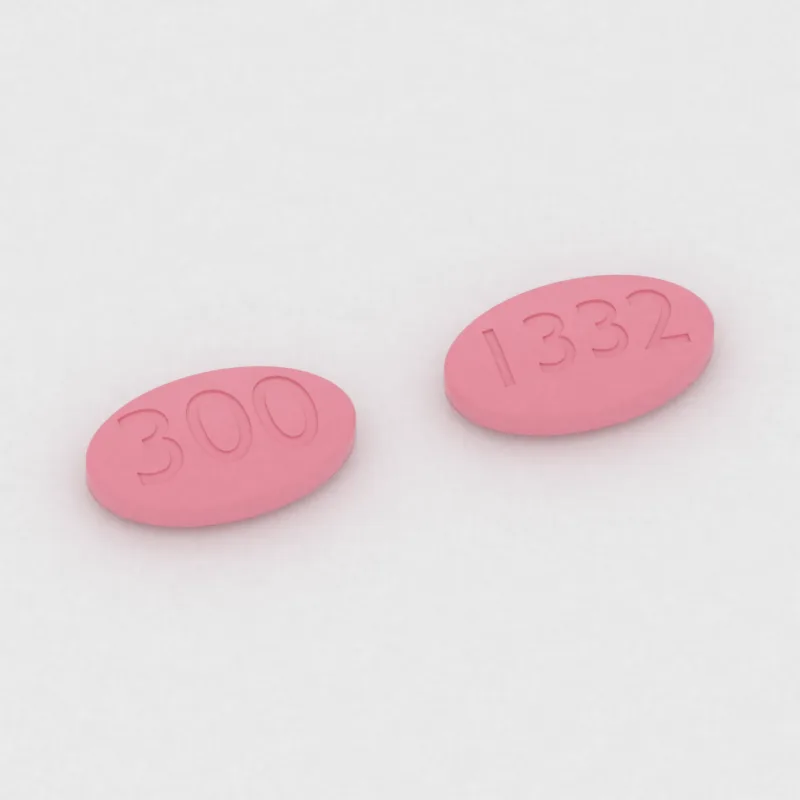
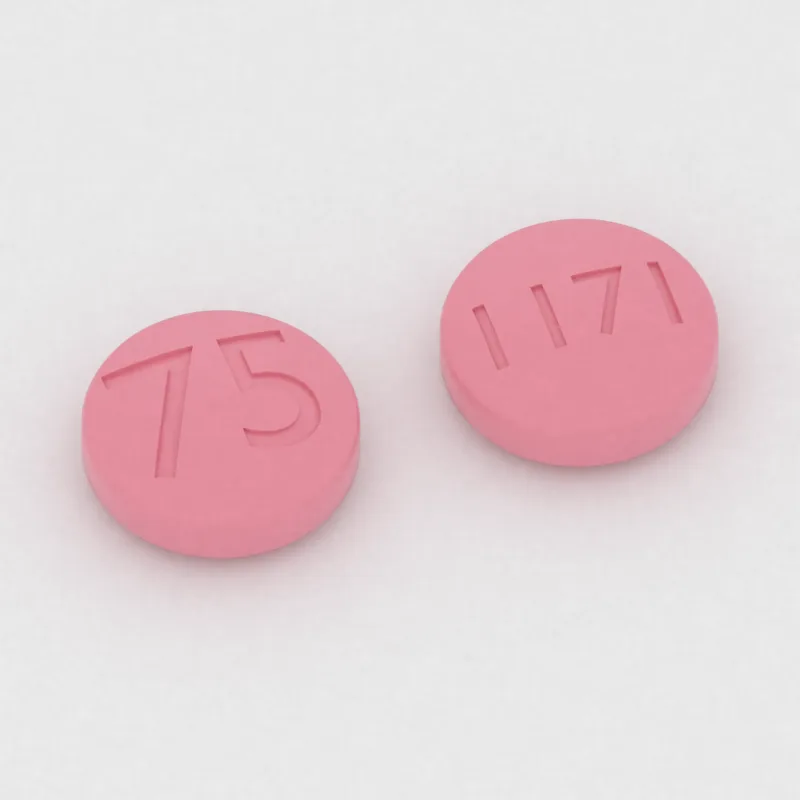
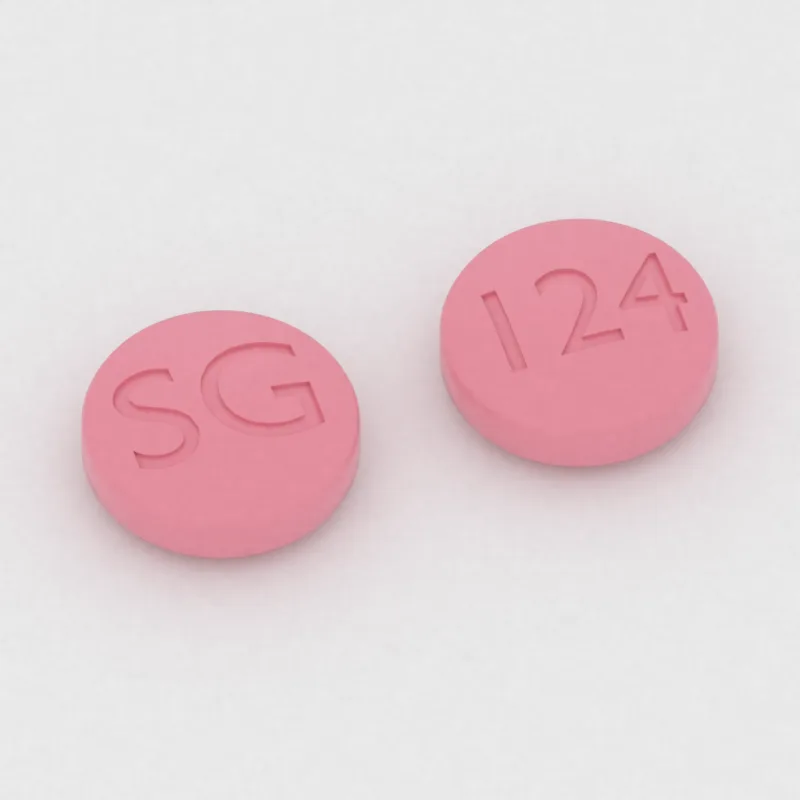
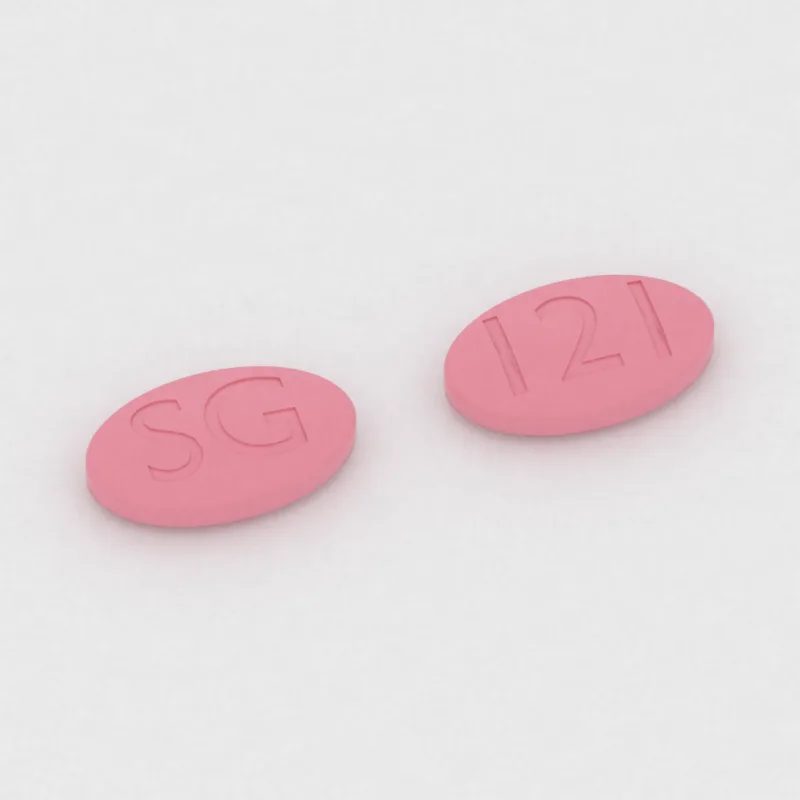
Renderings from the FDA labels' product listings: color, shape, size, and imprint. 24 documented versions from 30 labelers.
Interactions from the label
Major interactions (39)
CIBINQO is contraindicated in patients taking antiplatelet therapies, except for low-dose aspirin (≤81 mg daily), during the first 3 months of treatment [see Warnings and Precautions (5.7) , Drug Interactions (7.2) , and Clinical Pharmacology (12.2) ]. (Abrocitinib label, Contraindications)
…hematomas in these patients include: • use of indwelling epidural catheters • concomitant use of other drugs that affect hemostasis, such as nonsteroidal anti-inflammatory drugs (NSAIDs), platelet inhibitors, other anticoagulants • a history of traumatic or repeated epidural or spinal punctures • a history of spinal deformity or spinal surgery • optimal timing between… (Apixaban label, Boxed warning)
Coadministration of bupropion hydrochloride extended-release tablets (XL) with ticlopidine or clopidogrel is not recommended (7.1). (Bupropion label, Drug interactions)
Clopidogrel: Do not administer during KENGREAL infusion. (Cangrelor label, Drug interactions)
CYP2C19 inhibitors: Avoid concomitant use of omeprazole or esomeprazole. (Clopidogrel label, Warnings and precautions)
As a precaution, avoid concomitant use of strong CYP2C19 inducers [see Drug Interactions (7.1) and Clinical Pharmacology (12.3) ] . (Clopidogrel label, Warnings and precautions)
Celecoxib 100 mg twice daily was non-inferior to naproxen 375 to 500 mg twice daily and ibuprofen 600 to 800 mg three times daily for the composite endpoint of the Antiplatelet Trialists' Collaboration (APTC), which consists of cardiovascular death (including hemorrhagic death), non-fatal myocardial infarction, and non-fatal stroke [ see Clinical Studies (14.5)… (Celecoxib label, Warnings and precautions)
CYP2C19 inhibitors: Avoid concomitant use of omeprazole or esomeprazole. (Clopidogrel label, Warnings and precautions)
CYP2C19 inhibitors: Avoid concomitant use of omeprazole or esomeprazole. (Clopidogrel label, Warnings and precautions)
…hematomas in these patients include: use of indwelling epidural catheters concomitant use of other drugs that affect hemostasis, such as non-steroidal anti-inflammatory drugs (NSAIDs), platelet inhibitors, other anticoagulants a history of traumatic or repeated epidural or spinal punctures a history of spinal deformity or spinal surgery optimal timing between the… (Dabigatran label, Boxed warning)
…hematomas in these patients include: use of indwelling epidural catheters concomitant use of other drugs that affect hemostasis, such as nonsteroidal anti-inflammatory drugs (NSAIDs), platelet inhibitors, other anticoagulants a history of traumatic or repeated epidural or spinal punctures a history of spinal deformity or spinal surgery optimal timing between the… (Edoxaban label, Boxed warning)
CYP2C19 inhibitors: Avoid concomitant use of omeprazole or esomeprazole. (Clopidogrel label, Warnings and precautions)
CYP2C19 inhibitors: Avoid concomitant use of omeprazole or esomeprazole. (Clopidogrel label, Warnings and precautions)
Antiplatelets: ticagrelor ↑ ticagrelor Coadminstration with ticagrelor is not recommended. clopidogrel ↓ clopidogrel active metabolite Coadministration with clopidogrel is not recommended due to protential reduction of the antiplatelet activity of clopidogrel. (Elvitegravir, cobicistat, emtricitabine, and tenofovir label, Drug interactions)
…hematomas in these patients include: Use of indwelling epidural catheters Concomitant use of other drugs that affect hemostasis, such as non-steroidal anti-inflammatory drugs (NSAIDs), platelet inhibitors, and other anticoagulants A history of traumatic or repeated epidural or spinal punctures A history of spinal deformity or spinal surgery Optimal timing between… (Enoxaparin label, Boxed warning)
Avoid concomitant use of Plavix with omeprazole or esomeprazole because both significantly reduce the antiplatelet activity of Plavix [see Drug Interactions (7.1) ] . (Clopidogrel label, Warnings and precautions)
CYP2C19 inhibitors: Avoid concomitant use of omeprazole or esomeprazole. (Clopidogrel label, Warnings and precautions)
Table 2: Oral drugs that can be administered concomitantly with Ferric Citrate Tablets Amlodipine Aspirin Atorvastatin Calcitriol Clopidogrel Digoxin Diltiazem Doxercalciferol Enalapril Fluvastatin Glimepiride Levofloxacin Losartan Metoprolol Pravastatin Propranolol Sitagliptin Warfarin Oral drugs that have to be separated from Ferric Citrate Tablets and meals… (Ferric citrate label, Drug interactions)
CYP2C19 inhibitors: Avoid concomitant use of omeprazole or esomeprazole. (Clopidogrel label, Warnings and precautions)
CYP2C19 inhibitors: Avoid concomitant use of omeprazole or esomeprazole. (Clopidogrel label, Warnings and precautions)
…in these patients include: • use of indwelling epidural catheters • concomitant use of other drugs that affect hemostasis, such as non-steroidal anti-inflammatory drugs (NSAIDs), platelet inhibitors, or other anticoagulants • a history of traumatic or repeated epidural or spinal puncture • a history of spinal deformity or spinal surgery • Optimal timing between… (Fondaparinux label, Boxed warning)
CYP2C19 inhibitors: Avoid concomitant use of omeprazole or esomeprazole. (Clopidogrel label, Warnings and precautions)
Anticoagulants and Antiplatelets Ticagrelor Contraindicated during and 2 weeks after TOLSURA treatment. (Itraconazole label, Drug interactions)
As a precaution, avoid concomitant use of strong CYP2C19 inducers [see Drug Interactions (7.1) and Clinical Pharmacology (12.3) ] . (Clopidogrel label, Warnings and precautions)
Avoid concomitant use of Plavix with omeprazole or esomeprazole because both significantly reduce the antiplatelet activity of Plavix [see Drug Interactions (7.1) ] . (Clopidogrel label, Warnings and precautions)
Avoid concomitant use of Plavix with omeprazole or esomeprazole because both significantly reduce the antiplatelet activity of Plavix [see Drug Interactions (7.1) ] . (Clopidogrel label, Warnings and precautions)
Avoid concomitant use of Plavix with omeprazole or esomeprazole because both significantly reduce the antiplatelet activity of Plavix [see Drug Interactions (7.1) ] . (Clopidogrel label, Warnings and precautions)
CYP2C19 inhibitors: Avoid concomitant use of omeprazole or esomeprazole. (Clopidogrel label, Warnings and precautions)
…TR ial to Assess I mprovement in T herapeutic Outcomes by O ptimizing Platelet Inhibitio N with Prasugrel), patients with a history of TIA or ischemic stroke (>3 months prior to enrollment) had a higher rate of stroke on Effient (6.5%; of which 4.2% were thrombotic stroke and 2.3% were intracranial hemorrhage [ICH]) than on clopidogrel (1.2%; all thrombotic). (Prasugrel label, Contraindications)
Avoid concomitant use of repaglinide with Plavix. (Clopidogrel label, Drug interactions)
As a precaution, avoid concomitant use of strong CYP2C19 inducers [see Drug Interactions (7.1) and Clinical Pharmacology (12.3) ] . (Clopidogrel label, Warnings and precautions)
…in these patients include: • use of indwelling epidural catheters • concomitant use of other drugs that affect hemostasis, such as non-steroidal anti-inflammatory drugs (NSAIDs), platelet inhibitors, other anticoagulants • a history of traumatic or repeated epidural or spinal punctures • a history of spinal deformity or spinal surgery • optimal timing between… (Rivaroxaban label, Boxed warning)
WARNING: BLEEDING RISK • BRILINTA, like other antiplatelet agents, can cause significant, sometimes fatal bleeding ( 5.1 , 6.1 ). (Ticagrelor label, Boxed warning)
CYP2C19 inhibitors: Avoid concomitant use of omeprazole or esomeprazole. (Clopidogrel label, Warnings and precautions)
CYP2C19 inhibitors: Avoid concomitant use of omeprazole or esomeprazole. (Clopidogrel label, Warnings and precautions)
Moderate interactions (98)
Opioids: Decreased exposure to clopidogrel. (Clopidogrel label, Drug interactions)
Risk factors for bleeding include concomitant use of other drugs that increase the risk of bleeding (e.g., anticoagulants, antiplatelet agents, and chronic use of NSAIDs) [see Drug Interactions (7.4 , 7.5 , 7.6 , 7.7) ]. (Clopidogrel label, Warnings and precautions)
- AlteplaseModerate
Anticoagulants and antiplatelet drugs increase the risk of bleeding if administered prior to, during, or after Activase therapy. (Alteplase label, Drug interactions)
Monitor patients for bleeding, including those receiving concomitant therapy with other drugs known to cause bleeding (e.g., anticoagulants, PDE3 inhibitors, NSAIDs, antiplatelet agents, selective serotonin reuptake inhibitors) [see Drug Interactions (7.3) , Clinical Pharmacology (12.3) ] . (Anagrelide label, Warnings and precautions)
Risk factors for bleeding include concomitant use of other drugs that increase the risk of bleeding (e.g., anticoagulants, antiplatelet agents, and chronic use of NSAIDs) [see Drug Interactions (7.4 , 7.5 , 7.6 , 7.7) ]. (Clopidogrel label, Warnings and precautions)
Risk factors for bleeding include concomitant use of other drugs that increase the risk of bleeding (e.g., anticoagulants, antiplatelet agents, and chronic use of NSAIDs) [see Drug Interactions (7.4 , 7.5 , 7.6 , 7.7) ]. (Clopidogrel label, Warnings and precautions)
Risk factors for bleeding include concomitant use of other drugs that increase the risk of bleeding (e.g., anticoagulants, antiplatelet agents, and chronic use of NSAIDs) [see Drug Interactions (7.4 , 7.5 , 7.6 , 7.7) ]. (Clopidogrel label, Warnings and precautions)
Nonsteroidal anti-inflammatory drugs (NSAIDs), warfarin, selective serotonin and serotonin norepinephrine reuptake inhibitors (SSRIs, SNRIs): Increases risk of bleeding. (Clopidogrel label, Drug interactions)
Opioids: Decreased exposure to clopidogrel. (Clopidogrel label, Drug interactions)
Risk factors for bleeding include concomitant use of other drugs that increase the risk of bleeding (e.g., anticoagulants, antiplatelet agents, and chronic use of NSAIDs) [see Drug Interactions (7.4 , 7.5 , 7.6 , 7.7) ]. (Clopidogrel label, Warnings and precautions)
Opioids: Decreased exposure to clopidogrel. (Clopidogrel label, Drug interactions)
Opioids: Decreased exposure to clopidogrel. (Clopidogrel label, Drug interactions)
Opioids: Decreased exposure to clopidogrel. (Clopidogrel label, Drug interactions)
Risk factors for bleeding include concomitant use of other drugs that increase the risk of bleeding (e.g., anticoagulants, antiplatelet agents, and chronic use of NSAIDs) [see Drug Interactions (7.4 , 7.5 , 7.6 , 7.7) ]. (Clopidogrel label, Warnings and precautions)
Risk factors for bleeding include concomitant use of other drugs that increase the risk of bleeding (e.g., anticoagulants, antiplatelet agents, and chronic use of NSAIDs) [see Drug Interactions (7.4 , 7.5 , 7.6 , 7.7) ]. (Clopidogrel label, Warnings and precautions)
Opioids: Decreased exposure to clopidogrel. (Clopidogrel label, Drug interactions)
Other Antiplatelet Agents: Increases the risk of bleeding due to an additive effect. (Clopidogrel label, Drug interactions)
Nonsteroidal anti-inflammatory drugs (NSAIDs), warfarin, selective serotonin and serotonin norepinephrine reuptake inhibitors (SSRIs, SNRIs): Increases risk of bleeding. (Clopidogrel label, Drug interactions)
Opioids: Decreased exposure to clopidogrel. (Clopidogrel label, Drug interactions)
Nonsteroidal anti-inflammatory drugs (NSAIDs), warfarin, selective serotonin and serotonin norepinephrine reuptake inhibitors (SSRIs, SNRIs): Increases risk of bleeding. (Clopidogrel label, Drug interactions)
Dexlansoprazole, lansoprazole, and pantoprazole had less effect on the antiplatelet activity of Plavix than did omeprazole or esomeprazole [see Warnings and Precautions (5.1) and Clinical Pharmacology (12.3) ] . (Clopidogrel label, Drug interactions)
Risk factors for bleeding include concomitant use of other drugs that increase the risk of bleeding (e.g., anticoagulants, antiplatelet agents, and chronic use of NSAIDs) [see Drug Interactions (7.4 , 7.5 , 7.6 , 7.7) ]. (Clopidogrel label, Warnings and precautions)
Risk factors for bleeding include concomitant use of other drugs that increase the risk of bleeding (e.g., anticoagulants, antiplatelet agents, and chronic use of NSAIDs) [see Drug Interactions (7.4 , 7.5 , 7.6 , 7.7) ]. (Clopidogrel label, Warnings and precautions)
Risk factors for bleeding include concomitant use of other drugs that increase the risk of bleeding (e.g., anticoagulants, antiplatelet agents, and chronic use of NSAIDs) [see Drug Interactions (7.4 , 7.5 , 7.6 , 7.7) ]. (Clopidogrel label, Warnings and precautions)
Other Antiplatelet Agents: Increases the risk of bleeding due to an additive effect. (Clopidogrel label, Drug interactions)
Nonsteroidal anti-inflammatory drugs (NSAIDs), warfarin, selective serotonin and serotonin norepinephrine reuptake inhibitors (SSRIs, SNRIs): Increases risk of bleeding. (Clopidogrel label, Drug interactions)
Opioids: Decreased exposure to clopidogrel. (Clopidogrel label, Drug interactions)
When other antiplatelet agents or anticoagulants are used concomitantly, there is the potential for VELETRI to increase the risk of bleeding. (Epoprostenol label, Drug interactions)
Other Antiplatelet Agents: Increases the risk of bleeding due to an additive effect. (Clopidogrel label, Drug interactions)
Nonsteroidal anti-inflammatory drugs (NSAIDs), warfarin, selective serotonin and serotonin norepinephrine reuptake inhibitors (SSRIs, SNRIs): Increases risk of bleeding. (Clopidogrel label, Drug interactions)
Risk factors for bleeding include concomitant use of other drugs that increase the risk of bleeding (e.g., anticoagulants, antiplatelet agents, and chronic use of NSAIDs) [see Drug Interactions (7.4 , 7.5 , 7.6 , 7.7) ]. (Clopidogrel label, Warnings and precautions)
Risk factors for bleeding include concomitant use of other drugs that increase the risk of bleeding (e.g., anticoagulants, antiplatelet agents, and chronic use of NSAIDs) [see Drug Interactions (7.4 , 7.5 , 7.6 , 7.7) ]. (Clopidogrel label, Warnings and precautions)
Opioids: Decreased exposure to clopidogrel. (Clopidogrel label, Drug interactions)
Nonsteroidal anti-inflammatory drugs (NSAIDs), warfarin, selective serotonin and serotonin norepinephrine reuptake inhibitors (SSRIs, SNRIs): Increases risk of bleeding. (Clopidogrel label, Drug interactions)
Risk factors for bleeding include concomitant use of other drugs that increase the risk of bleeding (e.g., anticoagulants, antiplatelet agents, and chronic use of NSAIDs) [see Drug Interactions (7.4 , 7.5 , 7.6 , 7.7) ]. (Clopidogrel label, Warnings and precautions)
Carbamazepine, felbamate, lamotrigine, topiramate, oxcarbazepine, lacosamide Antiplatelets Ticagrelor Antilipidemic agents Atorvastatin, fluvastatin, simvastatin Antiviral agents Efavirenz, lopinavir/ritonavir, indinavir, nelfinavir, ritonavir, saquinavir Fosamprenavir: phenytoin when given with fosamprenavir alone may decrease the concentration of amprenavir,… (Fosphenytoin label, Drug interactions)
Ginkgo may increase bleeding risk when taken with anticoagulant or antiplatelet medicines. (NCCIH, Ginkgo)
Risk factors for bleeding include concomitant use of other drugs that increase the risk of bleeding (e.g., anticoagulants, antiplatelet agents, and chronic use of NSAIDs) [see Drug Interactions (7.4 , 7.5 , 7.6 , 7.7) ]. (Clopidogrel label, Warnings and precautions)
Opioids: Decreased exposure to clopidogrel. (Clopidogrel label, Drug interactions)
Opioids: Decreased exposure to clopidogrel. (Clopidogrel label, Drug interactions)
Opioids: Decreased exposure to clopidogrel. (Clopidogrel label, Drug interactions)
Opioids: Decreased exposure to clopidogrel. (Clopidogrel label, Drug interactions)
Risk factors for bleeding include concomitant use of other drugs that increase the risk of bleeding (e.g., anticoagulants, antiplatelet agents, and chronic use of NSAIDs) [see Drug Interactions (7.4 , 7.5 , 7.6 , 7.7) ]. (Clopidogrel label, Warnings and precautions)
Opioids: Decreased exposure to clopidogrel. (Clopidogrel label, Drug interactions)
Risk factors for bleeding include concomitant use of other drugs that increase the risk of bleeding (e.g., anticoagulants, antiplatelet agents, and chronic use of NSAIDs) [see Drug Interactions (7.4 , 7.5 , 7.6 , 7.7) ]. (Clopidogrel label, Warnings and precautions)
Risk factors for bleeding include concomitant use of other drugs that increase the risk of bleeding (e.g., anticoagulants, antiplatelet agents, and chronic use of NSAIDs) [see Drug Interactions (7.4 , 7.5 , 7.6 , 7.7) ]. (Clopidogrel label, Warnings and precautions)
The incidence of bleeding was greater in patients receiving concomitant antithrombotic medications, such as aspirin, clopidogrel, or warfarin. (Icosapent ethyl label, Warnings and precautions)
Risk factors for bleeding include concomitant use of other drugs that increase the risk of bleeding (e.g., anticoagulants, antiplatelet agents, and chronic use of NSAIDs) [see Drug Interactions (7.4 , 7.5 , 7.6 , 7.7) ]. (Clopidogrel label, Warnings and precautions)
Anticoagulants and Antiplatelet Drugs rivaroxaban cilostazol, coumarins, dabigatran Cilostazol: Concomitant administration of single doses of cilostazol 100 mg and ketoconazole 400 mg approximately doubled cilostazol concentrations and altered (increase/decrease) the concentrations of the active metabolites of cilostazol. (Ketoconazole label, Drug interactions)
Risk factors for bleeding include concomitant use of other drugs that increase the risk of bleeding (e.g., anticoagulants, antiplatelet agents, and chronic use of NSAIDs) [see Drug Interactions (7.4 , 7.5 , 7.6 , 7.7) ]. (Clopidogrel label, Warnings and precautions)
Risk factors for bleeding include concomitant use of other drugs that increase the risk of bleeding (e.g., anticoagulants, antiplatelet agents, and chronic use of NSAIDs) [see Drug Interactions (7.4 , 7.5 , 7.6 , 7.7) ]. (Clopidogrel label, Warnings and precautions)
Dexlansoprazole, lansoprazole, and pantoprazole had less effect on the antiplatelet activity of Plavix than did omeprazole or esomeprazole [see Warnings and Precautions (5.1) and Clinical Pharmacology (12.3) ] . (Clopidogrel label, Drug interactions)
Nonsteroidal anti-inflammatory drugs (NSAIDs), warfarin, selective serotonin and serotonin norepinephrine reuptake inhibitors (SSRIs, SNRIs): Increases risk of bleeding. (Clopidogrel label, Drug interactions)
Opioids: Decreased exposure to clopidogrel. (Clopidogrel label, Drug interactions)
Risk factors for bleeding include concomitant use of other drugs that increase the risk of bleeding (e.g., anticoagulants, antiplatelet agents, and chronic use of NSAIDs) [see Drug Interactions (7.4 , 7.5 , 7.6 , 7.7) ]. (Clopidogrel label, Warnings and precautions)
Risk factors for bleeding include concomitant use of other drugs that increase the risk of bleeding (e.g., anticoagulants, antiplatelet agents, and chronic use of NSAIDs) [see Drug Interactions (7.4 , 7.5 , 7.6 , 7.7) ]. (Clopidogrel label, Warnings and precautions)
Opioids: Decreased exposure to clopidogrel. (Clopidogrel label, Drug interactions)
Opioids: Decreased exposure to clopidogrel. (Clopidogrel label, Drug interactions)
Nonsteroidal anti-inflammatory drugs (NSAIDs), warfarin, selective serotonin and serotonin norepinephrine reuptake inhibitors (SSRIs, SNRIs): Increases risk of bleeding. (Clopidogrel label, Drug interactions)
Misoprostol does not exert clinically significant effects on the absorption, blood levels, and antiplatelet effects of therapeutic doses of aspirin. (Misoprostol label, Drug interactions)
Consider the use of a parenteral antiplatelet agent in acute coronary syndrome patients requiring coadministration of morphine or other opioid agonists. (Clopidogrel label, Drug interactions)
Risk factors for bleeding include concomitant use of other drugs that increase the risk of bleeding (e.g., anticoagulants, antiplatelet agents, and chronic use of NSAIDs) [see Drug Interactions (7.4 , 7.5 , 7.6 , 7.7) ]. (Clopidogrel label, Warnings and precautions)
Opioids: Decreased exposure to clopidogrel. (Clopidogrel label, Drug interactions)
Concomitant Treatment with CYP2B6 Inhibitors (e.g., ticlopidine or clopidogrel) can increase bupropion exposure. (Naltrexone and bupropion label, Drug interactions)
Risk factors for bleeding include concomitant use of other drugs that increase the risk of bleeding (e.g., anticoagulants, antiplatelet agents, and chronic use of NSAIDs) [see Drug Interactions (7.4 , 7.5 , 7.6 , 7.7) ]. (Clopidogrel label, Warnings and precautions)
Nonsteroidal anti-inflammatory drugs (NSAIDs), warfarin, selective serotonin and serotonin norepinephrine reuptake inhibitors (SSRIs, SNRIs): Increases risk of bleeding. (Clopidogrel label, Drug interactions)
Opioids: Decreased exposure to clopidogrel. (Clopidogrel label, Drug interactions)
Risk factors for bleeding include concomitant use of other drugs that increase the risk of bleeding (e.g., anticoagulants, antiplatelet agents, and chronic use of NSAIDs) [see Drug Interactions (7.4 , 7.5 , 7.6 , 7.7) ]. (Clopidogrel label, Warnings and precautions)
Risk factors for bleeding include concomitant use of other drugs that increase the risk of bleeding (e.g., anticoagulants, antiplatelet agents, and chronic use of NSAIDs) [see Drug Interactions (7.4 , 7.5 , 7.6 , 7.7) ]. (Clopidogrel label, Warnings and precautions)
Opioids: Decreased exposure to clopidogrel. (Clopidogrel label, Drug interactions)
Opioids: Decreased exposure to clopidogrel. (Clopidogrel label, Drug interactions)
Opioids: Decreased exposure to clopidogrel. (Clopidogrel label, Drug interactions)
Dexlansoprazole, lansoprazole, and pantoprazole had less effect on the antiplatelet activity of Plavix than did omeprazole or esomeprazole [see Warnings and Precautions (5.1) and Clinical Pharmacology (12.3) ] . (Clopidogrel label, Drug interactions)
Nonsteroidal anti-inflammatory drugs (NSAIDs), warfarin, selective serotonin and serotonin norepinephrine reuptake inhibitors (SSRIs, SNRIs): Increases risk of bleeding. (Clopidogrel label, Drug interactions)
Opioids: Decreased exposure to clopidogrel. (Clopidogrel label, Drug interactions)
DRUG INTERACTIONS Bleeding has been reported in patients treated with pentoxifylline extended-release tablets with or without concomitant NSAIDs, anticoagulants, or platelet aggregation inhibitors. (Pentoxifylline label, Drug interactions)
Carbamazepine, felbamate, lamotrigine, topiramate, oxcarbazepine, lacosamide Antilipidemic agents Atorvastatin, fluvastatin, simvastatin Antiplatelets Ticagrelor Antiviral agents Efavirenz, lopinavir/ritonavir, indinavir, nelfinavir, ritonavir, saquinavir Fosamprenavir: phenytoin when given with fosamprenavir alone may decrease the concentration of amprenavir,… (Phenytoin label, Drug interactions)
Risk factors for bleeding include concomitant use of other drugs that increase the risk of bleeding (e.g., anticoagulants, antiplatelet agents, and chronic use of NSAIDs) [see Drug Interactions (7.4 , 7.5 , 7.6 , 7.7) ]. (Clopidogrel label, Warnings and precautions)
Opioids: Decreased exposure to clopidogrel. (Clopidogrel label, Drug interactions)
Opioids: Decreased exposure to clopidogrel. (Clopidogrel label, Drug interactions)
Risk factors for bleeding include concomitant use of other drugs that increase the risk of bleeding (e.g., anticoagulants, antiplatelet agents, and chronic use of NSAIDs) [see Drug Interactions (7.4 , 7.5 , 7.6 , 7.7) ]. (Clopidogrel label, Warnings and precautions)
Nonsteroidal anti-inflammatory drugs (NSAIDs), warfarin, selective serotonin and serotonin norepinephrine reuptake inhibitors (SSRIs, SNRIs): Increases risk of bleeding. (Clopidogrel label, Drug interactions)
Nonsteroidal anti-inflammatory drugs (NSAIDs), warfarin, selective serotonin and serotonin norepinephrine reuptake inhibitors (SSRIs, SNRIs): Increases risk of bleeding. (Clopidogrel label, Drug interactions)
Risk factors for bleeding include concomitant use of other drugs that increase the risk of bleeding (e.g., anticoagulants, antiplatelet agents, and chronic use of NSAIDs) [see Drug Interactions (7.4 , 7.5 , 7.6 , 7.7) ]. (Clopidogrel label, Warnings and precautions)
Risk factors for bleeding include concomitant use of other drugs that increase the risk of bleeding (e.g., anticoagulants, antiplatelet agents, and chronic use of NSAIDs) [see Drug Interactions (7.4 , 7.5 , 7.6 , 7.7) ]. (Clopidogrel label, Warnings and precautions)
Opioids: Decreased exposure to clopidogrel. (Clopidogrel label, Drug interactions)
- TenecteplaseModerate
Should serious bleeding that is not controlled by local pressure occur, discontinue any concomitant heparin or antiplatelet agents immediately and treat appropriately. (Tenecteplase label, Warnings and precautions)
Other Antiplatelet Agents: Increases the risk of bleeding due to an additive effect. (Clopidogrel label, Drug interactions)
Risk factors for bleeding include concomitant use of other drugs that increase the risk of bleeding (e.g., anticoagulants, antiplatelet agents, and chronic use of NSAIDs) [see Drug Interactions (7.4 , 7.5 , 7.6 , 7.7) ]. (Clopidogrel label, Warnings and precautions)
Opioids: Decreased exposure to clopidogrel. (Clopidogrel label, Drug interactions)
Opioids: Decreased exposure to clopidogrel. (Clopidogrel label, Drug interactions)
Increased Risk of Bleeding: Concomitant use of aspirin, nonsteroidal anti-inflammatory drugs (NSAIDs), other antiplatelet drugs, warfarin, and other anticoagulants may increase this risk ( 5.5 ). (Trazodone label, Warnings and precautions)
Nonsteroidal anti-inflammatory drugs (NSAIDs), warfarin, selective serotonin and serotonin norepinephrine reuptake inhibitors (SSRIs, SNRIs): Increases risk of bleeding. (Clopidogrel label, Drug interactions)
Nonsteroidal anti-inflammatory drugs (NSAIDs), warfarin, selective serotonin and serotonin norepinephrine reuptake inhibitors (SSRIs, SNRIs): Increases risk of bleeding. (Clopidogrel label, Drug interactions)
Nonsteroidal anti-inflammatory drugs (NSAIDs), warfarin, selective serotonin and serotonin norepinephrine reuptake inhibitors (SSRIs, SNRIs): Increases risk of bleeding. (Clopidogrel label, Drug interactions)
Vitamin E can inhibit platelet aggregation and vitamin K-dependent clotting, increasing bleeding risk with anticoagulant and antiplatelet drugs. (NIH Office of Dietary Supplements, Vitamin E)
• Increased Risk of Bleeding : Concomitant use of aspirin, nonsteroidal anti-inflammatory drugs, other antiplatelet drugs, warfarin, or other drugs that affect coagulation may increase risk ( 5.3 ). (Vortioxetine label, Warnings and precautions)
Nonsteroidal anti-inflammatory drugs (NSAIDs), warfarin, selective serotonin and serotonin norepinephrine reuptake inhibitors (SSRIs, SNRIs): Increases risk of bleeding. (Clopidogrel label, Drug interactions)
Minor mentions (20)
However, at high concentrations in vitro , clopidogrel inhibits CYP2C9. (Clopidogrel label, Drug interactions)
However, at high concentrations in vitro , clopidogrel inhibits CYP2C9. (Clopidogrel label, Drug interactions)
However, at high concentrations in vitro , clopidogrel inhibits CYP2C9. (Clopidogrel label, Drug interactions)
Repaglinide (CYP2C8 Substrates) The acyl-β-glucuronide metabolite of clopidogrel is a strong inhibitor of CYP2C8. (Clopidogrel label, Drug interactions)
However, at high concentrations in vitro , clopidogrel inhibits CYP2C9. (Clopidogrel label, Drug interactions)
If possible, assess the presence of drug-dependent antiplatelet antibodies. (Ethosuximide label, Warnings)
Omega-3 supplements may mildly prolong bleeding time; the combination with anticoagulants such as warfarin warrants monitoring, though clinically significant bleeding has not been consistently shown. (NIH Office of Dietary Supplements, Omega-3 Fatty Acids)
However, at high concentrations in vitro , clopidogrel inhibits CYP2C9. (Clopidogrel label, Drug interactions)
However, at high concentrations in vitro , clopidogrel inhibits CYP2C9. (Clopidogrel label, Drug interactions)
Garlic supplements may increase bleeding risk with anticoagulants such as warfarin. (NCCIH, Garlic)
Repaglinide (CYP2C8 Substrates) The acyl-β-glucuronide metabolite of clopidogrel is a strong inhibitor of CYP2C8. (Clopidogrel label, Drug interactions)
However, at high concentrations in vitro , clopidogrel inhibits CYP2C9. (Clopidogrel label, Drug interactions)
However, at high concentrations in vitro , clopidogrel inhibits CYP2C9. (Clopidogrel label, Drug interactions)
However, at high concentrations in vitro , clopidogrel inhibits CYP2C9. (Clopidogrel label, Drug interactions)
Repaglinide (CYP2C8 Substrates) The acyl-β-glucuronide metabolite of clopidogrel is a strong inhibitor of CYP2C8. (Clopidogrel label, Drug interactions)
However, at high concentrations in vitro , clopidogrel inhibits CYP2C9. (Clopidogrel label, Drug interactions)
Repaglinide (CYP2C8 Substrates) The acyl-β-glucuronide metabolite of clopidogrel is a strong inhibitor of CYP2C8. (Clopidogrel label, Drug interactions)
However, at high concentrations in vitro , clopidogrel inhibits CYP2C9. (Clopidogrel label, Drug interactions)
However, at high concentrations in vitro , clopidogrel inhibits CYP2C9. (Clopidogrel label, Drug interactions)
However, at high concentrations in vitro , clopidogrel inhibits CYP2C9. (Clopidogrel label, Drug interactions)
No significant interaction reported (3)
Platelet Aggregation Inhibitors Clopidogrel: No clinically significant pharmacodynamic interactions were observed when clopidogrel was co-administered with nifedipine. (Nifedipine label, Drug interactions)
Check Clopidogrel against everything you take. Add your full list; every pair is checked at once.
Open in the checkerNot medical advice. Severity reflects the label's wording, not your circumstances. A "major" flag can be routine under supervision and a "minor" one can matter at high doses. Ask a pharmacist.