
Carbamazepine interactions
Carbamazepine (Tegretol, Carbatrol, Epitol), an anticonvulsant has 552 documented interactions across the FDA labels and fact sheets we index: 231 major, 246 moderate, 73 minor, and 2 where a label reports no significant interaction. Each entry below quotes the sentence behind it. This drug page is a starting point, not a verdict for your situation.
What Carbamazepine looks like
All 70 versions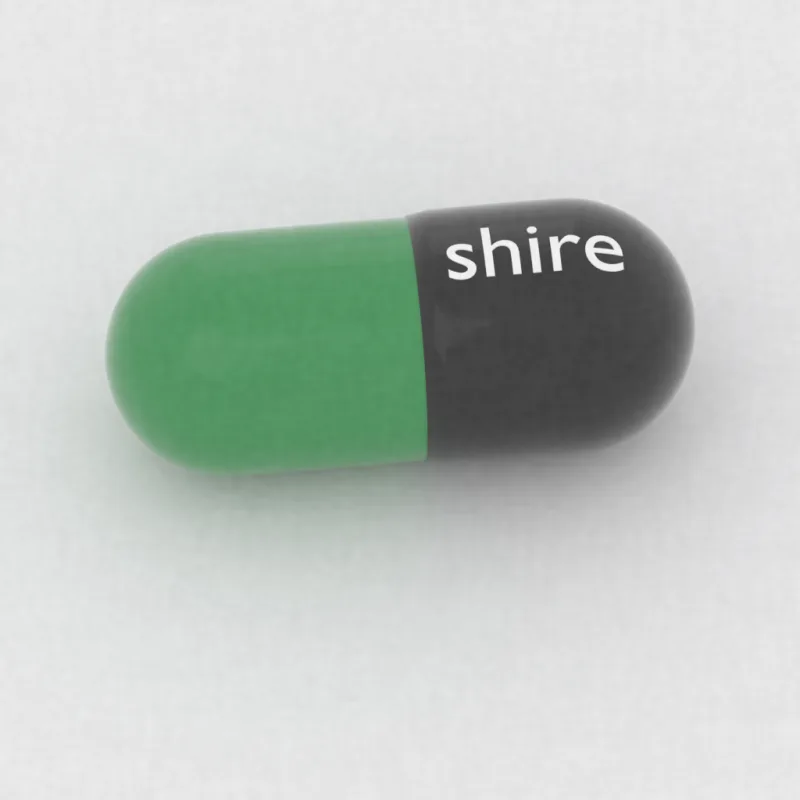
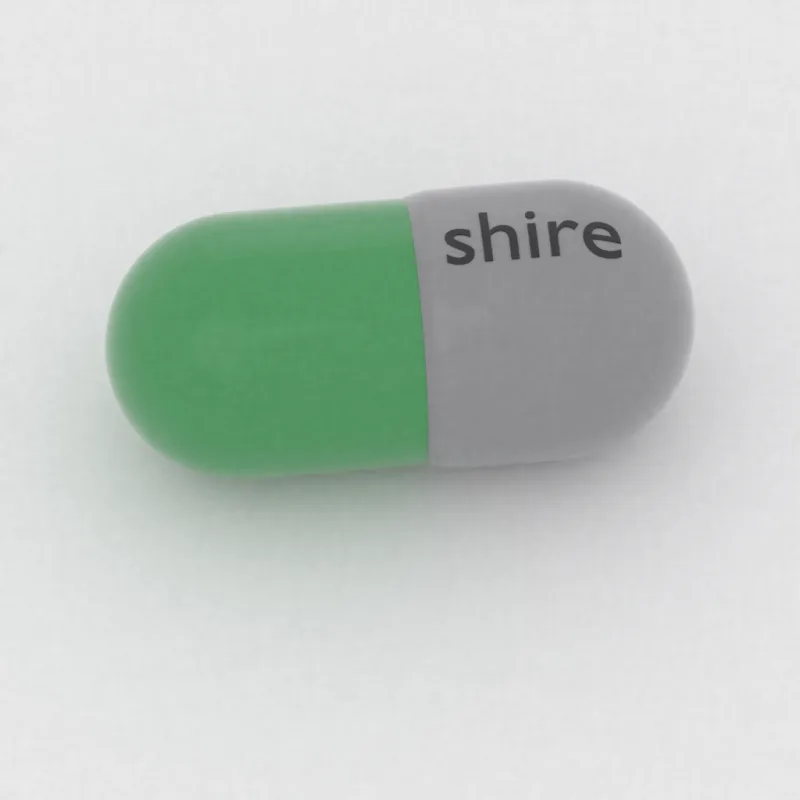
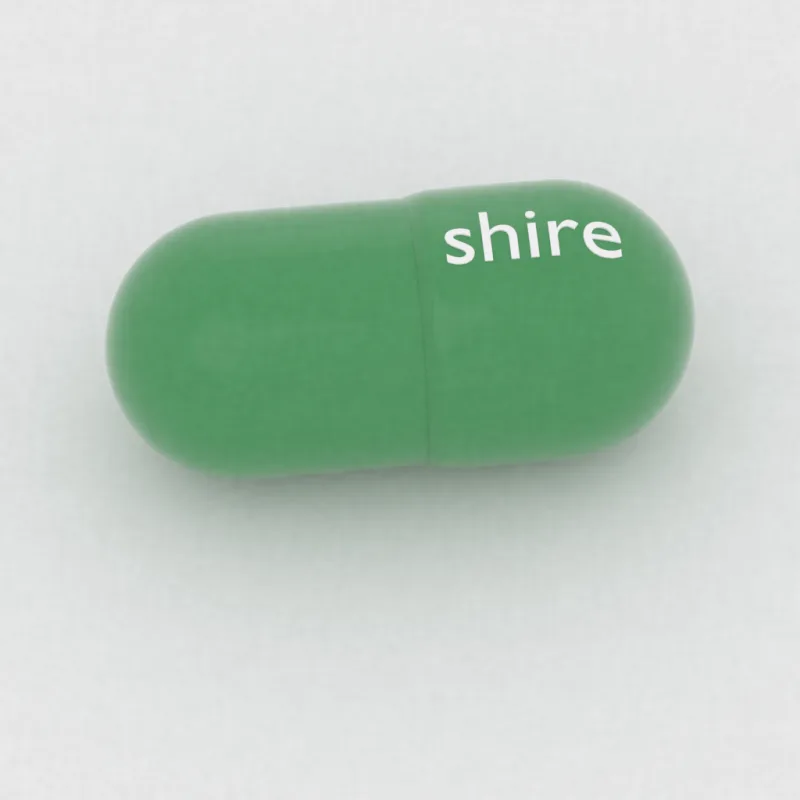
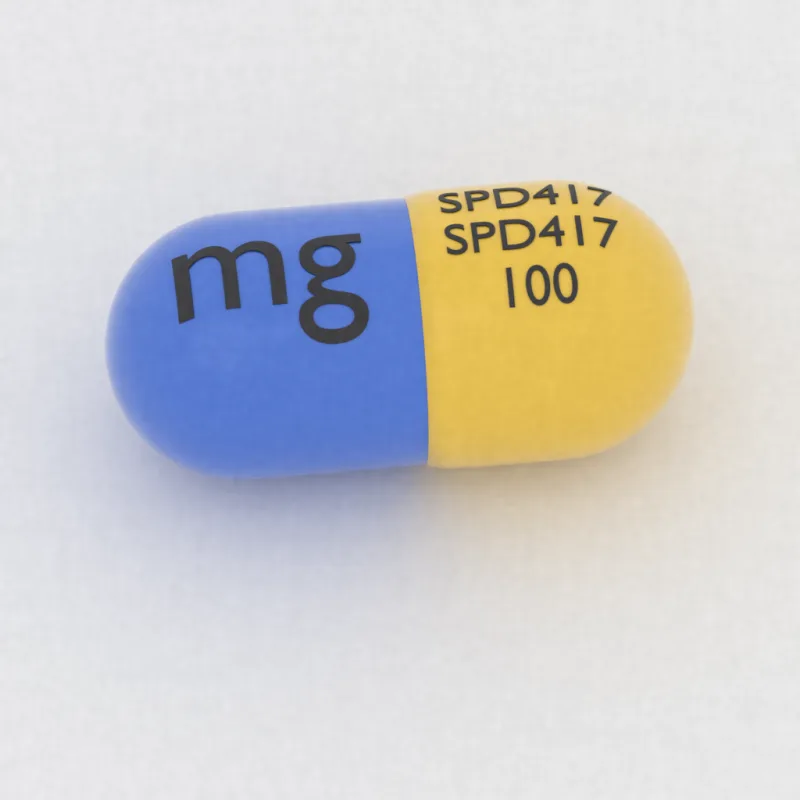
Renderings from the FDA labels' product listings: color, shape, size, and imprint. 70 documented versions from 30 labelers.
Interactions from the label
Major interactions (231)
CYP3A4 Inducers: Avoid concomitant strong CYP3A4 inducers during YONSA treatment. (Abiraterone label, Drug interactions)
• Moderate to Strong Inhibitors of Both CYP2C19 and CYP2C9, or Strong or Moderate CYP2C19 or CYP2C9 Inducers : Avoid concomitant use. (Abrocitinib label, Drug interactions)
- AcalabrutinibMajor
• CYP3A Inducers: Avoid co-administration with strong CYP3A inducers. (Acalabrutinib label, Drug interactions)
CNS Depressants The concomitant use of EQUETRO and other CNS depressants can increase the risk of respiratory depression, profound sedation, hypotension, and syncope. (Carbamazepine label, Drug interactions)
Combining alcohol with sedating medicines (opioids, benzodiazepines, sleep medicines, muscle relaxants) can cause dangerous drowsiness, slowed breathing, and overdose. (NIAAA, Harmful Interactions: Mixing Alcohol with Medicines)
- AlpelisibMajor
CYP3A4 Inducers : Avoid coadministration of VIJOICE with a strong CYP3A4 inducer. (Alpelisib label, Drug interactions)
CNS Depressants The concomitant use of EQUETRO and other CNS depressants can increase the risk of respiratory depression, profound sedation, hypotension, and syncope. (Carbamazepine label, Drug interactions)
Known hypersensitivity to any of the tricyclic compounds (e.g., amitriptyline, desipramine, imipramine, protriptyline, and nortriptyline.) Hypersensitivity reactions include anaphylaxis and serious rash. (Carbamazepine label, Contraindications)
Known hypersensitivity to any of the tricyclic compounds (e.g., amitriptyline, desipramine, imipramine, protriptyline, and nortriptyline.) Hypersensitivity reactions include anaphylaxis and serious rash. (Carbamazepine label, Contraindications)
• Simultaneous use of combined P-gp and strong CYP3A4 inducers reduces blood levels of apixaban: Avoid concomitant use. (Apixaban label, Drug interactions)
Drug Interactions : Use with strong cytochrome P450 enzyme inducers (e.g., rifampin, phenobarbital, carbamazepine, phenytoin) is not recommended because loss of efficacy may occur ( 5.5 , 7.1 ) (Apremilast label, Warnings and precautions)
CNS Depressants The concomitant use of EQUETRO and other CNS depressants can increase the risk of respiratory depression, profound sedation, hypotension, and syncope. (Carbamazepine label, Drug interactions)
CNS Depressants The concomitant use of EQUETRO and other CNS depressants can increase the risk of respiratory depression, profound sedation, hypotension, and syncope. (Carbamazepine label, Drug interactions)
• Avoid concurrent use of alcohol or other central nervous system (CNS) depressants with azelastine hydrochloride and fluticasone propionate nasal spray because further decreased alertness and impairment of CNS performance may occur. (Azelastine and fluticasone label, Warnings and precautions)
CNS Depressants The concomitant use of EQUETRO and other CNS depressants can increase the risk of respiratory depression, profound sedation, hypotension, and syncope. (Carbamazepine label, Drug interactions)
CNS Depressants The concomitant use of EQUETRO and other CNS depressants can increase the risk of respiratory depression, profound sedation, hypotension, and syncope. (Carbamazepine label, Drug interactions)
Concomitant administration of BIXLENVO is contraindicated with: dofetilide due to the potential for increased dofetilide plasma concentrations and associated serious and/or life-threatening events. strong CYP3A inducers due to decreased plasma concentrations of BIC and LEN, which may result in the loss of therapeutic effect and development of resistance to BIXLENVO. (Bictegravir, emtricitabine, and tenofovir alafenamide label, Contraindications)
- BortezomibMajor
Strong CYP3A4 Inducers: Avoid concomitant use. (Bortezomib label, Drug interactions)
- BosutinibMajor
• Strong CYP3A Inducers: Avoid concomitant use with BOSULIF. (Bosutinib label, Drug interactions)
CNS Depressants The concomitant use of EQUETRO and other CNS depressants can increase the risk of respiratory depression, profound sedation, hypotension, and syncope. (Carbamazepine label, Drug interactions)
CNS Depressants The concomitant use of EQUETRO and other CNS depressants can increase the risk of respiratory depression, profound sedation, hypotension, and syncope. (Carbamazepine label, Drug interactions)
CNS Depressants The concomitant use of EQUETRO and other CNS depressants can increase the risk of respiratory depression, profound sedation, hypotension, and syncope. (Carbamazepine label, Drug interactions)
Known hypersensitivity to tricyclic antidepressants ( 4 ) (Carbamazepine label, Contraindications)
CNS Depressants The concomitant use of EQUETRO and other CNS depressants can increase the risk of respiratory depression, profound sedation, hypotension, and syncope. (Carbamazepine label, Drug interactions)
CNS Depressants The concomitant use of EQUETRO and other CNS depressants can increase the risk of respiratory depression, profound sedation, hypotension, and syncope. (Carbamazepine label, Drug interactions)
CNS Depressants The concomitant use of EQUETRO and other CNS depressants can increase the risk of respiratory depression, profound sedation, hypotension, and syncope. (Carbamazepine label, Drug interactions)
CNS Depressants The concomitant use of EQUETRO and other CNS depressants can increase the risk of respiratory depression, profound sedation, hypotension, and syncope. (Carbamazepine label, Drug interactions)
CNS Depressants The concomitant use of EQUETRO and other CNS depressants can increase the risk of respiratory depression, profound sedation, hypotension, and syncope. (Carbamazepine label, Drug interactions)
CNS Depressants The concomitant use of EQUETRO and other CNS depressants can increase the risk of respiratory depression, profound sedation, hypotension, and syncope. (Carbamazepine label, Drug interactions)
• Coadministration with carbamazepine, oxcarbazepine, phenobarbital, phenytoin, rifampin, and rifapentine. (Cabotegravir label, Contraindications)
- CabozantinibMajor
Avoid chronic co-administration of strong CYP3A4 inducers (e.g., phenytoin, carbamazepine, rifampin, rifabutin, rifapentine, phenobarbital, St. (Cabozantinib label, Drug interactions)
CNS Depressants The concomitant use of EQUETRO and other CNS depressants can increase the risk of respiratory depression, profound sedation, hypotension, and syncope. (Carbamazepine label, Drug interactions)
Avoid concurrent use of Carbinoxamine Maleate Extended-Release Oral Suspension with alcohol or other central nervous system depressants because additional impairment of central nervous system performance may occur. (Carbinoxamine label, Warnings and precautions)
CNS Depressants The concomitant use of EQUETRO and other CNS depressants can increase the risk of respiratory depression, profound sedation, hypotension, and syncope. (Carbamazepine label, Drug interactions)
CNS Depressants The concomitant use of EQUETRO and other CNS depressants can increase the risk of respiratory depression, profound sedation, hypotension, and syncope. (Carbamazepine label, Drug interactions)
Avoid concurrent use of QUZYTTIR with alcohol or other CNS depressants because additional reduction in alertness and additional impairment of CNS performance may occur. (Cetirizine label, Warnings and precautions)
CNS Depressants The concomitant use of EQUETRO and other CNS depressants can increase the risk of respiratory depression, profound sedation, hypotension, and syncope. (Carbamazepine label, Drug interactions)
CNS Depressants The concomitant use of EQUETRO and other CNS depressants can increase the risk of respiratory depression, profound sedation, hypotension, and syncope. (Carbamazepine label, Drug interactions)
CNS Depressants The concomitant use of EQUETRO and other CNS depressants can increase the risk of respiratory depression, profound sedation, hypotension, and syncope. (Carbamazepine label, Drug interactions)
CNS Depressants The concomitant use of EQUETRO and other CNS depressants can increase the risk of respiratory depression, profound sedation, hypotension, and syncope. (Carbamazepine label, Drug interactions)
Table 8: Drugs That are Affected by and Affecting Ciprofloxacin Drugs That are Affected by Ciprofloxacin Drug(s) Recommendation Comments Tizanidine Contraindicated Concomitant administration of tizanidine and ciprofloxacin is contraindicated due to the potentiation of hypotensive and sedative effects of tizanidine [see Contraindications ( 4.2 )]. (Ciprofloxacin label, Drug interactions)
Known hypersensitivity to tricyclic antidepressants ( 4 ) (Carbamazepine label, Contraindications)
CNS Depressants The concomitant use of EQUETRO and other CNS depressants can increase the risk of respiratory depression, profound sedation, hypotension, and syncope. (Carbamazepine label, Drug interactions)
Known hypersensitivity to any of the tricyclic compounds (e.g., amitriptyline, desipramine, imipramine, protriptyline, and nortriptyline.) Hypersensitivity reactions include anaphylaxis and serious rash. (Carbamazepine label, Contraindications)
CNS Depressants The concomitant use of EQUETRO and other CNS depressants can increase the risk of respiratory depression, profound sedation, hypotension, and syncope. (Carbamazepine label, Drug interactions)
Avoid use with other central nervous system (CNS) depressants ( 5.3 ) (Clonidine label, Warnings and precautions)
As a precaution, avoid concomitant use of strong CYP2C19 inducers [see Drug Interactions (7.1) and Clinical Pharmacology (12.3) ] . (Clopidogrel label, Warnings and precautions)
CNS Depressants The concomitant use of EQUETRO and other CNS depressants can increase the risk of respiratory depression, profound sedation, hypotension, and syncope. (Carbamazepine label, Drug interactions)
CNS Depressants The concomitant use of EQUETRO and other CNS depressants can increase the risk of respiratory depression, profound sedation, hypotension, and syncope. (Carbamazepine label, Drug interactions)
CNS Depressants The concomitant use of EQUETRO and other CNS depressants can increase the risk of respiratory depression, profound sedation, hypotension, and syncope. (Carbamazepine label, Drug interactions)
CNS Depressants The concomitant use of EQUETRO and other CNS depressants can increase the risk of respiratory depression, profound sedation, hypotension, and syncope. (Carbamazepine label, Drug interactions)
CNS Depressants The concomitant use of EQUETRO and other CNS depressants can increase the risk of respiratory depression, profound sedation, hypotension, and syncope. (Carbamazepine label, Drug interactions)
CNS Depressants The concomitant use of EQUETRO and other CNS depressants can increase the risk of respiratory depression, profound sedation, hypotension, and syncope. (Carbamazepine label, Drug interactions)
- DasatinibMajor
If concomitant administration of a strong CYP3A4 inducer cannot be avoided, consider a dose increase [see Dosage and Administration ( 2.3 )] . (Dasatinib label, Drug interactions)
Avoid use of moderate or strong CYP3A4 inducers with EMFLAZA, as they may reduce efficacy ( 7.1 ) (Deflazacort label, Drug interactions)
CNS Depressants The concomitant use of EQUETRO and other CNS depressants can increase the risk of respiratory depression, profound sedation, hypotension, and syncope. (Carbamazepine label, Drug interactions)
Known hypersensitivity to any of the tricyclic compounds (e.g., amitriptyline, desipramine, imipramine, protriptyline, and nortriptyline.) Hypersensitivity reactions include anaphylaxis and serious rash. (Carbamazepine label, Contraindications)
Known hypersensitivity to tricyclic antidepressants ( 4 ) (Carbamazepine label, Contraindications)
CNS Depressants The concomitant use of EQUETRO and other CNS depressants can increase the risk of respiratory depression, profound sedation, hypotension, and syncope. (Carbamazepine label, Drug interactions)
CONTRAINDICATIONS Diphenoxylate hydrochloride and atropine sulfate is contraindicated in: • Pediatric patients less than 6 years of age due to the risks of respiratory and central nervous system (CNS) depression (see WARNINGS ). (Diphenoxylate and atropine label, Contraindications)
Children under the age of two years are at a considerably increased risk of developing fatal hepatotoxicity, especially those on multiple anticonvulsants, those with congenital metabolic disorders, those with severe seizure disorders accompanied by mental retardation, and those with organic brain disease. (Divalproex (valproate) label, Boxed warning)
PIFELTRO is contraindicated when co-administered with drugs that are strong cytochrome P450 (CYP)3A enzyme inducers as significant decreases in doravirine plasma concentrations may occur, which may decrease the effectiveness of PIFELTRO [see Warnings and Precautions (5.2) , Drug Interactions (7.1) , and Clinical Pharmacology (12.3) ] . (Doravirine label, Contraindications)
Known hypersensitivity to any of the tricyclic compounds (e.g., amitriptyline, desipramine, imipramine, protriptyline, and nortriptyline.) Hypersensitivity reactions include anaphylaxis and serious rash. (Carbamazepine label, Contraindications)
- DoxorubicinMajor
• Avoid concomitant use of doxorubicin hydrochloride with inhibitors and inducers of CYP3A4, CYP2D6, and/or P-gp ( 7.1 ) (Doxorubicin label, Drug interactions)
CNS Depressants The concomitant use of EQUETRO and other CNS depressants can increase the risk of respiratory depression, profound sedation, hypotension, and syncope. (Carbamazepine label, Drug interactions)
Rifampin and Other CYP3A Inducers Avoid rifampin or other CYP3A inducers such as phenobarbital, carbamazepine, phenytoin, and St. (Dronedarone label, Drug interactions)
Known hypersensitivity to tricyclic antidepressants ( 4 ) (Carbamazepine label, Contraindications)
Therefore, concomitant use with strong CYP3A inducers is not recommended [see Drug Interactions (7.1) and Clinical Pharmacology (12.3) ] . (Elexacaftor, tezacaftor, and ivacaftor label, Warnings and precautions)
CNS Depressants The concomitant use of EQUETRO and other CNS depressants can increase the risk of respiratory depression, profound sedation, hypotension, and syncope. (Carbamazepine label, Drug interactions)
Alpha 1-adrenoreceptor antagonist: alfuzosin Anticonvulsants: carbamazepine, phenobarbital, phenytoin Antimycobacterial: rifampin Antipsychotics: lurasidone, pimozide Ergot Derivatives: dihydroergotamine, ergotamine, methylergonovine Herbal Products: St. (Elvitegravir, cobicistat, emtricitabine, and tenofovir label, Contraindications)
…virologic response and possible resistance to COMPLERA or to the class of NNRTIs [see Warnings and Precautions (5.7) , Drug Interactions (7) , and Clinical Pharmacology (12.3) ]: Anticonvulsants: carbamazepine, oxcarbazepine, phenobarbital, phenytoin Antimycobacterials: rifampin, rifapentine Glucocorticoid (systemic): dexamethasone (more than a single-dose)… (Emtricitabine, rilpivirine, and tenofovir label, Contraindications)
- ErlotinibMajor
Avoid smoking tobacco (CYP1A2 inducer) and avoid concomitant use of erlotinib with moderate CYP1A2 inducers (e.g., teriflunomide, rifampin, or phenytoin). (Erlotinib label, Drug interactions)
Known hypersensitivity to tricyclic antidepressants ( 4 ) (Carbamazepine label, Contraindications)
Serious and sometimes fatal dermatologic reactions, including TEN and SJS, have also been reported in patients using oxcarbazepine or carbamazepine which are chemically related to APTIOM. (Eslicarbazepine label, Warnings and precautions)
CNS Depressants The concomitant use of EQUETRO and other CNS depressants can increase the risk of respiratory depression, profound sedation, hypotension, and syncope. (Carbamazepine label, Drug interactions)
CNS Depressants The concomitant use of EQUETRO and other CNS depressants can increase the risk of respiratory depression, profound sedation, hypotension, and syncope. (Carbamazepine label, Drug interactions)
CNS Depressants The concomitant use of EQUETRO and other CNS depressants can increase the risk of respiratory depression, profound sedation, hypotension, and syncope. (Carbamazepine label, Drug interactions)
Etravirine should not be used in combination with carbamazepine, phenobarbital, or phenytoin as co-administration may cause significant decreases in etravirine plasma concentrations and loss of therapeutic effect of Etravirine. (Etravirine label, Drug interactions)
IT IS NOT KNOWN WHETHER CONCOMITANT USE OF OTHER ANTIEPILEPTIC DRUGS AND/OR OTHER DRUGS AFFECT THE INCIDENCE OF HEPATIC FAILURE. (Felbamate label, Boxed warning)
CNS Depressants The concomitant use of EQUETRO and other CNS depressants can increase the risk of respiratory depression, profound sedation, hypotension, and syncope. (Carbamazepine label, Drug interactions)
Preventing or Managing DI The concomitant use of ADDYI with CYP3A4 inducers is not recommended. (Flibanserin label, Drug interactions)
CNS Depressants The concomitant use of EQUETRO and other CNS depressants can increase the risk of respiratory depression, profound sedation, hypotension, and syncope. (Carbamazepine label, Drug interactions)
Known hypersensitivity to tricyclic antidepressants ( 4 ) (Carbamazepine label, Contraindications)
CNS Depressants The concomitant use of EQUETRO and other CNS depressants can increase the risk of respiratory depression, profound sedation, hypotension, and syncope. (Carbamazepine label, Drug interactions)
Known hypersensitivity to tricyclic antidepressants ( 4 ) (Carbamazepine label, Contraindications)
Intervention Avoid concomitant use of FOCINVEZ Examples rifampin, carbamazepine, phenytoin (Fosaprepitant label, Drug interactions)
Consider avoiding CEREBYX as an alternative to carbamazepine in patients who are positive for HLA-B*1502 or in CYP2C9*3 carriers. (Fosphenytoin label, Warnings and precautions)
CNS Depressants The concomitant use of EQUETRO and other CNS depressants can increase the risk of respiratory depression, profound sedation, hypotension, and syncope. (Carbamazepine label, Drug interactions)
CNS Depressants The concomitant use of EQUETRO and other CNS depressants can increase the risk of respiratory depression, profound sedation, hypotension, and syncope. (Carbamazepine label, Drug interactions)
CNS Depressants The concomitant use of EQUETRO and other CNS depressants can increase the risk of respiratory depression, profound sedation, hypotension, and syncope. (Carbamazepine label, Drug interactions)
CNS Depressants The concomitant use of EQUETRO and other CNS depressants can increase the risk of respiratory depression, profound sedation, hypotension, and syncope. (Carbamazepine label, Drug interactions)
CNS Depressants The concomitant use of EQUETRO and other CNS depressants can increase the risk of respiratory depression, profound sedation, hypotension, and syncope. (Carbamazepine label, Drug interactions)
CNS Depressants The concomitant use of EQUETRO and other CNS depressants can increase the risk of respiratory depression, profound sedation, hypotension, and syncope. (Carbamazepine label, Drug interactions)
CNS Depressants The concomitant use of EQUETRO and other CNS depressants can increase the risk of respiratory depression, profound sedation, hypotension, and syncope. (Carbamazepine label, Drug interactions)
Rarely, cardiac arrests and death have been reported in association with the combined use of hydroxyzine hydrochloride intramuscularly and other CNS depressants. (Hydroxyzine label, Precautions)
CNS Depressants The concomitant use of EQUETRO and other CNS depressants can increase the risk of respiratory depression, profound sedation, hypotension, and syncope. (Carbamazepine label, Drug interactions)
Known hypersensitivity to any of the tricyclic compounds (e.g., amitriptyline, desipramine, imipramine, protriptyline, and nortriptyline.) Hypersensitivity reactions include anaphylaxis and serious rash. (Carbamazepine label, Contraindications)
- IrinotecanMajor
• Strong CYP3A4 Inducers: Do not administer strong CYP3A4 inducers with CAMPTOSAR. (Irinotecan label, Drug interactions)
CNS Depressants The concomitant use of EQUETRO and other CNS depressants can increase the risk of respiratory depression, profound sedation, hypotension, and syncope. (Carbamazepine label, Drug interactions)
Concomitant use of monoamine oxidase inhibitors (MAOIs). (Carbamazepine label, Contraindications)
Carbamazepine Not recommended 2 weeks before, during, and 2 weeks after TOLSURA treatment. (Itraconazole label, Drug interactions)
- IvabradineMajor
Avoid concomitant use of CYP3A4 inducers when using Corlanor. (Ivabradine label, Drug interactions)
CNS Depressants The concomitant use of EQUETRO and other CNS depressants can increase the risk of respiratory depression, profound sedation, hypotension, and syncope. (Carbamazepine label, Drug interactions)
This may potentiate and prolong hypnotic and sedative effects, especially with repeated dosing or chronic administration of these agents. (Ketoconazole label, Contraindications)
Lapatinib The use of carbamazepine with lapatinib should generally be avoided. (Carbamazepine label, Drug interactions)
- LarotrectinibMajor
Strong CYP3A4 Inducers: Avoid coadministration of strong CYP3A4 inducers with VITRAKVI. (Larotrectinib label, Drug interactions)
CNS Depressants The concomitant use of EQUETRO and other CNS depressants can increase the risk of respiratory depression, profound sedation, hypotension, and syncope. (Carbamazepine label, Drug interactions)
Concomitant administration of SUNLENCA with carbamazepine or phenytoin is contraindicated. (Lenacapavir label, Drug interactions)
Avoid concurrent use of alcohol or other central nervous system depressants with XYZAL. (Levocetirizine label, Warnings and precautions)
Known hypersensitivity to tricyclic antidepressants ( 4 ) (Carbamazepine label, Contraindications)
CNS Depressants The concomitant use of EQUETRO and other CNS depressants can increase the risk of respiratory depression, profound sedation, hypotension, and syncope. (Carbamazepine label, Drug interactions)
Concomitant use of monoamine oxidase inhibitors (MAOIs). (Carbamazepine label, Contraindications)
CNS Depressants The concomitant use of EQUETRO and other CNS depressants can increase the risk of respiratory depression, profound sedation, hypotension, and syncope. (Carbamazepine label, Drug interactions)
Effect of Other Drugs on LORBRENA Strong CYP3A Inducers LORBRENA is contraindicated in patients taking strong CYP3A inducers [see Contraindication (4) ] . (Lorlatinib label, Drug interactions)
CNS Depressants The concomitant use of EQUETRO and other CNS depressants can increase the risk of respiratory depression, profound sedation, hypotension, and syncope. (Carbamazepine label, Drug interactions)
CNS Depressants The concomitant use of EQUETRO and other CNS depressants can increase the risk of respiratory depression, profound sedation, hypotension, and syncope. (Carbamazepine label, Drug interactions)
CNS Depressants The concomitant use of EQUETRO and other CNS depressants can increase the risk of respiratory depression, profound sedation, hypotension, and syncope. (Carbamazepine label, Drug interactions)
- MacitentanMajor
Strong CYP3A4 inducers (rifampin) reduce exposure to macitentan: avoid co-administration with OPSUMIT ( 7.1 , 12.3 ). (Macitentan label, Drug interactions)
CNS Depressants The concomitant use of EQUETRO and other CNS depressants can increase the risk of respiratory depression, profound sedation, hypotension, and syncope. (Carbamazepine label, Drug interactions)
CNS Depressants The concomitant use of EQUETRO and other CNS depressants can increase the risk of respiratory depression, profound sedation, hypotension, and syncope. (Carbamazepine label, Drug interactions)
CNS Depressants The concomitant use of EQUETRO and other CNS depressants can increase the risk of respiratory depression, profound sedation, hypotension, and syncope. (Carbamazepine label, Drug interactions)
CNS Depressants The concomitant use of EQUETRO and other CNS depressants can increase the risk of respiratory depression, profound sedation, hypotension, and syncope. (Carbamazepine label, Drug interactions)
CNS Depressants The concomitant use of EQUETRO and other CNS depressants can increase the risk of respiratory depression, profound sedation, hypotension, and syncope. (Carbamazepine label, Drug interactions)
Concomitant use of monoamine oxidase inhibitors (MAOIs). (Carbamazepine label, Contraindications)
CNS Depressants The concomitant use of EQUETRO and other CNS depressants can increase the risk of respiratory depression, profound sedation, hypotension, and syncope. (Carbamazepine label, Drug interactions)
Avoid co-administration of mifepristone and CYP3A inducers such as rifampin, rifabutin, rifapentin, phenobarbital, phenytoin, carbamazepine, and St. (Mifepristone label, Drug interactions)
Known hypersensitivity to tricyclic antidepressants ( 4 ) (Carbamazepine label, Contraindications)
CNS Depressants The concomitant use of EQUETRO and other CNS depressants can increase the risk of respiratory depression, profound sedation, hypotension, and syncope. (Carbamazepine label, Drug interactions)
CNS Depressants The concomitant use of EQUETRO and other CNS depressants can increase the risk of respiratory depression, profound sedation, hypotension, and syncope. (Carbamazepine label, Drug interactions)
John's Wort) Clinical Impact Significant decrease in plasma naldemedine concentrations, which may reduce efficacy [see Clinical Pharmacology (12.3) ] Intervention Avoid use of SYMPROIC with strong CYP3A inducers. (Naldemedine label, Drug interactions)
Risk of Recurrent Respiratory and CNS Depression : A recurrence of respiratory depression is possible, therefore, keep the patient under continued surveillance and administer repeat doses of ZURNAI using a new auto-injector with each dose while awaiting emergency medical assistance. (Nalmefene label, Warnings and precautions)
Strong CYP3A4 inducers (e.g., rifampin) : Decreased concentrations of naloxegol; concomitant use is not recommended. (Naloxegol label, Drug interactions)
Known hypersensitivity to tricyclic antidepressants ( 4 ) (Carbamazepine label, Contraindications)
Concomitant use of nefazodone. (Carbamazepine label, Contraindications)
John’s Wort reduce the bioavailability and efficacy of nifedipine; therefore nifedipine should not be used in combination with strong CYP3A inducers such as rifampin (See CONTRAINDICATIONS ). (Nifedipine label, Drug interactions)
Strong CYP3A Inducers: Avoid concomitant use with CAVHANZA. (Nilotinib label, Drug interactions)
Counsel patients to use a back-up method or alternative method of contraception when enzyme inducers are used with COCs ( 7.1 ) -- - ---------- ------ USE IN SPECIFIC POPULATIONS---- -- -- --------- ---- Lactation: Not recommended; Lo Loestrin Fe can decrease milk production ( 8.2 ) (Norethindrone and ethinyl estradiol label, Drug interactions)
Known hypersensitivity to any of the tricyclic compounds (e.g., amitriptyline, desipramine, imipramine, protriptyline, and nortriptyline.) Hypersensitivity reactions include anaphylaxis and serious rash. (Carbamazepine label, Contraindications)
CNS Depressants The concomitant use of EQUETRO and other CNS depressants can increase the risk of respiratory depression, profound sedation, hypotension, and syncope. (Carbamazepine label, Drug interactions)
Known hypersensitivity to tricyclic antidepressants ( 4 ) (Carbamazepine label, Contraindications)
CNS Depressants The concomitant use of EQUETRO and other CNS depressants can increase the risk of respiratory depression, profound sedation, hypotension, and syncope. (Carbamazepine label, Drug interactions)
• Avoid concurrent use of alcohol or other central nervous system depressants with olopatadine hydrochloride nasal solution (nasal spray) ( 5.2 ). (Olopatadine label, Warnings and precautions)
• Avoid concurrent use of alcohol or other central nervous system (CNS) depressants with RYALTRIS because additional reductions in alertness and additional impairment of CNS performance may occur. (Olopatadine and mometasone label, Warnings and precautions)
CNS Depressants The concomitant use of EQUETRO and other CNS depressants can increase the risk of respiratory depression, profound sedation, hypotension, and syncope. (Carbamazepine label, Drug interactions)
CNS Depressants The concomitant use of EQUETRO and other CNS depressants can increase the risk of respiratory depression, profound sedation, hypotension, and syncope. (Carbamazepine label, Drug interactions)
CNS Depressants The concomitant use of EQUETRO and other CNS depressants can increase the risk of respiratory depression, profound sedation, hypotension, and syncope. (Carbamazepine label, Drug interactions)
CNS Depressants The concomitant use of EQUETRO and other CNS depressants can increase the risk of respiratory depression, profound sedation, hypotension, and syncope. (Carbamazepine label, Drug interactions)
CNS Depressants The concomitant use of EQUETRO and other CNS depressants can increase the risk of respiratory depression, profound sedation, hypotension, and syncope. (Carbamazepine label, Drug interactions)
CNS Depressants The concomitant use of EQUETRO and other CNS depressants can increase the risk of respiratory depression, profound sedation, hypotension, and syncope. (Carbamazepine label, Drug interactions)
Avoid concomitant use of strong CYP3A inducers (e.g., phenytoin, rifampin, carbamazepine, enzalutamide, and St John's Wort) [see Clinical Pharmacology (12.3) ] . (Palbociclib label, Drug interactions)
CNS Depressants The concomitant use of EQUETRO and other CNS depressants can increase the risk of respiratory depression, profound sedation, hypotension, and syncope. (Carbamazepine label, Drug interactions)
Known hypersensitivity to tricyclic antidepressants ( 4 ) (Carbamazepine label, Contraindications)
- PazopanibMajor
VOTRIENT is not recommended if chronic use of strong CYP3A4 inducers cannot be avoided. (Pazopanib label, Drug interactions)
CNS Depressants The concomitant use of EQUETRO and other CNS depressants can increase the risk of respiratory depression, profound sedation, hypotension, and syncope. (Carbamazepine label, Drug interactions)
CNS Depressants The concomitant use of EQUETRO and other CNS depressants can increase the risk of respiratory depression, profound sedation, hypotension, and syncope. (Carbamazepine label, Drug interactions)
Concomitant use of monoamine oxidase inhibitors (MAOIs). (Carbamazepine label, Contraindications)
CNS Depressants The concomitant use of EQUETRO and other CNS depressants can increase the risk of respiratory depression, profound sedation, hypotension, and syncope. (Carbamazepine label, Drug interactions)
CNS Depressants The concomitant use of EQUETRO and other CNS depressants can increase the risk of respiratory depression, profound sedation, hypotension, and syncope. (Carbamazepine label, Drug interactions)
Consider avoiding phenytoin as an alternative to carbamazepine in patients who are positive for HLA-B*1502 or in CYP2C9*3 carriers [see Use in Specific Populations (8.7) and Clinical Pharmacology (12.5) ] . (Phenytoin label, Warnings and precautions)
CNS Depressants The concomitant use of EQUETRO and other CNS depressants can increase the risk of respiratory depression, profound sedation, hypotension, and syncope. (Carbamazepine label, Drug interactions)
CNS Depressants The concomitant use of EQUETRO and other CNS depressants can increase the risk of respiratory depression, profound sedation, hypotension, and syncope. (Carbamazepine label, Drug interactions)
- PirfenidoneMajor
Therefore, discontinue use of strong CYP1A2 inducers prior to ESBRIET treatment and avoid the concomitant use of ESBRIET and a strong CYP1A2 inducer [see Clinical Pharmacology (12.3) ] . (Pirfenidone label, Drug interactions)
- PraziquantelMajor
• Patients taking strong Cytochrome P450 3A enzyme (CYP3A) inducers, such as rifampin, [see Warnings and Precautions ( 5.6 ) and Drug Interactions ( 7.1 , 7.2 )] . (Praziquantel label, Contraindications)
CNS Depressants The concomitant use of EQUETRO and other CNS depressants can increase the risk of respiratory depression, profound sedation, hypotension, and syncope. (Carbamazepine label, Drug interactions)
CNS Depressants The concomitant use of EQUETRO and other CNS depressants can increase the risk of respiratory depression, profound sedation, hypotension, and syncope. (Carbamazepine label, Drug interactions)
CNS Depressants The concomitant use of EQUETRO and other CNS depressants can increase the risk of respiratory depression, profound sedation, hypotension, and syncope. (Carbamazepine label, Drug interactions)
CNS Depressants The concomitant use of EQUETRO and other CNS depressants can increase the risk of respiratory depression, profound sedation, hypotension, and syncope. (Carbamazepine label, Drug interactions)
Known hypersensitivity to any of the tricyclic compounds (e.g., amitriptyline, desipramine, imipramine, protriptyline, and nortriptyline.) Hypersensitivity reactions include anaphylaxis and serious rash. (Carbamazepine label, Contraindications)
CNS Depressants The concomitant use of EQUETRO and other CNS depressants can increase the risk of respiratory depression, profound sedation, hypotension, and syncope. (Carbamazepine label, Drug interactions)
If concomitant administration with carbamazepine or phenobarbital cannot be avoided, frequent monitoring of anticonvulsant drug concentrations is recommended. (Quinine label, Drug interactions)
CNS Depressants The concomitant use of EQUETRO and other CNS depressants can increase the risk of respiratory depression, profound sedation, hypotension, and syncope. (Carbamazepine label, Drug interactions)
ASPRUZYO Sprinkle is contraindicated in patients: Taking strong inhibitors of CYP3A [see Drug Interactions (7.1)] Taking inducers of CYP3A [see Drug Interactions (7.1)] With liver cirrhosis [see Use in Specific Populations (8.6)] Strong CYP3A inhibitors (e.g., ketoconazole, clarithromycin, nelfinavir) (4, 7.1) (Ranolazine label, Contraindications)
Concomitant use of monoamine oxidase inhibitors (MAOIs). (Carbamazepine label, Contraindications)
CNS Depressants The concomitant use of EQUETRO and other CNS depressants can increase the risk of respiratory depression, profound sedation, hypotension, and syncope. (Carbamazepine label, Drug interactions)
Table 2: Drugs That are Contraindicated with EDURANT and EDURANT PED Drug Class Contraindicated Drugs in Class Clinical Comment Anticonvulsants Carbamazepine Oxcarbazepine Phenobarbital Phenytoin Potential for significant decreases in rilpivirine plasma concentrations due to CYP3A enzyme induction, which may result in loss of virologic response. (Rilpivirine label, Contraindications)
- RimegepantMajor
• Strong and Moderate CYP3A Inducers: Avoid concomitant administration. (Rimegepant label, Drug interactions)
CNS Depressants The concomitant use of EQUETRO and other CNS depressants can increase the risk of respiratory depression, profound sedation, hypotension, and syncope. (Carbamazepine label, Drug interactions)
• Certain CYP3A inducers: Coadministration with strong inducers of CYP3A is not recommended. (Ritlecitinib label, Drug interactions)
Drugs that Induce Cytochrome P450 3A Enzymes and Drug Transport Systems Avoid concomitant use of XARELTO with drugs that are combined P-gp and strong CYP3A inducers (e.g., carbamazepine, phenytoin, rifampin, St. (Rivaroxaban label, Drug interactions)
Therefore the use of strong cytochrome P450 inducers (e.g., rifampicin, phenobarbital, carbamazepine, and phenytoin) with DALIRESP is not recommended [see Warnings and Precautions (5.4) and Clinical Pharmacology (12.3) ]. (Roflumilast label, Drug interactions)
Intervention: Avoid the use of VARUBI in patients who require chronic administration of strong CYP3A4 inducers. (Rolapitant label, Drug interactions)
- RomidepsinMajor
• Avoid use with rifampin and strong CYP3A4 inducers ( 7.3 ). (Romidepsin label, Drug interactions)
Concomitant use of monoamine oxidase inhibitors (MAOIs). (Carbamazepine label, Contraindications)
Known hypersensitivity to tricyclic antidepressants ( 4 ) (Carbamazepine label, Contraindications)
CNS Depressants The concomitant use of EQUETRO and other CNS depressants can increase the risk of respiratory depression, profound sedation, hypotension, and syncope. (Carbamazepine label, Drug interactions)
Interaction with Strong Inhibitors and Inducers of CYP3A4 and/or P-gp Avoid concomitant use of sirolimus with strong inhibitors of CYP3A4 and/or P-gp (such as ketoconazole, voriconazole, itraconazole, erythromycin, telithromycin, or clarithromycin) or strong inducers of CYP3A4 and/or P-gp (such as rifampin or rifabutin) [ see Drug Interactions (7.2) ]. (Sirolimus label, Warnings and precautions)
Abuse or misuse of illicit GHB, either alone or in combination with other CNS depressants, is associated with CNS adverse reactions, including seizure, respiratory depression, decreases in the level of consciousness, coma, and death [see Warnings and Precautions ( 5.2 )]. (Sodium oxybate label, Boxed warning)
Anticonvulsants: carbamazepine phenytoin phenobarbital ↓ sofosbuvir ↓ velpatasvir ↓ voxilaprevir Coadministration is not recommended. (Sofosbuvir and velpatasvir label, Drug interactions)
- SorafenibMajor
• Strong CYP3A Inducers: Avoid strong CYP3A4 inducers. (Sorafenib label, Drug interactions)
CNS Depressants The concomitant use of EQUETRO and other CNS depressants can increase the risk of respiratory depression, profound sedation, hypotension, and syncope. (Carbamazepine label, Drug interactions)
Inducers of CYP3A4 Strong CYP3A4 inducers should not be used with tamoxifen. (Tamoxifen label, Drug interactions)
CNS Depressants The concomitant use of EQUETRO and other CNS depressants can increase the risk of respiratory depression, profound sedation, hypotension, and syncope. (Carbamazepine label, Drug interactions)
CNS Depressants The concomitant use of EQUETRO and other CNS depressants can increase the risk of respiratory depression, profound sedation, hypotension, and syncope. (Carbamazepine label, Drug interactions)
CNS Depressants The concomitant use of EQUETRO and other CNS depressants can increase the risk of respiratory depression, profound sedation, hypotension, and syncope. (Carbamazepine label, Drug interactions)
- TemsirolimusMajor
Temsirolimus The use of concomitant strong CYP3A4 inducers such as carbamazepine should be avoided with temsirolimus. (Carbamazepine label, Drug interactions)
CNS Depressants The concomitant use of EQUETRO and other CNS depressants can increase the risk of respiratory depression, profound sedation, hypotension, and syncope. (Carbamazepine label, Drug interactions)
- ThiotepaMajor
Avoid co-administration of strong CYP3A4 inhibitors (e.g., itraconazole, clarithromycin, ritonavir) and strong CYP3A4 inducers (e.g., rifampin, phenytoin) with TEPADINA due to the potential effects on efficacy and toxicity [see Clinical Pharmacology ( 12.3 ) ] . (Thiotepa label, Drug interactions)
CNS Depressants The concomitant use of EQUETRO and other CNS depressants can increase the risk of respiratory depression, profound sedation, hypotension, and syncope. (Carbamazepine label, Drug interactions)
• Avoid use with strong CYP3A inhibitors or CYP3A inducers. (Ticagrelor label, Drug interactions)
CNS Depressants The concomitant use of EQUETRO and other CNS depressants can increase the risk of respiratory depression, profound sedation, hypotension, and syncope. (Carbamazepine label, Drug interactions)
- TolvaptanMajor
Avoid concomitant use of SAMSCA with strong CYP3A inducers. (Tolvaptan label, Drug interactions)
Coadministration with a strong CYP3A4 inducer may result in a relevant decrease in FARESTON exposure and should be avoided. (Toremifene label, Drug interactions)
- TrabectedinMajor
CYP3A inducers: Avoid concomitant strong CYP3A inducers ( 7.1 ) (Trabectedin label, Drug interactions)
CNS Depressants The concomitant use of EQUETRO and other CNS depressants can increase the risk of respiratory depression, profound sedation, hypotension, and syncope. (Carbamazepine label, Drug interactions)
CNS Depressants The concomitant use of EQUETRO and other CNS depressants can increase the risk of respiratory depression, profound sedation, hypotension, and syncope. (Carbamazepine label, Drug interactions)
Concomitant use of monoamine oxidase inhibitors (MAOIs). (Carbamazepine label, Contraindications)
Known hypersensitivity to tricyclic antidepressants ( 4 ) (Carbamazepine label, Contraindications)
Avoid concomitant use with strong CYP3A inducers if possible. (Tretinoin label, Drug interactions)
CNS Depressants The concomitant use of EQUETRO and other CNS depressants can increase the risk of respiratory depression, profound sedation, hypotension, and syncope. (Carbamazepine label, Drug interactions)
CNS Depressants The concomitant use of EQUETRO and other CNS depressants can increase the risk of respiratory depression, profound sedation, hypotension, and syncope. (Carbamazepine label, Drug interactions)
Known hypersensitivity to any of the tricyclic compounds (e.g., amitriptyline, desipramine, imipramine, protriptyline, and nortriptyline.) Hypersensitivity reactions include anaphylaxis and serious rash. (Carbamazepine label, Contraindications)
- UbrogepantMajor
Strong CYP3A4 Inducers: Should be avoided as concomitant use will result in reduction of ubrogepant exposure. (Ubrogepant label, Drug interactions)
- UlipristalMajor
Avoid co-administration of ella and drugs or herbal products such as: • barbiturates • bosentan • carbamazepine • felbamate • griseofulvin • oxcarbazepine • phenytoin • rifampin • St. (Ulipristal label, Drug interactions)
Strong CYP3A4 Inducers : Coadministration of RINVOQ/RINVOQ LQ with strong CYP3A4 inducers is not recommended. (Upadacitinib label, Drug interactions)
Use of strong CYP3A4 inducers with INGREZZA or INGREZZA SPRINKLE Concomitant use is not recommended. (Valbenazine label, Drug interactions)
Children under the age of two years are at a considerably increased risk of developing fatal hepatotoxicity, especially those on multiple anticonvulsants, those with congenital metabolic disorders, those with severe seizure disorders accompanied by mental retardation, and those with organic brain disease. (Valproic acid label, Boxed warning)
Known hypersensitivity to tricyclic antidepressants ( 4 ) (Carbamazepine label, Contraindications)
- VepdegestrantMajor
Strong CYP3A Inducers : Avoid concomitant use with strong CYP3A inducers. (Vepdegestrant label, Drug interactions)
Known hypersensitivity to tricyclic antidepressants ( 4 ) (Carbamazepine label, Contraindications)
Carbamazepine (CYP450 Induction) Not Studied In Vivo or In Vitro , but Likely to Result in Significant Reduction Contraindicated Long Acting Barbiturates (e.g., phenobarbital, mephobarbital) (CYP450 Induction) Not Studied In Vivo or In Vitro , but Likely to Result in Significant Reduction Contraindicated Phenytoin (CYP450 Induction) Significantly Reduced Increase… (Voriconazole label, Drug interactions)
Known hypersensitivity to tricyclic antidepressants ( 4 ) (Carbamazepine label, Contraindications)
CNS Depressants The concomitant use of EQUETRO and other CNS depressants can increase the risk of respiratory depression, profound sedation, hypotension, and syncope. (Carbamazepine label, Drug interactions)
CNS Depressants The concomitant use of EQUETRO and other CNS depressants can increase the risk of respiratory depression, profound sedation, hypotension, and syncope. (Carbamazepine label, Drug interactions)
CNS Depressants The concomitant use of EQUETRO and other CNS depressants can increase the risk of respiratory depression, profound sedation, hypotension, and syncope. (Carbamazepine label, Drug interactions)
Moderate interactions (246)
Elderly patients and patients treated with diuretics are at greater risk of developing hyponatremia. (Carbamazepine label, Warnings and precautions)
Increased Intraocular Pressure Carbamazepine has mild anticholinergic activity. (Carbamazepine label, Warnings and precautions)
- AlbendazoleModerate
Risk of Neurologic Symptoms: Neurocysticercosis patients may experience cerebral hypertensive episodes, seizures or focal neurologic deficits after initiation of therapy; begin appropriate steroid and anticonvulsant therapy. (Albendazole label, Warnings and precautions)
Inform patients also that the central nervous system depressant effects of allopurinol tablets may be additive to those of alcohol and other CNS depressants. (Allopurinol label, Warnings and precautions)
Increased Intraocular Pressure Carbamazepine has mild anticholinergic activity. (Carbamazepine label, Warnings and precautions)
Elderly patients and patients treated with diuretics are at greater risk of developing hyponatremia. (Carbamazepine label, Warnings and precautions)
…infants <3 months of age Sepsis with multi-organ failure Shock Cessation of Smoking Drug Interactions Adding a drug that inhibits theophylline metabolism (e.g., cimetidine, erythromycin, tacrine) or stopping a concurrently administered drug that enhances theophylline metabolism (e.g., carbamazepine, rifampin) (see PRECAUTIONS , Drug Interactions , Table II ). (Aminophylline label, Warnings)
It may be necessary to reduce the EQUETRO dose if used concomitantly with inhibitors of CYP3A4 and/or epoxide hydrolase. (Carbamazepine label, Drug interactions)
Blood pressure should be closely monitored when amlodipine is co-administered with CYP3A inducers. (Amlodipine label, Drug interactions)
Blood pressure should be closely monitored when amlodipine is co-administered with CYP3A inducers. (Amlodipine and atorvastatin label, Drug interactions)
Blood pressure should be monitored when amlodipine is coadministered with CYP3A4 inducers (e.g. rifampicin, St. (Amlodipine and benazepril label, Drug interactions)
Blood pressure should be closely monitored when amlodipine is co-administered with CYP3A inducers. (Amlodipine and olmesartan label, Drug interactions)
Blood pressure should be closely monitored when amlodipine is coadministered with CYP3A inducers (e.g. rifampicin, St. (Amlodipine and valsartan label, Drug interactions)
CYP1A2 inducers: CYP1A2 inducers could decrease the exposure of AGRYLIN. (Anagrelide label, Drug interactions)
It may be necessary to reduce the EQUETRO dose if used concomitantly with inhibitors of CYP3A4 and/or epoxide hydrolase. (Carbamazepine label, Drug interactions)
Warfarin (CYP1A2 and CYP3A4 Substrate) Through induction of CYP1A2 and CYP3A4, EQUETRO decreases the concentration of warfarin and decreases its anticoagulant effectiveness. (Carbamazepine label, Drug interactions)
…cyclophosphamide, flutamide, hydroxyurea, ifosfamide, rasburicase Antibiotics dapsone, nitrofurantoin, para-aminosalicylic acid, sulfonamides Antimalarials chloroquine, primaquine Anticonvulsants phenobarbital, phenytoin, sodium valproate Other drugs acetaminophen, metoclopramide, quinine, sulfasalazine Monoamine Oxidase Inhibitors, Nonselective Beta-Adrenergic… (Articaine and epinephrine label, Drug interactions)
Anticonvulsants Salicylic acid can displace protein-bound phenytoin and valproic acid, leading to a decrease in the total concentration of phenytoin and an increase in serum valproic acid levels. (Aspirin and dipyridamole label, Drug interactions)
Elderly patients and patients treated with diuretics are at greater risk of developing hyponatremia. (Carbamazepine label, Warnings and precautions)
Increased Intraocular Pressure Carbamazepine has mild anticholinergic activity. (Carbamazepine label, Warnings and precautions)
Increased Intraocular Pressure Carbamazepine has mild anticholinergic activity. (Carbamazepine label, Warnings and precautions)
- AxitinibModerate
CYP3A4/5 Inducers Co-administration of rifampin, a strong inducer of CYP3A4/5, reduced the plasma exposure of axitinib in healthy volunteers. (Axitinib label, Drug interactions)
Patients with major risk factors for decreased bone mineral content, such as prolonged immobilization, family history of osteoporosis, or chronic use of drugs that can reduce bone mass (e.g., anticonvulsants and corticosteroids) should be monitored and treated with established standards of care. (Beclomethasone label, Warnings and precautions)
Elderly patients and patients treated with diuretics are at greater risk of developing hyponatremia. (Carbamazepine label, Warnings and precautions)
- BendamustineModerate
Consider alternative therapies that are not CYP1A2 inducers or inhibitors during treatment with Bendamustine Hydrochloride Injection. (Bendamustine label, Drug interactions)
Increased Intraocular Pressure Carbamazepine has mild anticholinergic activity. (Carbamazepine label, Warnings and precautions)
Clinically Significant Interactions with Bexagliflozin Tablets UGT Enzyme Inducers Clinical Impact UGT Enzyme Inducers may significantly reduce exposure to bexagliflozin and lead to a decreased efficacy [ see Clinical Pharmacology ( 12.3 )]. (Bexagliflozin label, Drug interactions)
Elderly patients and patients treated with diuretics are at greater risk of developing hyponatremia. (Carbamazepine label, Warnings and precautions)
Warfarin (CYP1A2 and CYP3A4 Substrate) Through induction of CYP1A2 and CYP3A4, EQUETRO decreases the concentration of warfarin and decreases its anticoagulant effectiveness. (Carbamazepine label, Drug interactions)
Use with CNS depressants may result in an additive or potentiating effect. (Brimonidine label, Drug interactions)
Use with CNS depressants may result in an additive or potentiating effect. (Brimonidine and timolol label, Drug interactions)
Limited evidence suggests that HLA-B*1502 may be a risk factor for the development of SJS/TEN in patients of Chinese ancestry taking other anti-epileptic drugs associated with SJS/TEN, including phenytoin. (Carbamazepine label, Warnings and precautions)
Therefore, potent inhibitors or inducers of CYP3A4 may increase or reduce the circulating levels of CYCLOSET, respectively. (Bromocriptine label, Drug interactions)
Increased Intraocular Pressure Carbamazepine has mild anticholinergic activity. (Carbamazepine label, Warnings and precautions)
Patients with major risk factors for decreased bone mineral content, such as prolonged immobilization, family history of osteoporosis, post menopausal status, tobacco use, advance age, poor nutrition, or chronic use of drugs that can reduce bone mass (e.g., anticonvulsants, oral corticosteroids) should be monitored and treated with established standards of care. (Budesonide label, Warnings and precautions)
Patients with major risk factors for decreased bone mineral content, such as prolonged immobilization, family history of osteoporosis, postmenopausal status, tobacco use, advanced age, poor nutrition, or chronic use of drugs that can reduce bone mass (e.g., anticonvulsants, oral corticosteroids) should be monitored and treated with established standards of care. (Budesonide and formoterol label, Warnings and precautions)
Elderly patients and patients treated with diuretics are at greater risk of developing hyponatremia. (Carbamazepine label, Warnings and precautions)
Possible early warning signs of central nervous system (CNS) toxicity are restlessness, anxiety, incoherent speech, lightheadedness, numbness and tingling of the mouth and lips, metallic taste, tinnitus, dizziness, blurred vision, tremors, twitching, CNS depression, or drowsiness. (Bupivacaine label, Warnings and precautions)
Possible early warning signs of central nervous system (CNS) toxicity are restlessness, anxiety, incoherent speech, lightheadedness, numbness and tingling of the mouth and lips, metallic taste, tinnitus, dizziness, blurred vision, tremors, twitching, CNS depression, or drowsiness. (Bupivacaine and epinephrine label, Warnings and precautions)
Triazolam/flurazepam: Coadministration of buspirone with either triazolam or flurazepam did not appear to prolong or intensify the sedative effects of either benzodiazepine. (Buspirone label, Drug interactions)
Table 7: Clinically Significant Drug Interactions with INVOKANA UGT Enzyme Inducers Clinical Impact: UGT enzyme inducers decrease canagliflozin exposure which may reduce the effectiveness of INVOKANA. (Canagliflozin label, Drug interactions)
Elderly patients and patients treated with diuretics are at greater risk of developing hyponatremia. (Carbamazepine label, Warnings and precautions)
…When Caspofungin acetate for Injection is co-administered to adult patients with other inducers of hepatic CYP enzymes, such as efavirenz, nevirapine, phenytoin, dexamethasone, or carbamazepine, administration of a daily dose of 70 mg of Caspofungin acetate for Injection should be considered [see Dosage and Administration ( 2.5 ) and Clinical Pharmacology ( 12.3… (Caspofungin label, Drug interactions)
Drug monitoring may be of assistance in detecting alterations in carbamazepine plasma concentrations. (Cefixime label, Drug interactions)
Co-administration of celecoxib with drugs that are known to inhibit CYP2C9 (e.g., fluconazole) may enhance the exposure and toxicity of celecoxib whereas co-administration with CYP2C9 inducers (e.g., rifampin) may lead to compromised efficacy of celecoxib. (Celecoxib label, Drug interactions)
Limited evidence suggests that HLA-B*1502 may be a risk factor for the development of SJS/TEN in patients of Chinese ancestry taking other anti-epileptic drugs associated with SJS/TEN, including phenytoin. (Carbamazepine label, Warnings and precautions)
…procaine, ropivacaine, tetracaine Antineoplastic agents cyclophosphamide, flutamide, hydroxyurea, ifosfamide, rasburicase Antibiotics dapsone, nitrofurantoin, para-aminosalicylic acid, sulfonamides Antimalarials chloroquine, primaquine Anticonvulsants Phenobarbital, phenytoin, sodium valproate Other drugs acetaminophen, metoclopramide, quinine, sulfasalazine (Chloroprocaine label, Precautions)
Elderly patients and patients treated with diuretics are at greater risk of developing hyponatremia. (Carbamazepine label, Warnings and precautions)
Increased Intraocular Pressure Carbamazepine has mild anticholinergic activity. (Carbamazepine label, Warnings and precautions)
Elderly patients and patients treated with diuretics are at greater risk of developing hyponatremia. (Carbamazepine label, Warnings and precautions)
Patients with major risk factors for decreased bone mineral content, such as prolonged immobilization, family history of osteoporosis, or chronic use of drugs that can reduce bone mass (e.g., anticonvulsants and oral corticosteroids) should be monitored and treated with established standards of care. (Ciclesonide label, Warnings and precautions)
It may be necessary to reduce the EQUETRO dose if used concomitantly with inhibitors of CYP3A4 and/or epoxide hydrolase. (Carbamazepine label, Drug interactions)
Antibiotics † Local anesthetics Magnesium salts Procainamide Lithium Quinidine May prolong the neuromuscular blockade action of Cisatracurium Besylate Injection Phenytoin, Carbamazepine May increase resistance to the neuromuscular blockade action of Cisatracurium Besylate Injection resulting in shorter durations of neuromuscular blockade and infusion rate requirements… (Cisatracurium label, Drug interactions)
Drugs that Inhibit Epoxide H ydrolase and CYP3A4 Clarithromycin, erythromycin, loxapine, quetiapine, and valproate also inhibit epoxide hydrolase, resulting in increased levels of the active metabolite carbamazepine-10,11-epoxide [see Clinical Pharmacology ( 12.3 )] . (Carbamazepine label, Drug interactions)
Increased Intraocular Pressure Carbamazepine has mild anticholinergic activity. (Carbamazepine label, Warnings and precautions)
Inducers of CYP3A4 and CYP3A5 Inducers of CYP3A4 and/or CYP3A5 may reduce plasma concentrations of clindamycin. (Clindamycin label, Drug interactions)
EQUETRO can reduce the effectiveness of hormonal contraceptives. (Carbamazepine label, Warnings and precautions)
EQUETRO can reduce the effectiveness of hormonal contraceptives. (Carbamazepine label, Warnings and precautions)
Increased Intraocular Pressure Carbamazepine has mild anticholinergic activity. (Carbamazepine label, Warnings and precautions)
The rate of metabolism and the leukopenic activity of cyclophosphamide are reportedly increased by chronic co-administration of CYP3A4 inducers. (Carbamazepine label, Drug interactions)
It may be necessary to reduce the EQUETRO dose if used concomitantly with inhibitors of CYP3A4 and/or epoxide hydrolase. (Carbamazepine label, Drug interactions)
Increased Intraocular Pressure Carbamazepine has mild anticholinergic activity. (Carbamazepine label, Warnings and precautions)
Warfarin (CYP1A2 and CYP3A4 Substrate) Through induction of CYP1A2 and CYP3A4, EQUETRO decreases the concentration of warfarin and decreases its anticoagulant effectiveness. (Carbamazepine label, Drug interactions)
Therapy with danazol may cause an increase in carbamazepine levels in patients taking both drugs. (Danazol label, Drug interactions)
Increased Intraocular Pressure Carbamazepine has mild anticholinergic activity. (Carbamazepine label, Warnings and precautions)
- DesmopressinModerate
…Hyponatremia Concomitant administration of DESMODA with other drugs that may increase the risk of water intoxication with hyponatremia, (e.g., tricyclic antidepressants, selective serotonin re-uptake inhibitors, chlorpromazine, opiate analgesics, thiazide diuretics, NSAIDs, lamotrigine, sulfonylureas, particularly chlorpropamide, oxybutynin and carbamazepine). (Desmopressin label, Drug interactions)
EQUETRO can reduce the effectiveness of hormonal contraceptives. (Carbamazepine label, Warnings and precautions)
Alcohol or other sedating drugs: May have additive sedation and somnolence ( 7.5 ) (Deutetrabenazine label, Drug interactions)
Increased Intraocular Pressure Carbamazepine has mild anticholinergic activity. (Carbamazepine label, Warnings and precautions)
Clinically Relevant Interactions Affecting DEXILANT When Coadministered with Other Drugs and Substances CYP2C19 or CYP3A4 Inducers Clinical Impact: Decreased exposure of dexlansoprazole when used concomitantly with strong inducers [see Clinical Pharmacology (12.3) ] . (Dexlansoprazole label, Drug interactions)
Exercise caution when prescribing ZIPSOR with concomitant drugs that are known to be potentially hepatotoxic (e.g., acetaminophen, antibiotics, antiepileptics). (Diclofenac label, Warnings and precautions)
Exercise caution when prescribing diclofenac sodium/misoprostol with concomitant drugs that are known to be potentially hepatotoxic (e.g., antibiotics, anti-epileptics). (Diclofenac and misoprostol label, Warnings and precautions)
Increased Intraocular Pressure Carbamazepine has mild anticholinergic activity. (Carbamazepine label, Warnings and precautions)
It may be necessary to reduce the EQUETRO dose if used concomitantly with inhibitors of CYP3A4 and/or epoxide hydrolase. (Carbamazepine label, Drug interactions)
Increased Intraocular Pressure Carbamazepine has mild anticholinergic activity. (Carbamazepine label, Warnings and precautions)
Increased Intraocular Pressure Carbamazepine has mild anticholinergic activity. (Carbamazepine label, Warnings and precautions)
Increased Intraocular Pressure Carbamazepine has mild anticholinergic activity. (Carbamazepine label, Warnings and precautions)
Concomitant medications were grouped as ACE inhibitors, oral anticoagulants, calcium channel blockers, beta blockers, cardiac glycosides, inducers of CYP3A4, substrates and inhibitors of CYP3A4, substrates and inhibitors of P-glycoprotein, nitrates, sulphonylureas, loop diuretics, potassium sparing diuretics, thiazide diuretics, substrates and inhibitors of tubular… (Dofetilide label, Drug interactions)
Carbamazepine a ↓Dolutegravir Adjust dose of TIVICAY to twice daily in treatment-naïve or treatment-experienced, INSTI-naïve adult patients. (Dolutegravir label, Drug interactions)
Examples Glutethimide and phenobarbital Intervention If a patient initiates or discontinues therapy with an enzyme inducer, dose adjustment of doxercalciferol may be necessary. (Doxercalciferol label, Drug interactions)
Barbiturates, carbamazepine and phenytoin decrease the half-life of doxycycline. (Doxycycline label, Drug interactions)
Increased Intraocular Pressure Carbamazepine has mild anticholinergic activity. (Carbamazepine label, Warnings and precautions)
Increased Intraocular Pressure Carbamazepine has mild anticholinergic activity. (Carbamazepine label, Warnings and precautions)
Following the administration of droperidol, the dose of other CNS depressant drugs should be reduced. (Droperidol label, Drug interactions)
EQUETRO can reduce the effectiveness of hormonal contraceptives. (Carbamazepine label, Warnings and precautions)
Warfarin (CYP1A2 and CYP3A4 Substrate) Through induction of CYP1A2 and CYP3A4, EQUETRO decreases the concentration of warfarin and decreases its anticoagulant effectiveness. (Carbamazepine label, Drug interactions)
It may be necessary to reduce the EQUETRO dose if used concomitantly with inhibitors of CYP3A4 and/or epoxide hydrolase. (Carbamazepine label, Drug interactions)
It may be necessary to reduce the EQUETRO dose if used concomitantly with inhibitors of CYP3A4 and/or epoxide hydrolase. (Carbamazepine label, Drug interactions)
Other Agents Anticonvulsants: carbamazepine oxcarbazepine phenobarbital phenytoin ↓ TAF Consider alternative anticonvulsant. (Emtricitabine and tenofovir label, Drug interactions)
Elderly patients and patients treated with diuretics are at greater risk of developing hyponatremia. (Carbamazepine label, Warnings and precautions)
Warfarin (CYP1A2 and CYP3A4 Substrate) Through induction of CYP1A2 and CYP3A4, EQUETRO decreases the concentration of warfarin and decreases its anticoagulant effectiveness. (Carbamazepine label, Drug interactions)
Elderly patients and patients treated with diuretics are at greater risk of developing hyponatremia. (Carbamazepine label, Warnings and precautions)
If focal tremors, myoclonus, or seizures occur, patients should be evaluated neurologically, placed on anticonvulsant therapy if not already instituted, and the dosage of INVANZ re-examined to determine whether it should be decreased or discontinued. (Ertapenem label, Warnings and precautions)
Drugs that Inhibit Epoxide H ydrolase and CYP3A4 Clarithromycin, erythromycin, loxapine, quetiapine, and valproate also inhibit epoxide hydrolase, resulting in increased levels of the active metabolite carbamazepine-10,11-epoxide [see Clinical Pharmacology ( 12.3 )] . (Carbamazepine label, Drug interactions)
Table 4: Clinically Relevant Interactions Affecting Esomeprazole When Co-Administered with Other Drugs CYP2C19 or CYP3A4 Inducers Clinical Impact: Decreased exposure of esomeprazole when used concomitantly with strong inducers [see Clinical Pharmacology (12.3) ]. (Esomeprazole label, Drug interactions)
EQUETRO can reduce the effectiveness of hormonal contraceptives. (Carbamazepine label, Warnings and precautions)
EQUETRO can reduce the effectiveness of hormonal contraceptives. (Carbamazepine label, Warnings and precautions)
EQUETRO can reduce the effectiveness of hormonal contraceptives. (Carbamazepine label, Warnings and precautions)
EQUETRO can reduce the effectiveness of hormonal contraceptives. (Carbamazepine label, Warnings and precautions)
Elderly patients and patients treated with diuretics are at greater risk of developing hyponatremia. (Carbamazepine label, Warnings and precautions)
Limited evidence suggests that HLA-B*1502 may be a risk factor for the development of SJS/TEN in patients of Chinese ancestry taking other anti-epileptic drugs associated with SJS/TEN, including phenytoin. (Carbamazepine label, Warnings and precautions)
EQUETRO can reduce the effectiveness of hormonal contraceptives. (Carbamazepine label, Warnings and precautions)
EQUETRO can reduce the effectiveness of hormonal contraceptives. (Carbamazepine label, Warnings and precautions)
It may be necessary to reduce the EQUETRO dose if used concomitantly with inhibitors of CYP3A4 and/or epoxide hydrolase. (Carbamazepine label, Drug interactions)
Strong CYP 3A4 inducers: Concomitant use of strong CYP 3A4 inducers decreases exemestane exposure. (Exemestane label, Drug interactions)
Anticonvulsants - In a pharmacokinetic study, maximum plasma concentrations of felodipine were considerably lower in epileptic patients on long-term anticonvulsant therapy (e.g., phenytoin, carbamazepine, or phenobarbital) than in healthy volunteers. (Felodipine label, Drug interactions)
Phenobarbital Clinical Impact: Chronic administration of phenobarbital, a known enzyme inducer, may be associated with a decrease in the plasma half-life of fenoprofen. (Fenoprofen label, Drug interactions)
Increased Intraocular Pressure Carbamazepine has mild anticholinergic activity. (Carbamazepine label, Warnings and precautions)
Increased Intraocular Pressure Carbamazepine has mild anticholinergic activity. (Carbamazepine label, Warnings and precautions)
Limited data in patients receiving known enzyme inducers ( phenytoin, phenobarbital, carbamazepine ) indicate only a 30% increase in the rate of flecainide elimination. (Flecainide label, Drug interactions)
It may be necessary to reduce the EQUETRO dose if used concomitantly with inhibitors of CYP3A4 and/or epoxide hydrolase. (Carbamazepine label, Drug interactions)
Patients with major risk factors for decreased bone mineral content, such as prolonged immobilization, family history of osteoporosis, postmenopausal status, tobacco use, advanced age, poor nutrition, or chronic use of drugs that can reduce bone mass (e.g., anticonvulsants, oral corticosteroids), should be monitored and treated with established standards of care. (Fluticasone label, Warnings and precautions)
Patients with major risk factors for decreased bone mineral content, such as prolonged immobilization, family history of osteoporosis, or chronic use of drugs that can reduce bone mass (e.g., anticonvulsants, oral corticosteroids) should be monitored and treated with established standards of care. (Fluticasone and salmeterol label, Warnings and precautions)
These antiepileptic drugs lower folate levels, and folic acid supplements can in turn lower blood levels of the drug. (NIH Office of Dietary Supplements, Folate)
- FomepizoleModerate
Reciprocal interactions may occur with concomitant use of fomepizole and drugs that increase or inhibit the cytochrome P450 system (e.g., phenytoin, carbamazepine, cimetidine, ketoconazole), though this has not been studied. (Fomepizole label, Drug interactions)
Warfarin (CYP1A2 and CYP3A4 Substrate) Through induction of CYP1A2 and CYP3A4, EQUETRO decreases the concentration of warfarin and decreases its anticoagulant effectiveness. (Carbamazepine label, Drug interactions)
Elderly patients and patients treated with diuretics are at greater risk of developing hyponatremia. (Carbamazepine label, Warnings and precautions)
EQUETRO can reduce the effectiveness of hormonal contraceptives. (Carbamazepine label, Warnings and precautions)
Elderly patients and patients treated with diuretics are at greater risk of developing hyponatremia. (Carbamazepine label, Warnings and precautions)
Limited evidence suggests that HLA-B*1502 may be a risk factor for the development of SJS/TEN in patients of Chinese ancestry taking other anti-epileptic drugs associated with SJS/TEN, including phenytoin. (Carbamazepine label, Warnings and precautions)
- GefitinibModerate
• CYP3A4 Inducer: Increase IRESSA to 500 mg daily in patients receiving a strong CYP3A4 inducer. (Gefitinib label, Drug interactions)
Increased Intraocular Pressure Carbamazepine has mild anticholinergic activity. (Carbamazepine label, Warnings and precautions)
…and its plasma concentrations can be significantly affected resulting in an increase in exposure Consider dose reduction [see Dosage and administration (2.7) ] Strong and moderate CYP3A4 inducers, e.g., rifampin, efavirenz Guanfacine is primarily metabolized by CYP3A4 and its plasma concentrations can be significantly affected resulting in a decrease in exposure… (Guanfacine label, Drug interactions)
Warfarin (CYP1A2 and CYP3A4 Substrate) Through induction of CYP1A2 and CYP3A4, EQUETRO decreases the concentration of warfarin and decreases its anticoagulant effectiveness. (Carbamazepine label, Drug interactions)
Elderly patients and patients treated with diuretics are at greater risk of developing hyponatremia. (Carbamazepine label, Warnings and precautions)
Concomitant administration of inducers of CYP3A4 may lead to decreases in serum concentrations of ALKINDI SPRINKLE and increase the risk of adverse reactions, including adrenal crisis. (Hydrocortisone label, Drug interactions)
Increased Intraocular Pressure Carbamazepine has mild anticholinergic activity. (Carbamazepine label, Warnings and precautions)
- IfosfamideModerate
• CYP3A4 Inducers: Monitor for increased toxicity when used in combination with CYP3A4 inducers. (Ifosfamide label, Drug interactions)
It may be necessary to reduce the EQUETRO dose if used concomitantly with inhibitors of CYP3A4 and/or epoxide hydrolase. (Carbamazepine label, Drug interactions)
If focal tremors, myoclonus, or seizures occur, patients should be evaluated neurologically, placed on anticonvulsant therapy if not already instituted, and the dosage of PRIMAXIN re-examined to determine whether it should be decreased, or the antibacterial drug discontinued ( 5.2 ). (Imipenem and cilastatin label, Warnings and precautions)
Elderly patients and patients treated with diuretics are at greater risk of developing hyponatremia. (Carbamazepine label, Warnings and precautions)
Increased Intraocular Pressure Carbamazepine has mild anticholinergic activity. (Carbamazepine label, Warnings and precautions)
Increased Intraocular Pressure Carbamazepine has mild anticholinergic activity. (Carbamazepine label, Warnings and precautions)
Elderly patients and patients treated with diuretics are at greater risk of developing hyponatremia. (Carbamazepine label, Warnings and precautions)
It may be necessary to reduce the EQUETRO dose if used concomitantly with inhibitors of CYP3A4 and/or epoxide hydrolase. (Carbamazepine label, Drug interactions)
Limited evidence suggests that HLA-B*1502 may be a risk factor for the development of SJS/TEN in patients of Chinese ancestry taking other anti-epileptic drugs associated with SJS/TEN, including phenytoin. (Carbamazepine label, Warnings and precautions)
Limited evidence suggests that HLA-B*1502 may be a risk factor for the development of SJS/TEN in patients of Chinese ancestry taking other anti-epileptic drugs associated with SJS/TEN, including phenytoin. (Carbamazepine label, Warnings and precautions)
Clinically Relevant Interactions Affecting PREVACID or PREVACID SoluTab When Coadministered with Other Drugs CYP2C19 OR CYP3A4 Inducers Clinical Impact: Decreased exposure of lansoprazole when used concomitantly with strong inducers [see Clinical Pharmacology (12.3) ] . (Lansoprazole label, Drug interactions)
Anticonvulsants: carbamazepine phenytoin phenobarbital ↓ ledipasvir ↓ sofosbuvir Coadministration of ledipasvir and sofosbuvir with carbamazepine, phenytoin, or phenobarbital is expected to decrease the concentration of ledipasvir and sofosbuvir, leading to reduced therapeutic effect of ledipasvir and sofosbuvir. (Ledipasvir and sofosbuvir label, Drug interactions)
- LeucovorinModerate
Effects of VYKOURA on Other Drugs Certain Antiepileptic Drugs Increase monitoring for seizure activity in patients taking certain concomitant antiepileptic drugs. (Leucovorin label, Drug interactions)
Limited evidence suggests that HLA-B*1502 may be a risk factor for the development of SJS/TEN in patients of Chinese ancestry taking other anti-epileptic drugs associated with SJS/TEN, including phenytoin. (Carbamazepine label, Warnings and precautions)
- LevoleucovorinModerate
Effects of Leucovorin Products on Other Drugs Antiepileptic Drugs Folic acid in large amounts may counteract the antiepileptic effect of phenobarbital, phenytoin and primidone and increase the frequency of seizures in susceptible children. (Levoleucovorin label, Drug interactions)
EQUETRO can reduce the effectiveness of hormonal contraceptives. (Carbamazepine label, Warnings and precautions)
EQUETRO can reduce the effectiveness of hormonal contraceptives. (Carbamazepine label, Warnings and precautions)
Phenytoin and carbamazepine reduce serum protein binding of levothyroxine, and total and free T4 may be reduced by 20% to 40%, but most patients have normal serum TSH levels and are clinically euthyroid. (Levothyroxine label, Drug interactions)
Possible early warning signs of central nervous system (CNS) toxicity are restlessness, anxiety, incoherent speech, lightheadedness, metallic taste, tinnitus, dizziness, blurred vision, tremors, twitching, CNS depression, or drowsiness. (Lidocaine and epinephrine label, Warnings and precautions)
…prilocaine, procaine, ropivacaine, tetracaine Antineoplastic agents cyclophosphamide, flutamide, hydroxyurea, isofamide, rasburicase Antibiotics dapsone, nitrofurantoin, para-aminosalicylic acid, sufonamides Antimalarials chloroquine, primaquine Anticonvulsants Phenobarbital, phenytoin, sodium valproate Other drugs acetaminophen, metoclopramide, quinine, sulfasalazine (Lidocaine and prilocaine label, Drug interactions)
Strong P-glycoprotein/CYP3A4 inducer: The efficacy of TRADJENTA may be reduced when administered in combination (e.g., with rifampin). (Linagliptin label, Drug interactions)
Inducers of P-glycoprotein or CYP3A4 Enzymes Clinical Impact Rifampin decreased linagliptin exposure, suggesting that the efficacy of linagliptin may be reduced when administered in combination with a strong P-gp or CYP3A4 inducer. (Linagliptin and metformin label, Drug interactions)
Phenytoin and carbamazepine reduce serum protein binding of thyroid hormones, and total and FT4 may be reduced by 20% to 40%, but most patients have normal serum TSH levels and are clinically euthyroid. (Liothyronine label, Drug interactions)
Elderly patients and patients treated with diuretics are at greater risk of developing hyponatremia. (Carbamazepine label, Warnings and precautions)
Lithium Concomitant administration of EQUETRO and lithium can increase the risk of neurotoxic adverse reactions. (Carbamazepine label, Drug interactions)
Increased Risk of CNS Depression with Concomitant use of CNS Depressant Drugs : Lofexidine tablets potentiates the CNS depressant effects of benzodiazepines and may potentiate the CNS depressant effects of alcohol, barbiturates, and other sedating drugs. (Lofexidine label, Warnings and precautions)
Elderly patients and patients treated with diuretics are at greater risk of developing hyponatremia. (Carbamazepine label, Warnings and precautions)
• If patients with severe renal impairment or ESRD receiving SELZENTRY (without concomitant CYP3A inducers or inhibitors) experience postural hypotension, the dose of SELZENTRY should be reduced from 300 mg twice daily to 150 mg twice daily. (Maraviroc label, Warnings and precautions)
Increased Intraocular Pressure Carbamazepine has mild anticholinergic activity. (Carbamazepine label, Warnings and precautions)
EQUETRO can reduce the effectiveness of hormonal contraceptives. (Carbamazepine label, Warnings and precautions)
Anticonvulsants In patients taking an anticonvulsant (e.g., valproic acid, carbamazepine, phenobarbital or phenytoin), the concomitant use of mefloquine may reduce seizure control by lowering the plasma levels of the anticonvulsant. (Mefloquine label, Drug interactions)
EQUETRO can reduce the effectiveness of hormonal contraceptives. (Carbamazepine label, Warnings and precautions)
Inducers of CYP3A4 (e.g., phenytoin, carbamazepine, dexamethasone, rifampin, and phenobarbital) could increase the rate of elimination of donepezil. (Memantine and donepezil label, Drug interactions)
…procaine, ropivacaine, tetracaine Antineoplastic agents cyclophosphamide, flutamide, hydroxyurea, ifosfamide, rasburicase Antibiotics dapsone, nitrofurantoin, para-aminosalicylic acid, sulfonamides Antimalarials chloroquine, primaquine Anticonvulsants phenobarbital, phenytoin, sodium valproate Other drugs acetaminophen, metoclopramide, quinine, sulfasalazine (Mepivacaine label, Drug interactions)
Additive Effects Since the effects of meprobamate and alcohol or meprobamate and other CNS depressants or psychotropic drugs may be additive,appropriate caution should be exercised with patients who take more than one of these agents simultaneously. (Meprobamate label, Warnings)
Increased Intraocular Pressure Carbamazepine has mild anticholinergic activity. (Carbamazepine label, Warnings and precautions)
Limited evidence suggests that HLA-B*1502 may be a risk factor for the development of SJS/TEN in patients of Chinese ancestry taking other anti-epileptic drugs associated with SJS/TEN, including phenytoin. (Carbamazepine label, Warnings and precautions)
CYP3A4 inducers Drugs (e.g. nevirapine, rifampin) that are strong inducers of CYP3A4 are likely to decrease the pharmacological action of methylergonovine maleate. (Methylergonovine label, Drug interactions)
Hepatic Enzyme Inducers (e.g., barbiturates, phenytoin, carbamazepine, rifampin) : Drugs which induce cytochrome P450 3A4 enzyme activity may enhance the metabolism of corticosteroids and require that the dosage of the corticosteroid be increased. (Methylprednisolone label, Drug interactions)
Elderly patients and patients treated with diuretics are at greater risk of developing hyponatremia. (Carbamazepine label, Warnings and precautions)
Elderly patients and patients treated with diuretics are at greater risk of developing hyponatremia. (Carbamazepine label, Warnings and precautions)
- MetyrosineModerate
Concurrent use of metyrosine with alcohol or other CNS depressants can increase their sedative effects. (Metyrosine label, Drug interactions)
It may be necessary to reduce the EQUETRO dose if used concomitantly with inhibitors of CYP3A4 and/or epoxide hydrolase. (Carbamazepine label, Drug interactions)
Patients with major risk factors for decreased bone mineral content, such as prolonged immobilization, family history of osteoporosis, or chronic use of drugs that can reduce bone mass (e.g., anticonvulsants and corticosteroids) should be monitored and treated with established standards of care. (Mometasone label, Warnings and precautions)
WARNINGS AND PRECAUTIONS Risk of Recurrent Respiratory and CNS Depression : Due to the duration of action of naloxone relative to the opioid, respiratory and CNS depression may recur after the first dose of naloxone. (Naloxone label, Warnings and precautions)
Table 4: Clinically Significant Interactions with Esomeprazole Magnesium - Affecting Co-Administered Drugs CYP2C19 or CYP3A4 Inducers Clinical Impact : Decreased exposure of esomeprazole when used concomitantly with strong inducers [see Clinical Pharmacology (12.3) ]. (Naproxen and esomeprazole label, Drug interactions)
Anticonvulsants: Carbamazepine, clonazepam, ethosuximide Plasma concentrations of nevirapine and the anticonvulsant may be decreased. (Nevirapine label, Drug interactions)
Possible Reduced Efficacy with Strong CYP3A4 Inducers Concomitant use of strong CYP3A4 inducers (e.g., carbamazepine, phenobarbital, phenytoin, rifampin, St. (Nimodipine label, Warnings and precautions)
- NintedanibModerate
Coadministration with oral doses of a P-gp and CYP3A4 inducer, rifampicin, decreased exposure to nintedanib by 50%. (Nintedanib label, Drug interactions)
EQUETRO can reduce the effectiveness of hormonal contraceptives. (Carbamazepine label, Warnings and precautions)
EQUETRO can reduce the effectiveness of hormonal contraceptives. (Carbamazepine label, Warnings and precautions)
EQUETRO can reduce the effectiveness of hormonal contraceptives. (Carbamazepine label, Warnings and precautions)
EQUETRO can reduce the effectiveness of hormonal contraceptives. (Carbamazepine label, Warnings and precautions)
Elderly patients and patients treated with diuretics are at greater risk of developing hyponatremia. (Carbamazepine label, Warnings and precautions)
Elderly patients and patients treated with diuretics are at greater risk of developing hyponatremia. (Carbamazepine label, Warnings and precautions)
Table 4: Clinically Relevant Interactions Affecting Omeprazole When Co-Administered with Other Drugs CYP2C19 or CYP3A4 Inducers Clinical Impact: Decreased exposure of omeprazole when used concomitantly with strong inducers [see Clinical Pharmacology ( 12.3 )] . (Omeprazole label, Drug interactions)
Table 6: Clinically Relevant Interactions Affecting Omeprazole when Co-Administered with Other Drugs CYP2C19 or CYP3A4 Inducers Clinical Impact: Decreased exposure of omeprazole when used concomitantly with strong inducers [see Clinical Pharmacology ( 12.3 )] . (Omeprazole and sodium bicarbonate label, Drug interactions)
Phenytoin, Carbamazepine, and Rifampin In patients treated with potent inducers of CYP3A4 (i.e., phenytoin, carbamazepine, and rifampin), the clearance of ondansetron was significantly increased and ondansetron blood concentrations were decreased. (Ondansetron label, Drug interactions)
- OrlistatModerate
Drug Interactions and Decreased Vitamin Absorption ORLISTAT may interact with concomitant drugs including cyclosporine, levothyroxine, warfarin, amiodarone, antiepileptic drugs, and antiretroviral drugs [see Drug Interactions (7) ]. (Orlistat label, Warnings and precautions)
Limited evidence suggests that HLA-B*1502 may be a risk factor for the development of SJS/TEN in patients of Chinese ancestry taking other anti-epileptic drugs associated with SJS/TEN, including phenytoin. (Carbamazepine label, Warnings and precautions)
Increased Intraocular Pressure Carbamazepine has mild anticholinergic activity. (Carbamazepine label, Warnings and precautions)
Limited evidence suggests that HLA-B*1502 may be a risk factor for the development of SJS/TEN in patients of Chinese ancestry taking other anti-epileptic drugs associated with SJS/TEN, including phenytoin. (Carbamazepine label, Warnings and precautions)
Limited evidence suggests that HLA-B*1502 may be a risk factor for the development of SJS/TEN in patients of Chinese ancestry taking other anti-epileptic drugs associated with SJS/TEN, including phenytoin. (Carbamazepine label, Warnings and precautions)
Strong CYP3A4 Inducers: Decreased exposure of WAKIX; consider dosage adjustment of WAKIX ( 2.6 , 7.1 ) (Pitolisant label, Drug interactions)
Strong CYP3A4 and UGT1A1 Inducers In vitro assessments and limited clinical data indicated that concomitant use of strong CYP3A4 and UGT1A1 inducers (e.g., rifampin, phenytoin, carbamazepine) may decrease the systemic exposure of ponesimod. (Ponesimod label, Drug interactions)
It may be necessary to reduce the EQUETRO dose if used concomitantly with inhibitors of CYP3A4 and/or epoxide hydrolase. (Carbamazepine label, Drug interactions)
CYP 3A4 inducers (e.g. barbiturates, phenytoin, carbamazepine, and rifampin): Drugs such as barbiturates, phenytoin, ephedrine, and rifampin, which induce hepatic microsomal drug metabolizing enzyme activity may enhance metabolism of prednisolone and require that the dosage of Orapred be increased. (Prednisolone label, Drug interactions)
CYP 3A4 inducers and inhibitors: May, respectively, increase or decrease clearance of corticosteroids, necessitating dose adjustment. (Prednisone label, Drug interactions)
Limited evidence suggests that HLA-B*1502 may be a risk factor for the development of SJS/TEN in patients of Chinese ancestry taking other anti-epileptic drugs associated with SJS/TEN, including phenytoin. (Carbamazepine label, Warnings and precautions)
…cyclophosphamide, flutamide, hydroxyurea, ifosfamide, rasburicase Antibiotics dapsone, nitrofurantoin, para-aminosalicylic acid, sulfonamides Antimalarials chloroquine, primaquine Anticonvulsants phenobarbital, phenytoin, sodium valproate Other drugs acetaminophen, metoclopramide, quinine, sulfasalazine The administration of local anesthetic injections containing… (Prilocaine and epinephrine label, Drug interactions)
EQUETRO can reduce the effectiveness of hormonal contraceptives. (Carbamazepine label, Warnings and precautions)
Increased Intraocular Pressure Carbamazepine has mild anticholinergic activity. (Carbamazepine label, Warnings and precautions)
Increased Intraocular Pressure Carbamazepine has mild anticholinergic activity. (Carbamazepine label, Warnings and precautions)
CYP1A2 and CYP2C19 Inducers: CYP1A2 inducers (e.g., phenytoin, montelukast, smoking) and CYP2C19 inducers (e.g. rifampin) decrease the plasma levels of propranolol resulting in a loss of efficacy [see Clinical Pharmacology ( 12.7 )] . (Propranolol label, Drug interactions)
Elderly patients and patients treated with diuretics are at greater risk of developing hyponatremia. (Carbamazepine label, Warnings and precautions)
CYP2C8 and CYP3A4 Inducers Intervention: Repaglinide tablets dose increases and increased frequency of glucose monitoring may be required when co‑administered. (Repaglinide label, Drug interactions)
Drug Interactions Effect of Rifabutin on the Pharmacokinetics of Other Drugs Rifabutin induces CYP3A enzymes and therefore may reduce the plasma concentrations of drugs metabolized by those enzymes. (Rifabutin label, Drug interactions)
…Hormonal Contraceptives Prevention or Management: Advise patients to change to non-hormonal methods of birth control during rifampin therapy Estrogens Decrease exposure Progestins Anticonvulsants Phenytoin Administered with rifampin 450 mg daily Decrease exposure Antiarrhythmics Disopyramide Decrease exposure Mexiletine Decrease exposure Quinidine Decrease exposure… (Rifampin label, Drug interactions)
…Disopyramide, mexiletine, quinidine, tocainide Antibiotics Chloramphenicol, clarithromycin, dapsone, doxycycline; Fluoroquinolones (such as ciprofloxacin) Oral Anticoagulants Warfarin Anticonvulsants Phenytoin Antimalarials Quinine Azole Antifungals Fluconazole, itraconazole, ketoconazole Antipsychotics Haloperidol Barbiturates Phenobarbital Benzodiazepines Diazepam… (Rifapentine label, Drug interactions)
- RiluzoleModerate
Strong to moderate CYP1A2 inducers: Co-administration may result in decreased efficacy ( 7.2 ) (Riluzole label, Drug interactions)
Reduced Rocuronium Bromide Injection activity possible : Anticonvulsants. (Rocuronium label, Drug interactions)
• Inhibitors or inducers of CYP1A2: May alter the clearance of ropinirole; dose adjustment of ropinirole may be required. (Ropinirole label, Drug interactions)
…cyclophosphamide, flutamide, hydroxyurea, ifosfamide, rasburicase Antibiotics dapsone, nitrofurantoin, para-aminosalicylic acid, sulfonamides Antimalarials chloroquine, primaquine Anticonvulsants Phenobarbital, phenytoin, sodium valproate Other drugs acetaminophen, metoclopramide, quinine, sulfasalazine NAROPIN should be used with caution in patients receiving… (Ropivacaine label, Drug interactions)
Limited evidence suggests that HLA-B*1502 may be a risk factor for the development of SJS/TEN in patients of Chinese ancestry taking other anti-epileptic drugs associated with SJS/TEN, including phenytoin. (Carbamazepine label, Warnings and precautions)
Strong CYP3A4 Inducers Concomitant use of JAKAFI/JAKAFI XR with strong CYP3A4 inducers may decrease ruxolitinib exposure [ see Clinical Pharmacology ( 12.3 )] , which may reduce efficacy of JAKAFI/JAKAFI XR. (Ruxolitinib label, Drug interactions)
Increased Intraocular Pressure Carbamazepine has mild anticholinergic activity. (Carbamazepine label, Warnings and precautions)
Increased Intraocular Pressure Carbamazepine has mild anticholinergic activity. (Carbamazepine label, Warnings and precautions)
Elderly patients and patients treated with diuretics are at greater risk of developing hyponatremia. (Carbamazepine label, Warnings and precautions)
Elderly patients and patients treated with diuretics are at greater risk of developing hyponatremia. (Carbamazepine label, Warnings and precautions)
- SunitinibModerate
• CYP3A4 Inducers : Consider dose increase of SUTENT when administered with strong CYP3A4 inducers. (Sunitinib label, Drug interactions)
Tacrolimus When carbamazepine is used with tacrolimus, monitoring of tacrolimus blood concentrations and appropriate dosage adjustments are recommended. (Carbamazepine label, Drug interactions)
CYP3A4 inhibitors (e.g. ketoconazole, ritonavir) increase CIALIS exposure ( 2.7 , 5.10 , 7.2 ) requiring dose adjustment: CIALIS for use as needed: no more than 10 mg every 72 hours CIALIS for once daily use: dose not to exceed 2.5 mg CYP3A4 inducers (e.g. rifampin) decrease CIALIS exposure ( 7.2 ). (Tadalafil label, Drug interactions)
Patients should be monitored for adequate clinical effect when amlodipine is co-administered with CYP3A4 inducers. (Telmisartan and amlodipine label, Drug interactions)
Elderly patients and patients treated with diuretics are at greater risk of developing hyponatremia. (Carbamazepine label, Warnings and precautions)
Terbinafine clearance is increased 100% by rifampin, a CYP450 enzyme inducer, and decreased 33% by cimetidine, a CYP450 enzyme inhibitor. (Terbinafine label, Drug interactions)
Alcohol or Other Sedating Drugs Concomitant use of alcohol or other sedating drugs may have additive effects and worsen sedation and somnolence [see Warnings and Precautions (5.7) ] . (Tetrabenazine label, Drug interactions)
Cessation of Smoking: Drug Interactions: Adding a drug that inhibits theophylline metabolism (e.g., cimetidine, erythromycin, tacrine) or stopping a concurrently administered drug that enhances theophylline metabolism (e.g., carbamazepine, rifampin). (Theophylline label, Warnings)
Limited evidence suggests that HLA-B*1502 may be a risk factor for the development of SJS/TEN in patients of Chinese ancestry taking other anti-epileptic drugs associated with SJS/TEN, including phenytoin. (Carbamazepine label, Warnings and precautions)
Phenytoin, fosphenytoin: Adjustment of anticonvulsant and/or tinidazole dose(s) may be needed ( 7.1, 7.2 ) (Tinidazole label, Drug interactions)
Increased Intraocular Pressure Carbamazepine has mild anticholinergic activity. (Carbamazepine label, Warnings and precautions)
…exposure to tofacitinib Intervention Dosage modification of XELJANZ/XELJANZ XR is recommended [see Dosage and Administration (2) , Clinical Pharmacology, Figure 3 (12.3) ] Strong CYP3A4 Inducers (e.g., rifampin) Clinical Impact Decreased exposure to tofacitinib and may result in loss of or reduced clinical response Intervention Concomitant use with XELJANZ/XELJANZ… (Tofacitinib label, Drug interactions)
Increased Intraocular Pressure Carbamazepine has mild anticholinergic activity. (Carbamazepine label, Warnings and precautions)
Limited evidence suggests that HLA-B*1502 may be a risk factor for the development of SJS/TEN in patients of Chinese ancestry taking other anti-epileptic drugs associated with SJS/TEN, including phenytoin. (Carbamazepine label, Warnings and precautions)
Elderly patients and patients treated with diuretics are at greater risk of developing hyponatremia. (Carbamazepine label, Warnings and precautions)
Co-administration of a CYP2C8 enzyme inducer (e.g., rifampin) may decrease exposure to treprostinil. (Treprostinil label, Warnings and precautions)
Hepatic enzyme inducers (e.g., barbiturates, phenytoin, carbamazepine, rifampin): Drugs which induce hepatic microsomal drug metabolizing enzyme activity may enhance the metabolism of corticosteroids and require that the dosage of the corticosteroid be increased. (Triamcinolone label, Drug interactions)
Elderly patients and patients treated with diuretics are at greater risk of developing hyponatremia. (Carbamazepine label, Warnings and precautions)
Elderly patients and patients treated with diuretics are at greater risk of developing hyponatremia. (Carbamazepine label, Warnings and precautions)
Increased Intraocular Pressure Carbamazepine has mild anticholinergic activity. (Carbamazepine label, Warnings and precautions)
- TrimethobenzamideModerate
The recent use of other drugs that cause CNS depression or EPS symptoms may also increase the risk; consider reducing the dosage or discontinuing the drug. (Trimethobenzamide label, Warnings and precautions)
Increased Intraocular Pressure Carbamazepine has mild anticholinergic activity. (Carbamazepine label, Warnings and precautions)
Increased Intraocular Pressure Carbamazepine has mild anticholinergic activity. (Carbamazepine label, Warnings and precautions)
Increased Intraocular Pressure Carbamazepine has mild anticholinergic activity. (Carbamazepine label, Warnings and precautions)
Elderly patients and patients treated with diuretics are at greater risk of developing hyponatremia. (Carbamazepine label, Warnings and precautions)
It may be necessary to reduce the EQUETRO dose if used concomitantly with inhibitors of CYP3A4 and/or epoxide hydrolase. (Carbamazepine label, Drug interactions)
Limited evidence suggests that HLA-B*1502 may be a risk factor for the development of SJS/TEN in patients of Chinese ancestry taking other anti-epileptic drugs associated with SJS/TEN, including phenytoin. (Carbamazepine label, Warnings and precautions)
- VincristineModerate
Drug Interactions The simultaneous oral or intravenous administration of phenytoin and antineoplastic chemotherapy combinations that included vincristine sulfate has been reported to reduce blood levels of the anticonvulsant and to increase seizure activity. (Vincristine label, Drug interactions)
Warfarin (CYP1A2 and CYP3A4 Substrate) Through induction of CYP1A2 and CYP3A4, EQUETRO decreases the concentration of warfarin and decreases its anticoagulant effectiveness. (Carbamazepine label, Drug interactions)
Limited evidence suggests that HLA-B*1502 may be a risk factor for the development of SJS/TEN in patients of Chinese ancestry taking other anti-epileptic drugs associated with SJS/TEN, including phenytoin. (Carbamazepine label, Warnings and precautions)
Minor mentions (73)
CNS depressants include: alcohol, opioid analgesics, benzodiazepines, tricyclic antidepressants, sedative/hypnotics, anticonvulsants, antipsychotics, antihistamines, anticholinergics, alpha and beta blockers, general anesthetics, muscle relaxants, and illicit CNS depressants. (Carbamazepine label, Drug interactions)
- AcetaminophenMinor
Drugs metabolized by CYP3A4 or CYP1A2 include the following: Acetaminophen, albendazole, alprazolam, aprepitant, buprenorphone, bupropion, buspirone, citalopram, clobazam, clonazepam, clozapine, cyclosporin, delavirdine, desipramine, diazepam, dicumarol, dihydropyridine calcium channel blockers (e.g., felodipine), doxycycline, ethosuximide, everolimus, felbamate,… (Carbamazepine label, Drug interactions)
…fluconazole, voriconazole ) , cimetidine, ciprofloxacin, clarithromycin, dalfopristin, danazol, dantrolene, delavirdine, diltiazem, erythromycin, fluoxetine, fluvoxamine, grapefruit juice, ibuprofen, isoniazid, loratadine, nefazodone, niacinamide, nicotinamide, olanzapine, omeprazole, oxybutynin, quinine, quinupristin, ticlopidine, troleandomycin, valproate, verapamil,… (Carbamazepine label, Drug interactions)
- AfatinibMinor
Concomitant taking of P-gp inducers (including but not limited to rifampicin, carbamazepine, phenytoin, phenobarbital, and St. (Afatinib label, Drug interactions)
CNS depressants include: alcohol, opioid analgesics, benzodiazepines, tricyclic antidepressants, sedative/hypnotics, anticonvulsants, antipsychotics, antihistamines, anticholinergics, alpha and beta blockers, general anesthetics, muscle relaxants, and illicit CNS depressants. (Carbamazepine label, Drug interactions)
N e uromuscular Blocking Agents Resistance to the neuromuscular blocking action of the nondepolarizing neuromuscular blocking agents pancuronium, vecuronium, rocuronium and cisatracurium has occurred in patients chronically administered carbamazepine. (Carbamazepine label, Drug interactions)
CNS depressants include: alcohol, opioid analgesics, benzodiazepines, tricyclic antidepressants, sedative/hypnotics, anticonvulsants, antipsychotics, antihistamines, anticholinergics, alpha and beta blockers, general anesthetics, muscle relaxants, and illicit CNS depressants. (Carbamazepine label, Drug interactions)
…clozapine, cyclosporin, delavirdine, desipramine, diazepam, dicumarol, dihydropyridine calcium channel blockers (e.g., felodipine), doxycycline, ethosuximide, everolimus, felbamate, glucocorticoids, haloperidol, imatinib, itraconazole, lamotrigine, levothyroxine, lorazepam, methadone, methsuxamide, mianserin, midazolam, mirtazapine, nefazodone, olanzapine, oral… (Carbamazepine label, Drug interactions)
CNS depressants include: alcohol, opioid analgesics, benzodiazepines, tricyclic antidepressants, sedative/hypnotics, anticonvulsants, antipsychotics, antihistamines, anticholinergics, alpha and beta blockers, general anesthetics, muscle relaxants, and illicit CNS depressants. (Carbamazepine label, Drug interactions)
CNS depressants include: alcohol, opioid analgesics, benzodiazepines, tricyclic antidepressants, sedative/hypnotics, anticonvulsants, antipsychotics, antihistamines, anticholinergics, alpha and beta blockers, general anesthetics, muscle relaxants, and illicit CNS depressants. (Carbamazepine label, Drug interactions)
N e uromuscular Blocking Agents Resistance to the neuromuscular blocking action of the nondepolarizing neuromuscular blocking agents pancuronium, vecuronium, rocuronium and cisatracurium has occurred in patients chronically administered carbamazepine. (Carbamazepine label, Drug interactions)
CNS depressants include: alcohol, opioid analgesics, benzodiazepines, tricyclic antidepressants, sedative/hypnotics, anticonvulsants, antipsychotics, antihistamines, anticholinergics, alpha and beta blockers, general anesthetics, muscle relaxants, and illicit CNS depressants. (Carbamazepine label, Drug interactions)
Anticonvulsant therapy should be continued in patients with known seizure disorders. (Cefazolin label, Warnings and precautions)
Anticonvulsant therapy can be given if clinically indicated. (Cephalexin label, Warnings and precautions)
Cytochrome (CYP) 3A4 inhibitors, epoxide hydrolase inhibitors, CYP3A4 inducers, drugs metabolized by CYP1A2 or CYP3A4 (oral contraceptives, delavirdine, nefazodone), phenytoin, CNS depressants, lithium, chloroquine, mefloquine ( 7.1 , 7.2 , 7.3 ) (Carbamazepine label, Drug interactions)
…clozapine, cyclosporin, delavirdine, desipramine, diazepam, dicumarol, dihydropyridine calcium channel blockers (e.g., felodipine), doxycycline, ethosuximide, everolimus, felbamate, glucocorticoids, haloperidol, imatinib, itraconazole, lamotrigine, levothyroxine, lorazepam, methadone, methsuxamide, mianserin, midazolam, mirtazapine, nefazodone, olanzapine, oral… (Carbamazepine label, Drug interactions)
The following drugs are CYP3A4 inhibitors: Acetazolamide, aprepitant, azole antifungals (e.g., ketoconazole, itraconazole, fluconazole, voriconazole ) , cimetidine, ciprofloxacin, clarithromycin, dalfopristin, danazol, dantrolene, delavirdine, diltiazem, erythromycin, fluoxetine, fluvoxamine, grapefruit juice, ibuprofen, isoniazid, loratadine, nefazodone, niacinamide,… (Carbamazepine label, Drug interactions)
CNS depressants include: alcohol, opioid analgesics, benzodiazepines, tricyclic antidepressants, sedative/hypnotics, anticonvulsants, antipsychotics, antihistamines, anticholinergics, alpha and beta blockers, general anesthetics, muscle relaxants, and illicit CNS depressants. (Carbamazepine label, Drug interactions)
…clozapine, cyclosporin, delavirdine, desipramine, diazepam, dicumarol, dihydropyridine calcium channel blockers (e.g., felodipine), doxycycline, ethosuximide, everolimus, felbamate, glucocorticoids, haloperidol, imatinib, itraconazole, lamotrigine, levothyroxine, lorazepam, methadone, methsuxamide, mianserin, midazolam, mirtazapine, nefazodone, olanzapine, oral… (Carbamazepine label, Drug interactions)
…clozapine, cyclosporin, delavirdine, desipramine, diazepam, dicumarol, dihydropyridine calcium channel blockers (e.g., felodipine), doxycycline, ethosuximide, everolimus, felbamate, glucocorticoids, haloperidol, imatinib, itraconazole, lamotrigine, levothyroxine, lorazepam, methadone, methsuxamide, mianserin, midazolam, mirtazapine, nefazodone, olanzapine, oral… (Carbamazepine label, Drug interactions)
Antihistamines Amphetamines may counteract the sedative effect of antihistamines. (Dextroamphetamine label, Drug interactions)
- DocetaxelMinor
• Cytochrome P450 3A4 inducers, inhibitors, or substrates: May alter docetaxel metabolism. (Docetaxel label, Drug interactions)
CNS depressants include: alcohol, opioid analgesics, benzodiazepines, tricyclic antidepressants, sedative/hypnotics, anticonvulsants, antipsychotics, antihistamines, anticholinergics, alpha and beta blockers, general anesthetics, muscle relaxants, and illicit CNS depressants. (Carbamazepine label, Drug interactions)
- DoxapramMinor
In Drug-Induced CNS and Respiratory Depression Doxapram alone may not stimulate adequate spontaneous breathing or provide sufficient arousal in patients who are severely depressed either due to respiratory failure or to CNS depressant drugs, but may be used as an adjunct to established supportive measures and resuscitative techniques. (Doxapram label, Warnings)
The following drugs are CYP3A4 inhibitors: Acetazolamide, aprepitant, azole antifungals (e.g., ketoconazole, itraconazole, fluconazole, voriconazole ) , cimetidine, ciprofloxacin, clarithromycin, dalfopristin, danazol, dantrolene, delavirdine, diltiazem, erythromycin, fluoxetine, fluvoxamine, grapefruit juice, ibuprofen, isoniazid, loratadine, nefazodone, niacinamide,… (Carbamazepine label, Drug interactions)
- Epoetin alfaMinor
The “gasping syndrome” is characterized by central nervous system (CNS) depression, metabolic acidosis, and gasping respirations. (Epoetin alfa label, Warnings and precautions)
Such drugs include the following: Aminophylline, c isplatin, doxorubicin, felbamate, phosphenytoin, methsuximide , phenobarbital, phenytoin, primidone, rifampin and theophylline. (Carbamazepine label, Drug interactions)
- EribulinMinor
Effects of Other Drugs on HALAVEN No drug-drug interactions are expected with CYP3A4 inhibitors, CYP3A4 inducers or P-glycoprotein (P-gp) inhibitors. (Eribulin label, Drug interactions)
CNS depressants include: alcohol, opioid analgesics, benzodiazepines, tricyclic antidepressants, sedative/hypnotics, anticonvulsants, antipsychotics, antihistamines, anticholinergics, alpha and beta blockers, general anesthetics, muscle relaxants, and illicit CNS depressants. (Carbamazepine label, Drug interactions)
Such drugs include the following: Aminophylline, c isplatin, doxorubicin, felbamate, phosphenytoin, methsuximide , phenobarbital, phenytoin, primidone, rifampin and theophylline. (Carbamazepine label, Drug interactions)
CNS depressants include: alcohol, opioid analgesics, benzodiazepines, tricyclic antidepressants, sedative/hypnotics, anticonvulsants, antipsychotics, antihistamines, anticholinergics, alpha and beta blockers, general anesthetics, muscle relaxants, and illicit CNS depressants. (Carbamazepine label, Drug interactions)
…clozapine, cyclosporin, delavirdine, desipramine, diazepam, dicumarol, dihydropyridine calcium channel blockers (e.g., felodipine), doxycycline, ethosuximide, everolimus, felbamate, glucocorticoids, haloperidol, imatinib, itraconazole, lamotrigine, levothyroxine, lorazepam, methadone, methsuxamide, mianserin, midazolam, mirtazapine, nefazodone, olanzapine, oral… (Carbamazepine label, Drug interactions)
…clozapine, cyclosporin, delavirdine, desipramine, diazepam, dicumarol, dihydropyridine calcium channel blockers (e.g., felodipine), doxycycline, ethosuximide, everolimus, felbamate, glucocorticoids, haloperidol, imatinib, itraconazole, lamotrigine, levothyroxine, lorazepam, methadone, methsuxamide, mianserin, midazolam, mirtazapine, nefazodone, olanzapine, oral… (Carbamazepine label, Drug interactions)
…clozapine, cyclosporin, delavirdine, desipramine, diazepam, dicumarol, dihydropyridine calcium channel blockers (e.g., felodipine), doxycycline, ethosuximide, everolimus, felbamate, glucocorticoids, haloperidol, imatinib, itraconazole, lamotrigine, levothyroxine, lorazepam, methadone, methsuxamide, mianserin, midazolam, mirtazapine, nefazodone, olanzapine, oral… (Carbamazepine label, Drug interactions)
Potential for Glycerol Phenylbutyrate to Affect Other Drugs Drugs with narrow therapeutic index that are substrates of CYP3A4 Glycerol phenylbutyrate is a weak inducer of CYP3A4 in humans. (Glycerol phenylbutyrate label, Drug interactions)
…itraconazole, fluconazole, voriconazole ) , cimetidine, ciprofloxacin, clarithromycin, dalfopristin, danazol, dantrolene, delavirdine, diltiazem, erythromycin, fluoxetine, fluvoxamine, grapefruit juice, ibuprofen, isoniazid, loratadine, nefazodone, niacinamide, nicotinamide, olanzapine, omeprazole, oxybutynin, quinine, quinupristin, ticlopidine, troleandomycin, valproate,… (Carbamazepine label, Drug interactions)
…clozapine, cyclosporin, delavirdine, desipramine, diazepam, dicumarol, dihydropyridine calcium channel blockers (e.g., felodipine), doxycycline, ethosuximide, everolimus, felbamate, glucocorticoids, haloperidol, imatinib, itraconazole, lamotrigine, levothyroxine, lorazepam, methadone, methsuxamide, mianserin, midazolam, mirtazapine, nefazodone, olanzapine, oral… (Carbamazepine label, Drug interactions)
Antiepileptics The activity of antiepileptic drugs might be impaired if co-administered with PLAQUENIL. (Hydroxychloroquine label, Drug interactions)
…fluconazole, voriconazole ) , cimetidine, ciprofloxacin, clarithromycin, dalfopristin, danazol, dantrolene, delavirdine, diltiazem, erythromycin, fluoxetine, fluvoxamine, grapefruit juice, ibuprofen, isoniazid, loratadine, nefazodone, niacinamide, nicotinamide, olanzapine, omeprazole, oxybutynin, quinine, quinupristin, ticlopidine, troleandomycin, valproate, verapamil,… (Carbamazepine label, Drug interactions)
…fluconazole, voriconazole ) , cimetidine, ciprofloxacin, clarithromycin, dalfopristin, danazol, dantrolene, delavirdine, diltiazem, erythromycin, fluoxetine, fluvoxamine, grapefruit juice, ibuprofen, isoniazid, loratadine, nefazodone, niacinamide, nicotinamide, olanzapine, omeprazole, oxybutynin, quinine, quinupristin, ticlopidine, troleandomycin, valproate, verapamil,… (Carbamazepine label, Drug interactions)
N e uromuscular Blocking Agents Resistance to the neuromuscular blocking action of the nondepolarizing neuromuscular blocking agents pancuronium, vecuronium, rocuronium and cisatracurium has occurred in patients chronically administered carbamazepine. (Carbamazepine label, Drug interactions)
…alprazolam, aprepitant, buprenorphone, bupropion, buspirone, citalopram, clobazam, clonazepam, clozapine, cyclosporin, delavirdine, desipramine, diazepam, dicumarol, dihydropyridine calcium channel blockers (e.g., felodipine), doxycycline, ethosuximide, everolimus, felbamate, glucocorticoids, haloperidol, imatinib, itraconazole, lamotrigine, levothyroxine, lorazepam,… (Carbamazepine label, Drug interactions)
Antiepileptic Drugs Sporadic cases of seizures have been reported during concomitant use of ketorolac tromethamine and antiepileptic drugs (phenytoin, carbamazepine). (Ketorolac label, Drug interactions)
CNS depressants include: alcohol, opioid analgesics, benzodiazepines, tricyclic antidepressants, sedative/hypnotics, anticonvulsants, antipsychotics, antihistamines, anticholinergics, alpha and beta blockers, general anesthetics, muscle relaxants, and illicit CNS depressants. (Carbamazepine label, Drug interactions)
Effect on CYP1A2 Substrates Teriflunomide, the active metabolite of ARAVA, may be a weak inducer of CYP1A2 in vivo . (Leflunomide label, Drug interactions)
…dicumarol, dihydropyridine calcium channel blockers (e.g., felodipine), doxycycline, ethosuximide, everolimus, felbamate, glucocorticoids, haloperidol, imatinib, itraconazole, lamotrigine, levothyroxine, lorazepam, methadone, methsuxamide, mianserin, midazolam, mirtazapine, nefazodone, olanzapine, oral and other hormonal contraceptives, oxcarbazepine, paliperidone, phenytoin,… (Carbamazepine label, Drug interactions)
…voriconazole ) , cimetidine, ciprofloxacin, clarithromycin, dalfopristin, danazol, dantrolene, delavirdine, diltiazem, erythromycin, fluoxetine, fluvoxamine, grapefruit juice, ibuprofen, isoniazid, loratadine, nefazodone, niacinamide, nicotinamide, olanzapine, omeprazole, oxybutynin, quinine, quinupristin, ticlopidine, troleandomycin, valproate, verapamil, zileuton. (Carbamazepine label, Drug interactions)
…dicumarol, dihydropyridine calcium channel blockers (e.g., felodipine), doxycycline, ethosuximide, everolimus, felbamate, glucocorticoids, haloperidol, imatinib, itraconazole, lamotrigine, levothyroxine, lorazepam, methadone, methsuxamide, mianserin, midazolam, mirtazapine, nefazodone, olanzapine, oral and other hormonal contraceptives, oxcarbazepine, paliperidone, phenytoin,… (Carbamazepine label, Drug interactions)
CNS depressants include: alcohol, opioid analgesics, benzodiazepines, tricyclic antidepressants, sedative/hypnotics, anticonvulsants, antipsychotics, antihistamines, anticholinergics, alpha and beta blockers, general anesthetics, muscle relaxants, and illicit CNS depressants. (Carbamazepine label, Drug interactions)
- MetyraponeMinor
Anticonvulsants, psychotropic, hormone preparations, corticosteroids, antithyroid agents, cyproheptadine: may affect the results of the metyrapone test. (Metyrapone label, Drug interactions)
When phenytoin or other hepatic enzyme inducers such as rifampin and phenobarbital have been taken concurrently with mexiletine, lowered mexiletine plasma levels have been reported. (Mexiletine label, Drug interactions)
The following drugs are CYP3A4 inhibitors: Acetazolamide, aprepitant, azole antifungals (e.g., ketoconazole, itraconazole, fluconazole, voriconazole ) , cimetidine, ciprofloxacin, clarithromycin, dalfopristin, danazol, dantrolene, delavirdine, diltiazem, erythromycin, fluoxetine, fluvoxamine, grapefruit juice, ibuprofen, isoniazid, loratadine, nefazodone, niacinamide,… (Carbamazepine label, Drug interactions)
CNS depressants include: alcohol, opioid analgesics, benzodiazepines, tricyclic antidepressants, sedative/hypnotics, anticonvulsants, antipsychotics, antihistamines, anticholinergics, alpha and beta blockers, general anesthetics, muscle relaxants, and illicit CNS depressants. (Carbamazepine label, Drug interactions)
CNS depressants include: alcohol, opioid analgesics, benzodiazepines, tricyclic antidepressants, sedative/hypnotics, anticonvulsants, antipsychotics, antihistamines, anticholinergics, alpha and beta blockers, general anesthetics, muscle relaxants, and illicit CNS depressants. (Carbamazepine label, Drug interactions)
…alprazolam, aprepitant, buprenorphone, bupropion, buspirone, citalopram, clobazam, clonazepam, clozapine, cyclosporin, delavirdine, desipramine, diazepam, dicumarol, dihydropyridine calcium channel blockers (e.g., felodipine), doxycycline, ethosuximide, everolimus, felbamate, glucocorticoids, haloperidol, imatinib, itraconazole, lamotrigine, levothyroxine, lorazepam,… (Carbamazepine label, Drug interactions)
…alprazolam, aprepitant, buprenorphone, bupropion, buspirone, citalopram, clobazam, clonazepam, clozapine, cyclosporin, delavirdine, desipramine, diazepam, dicumarol, dihydropyridine calcium channel blockers (e.g., felodipine), doxycycline, ethosuximide, everolimus, felbamate, glucocorticoids, haloperidol, imatinib, itraconazole, lamotrigine, levothyroxine, lorazepam,… (Carbamazepine label, Drug interactions)
N e uromuscular Blocking Agents Resistance to the neuromuscular blocking action of the nondepolarizing neuromuscular blocking agents pancuronium, vecuronium, rocuronium and cisatracurium has occurred in patients chronically administered carbamazepine. (Carbamazepine label, Drug interactions)
Such drugs include the following: Aminophylline, c isplatin, doxorubicin, felbamate, phosphenytoin, methsuximide , phenobarbital, phenytoin, primidone, rifampin and theophylline. (Carbamazepine label, Drug interactions)
CNS depressants include: alcohol, opioid analgesics, benzodiazepines, tricyclic antidepressants, sedative/hypnotics, anticonvulsants, antipsychotics, antihistamines, anticholinergics, alpha and beta blockers, general anesthetics, muscle relaxants, and illicit CNS depressants. (Carbamazepine label, Drug interactions)
…to date with the following: (1) cardiac glycosides– digitalis and digoxin; (2) hypoglycemics–insulin, chlorpropamide, phenformin, tolazamide, and tolbutamide; (3) tranquilizers and sedatives–chlordiazepoxide, diazepam, and phenobarbital; (4) antigout–allopurinol, colchicine, and probenecid; (5) antiarrhythmics–procainamide, propranolol (see WARNINGS however),… (Prazosin label, Drug interactions)
…dicumarol, dihydropyridine calcium channel blockers (e.g., felodipine), doxycycline, ethosuximide, everolimus, felbamate, glucocorticoids, haloperidol, imatinib, itraconazole, lamotrigine, levothyroxine, lorazepam, methadone, methsuxamide, mianserin, midazolam, mirtazapine, nefazodone, olanzapine, oral and other hormonal contraceptives, oxcarbazepine, paliperidone, phenytoin,… (Carbamazepine label, Drug interactions)
Moreover, in vitro , raltegravir did not induce CYP1A2, CYP2B6 or CYP3A4. (Raltegravir label, Drug interactions)
CYP3A4 Substrates An in vitro study has suggested that rifaximin induces CYP3A4 [see Clinical Pharmacology ( 12.3 )] . (Rifaximin label, Drug interactions)
Strong CYP3A inducers: Strong inducers of CYP3A (for example, rifampin, phenytoin, carbamazepine, phenobarbital or St. (Riociguat label, Drug interactions)
CNS depressants include: alcohol, opioid analgesics, benzodiazepines, tricyclic antidepressants, sedative/hypnotics, anticonvulsants, antipsychotics, antihistamines, anticholinergics, alpha and beta blockers, general anesthetics, muscle relaxants, and illicit CNS depressants. (Carbamazepine label, Drug interactions)
N e uromuscular Blocking Agents Resistance to the neuromuscular blocking action of the nondepolarizing neuromuscular blocking agents pancuronium, vecuronium, rocuronium and cisatracurium has occurred in patients chronically administered carbamazepine. (Carbamazepine label, Drug interactions)
Effect of AUBAGIO on CYP1A2 Substrates Teriflunomide may be a weak inducer of CYP1A2 in vivo . (Teriflunomide label, Drug interactions)
…dicumarol, dihydropyridine calcium channel blockers (e.g., felodipine), doxycycline, ethosuximide, everolimus, felbamate, glucocorticoids, haloperidol, imatinib, itraconazole, lamotrigine, levothyroxine, lorazepam, methadone, methsuxamide, mianserin, midazolam, mirtazapine, nefazodone, olanzapine, oral and other hormonal contraceptives, oxcarbazepine, paliperidone, phenytoin,… (Carbamazepine label, Drug interactions)
- TesamorelinMinor
These data suggest that GH may alter the clearance of compounds known to be metabolized by CYP450 liver enzymes (e.g., corticosteroids, sex steroids, anticonvulsants, and cyclosporine). (Tesamorelin label, Drug interactions)
CNS depressants include: alcohol, opioid analgesics, benzodiazepines, tricyclic antidepressants, sedative/hypnotics, anticonvulsants, antipsychotics, antihistamines, anticholinergics, alpha and beta blockers, general anesthetics, muscle relaxants, and illicit CNS depressants. (Carbamazepine label, Drug interactions)
N e uromuscular Blocking Agents Resistance to the neuromuscular blocking action of the nondepolarizing neuromuscular blocking agents pancuronium, vecuronium, rocuronium and cisatracurium has occurred in patients chronically administered carbamazepine. (Carbamazepine label, Drug interactions)
No formal drug-drug interaction studies with zafirlukast and other drugs known to be metabolized by the cytochrome P450 2C9 isoenzyme (e.g., tolbutamide, phenytoin, carbamazepine) have been conducted; however, care should be exercised when zafirlukast is coadministered with these drugs . (Zafirlukast label, Precautions)
…voriconazole ) , cimetidine, ciprofloxacin, clarithromycin, dalfopristin, danazol, dantrolene, delavirdine, diltiazem, erythromycin, fluoxetine, fluvoxamine, grapefruit juice, ibuprofen, isoniazid, loratadine, nefazodone, niacinamide, nicotinamide, olanzapine, omeprazole, oxybutynin, quinine, quinupristin, ticlopidine, troleandomycin, valproate, verapamil, zileuton. (Carbamazepine label, Drug interactions)
No significant interaction reported (2)
CYP2C19 and CYP3A4 Inducer Co-administration of Micafungin in Sodium Chloride Injection with rifampin and ritonavir did not alter the pharmacokinetics of micafungin. (Micafungin label, Drug interactions)
…adjustment is needed when SINGULAIR is co-administered with theophylline, prednisone, prednisolone, oral contraceptives, fexofenadine, digoxin, warfarin, gemfibrozil, itraconazole, thyroid hormones, sedative hypnotics, non-steroidal anti-inflammatory agents, benzodiazepines, decongestants, and Cytochrome P450 (CYP) enzyme inducers [see Clinical Pharmacology (12.3) ]. (Montelukast label, Drug interactions)
Check Carbamazepine against everything you take. Add your full list; every pair is checked at once.
Open in the checkerNot medical advice. Severity reflects the label's wording, not your circumstances. A "major" flag can be routine under supervision and a "minor" one can matter at high doses. Ask a pharmacist.