
Clonidine interactions
Clonidine (Catapres, Kapvay), an alpha-adrenergic agonist has 361 documented interactions across the FDA labels and fact sheets we index: 189 major, 139 moderate, 31 minor, and 2 where a label reports no significant interaction. Each entry below quotes the sentence behind it. This drug page is a starting point, not a verdict for your situation.
What Clonidine looks like
All 28 versions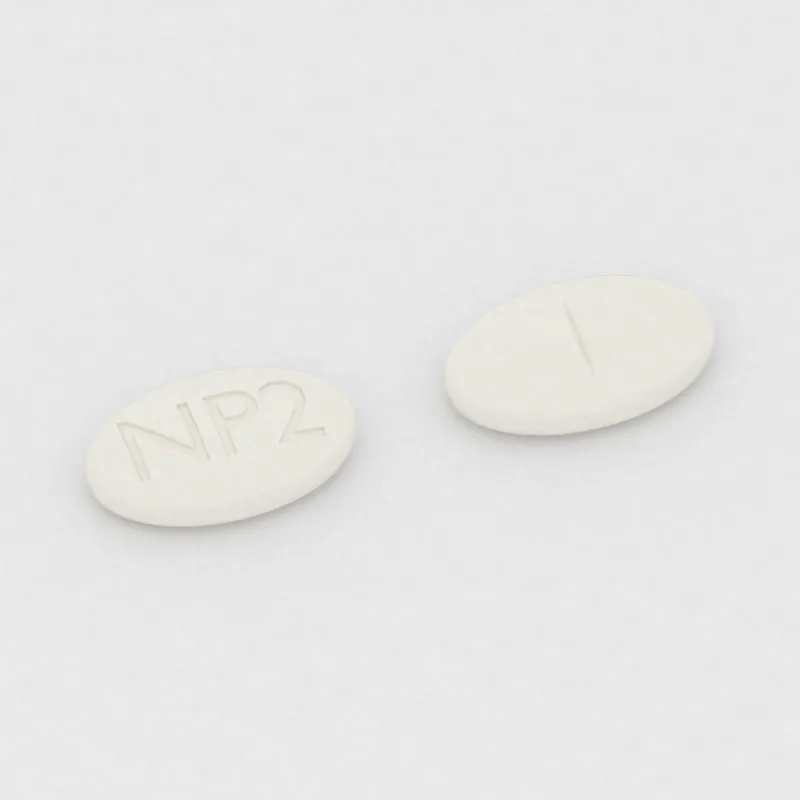
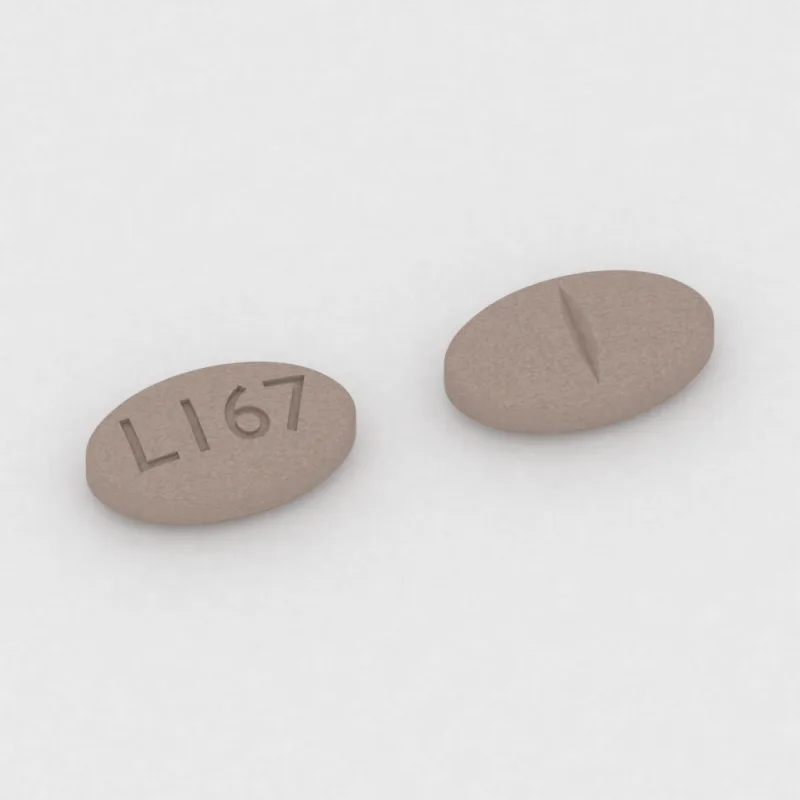
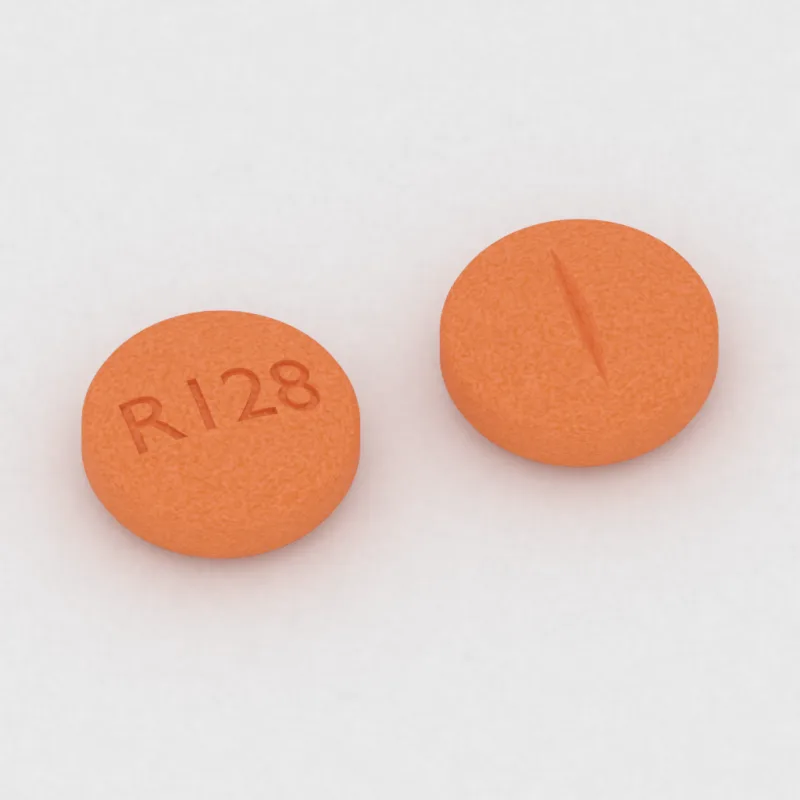
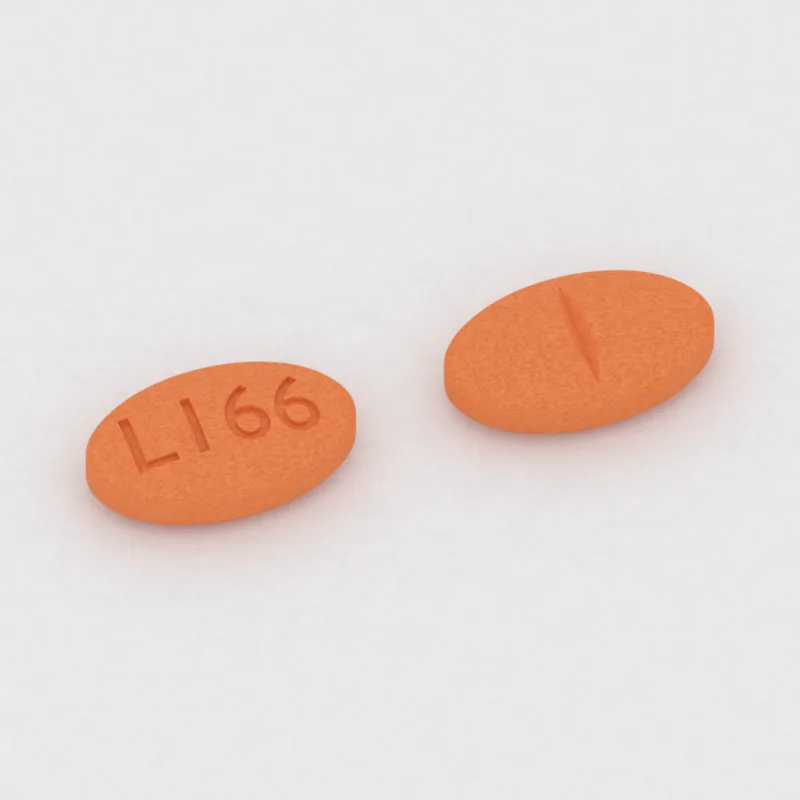
Renderings from the FDA labels' product listings: color, shape, size, and imprint. 28 documented versions from 19 labelers.
Interactions from the label
Major interactions (189)
Avoid use with other central nervous system (CNS) depressants ( 5.3 ) (Clonidine label, Warnings and precautions)
Combining alcohol with sedating medicines (opioids, benzodiazepines, sleep medicines, muscle relaxants) can cause dangerous drowsiness, slowed breathing, and overdose. (NIAAA, Harmful Interactions: Mixing Alcohol with Medicines)
Avoid use with other central nervous system (CNS) depressants ( 5.3 ) (Clonidine label, Warnings and precautions)
Avoid use with other central nervous system (CNS) depressants ( 5.3 ) (Clonidine label, Warnings and precautions)
Avoid use with other central nervous system (CNS) depressants ( 5.3 ) (Clonidine label, Warnings and precautions)
CONTRAINDICATIONS IOPIDINE 1% Ophthalmic Solution is contraindicated for patients receiving monoamine oxidase inhibitor therapy and for patients with hypersensitivity to any component of this medication or to clonidine. (Apraclonidine label, Contraindications)
Avoid use with other central nervous system (CNS) depressants ( 5.3 ) (Clonidine label, Warnings and precautions)
Avoid use with other central nervous system (CNS) depressants ( 5.3 ) (Clonidine label, Warnings and precautions)
Avoid use with other central nervous system (CNS) depressants ( 5.3 ) (Clonidine label, Warnings and precautions)
Avoid use with other central nervous system (CNS) depressants ( 5.3 ) (Clonidine label, Warnings and precautions)
Avoid use with other central nervous system (CNS) depressants ( 5.3 ) (Clonidine label, Warnings and precautions)
Avoid use with other central nervous system (CNS) depressants ( 5.3 ) (Clonidine label, Warnings and precautions)
Avoid use with other central nervous system (CNS) depressants ( 5.3 ) (Clonidine label, Warnings and precautions)
Avoid use with other central nervous system (CNS) depressants ( 5.3 ) (Clonidine label, Warnings and precautions)
Avoid use with other central nervous system (CNS) depressants ( 5.3 ) (Clonidine label, Warnings and precautions)
Avoid use with other central nervous system (CNS) depressants ( 5.3 ) (Clonidine label, Warnings and precautions)
Avoid use with other central nervous system (CNS) depressants ( 5.3 ) (Clonidine label, Warnings and precautions)
Avoid use with other central nervous system (CNS) depressants ( 5.3 ) (Clonidine label, Warnings and precautions)
Avoid use with other central nervous system (CNS) depressants ( 5.3 ) (Clonidine label, Warnings and precautions)
Avoid use with other central nervous system (CNS) depressants ( 5.3 ) (Clonidine label, Warnings and precautions)
Avoid use with other central nervous system (CNS) depressants ( 5.3 ) (Clonidine label, Warnings and precautions)
Avoid use with other central nervous system (CNS) depressants ( 5.3 ) (Clonidine label, Warnings and precautions)
Avoid use with other central nervous system (CNS) depressants ( 5.3 ) (Clonidine label, Warnings and precautions)
Avoid use with other central nervous system (CNS) depressants ( 5.3 ) (Clonidine label, Warnings and precautions)
Avoid use with other central nervous system (CNS) depressants ( 5.3 ) (Clonidine label, Warnings and precautions)
Avoid use with other central nervous system (CNS) depressants ( 5.3 ) (Clonidine label, Warnings and precautions)
Avoid use with other central nervous system (CNS) depressants ( 5.3 ) (Clonidine label, Warnings and precautions)
Avoid use with other central nervous system (CNS) depressants ( 5.3 ) (Clonidine label, Warnings and precautions)
Avoid use with other central nervous system (CNS) depressants ( 5.3 ) (Clonidine label, Warnings and precautions)
Avoid concurrent use of QUZYTTIR with alcohol or other CNS depressants because additional reduction in alertness and additional impairment of CNS performance may occur. (Cetirizine label, Warnings and precautions)
Avoid use with other central nervous system (CNS) depressants ( 5.3 ) (Clonidine label, Warnings and precautions)
Avoid use with other central nervous system (CNS) depressants ( 5.3 ) (Clonidine label, Warnings and precautions)
Avoid use with other central nervous system (CNS) depressants ( 5.3 ) (Clonidine label, Warnings and precautions)
Avoid use with other central nervous system (CNS) depressants ( 5.3 ) (Clonidine label, Warnings and precautions)
Avoid use with other central nervous system (CNS) depressants ( 5.3 ) (Clonidine label, Warnings and precautions)
Table 8: Drugs That are Affected by and Affecting Ciprofloxacin Drugs That are Affected by Ciprofloxacin Drug(s) Recommendation Comments Tizanidine Contraindicated Concomitant administration of tizanidine and ciprofloxacin is contraindicated due to the potentiation of hypotensive and sedative effects of tizanidine [see Contraindications ( 4.2 )]. (Ciprofloxacin label, Drug interactions)
Avoid use with other central nervous system (CNS) depressants ( 5.3 ) (Clonidine label, Warnings and precautions)
Avoid use with other central nervous system (CNS) depressants ( 5.3 ) (Clonidine label, Warnings and precautions)
Avoid use with other central nervous system (CNS) depressants ( 5.3 ) (Clonidine label, Warnings and precautions)
Avoid use with other central nervous system (CNS) depressants ( 5.3 ) (Clonidine label, Warnings and precautions)
Avoid use with other central nervous system (CNS) depressants ( 5.3 ) (Clonidine label, Warnings and precautions)
Avoid use with other central nervous system (CNS) depressants ( 5.3 ) (Clonidine label, Warnings and precautions)
Avoid use with other central nervous system (CNS) depressants ( 5.3 ) (Clonidine label, Warnings and precautions)
Avoid use with other central nervous system (CNS) depressants ( 5.3 ) (Clonidine label, Warnings and precautions)
Avoid use with other central nervous system (CNS) depressants ( 5.3 ) (Clonidine label, Warnings and precautions)
Avoid use with other central nervous system (CNS) depressants ( 5.3 ) (Clonidine label, Warnings and precautions)
Avoid use with other central nervous system (CNS) depressants ( 5.3 ) (Clonidine label, Warnings and precautions)
Avoid use with other central nervous system (CNS) depressants ( 5.3 ) (Clonidine label, Warnings and precautions)
Avoid use with other central nervous system (CNS) depressants ( 5.3 ) (Clonidine label, Warnings and precautions)
Avoid use with other central nervous system (CNS) depressants ( 5.3 ) (Clonidine label, Warnings and precautions)
Avoid use with other central nervous system (CNS) depressants ( 5.3 ) (Clonidine label, Warnings and precautions)
Avoid use with other central nervous system (CNS) depressants ( 5.3 ) (Clonidine label, Warnings and precautions)
Avoid use with other central nervous system (CNS) depressants ( 5.3 ) (Clonidine label, Warnings and precautions)
Avoid use with other central nervous system (CNS) depressants ( 5.3 ) (Clonidine label, Warnings and precautions)
CONTRAINDICATIONS Diphenoxylate hydrochloride and atropine sulfate is contraindicated in: • Pediatric patients less than 6 years of age due to the risks of respiratory and central nervous system (CNS) depression (see WARNINGS ). (Diphenoxylate and atropine label, Contraindications)
Avoid use with other central nervous system (CNS) depressants ( 5.3 ) (Clonidine label, Warnings and precautions)
Avoid use with other central nervous system (CNS) depressants ( 5.3 ) (Clonidine label, Warnings and precautions)
Avoid use with other central nervous system (CNS) depressants ( 5.3 ) (Clonidine label, Warnings and precautions)
Avoid use with other central nervous system (CNS) depressants ( 5.3 ) (Clonidine label, Warnings and precautions)
Avoid use with other central nervous system (CNS) depressants ( 5.3 ) (Clonidine label, Warnings and precautions)
Avoid use with other central nervous system (CNS) depressants ( 5.3 ) (Clonidine label, Warnings and precautions)
Avoid use with other central nervous system (CNS) depressants ( 5.3 ) (Clonidine label, Warnings and precautions)
…Lipid-modifying Agents: lomitapide, lovastatin, simvastatin Phosphodiesterase-5 (PDE-5) Inhibitor: sildenafil when administered as REVATIO ® for the treatment of pulmonary arterial hypertension Sedative/hypnotics: triazolam, orally administered midazolam Coadministration of GENVOYA is contraindicated with drugs that: Are highly dependent on CYP3A for clearance and for which… (Elvitegravir, cobicistat, emtricitabine, and tenofovir label, Contraindications)
…of active abnormal bleeding within the previous 30 days Severe hypertension (systolic blood pressure >200 mm Hg or diastolic blood pressure >110 mm Hg) not adequately controlled on antihypertensive therapy Major surgery within the preceding 6 weeks History of stroke within 30 days or any history of hemorrhagic stroke Current or planned administration of another… (Eptifibatide label, Contraindications)
Avoid use with other central nervous system (CNS) depressants ( 5.3 ) (Clonidine label, Warnings and precautions)
Avoid use with other central nervous system (CNS) depressants ( 5.3 ) (Clonidine label, Warnings and precautions)
Avoid use with other central nervous system (CNS) depressants ( 5.3 ) (Clonidine label, Warnings and precautions)
Avoid use with other central nervous system (CNS) depressants ( 5.3 ) (Clonidine label, Warnings and precautions)
Avoid use with other central nervous system (CNS) depressants ( 5.3 ) (Clonidine label, Warnings and precautions)
Avoid use with other central nervous system (CNS) depressants ( 5.3 ) (Clonidine label, Warnings and precautions)
Avoid use with other central nervous system (CNS) depressants ( 5.3 ) (Clonidine label, Warnings and precautions)
Avoid use with other central nervous system (CNS) depressants ( 5.3 ) (Clonidine label, Warnings and precautions)
Avoid use with other central nervous system (CNS) depressants ( 5.3 ) (Clonidine label, Warnings and precautions)
Avoid use with other central nervous system (CNS) depressants ( 5.3 ) (Clonidine label, Warnings and precautions)
Avoid use with other central nervous system (CNS) depressants ( 5.3 ) (Clonidine label, Warnings and precautions)
Avoid use with other central nervous system (CNS) depressants ( 5.3 ) (Clonidine label, Warnings and precautions)
Avoid use with other central nervous system (CNS) depressants ( 5.3 ) (Clonidine label, Warnings and precautions)
Avoid use with other central nervous system (CNS) depressants ( 5.3 ) (Clonidine label, Warnings and precautions)
- HyaluronidaseMajor
• Hyaluronidase should not be used to enhance the absorption and dispersion of dopamine and/or alpha agonist drugs ( 7.2 ) (Hyaluronidase label, Drug interactions)
Avoid use with other central nervous system (CNS) depressants ( 5.3 ) (Clonidine label, Warnings and precautions)
Avoid use with other central nervous system (CNS) depressants ( 5.3 ) (Clonidine label, Warnings and precautions)
Avoid use with other central nervous system (CNS) depressants ( 5.3 ) (Clonidine label, Warnings and precautions)
Avoid use with other central nervous system (CNS) depressants ( 5.3 ) (Clonidine label, Warnings and precautions)
Avoid use with other central nervous system (CNS) depressants ( 5.3 ) (Clonidine label, Warnings and precautions)
Avoid use with other central nervous system (CNS) depressants ( 5.3 ) (Clonidine label, Warnings and precautions)
Avoid use with other central nervous system (CNS) depressants ( 5.3 ) (Clonidine label, Warnings and precautions)
Avoid use with other central nervous system (CNS) depressants ( 5.3 ) (Clonidine label, Warnings and precautions)
Avoid use with other central nervous system (CNS) depressants ( 5.3 ) (Clonidine label, Warnings and precautions)
Avoid use with other central nervous system (CNS) depressants ( 5.3 ) (Clonidine label, Warnings and precautions)
Avoid use with other central nervous system (CNS) depressants ( 5.3 ) (Clonidine label, Warnings and precautions)
This may potentiate and prolong hypnotic and sedative effects, especially with repeated dosing or chronic administration of these agents. (Ketoconazole label, Contraindications)
Avoid use with other central nervous system (CNS) depressants ( 5.3 ) (Clonidine label, Warnings and precautions)
Avoid use with other central nervous system (CNS) depressants ( 5.3 ) (Clonidine label, Warnings and precautions)
Avoid use with other central nervous system (CNS) depressants ( 5.3 ) (Clonidine label, Warnings and precautions)
Avoid concurrent use of alcohol or other central nervous system depressants with XYZAL. (Levocetirizine label, Warnings and precautions)
Avoid use with other central nervous system (CNS) depressants ( 5.3 ) (Clonidine label, Warnings and precautions)
Avoid use with other central nervous system (CNS) depressants ( 5.3 ) (Clonidine label, Warnings and precautions)
Avoid use with other central nervous system (CNS) depressants ( 5.3 ) (Clonidine label, Warnings and precautions)
Avoid use with other central nervous system (CNS) depressants ( 5.3 ) (Clonidine label, Warnings and precautions)
Avoid use with other central nervous system (CNS) depressants ( 5.3 ) (Clonidine label, Warnings and precautions)
Avoid use with other central nervous system (CNS) depressants ( 5.3 ) (Clonidine label, Warnings and precautions)
Avoid use with other central nervous system (CNS) depressants ( 5.3 ) (Clonidine label, Warnings and precautions)
Avoid use with other central nervous system (CNS) depressants ( 5.3 ) (Clonidine label, Warnings and precautions)
Avoid use with other central nervous system (CNS) depressants ( 5.3 ) (Clonidine label, Warnings and precautions)
Avoid use with other central nervous system (CNS) depressants ( 5.3 ) (Clonidine label, Warnings and precautions)
Avoid use with other central nervous system (CNS) depressants ( 5.3 ) (Clonidine label, Warnings and precautions)
Avoid use with other central nervous system (CNS) depressants ( 5.3 ) (Clonidine label, Warnings and precautions)
Avoid use with other central nervous system (CNS) depressants ( 5.3 ) (Clonidine label, Warnings and precautions)
Avoid use with other central nervous system (CNS) depressants ( 5.3 ) (Clonidine label, Warnings and precautions)
Avoid use with other central nervous system (CNS) depressants ( 5.3 ) (Clonidine label, Warnings and precautions)
Other Antihypertensive Drugs When metolazone tablets, USP, are used with other antihypertensive drugs, particular care must be taken to avoid excessive reduction of blood pressure, especially during initial therapy. (Metolazone label, Warnings)
Avoid use with other central nervous system (CNS) depressants ( 5.3 ) (Clonidine label, Warnings and precautions)
Minoxidil should be reserved for hypertensive patients who do not respond adequately to maximum therapeutic doses of a diuretic and two other antihypertensive agents. (Minoxidil label, Boxed warning)
Avoid use with other central nervous system (CNS) depressants ( 5.3 ) (Clonidine label, Warnings and precautions)
Avoid use with other central nervous system (CNS) depressants ( 5.3 ) (Clonidine label, Warnings and precautions)
Avoid use with other central nervous system (CNS) depressants ( 5.3 ) (Clonidine label, Warnings and precautions)
Risk of Recurrent Respiratory and CNS Depression : A recurrence of respiratory depression is possible, therefore, keep the patient under continued surveillance and administer repeat doses of ZURNAI using a new auto-injector with each dose while awaiting emergency medical assistance. (Nalmefene label, Warnings and precautions)
Avoid use with other central nervous system (CNS) depressants ( 5.3 ) (Clonidine label, Warnings and precautions)
Avoid use with other central nervous system (CNS) depressants ( 5.3 ) (Clonidine label, Warnings and precautions)
Avoid use with other central nervous system (CNS) depressants ( 5.3 ) (Clonidine label, Warnings and precautions)
Avoid use with other central nervous system (CNS) depressants ( 5.3 ) (Clonidine label, Warnings and precautions)
• Avoid concurrent use of alcohol or other central nervous system depressants with olopatadine hydrochloride nasal solution (nasal spray) ( 5.2 ). (Olopatadine label, Warnings and precautions)
• Avoid concurrent use of alcohol or other central nervous system (CNS) depressants with RYALTRIS because additional reductions in alertness and additional impairment of CNS performance may occur. (Olopatadine and mometasone label, Warnings and precautions)
Avoid use with other central nervous system (CNS) depressants ( 5.3 ) (Clonidine label, Warnings and precautions)
Avoid use with other central nervous system (CNS) depressants ( 5.3 ) (Clonidine label, Warnings and precautions)
Avoid use with other central nervous system (CNS) depressants ( 5.3 ) (Clonidine label, Warnings and precautions)
Avoid use with other central nervous system (CNS) depressants ( 5.3 ) (Clonidine label, Warnings and precautions)
Avoid use with other central nervous system (CNS) depressants ( 5.3 ) (Clonidine label, Warnings and precautions)
Avoid use with other central nervous system (CNS) depressants ( 5.3 ) (Clonidine label, Warnings and precautions)
Avoid use with other central nervous system (CNS) depressants ( 5.3 ) (Clonidine label, Warnings and precautions)
Avoid use with other central nervous system (CNS) depressants ( 5.3 ) (Clonidine label, Warnings and precautions)
Avoid use with other central nervous system (CNS) depressants ( 5.3 ) (Clonidine label, Warnings and precautions)
Avoid use with other central nervous system (CNS) depressants ( 5.3 ) (Clonidine label, Warnings and precautions)
Avoid use with other central nervous system (CNS) depressants ( 5.3 ) (Clonidine label, Warnings and precautions)
Phenelzine sulfate should not be used in combination with dextromethorphan or with CNS depressants such as alcohol and certain narcotics. (Phenelzine label, Contraindications)
Avoid use with other central nervous system (CNS) depressants ( 5.3 ) (Clonidine label, Warnings and precautions)
Avoid use with other central nervous system (CNS) depressants ( 5.3 ) (Clonidine label, Warnings and precautions)
Avoid use with other central nervous system (CNS) depressants ( 5.3 ) (Clonidine label, Warnings and precautions)
Avoid use with other central nervous system (CNS) depressants ( 5.3 ) (Clonidine label, Warnings and precautions)
Avoid use with other central nervous system (CNS) depressants ( 5.3 ) (Clonidine label, Warnings and precautions)
Avoid use with other central nervous system (CNS) depressants ( 5.3 ) (Clonidine label, Warnings and precautions)
Avoid use with other central nervous system (CNS) depressants ( 5.3 ) (Clonidine label, Warnings and precautions)
Avoid use with other central nervous system (CNS) depressants ( 5.3 ) (Clonidine label, Warnings and precautions)
Avoid use with other central nervous system (CNS) depressants ( 5.3 ) (Clonidine label, Warnings and precautions)
Avoid use with other central nervous system (CNS) depressants ( 5.3 ) (Clonidine label, Warnings and precautions)
Avoid use with other central nervous system (CNS) depressants ( 5.3 ) (Clonidine label, Warnings and precautions)
Avoid use with other central nervous system (CNS) depressants ( 5.3 ) (Clonidine label, Warnings and precautions)
Avoid use with other central nervous system (CNS) depressants ( 5.3 ) (Clonidine label, Warnings and precautions)
Avoid use with other central nervous system (CNS) depressants ( 5.3 ) (Clonidine label, Warnings and precautions)
Avoid use with other central nervous system (CNS) depressants ( 5.3 ) (Clonidine label, Warnings and precautions)
Avoid use with other central nervous system (CNS) depressants ( 5.3 ) (Clonidine label, Warnings and precautions)
Avoid use with other central nervous system (CNS) depressants ( 5.3 ) (Clonidine label, Warnings and precautions)
Avoid use with other central nervous system (CNS) depressants ( 5.3 ) (Clonidine label, Warnings and precautions)
Examples: beta-blockers, clonidine, guanethidine, and reserpine Clopidogrel : Avoid concomitant use; if used concomitantly initiate at 0.5 mg before each meal and limit total daily dose to 4 mg ( 7 ) (Repaglinide label, Drug interactions)
Avoid use with other central nervous system (CNS) depressants ( 5.3 ) (Clonidine label, Warnings and precautions)
Avoid use with other central nervous system (CNS) depressants ( 5.3 ) (Clonidine label, Warnings and precautions)
Avoid use with other central nervous system (CNS) depressants ( 5.3 ) (Clonidine label, Warnings and precautions)
Avoid use with other central nervous system (CNS) depressants ( 5.3 ) (Clonidine label, Warnings and precautions)
Avoid use with other central nervous system (CNS) depressants ( 5.3 ) (Clonidine label, Warnings and precautions)
Avoid use with other central nervous system (CNS) depressants ( 5.3 ) (Clonidine label, Warnings and precautions)
Avoid use with other central nervous system (CNS) depressants ( 5.3 ) (Clonidine label, Warnings and precautions)
…coadministration of an alpha-blocker and CIALIS for the treatment of BPH has not been adequately studied, and due to the potential vasodilatory effects of combined use resulting in blood pressure lowering, the combination of CIALIS and alpha-blockers is not recommended for the treatment of BPH. [see Dosage and Administration ( 2.7 ), Drug Interactions ( 7.1 ),… (Tadalafil label, Warnings and precautions)
Avoid use with other central nervous system (CNS) depressants ( 5.3 ) (Clonidine label, Warnings and precautions)
Avoid use with other central nervous system (CNS) depressants ( 5.3 ) (Clonidine label, Warnings and precautions)
Avoid use with other central nervous system (CNS) depressants ( 5.3 ) (Clonidine label, Warnings and precautions)
Avoid use with other central nervous system (CNS) depressants ( 5.3 ) (Clonidine label, Warnings and precautions)
Avoid use with other central nervous system (CNS) depressants ( 5.3 ) (Clonidine label, Warnings and precautions)
Avoid use with other central nervous system (CNS) depressants ( 5.3 ) (Clonidine label, Warnings and precautions)
Avoid use with other central nervous system (CNS) depressants ( 5.3 ) (Clonidine label, Warnings and precautions)
Avoid use with other central nervous system (CNS) depressants ( 5.3 ) (Clonidine label, Warnings and precautions)
Avoid use with other central nervous system (CNS) depressants ( 5.3 ) (Clonidine label, Warnings and precautions)
Avoid use with other central nervous system (CNS) depressants ( 5.3 ) (Clonidine label, Warnings and precautions)
Avoid use with other central nervous system (CNS) depressants ( 5.3 ) (Clonidine label, Warnings and precautions)
Avoid use with other central nervous system (CNS) depressants ( 5.3 ) (Clonidine label, Warnings and precautions)
Avoid use with other central nervous system (CNS) depressants ( 5.3 ) (Clonidine label, Warnings and precautions)
Avoid use with other central nervous system (CNS) depressants ( 5.3 ) (Clonidine label, Warnings and precautions)
Avoid use with other central nervous system (CNS) depressants ( 5.3 ) (Clonidine label, Warnings and precautions)
Avoid use with other central nervous system (CNS) depressants ( 5.3 ) (Clonidine label, Warnings and precautions)
Avoid use with other central nervous system (CNS) depressants ( 5.3 ) (Clonidine label, Warnings and precautions)
Avoid use with other central nervous system (CNS) depressants ( 5.3 ) (Clonidine label, Warnings and precautions)
Avoid use with other central nervous system (CNS) depressants ( 5.3 ) (Clonidine label, Warnings and precautions)
Avoid use with other central nervous system (CNS) depressants ( 5.3 ) (Clonidine label, Warnings and precautions)
Avoid use with other central nervous system (CNS) depressants ( 5.3 ) (Clonidine label, Warnings and precautions)
Moderate interactions (139)
Abrupt discontinuation of QLONILIK can cause rebound hypertension with elevated plasma catecholamines, especially with higher doses or concomitant beta-blocker use. (Clonidine label, Warnings and precautions)
• Hypertension : Patients taking some antihypertensive medications may have impaired response to these therapies when taking NSAIDs. (Acetaminophen and ibuprofen label, Warnings and precautions)
Postural hypotension/syncope: Care should be taken in patients with symptomatic hypotension or who have had a hypotensive response to other medications or are concomitantly treated with antihypertensive medication or nitrates ( 5.1 ) (Alfuzosin label, Warnings and precautions)
Inform patients also that the central nervous system depressant effects of allopurinol tablets may be additive to those of alcohol and other CNS depressants. (Allopurinol label, Warnings and precautions)
25% increase Diazepam Benzodiazepines increase CNS concentrations of adenosine, a potent CNS depressant, while theophylline blocks adenosine receptors. (Aminophylline label, Drug interactions)
Negative Chronotropes digoxin, beta blockers, verapamil, diltiazem, clonidine, ivabradine Potentiates the electrophysiologic and hemodynamic effects of amiodarone, resulting in bradycardia, sinus arrest and AV block. (Amiodarone label, Drug interactions)
Drugs that affect sinus node function or AV node conduction (e.g., digitalis, calcium channel blockers, beta blockers) Clinical Implication Concomitant use of drugs that affect sinus node function or AV node conduction with clonidine potentiate bradycardia and risk of AV block [see Warnings and Precautions (5.1) ]. (Clonidine label, Drug interactions)
Drugs that affect sinus node function or AV node conduction (e.g., digitalis, calcium channel blockers, beta blockers) Clinical Implication Concomitant use of drugs that affect sinus node function or AV node conduction with clonidine potentiate bradycardia and risk of AV block [see Warnings and Precautions (5.1) ]. (Clonidine label, Drug interactions)
Drugs that affect sinus node function or AV node conduction (e.g., digitalis, calcium channel blockers, beta blockers) Clinical Implication Concomitant use of drugs that affect sinus node function or AV node conduction with clonidine potentiate bradycardia and risk of AV block [see Warnings and Precautions (5.1) ]. (Clonidine label, Drug interactions)
Drugs that affect sinus node function or AV node conduction (e.g., digitalis, calcium channel blockers, beta blockers) Clinical Implication Concomitant use of drugs that affect sinus node function or AV node conduction with clonidine potentiate bradycardia and risk of AV block [see Warnings and Precautions (5.1) ]. (Clonidine label, Drug interactions)
Drugs that affect sinus node function or AV node conduction (e.g., digitalis, calcium channel blockers, beta blockers) Clinical Implication Concomitant use of drugs that affect sinus node function or AV node conduction with clonidine potentiate bradycardia and risk of AV block [see Warnings and Precautions (5.1) ]. (Clonidine label, Drug interactions)
There was also a slightly greater proportion of patients on NUVIGIL requiring new or increased use of antihypertensive medications (2.9%) compared to patients on placebo (1.8%). (Armodafinil label, Warnings and precautions)
Abrupt discontinuation of QLONILIK can cause rebound hypertension with elevated plasma catecholamines, especially with higher doses or concomitant beta-blocker use. (Clonidine label, Warnings and precautions)
Abrupt discontinuation of QLONILIK can cause rebound hypertension with elevated plasma catecholamines, especially with higher doses or concomitant beta-blocker use. (Clonidine label, Warnings and precautions)
Antihypertensive Drugs Prevention or Management Increase the frequency of monitoring blood pressure and adjust atomoxetine oral solution dosage as clinically appropriate. (Atomoxetine label, Drug interactions)
• Use of avanafil with alpha-blockers, other antihypertensives, or substantial amounts of alcohol (greater than 3 units) may lead to hypotension ( 2.3 , 5.6 , 5.7 ) (Avanafil label, Warnings and precautions)
The thiazide component of Lotensin HCT may potentiate the action of other antihypertensive drugs, especially ganglionic or peripheral adrenergic-blocking drugs. (Benazepril and hydrochlorothiazide label, Warnings)
Amphetamines may decrease the hypotensive effect of antihypertensives. (Benzphetamine label, Drug interactions)
Abrupt discontinuation of QLONILIK can cause rebound hypertension with elevated plasma catecholamines, especially with higher doses or concomitant beta-blocker use. (Clonidine label, Warnings and precautions)
Sedatives/Hypnotics: midazolam (oral) triazolam ↑ midazolam (oral) ↑ triazolam Use caution when midazolam or triazolam is concomitantly administered with BIXLENVO. (Bictegravir, emtricitabine, and tenofovir alafenamide label, Drug interactions)
Abrupt discontinuation of QLONILIK can cause rebound hypertension with elevated plasma catecholamines, especially with higher doses or concomitant beta-blocker use. (Clonidine label, Warnings and precautions)
Abrupt discontinuation of QLONILIK can cause rebound hypertension with elevated plasma catecholamines, especially with higher doses or concomitant beta-blocker use. (Clonidine label, Warnings and precautions)
- BortezomibModerate
Hypotension: Use caution when treating patients taking antihypertensives, with a history of syncope, or with dehydration. (Bortezomib label, Warnings and precautions)
Use with CNS depressants may result in an additive or potentiating effect. (Brimonidine label, Drug interactions)
Abrupt discontinuation of QLONILIK can cause rebound hypertension with elevated plasma catecholamines, especially with higher doses or concomitant beta-blocker use. (Clonidine label, Warnings and precautions)
Use caution in patients taking antihypertensive medications. (Bromocriptine label, Warnings and precautions)
Antihypertensives Bumetanide may potentiate the effect of various antihypertensive drugs, necessitating a reduction in the dosage of these drugs. (Bumetanide label, Drug interactions)
Possible early warning signs of central nervous system (CNS) toxicity are restlessness, anxiety, incoherent speech, lightheadedness, numbness and tingling of the mouth and lips, metallic taste, tinnitus, dizziness, blurred vision, tremors, twitching, CNS depression, or drowsiness. (Bupivacaine label, Warnings and precautions)
Possible early warning signs of central nervous system (CNS) toxicity are restlessness, anxiety, incoherent speech, lightheadedness, numbness and tingling of the mouth and lips, metallic taste, tinnitus, dizziness, blurred vision, tremors, twitching, CNS depression, or drowsiness. (Bupivacaine and epinephrine label, Warnings and precautions)
Tricyclic antidepressants Clinical Implication Concomitant use of tricyclic antidepressants with clonidine can increase blood pressure and may counteract the hypotensive effects of clonidine. (Clonidine label, Drug interactions)
Triazolam/flurazepam: Coadministration of buspirone with either triazolam or flurazepam did not appear to prolong or intensify the sedative effects of either benzodiazepine. (Buspirone label, Drug interactions)
- CarbidopaModerate
Symptomatic postural hypotension has occurred when carbidopa, given with levodopa or carbidopa-levodopa combination products, was added to the treatment of a patient receiving antihypertensive drugs. (Carbidopa label, Drug interactions)
Antihypertensive drugs: May cause symptomatic postural hypotension. (Carbidopa and levodopa label, Drug interactions)
Antihypertensive Agents Symptomatic postural hypotension has occurred when carbidopa/levodopa was added to the treatment of patients receiving antihypertensive drugs. (Carbidopa, levodopa, and entacapone label, Drug interactions)
Abrupt discontinuation of QLONILIK can cause rebound hypertension with elevated plasma catecholamines, especially with higher doses or concomitant beta-blocker use. (Clonidine label, Warnings and precautions)
Intervention: During concomitant use of VYSCOXA with diuretics, observe patients for signs of worsening renal function, in addition to assuring diuretic efficacy including antihypertensive effects [ see Warnings and Precautions (5.6) ]. (Celecoxib label, Drug interactions)
Thiazides may add to or potentiate the action of other antihypertensive drugs. (Chlorothiazide label, Warnings)
Effect of chlorthalidone on other drugs Chlorthalidone may add to or potentiate the action of other antihypertensive drugs. (Chlorthalidone label, Drug interactions)
Tricyclic antidepressants Clinical Implication Concomitant use of tricyclic antidepressants with clonidine can increase blood pressure and may counteract the hypotensive effects of clonidine. (Clonidine label, Drug interactions)
If hypertension persists, the dose of Neoral should be further reduced or blood pressure should be controlled with antihypertensive agents. (Cyclosporine label, Precautions)
Tricyclic antidepressants Clinical Implication Concomitant use of tricyclic antidepressants with clonidine can increase blood pressure and may counteract the hypotensive effects of clonidine. (Clonidine label, Drug interactions)
Alcohol or other sedating drugs: May have additive sedation and somnolence ( 7.5 ) (Deutetrabenazine label, Drug interactions)
• Antihypertensive Drugs: Monitor blood pressure. (Dexmethylphenidate label, Drug interactions)
Intervention: During concomitant use of ZIPSOR with diuretics, observe patients for signs of worsening renal function, in addition to assuring diuretic efficacy including antihypertensive effects [ see Warnings and Precautions ( 5.6 ) ]. (Diclofenac label, Drug interactions)
Intervention: During concomitant use of diclofenac sodium/misoprostol with diuretics, observe patients for signs of worsening renal function, in addition to assuring diuretic efficacy including antihypertensive effects [see Warnings and Precautions (5.7) ] . (Diclofenac and misoprostol label, Drug interactions)
The pressor effects of diethylpropion and those of other drugs may be additive when the drugs are used concomitantly; conversely, diethylpropion may interfere with antihypertensive drugs (i.e., guanethidine, a-methyldopa). (Diethylpropion label, Drug interactions)
Drugs that affect sinus node function or AV node conduction (e.g., digitalis, calcium channel blockers, beta blockers) Clinical Implication Concomitant use of drugs that affect sinus node function or AV node conduction with clonidine potentiate bradycardia and risk of AV block [see Warnings and Precautions (5.1) ]. (Clonidine label, Drug interactions)
Drugs that affect sinus node function or AV node conduction (e.g., digitalis, calcium channel blockers, beta blockers) Clinical Implication Concomitant use of drugs that affect sinus node function or AV node conduction with clonidine potentiate bradycardia and risk of AV block [see Warnings and Precautions (5.1) ]. (Clonidine label, Drug interactions)
Abrupt discontinuation of QLONILIK can cause rebound hypertension with elevated plasma catecholamines, especially with higher doses or concomitant beta-blocker use. (Clonidine label, Warnings and precautions)
Tricyclic antidepressants Clinical Implication Concomitant use of tricyclic antidepressants with clonidine can increase blood pressure and may counteract the hypotensive effects of clonidine. (Clonidine label, Drug interactions)
• Drugs that potentiate the effects of epinephrine include sympathomimetics, beta blockers, tricyclic antidepressants, MAO inhibitors, COMT inhibitors, clonidine, doxapram, oxytocin, levothyroxine sodium, and certain antihistamines. (Epinephrine label, Drug interactions)
The administration of other potassium-sparing antihypertensives with NSAIDs has been shown to reduce the antihypertensive effect in some patients and result in severe hyperkalemia in patients with impaired renal function. (Eplerenone label, Drug interactions)
- Epoetin alfaModerate
Following initiation and titration of Epogen, approximately 25% of patients on dialysis required initiation of or increases in antihypertensive therapy; hypertensive encephalopathy and seizures have been reported in patients with CKD receiving Epogen. (Epoetin alfa label, Warnings and precautions)
Additional reductions in blood pressure may occur when VELETRI is administered with diuretics, antihypertensive agents, or other vasodilators. (Epoprostenol label, Drug interactions)
Tricyclic antidepressants Clinical Implication Concomitant use of tricyclic antidepressants with clonidine can increase blood pressure and may counteract the hypotensive effects of clonidine. (Clonidine label, Drug interactions)
Abrupt discontinuation of QLONILIK can cause rebound hypertension with elevated plasma catecholamines, especially with higher doses or concomitant beta-blocker use. (Clonidine label, Warnings and precautions)
Drugs that affect sinus node function or AV node conduction (e.g., digitalis, calcium channel blockers, beta blockers) Clinical Implication Concomitant use of drugs that affect sinus node function or AV node conduction with clonidine potentiate bradycardia and risk of AV block [see Warnings and Precautions (5.1) ]. (Clonidine label, Drug interactions)
Intervention: During concomitant use of FENOPROFEN CALCIUM with diuretics, observe patients for signs of worsening renal function, in addition to assuring diuretic efficacy including antihypertensive effects [ see Warnings and Precautions ( 5.6 ) ]. (Fenoprofen label, Drug interactions)
Tricyclic antidepressants Clinical Implication Concomitant use of tricyclic antidepressants with clonidine can increase blood pressure and may counteract the hypotensive effects of clonidine. (Clonidine label, Drug interactions)
Intervention: During concomitant use of flurbiprofen with diuretics, observe patients for signs of worsening renal function, in addition to assuring diuretic efficacy including antihypertensive effects [ see Warnings and Precautions (5) ]. (Flurbiprofen label, Drug interactions)
Tricyclic antidepressants Clinical Implication Concomitant use of tricyclic antidepressants with clonidine can increase blood pressure and may counteract the hypotensive effects of clonidine. (Clonidine label, Drug interactions)
The thiazide component of fosinopril sodium and hydrochlorothiazide may potentiate the action of other antihypertensive drugs, especially ganglionic or peripheral adrenergic-blocking drugs. (Fosinopril and hydrochlorothiazide label, Warnings)
Monitor for changes in blood pressure and adjust the dose of other antihypertensive drugs if needed. (Furosemide label, Drug interactions)
The signs of hypoglycemia may be reduced or absent in patients taking sympatholytic drugs such as beta-blockers, clonidine, guanethidine, and reserpine. (Glimepiride label, Drug interactions)
The signs of hypoglycemia may be reduced or absent in patients taking sympatholytic drugs such as beta-blockers, clonidine, guanethidine, and reserpine. (Glipizide label, Drug interactions)
Intervention: During concomitant use of CALDOLOR with diuretics, observe patients for signs of worsening renal function, in addition to assuring diuretic efficacy including antihypertensive effects [ see Warnings and Precautions ( 5.6 ) ]. (Ibuprofen label, Drug interactions)
Intervention: During concomitant use of ibuprofen and famotidine tablet with diuretics, observe patients for signs of worsening renal function, in addition to assuring diuretic efficacy including antihypertensive effects [see Warnings and Precautions ( 5.7 )] . (Ibuprofen and famotidine label, Drug interactions)
Drug Interactions Other Antihypertensives: Indapamide may add to or potentiate the action of other antihypertensive drugs. (Indapamide label, Drug interactions)
Monitor patients to assure diuretic efficacy including antihypertensive effects ( 7 ) (Indomethacin label, Drug interactions)
Drugs That May Increase or Decrease the Blood Glucose Lowering Effect of Insulin Aspart Drugs: Alcohol, beta-blockers, clonidine, and lithium salts. (Insulin aspart label, Drug interactions)
Drugs That May Increase or Decrease the Blood Glucose Lowering Effect of Insulin Degludec Drugs: Alcohol, beta-blockers, clonidine, and lithium salts. (Insulin degludec label, Drug interactions)
Drugs That May Increase or Decrease the Blood Glucose Lowering Effect of LEVEMIR Drugs: Alcohol, beta-blockers, clonidine, and lithium salts. (Insulin detemir label, Drug interactions)
Drugs that May Increase or Decrease the Blood Glucose Lowering Effect of Insulin Glargine-yfgn Drugs: Alcohol, beta-blockers, clonidine, and lithium salts. (Insulin glargine label, Drug interactions)
Drugs That May Increase or Decrease the Blood Glucose Lowering Effect of LYUMJEV Drugs: Alcohol, beta-blockers, clonidine, and lithium salts. (Insulin lispro label, Drug interactions)
Alcohol, Beta-blockers, Clonidine, and Lithium Salts Prevention or Management Monitor blood glucose more frequently and modify AFREZZA dosage, as clinically indicated, when used concomitantly with these drugs. (Insulin regular (human) label, Drug interactions)
Drugs that affect sinus node function or AV node conduction (e.g., digitalis, calcium channel blockers, beta blockers) Clinical Implication Concomitant use of drugs that affect sinus node function or AV node conduction with clonidine potentiate bradycardia and risk of AV block [see Warnings and Precautions (5.1) ]. (Clonidine label, Drug interactions)
Abrupt discontinuation of QLONILIK can cause rebound hypertension with elevated plasma catecholamines, especially with higher doses or concomitant beta-blocker use. (Clonidine label, Warnings and precautions)
Tricyclic antidepressants Clinical Implication Concomitant use of tricyclic antidepressants with clonidine can increase blood pressure and may counteract the hypotensive effects of clonidine. (Clonidine label, Drug interactions)
Possible early warning signs of central nervous system (CNS) toxicity are restlessness, anxiety, incoherent speech, lightheadedness, metallic taste, tinnitus, dizziness, blurred vision, tremors, twitching, CNS depression, or drowsiness. (Lidocaine and epinephrine label, Warnings and precautions)
When a diuretic is added to the therapy of a patient receiving lisinopril, an additional antihypertensive effect is usually observed (see DOSAGE AND ADMINISTRATION ). (Lisinopril and hydrochlorothiazide label, Drug interactions)
The action of Mecamylamine HCl may be potentiated by anesthesia, other antihypertensive drugs and alcohol. (Mecamylamine label, Drug interactions)
Intervention: During concomitant use of mefenamic acid with diuretics, observe patients for signs of worsening renal function, in addition to assuring diuretic efficacy including antihypertensive effects [see Warnings and Precautions ( 5.6 )] . (Mefenamic acid label, Drug interactions)
Intervention: During concomitant use of QAMZOVA with diuretics, observe patients for signs of worsening renal function, in addition to assuring diuretic efficacy including antihypertensive effects [ see Warnings and Precautions ( 5.6 ) ]. (Meloxicam label, Drug interactions)
Antihypertensive Drugs: Monitor blood pressure. (Methylphenidate label, Drug interactions)
Abrupt discontinuation of QLONILIK can cause rebound hypertension with elevated plasma catecholamines, especially with higher doses or concomitant beta-blocker use. (Clonidine label, Warnings and precautions)
Abrupt discontinuation of QLONILIK can cause rebound hypertension with elevated plasma catecholamines, especially with higher doses or concomitant beta-blocker use. (Clonidine label, Warnings and precautions)
- MetyrosineModerate
Concurrent use of metyrosine with alcohol or other CNS depressants can increase their sedative effects. (Metyrosine label, Drug interactions)
However, a retrospective analysis of the use of antihypertensive medication in these studies showed that a greater proportion of patients on PROVIGIL required new or increased use of antihypertensive medications (2.4%) compared to patients on placebo (0.7%). (Modafinil label, Warnings and precautions)
Abrupt discontinuation of QLONILIK can cause rebound hypertension with elevated plasma catecholamines, especially with higher doses or concomitant beta-blocker use. (Clonidine label, Warnings and precautions)
WARNINGS AND PRECAUTIONS Risk of Recurrent Respiratory and CNS Depression : Due to the duration of action of naloxone relative to the opioid, respiratory and CNS depression may recur after the first dose of naloxone. (Naloxone label, Warnings and precautions)
Tricyclic antidepressants Clinical Implication Concomitant use of tricyclic antidepressants with clonidine can increase blood pressure and may counteract the hypotensive effects of clonidine. (Clonidine label, Drug interactions)
( 5.3 Hepatotoxicity) Hypertension: Patients taking some antihypertensive medications may have impaired response to these therapies when taking NSAIDs. (Naproxen label, Warnings and precautions)
Intervention : During concomitant use of naproxen and esomeprazole magnesium delayed-release tablets with diuretics, observe patients for signs of worsening renal function, in addition to assuring diuretic efficacy including antihypertensive effects [see Warnings and Precautions (5.6) ]. (Naproxen and esomeprazole label, Drug interactions)
Drugs That May Blunt Signs and Symptoms of Hypoglycemia Drugs: beta-blockers, clonidine, guanethidine, and reserpine Intervention: Increased frequency of glucose monitoring may be required when nateglinide is coadministered with these drugs. (Nateglinide label, Drug interactions)
Abrupt discontinuation of QLONILIK can cause rebound hypertension with elevated plasma catecholamines, especially with higher doses or concomitant beta-blocker use. (Clonidine label, Warnings and precautions)
Tricyclic antidepressants Clinical Implication Concomitant use of tricyclic antidepressants with clonidine can increase blood pressure and may counteract the hypotensive effects of clonidine. (Clonidine label, Drug interactions)
- NiacinModerate
Antihypertensive Therapy Niacin may potentiate the effects of ganglionic blocking agents and vasoactive drugs resulting in postural hypotension. (Niacin label, Drug interactions)
Drugs that affect sinus node function or AV node conduction (e.g., digitalis, calcium channel blockers, beta blockers) Clinical Implication Concomitant use of drugs that affect sinus node function or AV node conduction with clonidine potentiate bradycardia and risk of AV block [see Warnings and Precautions (5.1) ]. (Clonidine label, Drug interactions)
Drugs that affect sinus node function or AV node conduction (e.g., digitalis, calcium channel blockers, beta blockers) Clinical Implication Concomitant use of drugs that affect sinus node function or AV node conduction with clonidine potentiate bradycardia and risk of AV block [see Warnings and Precautions (5.1) ]. (Clonidine label, Drug interactions)
Drugs that affect sinus node function or AV node conduction (e.g., digitalis, calcium channel blockers, beta blockers) Clinical Implication Concomitant use of drugs that affect sinus node function or AV node conduction with clonidine potentiate bradycardia and risk of AV block [see Warnings and Precautions (5.1) ]. (Clonidine label, Drug interactions)
Drugs that affect sinus node function or AV node conduction (e.g., digitalis, calcium channel blockers, beta blockers) Clinical Implication Concomitant use of drugs that affect sinus node function or AV node conduction with clonidine potentiate bradycardia and risk of AV block [see Warnings and Precautions (5.1) ]. (Clonidine label, Drug interactions)
Antihypertensives: Possible additive hypotensive effects. (Nitroglycerin label, Drug interactions)
Drugs that affect sinus node function or AV node conduction (e.g., digitalis, calcium channel blockers, beta blockers) Clinical Implication Concomitant use of drugs that affect sinus node function or AV node conduction with clonidine potentiate bradycardia and risk of AV block [see Warnings and Precautions (5.1) ]. (Clonidine label, Drug interactions)
Intervention: During concomitant use of OXAPROZIN CAPSULES with diuretics, observe patients for signs of worsening renal function, in addition to assuring diuretic efficacy including antihypertensive effects [see WARNINGS AND PRECAUTIONS (5.6) ]. (Oxaprozin label, Drug interactions)
Tricyclic antidepressants Clinical Implication Concomitant use of tricyclic antidepressants with clonidine can increase blood pressure and may counteract the hypotensive effects of clonidine. (Clonidine label, Drug interactions)
- PazopanibModerate
Monitor blood pressure as clinically indicated and initiate and adjust antihypertensive therapy as appropriate. (Pazopanib label, Warnings and precautions)
Small decreases in blood pressure have been observed in some patients treated with pentoxifylline extended-release tablets; periodic systemic blood pressure monitoring is recommended for patients receiving concomitant antihypertensive therapy. (Pentoxifylline label, Drug interactions)
Abrupt discontinuation of QLONILIK can cause rebound hypertension with elevated plasma catecholamines, especially with higher doses or concomitant beta-blocker use. (Clonidine label, Warnings and precautions)
The signs of hypoglycemia may be reduced or absent in patients taking sympatholytic drugs such as beta-blockers, clonidine, guanethidine, and reserpine. (Pioglitazone and glimepiride label, Drug interactions)
Monitor patients to assure diuretic efficacy including antihypertensive effects (7) (Piroxicam label, Drug interactions)
Concomitant Use with Midazolam : Noxafil can prolong hypnotic/sedative effects. (Posaconazole label, Warnings and precautions)
Syncopal episodes have usually occurred within 30 to 90 minutes of the initial dose of the drug; occasionally, they have been reported in association with rapid dosage increases or the introduction of another antihypertensive drug into the regimen of a patient taking high doses of prazosin hydrochloride capsules. (Prazosin label, Warnings)
Abrupt discontinuation of QLONILIK can cause rebound hypertension with elevated plasma catecholamines, especially with higher doses or concomitant beta-blocker use. (Clonidine label, Warnings and precautions)
The thiazide component of quinapril and hydrochlorothiazide tablets may potentiate the action of other antihypertensive drugs, especially ganglionic or peripheral adrenergic- blocking drugs. (Quinapril and hydrochlorothiazide label, Warnings)
Consider the potential for symptomatic hypotension or ischemia in patients with hypovolemia, severe left ventricular outflow obstruction, resting hypotension, autonomic dysfunction, or concomitant treatment with antihypertensives or strong CYP and P-gp/BCRP inhibitors [see Drug Interactions (7.2) and Clinical Pharmacology (12.3) ] . (Riociguat label, Warnings and precautions)
Tricyclic antidepressants Clinical Implication Concomitant use of tricyclic antidepressants with clonidine can increase blood pressure and may counteract the hypotensive effects of clonidine. (Clonidine label, Drug interactions)
Caution is advised when SILDENAFIL ORAL FILM is co-administered with alpha-blockers or antihypertensives. (Sildenafil label, Warnings and precautions)
However, patients in the Phase 3 clinical studies taking concomitant antihypertensive medications with silodosin capsules did not experience a significant increase in the incidence of syncope, dizziness, or orthostasis. (Silodosin label, Warnings and precautions)
- SorafenibModerate
Consider temporary or permanent discontinuation for severe or persistent hypertension despite antihypertensive therapy. (Sorafenib label, Warnings and precautions)
Abrupt discontinuation of QLONILIK can cause rebound hypertension with elevated plasma catecholamines, especially with higher doses or concomitant beta-blocker use. (Clonidine label, Warnings and precautions)
Thiazides may add to or potentiate the action of other antihypertensive drugs. (Spironolactone and hydrochlorothiazide label, Warnings)
Monitor patients to assure diuretic efficacy including antihypertensive effects. (Sumatriptan and naproxen label, Drug interactions)
- SunitinibModerate
Initiate and/or adjust antihypertensive therapy as appropriate. (Sunitinib label, Warnings and precautions)
• Hypertension: May require antihypertensive therapy; monitor relevant drug interactions. (Tacrolimus label, Warnings and precautions)
Drugs that affect sinus node function or AV node conduction (e.g., digitalis, calcium channel blockers, beta blockers) Clinical Implication Concomitant use of drugs that affect sinus node function or AV node conduction with clonidine potentiate bradycardia and risk of AV block [see Warnings and Precautions (5.1) ]. (Clonidine label, Drug interactions)
Risk of Hypotension with Concomitant Use of Other Antihypertensive Agents and Phospodiesterase Type 5 Inhibitors (PDE5-I): Concomitant administration of TEZRULY with antihypertensives or phosphodiesterase-5 (PDE-5) inhibitors can result in additive blood pressure lowering effects and symptomatic hypotension (5.3). (Terazosin label, Warnings and precautions)
In patients with hypertension on antihypertensive therapy, TLANDO increased the mean systolic/diastolic BP by 4.8/1.6 mm Hg from baseline. [see Adverse Reactions ( 6.1 )] . (Testosterone label, Warnings and precautions)
25% increase Diazepam Benzodiazepines increase CNS concentrations of adenosine, a potent CNS depressant, while theophylline blocks adenosine receptors. (Theophylline label, Drug interactions)
Abrupt discontinuation of QLONILIK can cause rebound hypertension with elevated plasma catecholamines, especially with higher doses or concomitant beta-blocker use. (Clonidine label, Warnings and precautions)
Tricyclic antidepressants Clinical Implication Concomitant use of tricyclic antidepressants with clonidine can increase blood pressure and may counteract the hypotensive effects of clonidine. (Clonidine label, Drug interactions)
Thiazides may add to or potentiate the action of other antihypertensive drugs. (Triamterene and hydrochlorothiazide label, Drug interactions)
Concurrent use of alcohol or other CNS depressants with trihexyphenidyl may cause increased sedative effects. (Trihexyphenidyl label, Drug interactions)
- TrimethobenzamideModerate
The recent use of other drugs that cause CNS depression or EPS symptoms may also increase the risk; consider reducing the dosage or discontinuing the drug. (Trimethobenzamide label, Warnings and precautions)
Vardenafil hydrochloride tablets can potentiate the hypotensive effects of nitrates, alpha- blockers, and antihypertensives. (Vardenafil label, Drug interactions)
Tricyclic antidepressants Clinical Implication Concomitant use of tricyclic antidepressants with clonidine can increase blood pressure and may counteract the hypotensive effects of clonidine. (Clonidine label, Drug interactions)
Drugs that affect sinus node function or AV node conduction (e.g., digitalis, calcium channel blockers, beta blockers) Clinical Implication Concomitant use of drugs that affect sinus node function or AV node conduction with clonidine potentiate bradycardia and risk of AV block [see Warnings and Precautions (5.1) ]. (Clonidine label, Drug interactions)
Tricyclic antidepressants Clinical Implication Concomitant use of tricyclic antidepressants with clonidine can increase blood pressure and may counteract the hypotensive effects of clonidine. (Clonidine label, Drug interactions)
Eszopiclone (CYP3A4 Inhibition) Not Studied In Vivo or In Vitro , but Drug Plasma Exposure Likely to be Increased which may Increase the Sedative Effect of Eszopiclone Dose reduction of eszopiclone is recommended. (Voriconazole label, Drug interactions)
Tricyclic antidepressants Clinical Implication Concomitant use of tricyclic antidepressants with clonidine can increase blood pressure and may counteract the hypotensive effects of clonidine. (Clonidine label, Drug interactions)
Minor mentions (31)
There have been post-marketing reports of patients with conduction abnormalities and/or taking other sympatholytic drugs who developed severe bradycardia requiring intravenous (IV) atropine, IV isoproterenol, and temporary cardiac pacing while taking clonidine. (Clonidine label, Warnings and precautions)
There have been post-marketing reports of patients with conduction abnormalities and/or taking other sympatholytic drugs who developed severe bradycardia requiring intravenous (IV) atropine, IV isoproterenol, and temporary cardiac pacing while taking clonidine. (Clonidine label, Warnings and precautions)
Most epidemiologic studies examining fetal abnormalities after exposure to antihypertensive use in the first trimester have not distinguished drugs affecting the renin-angiotensin system from other antihypertensive agents. (Candesartan and hydrochlorothiazide label, Warnings)
Most epidemiologic studies examining fetal abnormalities after exposure to antihypertensive use in the first trimester have not distinguished drugs affecting the renin-angiotensin system from other antihypertensive agents. (Captopril label, Warnings)
If other contraceptive methods are not suitable, hormonal contraceptive therapy may continue combined with antihypertensive therapy. (Desogestrel and ethinyl estradiol label, Warnings)
Antihistamines Amphetamines may counteract the sedative effect of antihistamines. (Dextroamphetamine label, Drug interactions)
There have been post-marketing reports of patients with conduction abnormalities and/or taking other sympatholytic drugs who developed severe bradycardia requiring intravenous (IV) atropine, IV isoproterenol, and temporary cardiac pacing while taking clonidine. (Clonidine label, Warnings and precautions)
Drug Interactions ACE-inhibitors and Angiotensin II Anagonists Reports suggest that NSAIDs may diminish the antihypertensive effect of ACE-inhibitors and angiotensin II antagonists. (Diflunisal label, Drug interactions)
- DoxapramMinor
In Drug-Induced CNS and Respiratory Depression Doxapram alone may not stimulate adequate spontaneous breathing or provide sufficient arousal in patients who are severely depressed either due to respiratory failure or to CNS depressant drugs, but may be used as an adjunct to established supportive measures and resuscitative techniques. (Doxapram label, Warnings)
Most epidemiologic studies examining fetal abnormalities after exposure to antihypertensive use in the first trimester have not distinguished drugs affecting the renin-angiotensin system from other antihypertensive agents. (Enalapril and hydrochlorothiazide label, Warnings)
Clonidine, propofol, monoamine oxidase inhibitors (MAOIs), atropine C linical Impact: These drugs augment the pressor effect of ephedrine. (Ephedrine label, Drug interactions)
Drug Interactions ACE-inhibitors Reports suggest that NSAIDs may diminish the antihypertensive effect of ACE-inhibitors. (Etodolac label, Drug interactions)
Most epidemiologic studies examining fetal abnormalities after exposure to antihypertensive use in the first trimester have not distinguished drugs affecting the renin-angiotensin system from other antihypertensive agents. (Fosinopril label, Warnings)
When other potent parenteral antihypertensive drugs, such as diazoxide, are used in combination with hydralazine, patients should be continuously observed for several hours for any excessive fall in blood pressure. (Hydralazine label, Drug interactions)
- IcatibantMinor
ACE Inhibitors FIRAZYR is a bradykinin B2 receptor antagonist and thereby has the potential to have a pharmacodynamic interaction with ACE inhibitors where FIRAZYR may attenuate the antihypertensive effect of ACE inhibitors. (Icatibant label, Drug interactions)
There have been post-marketing reports of patients with conduction abnormalities and/or taking other sympatholytic drugs who developed severe bradycardia requiring intravenous (IV) atropine, IV isoproterenol, and temporary cardiac pacing while taking clonidine. (Clonidine label, Warnings and precautions)
ACE-inhibitors Reports suggest that NSAIDs may diminish the antihypertensive effect of ACE-inhibitors. (Ketoprofen label, Warnings and precautions)
Reports suggest that NSAIDs may diminish the antihypertensive effect of ACE inhibitors and/or angiotensin II receptor antagonists. (Ketorolac label, Drug interactions)
Drug Interactions When methyldopa is used with other antihypertensive drugs, potentiation of antihypertensive effect may occur. (Methyldopa label, Drug interactions)
In a large compassionate use program mexiletine has been used concurrently with commonly employed antianginal, antihypertensive, and anticoagulant drugs without observed interactions. (Mexiletine label, Drug interactions)
Clonidine: Because milnacipran hydrochloride inhibits norepinephrine reuptake, co-administration with clonidine may inhibit clonidine’s anti-hypertensive effect. (Milnacipran label, Drug interactions)
Most epidemiologic studies examining fetal abnormalities after exposure to antihypertensive use in the first trimester have not distinguished drugs affecting the renin-angiotensin system from other antihypertensive agents. (Moexipril label, Warnings)
Drug Interactions: ACE-inhibitors: Reports suggest that NSAIDs may diminish the antihypertensive effect of ACE-inhibitors. (Nabumetone label, Drug interactions)
Hypertensive patients, and patients concomitantly receiving other antihypertensive medications, may be more sensitive to the effects of sodium nitroprusside than normal subjects. (Nitroprusside label, Warnings)
Alpha-adrenergic agonists as a class may impact blood pressure. (Oxymetazoline label, Warnings and precautions)
If rebound hypertension occurs, reverse hypertensive crisis with oral clonidine or IV phentolamine. (Clonidine label, Warnings and precautions)
Most epidemiologic studies examining fetal abnormalities after exposure to antihypertensive use in the first trimester have not distinguished drugs affecting the renin-angiotensin system from other antihypertensive agents. (Quinapril label, Warnings)
DRUG INTERACTIONS ACE-inhibitors Reports suggest that NSAIDs may diminish the antihypertensive effect of ACE-inhibitors. (Salsalate label, Drug interactions)
Drug Interactions ACE-Inhibitors and Angiotensin II Antagonists Reports suggest that NSAIDs may diminish the antihypertensive effect of ACE-inhibitors and angiotensin II antagonists. (Sulindac label, Drug interactions)
DRUG INTERACTIONS ACE Inhibitors: Reports suggest that NSAIDs may diminish the antihypertensive effect of ACE Inhibitors. (Tolmetin label, Drug interactions)
Most epidemiologic studies examining fetal abnormalities after exposure to antihypertensive use in the first trimester have not distinguished drugs affecting the renin-angiotensin system from other antihypertensive agents. (Trandolapril label, Warnings)
No significant interaction reported (2)
Sedatives/Hypnotics: midazolam (oral) triazolam ↑ midazolam (oral) ↑ triazolam Use with caution when midazolam or triazolam is concomitantly administered with SUNLENCA 7.4 Drugs without Clinically Significant Interactions with SUNLENCA Based on drug interaction studies conducted with SUNLENCA, no clinically significant drug interactions have been observed with:… (Lenacapavir label, Drug interactions)
…adjustment is needed when SINGULAIR is co-administered with theophylline, prednisone, prednisolone, oral contraceptives, fexofenadine, digoxin, warfarin, gemfibrozil, itraconazole, thyroid hormones, sedative hypnotics, non-steroidal anti-inflammatory agents, benzodiazepines, decongestants, and Cytochrome P450 (CYP) enzyme inducers [see Clinical Pharmacology (12.3) ]. (Montelukast label, Drug interactions)
Check Clonidine against everything you take. Add your full list; every pair is checked at once.
Open in the checkerNot medical advice. Severity reflects the label's wording, not your circumstances. A "major" flag can be routine under supervision and a "minor" one can matter at high doses. Ask a pharmacist.