
Acide bempédoïque : interactions médicamenteuses
Acide bempédoïque (Nexletol), inhibiteur de l'OATP1B1, présente 37 interactions documentées dans les notices FDA et les fiches d'information que nous indexons : 3 de niveau majeur, 6 de niveau modéré, 28 de niveau mineur et 0 cas où une notice ne signale aucune interaction significative. Chaque entrée ci-dessous cite la phrase sur laquelle elle repose. Cette page consacrée à un médicament est un point de départ, pas un verdict sur votre situation.
À quoi ressemble Acide bempédoïque
Voir 1 version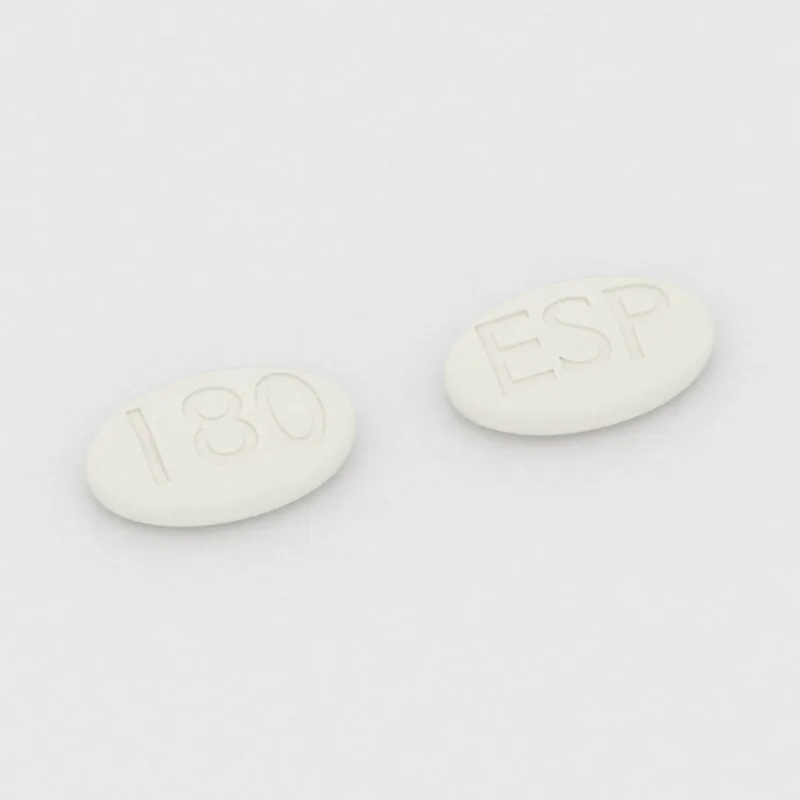
Rendus réalisés à partir des fiches produit des notices FDA : couleur, forme, taille et inscription. 1 version documentée chez 1 laboratoire.
Interactions d'après la notice
Interactions majeures (3)
Intervention : Avoid concomitant use of NEXLETOL with simvastatin greater than 20 mg. (notice Acide bempédoïque, Interactions médicamenteuses)
Intervention: Avoid concomitant use of NEXLETOL with pravastatin greater than 40 mg. (notice Acide bempédoïque, Interactions médicamenteuses)
Intervention : Avoid concomitant use of NEXLETOL with simvastatin greater than 20 mg. (notice Acide bempédoïque, Interactions médicamenteuses)
Interactions modérées (6)
Fibrates Clinical Impact: Concomitant administration of fibrates with NEXLETOL resulted in increased triglycerides and decreased high-density lipoprotein cholesterol (HDL-C) in some patients in clinical studies and post-marketing reports. (notice Acide bempédoïque, Interactions médicamenteuses)
Drug Interactions that may Decrease Exposure to Atorvastatin Rifampin Clinical Impact: Concomitant administration of atorvastatin with rifampin, an inducer of cytochrome P450 3A4 and inhibitor of OATP1B1, can lead to variable reductions in plasma concentrations of atorvastatin. (notice Amlodipine et atorvastatine, Interactions médicamenteuses)
Table 3: Drug Interactions that may Decrease Exposure to LIPITOR Rifampin Clinical Impact: Concomitant administration of LIPITOR with rifampin, an inducer of cytochrome P450 3A4 and inhibitor of OATP1B1, can lead to variable reductions in plasma concentrations of atorvastatin. (notice Atorvastatine, Interactions médicamenteuses)
Table 2: Established and Other Potentially Clinically Relevant Interactions Affecting VIBERZI OATP1B1 Inhibitors Clinical Impact: Increased exposure to eluxadoline when coadministered with cyclosporine [ see Clinical Pharmacology ( 12.3 ) ] Intervention: Administer VIBERZI at a dose of 75 mg twice daily [see Dosage and Administration ( 2 )] and monitor patients… (notice Éluxadoline, Interactions médicamenteuses)
Fibrates Clinical Impact: Concomitant administration of fibrates with NEXLETOL resulted in increased triglycerides and decreased high-density lipoprotein cholesterol (HDL-C) in some patients in clinical studies and post-marketing reports. (notice Acide bempédoïque, Interactions médicamenteuses)
Fibrates Clinical Impact: Concomitant administration of fibrates with NEXLETOL resulted in increased triglycerides and decreased high-density lipoprotein cholesterol (HDL-C) in some patients in clinical studies and post-marketing reports. (notice Acide bempédoïque, Interactions médicamenteuses)
Mentions mineures (28)
Tendon rupture may occur more frequently in patients over 60 years of age, in those taking corticosteroid or fluoroquinolone drugs, in patients with renal failure, and in patients with previous tendon disorders. (notice Acide bempédoïque, Mises en garde et précautions)
Tendon rupture may occur more frequently in patients over 60 years of age, in those taking corticosteroid or fluoroquinolone drugs, in patients with renal failure, and in patients with previous tendon disorders. (notice Acide bempédoïque, Mises en garde et précautions)
Tendon rupture may occur more frequently in patients over 60 years of age, in those taking corticosteroid or fluoroquinolone drugs, in patients with renal failure, and in patients with previous tendon disorders. (notice Acide bempédoïque, Mises en garde et précautions)
Tendon rupture may occur more frequently in patients over 60 years of age, in those taking corticosteroid or fluoroquinolone drugs, in patients with renal failure, and in patients with previous tendon disorders. (notice Acide bempédoïque, Mises en garde et précautions)
Tendon rupture may occur more frequently in patients over 60 years of age, in those taking corticosteroid or fluoroquinolone drugs, in patients with renal failure, and in patients with previous tendon disorders. (notice Acide bempédoïque, Mises en garde et précautions)
Tendon rupture may occur more frequently in patients over 60 years of age, in those taking corticosteroid or fluoroquinolone drugs, in patients with renal failure, and in patients with previous tendon disorders. (notice Acide bempédoïque, Mises en garde et précautions)
Tendon rupture may occur more frequently in patients over 60 years of age, in those taking corticosteroid or fluoroquinolone drugs, in patients with renal failure, and in patients with previous tendon disorders. (notice Acide bempédoïque, Mises en garde et précautions)
Tendon rupture may occur more frequently in patients over 60 years of age, in those taking corticosteroid or fluoroquinolone drugs, in patients with renal failure, and in patients with previous tendon disorders. (notice Acide bempédoïque, Mises en garde et précautions)
Tendon rupture may occur more frequently in patients over 60 years of age, in those taking corticosteroid or fluoroquinolone drugs, in patients with renal failure, and in patients with previous tendon disorders. (notice Acide bempédoïque, Mises en garde et précautions)
Tendon rupture may occur more frequently in patients over 60 years of age, in those taking corticosteroid or fluoroquinolone drugs, in patients with renal failure, and in patients with previous tendon disorders. (notice Acide bempédoïque, Mises en garde et précautions)
Tendon rupture may occur more frequently in patients over 60 years of age, in those taking corticosteroid or fluoroquinolone drugs, in patients with renal failure, and in patients with previous tendon disorders. (notice Acide bempédoïque, Mises en garde et précautions)
Tendon rupture may occur more frequently in patients over 60 years of age, in those taking corticosteroid or fluoroquinolone drugs, in patients with renal failure, and in patients with previous tendon disorders. (notice Acide bempédoïque, Mises en garde et précautions)
Tendon rupture may occur more frequently in patients over 60 years of age, in those taking corticosteroid or fluoroquinolone drugs, in patients with renal failure, and in patients with previous tendon disorders. (notice Acide bempédoïque, Mises en garde et précautions)
Tendon rupture may occur more frequently in patients over 60 years of age, in those taking corticosteroid or fluoroquinolone drugs, in patients with renal failure, and in patients with previous tendon disorders. (notice Acide bempédoïque, Mises en garde et précautions)
Tendon rupture may occur more frequently in patients over 60 years of age, in those taking corticosteroid or fluoroquinolone drugs, in patients with renal failure, and in patients with previous tendon disorders. (notice Acide bempédoïque, Mises en garde et précautions)
Tendon rupture may occur more frequently in patients over 60 years of age, in those taking corticosteroid or fluoroquinolone drugs, in patients with renal failure, and in patients with previous tendon disorders. (notice Acide bempédoïque, Mises en garde et précautions)
Tendon rupture may occur more frequently in patients over 60 years of age, in those taking corticosteroid or fluoroquinolone drugs, in patients with renal failure, and in patients with previous tendon disorders. (notice Acide bempédoïque, Mises en garde et précautions)
Tendon rupture may occur more frequently in patients over 60 years of age, in those taking corticosteroid or fluoroquinolone drugs, in patients with renal failure, and in patients with previous tendon disorders. (notice Acide bempédoïque, Mises en garde et précautions)
Tendon rupture may occur more frequently in patients over 60 years of age, in those taking corticosteroid or fluoroquinolone drugs, in patients with renal failure, and in patients with previous tendon disorders. (notice Acide bempédoïque, Mises en garde et précautions)
The pharmacokinetics of maraviroc are likely to be modulated by inhibitors and inducers of CYP3A and P-gp and may be modulated by inhibitors of OATP1B1 and MRP2. (notice Maraviroc, Interactions médicamenteuses)
Tendon rupture may occur more frequently in patients over 60 years of age, in those taking corticosteroid or fluoroquinolone drugs, in patients with renal failure, and in patients with previous tendon disorders. (notice Acide bempédoïque, Mises en garde et précautions)
Tendon rupture may occur more frequently in patients over 60 years of age, in those taking corticosteroid or fluoroquinolone drugs, in patients with renal failure, and in patients with previous tendon disorders. (notice Acide bempédoïque, Mises en garde et précautions)
Tendon rupture may occur more frequently in patients over 60 years of age, in those taking corticosteroid or fluoroquinolone drugs, in patients with renal failure, and in patients with previous tendon disorders. (notice Acide bempédoïque, Mises en garde et précautions)
Tendon rupture may occur more frequently in patients over 60 years of age, in those taking corticosteroid or fluoroquinolone drugs, in patients with renal failure, and in patients with previous tendon disorders. (notice Acide bempédoïque, Mises en garde et précautions)
Tendon rupture may occur more frequently in patients over 60 years of age, in those taking corticosteroid or fluoroquinolone drugs, in patients with renal failure, and in patients with previous tendon disorders. (notice Acide bempédoïque, Mises en garde et précautions)
Tendon rupture may occur more frequently in patients over 60 years of age, in those taking corticosteroid or fluoroquinolone drugs, in patients with renal failure, and in patients with previous tendon disorders. (notice Acide bempédoïque, Mises en garde et précautions)
Tendon rupture may occur more frequently in patients over 60 years of age, in those taking corticosteroid or fluoroquinolone drugs, in patients with renal failure, and in patients with previous tendon disorders. (notice Acide bempédoïque, Mises en garde et précautions)
Tendon rupture may occur more frequently in patients over 60 years of age, in those taking corticosteroid or fluoroquinolone drugs, in patients with renal failure, and in patients with previous tendon disorders. (notice Acide bempédoïque, Mises en garde et précautions)
Vérifiez Acide bempédoïque avec tout ce que vous prenez. Ajoutez votre liste complète ; toutes les paires sont vérifiées en une fois.
Ouvrir dans le vérificateurCeci n'est pas un avis médical. Le niveau de gravité reflète la formulation de la notice, pas votre situation. Une alerte « majeure » peut être courante sous surveillance et une alerte « mineure » peut compter à forte dose. Demandez conseil à un pharmacien.