
Bempedoic acid interactions
Bempedoic acid (Nexletol), an OATP1B1 inhibitor has 37 documented interactions across the FDA labels and fact sheets we index: 3 major, 6 moderate, 28 minor, and 0 where a label reports no significant interaction. Each entry below quotes the sentence behind it. This drug page is a starting point, not a verdict for your situation.
What Bempedoic acid looks like
All 1 versions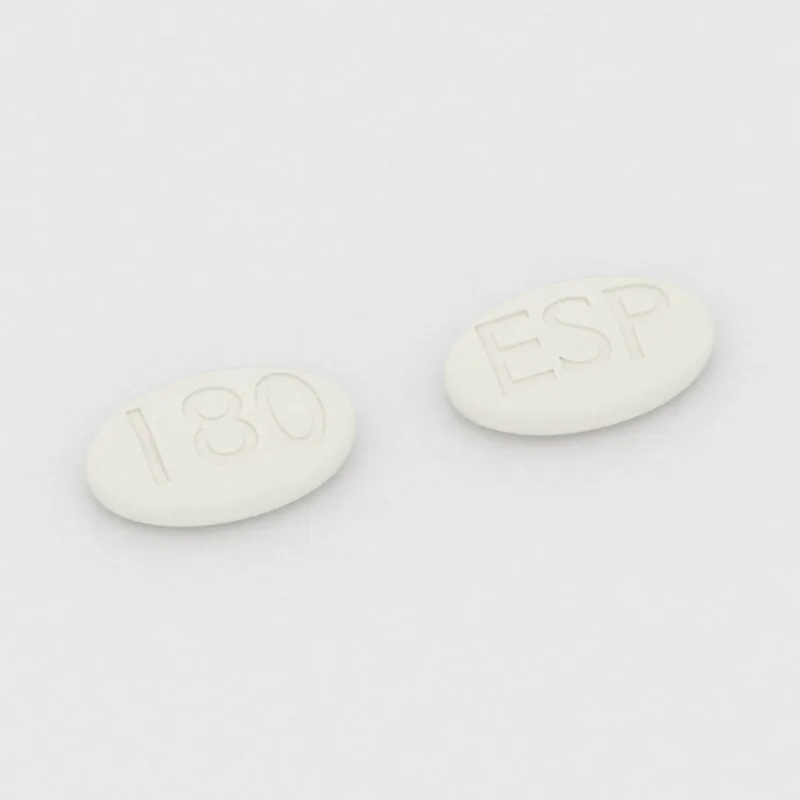
Renderings from the FDA labels' product listings: color, shape, size, and imprint. 1 documented versions from 1 labelers.
Interactions from the label
Major interactions (3)
Intervention : Avoid concomitant use of NEXLETOL with simvastatin greater than 20 mg. (Bempedoic acid label, Drug interactions)
Intervention: Avoid concomitant use of NEXLETOL with pravastatin greater than 40 mg. (Bempedoic acid label, Drug interactions)
Intervention : Avoid concomitant use of NEXLETOL with simvastatin greater than 20 mg. (Bempedoic acid label, Drug interactions)
Moderate interactions (6)
Drug Interactions that may Decrease Exposure to Atorvastatin Rifampin Clinical Impact: Concomitant administration of atorvastatin with rifampin, an inducer of cytochrome P450 3A4 and inhibitor of OATP1B1, can lead to variable reductions in plasma concentrations of atorvastatin. (Amlodipine and atorvastatin label, Drug interactions)
Table 3: Drug Interactions that may Decrease Exposure to LIPITOR Rifampin Clinical Impact: Concomitant administration of LIPITOR with rifampin, an inducer of cytochrome P450 3A4 and inhibitor of OATP1B1, can lead to variable reductions in plasma concentrations of atorvastatin. (Atorvastatin label, Drug interactions)
Table 2: Established and Other Potentially Clinically Relevant Interactions Affecting VIBERZI OATP1B1 Inhibitors Clinical Impact: Increased exposure to eluxadoline when coadministered with cyclosporine [ see Clinical Pharmacology ( 12.3 ) ] Intervention: Administer VIBERZI at a dose of 75 mg twice daily [see Dosage and Administration ( 2 )] and monitor patients… (Eluxadoline label, Drug interactions)
Fibrates Clinical Impact: Concomitant administration of fibrates with NEXLETOL resulted in increased triglycerides and decreased high-density lipoprotein cholesterol (HDL-C) in some patients in clinical studies and post-marketing reports. (Bempedoic acid label, Drug interactions)
Fibrates Clinical Impact: Concomitant administration of fibrates with NEXLETOL resulted in increased triglycerides and decreased high-density lipoprotein cholesterol (HDL-C) in some patients in clinical studies and post-marketing reports. (Bempedoic acid label, Drug interactions)
Fibrates Clinical Impact: Concomitant administration of fibrates with NEXLETOL resulted in increased triglycerides and decreased high-density lipoprotein cholesterol (HDL-C) in some patients in clinical studies and post-marketing reports. (Bempedoic acid label, Drug interactions)
Minor mentions (28)
Tendon rupture may occur more frequently in patients over 60 years of age, in those taking corticosteroid or fluoroquinolone drugs, in patients with renal failure, and in patients with previous tendon disorders. (Bempedoic acid label, Warnings and precautions)
Tendon rupture may occur more frequently in patients over 60 years of age, in those taking corticosteroid or fluoroquinolone drugs, in patients with renal failure, and in patients with previous tendon disorders. (Bempedoic acid label, Warnings and precautions)
Tendon rupture may occur more frequently in patients over 60 years of age, in those taking corticosteroid or fluoroquinolone drugs, in patients with renal failure, and in patients with previous tendon disorders. (Bempedoic acid label, Warnings and precautions)
Tendon rupture may occur more frequently in patients over 60 years of age, in those taking corticosteroid or fluoroquinolone drugs, in patients with renal failure, and in patients with previous tendon disorders. (Bempedoic acid label, Warnings and precautions)
Tendon rupture may occur more frequently in patients over 60 years of age, in those taking corticosteroid or fluoroquinolone drugs, in patients with renal failure, and in patients with previous tendon disorders. (Bempedoic acid label, Warnings and precautions)
Tendon rupture may occur more frequently in patients over 60 years of age, in those taking corticosteroid or fluoroquinolone drugs, in patients with renal failure, and in patients with previous tendon disorders. (Bempedoic acid label, Warnings and precautions)
Tendon rupture may occur more frequently in patients over 60 years of age, in those taking corticosteroid or fluoroquinolone drugs, in patients with renal failure, and in patients with previous tendon disorders. (Bempedoic acid label, Warnings and precautions)
Tendon rupture may occur more frequently in patients over 60 years of age, in those taking corticosteroid or fluoroquinolone drugs, in patients with renal failure, and in patients with previous tendon disorders. (Bempedoic acid label, Warnings and precautions)
Tendon rupture may occur more frequently in patients over 60 years of age, in those taking corticosteroid or fluoroquinolone drugs, in patients with renal failure, and in patients with previous tendon disorders. (Bempedoic acid label, Warnings and precautions)
Tendon rupture may occur more frequently in patients over 60 years of age, in those taking corticosteroid or fluoroquinolone drugs, in patients with renal failure, and in patients with previous tendon disorders. (Bempedoic acid label, Warnings and precautions)
Tendon rupture may occur more frequently in patients over 60 years of age, in those taking corticosteroid or fluoroquinolone drugs, in patients with renal failure, and in patients with previous tendon disorders. (Bempedoic acid label, Warnings and precautions)
Tendon rupture may occur more frequently in patients over 60 years of age, in those taking corticosteroid or fluoroquinolone drugs, in patients with renal failure, and in patients with previous tendon disorders. (Bempedoic acid label, Warnings and precautions)
Tendon rupture may occur more frequently in patients over 60 years of age, in those taking corticosteroid or fluoroquinolone drugs, in patients with renal failure, and in patients with previous tendon disorders. (Bempedoic acid label, Warnings and precautions)
Tendon rupture may occur more frequently in patients over 60 years of age, in those taking corticosteroid or fluoroquinolone drugs, in patients with renal failure, and in patients with previous tendon disorders. (Bempedoic acid label, Warnings and precautions)
Tendon rupture may occur more frequently in patients over 60 years of age, in those taking corticosteroid or fluoroquinolone drugs, in patients with renal failure, and in patients with previous tendon disorders. (Bempedoic acid label, Warnings and precautions)
Tendon rupture may occur more frequently in patients over 60 years of age, in those taking corticosteroid or fluoroquinolone drugs, in patients with renal failure, and in patients with previous tendon disorders. (Bempedoic acid label, Warnings and precautions)
Tendon rupture may occur more frequently in patients over 60 years of age, in those taking corticosteroid or fluoroquinolone drugs, in patients with renal failure, and in patients with previous tendon disorders. (Bempedoic acid label, Warnings and precautions)
Tendon rupture may occur more frequently in patients over 60 years of age, in those taking corticosteroid or fluoroquinolone drugs, in patients with renal failure, and in patients with previous tendon disorders. (Bempedoic acid label, Warnings and precautions)
Tendon rupture may occur more frequently in patients over 60 years of age, in those taking corticosteroid or fluoroquinolone drugs, in patients with renal failure, and in patients with previous tendon disorders. (Bempedoic acid label, Warnings and precautions)
The pharmacokinetics of maraviroc are likely to be modulated by inhibitors and inducers of CYP3A and P-gp and may be modulated by inhibitors of OATP1B1 and MRP2. (Maraviroc label, Drug interactions)
Tendon rupture may occur more frequently in patients over 60 years of age, in those taking corticosteroid or fluoroquinolone drugs, in patients with renal failure, and in patients with previous tendon disorders. (Bempedoic acid label, Warnings and precautions)
Tendon rupture may occur more frequently in patients over 60 years of age, in those taking corticosteroid or fluoroquinolone drugs, in patients with renal failure, and in patients with previous tendon disorders. (Bempedoic acid label, Warnings and precautions)
Tendon rupture may occur more frequently in patients over 60 years of age, in those taking corticosteroid or fluoroquinolone drugs, in patients with renal failure, and in patients with previous tendon disorders. (Bempedoic acid label, Warnings and precautions)
Tendon rupture may occur more frequently in patients over 60 years of age, in those taking corticosteroid or fluoroquinolone drugs, in patients with renal failure, and in patients with previous tendon disorders. (Bempedoic acid label, Warnings and precautions)
Tendon rupture may occur more frequently in patients over 60 years of age, in those taking corticosteroid or fluoroquinolone drugs, in patients with renal failure, and in patients with previous tendon disorders. (Bempedoic acid label, Warnings and precautions)
Tendon rupture may occur more frequently in patients over 60 years of age, in those taking corticosteroid or fluoroquinolone drugs, in patients with renal failure, and in patients with previous tendon disorders. (Bempedoic acid label, Warnings and precautions)
Tendon rupture may occur more frequently in patients over 60 years of age, in those taking corticosteroid or fluoroquinolone drugs, in patients with renal failure, and in patients with previous tendon disorders. (Bempedoic acid label, Warnings and precautions)
Tendon rupture may occur more frequently in patients over 60 years of age, in those taking corticosteroid or fluoroquinolone drugs, in patients with renal failure, and in patients with previous tendon disorders. (Bempedoic acid label, Warnings and precautions)
Check Bempedoic acid against everything you take. Add your full list; every pair is checked at once.
Open in the checkerNot medical advice. Severity reflects the label's wording, not your circumstances. A "major" flag can be routine under supervision and a "minor" one can matter at high doses. Ask a pharmacist.