
Wechselwirkungen von Bempedoinsäure
Bempedoinsäure (Nexletol), ein OATP1B1-Hemmer, hat in den von uns erfassten FDA-Fachinformationen und Faktenblättern 37 dokumentierte Wechselwirkungen: 3 schwerwiegende, 6 mittelschwere, 28 geringfügige und 0, bei denen eine Fachinformation keine relevante Wechselwirkung berichtet. Jeder Eintrag unten zitiert den Satz, auf dem er beruht. Diese Medikamentenseite ist ein Ausgangspunkt, kein Urteil über Ihre persönliche Situation.
So sieht Bempedoinsäure aus
1 Variante ansehen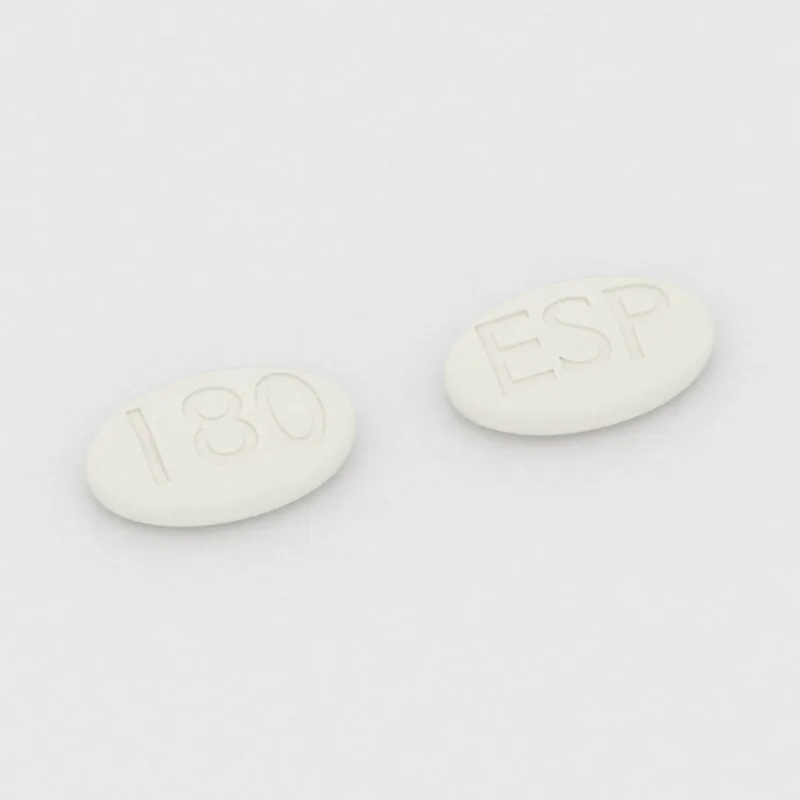
Darstellungen nach den Produktangaben der FDA-Fachinformationen: Farbe, Form, Größe und Prägung. 1 dokumentierte Variante von 1 Anbieter.
Wechselwirkungen laut Fachinformation
Schwerwiegende Wechselwirkungen (3)
Intervention : Avoid concomitant use of NEXLETOL with simvastatin greater than 20 mg. (Fachinformation zu Bempedoinsäure, Arzneimittelwechselwirkungen)
Intervention: Avoid concomitant use of NEXLETOL with pravastatin greater than 40 mg. (Fachinformation zu Bempedoinsäure, Arzneimittelwechselwirkungen)
Intervention : Avoid concomitant use of NEXLETOL with simvastatin greater than 20 mg. (Fachinformation zu Bempedoinsäure, Arzneimittelwechselwirkungen)
Mittelschwere Wechselwirkungen (6)
Drug Interactions that may Decrease Exposure to Atorvastatin Rifampin Clinical Impact: Concomitant administration of atorvastatin with rifampin, an inducer of cytochrome P450 3A4 and inhibitor of OATP1B1, can lead to variable reductions in plasma concentrations of atorvastatin. (Fachinformation zu Amlodipin und Atorvastatin, Arzneimittelwechselwirkungen)
Table 3: Drug Interactions that may Decrease Exposure to LIPITOR Rifampin Clinical Impact: Concomitant administration of LIPITOR with rifampin, an inducer of cytochrome P450 3A4 and inhibitor of OATP1B1, can lead to variable reductions in plasma concentrations of atorvastatin. (Fachinformation zu Atorvastatin, Arzneimittelwechselwirkungen)
Table 2: Established and Other Potentially Clinically Relevant Interactions Affecting VIBERZI OATP1B1 Inhibitors Clinical Impact: Increased exposure to eluxadoline when coadministered with cyclosporine [ see Clinical Pharmacology ( 12.3 ) ] Intervention: Administer VIBERZI at a dose of 75 mg twice daily [see Dosage and Administration ( 2 )] and monitor patients… (Fachinformation zu Eluxadolin, Arzneimittelwechselwirkungen)
Fibrates Clinical Impact: Concomitant administration of fibrates with NEXLETOL resulted in increased triglycerides and decreased high-density lipoprotein cholesterol (HDL-C) in some patients in clinical studies and post-marketing reports. (Fachinformation zu Bempedoinsäure, Arzneimittelwechselwirkungen)
Fibrates Clinical Impact: Concomitant administration of fibrates with NEXLETOL resulted in increased triglycerides and decreased high-density lipoprotein cholesterol (HDL-C) in some patients in clinical studies and post-marketing reports. (Fachinformation zu Bempedoinsäure, Arzneimittelwechselwirkungen)
Fibrates Clinical Impact: Concomitant administration of fibrates with NEXLETOL resulted in increased triglycerides and decreased high-density lipoprotein cholesterol (HDL-C) in some patients in clinical studies and post-marketing reports. (Fachinformation zu Bempedoinsäure, Arzneimittelwechselwirkungen)
Geringfügige Erwähnungen (28)
Tendon rupture may occur more frequently in patients over 60 years of age, in those taking corticosteroid or fluoroquinolone drugs, in patients with renal failure, and in patients with previous tendon disorders. (Fachinformation zu Bempedoinsäure, Warnhinweise und Vorsichtsmaßnahmen)
Tendon rupture may occur more frequently in patients over 60 years of age, in those taking corticosteroid or fluoroquinolone drugs, in patients with renal failure, and in patients with previous tendon disorders. (Fachinformation zu Bempedoinsäure, Warnhinweise und Vorsichtsmaßnahmen)
Tendon rupture may occur more frequently in patients over 60 years of age, in those taking corticosteroid or fluoroquinolone drugs, in patients with renal failure, and in patients with previous tendon disorders. (Fachinformation zu Bempedoinsäure, Warnhinweise und Vorsichtsmaßnahmen)
Tendon rupture may occur more frequently in patients over 60 years of age, in those taking corticosteroid or fluoroquinolone drugs, in patients with renal failure, and in patients with previous tendon disorders. (Fachinformation zu Bempedoinsäure, Warnhinweise und Vorsichtsmaßnahmen)
Tendon rupture may occur more frequently in patients over 60 years of age, in those taking corticosteroid or fluoroquinolone drugs, in patients with renal failure, and in patients with previous tendon disorders. (Fachinformation zu Bempedoinsäure, Warnhinweise und Vorsichtsmaßnahmen)
Tendon rupture may occur more frequently in patients over 60 years of age, in those taking corticosteroid or fluoroquinolone drugs, in patients with renal failure, and in patients with previous tendon disorders. (Fachinformation zu Bempedoinsäure, Warnhinweise und Vorsichtsmaßnahmen)
Tendon rupture may occur more frequently in patients over 60 years of age, in those taking corticosteroid or fluoroquinolone drugs, in patients with renal failure, and in patients with previous tendon disorders. (Fachinformation zu Bempedoinsäure, Warnhinweise und Vorsichtsmaßnahmen)
Tendon rupture may occur more frequently in patients over 60 years of age, in those taking corticosteroid or fluoroquinolone drugs, in patients with renal failure, and in patients with previous tendon disorders. (Fachinformation zu Bempedoinsäure, Warnhinweise und Vorsichtsmaßnahmen)
Tendon rupture may occur more frequently in patients over 60 years of age, in those taking corticosteroid or fluoroquinolone drugs, in patients with renal failure, and in patients with previous tendon disorders. (Fachinformation zu Bempedoinsäure, Warnhinweise und Vorsichtsmaßnahmen)
Tendon rupture may occur more frequently in patients over 60 years of age, in those taking corticosteroid or fluoroquinolone drugs, in patients with renal failure, and in patients with previous tendon disorders. (Fachinformation zu Bempedoinsäure, Warnhinweise und Vorsichtsmaßnahmen)
Tendon rupture may occur more frequently in patients over 60 years of age, in those taking corticosteroid or fluoroquinolone drugs, in patients with renal failure, and in patients with previous tendon disorders. (Fachinformation zu Bempedoinsäure, Warnhinweise und Vorsichtsmaßnahmen)
Tendon rupture may occur more frequently in patients over 60 years of age, in those taking corticosteroid or fluoroquinolone drugs, in patients with renal failure, and in patients with previous tendon disorders. (Fachinformation zu Bempedoinsäure, Warnhinweise und Vorsichtsmaßnahmen)
Tendon rupture may occur more frequently in patients over 60 years of age, in those taking corticosteroid or fluoroquinolone drugs, in patients with renal failure, and in patients with previous tendon disorders. (Fachinformation zu Bempedoinsäure, Warnhinweise und Vorsichtsmaßnahmen)
Tendon rupture may occur more frequently in patients over 60 years of age, in those taking corticosteroid or fluoroquinolone drugs, in patients with renal failure, and in patients with previous tendon disorders. (Fachinformation zu Bempedoinsäure, Warnhinweise und Vorsichtsmaßnahmen)
Tendon rupture may occur more frequently in patients over 60 years of age, in those taking corticosteroid or fluoroquinolone drugs, in patients with renal failure, and in patients with previous tendon disorders. (Fachinformation zu Bempedoinsäure, Warnhinweise und Vorsichtsmaßnahmen)
Tendon rupture may occur more frequently in patients over 60 years of age, in those taking corticosteroid or fluoroquinolone drugs, in patients with renal failure, and in patients with previous tendon disorders. (Fachinformation zu Bempedoinsäure, Warnhinweise und Vorsichtsmaßnahmen)
Tendon rupture may occur more frequently in patients over 60 years of age, in those taking corticosteroid or fluoroquinolone drugs, in patients with renal failure, and in patients with previous tendon disorders. (Fachinformation zu Bempedoinsäure, Warnhinweise und Vorsichtsmaßnahmen)
Tendon rupture may occur more frequently in patients over 60 years of age, in those taking corticosteroid or fluoroquinolone drugs, in patients with renal failure, and in patients with previous tendon disorders. (Fachinformation zu Bempedoinsäure, Warnhinweise und Vorsichtsmaßnahmen)
Tendon rupture may occur more frequently in patients over 60 years of age, in those taking corticosteroid or fluoroquinolone drugs, in patients with renal failure, and in patients with previous tendon disorders. (Fachinformation zu Bempedoinsäure, Warnhinweise und Vorsichtsmaßnahmen)
The pharmacokinetics of maraviroc are likely to be modulated by inhibitors and inducers of CYP3A and P-gp and may be modulated by inhibitors of OATP1B1 and MRP2. (Fachinformation zu Maraviroc, Arzneimittelwechselwirkungen)
Tendon rupture may occur more frequently in patients over 60 years of age, in those taking corticosteroid or fluoroquinolone drugs, in patients with renal failure, and in patients with previous tendon disorders. (Fachinformation zu Bempedoinsäure, Warnhinweise und Vorsichtsmaßnahmen)
Tendon rupture may occur more frequently in patients over 60 years of age, in those taking corticosteroid or fluoroquinolone drugs, in patients with renal failure, and in patients with previous tendon disorders. (Fachinformation zu Bempedoinsäure, Warnhinweise und Vorsichtsmaßnahmen)
Tendon rupture may occur more frequently in patients over 60 years of age, in those taking corticosteroid or fluoroquinolone drugs, in patients with renal failure, and in patients with previous tendon disorders. (Fachinformation zu Bempedoinsäure, Warnhinweise und Vorsichtsmaßnahmen)
Tendon rupture may occur more frequently in patients over 60 years of age, in those taking corticosteroid or fluoroquinolone drugs, in patients with renal failure, and in patients with previous tendon disorders. (Fachinformation zu Bempedoinsäure, Warnhinweise und Vorsichtsmaßnahmen)
Tendon rupture may occur more frequently in patients over 60 years of age, in those taking corticosteroid or fluoroquinolone drugs, in patients with renal failure, and in patients with previous tendon disorders. (Fachinformation zu Bempedoinsäure, Warnhinweise und Vorsichtsmaßnahmen)
Tendon rupture may occur more frequently in patients over 60 years of age, in those taking corticosteroid or fluoroquinolone drugs, in patients with renal failure, and in patients with previous tendon disorders. (Fachinformation zu Bempedoinsäure, Warnhinweise und Vorsichtsmaßnahmen)
Tendon rupture may occur more frequently in patients over 60 years of age, in those taking corticosteroid or fluoroquinolone drugs, in patients with renal failure, and in patients with previous tendon disorders. (Fachinformation zu Bempedoinsäure, Warnhinweise und Vorsichtsmaßnahmen)
Tendon rupture may occur more frequently in patients over 60 years of age, in those taking corticosteroid or fluoroquinolone drugs, in patients with renal failure, and in patients with previous tendon disorders. (Fachinformation zu Bempedoinsäure, Warnhinweise und Vorsichtsmaßnahmen)
Prüfen Sie Bempedoinsäure gegen alles, was Sie einnehmen. Fügen Sie Ihre gesamte Liste hinzu; alle Paare werden auf einmal geprüft.
Im Wechselwirkungscheck öffnenKeine medizinische Beratung. Der Schweregrad gibt die Formulierung der Fachinformation wieder, nicht Ihre persönlichen Umstände. Eine als „schwerwiegend“ eingestufte Wechselwirkung kann unter Aufsicht Routine sein, und eine „geringfügige“ kann bei hohen Dosen von Bedeutung sein. Fragen Sie in einer Apotheke nach.