
Interações de Ácido bempedoico
Ácido bempedoico (Nexletol), inibidor do OATP1B1, tem 37 interações documentadas nas bulas da FDA e nas fichas informativas que indexamos (graves: 3; moderadas: 6; leves: 28; casos em que uma bula relata não haver interação significativa: 0). Cada item abaixo cita a frase em que se baseia. Esta página de medicamento é um ponto de partida, não um veredito para a sua situação.
Aparência de Ácido bempedoico
Ver 1 versão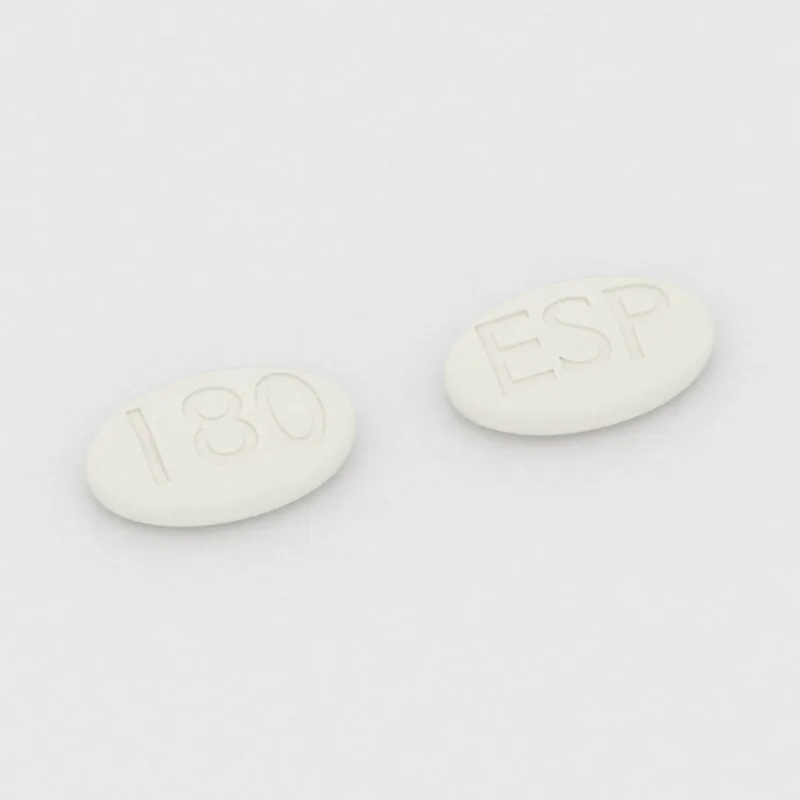
Representações criadas a partir das listas de produtos das bulas da FDA: cor, formato, tamanho e gravação. 1 versão documentada de 1 fabricante.
Interações segundo a bula
Interações graves (3)
Intervention : Avoid concomitant use of NEXLETOL with simvastatin greater than 20 mg. (bula de Ácido bempedoico, Interações medicamentosas)
Intervention: Avoid concomitant use of NEXLETOL with pravastatin greater than 40 mg. (bula de Ácido bempedoico, Interações medicamentosas)
Intervention : Avoid concomitant use of NEXLETOL with simvastatin greater than 20 mg. (bula de Ácido bempedoico, Interações medicamentosas)
Interações moderadas (6)
Fibrates Clinical Impact: Concomitant administration of fibrates with NEXLETOL resulted in increased triglycerides and decreased high-density lipoprotein cholesterol (HDL-C) in some patients in clinical studies and post-marketing reports. (bula de Ácido bempedoico, Interações medicamentosas)
Drug Interactions that may Decrease Exposure to Atorvastatin Rifampin Clinical Impact: Concomitant administration of atorvastatin with rifampin, an inducer of cytochrome P450 3A4 and inhibitor of OATP1B1, can lead to variable reductions in plasma concentrations of atorvastatin. (bula de Anlodipino + atorvastatina, Interações medicamentosas)
Table 3: Drug Interactions that may Decrease Exposure to LIPITOR Rifampin Clinical Impact: Concomitant administration of LIPITOR with rifampin, an inducer of cytochrome P450 3A4 and inhibitor of OATP1B1, can lead to variable reductions in plasma concentrations of atorvastatin. (bula de Atorvastatina, Interações medicamentosas)
Table 2: Established and Other Potentially Clinically Relevant Interactions Affecting VIBERZI OATP1B1 Inhibitors Clinical Impact: Increased exposure to eluxadoline when coadministered with cyclosporine [ see Clinical Pharmacology ( 12.3 ) ] Intervention: Administer VIBERZI at a dose of 75 mg twice daily [see Dosage and Administration ( 2 )] and monitor patients… (bula de Eluxadolina, Interações medicamentosas)
Fibrates Clinical Impact: Concomitant administration of fibrates with NEXLETOL resulted in increased triglycerides and decreased high-density lipoprotein cholesterol (HDL-C) in some patients in clinical studies and post-marketing reports. (bula de Ácido bempedoico, Interações medicamentosas)
Fibrates Clinical Impact: Concomitant administration of fibrates with NEXLETOL resulted in increased triglycerides and decreased high-density lipoprotein cholesterol (HDL-C) in some patients in clinical studies and post-marketing reports. (bula de Ácido bempedoico, Interações medicamentosas)
Menções leves (28)
Tendon rupture may occur more frequently in patients over 60 years of age, in those taking corticosteroid or fluoroquinolone drugs, in patients with renal failure, and in patients with previous tendon disorders. (bula de Ácido bempedoico, Advertências e precauções)
Tendon rupture may occur more frequently in patients over 60 years of age, in those taking corticosteroid or fluoroquinolone drugs, in patients with renal failure, and in patients with previous tendon disorders. (bula de Ácido bempedoico, Advertências e precauções)
Tendon rupture may occur more frequently in patients over 60 years of age, in those taking corticosteroid or fluoroquinolone drugs, in patients with renal failure, and in patients with previous tendon disorders. (bula de Ácido bempedoico, Advertências e precauções)
Tendon rupture may occur more frequently in patients over 60 years of age, in those taking corticosteroid or fluoroquinolone drugs, in patients with renal failure, and in patients with previous tendon disorders. (bula de Ácido bempedoico, Advertências e precauções)
Tendon rupture may occur more frequently in patients over 60 years of age, in those taking corticosteroid or fluoroquinolone drugs, in patients with renal failure, and in patients with previous tendon disorders. (bula de Ácido bempedoico, Advertências e precauções)
Tendon rupture may occur more frequently in patients over 60 years of age, in those taking corticosteroid or fluoroquinolone drugs, in patients with renal failure, and in patients with previous tendon disorders. (bula de Ácido bempedoico, Advertências e precauções)
Tendon rupture may occur more frequently in patients over 60 years of age, in those taking corticosteroid or fluoroquinolone drugs, in patients with renal failure, and in patients with previous tendon disorders. (bula de Ácido bempedoico, Advertências e precauções)
Tendon rupture may occur more frequently in patients over 60 years of age, in those taking corticosteroid or fluoroquinolone drugs, in patients with renal failure, and in patients with previous tendon disorders. (bula de Ácido bempedoico, Advertências e precauções)
Tendon rupture may occur more frequently in patients over 60 years of age, in those taking corticosteroid or fluoroquinolone drugs, in patients with renal failure, and in patients with previous tendon disorders. (bula de Ácido bempedoico, Advertências e precauções)
Tendon rupture may occur more frequently in patients over 60 years of age, in those taking corticosteroid or fluoroquinolone drugs, in patients with renal failure, and in patients with previous tendon disorders. (bula de Ácido bempedoico, Advertências e precauções)
Tendon rupture may occur more frequently in patients over 60 years of age, in those taking corticosteroid or fluoroquinolone drugs, in patients with renal failure, and in patients with previous tendon disorders. (bula de Ácido bempedoico, Advertências e precauções)
Tendon rupture may occur more frequently in patients over 60 years of age, in those taking corticosteroid or fluoroquinolone drugs, in patients with renal failure, and in patients with previous tendon disorders. (bula de Ácido bempedoico, Advertências e precauções)
Tendon rupture may occur more frequently in patients over 60 years of age, in those taking corticosteroid or fluoroquinolone drugs, in patients with renal failure, and in patients with previous tendon disorders. (bula de Ácido bempedoico, Advertências e precauções)
Tendon rupture may occur more frequently in patients over 60 years of age, in those taking corticosteroid or fluoroquinolone drugs, in patients with renal failure, and in patients with previous tendon disorders. (bula de Ácido bempedoico, Advertências e precauções)
Tendon rupture may occur more frequently in patients over 60 years of age, in those taking corticosteroid or fluoroquinolone drugs, in patients with renal failure, and in patients with previous tendon disorders. (bula de Ácido bempedoico, Advertências e precauções)
Tendon rupture may occur more frequently in patients over 60 years of age, in those taking corticosteroid or fluoroquinolone drugs, in patients with renal failure, and in patients with previous tendon disorders. (bula de Ácido bempedoico, Advertências e precauções)
Tendon rupture may occur more frequently in patients over 60 years of age, in those taking corticosteroid or fluoroquinolone drugs, in patients with renal failure, and in patients with previous tendon disorders. (bula de Ácido bempedoico, Advertências e precauções)
Tendon rupture may occur more frequently in patients over 60 years of age, in those taking corticosteroid or fluoroquinolone drugs, in patients with renal failure, and in patients with previous tendon disorders. (bula de Ácido bempedoico, Advertências e precauções)
Tendon rupture may occur more frequently in patients over 60 years of age, in those taking corticosteroid or fluoroquinolone drugs, in patients with renal failure, and in patients with previous tendon disorders. (bula de Ácido bempedoico, Advertências e precauções)
The pharmacokinetics of maraviroc are likely to be modulated by inhibitors and inducers of CYP3A and P-gp and may be modulated by inhibitors of OATP1B1 and MRP2. (bula de Maraviroque, Interações medicamentosas)
Tendon rupture may occur more frequently in patients over 60 years of age, in those taking corticosteroid or fluoroquinolone drugs, in patients with renal failure, and in patients with previous tendon disorders. (bula de Ácido bempedoico, Advertências e precauções)
Tendon rupture may occur more frequently in patients over 60 years of age, in those taking corticosteroid or fluoroquinolone drugs, in patients with renal failure, and in patients with previous tendon disorders. (bula de Ácido bempedoico, Advertências e precauções)
Tendon rupture may occur more frequently in patients over 60 years of age, in those taking corticosteroid or fluoroquinolone drugs, in patients with renal failure, and in patients with previous tendon disorders. (bula de Ácido bempedoico, Advertências e precauções)
Tendon rupture may occur more frequently in patients over 60 years of age, in those taking corticosteroid or fluoroquinolone drugs, in patients with renal failure, and in patients with previous tendon disorders. (bula de Ácido bempedoico, Advertências e precauções)
Tendon rupture may occur more frequently in patients over 60 years of age, in those taking corticosteroid or fluoroquinolone drugs, in patients with renal failure, and in patients with previous tendon disorders. (bula de Ácido bempedoico, Advertências e precauções)
Tendon rupture may occur more frequently in patients over 60 years of age, in those taking corticosteroid or fluoroquinolone drugs, in patients with renal failure, and in patients with previous tendon disorders. (bula de Ácido bempedoico, Advertências e precauções)
Tendon rupture may occur more frequently in patients over 60 years of age, in those taking corticosteroid or fluoroquinolone drugs, in patients with renal failure, and in patients with previous tendon disorders. (bula de Ácido bempedoico, Advertências e precauções)
Tendon rupture may occur more frequently in patients over 60 years of age, in those taking corticosteroid or fluoroquinolone drugs, in patients with renal failure, and in patients with previous tendon disorders. (bula de Ácido bempedoico, Advertências e precauções)
Verifique Ácido bempedoico com tudo o que você toma. Adicione sua lista completa; todos os pares são verificados de uma vez.
Abrir no verificadorNão é aconselhamento médico. A gravidade reflete a redação da bula, não as suas circunstâncias. Um alerta “grave” pode ser rotina sob supervisão, e um “leve” pode ser importante em doses altas. Pergunte a um farmacêutico.