
Cilostazol : interactions médicamenteuses
Cilostazol (Pletal), antiagrégant plaquettaire, présente 110 interactions documentées dans les notices FDA et les fiches d'information que nous indexons : 20 de niveau majeur, 85 de niveau modéré, 4 de niveau mineur et 1 cas où une notice ne signale aucune interaction significative. Chaque entrée ci-dessous cite la phrase sur laquelle elle repose. Cette page consacrée à un médicament est un point de départ, pas un verdict sur votre situation.
À quoi ressemble Cilostazol
Voir les 9 versions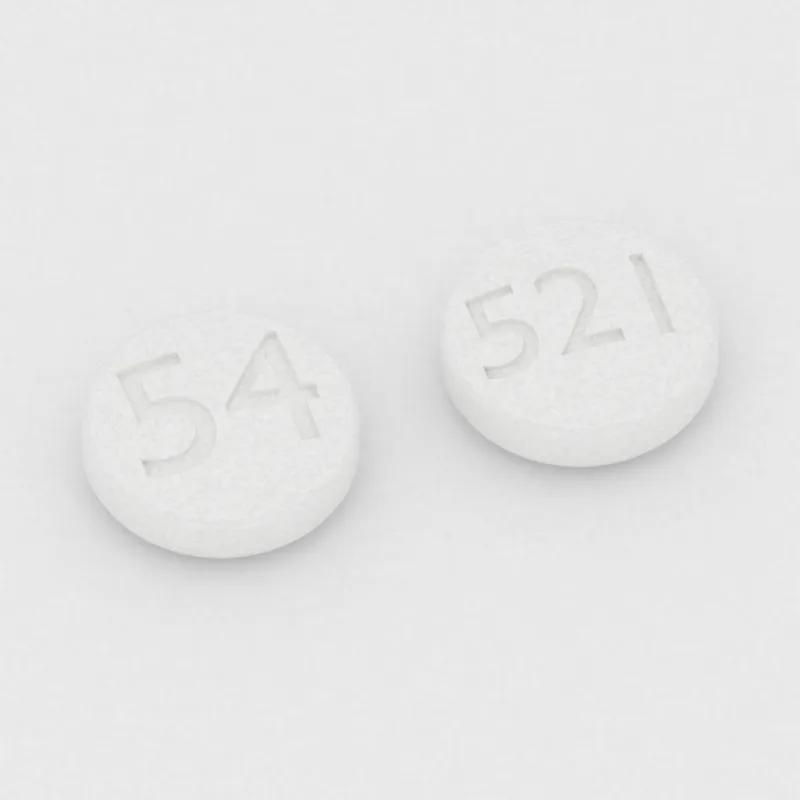
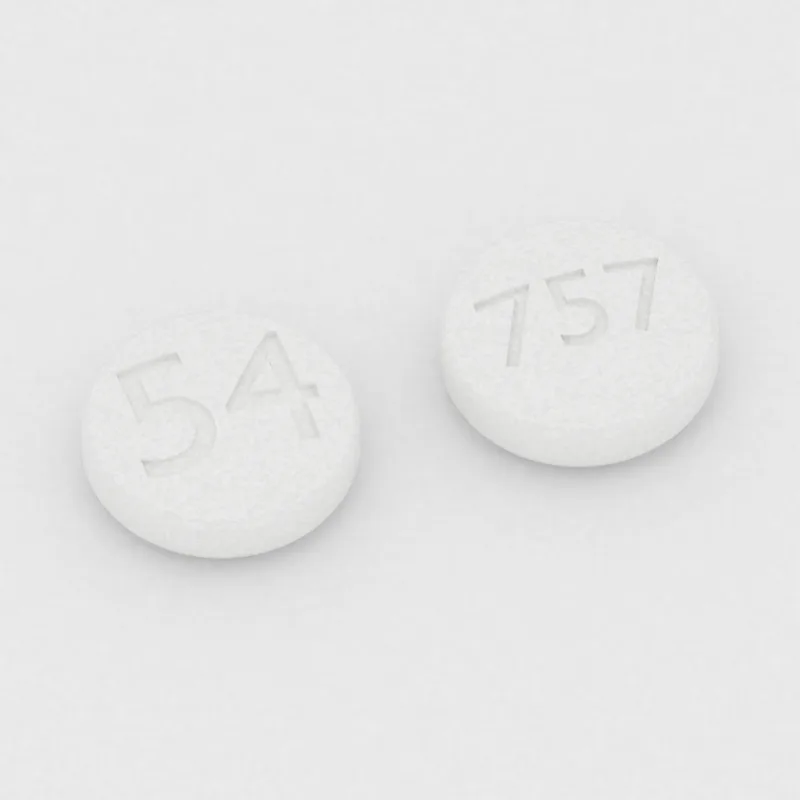
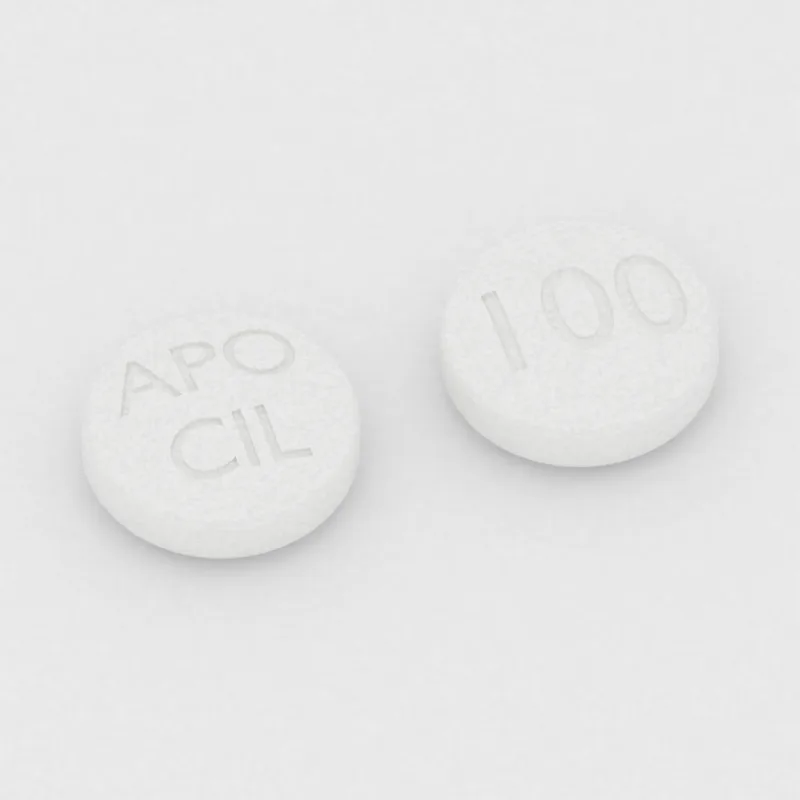
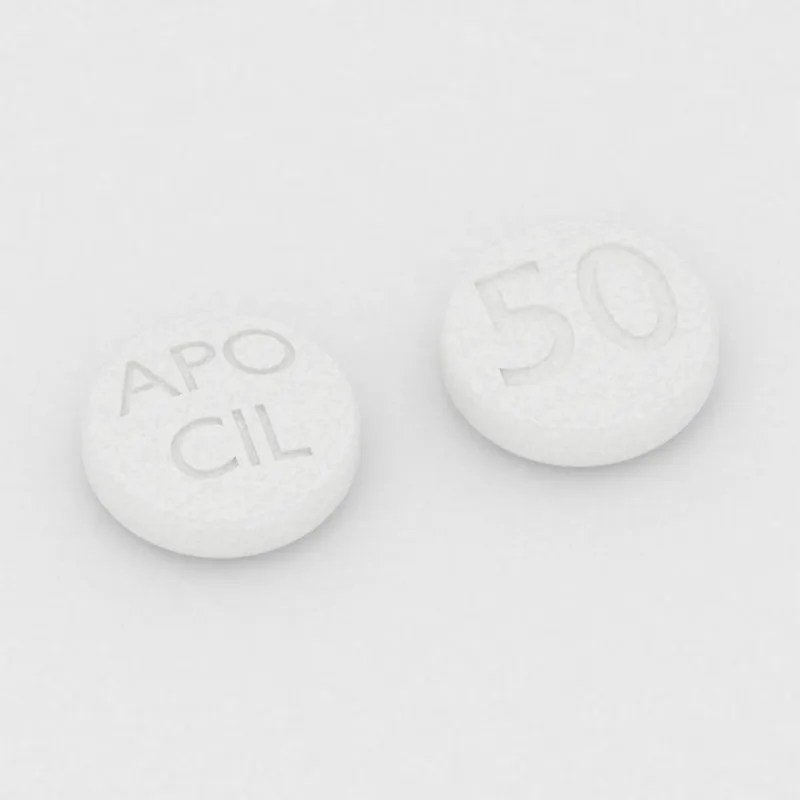
Rendus réalisés à partir des fiches produit des notices FDA : couleur, forme, taille et inscription. 9 versions documentées chez 5 laboratoires.
Interactions d'après la notice
Interactions majeures (20)
CIBINQO is contraindicated in patients taking antiplatelet therapies, except for low-dose aspirin (≤81 mg daily), during the first 3 months of treatment [see Warnings and Precautions (5.7) , Drug Interactions (7.2) , and Clinical Pharmacology (12.2) ]. (notice Abrocitinib, Contre-indications)
Avoid use of drug products with similar properties such as inotropes and other PDE3 inhibitors (e.g., cilostazol, milrinone) [see Warnings and Precautions (5.1) and Clinical Pharmacology (12.2) ] . (notice Anagrélide, Interactions médicamenteuses)
…hematomas in these patients include: • use of indwelling epidural catheters • concomitant use of other drugs that affect hemostasis, such as nonsteroidal anti-inflammatory drugs (NSAIDs), platelet inhibitors, other anticoagulants • a history of traumatic or repeated epidural or spinal punctures • a history of spinal deformity or spinal surgery • optimal timing between… (notice Apixaban, Mise en garde encadrée)
Celecoxib 100 mg twice daily was non-inferior to naproxen 375 to 500 mg twice daily and ibuprofen 600 to 800 mg three times daily for the composite endpoint of the Antiplatelet Trialists' Collaboration (APTC), which consists of cardiovascular death (including hemorrhagic death), non-fatal myocardial infarction, and non-fatal stroke [ see Clinical Studies (14.5)… (notice Célécoxib, Mises en garde et précautions)
Prevention or Management Avoid co-administration of potent ENT1, CNT3, or BCRP transporter inhibitors (e.g., ritonavir, eltrombopag, curcumin, cyclosporine, dilazep, nifedipine, nimodipine, cilostazol, sulindac, dipyridamole, or reserpine) during the 4 to 5 day MAVENCLAD treatment cycles. (notice Cladribine, Interactions médicamenteuses)
Co-administration of these phosphodiesterase inhibitors with clarithromycin is not recommended. (notice Clarithromycine, Interactions médicamenteuses)
…hematomas in these patients include: use of indwelling epidural catheters concomitant use of other drugs that affect hemostasis, such as non-steroidal anti-inflammatory drugs (NSAIDs), platelet inhibitors, other anticoagulants a history of traumatic or repeated epidural or spinal punctures a history of spinal deformity or spinal surgery optimal timing between the… (notice Dabigatran, Mise en garde encadrée)
Do not use Isosorbide Dinitrate in patients who are taking certain drugs for erectile dysfunction (phosphodiesterase inhibitors), such as sildenafil, tadalafil, or vardenafil. (notice Dinitrate d'isosorbide, Contre-indications)
Phosphodiesterase Inhibitors Isosorbide dinitrate and hydralazine hydrochloride tablets are contraindicated in patients who are using a selective inhibitor of cyclic guanosine monophosphate (cGMP)-specific phosphodiesterase type 5 (PDE5), PDE5 inhibitors such as avanafil, sildenafil, vardenafil, and tadalafil have been shown to potentiate the hypotensive effects… (notice Dinitrate d'isosorbide et hydralazine, Interactions médicamenteuses)
…hematomas in these patients include: use of indwelling epidural catheters concomitant use of other drugs that affect hemostasis, such as nonsteroidal anti-inflammatory drugs (NSAIDs), platelet inhibitors, other anticoagulants a history of traumatic or repeated epidural or spinal punctures a history of spinal deformity or spinal surgery optimal timing between the… (notice Édoxaban, Mise en garde encadrée)
Antiplatelets: ticagrelor ↑ ticagrelor Coadminstration with ticagrelor is not recommended. clopidogrel ↓ clopidogrel active metabolite Coadministration with clopidogrel is not recommended due to protential reduction of the antiplatelet activity of clopidogrel. (notice Elvitégravir, cobicistat, emtricitabine et ténofovir, Interactions médicamenteuses)
…hematomas in these patients include: Use of indwelling epidural catheters Concomitant use of other drugs that affect hemostasis, such as non-steroidal anti-inflammatory drugs (NSAIDs), platelet inhibitors, and other anticoagulants A history of traumatic or repeated epidural or spinal punctures A history of spinal deformity or spinal surgery Optimal timing between… (notice Énoxaparine, Mise en garde encadrée)
…in these patients include: • use of indwelling epidural catheters • concomitant use of other drugs that affect hemostasis, such as non-steroidal anti-inflammatory drugs (NSAIDs), platelet inhibitors, or other anticoagulants • a history of traumatic or repeated epidural or spinal puncture • a history of spinal deformity or spinal surgery • Optimal timing between… (notice Fondaparinux, Mise en garde encadrée)
Anticoagulants and Antiplatelets Ticagrelor Contraindicated during and 2 weeks after TOLSURA treatment. (notice Itraconazole, Interactions médicamenteuses)
Do not use isosorbide mononitrate in patients who are taking certain drugs for erectile dysfunction (phosphodiesterase inhibitors), such as sildenafil, tadalafil, or vardenafil. (notice Mononitrate d'isosorbide, Contre-indications)
Phosphodiesterase Inhibitors Concomitant administration of Adempas with specific PDE-5 inhibitors (such as sildenafil, tadalafil, or vardenafil) or nonspecific PDE-5 inhibitors (such as dipyridamole or theophylline) is contraindicated [see Dosage and Administration (2.6), Drug Interactions ( 7.1 ) and Clinical Pharmacology ( 12.2 )]. (notice Riociguat, Contre-indications)
…in these patients include: • use of indwelling epidural catheters • concomitant use of other drugs that affect hemostasis, such as non-steroidal anti-inflammatory drugs (NSAIDs), platelet inhibitors, other anticoagulants • a history of traumatic or repeated epidural or spinal punctures • a history of spinal deformity or spinal surgery • optimal timing between… (notice Rivaroxaban, Mise en garde encadrée)
WARNING: BLEEDING RISK • BRILINTA, like other antiplatelet agents, can cause significant, sometimes fatal bleeding ( 5.1 , 6.1 ). (notice Ticagrélor, Mise en garde encadrée)
Interactions modérées (85)
Co-morbid conditions such as coagulation disorders or concomitant use of warfarin, other anticoagulants, antiplatelet agents (e.g., aspirin), serotonin reuptake inhibitors (SSRIs) and serotonin norepinephrine reuptake inhibitors (SNRIs) may increase this risk. (notice Acide méfénamique, Mises en garde et précautions)
- AltéplaseModérée
Anticoagulants and antiplatelet drugs increase the risk of bleeding if administered prior to, during, or after Activase therapy. (notice Altéplase, Interactions médicamenteuses)
Inhibitors of CYP3A4 or CYP2C19 Inhibitors of CYP3A4 Coadministration of strong (e.g., ketoconazole) and moderate (e.g., erythromycin, diltiazem and grapefruit juice) CYP3A4 inhibitors can increase exposure to cilostazol. (notice Cilostazol, Interactions médicamenteuses)
Inhibitors of CYP3A4 or CYP2C19 Inhibitors of CYP3A4 Coadministration of strong (e.g., ketoconazole) and moderate (e.g., erythromycin, diltiazem and grapefruit juice) CYP3A4 inhibitors can increase exposure to cilostazol. (notice Cilostazol, Interactions médicamenteuses)
Concomitant use of argatroban with antiplatelet agents, thrombolytics, and other anticoagulants may increase the risk of bleeding. (notice Argatroban, Mises en garde et précautions)
Strong and moderate CYP3A4 and CYP2C19 inhibitors: Increase exposure to cilostazol. (notice Cilostazol, Interactions médicamenteuses)
Strong and moderate CYP3A4 and CYP2C19 inhibitors: Increase exposure to cilostazol. (notice Cilostazol, Interactions médicamenteuses)
Inhibitors of CYP3A4 or CYP2C19 Inhibitors of CYP3A4 Coadministration of strong (e.g., ketoconazole) and moderate (e.g., erythromycin, diltiazem and grapefruit juice) CYP3A4 inhibitors can increase exposure to cilostazol. (notice Cilostazol, Interactions médicamenteuses)
Strong and moderate CYP3A4 and CYP2C19 inhibitors: Increase exposure to cilostazol. (notice Cilostazol, Interactions médicamenteuses)
Increased Risk of Bleeding: Concomitant use of aspirin, nonsteroidal anti-inflammatory drugs, other antiplatelet drugs, warfarin, and other anticoagulants may increase this risk. (notice Citalopram, Mises en garde et précautions)
Other Antiplatelet Agents: Increases the risk of bleeding due to an additive effect. (notice Clopidogrel, Interactions médicamenteuses)
• Increased Risk of Bleeding: Concomitant use of aspirin, NSAIDs, other antiplatelet drugs, warfarin, and other anticoagulants may increase this risk ( 5.4 ). (notice Desvenlafaxine, Mises en garde et précautions)
Intervention: Monitor patients with concomitant use of ZIPSOR with anticoagulants (e.g., warfarin), antiplatelet agents (e.g., aspirin), selective serotonin reuptake inhibitors (SSRIs), and serotonin norepinephrine reuptake inhibitors (SNRIs) for signs of bleeding [ see Warnings and Precautions ( 5.12 ) ]. (notice Diclofénac, Interactions médicamenteuses)
Other factors that increase the risk of GI bleeding in patients treated with NSAIDs include longer duration of NSAID therapy; concomitant use of oral corticosteroids, antiplatelet drugs (such as aspirin), anticoagulants, or selective serotonin reuptake inhibitors (SSRIs); smoking; use of alcohol; older age; and poor general health status. (notice Diclofénac et misoprostol, Mises en garde et précautions)
Inhibitors of CYP3A4 or CYP2C19 Inhibitors of CYP3A4 Coadministration of strong (e.g., ketoconazole) and moderate (e.g., erythromycin, diltiazem and grapefruit juice) CYP3A4 inhibitors can increase exposure to cilostazol. (notice Cilostazol, Interactions médicamenteuses)
Inhibitors of CYP3A4 or CYP2C19 Inhibitors of CYP3A4 Coadministration of strong (e.g., ketoconazole) and moderate (e.g., erythromycin, diltiazem and grapefruit juice) CYP3A4 inhibitors can increase exposure to cilostazol. (notice Cilostazol, Interactions médicamenteuses)
Concomitant use of antiplatelet drugs and anticoagulants may increase this risk. (notice Duloxétine, Mises en garde et précautions)
Strong and moderate CYP3A4 and CYP2C19 inhibitors: Increase exposure to cilostazol. (notice Cilostazol, Interactions médicamenteuses)
Strong and moderate CYP3A4 and CYP2C19 inhibitors: Increase exposure to cilostazol. (notice Cilostazol, Interactions médicamenteuses)
When other antiplatelet agents or anticoagulants are used concomitantly, there is the potential for VELETRI to increase the risk of bleeding. (notice Époprosténol, Interactions médicamenteuses)
Use of Thrombolytics, Anticoagulants, and Other Antiplatelet Agents Risk factors for bleeding include older age, a history of bleeding disorders, and concomitant use of drugs that increase the risk of bleeding (thrombolytics, oral anticoagulants, nonsteroidal anti-inflammatory drugs, and P2Y 12 inhibitors). (notice Eptifibatide, Mises en garde et précautions)
Inhibitors of CYP3A4 or CYP2C19 Inhibitors of CYP3A4 Coadministration of strong (e.g., ketoconazole) and moderate (e.g., erythromycin, diltiazem and grapefruit juice) CYP3A4 inhibitors can increase exposure to cilostazol. (notice Cilostazol, Interactions médicamenteuses)
Increased Risk of Bleeding: Concomitant use of nonsteroidal anti-inflammatory drugs, aspirin, other antiplatelet drugs, warfarin and other anticoagulants may increase risk ( 5.7 , 7) (notice Escitalopram, Mises en garde et précautions)
Strong and moderate CYP3A4 and CYP2C19 inhibitors: Increase exposure to cilostazol. (notice Cilostazol, Interactions médicamenteuses)
Strong and moderate CYP3A4 and CYP2C19 inhibitors: Increase exposure to cilostazol. (notice Cilostazol, Interactions médicamenteuses)
Inhibitors of CYP3A4 or CYP2C19 Inhibitors of CYP3A4 Coadministration of strong (e.g., ketoconazole) and moderate (e.g., erythromycin, diltiazem and grapefruit juice) CYP3A4 inhibitors can increase exposure to cilostazol. (notice Cilostazol, Interactions médicamenteuses)
Co-morbid conditions such as coagulation disorders, concomitant use of warfarin, other anticoagulants, antiplatelet agents (e.g., aspirin), serotonin reuptake inhibitors (SSRIs) and serotonin norepinephrine reuptake inhibitors (SNRIs) may increase this risk. (notice Fénoprofène, Mises en garde et précautions)
Strong and moderate CYP3A4 and CYP2C19 inhibitors: Increase exposure to cilostazol. (notice Cilostazol, Interactions médicamenteuses)
Co-morbid conditions such as coagulation disorders of concomitant use of warfarin, other anticoagulants, antiplatelet agents (e.g., aspirin), serotonin reuptake inhibitors (SSRIs), and serotonin norepinephrine reuptake inhibitors (SNRIs) may increase this risk. (notice Flurbiprofène, Mises en garde et précautions)
Strong and moderate CYP3A4 and CYP2C19 inhibitors: Increase exposure to cilostazol. (notice Cilostazol, Interactions médicamenteuses)
Inhibitors of CYP3A4 or CYP2C19 Inhibitors of CYP3A4 Coadministration of strong (e.g., ketoconazole) and moderate (e.g., erythromycin, diltiazem and grapefruit juice) CYP3A4 inhibitors can increase exposure to cilostazol. (notice Cilostazol, Interactions médicamenteuses)
Carbamazepine, felbamate, lamotrigine, topiramate, oxcarbazepine, lacosamide Antiplatelets Ticagrelor Antilipidemic agents Atorvastatin, fluvastatin, simvastatin Antiviral agents Efavirenz, lopinavir/ritonavir, indinavir, nelfinavir, ritonavir, saquinavir Fosamprenavir: phenytoin when given with fosamprenavir alone may decrease the concentration of amprenavir,… (notice Fosphénytoïne, Interactions médicamenteuses)
Le ginkgo peut accroître le risque de saignement lorsqu'il est pris avec des médicaments anticoagulants ou antiagrégants plaquettaires. (NCCIH, Ginkgo)
Platelet Inhibitors Drugs such as acetylsalicylic acid, dextran, phenylbutazone, ibuprofen, indomethacin, dipyridamole, hydroxychloroquine and others that interfere with platelet-aggregation reactions (the main hemostatic defense of heparinized patients) may induce bleeding and should be used with caution in patients receiving heparin sodium. (notice Héparine, Interactions médicamenteuses)
Co-morbid conditions such as coagulation disorders, concomitant use of warfarin, other anticoagulants, antiplatelet agents (e.g., aspirin), serotonin reuptake inhibitors (SSRIs), and serotonin norepinephrine reuptake inhibitors (SNRIs) may increase this risk. (notice Hydrocodone et ibuprofène, Mises en garde)
Co-morbid conditions such as coagulation disorder, concomitant use of warfarin, other anticoagulants, antiplatelet agents (e.g., aspirin), serotonin reuptake inhibitors (SSRIs) and serotonin norepinephrine reuptake inhibitors (SNRIs) may increase this risk. (notice Ibuprofène, Mises en garde et précautions)
Co-morbid conditions such as coagulation disorders or concomitant use of warfarin, and other anticoagulants, antiplatelet agents (e.g., aspirin), serotonin reuptake inhibitors (SSRIs) and serotonin norepinephrine reuptake inhibitors (SNRIs) may increase the risk. (notice Ibuprofène et famotidine, Mises en garde et précautions)
Increased Bleeding Risk with Anticoagulants and Antiplatelet Agents: Some published studies with omega-3 fatty acids have demonstrated prolongation of bleeding time. (notice Icosapent éthyl, Interactions médicamenteuses)
Inhibitors of CYP3A4 or CYP2C19 Inhibitors of CYP3A4 Coadministration of strong (e.g., ketoconazole) and moderate (e.g., erythromycin, diltiazem and grapefruit juice) CYP3A4 inhibitors can increase exposure to cilostazol. (notice Cilostazol, Interactions médicamenteuses)
Co-morbid conditions, such as coagulation disorders, or concomitant use of warfarin, other anticoagulants, antiplatelet agents (e.g., aspirin), serotonin reuptake inhibitors (SSRIs) and serotonin norepinephrine reuptake inhibitors (SNRIs) may increase this risk. (notice Indométacine, Mises en garde et précautions)
Strong and moderate CYP3A4 and CYP2C19 inhibitors: Increase exposure to cilostazol. (notice Cilostazol, Interactions médicamenteuses)
Inhibitors of CYP3A4 or CYP2C19 Inhibitors of CYP3A4 Coadministration of strong (e.g., ketoconazole) and moderate (e.g., erythromycin, diltiazem and grapefruit juice) CYP3A4 inhibitors can increase exposure to cilostazol. (notice Cilostazol, Interactions médicamenteuses)
Inhibitors of CYP3A4 or CYP2C19 Inhibitors of CYP3A4 Coadministration of strong (e.g., ketoconazole) and moderate (e.g., erythromycin, diltiazem and grapefruit juice) CYP3A4 inhibitors can increase exposure to cilostazol. (notice Cilostazol, Interactions médicamenteuses)
Inhibitors of CYP3A4 or CYP2C19 Inhibitors of CYP3A4 Coadministration of strong (e.g., ketoconazole) and moderate (e.g., erythromycin, diltiazem and grapefruit juice) CYP3A4 inhibitors can increase exposure to cilostazol. (notice Cilostazol, Interactions médicamenteuses)
Increased Risk of Bleeding : Concomitant use of NSAIDs, aspirin, other antiplatelet drugs, warfarin, and other anticoagulants may increase this risk ( 5.5 ). (notice Lévomilnacipran, Mises en garde et précautions)
- LomitapideModérée
Weak CYP3A4 Inhibitors Weak CYP3A4 inhibitors (such as alprazolam, amiodarone, amlodipine, atorvastatin, bicalutamide, cilostazol, cimetidine, cyclosporine, fluoxetine, fluvoxamine, ginkgo, goldenseal, isoniazid, lapatinib, nilotinib, pazopanib, ranitidine, ranolazine, ticagrelor, zileuton) can increase lomitapide exposure approximately 2-fold [see Clinical Pharmacology… (notice Lomitapide, Interactions médicamenteuses)
Co-morbid conditions such as coagulation disorders or concomitant use of warfarin, other anticoagulants, antiplatelet agents (e.g., aspirin), serotonin reuptake inhibitors (SSRIs) and serotonin norepinephrine reuptake inhibitors (SNRIs) may increase this risk. (notice Méloxicam, Mises en garde et précautions)
Inhibitors of CYP3A4 or CYP2C19 Inhibitors of CYP3A4 Coadministration of strong (e.g., ketoconazole) and moderate (e.g., erythromycin, diltiazem and grapefruit juice) CYP3A4 inhibitors can increase exposure to cilostazol. (notice Cilostazol, Interactions médicamenteuses)
Drugs that Interfere with Hemostasis Concomitant use of milnacipran hydrochloride with an antiplatelet or anticoagulant drug (e.g., NSAIDs, aspirin, and warfarin) may potentiate the risk of bleeding. (notice Milnacipran, Interactions médicamenteuses)
Inhibitors of CYP3A4 or CYP2C19 Inhibitors of CYP3A4 Coadministration of strong (e.g., ketoconazole) and moderate (e.g., erythromycin, diltiazem and grapefruit juice) CYP3A4 inhibitors can increase exposure to cilostazol. (notice Cilostazol, Interactions médicamenteuses)
Misoprostol does not exert clinically significant effects on the absorption, blood levels, and antiplatelet effects of therapeutic doses of aspirin. (notice Misoprostol, Interactions médicamenteuses)
Concomitant use of warfarin and other anticoagulants, antiplatelet agents (e.g., aspirin), serotonin reuptake inhibitors (SSRIs), and serotonin norepinephrine reuptake inhibitors (SNRIs) may increase this risk. (notice Naproxène, Mises en garde et précautions)
Strong and moderate CYP3A4 and CYP2C19 inhibitors: Increase exposure to cilostazol. (notice Cilostazol, Interactions médicamenteuses)
Inhibitors of CYP3A4 or CYP2C19 Inhibitors of CYP3A4 Coadministration of strong (e.g., ketoconazole) and moderate (e.g., erythromycin, diltiazem and grapefruit juice) CYP3A4 inhibitors can increase exposure to cilostazol. (notice Cilostazol, Interactions médicamenteuses)
Strong and moderate CYP3A4 and CYP2C19 inhibitors: Increase exposure to cilostazol. (notice Cilostazol, Interactions médicamenteuses)
Strong and moderate CYP3A4 and CYP2C19 inhibitors: Increase exposure to cilostazol. (notice Cilostazol, Interactions médicamenteuses)
Other factors that increase the risk of GI bleeding in patients treated with NSAIDs include longer duration of NSAID therapy; concomitant use of oral corticosteroids, antiplatelet drugs (such as aspirin), anticoagulants, or selective serotonin reuptake inhibitors (SSRIs); smoking; use of alcohol; older age; and poor general health status. (notice Oxaprozine, Mises en garde et précautions)
Inhibitors of CYP3A4 or CYP2C19 Inhibitors of CYP3A4 Coadministration of strong (e.g., ketoconazole) and moderate (e.g., erythromycin, diltiazem and grapefruit juice) CYP3A4 inhibitors can increase exposure to cilostazol. (notice Cilostazol, Interactions médicamenteuses)
Inhibitors of CYP3A4 or CYP2C19 Inhibitors of CYP3A4 Coadministration of strong (e.g., ketoconazole) and moderate (e.g., erythromycin, diltiazem and grapefruit juice) CYP3A4 inhibitors can increase exposure to cilostazol. (notice Cilostazol, Interactions médicamenteuses)
Co-morbid conditions such as coagulation disorders or concomitant use of warfarin, other anticoagulants, antiplatelet agents (e.g., aspirin), serotonin reuptake inhibitors (SSRIs) and serotonin norepinephrine reuptake inhibitors (SNRIs) may increase this risk. (notice Paracétamol et ibuprofène, Mises en garde et précautions)
Increased Risk of Bleeding: Concomitant use of aspirin, nonsteroidal anti-inflammatory drugs, other antiplatelet drugs, warfarin, and other anticoagulant drugs may increase risk. (notice Paroxétine, Mises en garde et précautions)
DRUG INTERACTIONS Bleeding has been reported in patients treated with pentoxifylline extended-release tablets with or without concomitant NSAIDs, anticoagulants, or platelet aggregation inhibitors. (notice Pentoxifylline, Interactions médicamenteuses)
Inhibitors of CYP3A4 or CYP2C19 Inhibitors of CYP3A4 Coadministration of strong (e.g., ketoconazole) and moderate (e.g., erythromycin, diltiazem and grapefruit juice) CYP3A4 inhibitors can increase exposure to cilostazol. (notice Cilostazol, Interactions médicamenteuses)
Strong and moderate CYP3A4 and CYP2C19 inhibitors: Increase exposure to cilostazol. (notice Cilostazol, Interactions médicamenteuses)
Carbamazepine, felbamate, lamotrigine, topiramate, oxcarbazepine, lacosamide Antilipidemic agents Atorvastatin, fluvastatin, simvastatin Antiplatelets Ticagrelor Antiviral agents Efavirenz, lopinavir/ritonavir, indinavir, nelfinavir, ritonavir, saquinavir Fosamprenavir: phenytoin when given with fosamprenavir alone may decrease the concentration of amprenavir,… (notice Phénytoïne, Interactions médicamenteuses)
Other factors that increase the risk of GI bleeding in patients treated with NSAIDs include longer duration of NSAID therapy; concomitant use of oral corticosteroids, antiplatelet drugs (such as aspirin), anticoagulants, or selective serotonin reuptake inhibitors (SSRIs); smoking; use of alcohol; older age; and poor general health status. (notice Piroxicam, Mises en garde et précautions)
Inhibitors of CYP3A4 or CYP2C19 Inhibitors of CYP3A4 Coadministration of strong (e.g., ketoconazole) and moderate (e.g., erythromycin, diltiazem and grapefruit juice) CYP3A4 inhibitors can increase exposure to cilostazol. (notice Cilostazol, Interactions médicamenteuses)
Inhibitors of CYP3A4 or CYP2C19 Inhibitors of CYP3A4 Coadministration of strong (e.g., ketoconazole) and moderate (e.g., erythromycin, diltiazem and grapefruit juice) CYP3A4 inhibitors can increase exposure to cilostazol. (notice Cilostazol, Interactions médicamenteuses)
Increased Risk of Bleeding: Concomitant use of aspirin, nonsteroidal anti-inflammatory drugs (NSAIDs), other antiplatelet drugs, warfarin, and other anticoagulants may increase this risk ( 5.3 ) (notice Sertraline, Mises en garde et précautions)
Co-morbid conditions such as coagulation disorders or concomitant use of warfarin, other anticoagulants, antiplatelet agents (e.g., aspirin), serotonin reuptake inhibitors (SSRIs), and serotonin norepinephrine reuptake inhibitors (SNRIs) may increase this risk. (notice Sumatriptan et naproxène, Mises en garde et précautions)
Inhibitors of CYP3A4 or CYP2C19 Inhibitors of CYP3A4 Coadministration of strong (e.g., ketoconazole) and moderate (e.g., erythromycin, diltiazem and grapefruit juice) CYP3A4 inhibitors can increase exposure to cilostazol. (notice Cilostazol, Interactions médicamenteuses)
- TénectéplaseModérée
Should serious bleeding that is not controlled by local pressure occur, discontinue any concomitant heparin or antiplatelet agents immediately and treat appropriately. (notice Ténectéplase, Mises en garde et précautions)
Strong and moderate CYP3A4 and CYP2C19 inhibitors: Increase exposure to cilostazol. (notice Cilostazol, Interactions médicamenteuses)
Increased Risk of Bleeding: Concomitant use of aspirin, nonsteroidal anti-inflammatory drugs (NSAIDs), other antiplatelet drugs, warfarin, and other anticoagulants may increase this risk ( 5.5 ). (notice Trazodone, Mises en garde et précautions)
Inhibitors of CYP3A4 or CYP2C19 Inhibitors of CYP3A4 Coadministration of strong (e.g., ketoconazole) and moderate (e.g., erythromycin, diltiazem and grapefruit juice) CYP3A4 inhibitors can increase exposure to cilostazol. (notice Cilostazol, Interactions médicamenteuses)
Increased Risk of Bleeding: Concomitant use of aspirin, nonsteroidal anti-inflammatory drugs (NSAIDs), other antiplatelet drugs, warfarin, and other anticoagulants may increase this risk ( 5.3 ) (notice Vilazodone, Mises en garde et précautions)
La vitamine E peut inhiber l'agrégation plaquettaire et la coagulation dépendante de la vitamine K, ce qui accroît le risque de saignement avec les médicaments anticoagulants et antiagrégants plaquettaires. (NIH Office of Dietary Supplements, Vitamin E)
Strong and moderate CYP3A4 and CYP2C19 inhibitors: Increase exposure to cilostazol. (notice Cilostazol, Interactions médicamenteuses)
• Increased Risk of Bleeding : Concomitant use of aspirin, nonsteroidal anti-inflammatory drugs, other antiplatelet drugs, warfarin, or other drugs that affect coagulation may increase risk ( 5.3 ). (notice Vortioxétine, Mises en garde et précautions)
…montelukast, moricizine, omeprazole, phenobarbital, phenytoin, cigarette smoking CYP3A4 alprazolam, amiodarone, amlodipine, amprenavir, aprepitant, atorvastatin, atazanavir, bicalutamide, cilostazol, cimetidine, ciprofloxacin, clarithromycin, conivaptan, cyclosporine, darunavir/ritonavir, diltiazem, erythromycin, fluconazole, fluoxetine, fluvoxamine, fosamprenavir, imatinib,… (notice Warfarine, Interactions médicamenteuses)
Mentions mineures (4)
Les compléments d'ail peuvent accroître le risque de saignement avec les anticoagulants tels que la warfarine. (NCCIH, Garlic)
If possible, assess the presence of drug-dependent antiplatelet antibodies. (notice Éthosuximide, Mises en garde)
Les compléments d'oméga-3 peuvent légèrement allonger le temps de saignement ; l'association avec des anticoagulants tels que la warfarine justifie une surveillance, bien que des saignements cliniquement significatifs n'aient pas été démontrés de façon constante. (NIH Office of Dietary Supplements, Omega-3 Fatty Acids)
Weak inhibitors include chlorzoxazone, cilostazol, and ranitidine. (notice Méthylergométrine, Interactions médicamenteuses)
Aucune interaction significative signalée (1)
Platelet Aggregation Inhibitors Clopidogrel: No clinically significant pharmacodynamic interactions were observed when clopidogrel was co-administered with nifedipine. (notice Nifédipine, Interactions médicamenteuses)
Vérifiez Cilostazol avec tout ce que vous prenez. Ajoutez votre liste complète ; toutes les paires sont vérifiées en une fois.
Ouvrir dans le vérificateurCeci n'est pas un avis médical. Le niveau de gravité reflète la formulation de la notice, pas votre situation. Une alerte « majeure » peut être courante sous surveillance et une alerte « mineure » peut compter à forte dose. Demandez conseil à un pharmacien.