
تداخلات سيلوستازول
سيلوستازول (Pletal؛ من فئة مضادات الصفيحات): 110 تداخلات موثّقة في نشرات FDA وصحائف الوقائع التي نفهرسها، وتوزيعها: شديدة 20، متوسطة 85، طفيفة 4، وحالات تفيد فيها نشرة بعدم وجود تداخل مهم 1. كل مُدخل أدناه يقتبس الجملة التي يستند إليها. صفحة الدواء هذه نقطة انطلاق، وليست حكمًا على حالتك.
كيف يبدو سيلوستازول
كل النسخ (9)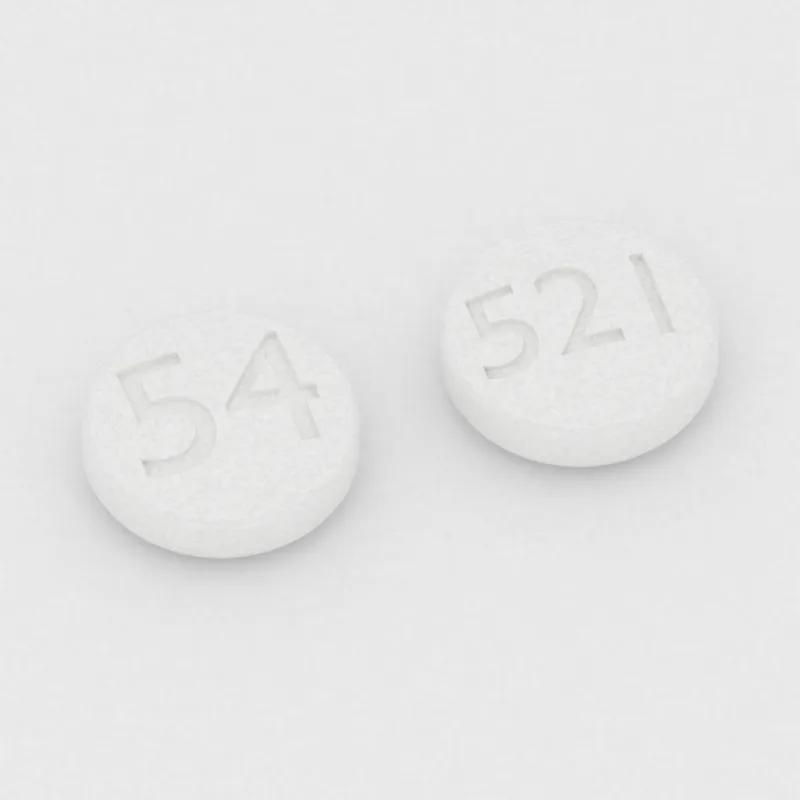
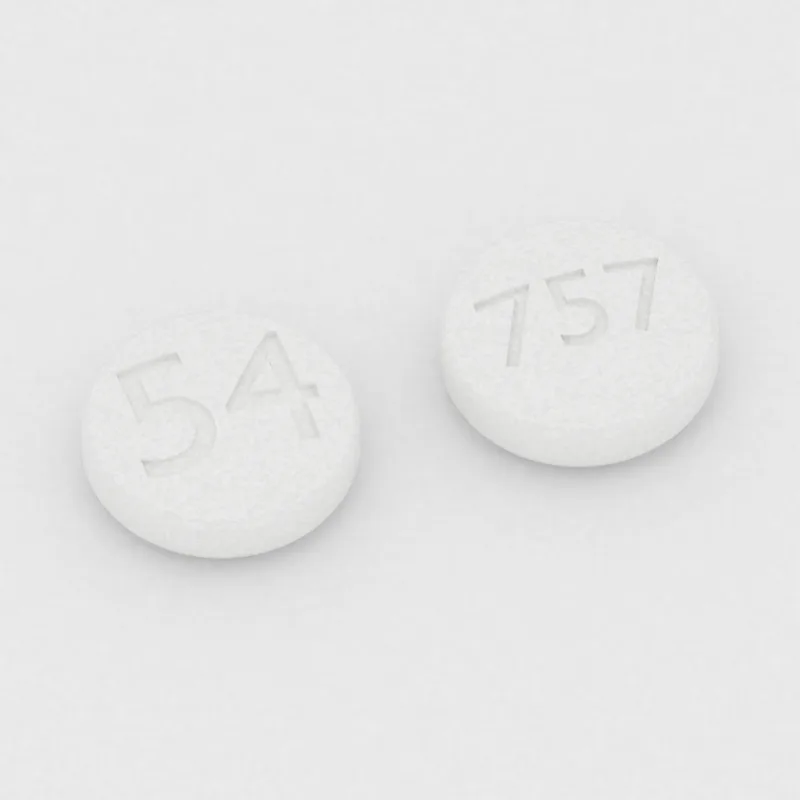
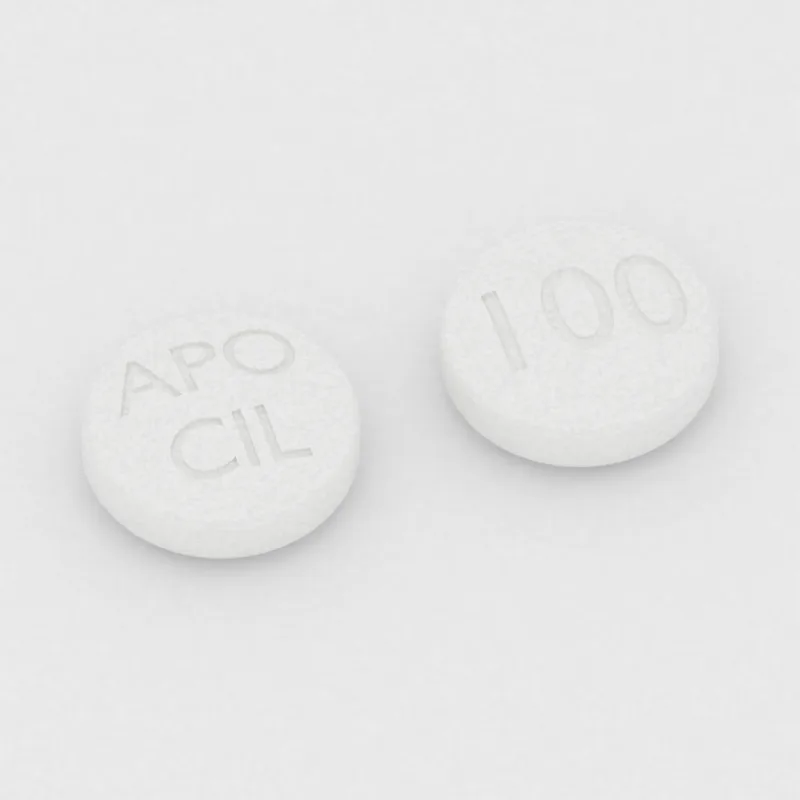
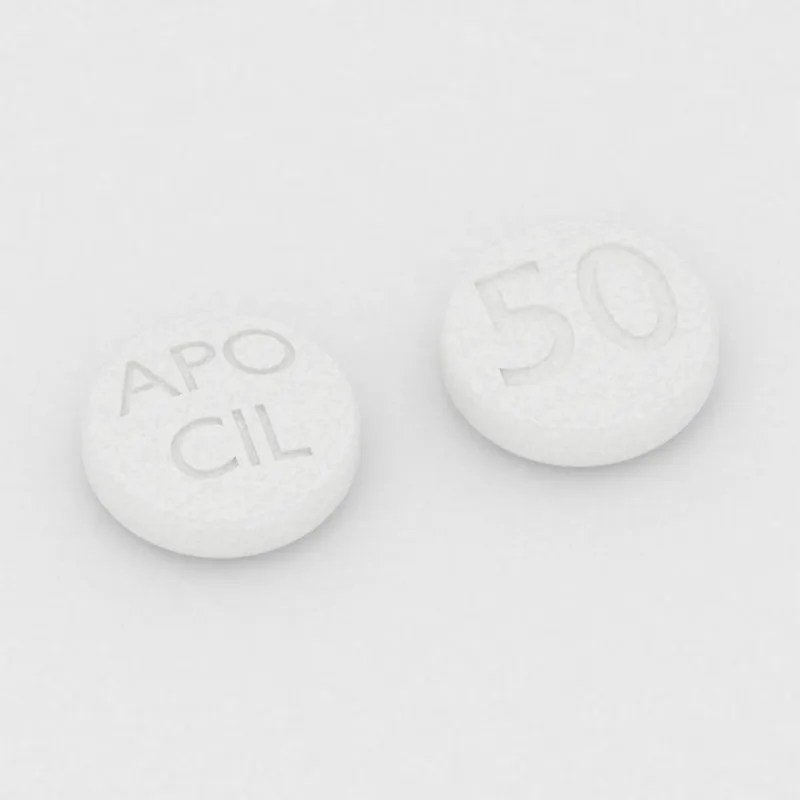
رسوم مُنشأة من قوائم المنتجات في نشرات FDA: اللون والشكل والحجم والنقش. 9 نسخ موثّقة من 5 شركات مسوّقة.
تداخلات من النشرة
تداخلات شديدة (20)
CIBINQO is contraindicated in patients taking antiplatelet therapies, except for low-dose aspirin (≤81 mg daily), during the first 3 months of treatment [see Warnings and Precautions (5.7) , Drug Interactions (7.2) , and Clinical Pharmacology (12.2) ]. (نشرة أبروسيتينيب، موانع الاستعمال)
…hematomas in these patients include: • use of indwelling epidural catheters • concomitant use of other drugs that affect hemostasis, such as nonsteroidal anti-inflammatory drugs (NSAIDs), platelet inhibitors, other anticoagulants • a history of traumatic or repeated epidural or spinal punctures • a history of spinal deformity or spinal surgery • optimal timing between… (نشرة أبيكسابان، تحذير مؤطر)
Antiplatelets: ticagrelor ↑ ticagrelor Coadminstration with ticagrelor is not recommended. clopidogrel ↓ clopidogrel active metabolite Coadministration with clopidogrel is not recommended due to protential reduction of the antiplatelet activity of clopidogrel. (نشرة إلفيتيغرافير وكوبيسيستات وإمتريسيتابين وتينوفوفير، التداخلات الدوائية)
Avoid use of drug products with similar properties such as inotropes and other PDE3 inhibitors (e.g., cilostazol, milrinone) [see Warnings and Precautions (5.1) and Clinical Pharmacology (12.2) ] . (نشرة أناغريليد، التداخلات الدوائية)
Anticoagulants and Antiplatelets Ticagrelor Contraindicated during and 2 weeks after TOLSURA treatment. (نشرة إيتراكونازول، التداخلات الدوائية)
…hematomas in these patients include: use of indwelling epidural catheters concomitant use of other drugs that affect hemostasis, such as nonsteroidal anti-inflammatory drugs (NSAIDs), platelet inhibitors, other anticoagulants a history of traumatic or repeated epidural or spinal punctures a history of spinal deformity or spinal surgery optimal timing between the… (نشرة إيدوكسابان، تحذير مؤطر)
Do not use isosorbide mononitrate in patients who are taking certain drugs for erectile dysfunction (phosphodiesterase inhibitors), such as sildenafil, tadalafil, or vardenafil. (نشرة إيزوسوربيد أحادي النترات، موانع الاستعمال)
Do not use Isosorbide Dinitrate in patients who are taking certain drugs for erectile dysfunction (phosphodiesterase inhibitors), such as sildenafil, tadalafil, or vardenafil. (نشرة إيزوسوربيد ثنائي النترات، موانع الاستعمال)
Phosphodiesterase Inhibitors Isosorbide dinitrate and hydralazine hydrochloride tablets are contraindicated in patients who are using a selective inhibitor of cyclic guanosine monophosphate (cGMP)-specific phosphodiesterase type 5 (PDE5), PDE5 inhibitors such as avanafil, sildenafil, vardenafil, and tadalafil have been shown to potentiate the hypotensive effects… (نشرة إيزوسوربيد ثنائي النترات وهيدرالازين، التداخلات الدوائية)
…hematomas in these patients include: Use of indwelling epidural catheters Concomitant use of other drugs that affect hemostasis, such as non-steroidal anti-inflammatory drugs (NSAIDs), platelet inhibitors, and other anticoagulants A history of traumatic or repeated epidural or spinal punctures A history of spinal deformity or spinal surgery Optimal timing between… (نشرة إينوكسابارين، تحذير مؤطر)
WARNING: BLEEDING RISK • BRILINTA, like other antiplatelet agents, can cause significant, sometimes fatal bleeding ( 5.1 , 6.1 ). (نشرة تيكاغريلور، تحذير مؤطر)
…hematomas in these patients include: use of indwelling epidural catheters concomitant use of other drugs that affect hemostasis, such as non-steroidal anti-inflammatory drugs (NSAIDs), platelet inhibitors, other anticoagulants a history of traumatic or repeated epidural or spinal punctures a history of spinal deformity or spinal surgery optimal timing between the… (نشرة دابيغاتران، تحذير مؤطر)
…in these patients include: • use of indwelling epidural catheters • concomitant use of other drugs that affect hemostasis, such as non-steroidal anti-inflammatory drugs (NSAIDs), platelet inhibitors, other anticoagulants • a history of traumatic or repeated epidural or spinal punctures • a history of spinal deformity or spinal surgery • optimal timing between… (نشرة ريفاروكسابان، تحذير مؤطر)
Phosphodiesterase Inhibitors Concomitant administration of Adempas with specific PDE-5 inhibitors (such as sildenafil, tadalafil, or vardenafil) or nonspecific PDE-5 inhibitors (such as dipyridamole or theophylline) is contraindicated [see Dosage and Administration (2.6), Drug Interactions ( 7.1 ) and Clinical Pharmacology ( 12.2 )]. (نشرة ريوسيغوات، موانع الاستعمال)
Celecoxib 100 mg twice daily was non-inferior to naproxen 375 to 500 mg twice daily and ibuprofen 600 to 800 mg three times daily for the composite endpoint of the Antiplatelet Trialists' Collaboration (APTC), which consists of cardiovascular death (including hemorrhagic death), non-fatal myocardial infarction, and non-fatal stroke [ see Clinical Studies (14.5)… (نشرة سيليكوكسيب، التحذيرات والاحتياطات)
…in these patients include: • use of indwelling epidural catheters • concomitant use of other drugs that affect hemostasis, such as non-steroidal anti-inflammatory drugs (NSAIDs), platelet inhibitors, or other anticoagulants • a history of traumatic or repeated epidural or spinal puncture • a history of spinal deformity or spinal surgery • Optimal timing between… (نشرة فوندابارينوكس، تحذير مؤطر)
Prevention or Management Avoid co-administration of potent ENT1, CNT3, or BCRP transporter inhibitors (e.g., ritonavir, eltrombopag, curcumin, cyclosporine, dilazep, nifedipine, nimodipine, cilostazol, sulindac, dipyridamole, or reserpine) during the 4 to 5 day MAVENCLAD treatment cycles. (نشرة كلادريبين، التداخلات الدوائية)
Co-administration of these phosphodiesterase inhibitors with clarithromycin is not recommended. (نشرة كلاريثرومايسين، التداخلات الدوائية)
تداخلات متوسطة (85)
Use of Thrombolytics, Anticoagulants, and Other Antiplatelet Agents Risk factors for bleeding include older age, a history of bleeding disorders, and concomitant use of drugs that increase the risk of bleeding (thrombolytics, oral anticoagulants, nonsteroidal anti-inflammatory drugs, and P2Y 12 inhibitors). (نشرة إبتيفيباتيد، التحذيرات والاحتياطات)
Inhibitors of CYP3A4 or CYP2C19 Inhibitors of CYP3A4 Coadministration of strong (e.g., ketoconazole) and moderate (e.g., erythromycin, diltiazem and grapefruit juice) CYP3A4 inhibitors can increase exposure to cilostazol. (نشرة سيلوستازول، التداخلات الدوائية)
Concomitant use of argatroban with antiplatelet agents, thrombolytics, and other anticoagulants may increase the risk of bleeding. (نشرة أرغاتروبان، التحذيرات والاحتياطات)
Inhibitors of CYP3A4 or CYP2C19 Inhibitors of CYP3A4 Coadministration of strong (e.g., ketoconazole) and moderate (e.g., erythromycin, diltiazem and grapefruit juice) CYP3A4 inhibitors can increase exposure to cilostazol. (نشرة سيلوستازول، التداخلات الدوائية)
Increased Risk of Bleeding: Concomitant use of nonsteroidal anti-inflammatory drugs, aspirin, other antiplatelet drugs, warfarin and other anticoagulants may increase risk ( 5.7 , 7) (نشرة إسيتالوبرام، التحذيرات والاحتياطات)
- ألتيبلازمتوسط
Anticoagulants and antiplatelet drugs increase the risk of bleeding if administered prior to, during, or after Activase therapy. (نشرة ألتيبلاز، التداخلات الدوائية)
Inhibitors of CYP3A4 or CYP2C19 Inhibitors of CYP3A4 Coadministration of strong (e.g., ketoconazole) and moderate (e.g., erythromycin, diltiazem and grapefruit juice) CYP3A4 inhibitors can increase exposure to cilostazol. (نشرة سيلوستازول، التداخلات الدوائية)
الجنكة بيلوبا قد تزيد خطر النزف عند تناولها مع الأدوية المضادة للتخثر أو المضادة للصفيحات. (NCCIH, Ginkgo)
Inhibitors of CYP3A4 or CYP2C19 Inhibitors of CYP3A4 Coadministration of strong (e.g., ketoconazole) and moderate (e.g., erythromycin, diltiazem and grapefruit juice) CYP3A4 inhibitors can increase exposure to cilostazol. (نشرة سيلوستازول، التداخلات الدوائية)
Co-morbid conditions, such as coagulation disorders, or concomitant use of warfarin, other anticoagulants, antiplatelet agents (e.g., aspirin), serotonin reuptake inhibitors (SSRIs) and serotonin norepinephrine reuptake inhibitors (SNRIs) may increase this risk. (نشرة إندوميثاسين، التحذيرات والاحتياطات)
Other factors that increase the risk of GI bleeding in patients treated with NSAIDs include longer duration of NSAID therapy; concomitant use of oral corticosteroids, antiplatelet drugs (such as aspirin), anticoagulants, or selective serotonin reuptake inhibitors (SSRIs); smoking; use of alcohol; older age; and poor general health status. (نشرة أوكسابروزين، التحذيرات والاحتياطات)
Strong and moderate CYP3A4 and CYP2C19 inhibitors: Increase exposure to cilostazol. (نشرة سيلوستازول، التداخلات الدوائية)
Strong and moderate CYP3A4 and CYP2C19 inhibitors: Increase exposure to cilostazol. (نشرة سيلوستازول، التداخلات الدوائية)
When other antiplatelet agents or anticoagulants are used concomitantly, there is the potential for VELETRI to increase the risk of bleeding. (نشرة إيبوبروستينول، التداخلات الدوائية)
Co-morbid conditions such as coagulation disorder, concomitant use of warfarin, other anticoagulants, antiplatelet agents (e.g., aspirin), serotonin reuptake inhibitors (SSRIs) and serotonin norepinephrine reuptake inhibitors (SNRIs) may increase this risk. (نشرة إيبوبروفين، التحذيرات والاحتياطات)
Co-morbid conditions such as coagulation disorders or concomitant use of warfarin, and other anticoagulants, antiplatelet agents (e.g., aspirin), serotonin reuptake inhibitors (SSRIs) and serotonin norepinephrine reuptake inhibitors (SNRIs) may increase the risk. (نشرة إيبوبروفين وفاموتيدين، التحذيرات والاحتياطات)
Strong and moderate CYP3A4 and CYP2C19 inhibitors: Increase exposure to cilostazol. (نشرة سيلوستازول، التداخلات الدوائية)
Strong and moderate CYP3A4 and CYP2C19 inhibitors: Increase exposure to cilostazol. (نشرة سيلوستازول، التداخلات الدوائية)
Strong and moderate CYP3A4 and CYP2C19 inhibitors: Increase exposure to cilostazol. (نشرة سيلوستازول، التداخلات الدوائية)
Strong and moderate CYP3A4 and CYP2C19 inhibitors: Increase exposure to cilostazol. (نشرة سيلوستازول، التداخلات الدوائية)
Strong and moderate CYP3A4 and CYP2C19 inhibitors: Increase exposure to cilostazol. (نشرة سيلوستازول، التداخلات الدوائية)
Inhibitors of CYP3A4 or CYP2C19 Inhibitors of CYP3A4 Coadministration of strong (e.g., ketoconazole) and moderate (e.g., erythromycin, diltiazem and grapefruit juice) CYP3A4 inhibitors can increase exposure to cilostazol. (نشرة سيلوستازول، التداخلات الدوائية)
Inhibitors of CYP3A4 or CYP2C19 Inhibitors of CYP3A4 Coadministration of strong (e.g., ketoconazole) and moderate (e.g., erythromycin, diltiazem and grapefruit juice) CYP3A4 inhibitors can increase exposure to cilostazol. (نشرة سيلوستازول، التداخلات الدوائية)
Increased Bleeding Risk with Anticoagulants and Antiplatelet Agents: Some published studies with omega-3 fatty acids have demonstrated prolongation of bleeding time. (نشرة إيكوسابنت إيثيل، التداخلات الدوائية)
Inhibitors of CYP3A4 or CYP2C19 Inhibitors of CYP3A4 Coadministration of strong (e.g., ketoconazole) and moderate (e.g., erythromycin, diltiazem and grapefruit juice) CYP3A4 inhibitors can increase exposure to cilostazol. (نشرة سيلوستازول، التداخلات الدوائية)
Co-morbid conditions such as coagulation disorders or concomitant use of warfarin, other anticoagulants, antiplatelet agents (e.g., aspirin), serotonin reuptake inhibitors (SSRIs) and serotonin norepinephrine reuptake inhibitors (SNRIs) may increase this risk. (نشرة باراسيتامول وإيبوبروفين، التحذيرات والاحتياطات)
Increased Risk of Bleeding: Concomitant use of aspirin, nonsteroidal anti-inflammatory drugs, other antiplatelet drugs, warfarin, and other anticoagulant drugs may increase risk. (نشرة باروكسيتين، التحذيرات والاحتياطات)
Inhibitors of CYP3A4 or CYP2C19 Inhibitors of CYP3A4 Coadministration of strong (e.g., ketoconazole) and moderate (e.g., erythromycin, diltiazem and grapefruit juice) CYP3A4 inhibitors can increase exposure to cilostazol. (نشرة سيلوستازول، التداخلات الدوائية)
DRUG INTERACTIONS Bleeding has been reported in patients treated with pentoxifylline extended-release tablets with or without concomitant NSAIDs, anticoagulants, or platelet aggregation inhibitors. (نشرة بنتوكسيفيلين، التداخلات الدوائية)
Inhibitors of CYP3A4 or CYP2C19 Inhibitors of CYP3A4 Coadministration of strong (e.g., ketoconazole) and moderate (e.g., erythromycin, diltiazem and grapefruit juice) CYP3A4 inhibitors can increase exposure to cilostazol. (نشرة سيلوستازول، التداخلات الدوائية)
Inhibitors of CYP3A4 or CYP2C19 Inhibitors of CYP3A4 Coadministration of strong (e.g., ketoconazole) and moderate (e.g., erythromycin, diltiazem and grapefruit juice) CYP3A4 inhibitors can increase exposure to cilostazol. (نشرة سيلوستازول، التداخلات الدوائية)
Other factors that increase the risk of GI bleeding in patients treated with NSAIDs include longer duration of NSAID therapy; concomitant use of oral corticosteroids, antiplatelet drugs (such as aspirin), anticoagulants, or selective serotonin reuptake inhibitors (SSRIs); smoking; use of alcohol; older age; and poor general health status. (نشرة بيروكسيكام، التحذيرات والاحتياطات)
Increased Risk of Bleeding: Concomitant use of aspirin, nonsteroidal anti-inflammatory drugs (NSAIDs), other antiplatelet drugs, warfarin, and other anticoagulants may increase this risk ( 5.5 ). (نشرة ترازودون، التحذيرات والاحتياطات)
Strong and moderate CYP3A4 and CYP2C19 inhibitors: Increase exposure to cilostazol. (نشرة سيلوستازول، التداخلات الدوائية)
- تينيكتيبلازمتوسط
Should serious bleeding that is not controlled by local pressure occur, discontinue any concomitant heparin or antiplatelet agents immediately and treat appropriately. (نشرة تينيكتيبلاز، التحذيرات والاحتياطات)
Co-morbid conditions such as coagulation disorders or concomitant use of warfarin, other anticoagulants, antiplatelet agents (e.g., aspirin), serotonin reuptake inhibitors (SSRIs) and serotonin norepinephrine reuptake inhibitors (SNRIs) may increase this risk. (نشرة حمض الميفيناميك، التحذيرات والاحتياطات)
Inhibitors of CYP3A4 or CYP2C19 Inhibitors of CYP3A4 Coadministration of strong (e.g., ketoconazole) and moderate (e.g., erythromycin, diltiazem and grapefruit juice) CYP3A4 inhibitors can increase exposure to cilostazol. (نشرة سيلوستازول، التداخلات الدوائية)
Concomitant use of antiplatelet drugs and anticoagulants may increase this risk. (نشرة دولوكسيتين، التحذيرات والاحتياطات)
• Increased Risk of Bleeding: Concomitant use of aspirin, NSAIDs, other antiplatelet drugs, warfarin, and other anticoagulants may increase this risk ( 5.4 ). (نشرة ديسفينلافاكسين، التحذيرات والاحتياطات)
Intervention: Monitor patients with concomitant use of ZIPSOR with anticoagulants (e.g., warfarin), antiplatelet agents (e.g., aspirin), selective serotonin reuptake inhibitors (SSRIs), and serotonin norepinephrine reuptake inhibitors (SNRIs) for signs of bleeding [ see Warnings and Precautions ( 5.12 ) ]. (نشرة ديكلوفيناك، التداخلات الدوائية)
Other factors that increase the risk of GI bleeding in patients treated with NSAIDs include longer duration of NSAID therapy; concomitant use of oral corticosteroids, antiplatelet drugs (such as aspirin), anticoagulants, or selective serotonin reuptake inhibitors (SSRIs); smoking; use of alcohol; older age; and poor general health status. (نشرة ديكلوفيناك وميزوبروستول، التحذيرات والاحتياطات)
Inhibitors of CYP3A4 or CYP2C19 Inhibitors of CYP3A4 Coadministration of strong (e.g., ketoconazole) and moderate (e.g., erythromycin, diltiazem and grapefruit juice) CYP3A4 inhibitors can increase exposure to cilostazol. (نشرة سيلوستازول، التداخلات الدوائية)
Inhibitors of CYP3A4 or CYP2C19 Inhibitors of CYP3A4 Coadministration of strong (e.g., ketoconazole) and moderate (e.g., erythromycin, diltiazem and grapefruit juice) CYP3A4 inhibitors can increase exposure to cilostazol. (نشرة سيلوستازول، التداخلات الدوائية)
Inhibitors of CYP3A4 or CYP2C19 Inhibitors of CYP3A4 Coadministration of strong (e.g., ketoconazole) and moderate (e.g., erythromycin, diltiazem and grapefruit juice) CYP3A4 inhibitors can increase exposure to cilostazol. (نشرة سيلوستازول، التداخلات الدوائية)
Co-morbid conditions such as coagulation disorders or concomitant use of warfarin, other anticoagulants, antiplatelet agents (e.g., aspirin), serotonin reuptake inhibitors (SSRIs), and serotonin norepinephrine reuptake inhibitors (SNRIs) may increase this risk. (نشرة سوماتريبتان ونابروكسين، التحذيرات والاحتياطات)
Increased Risk of Bleeding: Concomitant use of aspirin, nonsteroidal anti-inflammatory drugs, other antiplatelet drugs, warfarin, and other anticoagulants may increase this risk. (نشرة سيتالوبرام، التحذيرات والاحتياطات)
Increased Risk of Bleeding: Concomitant use of aspirin, nonsteroidal anti-inflammatory drugs (NSAIDs), other antiplatelet drugs, warfarin, and other anticoagulants may increase this risk ( 5.3 ) (نشرة سيرترالين، التحذيرات والاحتياطات)
Inhibitors of CYP3A4 or CYP2C19 Inhibitors of CYP3A4 Coadministration of strong (e.g., ketoconazole) and moderate (e.g., erythromycin, diltiazem and grapefruit juice) CYP3A4 inhibitors can increase exposure to cilostazol. (نشرة سيلوستازول، التداخلات الدوائية)
Strong and moderate CYP3A4 and CYP2C19 inhibitors: Increase exposure to cilostazol. (نشرة سيلوستازول، التداخلات الدوائية)
Strong and moderate CYP3A4 and CYP2C19 inhibitors: Increase exposure to cilostazol. (نشرة سيلوستازول، التداخلات الدوائية)
Co-morbid conditions such as coagulation disorders of concomitant use of warfarin, other anticoagulants, antiplatelet agents (e.g., aspirin), serotonin reuptake inhibitors (SSRIs), and serotonin norepinephrine reuptake inhibitors (SNRIs) may increase this risk. (نشرة فلوربيبروفين، التحذيرات والاحتياطات)
Strong and moderate CYP3A4 and CYP2C19 inhibitors: Increase exposure to cilostazol. (نشرة سيلوستازول، التداخلات الدوائية)
Strong and moderate CYP3A4 and CYP2C19 inhibitors: Increase exposure to cilostazol. (نشرة سيلوستازول، التداخلات الدوائية)
• Increased Risk of Bleeding : Concomitant use of aspirin, nonsteroidal anti-inflammatory drugs, other antiplatelet drugs, warfarin, or other drugs that affect coagulation may increase risk ( 5.3 ). (نشرة فورتيوكسيتين، التحذيرات والاحتياطات)
Strong and moderate CYP3A4 and CYP2C19 inhibitors: Increase exposure to cilostazol. (نشرة سيلوستازول، التداخلات الدوائية)
Inhibitors of CYP3A4 or CYP2C19 Inhibitors of CYP3A4 Coadministration of strong (e.g., ketoconazole) and moderate (e.g., erythromycin, diltiazem and grapefruit juice) CYP3A4 inhibitors can increase exposure to cilostazol. (نشرة سيلوستازول، التداخلات الدوائية)
Carbamazepine, felbamate, lamotrigine, topiramate, oxcarbazepine, lacosamide Antiplatelets Ticagrelor Antilipidemic agents Atorvastatin, fluvastatin, simvastatin Antiviral agents Efavirenz, lopinavir/ritonavir, indinavir, nelfinavir, ritonavir, saquinavir Fosamprenavir: phenytoin when given with fosamprenavir alone may decrease the concentration of amprenavir,… (نشرة فوسفينيتوين، التداخلات الدوائية)
فيتامين هـ (E) قد يثبّط تكدّس الصفيحات والتخثر المعتمد على فيتامين ك، مما يزيد خطر النزف مع مضادات التخثر ومضادات الصفيحات. (NIH Office of Dietary Supplements, Vitamin E)
Inhibitors of CYP3A4 or CYP2C19 Inhibitors of CYP3A4 Coadministration of strong (e.g., ketoconazole) and moderate (e.g., erythromycin, diltiazem and grapefruit juice) CYP3A4 inhibitors can increase exposure to cilostazol. (نشرة سيلوستازول، التداخلات الدوائية)
Increased Risk of Bleeding: Concomitant use of aspirin, nonsteroidal anti-inflammatory drugs (NSAIDs), other antiplatelet drugs, warfarin, and other anticoagulants may increase this risk ( 5.3 ) (نشرة فيلازودون، التحذيرات والاحتياطات)
Strong and moderate CYP3A4 and CYP2C19 inhibitors: Increase exposure to cilostazol. (نشرة سيلوستازول، التداخلات الدوائية)
Co-morbid conditions such as coagulation disorders, concomitant use of warfarin, other anticoagulants, antiplatelet agents (e.g., aspirin), serotonin reuptake inhibitors (SSRIs) and serotonin norepinephrine reuptake inhibitors (SNRIs) may increase this risk. (نشرة فينوبروفين، التحذيرات والاحتياطات)
Carbamazepine, felbamate, lamotrigine, topiramate, oxcarbazepine, lacosamide Antilipidemic agents Atorvastatin, fluvastatin, simvastatin Antiplatelets Ticagrelor Antiviral agents Efavirenz, lopinavir/ritonavir, indinavir, nelfinavir, ritonavir, saquinavir Fosamprenavir: phenytoin when given with fosamprenavir alone may decrease the concentration of amprenavir,… (نشرة فينيتوين، التداخلات الدوائية)
Strong and moderate CYP3A4 and CYP2C19 inhibitors: Increase exposure to cilostazol. (نشرة سيلوستازول، التداخلات الدوائية)
Other Antiplatelet Agents: Increases the risk of bleeding due to an additive effect. (نشرة كلوبيدوغريل، التداخلات الدوائية)
Inhibitors of CYP3A4 or CYP2C19 Inhibitors of CYP3A4 Coadministration of strong (e.g., ketoconazole) and moderate (e.g., erythromycin, diltiazem and grapefruit juice) CYP3A4 inhibitors can increase exposure to cilostazol. (نشرة سيلوستازول، التداخلات الدوائية)
- لوميتابيدمتوسط
Weak CYP3A4 Inhibitors Weak CYP3A4 inhibitors (such as alprazolam, amiodarone, amlodipine, atorvastatin, bicalutamide, cilostazol, cimetidine, cyclosporine, fluoxetine, fluvoxamine, ginkgo, goldenseal, isoniazid, lapatinib, nilotinib, pazopanib, ranitidine, ranolazine, ticagrelor, zileuton) can increase lomitapide exposure approximately 2-fold [see Clinical Pharmacology… (نشرة لوميتابيد، التداخلات الدوائية)
Increased Risk of Bleeding : Concomitant use of NSAIDs, aspirin, other antiplatelet drugs, warfarin, and other anticoagulants may increase this risk ( 5.5 ). (نشرة ليفوميلناسيبران، التحذيرات والاحتياطات)
Inhibitors of CYP3A4 or CYP2C19 Inhibitors of CYP3A4 Coadministration of strong (e.g., ketoconazole) and moderate (e.g., erythromycin, diltiazem and grapefruit juice) CYP3A4 inhibitors can increase exposure to cilostazol. (نشرة سيلوستازول، التداخلات الدوائية)
Inhibitors of CYP3A4 or CYP2C19 Inhibitors of CYP3A4 Coadministration of strong (e.g., ketoconazole) and moderate (e.g., erythromycin, diltiazem and grapefruit juice) CYP3A4 inhibitors can increase exposure to cilostazol. (نشرة سيلوستازول، التداخلات الدوائية)
Misoprostol does not exert clinically significant effects on the absorption, blood levels, and antiplatelet effects of therapeutic doses of aspirin. (نشرة ميزوبروستول، التداخلات الدوائية)
Inhibitors of CYP3A4 or CYP2C19 Inhibitors of CYP3A4 Coadministration of strong (e.g., ketoconazole) and moderate (e.g., erythromycin, diltiazem and grapefruit juice) CYP3A4 inhibitors can increase exposure to cilostazol. (نشرة سيلوستازول، التداخلات الدوائية)
Drugs that Interfere with Hemostasis Concomitant use of milnacipran hydrochloride with an antiplatelet or anticoagulant drug (e.g., NSAIDs, aspirin, and warfarin) may potentiate the risk of bleeding. (نشرة ميلناسيبران، التداخلات الدوائية)
Co-morbid conditions such as coagulation disorders or concomitant use of warfarin, other anticoagulants, antiplatelet agents (e.g., aspirin), serotonin reuptake inhibitors (SSRIs) and serotonin norepinephrine reuptake inhibitors (SNRIs) may increase this risk. (نشرة ميلوكسيكام، التحذيرات والاحتياطات)
Concomitant use of warfarin and other anticoagulants, antiplatelet agents (e.g., aspirin), serotonin reuptake inhibitors (SSRIs), and serotonin norepinephrine reuptake inhibitors (SNRIs) may increase this risk. (نشرة نابروكسين، التحذيرات والاحتياطات)
Strong and moderate CYP3A4 and CYP2C19 inhibitors: Increase exposure to cilostazol. (نشرة سيلوستازول، التداخلات الدوائية)
Inhibitors of CYP3A4 or CYP2C19 Inhibitors of CYP3A4 Coadministration of strong (e.g., ketoconazole) and moderate (e.g., erythromycin, diltiazem and grapefruit juice) CYP3A4 inhibitors can increase exposure to cilostazol. (نشرة سيلوستازول، التداخلات الدوائية)
Platelet Inhibitors Drugs such as acetylsalicylic acid, dextran, phenylbutazone, ibuprofen, indomethacin, dipyridamole, hydroxychloroquine and others that interfere with platelet-aggregation reactions (the main hemostatic defense of heparinized patients) may induce bleeding and should be used with caution in patients receiving heparin sodium. (نشرة هيبارين، التداخلات الدوائية)
Co-morbid conditions such as coagulation disorders, concomitant use of warfarin, other anticoagulants, antiplatelet agents (e.g., aspirin), serotonin reuptake inhibitors (SSRIs), and serotonin norepinephrine reuptake inhibitors (SNRIs) may increase this risk. (نشرة هيدروكودون وإيبوبروفين، التحذيرات)
…montelukast, moricizine, omeprazole, phenobarbital, phenytoin, cigarette smoking CYP3A4 alprazolam, amiodarone, amlodipine, amprenavir, aprepitant, atorvastatin, atazanavir, bicalutamide, cilostazol, cimetidine, ciprofloxacin, clarithromycin, conivaptan, cyclosporine, darunavir/ritonavir, diltiazem, erythromycin, fluconazole, fluoxetine, fluvoxamine, fosamprenavir, imatinib,… (نشرة وارفارين، التداخلات الدوائية)
إشارات طفيفة (4)
مكملات الثوم قد تزيد خطر النزف مع مضادات التخثر مثل وارفارين. (NCCIH, Garlic)
If possible, assess the presence of drug-dependent antiplatelet antibodies. (نشرة إيثوسوكسيميد، التحذيرات)
مكملات أوميغا 3 قد تطيل زمن النزف إطالة خفيفة؛ والجمع بينها وبين مضادات التخثر مثل وارفارين يستدعي المراقبة، وإن كان النزف ذو الأهمية السريرية لم يُظهَر على نحو متسق. (NIH Office of Dietary Supplements, Omega-3 Fatty Acids)
Weak inhibitors include chlorzoxazone, cilostazol, and ranitidine. (نشرة ميثيل إرغونوفين، التداخلات الدوائية)
لم يُبلَّغ عن تداخل مهم (1)
Platelet Aggregation Inhibitors Clopidogrel: No clinically significant pharmacodynamic interactions were observed when clopidogrel was co-administered with nifedipine. (نشرة نيفيديبين، التداخلات الدوائية)
افحص سيلوستازول مع كل ما تتناوله. أضف قائمتك كاملة؛ تُفحص كل الأزواج دفعة واحدة.
افتح في الفاحصليست نصيحة طبية. درجة الشدة تعكس صياغة النشرة، لا ظروفك. فالتنبيه «الشديد» قد يكون أمرًا معتادًا تحت الإشراف، والتنبيه «الطفيف» قد يكون مهمًا عند الجرعات العالية. اسأل صيدليًا.