
Interações de Cilostazol
Cilostazol (Pletal), antiagregante plaquetário, tem 110 interações documentadas nas bulas da FDA e nas fichas informativas que indexamos (graves: 20; moderadas: 85; leves: 4; casos em que uma bula relata não haver interação significativa: 1). Cada item abaixo cita a frase em que se baseia. Esta página de medicamento é um ponto de partida, não um veredito para a sua situação.
Aparência de Cilostazol
Todas as 9 versões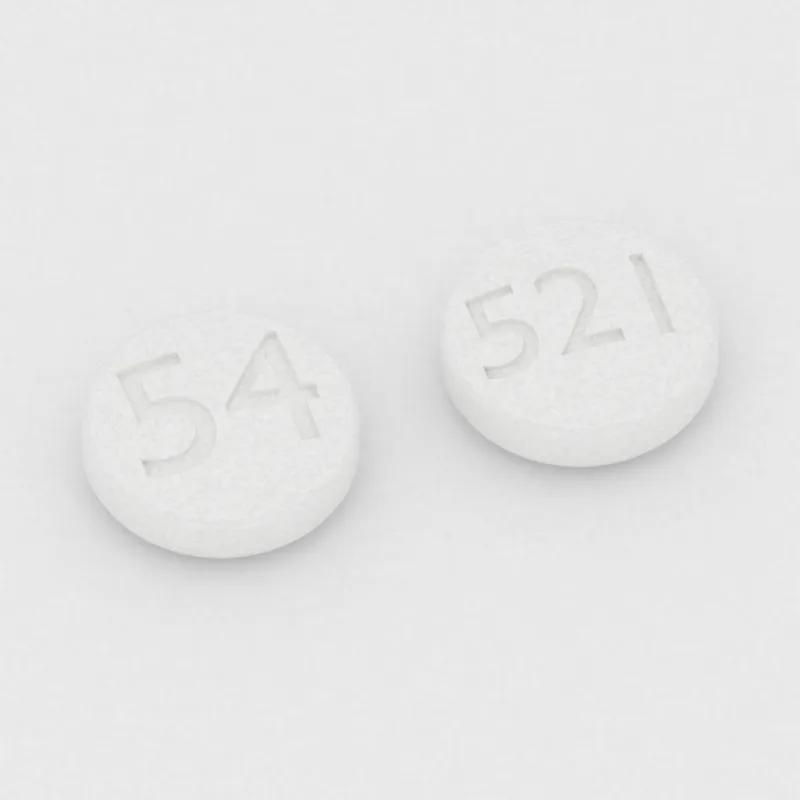
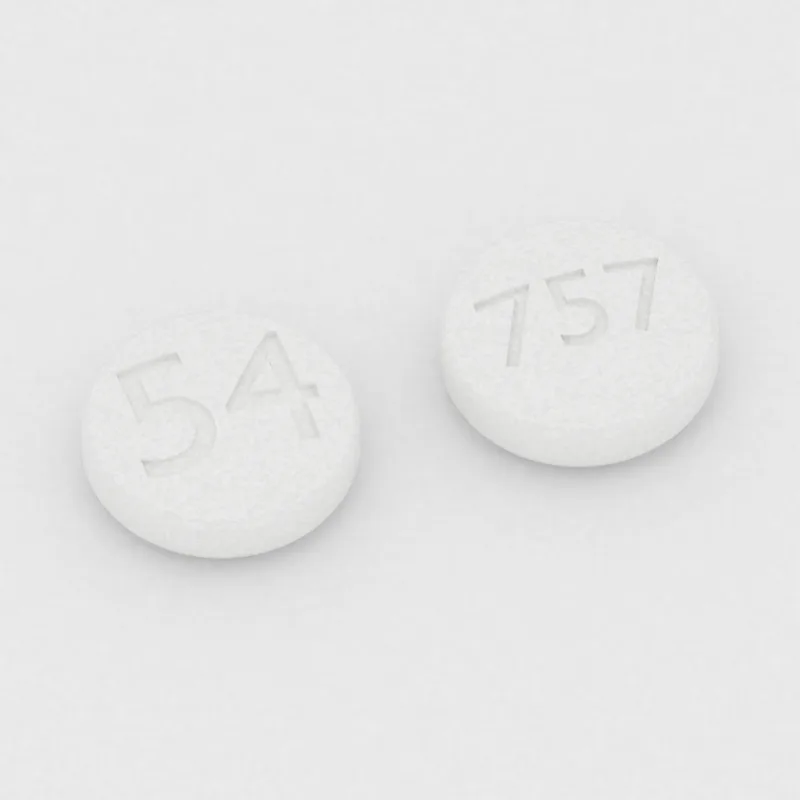
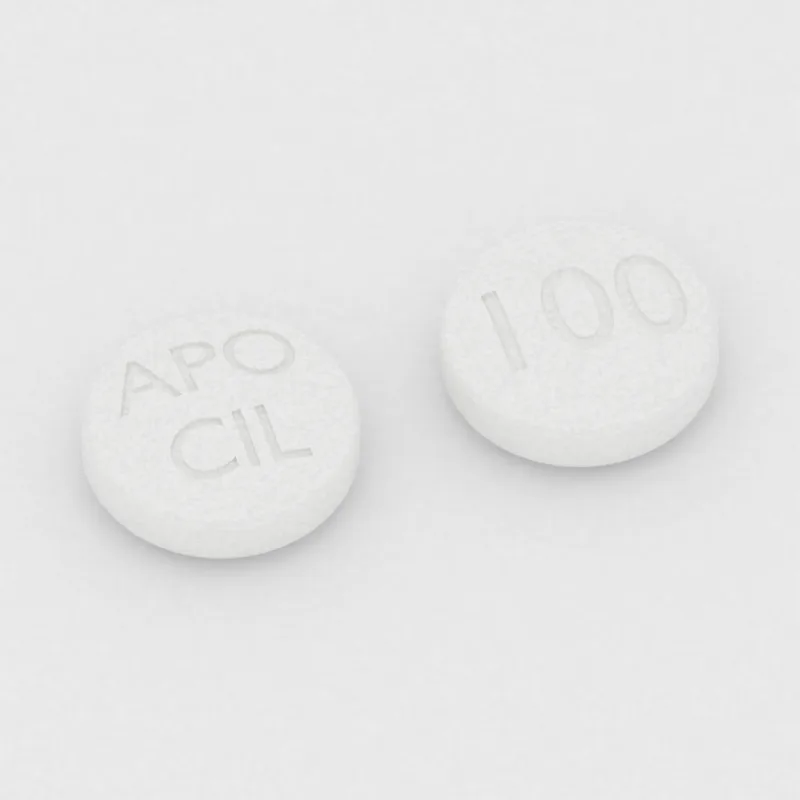
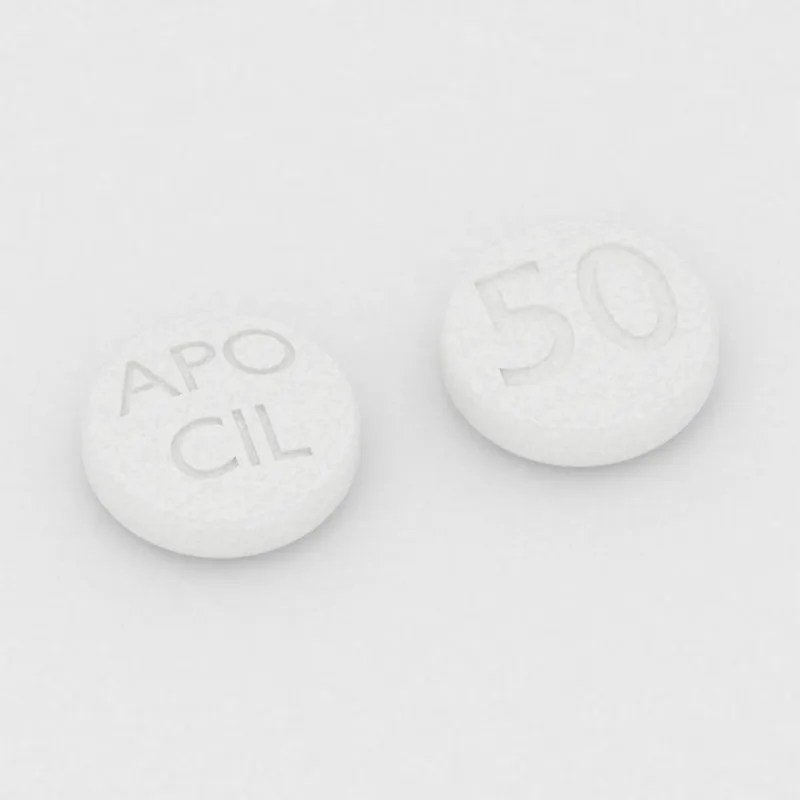
Representações criadas a partir das listas de produtos das bulas da FDA: cor, formato, tamanho e gravação. 9 versões documentadas de 5 fabricantes.
Interações segundo a bula
Interações graves (20)
CIBINQO is contraindicated in patients taking antiplatelet therapies, except for low-dose aspirin (≤81 mg daily), during the first 3 months of treatment [see Warnings and Precautions (5.7) , Drug Interactions (7.2) , and Clinical Pharmacology (12.2) ]. (bula de Abrocitinibe, Contraindicações)
Avoid use of drug products with similar properties such as inotropes and other PDE3 inhibitors (e.g., cilostazol, milrinone) [see Warnings and Precautions (5.1) and Clinical Pharmacology (12.2) ] . (bula de Anagrelida, Interações medicamentosas)
…hematomas in these patients include: • use of indwelling epidural catheters • concomitant use of other drugs that affect hemostasis, such as nonsteroidal anti-inflammatory drugs (NSAIDs), platelet inhibitors, other anticoagulants • a history of traumatic or repeated epidural or spinal punctures • a history of spinal deformity or spinal surgery • optimal timing between… (bula de Apixabana, Advertência em caixa preta)
Celecoxib 100 mg twice daily was non-inferior to naproxen 375 to 500 mg twice daily and ibuprofen 600 to 800 mg three times daily for the composite endpoint of the Antiplatelet Trialists' Collaboration (APTC), which consists of cardiovascular death (including hemorrhagic death), non-fatal myocardial infarction, and non-fatal stroke [ see Clinical Studies (14.5)… (bula de Celecoxibe, Advertências e precauções)
Prevention or Management Avoid co-administration of potent ENT1, CNT3, or BCRP transporter inhibitors (e.g., ritonavir, eltrombopag, curcumin, cyclosporine, dilazep, nifedipine, nimodipine, cilostazol, sulindac, dipyridamole, or reserpine) during the 4 to 5 day MAVENCLAD treatment cycles. (bula de Cladribina, Interações medicamentosas)
Co-administration of these phosphodiesterase inhibitors with clarithromycin is not recommended. (bula de Claritromicina, Interações medicamentosas)
…hematomas in these patients include: use of indwelling epidural catheters concomitant use of other drugs that affect hemostasis, such as non-steroidal anti-inflammatory drugs (NSAIDs), platelet inhibitors, other anticoagulants a history of traumatic or repeated epidural or spinal punctures a history of spinal deformity or spinal surgery optimal timing between the… (bula de Dabigatrana, Advertência em caixa preta)
Do not use Isosorbide Dinitrate in patients who are taking certain drugs for erectile dysfunction (phosphodiesterase inhibitors), such as sildenafil, tadalafil, or vardenafil. (bula de Dinitrato de isossorbida, Contraindicações)
Phosphodiesterase Inhibitors Isosorbide dinitrate and hydralazine hydrochloride tablets are contraindicated in patients who are using a selective inhibitor of cyclic guanosine monophosphate (cGMP)-specific phosphodiesterase type 5 (PDE5), PDE5 inhibitors such as avanafil, sildenafil, vardenafil, and tadalafil have been shown to potentiate the hypotensive effects… (bula de Dinitrato de isossorbida + hidralazina, Interações medicamentosas)
…hematomas in these patients include: use of indwelling epidural catheters concomitant use of other drugs that affect hemostasis, such as nonsteroidal anti-inflammatory drugs (NSAIDs), platelet inhibitors, other anticoagulants a history of traumatic or repeated epidural or spinal punctures a history of spinal deformity or spinal surgery optimal timing between the… (bula de Edoxabana, Advertência em caixa preta)
Antiplatelets: ticagrelor ↑ ticagrelor Coadminstration with ticagrelor is not recommended. clopidogrel ↓ clopidogrel active metabolite Coadministration with clopidogrel is not recommended due to protential reduction of the antiplatelet activity of clopidogrel. (bula de Elvitegravir + cobicistate + entricitabina + tenofovir, Interações medicamentosas)
…hematomas in these patients include: Use of indwelling epidural catheters Concomitant use of other drugs that affect hemostasis, such as non-steroidal anti-inflammatory drugs (NSAIDs), platelet inhibitors, and other anticoagulants A history of traumatic or repeated epidural or spinal punctures A history of spinal deformity or spinal surgery Optimal timing between… (bula de Enoxaparina, Advertência em caixa preta)
…in these patients include: • use of indwelling epidural catheters • concomitant use of other drugs that affect hemostasis, such as non-steroidal anti-inflammatory drugs (NSAIDs), platelet inhibitors, or other anticoagulants • a history of traumatic or repeated epidural or spinal puncture • a history of spinal deformity or spinal surgery • Optimal timing between… (bula de Fondaparinux, Advertência em caixa preta)
Anticoagulants and Antiplatelets Ticagrelor Contraindicated during and 2 weeks after TOLSURA treatment. (bula de Itraconazol, Interações medicamentosas)
Do not use isosorbide mononitrate in patients who are taking certain drugs for erectile dysfunction (phosphodiesterase inhibitors), such as sildenafil, tadalafil, or vardenafil. (bula de Mononitrato de isossorbida, Contraindicações)
Phosphodiesterase Inhibitors Concomitant administration of Adempas with specific PDE-5 inhibitors (such as sildenafil, tadalafil, or vardenafil) or nonspecific PDE-5 inhibitors (such as dipyridamole or theophylline) is contraindicated [see Dosage and Administration (2.6), Drug Interactions ( 7.1 ) and Clinical Pharmacology ( 12.2 )]. (bula de Riociguate, Contraindicações)
…in these patients include: • use of indwelling epidural catheters • concomitant use of other drugs that affect hemostasis, such as non-steroidal anti-inflammatory drugs (NSAIDs), platelet inhibitors, other anticoagulants • a history of traumatic or repeated epidural or spinal punctures • a history of spinal deformity or spinal surgery • optimal timing between… (bula de Rivaroxabana, Advertência em caixa preta)
WARNING: BLEEDING RISK • BRILINTA, like other antiplatelet agents, can cause significant, sometimes fatal bleeding ( 5.1 , 6.1 ). (bula de Ticagrelor, Advertência em caixa preta)
Interações moderadas (85)
Co-morbid conditions such as coagulation disorders or concomitant use of warfarin, other anticoagulants, antiplatelet agents (e.g., aspirin), serotonin reuptake inhibitors (SSRIs) and serotonin norepinephrine reuptake inhibitors (SNRIs) may increase this risk. (bula de Ácido mefenâmico, Advertências e precauções)
- AlteplaseModerada
Anticoagulants and antiplatelet drugs increase the risk of bleeding if administered prior to, during, or after Activase therapy. (bula de Alteplase, Interações medicamentosas)
Inhibitors of CYP3A4 or CYP2C19 Inhibitors of CYP3A4 Coadministration of strong (e.g., ketoconazole) and moderate (e.g., erythromycin, diltiazem and grapefruit juice) CYP3A4 inhibitors can increase exposure to cilostazol. (bula de Cilostazol, Interações medicamentosas)
Inhibitors of CYP3A4 or CYP2C19 Inhibitors of CYP3A4 Coadministration of strong (e.g., ketoconazole) and moderate (e.g., erythromycin, diltiazem and grapefruit juice) CYP3A4 inhibitors can increase exposure to cilostazol. (bula de Cilostazol, Interações medicamentosas)
Concomitant use of argatroban with antiplatelet agents, thrombolytics, and other anticoagulants may increase the risk of bleeding. (bula de Argatrobana, Advertências e precauções)
Strong and moderate CYP3A4 and CYP2C19 inhibitors: Increase exposure to cilostazol. (bula de Cilostazol, Interações medicamentosas)
Strong and moderate CYP3A4 and CYP2C19 inhibitors: Increase exposure to cilostazol. (bula de Cilostazol, Interações medicamentosas)
Inhibitors of CYP3A4 or CYP2C19 Inhibitors of CYP3A4 Coadministration of strong (e.g., ketoconazole) and moderate (e.g., erythromycin, diltiazem and grapefruit juice) CYP3A4 inhibitors can increase exposure to cilostazol. (bula de Cilostazol, Interações medicamentosas)
Inhibitors of CYP3A4 or CYP2C19 Inhibitors of CYP3A4 Coadministration of strong (e.g., ketoconazole) and moderate (e.g., erythromycin, diltiazem and grapefruit juice) CYP3A4 inhibitors can increase exposure to cilostazol. (bula de Cilostazol, Interações medicamentosas)
Strong and moderate CYP3A4 and CYP2C19 inhibitors: Increase exposure to cilostazol. (bula de Cilostazol, Interações medicamentosas)
Increased Risk of Bleeding: Concomitant use of aspirin, nonsteroidal anti-inflammatory drugs, other antiplatelet drugs, warfarin, and other anticoagulants may increase this risk. (bula de Citalopram, Advertências e precauções)
Other Antiplatelet Agents: Increases the risk of bleeding due to an additive effect. (bula de Clopidogrel, Interações medicamentosas)
• Increased Risk of Bleeding: Concomitant use of aspirin, NSAIDs, other antiplatelet drugs, warfarin, and other anticoagulants may increase this risk ( 5.4 ). (bula de Desvenlafaxina, Advertências e precauções)
Intervention: Monitor patients with concomitant use of ZIPSOR with anticoagulants (e.g., warfarin), antiplatelet agents (e.g., aspirin), selective serotonin reuptake inhibitors (SSRIs), and serotonin norepinephrine reuptake inhibitors (SNRIs) for signs of bleeding [ see Warnings and Precautions ( 5.12 ) ]. (bula de Diclofenaco, Interações medicamentosas)
Other factors that increase the risk of GI bleeding in patients treated with NSAIDs include longer duration of NSAID therapy; concomitant use of oral corticosteroids, antiplatelet drugs (such as aspirin), anticoagulants, or selective serotonin reuptake inhibitors (SSRIs); smoking; use of alcohol; older age; and poor general health status. (bula de Diclofenaco + misoprostol, Advertências e precauções)
Inhibitors of CYP3A4 or CYP2C19 Inhibitors of CYP3A4 Coadministration of strong (e.g., ketoconazole) and moderate (e.g., erythromycin, diltiazem and grapefruit juice) CYP3A4 inhibitors can increase exposure to cilostazol. (bula de Cilostazol, Interações medicamentosas)
Inhibitors of CYP3A4 or CYP2C19 Inhibitors of CYP3A4 Coadministration of strong (e.g., ketoconazole) and moderate (e.g., erythromycin, diltiazem and grapefruit juice) CYP3A4 inhibitors can increase exposure to cilostazol. (bula de Cilostazol, Interações medicamentosas)
Concomitant use of antiplatelet drugs and anticoagulants may increase this risk. (bula de Duloxetina, Advertências e precauções)
Strong and moderate CYP3A4 and CYP2C19 inhibitors: Increase exposure to cilostazol. (bula de Cilostazol, Interações medicamentosas)
Strong and moderate CYP3A4 and CYP2C19 inhibitors: Increase exposure to cilostazol. (bula de Cilostazol, Interações medicamentosas)
When other antiplatelet agents or anticoagulants are used concomitantly, there is the potential for VELETRI to increase the risk of bleeding. (bula de Epoprostenol, Interações medicamentosas)
Use of Thrombolytics, Anticoagulants, and Other Antiplatelet Agents Risk factors for bleeding include older age, a history of bleeding disorders, and concomitant use of drugs that increase the risk of bleeding (thrombolytics, oral anticoagulants, nonsteroidal anti-inflammatory drugs, and P2Y 12 inhibitors). (bula de Eptifibatida, Advertências e precauções)
Inhibitors of CYP3A4 or CYP2C19 Inhibitors of CYP3A4 Coadministration of strong (e.g., ketoconazole) and moderate (e.g., erythromycin, diltiazem and grapefruit juice) CYP3A4 inhibitors can increase exposure to cilostazol. (bula de Cilostazol, Interações medicamentosas)
Increased Risk of Bleeding: Concomitant use of nonsteroidal anti-inflammatory drugs, aspirin, other antiplatelet drugs, warfarin and other anticoagulants may increase risk ( 5.7 , 7) (bula de Escitalopram, Advertências e precauções)
Strong and moderate CYP3A4 and CYP2C19 inhibitors: Increase exposure to cilostazol. (bula de Cilostazol, Interações medicamentosas)
Strong and moderate CYP3A4 and CYP2C19 inhibitors: Increase exposure to cilostazol. (bula de Cilostazol, Interações medicamentosas)
Inhibitors of CYP3A4 or CYP2C19 Inhibitors of CYP3A4 Coadministration of strong (e.g., ketoconazole) and moderate (e.g., erythromycin, diltiazem and grapefruit juice) CYP3A4 inhibitors can increase exposure to cilostazol. (bula de Cilostazol, Interações medicamentosas)
Carbamazepine, felbamate, lamotrigine, topiramate, oxcarbazepine, lacosamide Antilipidemic agents Atorvastatin, fluvastatin, simvastatin Antiplatelets Ticagrelor Antiviral agents Efavirenz, lopinavir/ritonavir, indinavir, nelfinavir, ritonavir, saquinavir Fosamprenavir: phenytoin when given with fosamprenavir alone may decrease the concentration of amprenavir,… (bula de Fenitoína, Interações medicamentosas)
Co-morbid conditions such as coagulation disorders, concomitant use of warfarin, other anticoagulants, antiplatelet agents (e.g., aspirin), serotonin reuptake inhibitors (SSRIs) and serotonin norepinephrine reuptake inhibitors (SNRIs) may increase this risk. (bula de Fenoprofeno, Advertências e precauções)
Strong and moderate CYP3A4 and CYP2C19 inhibitors: Increase exposure to cilostazol. (bula de Cilostazol, Interações medicamentosas)
Strong and moderate CYP3A4 and CYP2C19 inhibitors: Increase exposure to cilostazol. (bula de Cilostazol, Interações medicamentosas)
Co-morbid conditions such as coagulation disorders of concomitant use of warfarin, other anticoagulants, antiplatelet agents (e.g., aspirin), serotonin reuptake inhibitors (SSRIs), and serotonin norepinephrine reuptake inhibitors (SNRIs) may increase this risk. (bula de Flurbiprofeno, Advertências e precauções)
Strong and moderate CYP3A4 and CYP2C19 inhibitors: Increase exposure to cilostazol. (bula de Cilostazol, Interações medicamentosas)
Inhibitors of CYP3A4 or CYP2C19 Inhibitors of CYP3A4 Coadministration of strong (e.g., ketoconazole) and moderate (e.g., erythromycin, diltiazem and grapefruit juice) CYP3A4 inhibitors can increase exposure to cilostazol. (bula de Cilostazol, Interações medicamentosas)
Carbamazepine, felbamate, lamotrigine, topiramate, oxcarbazepine, lacosamide Antiplatelets Ticagrelor Antilipidemic agents Atorvastatin, fluvastatin, simvastatin Antiviral agents Efavirenz, lopinavir/ritonavir, indinavir, nelfinavir, ritonavir, saquinavir Fosamprenavir: phenytoin when given with fosamprenavir alone may decrease the concentration of amprenavir,… (bula de Fosfenitoína, Interações medicamentosas)
O Ginkgo biloba pode aumentar o risco de sangramento quando tomado com medicamentos anticoagulantes ou antiagregantes plaquetários. (NCCIH, Ginkgo)
Platelet Inhibitors Drugs such as acetylsalicylic acid, dextran, phenylbutazone, ibuprofen, indomethacin, dipyridamole, hydroxychloroquine and others that interfere with platelet-aggregation reactions (the main hemostatic defense of heparinized patients) may induce bleeding and should be used with caution in patients receiving heparin sodium. (bula de Heparina, Interações medicamentosas)
Co-morbid conditions such as coagulation disorders, concomitant use of warfarin, other anticoagulants, antiplatelet agents (e.g., aspirin), serotonin reuptake inhibitors (SSRIs), and serotonin norepinephrine reuptake inhibitors (SNRIs) may increase this risk. (bula de Hidrocodona + ibuprofeno, Advertências)
Co-morbid conditions such as coagulation disorder, concomitant use of warfarin, other anticoagulants, antiplatelet agents (e.g., aspirin), serotonin reuptake inhibitors (SSRIs) and serotonin norepinephrine reuptake inhibitors (SNRIs) may increase this risk. (bula de Ibuprofeno, Advertências e precauções)
Co-morbid conditions such as coagulation disorders or concomitant use of warfarin, and other anticoagulants, antiplatelet agents (e.g., aspirin), serotonin reuptake inhibitors (SSRIs) and serotonin norepinephrine reuptake inhibitors (SNRIs) may increase the risk. (bula de Ibuprofeno + famotidina, Advertências e precauções)
Increased Bleeding Risk with Anticoagulants and Antiplatelet Agents: Some published studies with omega-3 fatty acids have demonstrated prolongation of bleeding time. (bula de Icosapente etílico, Interações medicamentosas)
Inhibitors of CYP3A4 or CYP2C19 Inhibitors of CYP3A4 Coadministration of strong (e.g., ketoconazole) and moderate (e.g., erythromycin, diltiazem and grapefruit juice) CYP3A4 inhibitors can increase exposure to cilostazol. (bula de Cilostazol, Interações medicamentosas)
Co-morbid conditions, such as coagulation disorders, or concomitant use of warfarin, other anticoagulants, antiplatelet agents (e.g., aspirin), serotonin reuptake inhibitors (SSRIs) and serotonin norepinephrine reuptake inhibitors (SNRIs) may increase this risk. (bula de Indometacina, Advertências e precauções)
Strong and moderate CYP3A4 and CYP2C19 inhibitors: Increase exposure to cilostazol. (bula de Cilostazol, Interações medicamentosas)
Inhibitors of CYP3A4 or CYP2C19 Inhibitors of CYP3A4 Coadministration of strong (e.g., ketoconazole) and moderate (e.g., erythromycin, diltiazem and grapefruit juice) CYP3A4 inhibitors can increase exposure to cilostazol. (bula de Cilostazol, Interações medicamentosas)
Inhibitors of CYP3A4 or CYP2C19 Inhibitors of CYP3A4 Coadministration of strong (e.g., ketoconazole) and moderate (e.g., erythromycin, diltiazem and grapefruit juice) CYP3A4 inhibitors can increase exposure to cilostazol. (bula de Cilostazol, Interações medicamentosas)
Increased Risk of Bleeding : Concomitant use of NSAIDs, aspirin, other antiplatelet drugs, warfarin, and other anticoagulants may increase this risk ( 5.5 ). (bula de Levomilnaciprana, Advertências e precauções)
- LomitapidaModerada
Weak CYP3A4 Inhibitors Weak CYP3A4 inhibitors (such as alprazolam, amiodarone, amlodipine, atorvastatin, bicalutamide, cilostazol, cimetidine, cyclosporine, fluoxetine, fluvoxamine, ginkgo, goldenseal, isoniazid, lapatinib, nilotinib, pazopanib, ranitidine, ranolazine, ticagrelor, zileuton) can increase lomitapide exposure approximately 2-fold [see Clinical Pharmacology… (bula de Lomitapida, Interações medicamentosas)
Co-morbid conditions such as coagulation disorders or concomitant use of warfarin, other anticoagulants, antiplatelet agents (e.g., aspirin), serotonin reuptake inhibitors (SSRIs) and serotonin norepinephrine reuptake inhibitors (SNRIs) may increase this risk. (bula de Meloxicam, Advertências e precauções)
Inhibitors of CYP3A4 or CYP2C19 Inhibitors of CYP3A4 Coadministration of strong (e.g., ketoconazole) and moderate (e.g., erythromycin, diltiazem and grapefruit juice) CYP3A4 inhibitors can increase exposure to cilostazol. (bula de Cilostazol, Interações medicamentosas)
Drugs that Interfere with Hemostasis Concomitant use of milnacipran hydrochloride with an antiplatelet or anticoagulant drug (e.g., NSAIDs, aspirin, and warfarin) may potentiate the risk of bleeding. (bula de Milnaciprana, Interações medicamentosas)
Inhibitors of CYP3A4 or CYP2C19 Inhibitors of CYP3A4 Coadministration of strong (e.g., ketoconazole) and moderate (e.g., erythromycin, diltiazem and grapefruit juice) CYP3A4 inhibitors can increase exposure to cilostazol. (bula de Cilostazol, Interações medicamentosas)
Misoprostol does not exert clinically significant effects on the absorption, blood levels, and antiplatelet effects of therapeutic doses of aspirin. (bula de Misoprostol, Interações medicamentosas)
Concomitant use of warfarin and other anticoagulants, antiplatelet agents (e.g., aspirin), serotonin reuptake inhibitors (SSRIs), and serotonin norepinephrine reuptake inhibitors (SNRIs) may increase this risk. (bula de Naproxeno, Advertências e precauções)
Strong and moderate CYP3A4 and CYP2C19 inhibitors: Increase exposure to cilostazol. (bula de Cilostazol, Interações medicamentosas)
Inhibitors of CYP3A4 or CYP2C19 Inhibitors of CYP3A4 Coadministration of strong (e.g., ketoconazole) and moderate (e.g., erythromycin, diltiazem and grapefruit juice) CYP3A4 inhibitors can increase exposure to cilostazol. (bula de Cilostazol, Interações medicamentosas)
Strong and moderate CYP3A4 and CYP2C19 inhibitors: Increase exposure to cilostazol. (bula de Cilostazol, Interações medicamentosas)
Strong and moderate CYP3A4 and CYP2C19 inhibitors: Increase exposure to cilostazol. (bula de Cilostazol, Interações medicamentosas)
Other factors that increase the risk of GI bleeding in patients treated with NSAIDs include longer duration of NSAID therapy; concomitant use of oral corticosteroids, antiplatelet drugs (such as aspirin), anticoagulants, or selective serotonin reuptake inhibitors (SSRIs); smoking; use of alcohol; older age; and poor general health status. (bula de Oxaprozina, Advertências e precauções)
Inhibitors of CYP3A4 or CYP2C19 Inhibitors of CYP3A4 Coadministration of strong (e.g., ketoconazole) and moderate (e.g., erythromycin, diltiazem and grapefruit juice) CYP3A4 inhibitors can increase exposure to cilostazol. (bula de Cilostazol, Interações medicamentosas)
Co-morbid conditions such as coagulation disorders or concomitant use of warfarin, other anticoagulants, antiplatelet agents (e.g., aspirin), serotonin reuptake inhibitors (SSRIs) and serotonin norepinephrine reuptake inhibitors (SNRIs) may increase this risk. (bula de Paracetamol + ibuprofeno, Advertências e precauções)
Increased Risk of Bleeding: Concomitant use of aspirin, nonsteroidal anti-inflammatory drugs, other antiplatelet drugs, warfarin, and other anticoagulant drugs may increase risk. (bula de Paroxetina, Advertências e precauções)
DRUG INTERACTIONS Bleeding has been reported in patients treated with pentoxifylline extended-release tablets with or without concomitant NSAIDs, anticoagulants, or platelet aggregation inhibitors. (bula de Pentoxifilina, Interações medicamentosas)
Inhibitors of CYP3A4 or CYP2C19 Inhibitors of CYP3A4 Coadministration of strong (e.g., ketoconazole) and moderate (e.g., erythromycin, diltiazem and grapefruit juice) CYP3A4 inhibitors can increase exposure to cilostazol. (bula de Cilostazol, Interações medicamentosas)
Other factors that increase the risk of GI bleeding in patients treated with NSAIDs include longer duration of NSAID therapy; concomitant use of oral corticosteroids, antiplatelet drugs (such as aspirin), anticoagulants, or selective serotonin reuptake inhibitors (SSRIs); smoking; use of alcohol; older age; and poor general health status. (bula de Piroxicam, Advertências e precauções)
Inhibitors of CYP3A4 or CYP2C19 Inhibitors of CYP3A4 Coadministration of strong (e.g., ketoconazole) and moderate (e.g., erythromycin, diltiazem and grapefruit juice) CYP3A4 inhibitors can increase exposure to cilostazol. (bula de Cilostazol, Interações medicamentosas)
Inhibitors of CYP3A4 or CYP2C19 Inhibitors of CYP3A4 Coadministration of strong (e.g., ketoconazole) and moderate (e.g., erythromycin, diltiazem and grapefruit juice) CYP3A4 inhibitors can increase exposure to cilostazol. (bula de Cilostazol, Interações medicamentosas)
Increased Risk of Bleeding: Concomitant use of aspirin, nonsteroidal anti-inflammatory drugs (NSAIDs), other antiplatelet drugs, warfarin, and other anticoagulants may increase this risk ( 5.3 ) (bula de Sertralina, Advertências e precauções)
Co-morbid conditions such as coagulation disorders or concomitant use of warfarin, other anticoagulants, antiplatelet agents (e.g., aspirin), serotonin reuptake inhibitors (SSRIs), and serotonin norepinephrine reuptake inhibitors (SNRIs) may increase this risk. (bula de Sumatriptana + naproxeno, Advertências e precauções)
Inhibitors of CYP3A4 or CYP2C19 Inhibitors of CYP3A4 Coadministration of strong (e.g., ketoconazole) and moderate (e.g., erythromycin, diltiazem and grapefruit juice) CYP3A4 inhibitors can increase exposure to cilostazol. (bula de Cilostazol, Interações medicamentosas)
- TenecteplaseModerada
Should serious bleeding that is not controlled by local pressure occur, discontinue any concomitant heparin or antiplatelet agents immediately and treat appropriately. (bula de Tenecteplase, Advertências e precauções)
Strong and moderate CYP3A4 and CYP2C19 inhibitors: Increase exposure to cilostazol. (bula de Cilostazol, Interações medicamentosas)
Inhibitors of CYP3A4 or CYP2C19 Inhibitors of CYP3A4 Coadministration of strong (e.g., ketoconazole) and moderate (e.g., erythromycin, diltiazem and grapefruit juice) CYP3A4 inhibitors can increase exposure to cilostazol. (bula de Cilostazol, Interações medicamentosas)
Increased Risk of Bleeding: Concomitant use of aspirin, nonsteroidal anti-inflammatory drugs (NSAIDs), other antiplatelet drugs, warfarin, and other anticoagulants may increase this risk ( 5.5 ). (bula de Trazodona, Advertências e precauções)
…montelukast, moricizine, omeprazole, phenobarbital, phenytoin, cigarette smoking CYP3A4 alprazolam, amiodarone, amlodipine, amprenavir, aprepitant, atorvastatin, atazanavir, bicalutamide, cilostazol, cimetidine, ciprofloxacin, clarithromycin, conivaptan, cyclosporine, darunavir/ritonavir, diltiazem, erythromycin, fluconazole, fluoxetine, fluvoxamine, fosamprenavir, imatinib,… (bula de Varfarina, Interações medicamentosas)
Inhibitors of CYP3A4 or CYP2C19 Inhibitors of CYP3A4 Coadministration of strong (e.g., ketoconazole) and moderate (e.g., erythromycin, diltiazem and grapefruit juice) CYP3A4 inhibitors can increase exposure to cilostazol. (bula de Cilostazol, Interações medicamentosas)
Increased Risk of Bleeding: Concomitant use of aspirin, nonsteroidal anti-inflammatory drugs (NSAIDs), other antiplatelet drugs, warfarin, and other anticoagulants may increase this risk ( 5.3 ) (bula de Vilazodona, Advertências e precauções)
A vitamina E pode inibir a agregação plaquetária e a coagulação dependente de vitamina K, aumentando o risco de sangramento com medicamentos anticoagulantes e antiagregantes plaquetários. (NIH Office of Dietary Supplements, Vitamin E)
Strong and moderate CYP3A4 and CYP2C19 inhibitors: Increase exposure to cilostazol. (bula de Cilostazol, Interações medicamentosas)
• Increased Risk of Bleeding : Concomitant use of aspirin, nonsteroidal anti-inflammatory drugs, other antiplatelet drugs, warfarin, or other drugs that affect coagulation may increase risk ( 5.3 ). (bula de Vortioxetina, Advertências e precauções)
Menções leves (4)
Os suplementos de alho podem aumentar o risco de sangramento com anticoagulantes como a varfarina. (NCCIH, Garlic)
If possible, assess the presence of drug-dependent antiplatelet antibodies. (bula de Etossuximida, Advertências)
Weak inhibitors include chlorzoxazone, cilostazol, and ranitidine. (bula de Metilergometrina, Interações medicamentosas)
Os suplementos de ômega-3 podem prolongar levemente o tempo de sangramento; a combinação com anticoagulantes como a varfarina justifica monitoramento, embora sangramento clinicamente significativo não tenha sido demonstrado de forma consistente. (NIH Office of Dietary Supplements, Omega-3 Fatty Acids)
Nenhuma interação significativa relatada (1)
Platelet Aggregation Inhibitors Clopidogrel: No clinically significant pharmacodynamic interactions were observed when clopidogrel was co-administered with nifedipine. (bula de Nifedipino, Interações medicamentosas)
Verifique Cilostazol com tudo o que você toma. Adicione sua lista completa; todos os pares são verificados de uma vez.
Abrir no verificadorNão é aconselhamento médico. A gravidade reflete a redação da bula, não as suas circunstâncias. Um alerta “grave” pode ser rotina sob supervisão, e um “leve” pode ser importante em doses altas. Pergunte a um farmacêutico.