
Wechselwirkungen von Cilostazol
Cilostazol (Pletal), ein Thrombozytenaggregationshemmer, hat in den von uns erfassten FDA-Fachinformationen und Faktenblättern 110 dokumentierte Wechselwirkungen: 20 schwerwiegende, 85 mittelschwere, 4 geringfügige und 1, bei denen eine Fachinformation keine relevante Wechselwirkung berichtet. Jeder Eintrag unten zitiert den Satz, auf dem er beruht. Diese Medikamentenseite ist ein Ausgangspunkt, kein Urteil über Ihre persönliche Situation.
So sieht Cilostazol aus
Alle 9 Varianten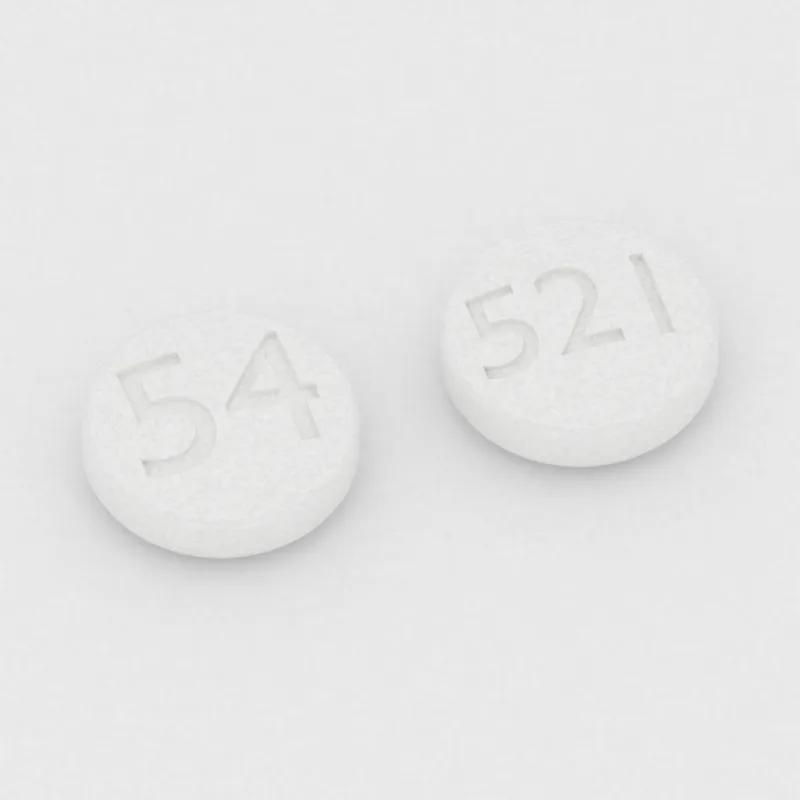
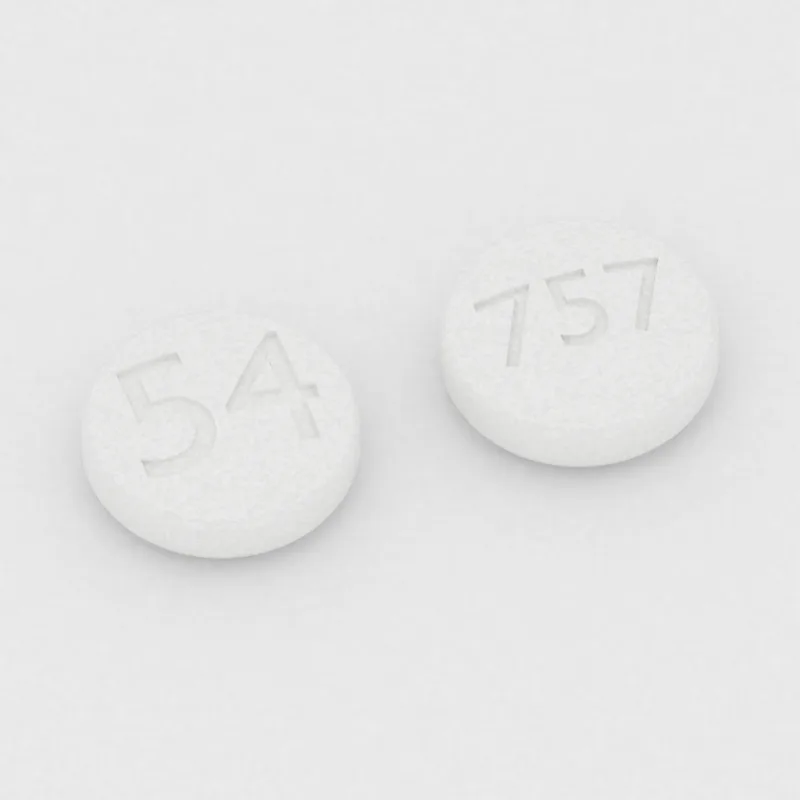
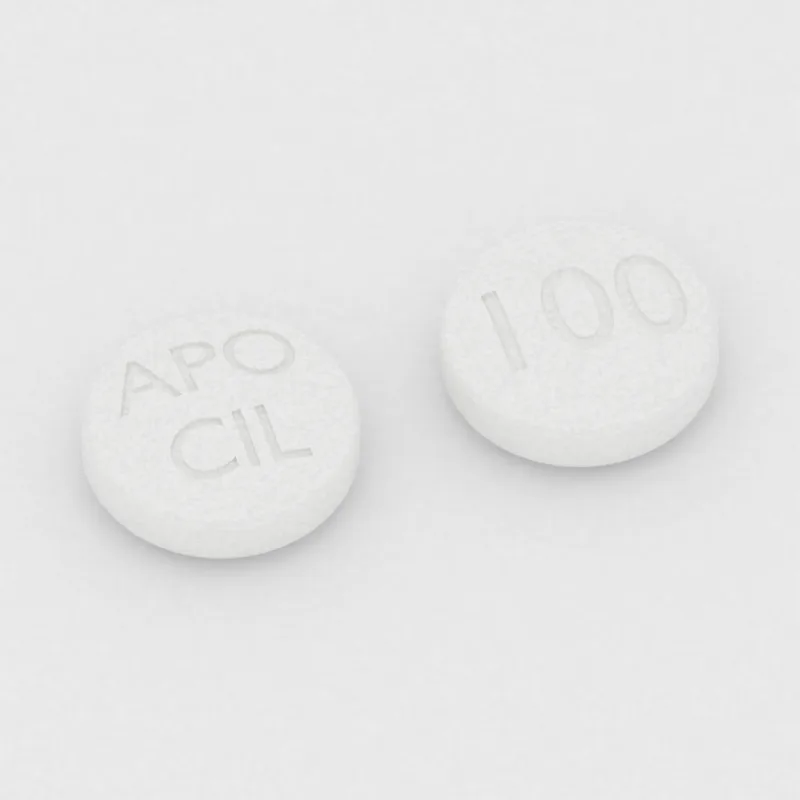
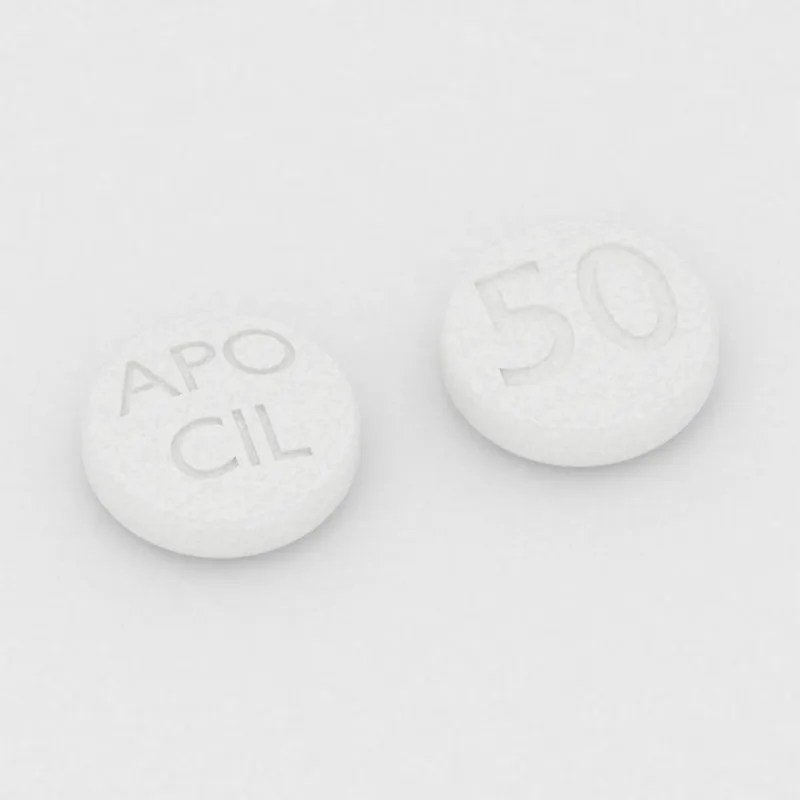
Darstellungen nach den Produktangaben der FDA-Fachinformationen: Farbe, Form, Größe und Prägung. 9 dokumentierte Varianten von 5 Anbietern.
Wechselwirkungen laut Fachinformation
Schwerwiegende Wechselwirkungen (20)
CIBINQO is contraindicated in patients taking antiplatelet therapies, except for low-dose aspirin (≤81 mg daily), during the first 3 months of treatment [see Warnings and Precautions (5.7) , Drug Interactions (7.2) , and Clinical Pharmacology (12.2) ]. (Fachinformation zu Abrocitinib, Gegenanzeigen)
Avoid use of drug products with similar properties such as inotropes and other PDE3 inhibitors (e.g., cilostazol, milrinone) [see Warnings and Precautions (5.1) and Clinical Pharmacology (12.2) ] . (Fachinformation zu Anagrelid, Arzneimittelwechselwirkungen)
…hematomas in these patients include: • use of indwelling epidural catheters • concomitant use of other drugs that affect hemostasis, such as nonsteroidal anti-inflammatory drugs (NSAIDs), platelet inhibitors, other anticoagulants • a history of traumatic or repeated epidural or spinal punctures • a history of spinal deformity or spinal surgery • optimal timing between… (Fachinformation zu Apixaban, Boxed Warning (umrahmter Warnhinweis))
Celecoxib 100 mg twice daily was non-inferior to naproxen 375 to 500 mg twice daily and ibuprofen 600 to 800 mg three times daily for the composite endpoint of the Antiplatelet Trialists' Collaboration (APTC), which consists of cardiovascular death (including hemorrhagic death), non-fatal myocardial infarction, and non-fatal stroke [ see Clinical Studies (14.5)… (Fachinformation zu Celecoxib, Warnhinweise und Vorsichtsmaßnahmen)
Prevention or Management Avoid co-administration of potent ENT1, CNT3, or BCRP transporter inhibitors (e.g., ritonavir, eltrombopag, curcumin, cyclosporine, dilazep, nifedipine, nimodipine, cilostazol, sulindac, dipyridamole, or reserpine) during the 4 to 5 day MAVENCLAD treatment cycles. (Fachinformation zu Cladribin, Arzneimittelwechselwirkungen)
Co-administration of these phosphodiesterase inhibitors with clarithromycin is not recommended. (Fachinformation zu Clarithromycin, Arzneimittelwechselwirkungen)
…hematomas in these patients include: use of indwelling epidural catheters concomitant use of other drugs that affect hemostasis, such as non-steroidal anti-inflammatory drugs (NSAIDs), platelet inhibitors, other anticoagulants a history of traumatic or repeated epidural or spinal punctures a history of spinal deformity or spinal surgery optimal timing between the… (Fachinformation zu Dabigatran, Boxed Warning (umrahmter Warnhinweis))
…hematomas in these patients include: use of indwelling epidural catheters concomitant use of other drugs that affect hemostasis, such as nonsteroidal anti-inflammatory drugs (NSAIDs), platelet inhibitors, other anticoagulants a history of traumatic or repeated epidural or spinal punctures a history of spinal deformity or spinal surgery optimal timing between the… (Fachinformation zu Edoxaban, Boxed Warning (umrahmter Warnhinweis))
Antiplatelets: ticagrelor ↑ ticagrelor Coadminstration with ticagrelor is not recommended. clopidogrel ↓ clopidogrel active metabolite Coadministration with clopidogrel is not recommended due to protential reduction of the antiplatelet activity of clopidogrel. (Fachinformation zu Elvitegravir, Cobicistat, Emtricitabin und Tenofovir, Arzneimittelwechselwirkungen)
…hematomas in these patients include: Use of indwelling epidural catheters Concomitant use of other drugs that affect hemostasis, such as non-steroidal anti-inflammatory drugs (NSAIDs), platelet inhibitors, and other anticoagulants A history of traumatic or repeated epidural or spinal punctures A history of spinal deformity or spinal surgery Optimal timing between… (Fachinformation zu Enoxaparin, Boxed Warning (umrahmter Warnhinweis))
…in these patients include: • use of indwelling epidural catheters • concomitant use of other drugs that affect hemostasis, such as non-steroidal anti-inflammatory drugs (NSAIDs), platelet inhibitors, or other anticoagulants • a history of traumatic or repeated epidural or spinal puncture • a history of spinal deformity or spinal surgery • Optimal timing between… (Fachinformation zu Fondaparinux, Boxed Warning (umrahmter Warnhinweis))
Do not use Isosorbide Dinitrate in patients who are taking certain drugs for erectile dysfunction (phosphodiesterase inhibitors), such as sildenafil, tadalafil, or vardenafil. (Fachinformation zu Isosorbiddinitrat, Gegenanzeigen)
Phosphodiesterase Inhibitors Isosorbide dinitrate and hydralazine hydrochloride tablets are contraindicated in patients who are using a selective inhibitor of cyclic guanosine monophosphate (cGMP)-specific phosphodiesterase type 5 (PDE5), PDE5 inhibitors such as avanafil, sildenafil, vardenafil, and tadalafil have been shown to potentiate the hypotensive effects… (Fachinformation zu Isosorbiddinitrat und Hydralazin, Arzneimittelwechselwirkungen)
Do not use isosorbide mononitrate in patients who are taking certain drugs for erectile dysfunction (phosphodiesterase inhibitors), such as sildenafil, tadalafil, or vardenafil. (Fachinformation zu Isosorbidmononitrat, Gegenanzeigen)
Anticoagulants and Antiplatelets Ticagrelor Contraindicated during and 2 weeks after TOLSURA treatment. (Fachinformation zu Itraconazol, Arzneimittelwechselwirkungen)
Phosphodiesterase Inhibitors Concomitant administration of Adempas with specific PDE-5 inhibitors (such as sildenafil, tadalafil, or vardenafil) or nonspecific PDE-5 inhibitors (such as dipyridamole or theophylline) is contraindicated [see Dosage and Administration (2.6), Drug Interactions ( 7.1 ) and Clinical Pharmacology ( 12.2 )]. (Fachinformation zu Riociguat, Gegenanzeigen)
…in these patients include: • use of indwelling epidural catheters • concomitant use of other drugs that affect hemostasis, such as non-steroidal anti-inflammatory drugs (NSAIDs), platelet inhibitors, other anticoagulants • a history of traumatic or repeated epidural or spinal punctures • a history of spinal deformity or spinal surgery • optimal timing between… (Fachinformation zu Rivaroxaban, Boxed Warning (umrahmter Warnhinweis))
WARNING: BLEEDING RISK • BRILINTA, like other antiplatelet agents, can cause significant, sometimes fatal bleeding ( 5.1 , 6.1 ). (Fachinformation zu Ticagrelor, Boxed Warning (umrahmter Warnhinweis))
Mittelschwere Wechselwirkungen (85)
- AlteplaseMittelschwer
Anticoagulants and antiplatelet drugs increase the risk of bleeding if administered prior to, during, or after Activase therapy. (Fachinformation zu Alteplase, Arzneimittelwechselwirkungen)
Inhibitors of CYP3A4 or CYP2C19 Inhibitors of CYP3A4 Coadministration of strong (e.g., ketoconazole) and moderate (e.g., erythromycin, diltiazem and grapefruit juice) CYP3A4 inhibitors can increase exposure to cilostazol. (Fachinformation zu Cilostazol, Arzneimittelwechselwirkungen)
Inhibitors of CYP3A4 or CYP2C19 Inhibitors of CYP3A4 Coadministration of strong (e.g., ketoconazole) and moderate (e.g., erythromycin, diltiazem and grapefruit juice) CYP3A4 inhibitors can increase exposure to cilostazol. (Fachinformation zu Cilostazol, Arzneimittelwechselwirkungen)
Concomitant use of argatroban with antiplatelet agents, thrombolytics, and other anticoagulants may increase the risk of bleeding. (Fachinformation zu Argatroban, Warnhinweise und Vorsichtsmaßnahmen)
Strong and moderate CYP3A4 and CYP2C19 inhibitors: Increase exposure to cilostazol. (Fachinformation zu Cilostazol, Arzneimittelwechselwirkungen)
Strong and moderate CYP3A4 and CYP2C19 inhibitors: Increase exposure to cilostazol. (Fachinformation zu Cilostazol, Arzneimittelwechselwirkungen)
Inhibitors of CYP3A4 or CYP2C19 Inhibitors of CYP3A4 Coadministration of strong (e.g., ketoconazole) and moderate (e.g., erythromycin, diltiazem and grapefruit juice) CYP3A4 inhibitors can increase exposure to cilostazol. (Fachinformation zu Cilostazol, Arzneimittelwechselwirkungen)
Strong and moderate CYP3A4 and CYP2C19 inhibitors: Increase exposure to cilostazol. (Fachinformation zu Cilostazol, Arzneimittelwechselwirkungen)
Increased Risk of Bleeding: Concomitant use of aspirin, nonsteroidal anti-inflammatory drugs, other antiplatelet drugs, warfarin, and other anticoagulants may increase this risk. (Fachinformation zu Citalopram, Warnhinweise und Vorsichtsmaßnahmen)
Other Antiplatelet Agents: Increases the risk of bleeding due to an additive effect. (Fachinformation zu Clopidogrel, Arzneimittelwechselwirkungen)
• Increased Risk of Bleeding: Concomitant use of aspirin, NSAIDs, other antiplatelet drugs, warfarin, and other anticoagulants may increase this risk ( 5.4 ). (Fachinformation zu Desvenlafaxin, Warnhinweise und Vorsichtsmaßnahmen)
Intervention: Monitor patients with concomitant use of ZIPSOR with anticoagulants (e.g., warfarin), antiplatelet agents (e.g., aspirin), selective serotonin reuptake inhibitors (SSRIs), and serotonin norepinephrine reuptake inhibitors (SNRIs) for signs of bleeding [ see Warnings and Precautions ( 5.12 ) ]. (Fachinformation zu Diclofenac, Arzneimittelwechselwirkungen)
Other factors that increase the risk of GI bleeding in patients treated with NSAIDs include longer duration of NSAID therapy; concomitant use of oral corticosteroids, antiplatelet drugs (such as aspirin), anticoagulants, or selective serotonin reuptake inhibitors (SSRIs); smoking; use of alcohol; older age; and poor general health status. (Fachinformation zu Diclofenac und Misoprostol, Warnhinweise und Vorsichtsmaßnahmen)
Inhibitors of CYP3A4 or CYP2C19 Inhibitors of CYP3A4 Coadministration of strong (e.g., ketoconazole) and moderate (e.g., erythromycin, diltiazem and grapefruit juice) CYP3A4 inhibitors can increase exposure to cilostazol. (Fachinformation zu Cilostazol, Arzneimittelwechselwirkungen)
Inhibitors of CYP3A4 or CYP2C19 Inhibitors of CYP3A4 Coadministration of strong (e.g., ketoconazole) and moderate (e.g., erythromycin, diltiazem and grapefruit juice) CYP3A4 inhibitors can increase exposure to cilostazol. (Fachinformation zu Cilostazol, Arzneimittelwechselwirkungen)
Concomitant use of antiplatelet drugs and anticoagulants may increase this risk. (Fachinformation zu Duloxetin, Warnhinweise und Vorsichtsmaßnahmen)
Strong and moderate CYP3A4 and CYP2C19 inhibitors: Increase exposure to cilostazol. (Fachinformation zu Cilostazol, Arzneimittelwechselwirkungen)
Strong and moderate CYP3A4 and CYP2C19 inhibitors: Increase exposure to cilostazol. (Fachinformation zu Cilostazol, Arzneimittelwechselwirkungen)
When other antiplatelet agents or anticoagulants are used concomitantly, there is the potential for VELETRI to increase the risk of bleeding. (Fachinformation zu Epoprostenol, Arzneimittelwechselwirkungen)
Use of Thrombolytics, Anticoagulants, and Other Antiplatelet Agents Risk factors for bleeding include older age, a history of bleeding disorders, and concomitant use of drugs that increase the risk of bleeding (thrombolytics, oral anticoagulants, nonsteroidal anti-inflammatory drugs, and P2Y 12 inhibitors). (Fachinformation zu Eptifibatid, Warnhinweise und Vorsichtsmaßnahmen)
Inhibitors of CYP3A4 or CYP2C19 Inhibitors of CYP3A4 Coadministration of strong (e.g., ketoconazole) and moderate (e.g., erythromycin, diltiazem and grapefruit juice) CYP3A4 inhibitors can increase exposure to cilostazol. (Fachinformation zu Cilostazol, Arzneimittelwechselwirkungen)
Increased Risk of Bleeding: Concomitant use of nonsteroidal anti-inflammatory drugs, aspirin, other antiplatelet drugs, warfarin and other anticoagulants may increase risk ( 5.7 , 7) (Fachinformation zu Escitalopram, Warnhinweise und Vorsichtsmaßnahmen)
Strong and moderate CYP3A4 and CYP2C19 inhibitors: Increase exposure to cilostazol. (Fachinformation zu Cilostazol, Arzneimittelwechselwirkungen)
Strong and moderate CYP3A4 and CYP2C19 inhibitors: Increase exposure to cilostazol. (Fachinformation zu Cilostazol, Arzneimittelwechselwirkungen)
Inhibitors of CYP3A4 or CYP2C19 Inhibitors of CYP3A4 Coadministration of strong (e.g., ketoconazole) and moderate (e.g., erythromycin, diltiazem and grapefruit juice) CYP3A4 inhibitors can increase exposure to cilostazol. (Fachinformation zu Cilostazol, Arzneimittelwechselwirkungen)
Co-morbid conditions such as coagulation disorders, concomitant use of warfarin, other anticoagulants, antiplatelet agents (e.g., aspirin), serotonin reuptake inhibitors (SSRIs) and serotonin norepinephrine reuptake inhibitors (SNRIs) may increase this risk. (Fachinformation zu Fenoprofen, Warnhinweise und Vorsichtsmaßnahmen)
Strong and moderate CYP3A4 and CYP2C19 inhibitors: Increase exposure to cilostazol. (Fachinformation zu Cilostazol, Arzneimittelwechselwirkungen)
Co-morbid conditions such as coagulation disorders of concomitant use of warfarin, other anticoagulants, antiplatelet agents (e.g., aspirin), serotonin reuptake inhibitors (SSRIs), and serotonin norepinephrine reuptake inhibitors (SNRIs) may increase this risk. (Fachinformation zu Flurbiprofen, Warnhinweise und Vorsichtsmaßnahmen)
Strong and moderate CYP3A4 and CYP2C19 inhibitors: Increase exposure to cilostazol. (Fachinformation zu Cilostazol, Arzneimittelwechselwirkungen)
Inhibitors of CYP3A4 or CYP2C19 Inhibitors of CYP3A4 Coadministration of strong (e.g., ketoconazole) and moderate (e.g., erythromycin, diltiazem and grapefruit juice) CYP3A4 inhibitors can increase exposure to cilostazol. (Fachinformation zu Cilostazol, Arzneimittelwechselwirkungen)
Carbamazepine, felbamate, lamotrigine, topiramate, oxcarbazepine, lacosamide Antiplatelets Ticagrelor Antilipidemic agents Atorvastatin, fluvastatin, simvastatin Antiviral agents Efavirenz, lopinavir/ritonavir, indinavir, nelfinavir, ritonavir, saquinavir Fosamprenavir: phenytoin when given with fosamprenavir alone may decrease the concentration of amprenavir,… (Fachinformation zu Fosphenytoin, Arzneimittelwechselwirkungen)
Ginkgo kann das Blutungsrisiko erhöhen, wenn es zusammen mit Antikoagulanzien oder Thrombozytenaggregationshemmern eingenommen wird. (NCCIH, Ginkgo)
Inhibitors of CYP3A4 or CYP2C19 Inhibitors of CYP3A4 Coadministration of strong (e.g., ketoconazole) and moderate (e.g., erythromycin, diltiazem and grapefruit juice) CYP3A4 inhibitors can increase exposure to cilostazol. (Fachinformation zu Cilostazol, Arzneimittelwechselwirkungen)
Platelet Inhibitors Drugs such as acetylsalicylic acid, dextran, phenylbutazone, ibuprofen, indomethacin, dipyridamole, hydroxychloroquine and others that interfere with platelet-aggregation reactions (the main hemostatic defense of heparinized patients) may induce bleeding and should be used with caution in patients receiving heparin sodium. (Fachinformation zu Heparin, Arzneimittelwechselwirkungen)
Co-morbid conditions such as coagulation disorders, concomitant use of warfarin, other anticoagulants, antiplatelet agents (e.g., aspirin), serotonin reuptake inhibitors (SSRIs), and serotonin norepinephrine reuptake inhibitors (SNRIs) may increase this risk. (Fachinformation zu Hydrocodon und Ibuprofen, Warnhinweise)
Co-morbid conditions such as coagulation disorder, concomitant use of warfarin, other anticoagulants, antiplatelet agents (e.g., aspirin), serotonin reuptake inhibitors (SSRIs) and serotonin norepinephrine reuptake inhibitors (SNRIs) may increase this risk. (Fachinformation zu Ibuprofen, Warnhinweise und Vorsichtsmaßnahmen)
Co-morbid conditions such as coagulation disorders or concomitant use of warfarin, and other anticoagulants, antiplatelet agents (e.g., aspirin), serotonin reuptake inhibitors (SSRIs) and serotonin norepinephrine reuptake inhibitors (SNRIs) may increase the risk. (Fachinformation zu Ibuprofen und Famotidin, Warnhinweise und Vorsichtsmaßnahmen)
Increased Bleeding Risk with Anticoagulants and Antiplatelet Agents: Some published studies with omega-3 fatty acids have demonstrated prolongation of bleeding time. (Fachinformation zu Icosapent-Ethyl, Arzneimittelwechselwirkungen)
Inhibitors of CYP3A4 or CYP2C19 Inhibitors of CYP3A4 Coadministration of strong (e.g., ketoconazole) and moderate (e.g., erythromycin, diltiazem and grapefruit juice) CYP3A4 inhibitors can increase exposure to cilostazol. (Fachinformation zu Cilostazol, Arzneimittelwechselwirkungen)
Co-morbid conditions, such as coagulation disorders, or concomitant use of warfarin, other anticoagulants, antiplatelet agents (e.g., aspirin), serotonin reuptake inhibitors (SSRIs) and serotonin norepinephrine reuptake inhibitors (SNRIs) may increase this risk. (Fachinformation zu Indometacin, Warnhinweise und Vorsichtsmaßnahmen)
Strong and moderate CYP3A4 and CYP2C19 inhibitors: Increase exposure to cilostazol. (Fachinformation zu Cilostazol, Arzneimittelwechselwirkungen)
Inhibitors of CYP3A4 or CYP2C19 Inhibitors of CYP3A4 Coadministration of strong (e.g., ketoconazole) and moderate (e.g., erythromycin, diltiazem and grapefruit juice) CYP3A4 inhibitors can increase exposure to cilostazol. (Fachinformation zu Cilostazol, Arzneimittelwechselwirkungen)
Inhibitors of CYP3A4 or CYP2C19 Inhibitors of CYP3A4 Coadministration of strong (e.g., ketoconazole) and moderate (e.g., erythromycin, diltiazem and grapefruit juice) CYP3A4 inhibitors can increase exposure to cilostazol. (Fachinformation zu Cilostazol, Arzneimittelwechselwirkungen)
Inhibitors of CYP3A4 or CYP2C19 Inhibitors of CYP3A4 Coadministration of strong (e.g., ketoconazole) and moderate (e.g., erythromycin, diltiazem and grapefruit juice) CYP3A4 inhibitors can increase exposure to cilostazol. (Fachinformation zu Cilostazol, Arzneimittelwechselwirkungen)
Increased Risk of Bleeding : Concomitant use of NSAIDs, aspirin, other antiplatelet drugs, warfarin, and other anticoagulants may increase this risk ( 5.5 ). (Fachinformation zu Levomilnacipran, Warnhinweise und Vorsichtsmaßnahmen)
- LomitapidMittelschwer
Weak CYP3A4 Inhibitors Weak CYP3A4 inhibitors (such as alprazolam, amiodarone, amlodipine, atorvastatin, bicalutamide, cilostazol, cimetidine, cyclosporine, fluoxetine, fluvoxamine, ginkgo, goldenseal, isoniazid, lapatinib, nilotinib, pazopanib, ranitidine, ranolazine, ticagrelor, zileuton) can increase lomitapide exposure approximately 2-fold [see Clinical Pharmacology… (Fachinformation zu Lomitapid, Arzneimittelwechselwirkungen)
Co-morbid conditions such as coagulation disorders or concomitant use of warfarin, other anticoagulants, antiplatelet agents (e.g., aspirin), serotonin reuptake inhibitors (SSRIs) and serotonin norepinephrine reuptake inhibitors (SNRIs) may increase this risk. (Fachinformation zu Mefenaminsäure, Warnhinweise und Vorsichtsmaßnahmen)
Co-morbid conditions such as coagulation disorders or concomitant use of warfarin, other anticoagulants, antiplatelet agents (e.g., aspirin), serotonin reuptake inhibitors (SSRIs) and serotonin norepinephrine reuptake inhibitors (SNRIs) may increase this risk. (Fachinformation zu Meloxicam, Warnhinweise und Vorsichtsmaßnahmen)
Inhibitors of CYP3A4 or CYP2C19 Inhibitors of CYP3A4 Coadministration of strong (e.g., ketoconazole) and moderate (e.g., erythromycin, diltiazem and grapefruit juice) CYP3A4 inhibitors can increase exposure to cilostazol. (Fachinformation zu Cilostazol, Arzneimittelwechselwirkungen)
Drugs that Interfere with Hemostasis Concomitant use of milnacipran hydrochloride with an antiplatelet or anticoagulant drug (e.g., NSAIDs, aspirin, and warfarin) may potentiate the risk of bleeding. (Fachinformation zu Milnacipran, Arzneimittelwechselwirkungen)
Inhibitors of CYP3A4 or CYP2C19 Inhibitors of CYP3A4 Coadministration of strong (e.g., ketoconazole) and moderate (e.g., erythromycin, diltiazem and grapefruit juice) CYP3A4 inhibitors can increase exposure to cilostazol. (Fachinformation zu Cilostazol, Arzneimittelwechselwirkungen)
Misoprostol does not exert clinically significant effects on the absorption, blood levels, and antiplatelet effects of therapeutic doses of aspirin. (Fachinformation zu Misoprostol, Arzneimittelwechselwirkungen)
Concomitant use of warfarin and other anticoagulants, antiplatelet agents (e.g., aspirin), serotonin reuptake inhibitors (SSRIs), and serotonin norepinephrine reuptake inhibitors (SNRIs) may increase this risk. (Fachinformation zu Naproxen, Warnhinweise und Vorsichtsmaßnahmen)
Strong and moderate CYP3A4 and CYP2C19 inhibitors: Increase exposure to cilostazol. (Fachinformation zu Cilostazol, Arzneimittelwechselwirkungen)
Inhibitors of CYP3A4 or CYP2C19 Inhibitors of CYP3A4 Coadministration of strong (e.g., ketoconazole) and moderate (e.g., erythromycin, diltiazem and grapefruit juice) CYP3A4 inhibitors can increase exposure to cilostazol. (Fachinformation zu Cilostazol, Arzneimittelwechselwirkungen)
Strong and moderate CYP3A4 and CYP2C19 inhibitors: Increase exposure to cilostazol. (Fachinformation zu Cilostazol, Arzneimittelwechselwirkungen)
Strong and moderate CYP3A4 and CYP2C19 inhibitors: Increase exposure to cilostazol. (Fachinformation zu Cilostazol, Arzneimittelwechselwirkungen)
Other factors that increase the risk of GI bleeding in patients treated with NSAIDs include longer duration of NSAID therapy; concomitant use of oral corticosteroids, antiplatelet drugs (such as aspirin), anticoagulants, or selective serotonin reuptake inhibitors (SSRIs); smoking; use of alcohol; older age; and poor general health status. (Fachinformation zu Oxaprozin, Warnhinweise und Vorsichtsmaßnahmen)
Inhibitors of CYP3A4 or CYP2C19 Inhibitors of CYP3A4 Coadministration of strong (e.g., ketoconazole) and moderate (e.g., erythromycin, diltiazem and grapefruit juice) CYP3A4 inhibitors can increase exposure to cilostazol. (Fachinformation zu Cilostazol, Arzneimittelwechselwirkungen)
Co-morbid conditions such as coagulation disorders or concomitant use of warfarin, other anticoagulants, antiplatelet agents (e.g., aspirin), serotonin reuptake inhibitors (SSRIs) and serotonin norepinephrine reuptake inhibitors (SNRIs) may increase this risk. (Fachinformation zu Paracetamol und Ibuprofen, Warnhinweise und Vorsichtsmaßnahmen)
Increased Risk of Bleeding: Concomitant use of aspirin, nonsteroidal anti-inflammatory drugs, other antiplatelet drugs, warfarin, and other anticoagulant drugs may increase risk. (Fachinformation zu Paroxetin, Warnhinweise und Vorsichtsmaßnahmen)
DRUG INTERACTIONS Bleeding has been reported in patients treated with pentoxifylline extended-release tablets with or without concomitant NSAIDs, anticoagulants, or platelet aggregation inhibitors. (Fachinformation zu Pentoxifyllin, Arzneimittelwechselwirkungen)
Inhibitors of CYP3A4 or CYP2C19 Inhibitors of CYP3A4 Coadministration of strong (e.g., ketoconazole) and moderate (e.g., erythromycin, diltiazem and grapefruit juice) CYP3A4 inhibitors can increase exposure to cilostazol. (Fachinformation zu Cilostazol, Arzneimittelwechselwirkungen)
Strong and moderate CYP3A4 and CYP2C19 inhibitors: Increase exposure to cilostazol. (Fachinformation zu Cilostazol, Arzneimittelwechselwirkungen)
Carbamazepine, felbamate, lamotrigine, topiramate, oxcarbazepine, lacosamide Antilipidemic agents Atorvastatin, fluvastatin, simvastatin Antiplatelets Ticagrelor Antiviral agents Efavirenz, lopinavir/ritonavir, indinavir, nelfinavir, ritonavir, saquinavir Fosamprenavir: phenytoin when given with fosamprenavir alone may decrease the concentration of amprenavir,… (Fachinformation zu Phenytoin, Arzneimittelwechselwirkungen)
Other factors that increase the risk of GI bleeding in patients treated with NSAIDs include longer duration of NSAID therapy; concomitant use of oral corticosteroids, antiplatelet drugs (such as aspirin), anticoagulants, or selective serotonin reuptake inhibitors (SSRIs); smoking; use of alcohol; older age; and poor general health status. (Fachinformation zu Piroxicam, Warnhinweise und Vorsichtsmaßnahmen)
Inhibitors of CYP3A4 or CYP2C19 Inhibitors of CYP3A4 Coadministration of strong (e.g., ketoconazole) and moderate (e.g., erythromycin, diltiazem and grapefruit juice) CYP3A4 inhibitors can increase exposure to cilostazol. (Fachinformation zu Cilostazol, Arzneimittelwechselwirkungen)
Inhibitors of CYP3A4 or CYP2C19 Inhibitors of CYP3A4 Coadministration of strong (e.g., ketoconazole) and moderate (e.g., erythromycin, diltiazem and grapefruit juice) CYP3A4 inhibitors can increase exposure to cilostazol. (Fachinformation zu Cilostazol, Arzneimittelwechselwirkungen)
Increased Risk of Bleeding: Concomitant use of aspirin, nonsteroidal anti-inflammatory drugs (NSAIDs), other antiplatelet drugs, warfarin, and other anticoagulants may increase this risk ( 5.3 ) (Fachinformation zu Sertralin, Warnhinweise und Vorsichtsmaßnahmen)
Co-morbid conditions such as coagulation disorders or concomitant use of warfarin, other anticoagulants, antiplatelet agents (e.g., aspirin), serotonin reuptake inhibitors (SSRIs), and serotonin norepinephrine reuptake inhibitors (SNRIs) may increase this risk. (Fachinformation zu Sumatriptan und Naproxen, Warnhinweise und Vorsichtsmaßnahmen)
Inhibitors of CYP3A4 or CYP2C19 Inhibitors of CYP3A4 Coadministration of strong (e.g., ketoconazole) and moderate (e.g., erythromycin, diltiazem and grapefruit juice) CYP3A4 inhibitors can increase exposure to cilostazol. (Fachinformation zu Cilostazol, Arzneimittelwechselwirkungen)
- TenecteplaseMittelschwer
Should serious bleeding that is not controlled by local pressure occur, discontinue any concomitant heparin or antiplatelet agents immediately and treat appropriately. (Fachinformation zu Tenecteplase, Warnhinweise und Vorsichtsmaßnahmen)
Strong and moderate CYP3A4 and CYP2C19 inhibitors: Increase exposure to cilostazol. (Fachinformation zu Cilostazol, Arzneimittelwechselwirkungen)
Increased Risk of Bleeding: Concomitant use of aspirin, nonsteroidal anti-inflammatory drugs (NSAIDs), other antiplatelet drugs, warfarin, and other anticoagulants may increase this risk ( 5.5 ). (Fachinformation zu Trazodon, Warnhinweise und Vorsichtsmaßnahmen)
Inhibitors of CYP3A4 or CYP2C19 Inhibitors of CYP3A4 Coadministration of strong (e.g., ketoconazole) and moderate (e.g., erythromycin, diltiazem and grapefruit juice) CYP3A4 inhibitors can increase exposure to cilostazol. (Fachinformation zu Cilostazol, Arzneimittelwechselwirkungen)
Increased Risk of Bleeding: Concomitant use of aspirin, nonsteroidal anti-inflammatory drugs (NSAIDs), other antiplatelet drugs, warfarin, and other anticoagulants may increase this risk ( 5.3 ) (Fachinformation zu Vilazodon, Warnhinweise und Vorsichtsmaßnahmen)
Vitamin E kann die Thrombozytenaggregation und die Vitamin-K-abhängige Gerinnung hemmen, was das Blutungsrisiko unter Antikoagulanzien und Thrombozytenaggregationshemmern erhöht. (NIH Office of Dietary Supplements, Vitamin E)
Strong and moderate CYP3A4 and CYP2C19 inhibitors: Increase exposure to cilostazol. (Fachinformation zu Cilostazol, Arzneimittelwechselwirkungen)
• Increased Risk of Bleeding : Concomitant use of aspirin, nonsteroidal anti-inflammatory drugs, other antiplatelet drugs, warfarin, or other drugs that affect coagulation may increase risk ( 5.3 ). (Fachinformation zu Vortioxetin, Warnhinweise und Vorsichtsmaßnahmen)
…montelukast, moricizine, omeprazole, phenobarbital, phenytoin, cigarette smoking CYP3A4 alprazolam, amiodarone, amlodipine, amprenavir, aprepitant, atorvastatin, atazanavir, bicalutamide, cilostazol, cimetidine, ciprofloxacin, clarithromycin, conivaptan, cyclosporine, darunavir/ritonavir, diltiazem, erythromycin, fluconazole, fluoxetine, fluvoxamine, fosamprenavir, imatinib,… (Fachinformation zu Warfarin, Arzneimittelwechselwirkungen)
Geringfügige Erwähnungen (4)
If possible, assess the presence of drug-dependent antiplatelet antibodies. (Fachinformation zu Ethosuximid, Warnhinweise)
Omega-3-Präparate können die Blutungszeit leicht verlängern; die Kombination mit Antikoagulanzien wie Warfarin rechtfertigt eine Überwachung, obwohl klinisch bedeutsame Blutungen nicht durchgängig gezeigt wurden. (NIH Office of Dietary Supplements, Omega-3 Fatty Acids)
Knoblauchpräparate können das Blutungsrisiko unter Antikoagulanzien wie Warfarin erhöhen. (NCCIH, Garlic)
Weak inhibitors include chlorzoxazone, cilostazol, and ranitidine. (Fachinformation zu Methylergometrin, Arzneimittelwechselwirkungen)
Keine relevante Wechselwirkung berichtet (1)
Platelet Aggregation Inhibitors Clopidogrel: No clinically significant pharmacodynamic interactions were observed when clopidogrel was co-administered with nifedipine. (Fachinformation zu Nifedipin, Arzneimittelwechselwirkungen)
Prüfen Sie Cilostazol gegen alles, was Sie einnehmen. Fügen Sie Ihre gesamte Liste hinzu; alle Paare werden auf einmal geprüft.
Im Wechselwirkungscheck öffnenKeine medizinische Beratung. Der Schweregrad gibt die Formulierung der Fachinformation wieder, nicht Ihre persönlichen Umstände. Eine als „schwerwiegend“ eingestufte Wechselwirkung kann unter Aufsicht Routine sein, und eine „geringfügige“ kann bei hohen Dosen von Bedeutung sein. Fragen Sie in einer Apotheke nach.