
Silostazol etkileşimleri
antitrombosit ilaç sınıfından Silostazol (Pletal) için dizinlediğimiz FDA etiketlerinde ve bilgi sayfalarında 110 belgelenmiş etkileşim var: 20 majör, 85 orta, 4 minör ve bir etiketin anlamlı etkileşim olmadığını bildirdiği 1 çift. Aşağıdaki her kayıt, dayandığı cümleyi alıntılar. Bu ilaç sayfası bir başlangıç noktasıdır; sizin durumunuz için verilmiş bir hüküm değildir.
Silostazol nasıl görünür
9 sürümün tümü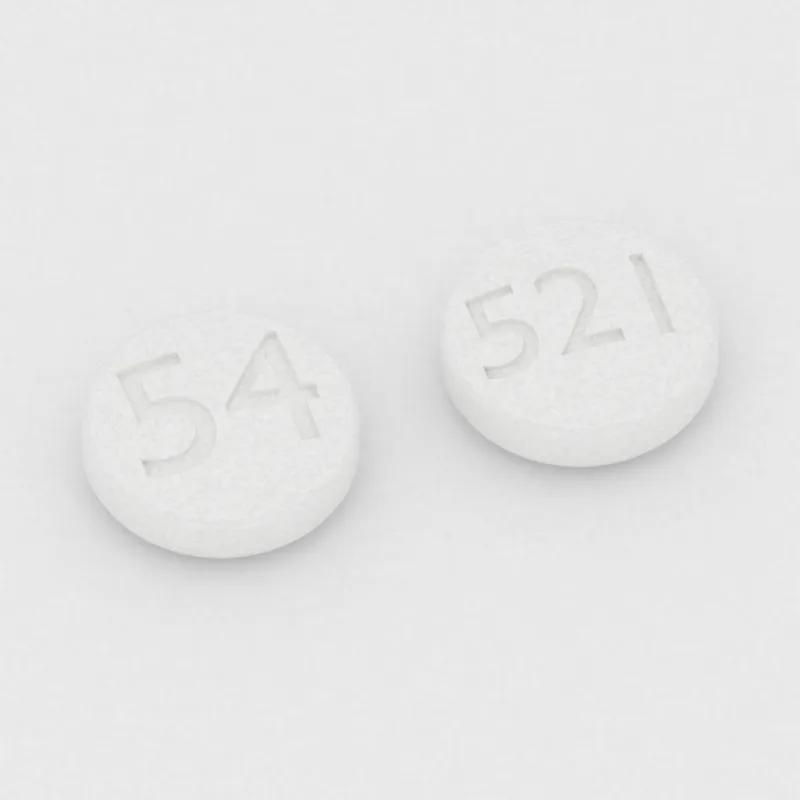
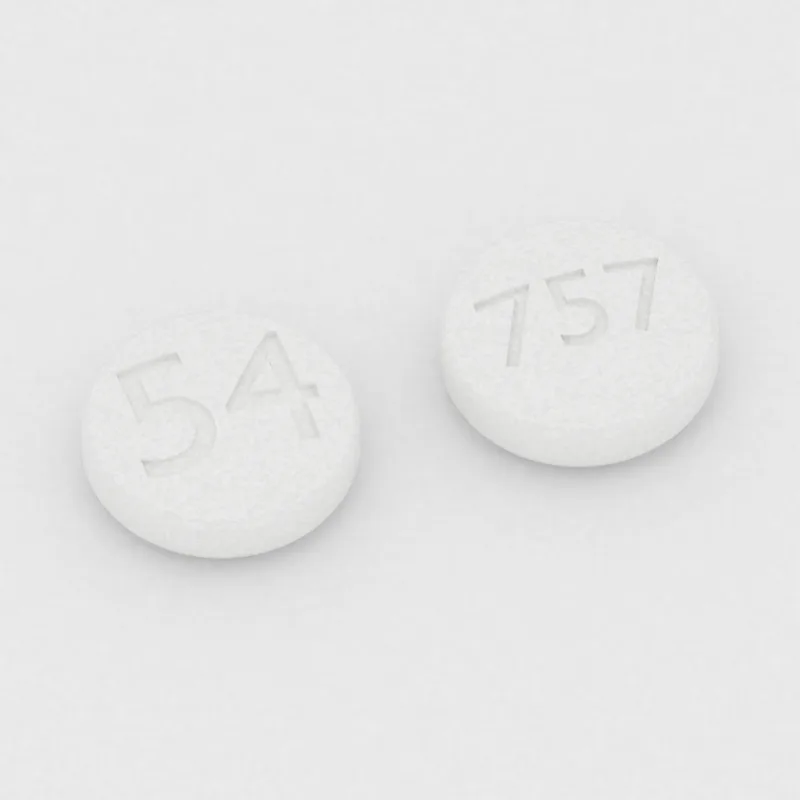
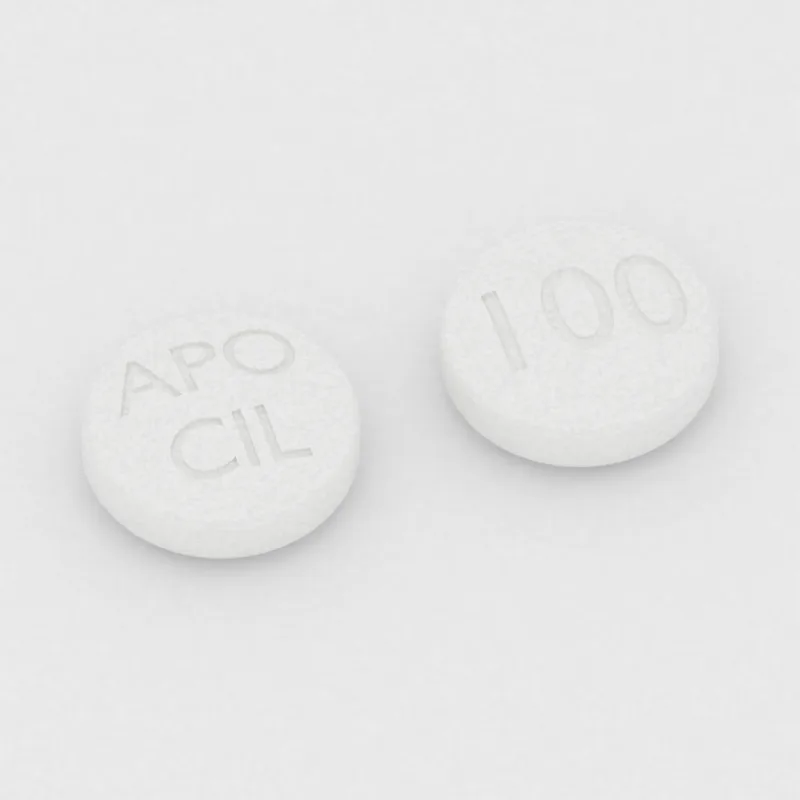
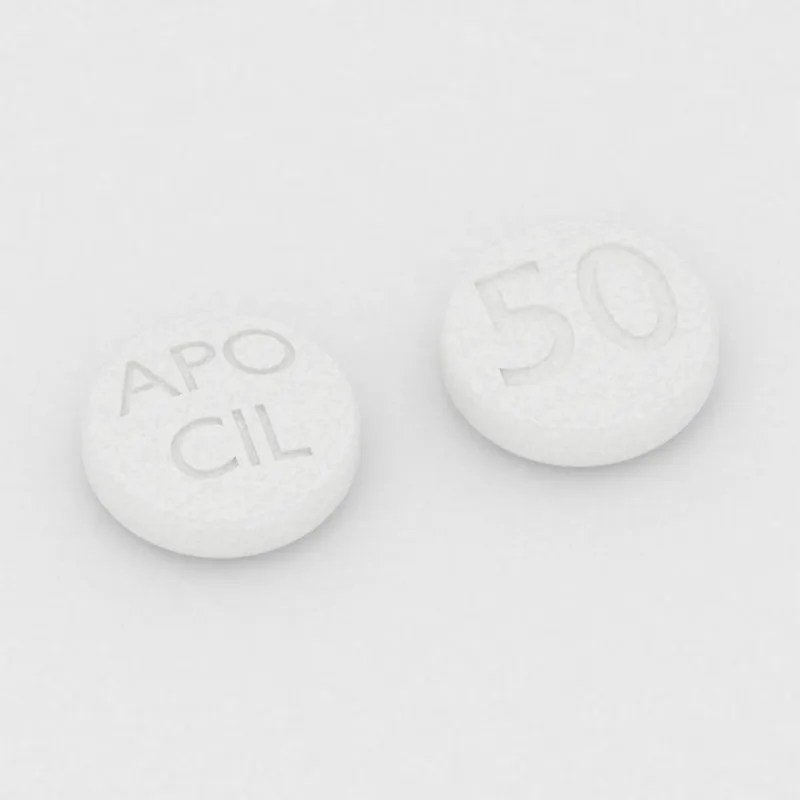
Çizimler, FDA etiketlerindeki ürün bilgilerinden oluşturulmuştur: renk, şekil, boyut ve baskı. 5 firmaya ait 9 belgelenmiş sürüm.
Etikete göre etkileşimler
Majör etkileşimler (20)
CIBINQO is contraindicated in patients taking antiplatelet therapies, except for low-dose aspirin (≤81 mg daily), during the first 3 months of treatment [see Warnings and Precautions (5.7) , Drug Interactions (7.2) , and Clinical Pharmacology (12.2) ]. (Abrositinib etiketi, Kontrendikasyonlar)
Avoid use of drug products with similar properties such as inotropes and other PDE3 inhibitors (e.g., cilostazol, milrinone) [see Warnings and Precautions (5.1) and Clinical Pharmacology (12.2) ] . (Anagrelid etiketi, İlaç etkileşimleri)
…hematomas in these patients include: • use of indwelling epidural catheters • concomitant use of other drugs that affect hemostasis, such as nonsteroidal anti-inflammatory drugs (NSAIDs), platelet inhibitors, other anticoagulants • a history of traumatic or repeated epidural or spinal punctures • a history of spinal deformity or spinal surgery • optimal timing between… (Apiksaban etiketi, Kutulu uyarı)
…hematomas in these patients include: use of indwelling epidural catheters concomitant use of other drugs that affect hemostasis, such as non-steroidal anti-inflammatory drugs (NSAIDs), platelet inhibitors, other anticoagulants a history of traumatic or repeated epidural or spinal punctures a history of spinal deformity or spinal surgery optimal timing between the… (Dabigatran etiketi, Kutulu uyarı)
…hematomas in these patients include: use of indwelling epidural catheters concomitant use of other drugs that affect hemostasis, such as nonsteroidal anti-inflammatory drugs (NSAIDs), platelet inhibitors, other anticoagulants a history of traumatic or repeated epidural or spinal punctures a history of spinal deformity or spinal surgery optimal timing between the… (Edoksaban etiketi, Kutulu uyarı)
Antiplatelets: ticagrelor ↑ ticagrelor Coadminstration with ticagrelor is not recommended. clopidogrel ↓ clopidogrel active metabolite Coadministration with clopidogrel is not recommended due to protential reduction of the antiplatelet activity of clopidogrel. (Elvitegravir, kobisistat, emtrisitabin ve tenofovir etiketi, İlaç etkileşimleri)
…hematomas in these patients include: Use of indwelling epidural catheters Concomitant use of other drugs that affect hemostasis, such as non-steroidal anti-inflammatory drugs (NSAIDs), platelet inhibitors, and other anticoagulants A history of traumatic or repeated epidural or spinal punctures A history of spinal deformity or spinal surgery Optimal timing between… (Enoksaparin etiketi, Kutulu uyarı)
…in these patients include: • use of indwelling epidural catheters • concomitant use of other drugs that affect hemostasis, such as non-steroidal anti-inflammatory drugs (NSAIDs), platelet inhibitors, or other anticoagulants • a history of traumatic or repeated epidural or spinal puncture • a history of spinal deformity or spinal surgery • Optimal timing between… (Fondaparinuks etiketi, Kutulu uyarı)
Anticoagulants and Antiplatelets Ticagrelor Contraindicated during and 2 weeks after TOLSURA treatment. (İtrakonazol etiketi, İlaç etkileşimleri)
Do not use Isosorbide Dinitrate in patients who are taking certain drugs for erectile dysfunction (phosphodiesterase inhibitors), such as sildenafil, tadalafil, or vardenafil. (İzosorbid dinitrat etiketi, Kontrendikasyonlar)
Phosphodiesterase Inhibitors Isosorbide dinitrate and hydralazine hydrochloride tablets are contraindicated in patients who are using a selective inhibitor of cyclic guanosine monophosphate (cGMP)-specific phosphodiesterase type 5 (PDE5), PDE5 inhibitors such as avanafil, sildenafil, vardenafil, and tadalafil have been shown to potentiate the hypotensive effects… (İzosorbid dinitrat ve hidralazin etiketi, İlaç etkileşimleri)
Do not use isosorbide mononitrate in patients who are taking certain drugs for erectile dysfunction (phosphodiesterase inhibitors), such as sildenafil, tadalafil, or vardenafil. (İzosorbid mononitrat etiketi, Kontrendikasyonlar)
Prevention or Management Avoid co-administration of potent ENT1, CNT3, or BCRP transporter inhibitors (e.g., ritonavir, eltrombopag, curcumin, cyclosporine, dilazep, nifedipine, nimodipine, cilostazol, sulindac, dipyridamole, or reserpine) during the 4 to 5 day MAVENCLAD treatment cycles. (Kladribin etiketi, İlaç etkileşimleri)
Co-administration of these phosphodiesterase inhibitors with clarithromycin is not recommended. (Klaritromisin etiketi, İlaç etkileşimleri)
Phosphodiesterase Inhibitors Concomitant administration of Adempas with specific PDE-5 inhibitors (such as sildenafil, tadalafil, or vardenafil) or nonspecific PDE-5 inhibitors (such as dipyridamole or theophylline) is contraindicated [see Dosage and Administration (2.6), Drug Interactions ( 7.1 ) and Clinical Pharmacology ( 12.2 )]. (Riosiguat etiketi, Kontrendikasyonlar)
…in these patients include: • use of indwelling epidural catheters • concomitant use of other drugs that affect hemostasis, such as non-steroidal anti-inflammatory drugs (NSAIDs), platelet inhibitors, other anticoagulants • a history of traumatic or repeated epidural or spinal punctures • a history of spinal deformity or spinal surgery • optimal timing between… (Rivaroksaban etiketi, Kutulu uyarı)
Celecoxib 100 mg twice daily was non-inferior to naproxen 375 to 500 mg twice daily and ibuprofen 600 to 800 mg three times daily for the composite endpoint of the Antiplatelet Trialists' Collaboration (APTC), which consists of cardiovascular death (including hemorrhagic death), non-fatal myocardial infarction, and non-fatal stroke [ see Clinical Studies (14.5)… (Selekoksib etiketi, Uyarılar ve önlemler)
WARNING: BLEEDING RISK • BRILINTA, like other antiplatelet agents, can cause significant, sometimes fatal bleeding ( 5.1 , 6.1 ). (Tikagrelor etiketi, Kutulu uyarı)
Orta düzey etkileşimler (85)
- AlteplazOrta
Anticoagulants and antiplatelet drugs increase the risk of bleeding if administered prior to, during, or after Activase therapy. (Alteplaz etiketi, İlaç etkileşimleri)
Inhibitors of CYP3A4 or CYP2C19 Inhibitors of CYP3A4 Coadministration of strong (e.g., ketoconazole) and moderate (e.g., erythromycin, diltiazem and grapefruit juice) CYP3A4 inhibitors can increase exposure to cilostazol. (Silostazol etiketi, İlaç etkileşimleri)
Inhibitors of CYP3A4 or CYP2C19 Inhibitors of CYP3A4 Coadministration of strong (e.g., ketoconazole) and moderate (e.g., erythromycin, diltiazem and grapefruit juice) CYP3A4 inhibitors can increase exposure to cilostazol. (Silostazol etiketi, İlaç etkileşimleri)
Concomitant use of argatroban with antiplatelet agents, thrombolytics, and other anticoagulants may increase the risk of bleeding. (Argatroban etiketi, Uyarılar ve önlemler)
• Increased Risk of Bleeding: Concomitant use of aspirin, NSAIDs, other antiplatelet drugs, warfarin, and other anticoagulants may increase this risk ( 5.4 ). (Desvenlafaksin etiketi, Uyarılar ve önlemler)
Intervention: Monitor patients with concomitant use of ZIPSOR with anticoagulants (e.g., warfarin), antiplatelet agents (e.g., aspirin), selective serotonin reuptake inhibitors (SSRIs), and serotonin norepinephrine reuptake inhibitors (SNRIs) for signs of bleeding [ see Warnings and Precautions ( 5.12 ) ]. (Diklofenak etiketi, İlaç etkileşimleri)
Other factors that increase the risk of GI bleeding in patients treated with NSAIDs include longer duration of NSAID therapy; concomitant use of oral corticosteroids, antiplatelet drugs (such as aspirin), anticoagulants, or selective serotonin reuptake inhibitors (SSRIs); smoking; use of alcohol; older age; and poor general health status. (Diklofenak ve misoprostol etiketi, Uyarılar ve önlemler)
Inhibitors of CYP3A4 or CYP2C19 Inhibitors of CYP3A4 Coadministration of strong (e.g., ketoconazole) and moderate (e.g., erythromycin, diltiazem and grapefruit juice) CYP3A4 inhibitors can increase exposure to cilostazol. (Silostazol etiketi, İlaç etkileşimleri)
Inhibitors of CYP3A4 or CYP2C19 Inhibitors of CYP3A4 Coadministration of strong (e.g., ketoconazole) and moderate (e.g., erythromycin, diltiazem and grapefruit juice) CYP3A4 inhibitors can increase exposure to cilostazol. (Silostazol etiketi, İlaç etkileşimleri)
Concomitant use of antiplatelet drugs and anticoagulants may increase this risk. (Duloksetin etiketi, Uyarılar ve önlemler)
E vitamini trombosit agregasyonunu ve K vitaminine bağımlı pıhtılaşmayı inhibe edebilir; bu da antikoagülan ve antitrombosit ilaçlarla birlikte kanama riskini artırır. (NIH Office of Dietary Supplements, Vitamin E)
Strong and moderate CYP3A4 and CYP2C19 inhibitors: Increase exposure to cilostazol. (Silostazol etiketi, İlaç etkileşimleri)
Strong and moderate CYP3A4 and CYP2C19 inhibitors: Increase exposure to cilostazol. (Silostazol etiketi, İlaç etkileşimleri)
When other antiplatelet agents or anticoagulants are used concomitantly, there is the potential for VELETRI to increase the risk of bleeding. (Epoprostenol etiketi, İlaç etkileşimleri)
Use of Thrombolytics, Anticoagulants, and Other Antiplatelet Agents Risk factors for bleeding include older age, a history of bleeding disorders, and concomitant use of drugs that increase the risk of bleeding (thrombolytics, oral anticoagulants, nonsteroidal anti-inflammatory drugs, and P2Y 12 inhibitors). (Eptifibatid etiketi, Uyarılar ve önlemler)
Inhibitors of CYP3A4 or CYP2C19 Inhibitors of CYP3A4 Coadministration of strong (e.g., ketoconazole) and moderate (e.g., erythromycin, diltiazem and grapefruit juice) CYP3A4 inhibitors can increase exposure to cilostazol. (Silostazol etiketi, İlaç etkileşimleri)
Strong and moderate CYP3A4 and CYP2C19 inhibitors: Increase exposure to cilostazol. (Silostazol etiketi, İlaç etkileşimleri)
Increased Risk of Bleeding: Concomitant use of nonsteroidal anti-inflammatory drugs, aspirin, other antiplatelet drugs, warfarin and other anticoagulants may increase risk ( 5.7 , 7) (Essitalopram etiketi, Uyarılar ve önlemler)
Strong and moderate CYP3A4 and CYP2C19 inhibitors: Increase exposure to cilostazol. (Silostazol etiketi, İlaç etkileşimleri)
Inhibitors of CYP3A4 or CYP2C19 Inhibitors of CYP3A4 Coadministration of strong (e.g., ketoconazole) and moderate (e.g., erythromycin, diltiazem and grapefruit juice) CYP3A4 inhibitors can increase exposure to cilostazol. (Silostazol etiketi, İlaç etkileşimleri)
Carbamazepine, felbamate, lamotrigine, topiramate, oxcarbazepine, lacosamide Antilipidemic agents Atorvastatin, fluvastatin, simvastatin Antiplatelets Ticagrelor Antiviral agents Efavirenz, lopinavir/ritonavir, indinavir, nelfinavir, ritonavir, saquinavir Fosamprenavir: phenytoin when given with fosamprenavir alone may decrease the concentration of amprenavir,… (Fenitoin etiketi, İlaç etkileşimleri)
Co-morbid conditions such as coagulation disorders, concomitant use of warfarin, other anticoagulants, antiplatelet agents (e.g., aspirin), serotonin reuptake inhibitors (SSRIs) and serotonin norepinephrine reuptake inhibitors (SNRIs) may increase this risk. (Fenoprofen etiketi, Uyarılar ve önlemler)
Strong and moderate CYP3A4 and CYP2C19 inhibitors: Increase exposure to cilostazol. (Silostazol etiketi, İlaç etkileşimleri)
Strong and moderate CYP3A4 and CYP2C19 inhibitors: Increase exposure to cilostazol. (Silostazol etiketi, İlaç etkileşimleri)
Co-morbid conditions such as coagulation disorders of concomitant use of warfarin, other anticoagulants, antiplatelet agents (e.g., aspirin), serotonin reuptake inhibitors (SSRIs), and serotonin norepinephrine reuptake inhibitors (SNRIs) may increase this risk. (Flurbiprofen etiketi, Uyarılar ve önlemler)
Strong and moderate CYP3A4 and CYP2C19 inhibitors: Increase exposure to cilostazol. (Silostazol etiketi, İlaç etkileşimleri)
Inhibitors of CYP3A4 or CYP2C19 Inhibitors of CYP3A4 Coadministration of strong (e.g., ketoconazole) and moderate (e.g., erythromycin, diltiazem and grapefruit juice) CYP3A4 inhibitors can increase exposure to cilostazol. (Silostazol etiketi, İlaç etkileşimleri)
Carbamazepine, felbamate, lamotrigine, topiramate, oxcarbazepine, lacosamide Antiplatelets Ticagrelor Antilipidemic agents Atorvastatin, fluvastatin, simvastatin Antiviral agents Efavirenz, lopinavir/ritonavir, indinavir, nelfinavir, ritonavir, saquinavir Fosamprenavir: phenytoin when given with fosamprenavir alone may decrease the concentration of amprenavir,… (Fosfenitoin etiketi, İlaç etkileşimleri)
Ginkgo, antikoagülan veya antitrombosit ilaçlarla birlikte alındığında kanama riskini artırabilir. (NCCIH, Ginkgo)
Inhibitors of CYP3A4 or CYP2C19 Inhibitors of CYP3A4 Coadministration of strong (e.g., ketoconazole) and moderate (e.g., erythromycin, diltiazem and grapefruit juice) CYP3A4 inhibitors can increase exposure to cilostazol. (Silostazol etiketi, İlaç etkileşimleri)
Platelet Inhibitors Drugs such as acetylsalicylic acid, dextran, phenylbutazone, ibuprofen, indomethacin, dipyridamole, hydroxychloroquine and others that interfere with platelet-aggregation reactions (the main hemostatic defense of heparinized patients) may induce bleeding and should be used with caution in patients receiving heparin sodium. (Heparin etiketi, İlaç etkileşimleri)
Co-morbid conditions such as coagulation disorders, concomitant use of warfarin, other anticoagulants, antiplatelet agents (e.g., aspirin), serotonin reuptake inhibitors (SSRIs), and serotonin norepinephrine reuptake inhibitors (SNRIs) may increase this risk. (Hidrokodon ve ibuprofen etiketi, Uyarılar)
Co-morbid conditions such as coagulation disorder, concomitant use of warfarin, other anticoagulants, antiplatelet agents (e.g., aspirin), serotonin reuptake inhibitors (SSRIs) and serotonin norepinephrine reuptake inhibitors (SNRIs) may increase this risk. (İbuprofen etiketi, Uyarılar ve önlemler)
Co-morbid conditions such as coagulation disorders or concomitant use of warfarin, and other anticoagulants, antiplatelet agents (e.g., aspirin), serotonin reuptake inhibitors (SSRIs) and serotonin norepinephrine reuptake inhibitors (SNRIs) may increase the risk. (İbuprofen ve famotidin etiketi, Uyarılar ve önlemler)
Increased Bleeding Risk with Anticoagulants and Antiplatelet Agents: Some published studies with omega-3 fatty acids have demonstrated prolongation of bleeding time. (İkosapent etil etiketi, İlaç etkileşimleri)
Inhibitors of CYP3A4 or CYP2C19 Inhibitors of CYP3A4 Coadministration of strong (e.g., ketoconazole) and moderate (e.g., erythromycin, diltiazem and grapefruit juice) CYP3A4 inhibitors can increase exposure to cilostazol. (Silostazol etiketi, İlaç etkileşimleri)
Co-morbid conditions, such as coagulation disorders, or concomitant use of warfarin, other anticoagulants, antiplatelet agents (e.g., aspirin), serotonin reuptake inhibitors (SSRIs) and serotonin norepinephrine reuptake inhibitors (SNRIs) may increase this risk. (İndometazin etiketi, Uyarılar ve önlemler)
Inhibitors of CYP3A4 or CYP2C19 Inhibitors of CYP3A4 Coadministration of strong (e.g., ketoconazole) and moderate (e.g., erythromycin, diltiazem and grapefruit juice) CYP3A4 inhibitors can increase exposure to cilostazol. (Silostazol etiketi, İlaç etkileşimleri)
Strong and moderate CYP3A4 and CYP2C19 inhibitors: Increase exposure to cilostazol. (Silostazol etiketi, İlaç etkileşimleri)
Strong and moderate CYP3A4 and CYP2C19 inhibitors: Increase exposure to cilostazol. (Silostazol etiketi, İlaç etkileşimleri)
Inhibitors of CYP3A4 or CYP2C19 Inhibitors of CYP3A4 Coadministration of strong (e.g., ketoconazole) and moderate (e.g., erythromycin, diltiazem and grapefruit juice) CYP3A4 inhibitors can increase exposure to cilostazol. (Silostazol etiketi, İlaç etkileşimleri)
Other Antiplatelet Agents: Increases the risk of bleeding due to an additive effect. (Klopidogrel etiketi, İlaç etkileşimleri)
Inhibitors of CYP3A4 or CYP2C19 Inhibitors of CYP3A4 Coadministration of strong (e.g., ketoconazole) and moderate (e.g., erythromycin, diltiazem and grapefruit juice) CYP3A4 inhibitors can increase exposure to cilostazol. (Silostazol etiketi, İlaç etkileşimleri)
Increased Risk of Bleeding : Concomitant use of NSAIDs, aspirin, other antiplatelet drugs, warfarin, and other anticoagulants may increase this risk ( 5.5 ). (Levomilnasipran etiketi, Uyarılar ve önlemler)
- LomitapidOrta
Weak CYP3A4 Inhibitors Weak CYP3A4 inhibitors (such as alprazolam, amiodarone, amlodipine, atorvastatin, bicalutamide, cilostazol, cimetidine, cyclosporine, fluoxetine, fluvoxamine, ginkgo, goldenseal, isoniazid, lapatinib, nilotinib, pazopanib, ranitidine, ranolazine, ticagrelor, zileuton) can increase lomitapide exposure approximately 2-fold [see Clinical Pharmacology… (Lomitapid etiketi, İlaç etkileşimleri)
Co-morbid conditions such as coagulation disorders or concomitant use of warfarin, other anticoagulants, antiplatelet agents (e.g., aspirin), serotonin reuptake inhibitors (SSRIs) and serotonin norepinephrine reuptake inhibitors (SNRIs) may increase this risk. (Mefenamik asit etiketi, Uyarılar ve önlemler)
Co-morbid conditions such as coagulation disorders or concomitant use of warfarin, other anticoagulants, antiplatelet agents (e.g., aspirin), serotonin reuptake inhibitors (SSRIs) and serotonin norepinephrine reuptake inhibitors (SNRIs) may increase this risk. (Meloksikam etiketi, Uyarılar ve önlemler)
Inhibitors of CYP3A4 or CYP2C19 Inhibitors of CYP3A4 Coadministration of strong (e.g., ketoconazole) and moderate (e.g., erythromycin, diltiazem and grapefruit juice) CYP3A4 inhibitors can increase exposure to cilostazol. (Silostazol etiketi, İlaç etkileşimleri)
Drugs that Interfere with Hemostasis Concomitant use of milnacipran hydrochloride with an antiplatelet or anticoagulant drug (e.g., NSAIDs, aspirin, and warfarin) may potentiate the risk of bleeding. (Milnasipran etiketi, İlaç etkileşimleri)
Inhibitors of CYP3A4 or CYP2C19 Inhibitors of CYP3A4 Coadministration of strong (e.g., ketoconazole) and moderate (e.g., erythromycin, diltiazem and grapefruit juice) CYP3A4 inhibitors can increase exposure to cilostazol. (Silostazol etiketi, İlaç etkileşimleri)
Misoprostol does not exert clinically significant effects on the absorption, blood levels, and antiplatelet effects of therapeutic doses of aspirin. (Misoprostol etiketi, İlaç etkileşimleri)
Concomitant use of warfarin and other anticoagulants, antiplatelet agents (e.g., aspirin), serotonin reuptake inhibitors (SSRIs), and serotonin norepinephrine reuptake inhibitors (SNRIs) may increase this risk. (Naproksen etiketi, Uyarılar ve önlemler)
Strong and moderate CYP3A4 and CYP2C19 inhibitors: Increase exposure to cilostazol. (Silostazol etiketi, İlaç etkileşimleri)
Inhibitors of CYP3A4 or CYP2C19 Inhibitors of CYP3A4 Coadministration of strong (e.g., ketoconazole) and moderate (e.g., erythromycin, diltiazem and grapefruit juice) CYP3A4 inhibitors can increase exposure to cilostazol. (Silostazol etiketi, İlaç etkileşimleri)
Other factors that increase the risk of GI bleeding in patients treated with NSAIDs include longer duration of NSAID therapy; concomitant use of oral corticosteroids, antiplatelet drugs (such as aspirin), anticoagulants, or selective serotonin reuptake inhibitors (SSRIs); smoking; use of alcohol; older age; and poor general health status. (Oksaprozin etiketi, Uyarılar ve önlemler)
Strong and moderate CYP3A4 and CYP2C19 inhibitors: Increase exposure to cilostazol. (Silostazol etiketi, İlaç etkileşimleri)
Strong and moderate CYP3A4 and CYP2C19 inhibitors: Increase exposure to cilostazol. (Silostazol etiketi, İlaç etkileşimleri)
Inhibitors of CYP3A4 or CYP2C19 Inhibitors of CYP3A4 Coadministration of strong (e.g., ketoconazole) and moderate (e.g., erythromycin, diltiazem and grapefruit juice) CYP3A4 inhibitors can increase exposure to cilostazol. (Silostazol etiketi, İlaç etkileşimleri)
Co-morbid conditions such as coagulation disorders or concomitant use of warfarin, other anticoagulants, antiplatelet agents (e.g., aspirin), serotonin reuptake inhibitors (SSRIs) and serotonin norepinephrine reuptake inhibitors (SNRIs) may increase this risk. (Parasetamol ve ibuprofen etiketi, Uyarılar ve önlemler)
Increased Risk of Bleeding: Concomitant use of aspirin, nonsteroidal anti-inflammatory drugs, other antiplatelet drugs, warfarin, and other anticoagulant drugs may increase risk. (Paroksetin etiketi, Uyarılar ve önlemler)
DRUG INTERACTIONS Bleeding has been reported in patients treated with pentoxifylline extended-release tablets with or without concomitant NSAIDs, anticoagulants, or platelet aggregation inhibitors. (Pentoksifilin etiketi, İlaç etkileşimleri)
Inhibitors of CYP3A4 or CYP2C19 Inhibitors of CYP3A4 Coadministration of strong (e.g., ketoconazole) and moderate (e.g., erythromycin, diltiazem and grapefruit juice) CYP3A4 inhibitors can increase exposure to cilostazol. (Silostazol etiketi, İlaç etkileşimleri)
Other factors that increase the risk of GI bleeding in patients treated with NSAIDs include longer duration of NSAID therapy; concomitant use of oral corticosteroids, antiplatelet drugs (such as aspirin), anticoagulants, or selective serotonin reuptake inhibitors (SSRIs); smoking; use of alcohol; older age; and poor general health status. (Piroksikam etiketi, Uyarılar ve önlemler)
Inhibitors of CYP3A4 or CYP2C19 Inhibitors of CYP3A4 Coadministration of strong (e.g., ketoconazole) and moderate (e.g., erythromycin, diltiazem and grapefruit juice) CYP3A4 inhibitors can increase exposure to cilostazol. (Silostazol etiketi, İlaç etkileşimleri)
Inhibitors of CYP3A4 or CYP2C19 Inhibitors of CYP3A4 Coadministration of strong (e.g., ketoconazole) and moderate (e.g., erythromycin, diltiazem and grapefruit juice) CYP3A4 inhibitors can increase exposure to cilostazol. (Silostazol etiketi, İlaç etkileşimleri)
Strong and moderate CYP3A4 and CYP2C19 inhibitors: Increase exposure to cilostazol. (Silostazol etiketi, İlaç etkileşimleri)
Increased Risk of Bleeding: Concomitant use of aspirin, nonsteroidal anti-inflammatory drugs (NSAIDs), other antiplatelet drugs, warfarin, and other anticoagulants may increase this risk ( 5.3 ) (Sertralin etiketi, Uyarılar ve önlemler)
Inhibitors of CYP3A4 or CYP2C19 Inhibitors of CYP3A4 Coadministration of strong (e.g., ketoconazole) and moderate (e.g., erythromycin, diltiazem and grapefruit juice) CYP3A4 inhibitors can increase exposure to cilostazol. (Silostazol etiketi, İlaç etkileşimleri)
Strong and moderate CYP3A4 and CYP2C19 inhibitors: Increase exposure to cilostazol. (Silostazol etiketi, İlaç etkileşimleri)
Increased Risk of Bleeding: Concomitant use of aspirin, nonsteroidal anti-inflammatory drugs, other antiplatelet drugs, warfarin, and other anticoagulants may increase this risk. (Sitalopram etiketi, Uyarılar ve önlemler)
Co-morbid conditions such as coagulation disorders or concomitant use of warfarin, other anticoagulants, antiplatelet agents (e.g., aspirin), serotonin reuptake inhibitors (SSRIs), and serotonin norepinephrine reuptake inhibitors (SNRIs) may increase this risk. (Sumatriptan ve naproksen etiketi, Uyarılar ve önlemler)
Inhibitors of CYP3A4 or CYP2C19 Inhibitors of CYP3A4 Coadministration of strong (e.g., ketoconazole) and moderate (e.g., erythromycin, diltiazem and grapefruit juice) CYP3A4 inhibitors can increase exposure to cilostazol. (Silostazol etiketi, İlaç etkileşimleri)
- TenekteplazOrta
Should serious bleeding that is not controlled by local pressure occur, discontinue any concomitant heparin or antiplatelet agents immediately and treat appropriately. (Tenekteplaz etiketi, Uyarılar ve önlemler)
Strong and moderate CYP3A4 and CYP2C19 inhibitors: Increase exposure to cilostazol. (Silostazol etiketi, İlaç etkileşimleri)
Increased Risk of Bleeding: Concomitant use of aspirin, nonsteroidal anti-inflammatory drugs (NSAIDs), other antiplatelet drugs, warfarin, and other anticoagulants may increase this risk ( 5.5 ). (Trazodon etiketi, Uyarılar ve önlemler)
…montelukast, moricizine, omeprazole, phenobarbital, phenytoin, cigarette smoking CYP3A4 alprazolam, amiodarone, amlodipine, amprenavir, aprepitant, atorvastatin, atazanavir, bicalutamide, cilostazol, cimetidine, ciprofloxacin, clarithromycin, conivaptan, cyclosporine, darunavir/ritonavir, diltiazem, erythromycin, fluconazole, fluoxetine, fluvoxamine, fosamprenavir, imatinib,… (Varfarin etiketi, İlaç etkileşimleri)
Inhibitors of CYP3A4 or CYP2C19 Inhibitors of CYP3A4 Coadministration of strong (e.g., ketoconazole) and moderate (e.g., erythromycin, diltiazem and grapefruit juice) CYP3A4 inhibitors can increase exposure to cilostazol. (Silostazol etiketi, İlaç etkileşimleri)
Increased Risk of Bleeding: Concomitant use of aspirin, nonsteroidal anti-inflammatory drugs (NSAIDs), other antiplatelet drugs, warfarin, and other anticoagulants may increase this risk ( 5.3 ) (Vilazodon etiketi, Uyarılar ve önlemler)
Strong and moderate CYP3A4 and CYP2C19 inhibitors: Increase exposure to cilostazol. (Silostazol etiketi, İlaç etkileşimleri)
• Increased Risk of Bleeding : Concomitant use of aspirin, nonsteroidal anti-inflammatory drugs, other antiplatelet drugs, warfarin, or other drugs that affect coagulation may increase risk ( 5.3 ). (Vortioksetin etiketi, Uyarılar ve önlemler)
Minör değinmeler (4)
Omega-3 takviyeleri kanama zamanını hafifçe uzatabilir; varfarin gibi antikoagülanlarla birlikte kullanım izlem gerektirir, ancak klinik açıdan anlamlı kanama tutarlı biçimde gösterilmemiştir. (NIH Office of Dietary Supplements, Omega-3 Fatty Acids)
If possible, assess the presence of drug-dependent antiplatelet antibodies. (Etosüksimid etiketi, Uyarılar)
Weak inhibitors include chlorzoxazone, cilostazol, and ranitidine. (Metilergometrin etiketi, İlaç etkileşimleri)
Sarımsak takviyeleri, varfarin gibi antikoagülanlarla birlikte kanama riskini artırabilir. (NCCIH, Garlic)
Anlamlı etkileşim olmadığı bildirilenler (1)
Platelet Aggregation Inhibitors Clopidogrel: No clinically significant pharmacodynamic interactions were observed when clopidogrel was co-administered with nifedipine. (Nifedipin etiketi, İlaç etkileşimleri)
Kullandığınız her şeyi Silostazol ile karşılaştırın. Tüm listenizi ekleyin; her çift tek seferde kontrol edilir.
Sorgulama aracında açTıbbi tavsiye değildir. Şiddet derecesi sizin koşullarınızı değil, etiketin ifadesini yansıtır. “Majör” işareti gözetim altında olağan bir uygulama olabilir, “minör” işareti ise yüksek dozlarda önem kazanabilir. Bir eczacıya danışın.