
Wechselwirkungen von Buprenorphin und Naloxon
Buprenorphin und Naloxon (Suboxone, Zubsolv), ein Opioid, hat in den von uns erfassten FDA-Fachinformationen und Faktenblättern 421 dokumentierte Wechselwirkungen: 156 schwerwiegende, 254 mittelschwere, 10 geringfügige und 1, bei denen eine Fachinformation keine relevante Wechselwirkung berichtet. Jeder Eintrag unten zitiert den Satz, auf dem er beruht. Diese Medikamentenseite ist ein Ausgangspunkt, kein Urteil über Ihre persönliche Situation.
So sieht Buprenorphin und Naloxon aus
Alle 29 Varianten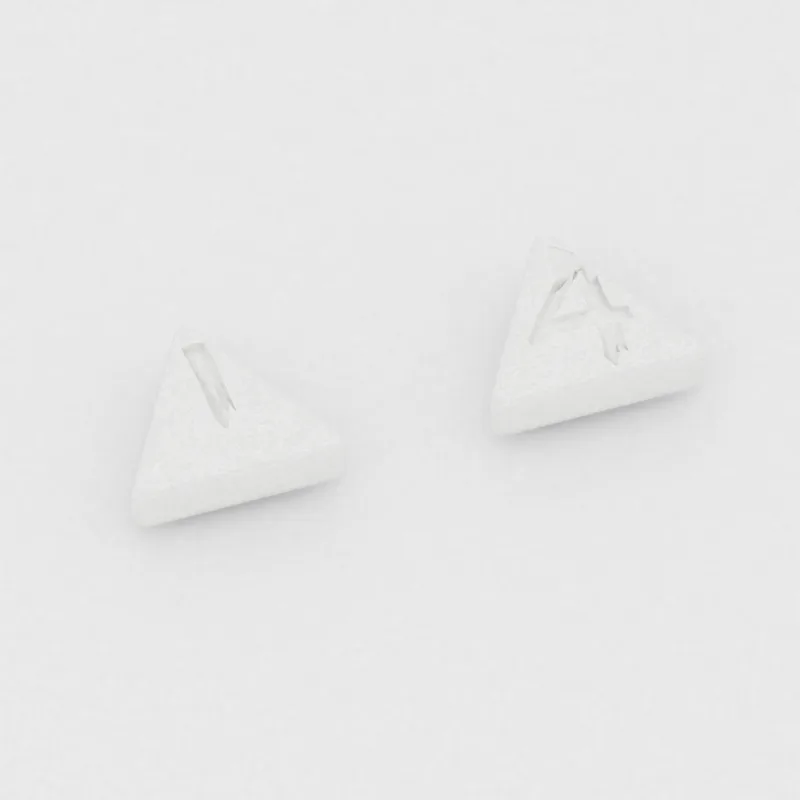

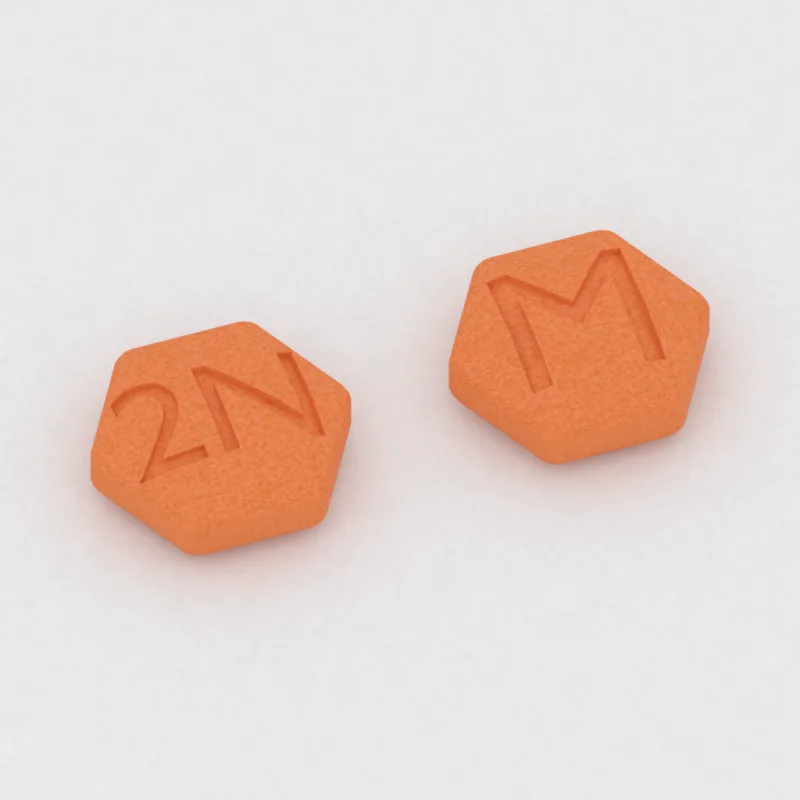
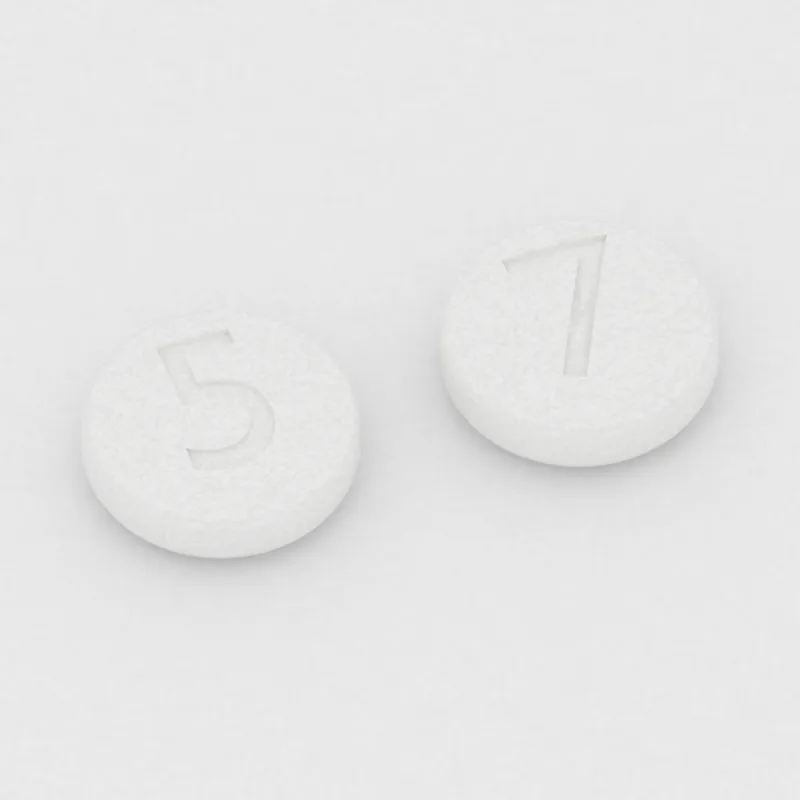
Darstellungen nach den Produktangaben der FDA-Fachinformationen: Farbe, Form, Größe und Prägung. 29 dokumentierte Varianten von 15 Anbietern.
Wechselwirkungen laut Fachinformation
Schwerwiegende Wechselwirkungen (156)
Many, but not all, post-marketing reports regarding coma and death involved misuse by self-injection or were associated with the concomitant use of buprenorphine and benzodiazepines or other CNS depressant, including alcohol. (Fachinformation zu Buprenorphin und Naloxon, Warnhinweise und Vorsichtsmaßnahmen)
Serotonergic Drugs: Concomitant use may result in serotonin syndrome. (Fachinformation zu Buprenorphin und Naloxon, Arzneimittelwechselwirkungen)
Many, but not all, post-marketing reports regarding coma and death involved misuse by self-injection or were associated with the concomitant use of buprenorphine and benzodiazepines or other CNS depressant, including alcohol. (Fachinformation zu Buprenorphin und Naloxon, Warnhinweise und Vorsichtsmaßnahmen)
Buprenorphine and naloxone sublingual tablet is contraindicated in patients with a history of hypersensitivity to buprenorphine or naloxone as serious adverse reactions, including anaphylactic shock, have been reported [see Warnings and Precautions (5.9) ] . (Fachinformation zu Buprenorphin und Naloxon, Gegenanzeigen)
Serotonergic Drugs: Concomitant use may result in serotonin syndrome. (Fachinformation zu Buprenorphin und Naloxon, Arzneimittelwechselwirkungen)
Serotonergic Drugs: Concomitant use may result in serotonin syndrome. (Fachinformation zu Buprenorphin und Naloxon, Arzneimittelwechselwirkungen)
• Avoid concurrent use of alcohol or other central nervous system (CNS) depressants with azelastine hydrochloride and fluticasone propionate nasal spray because further decreased alertness and impairment of CNS performance may occur. (Fachinformation zu Azelastin und Fluticason, Warnhinweise und Vorsichtsmaßnahmen)
Examples: phenelzine, tranylcypromine, linezolid Muscle Relaxants Clinical Impact: Buprenorphine may enhance the neuromuscular blocking action of skeletal muscle relaxants and produce an increased degree of respiratory depression. (Fachinformation zu Buprenorphin und Naloxon, Arzneimittelwechselwirkungen)
Withdrawal Avoid the use of mixed agonist/antagonist (e.g., pentazocine, nalbuphine, and butorphanol) or partial agonist (e.g., buprenorphine) analgesics in patients who are receiving a full opioid agonist analgesic, including belladonna and opium suppositories. (Fachinformation zu Belladonna und Opium, Warnhinweise und Vorsichtsmaßnahmen)
Opioid Antagonist: Naloxegol ↑ naloxegol Avoid use with BIXLENVO; if unavoidable, decrease the dosage of naloxegol and monitor for adverse reactions. (Fachinformation zu Bictegravir, Emtricitabin und Tenofoviralafenamid, Arzneimittelwechselwirkungen)
Serotonergic Drugs: Concomitant use may result in serotonin syndrome. (Fachinformation zu Buprenorphin und Naloxon, Arzneimittelwechselwirkungen)
Concomitant use of opioids with benzodiazepines or other central nervous system (CNS) depressants, including alcohol, may result in profound sedation, respiratory depression, coma, and death. (Fachinformation zu Buprenorphin, Boxed Warning (umrahmter Warnhinweis))
Serotonergic Drugs: Concomitant use may result in serotonin syndrome. (Fachinformation zu Buprenorphin und Naloxon, Arzneimittelwechselwirkungen)
Additionally, avoid the use of mixed agonist/antagonist (e.g., pentazocine, nalbuphine, and butorphanol) or partial agonist (e.g., buprenorphine) analgesics in patients who are receiving a full opioid agonist analgesic, including BUTALBITAL, ASPIRIN, CAFFEINE and CODEINE PHOSPHATE. (Fachinformation zu Butalbital, Acetylsalicylsäure, Koffein und Codein, Warnhinweise und Vorsichtsmaßnahmen)
Additionally, avoid the use of mixed agonist/antagonist (e.g., pentazocine, nalbuphine, and butorphanol) or partial agonist (e.g., buprenorphine) analgesics in patients who are receiving a full opioid agonist analgesic, including Butalbital, Acetaminophen, Caffeine, and Codeine Phosphate Capsules. (Fachinformation zu Butalbital, Paracetamol, Koffein und Codein, Warnhinweise und Vorsichtsmaßnahmen)
Management of respiratory depression may include close observation, supportive measures, and use of opioid overdose reversal agents (e.g., naloxone, nalmefene), depending on the patient's clinical status [see OVERDOSAGE ]. (Fachinformation zu Butorphanol, Warnhinweise)
CNS Depressants The concomitant use of EQUETRO and other CNS depressants can increase the risk of respiratory depression, profound sedation, hypotension, and syncope. (Fachinformation zu Carbamazepin, Arzneimittelwechselwirkungen)
Avoid concurrent use of Carbinoxamine Maleate Extended-Release Oral Suspension with alcohol or other central nervous system depressants because additional impairment of central nervous system performance may occur. (Fachinformation zu Carbinoxamin, Warnhinweise und Vorsichtsmaßnahmen)
Examples: phenelzine, tranylcypromine, linezolid Muscle Relaxants Clinical Impact: Buprenorphine may enhance the neuromuscular blocking action of skeletal muscle relaxants and produce an increased degree of respiratory depression. (Fachinformation zu Buprenorphin und Naloxon, Arzneimittelwechselwirkungen)
Avoid concurrent use of QUZYTTIR with alcohol or other CNS depressants because additional reduction in alertness and additional impairment of CNS performance may occur. (Fachinformation zu Cetirizin, Warnhinweise und Vorsichtsmaßnahmen)
Many, but not all, post-marketing reports regarding coma and death involved misuse by self-injection or were associated with the concomitant use of buprenorphine and benzodiazepines or other CNS depressant, including alcohol. (Fachinformation zu Buprenorphin und Naloxon, Warnhinweise und Vorsichtsmaßnahmen)
Many, but not all, post-marketing reports regarding coma and death involved misuse by self-injection or were associated with the concomitant use of buprenorphine and benzodiazepines or other CNS depressant, including alcohol. (Fachinformation zu Buprenorphin und Naloxon, Warnhinweise und Vorsichtsmaßnahmen)
Do not use in comatose states or in the presence of large amounts of central nervous system depressants (alcohol, barbiturates, narcotics, etc.). (Fachinformation zu Chlorpromazin, Gegenanzeigen)
Examples: phenelzine, tranylcypromine, linezolid Muscle Relaxants Clinical Impact: Buprenorphine may enhance the neuromuscular blocking action of skeletal muscle relaxants and produce an increased degree of respiratory depression. (Fachinformation zu Buprenorphin und Naloxon, Arzneimittelwechselwirkungen)
Table 8: Drugs That are Affected by and Affecting Ciprofloxacin Drugs That are Affected by Ciprofloxacin Drug(s) Recommendation Comments Tizanidine Contraindicated Concomitant administration of tizanidine and ciprofloxacin is contraindicated due to the potentiation of hypotensive and sedative effects of tizanidine [see Contraindications ( 4.2 )]. (Fachinformation zu Ciprofloxacin, Arzneimittelwechselwirkungen)
Serotonergic Drugs: Concomitant use may result in serotonin syndrome. (Fachinformation zu Buprenorphin und Naloxon, Arzneimittelwechselwirkungen)
Many, but not all, post-marketing reports regarding coma and death involved misuse by self-injection or were associated with the concomitant use of buprenorphine and benzodiazepines or other CNS depressant, including alcohol. (Fachinformation zu Buprenorphin und Naloxon, Warnhinweise und Vorsichtsmaßnahmen)
Serotonergic Drugs: Concomitant use may result in serotonin syndrome. (Fachinformation zu Buprenorphin und Naloxon, Arzneimittelwechselwirkungen)
Many, but not all, post-marketing reports regarding coma and death involved misuse by self-injection or were associated with the concomitant use of buprenorphine and benzodiazepines or other CNS depressant, including alcohol. (Fachinformation zu Buprenorphin und Naloxon, Warnhinweise und Vorsichtsmaßnahmen)
Avoid use with other central nervous system (CNS) depressants ( 5.3 ) (Fachinformation zu Clonidin, Warnhinweise und Vorsichtsmaßnahmen)
Additionally, avoid the use of mixed agonist/antagonist (e.g., pentazocine, nalbuphine, and butorphanol) or partial agonist (e.g., buprenorphine) analgesics in patients who are receiving a full opioid agonist analgesic, including Codeine Sulfate Tablets. (Fachinformation zu Codein, Warnhinweise und Vorsichtsmaßnahmen)
Examples: phenelzine, tranylcypromine, linezolid Muscle Relaxants Clinical Impact: Buprenorphine may enhance the neuromuscular blocking action of skeletal muscle relaxants and produce an increased degree of respiratory depression. (Fachinformation zu Buprenorphin und Naloxon, Arzneimittelwechselwirkungen)
Examples: phenelzine, tranylcypromine, linezolid Muscle Relaxants Clinical Impact: Buprenorphine may enhance the neuromuscular blocking action of skeletal muscle relaxants and produce an increased degree of respiratory depression. (Fachinformation zu Buprenorphin und Naloxon, Arzneimittelwechselwirkungen)
Serotonergic Drugs: Concomitant use may result in serotonin syndrome. (Fachinformation zu Buprenorphin und Naloxon, Arzneimittelwechselwirkungen)
Serotonergic Drugs: Concomitant use may result in serotonin syndrome. (Fachinformation zu Buprenorphin und Naloxon, Arzneimittelwechselwirkungen)
Serotonergic Drugs: Concomitant use may result in serotonin syndrome. (Fachinformation zu Buprenorphin und Naloxon, Arzneimittelwechselwirkungen)
Serotonergic Drugs: Concomitant use may result in serotonin syndrome. (Fachinformation zu Buprenorphin und Naloxon, Arzneimittelwechselwirkungen)
Many, but not all, post-marketing reports regarding coma and death involved misuse by self-injection or were associated with the concomitant use of buprenorphine and benzodiazepines or other CNS depressant, including alcohol. (Fachinformation zu Buprenorphin und Naloxon, Warnhinweise und Vorsichtsmaßnahmen)
Serotonergic Drugs: Concomitant use may result in serotonin syndrome. (Fachinformation zu Buprenorphin und Naloxon, Arzneimittelwechselwirkungen)
Many, but not all, post-marketing reports regarding coma and death involved misuse by self-injection or were associated with the concomitant use of buprenorphine and benzodiazepines or other CNS depressant, including alcohol. (Fachinformation zu Buprenorphin und Naloxon, Warnhinweise und Vorsichtsmaßnahmen)
- Diphenoxylat und AtropinSchwerwiegend
CONTRAINDICATIONS Diphenoxylate hydrochloride and atropine sulfate is contraindicated in: • Pediatric patients less than 6 years of age due to the risks of respiratory and central nervous system (CNS) depression (see WARNINGS ). (Fachinformation zu Diphenoxylat und Atropin, Gegenanzeigen)
Serotonergic Drugs: Concomitant use may result in serotonin syndrome. (Fachinformation zu Buprenorphin und Naloxon, Arzneimittelwechselwirkungen)
Central nervous system (CNS) depressants: Concurrent use with alcohol or other CNS depressants is not recommended ( 5.1 ) (Fachinformation zu Doxylamin und Pyridoxin, Warnhinweise und Vorsichtsmaßnahmen)
Other risk factors may include age over 65 years, alcohol abuse, and use of agents such as benzodiazepines, volatile anesthetics, and IV opiates. (Fachinformation zu Droperidol, Boxed Warning (umrahmter Warnhinweis))
Serotonergic Drugs: Concomitant use may result in serotonin syndrome. (Fachinformation zu Buprenorphin und Naloxon, Arzneimittelwechselwirkungen)
Serotonergic Drugs: Concomitant use may result in serotonin syndrome. (Fachinformation zu Buprenorphin und Naloxon, Arzneimittelwechselwirkungen)
…Lipid-modifying Agents: lomitapide, lovastatin, simvastatin Phosphodiesterase-5 (PDE-5) Inhibitor: sildenafil when administered as REVATIO ® for the treatment of pulmonary arterial hypertension Sedative/hypnotics: triazolam, orally administered midazolam Coadministration of GENVOYA is contraindicated with drugs that: Are highly dependent on CYP3A for clearance and for which… (Fachinformation zu Elvitegravir, Cobicistat, Emtricitabin und Tenofovir, Gegenanzeigen)
Serotonergic Drugs: Concomitant use may result in serotonin syndrome. (Fachinformation zu Buprenorphin und Naloxon, Arzneimittelwechselwirkungen)
Many, but not all, post-marketing reports regarding coma and death involved misuse by self-injection or were associated with the concomitant use of buprenorphine and benzodiazepines or other CNS depressant, including alcohol. (Fachinformation zu Buprenorphin und Naloxon, Warnhinweise und Vorsichtsmaßnahmen)
The use of LUNESTA with other sedative-hypnotics at bedtime or the middle of the night is not recommended. (Fachinformation zu Eszopiclon, Warnhinweise und Vorsichtsmaßnahmen)
Management of respiratory depression may include close observation, supportive measures, and use of opioid overdose reversal agents (e.g., naloxone, nalmefene) , depending on the patient's clinical status [see Overdosage (10) ] . (Fachinformation zu Fentanyl, Warnhinweise und Vorsichtsmaßnahmen)
Serotonergic Drugs: Concomitant use may result in serotonin syndrome. (Fachinformation zu Buprenorphin und Naloxon, Arzneimittelwechselwirkungen)
Many, but not all, post-marketing reports regarding coma and death involved misuse by self-injection or were associated with the concomitant use of buprenorphine and benzodiazepines or other CNS depressant, including alcohol. (Fachinformation zu Buprenorphin und Naloxon, Warnhinweise und Vorsichtsmaßnahmen)
Serotonergic Drugs: Concomitant use may result in serotonin syndrome. (Fachinformation zu Buprenorphin und Naloxon, Arzneimittelwechselwirkungen)
Serotonergic Drugs: Concomitant use may result in serotonin syndrome. (Fachinformation zu Buprenorphin und Naloxon, Arzneimittelwechselwirkungen)
Serotonergic Drugs: Concomitant use may result in serotonin syndrome. (Fachinformation zu Buprenorphin und Naloxon, Arzneimittelwechselwirkungen)
Opioids Respiratory depression and sedation, sometimes resulting in death, have been reported following coadministration of gabapentin with opioids (e.g., morphine, hydrocodone, oxycodone, buprenorphine) [see Warnings and Precautions (5.8) ] . (Fachinformation zu Gabapentin, Arzneimittelwechselwirkungen)
Serotonergic Drugs: Concomitant use may result in serotonin syndrome. (Fachinformation zu Buprenorphin und Naloxon, Arzneimittelwechselwirkungen)
Additionally, avoid the use of mixed agonist/antagonist analgesics (e.g., pentazocine, nalbuphine, and butorphanol) or partial agonist (e.g., buprenorphine) analgesics in patients who are receiving a full opioid agonist analgesic, including HYSINGLA ER. (Fachinformation zu Hydrocodon, Warnhinweise und Vorsichtsmaßnahmen)
Management of respiratory depression includes discontinuation of Hydrocodone Polistirex and Chlorpheniramine Polistirex, close observation, supportive measures, and use of opioid antagonists (e.g. naloxone), depending on the patient’s clinical status [ see Overdosage (10) ]. (Fachinformation zu Hydrocodon und Chlorphenamin, Warnhinweise und Vorsichtsmaßnahmen)
Management of respiratory depression includes discontinuation of hydrocodone bitartrate and homatropine methylbromide, close observation, supportive measures, and use of opioid overdose reversal agents (e.g., naloxone or nalmefene), depending on the patient's clinical status [see Overdosage (10) ] . (Fachinformation zu Hydrocodon und Homatropin, Warnhinweise und Vorsichtsmaßnahmen)
Additionally, avoid the use of mixed agonist/antagonist (e.g., pentazocine, nalbuphine, and butorphanol) or partial agonist (e.g., buprenorphine) analgesics in patients who are receiving a full opioid agonist analgesic, including Hydrocodone Bitartrate and Ibuprofen Tablets. (Fachinformation zu Hydrocodon und Ibuprofen, Warnhinweise)
Additionally, avoid the use of mixed agonist/antagonist (e.g., pentazocine, nalbuphine, and butorphanol) or partial agonist (e.g., buprenorphine) analgesics in patients who are receiving a full opioid agonist analgesic, including hydrocodone bitartrate and acetaminophen tablets. (Fachinformation zu Hydrocodon und Paracetamol, Warnhinweise)
Management of respiratory depression may include close observation, supportive measures, and use of opioid overdose reversal agents (e.g., naloxone, nalmefene), depending on the patient’s clinical status [see Overdosage ( 10 )] . (Fachinformation zu Hydromorphon, Warnhinweise und Vorsichtsmaßnahmen)
Rarely, cardiac arrests and death have been reported in association with the combined use of hydroxyzine hydrochloride intramuscularly and other CNS depressants. (Fachinformation zu Hydroxyzin, Vorsichtsmaßnahmen)
Serotonergic Drugs: Concomitant use may result in serotonin syndrome. (Fachinformation zu Buprenorphin und Naloxon, Arzneimittelwechselwirkungen)
Monoamine Oxidase Inhibitors (MAOIs) Clinical Impact: MAOI interactions with opioids may manifest as serotonin syndrome or opioid toxicity (e.g., respiratory depression, coma). (Fachinformation zu Buprenorphin und Naloxon, Arzneimittelwechselwirkungen)
Benzodiazepines, Opioid Analgesics, or other CNS Depressants : Concomitant use may result in profound sedation, respiratory depression, coma, or death. (Fachinformation zu Ketamin, Arzneimittelwechselwirkungen)
This may potentiate and prolong hypnotic and sedative effects, especially with repeated dosing or chronic administration of these agents. (Fachinformation zu Ketoconazol, Gegenanzeigen)
BOXED WARNING Ketorolac tromethamine tablets, a nonsteroidal anti-inflammatory drug (NSAID), are indicated for the short-term (up to 5 days in adults), management of moderately severe acute pain that requires analgesia at the opioid level and only as continuation treatment following IV or IM dosing of ketorolac tromethamine, if necessary. (Fachinformation zu Ketorolac, Boxed Warning (umrahmter Warnhinweis))
Opioid Antagonist: naloxegol ↑ naloxegol Avoid use with SUNLENCA; if unavoidable, decrease the dosage of naloxegol and monitor for adverse reactions. (Fachinformation zu Lenacapavir, Arzneimittelwechselwirkungen)
Avoid concurrent use of alcohol or other central nervous system depressants with XYZAL. (Fachinformation zu Levocetirizin, Warnhinweise und Vorsichtsmaßnahmen)
Serotonergic Drugs: Concomitant use may result in serotonin syndrome. (Fachinformation zu Buprenorphin und Naloxon, Arzneimittelwechselwirkungen)
Additionally, avoid the use of mixed agonist/antagonist (e.g., pentazocine, nalbuphine, and butorphanol) or partial agonist (e.g., buprenorphine) analgesics in patients who are receiving a full opioid agonist analgesic, including Levorphanol. (Fachinformation zu Levorphanol, Warnhinweise)
Examples: phenelzine, tranylcypromine, linezolid Muscle Relaxants Clinical Impact: Buprenorphine may enhance the neuromuscular blocking action of skeletal muscle relaxants and produce an increased degree of respiratory depression. (Fachinformation zu Buprenorphin und Naloxon, Arzneimittelwechselwirkungen)
Serotonergic Drugs: Concomitant use may result in serotonin syndrome. (Fachinformation zu Buprenorphin und Naloxon, Arzneimittelwechselwirkungen)
Increased Risk of Opioid Overdose after Opioid Discontinuation : Patients who complete opioid discontinuation are at an increased risk of fatal overdose should they resume opioid use. (Fachinformation zu Lofexidin, Warnhinweise und Vorsichtsmaßnahmen)
Many, but not all, post-marketing reports regarding coma and death involved misuse by self-injection or were associated with the concomitant use of buprenorphine and benzodiazepines or other CNS depressant, including alcohol. (Fachinformation zu Buprenorphin und Naloxon, Warnhinweise und Vorsichtsmaßnahmen)
CONTRAINDICATIONS Loxapine is contraindicated in comatose or severe drug-induced depressed states (alcohol, barbiturates, narcotics, etc.). Loxapine is contraindicated in individuals with known hypersensitivity to dibenzoxazepines. (Fachinformation zu Loxapin, Gegenanzeigen)
Examples: phenelzine, tranylcypromine, linezolid Muscle Relaxants Clinical Impact: Buprenorphine may enhance the neuromuscular blocking action of skeletal muscle relaxants and produce an increased degree of respiratory depression. (Fachinformation zu Buprenorphin und Naloxon, Arzneimittelwechselwirkungen)
Withdrawal Avoid the use of mixed agonist/antagonist (i.e., pentazocine, nalbuphine, and butorphanol) or partial agonist (e.g., buprenorphine) analgesics in patients who are receiving a full opioid agonist, including METHADOSE. (Fachinformation zu Methadon, Warnhinweise und Vorsichtsmaßnahmen)
Examples: phenelzine, tranylcypromine, linezolid Muscle Relaxants Clinical Impact: Buprenorphine may enhance the neuromuscular blocking action of skeletal muscle relaxants and produce an increased degree of respiratory depression. (Fachinformation zu Buprenorphin und Naloxon, Arzneimittelwechselwirkungen)
Buprenorphine and naloxone sublingual tablet is contraindicated in patients with a history of hypersensitivity to buprenorphine or naloxone as serious adverse reactions, including anaphylactic shock, have been reported [see Warnings and Precautions (5.9) ] . (Fachinformation zu Buprenorphin und Naloxon, Gegenanzeigen)
Monoamine Oxidase Inhibitors (MAOIs) Clinical Impact: MAOI interactions with opioids may manifest as serotonin syndrome or opioid toxicity (e.g., respiratory depression, coma). (Fachinformation zu Buprenorphin und Naloxon, Arzneimittelwechselwirkungen)
Many, but not all, post-marketing reports regarding coma and death involved misuse by self-injection or were associated with the concomitant use of buprenorphine and benzodiazepines or other CNS depressant, including alcohol. (Fachinformation zu Buprenorphin und Naloxon, Warnhinweise und Vorsichtsmaßnahmen)
Serotonergic Drugs: Concomitant use may result in serotonin syndrome. (Fachinformation zu Buprenorphin und Naloxon, Arzneimittelwechselwirkungen)
Serotonergic Drugs: Concomitant use may result in serotonin syndrome. (Fachinformation zu Buprenorphin und Naloxon, Arzneimittelwechselwirkungen)
Additionally, avoid the use of mixed agonist/antagonist (e.g., pentazocine, nalbuphine, and butorphanol) or partial agonist (e.g., buprenorphine) analgesics in patients who are receiving a full opioid agonist analgesic, including Morphine Sulfate Oral Solution. (Fachinformation zu Morphin, Warnhinweise und Vorsichtsmaßnahmen)
Management of respiratory depression may include close observation, supportive measures, and use of opioid overdose reversal agents (e.g., naloxone, nalmefene), depending on the patient's clinical status [see OVERDOSAGE ]. (Fachinformation zu Nalbuphin, Warnhinweise)
Buprenorphine and naloxone sublingual tablet is contraindicated in patients with a history of hypersensitivity to buprenorphine or naloxone as serious adverse reactions, including anaphylactic shock, have been reported [see Warnings and Precautions (5.9) ] . (Fachinformation zu Buprenorphin und Naloxon, Gegenanzeigen)
Buprenorphine and naloxone sublingual tablet is contraindicated in patients with a history of hypersensitivity to buprenorphine or naloxone as serious adverse reactions, including anaphylactic shock, have been reported [see Warnings and Precautions (5.9) ] . (Fachinformation zu Buprenorphin und Naloxon, Gegenanzeigen)
Buprenorphine and naloxone sublingual tablet is contraindicated in patients with a history of hypersensitivity to buprenorphine or naloxone as serious adverse reactions, including anaphylactic shock, have been reported [see Warnings and Precautions (5.9) ] . (Fachinformation zu Buprenorphin und Naloxon, Gegenanzeigen)
Buprenorphine and naloxone sublingual tablet is contraindicated in patients with a history of hypersensitivity to buprenorphine or naloxone as serious adverse reactions, including anaphylactic shock, have been reported [see Warnings and Precautions (5.9) ] . (Fachinformation zu Buprenorphin und Naloxon, Gegenanzeigen)
Buprenorphine and naloxone sublingual tablet is contraindicated in patients with a history of hypersensitivity to buprenorphine or naloxone as serious adverse reactions, including anaphylactic shock, have been reported [see Warnings and Precautions (5.9) ] . (Fachinformation zu Buprenorphin und Naloxon, Gegenanzeigen)
Buprenorphine and naloxone sublingual tablet is contraindicated in patients with a history of hypersensitivity to buprenorphine or naloxone as serious adverse reactions, including anaphylactic shock, have been reported [see Warnings and Precautions (5.9) ] . (Fachinformation zu Buprenorphin und Naloxon, Gegenanzeigen)
Serotonergic Drugs: Concomitant use may result in serotonin syndrome. (Fachinformation zu Buprenorphin und Naloxon, Arzneimittelwechselwirkungen)
• Central Nervous System Depression Xyrem (sodium oxybate) is a CNS depressant. (Fachinformation zu Natriumoxybat, Boxed Warning (umrahmter Warnhinweis))
Serotonergic Drugs: Concomitant use may result in serotonin syndrome. (Fachinformation zu Buprenorphin und Naloxon, Arzneimittelwechselwirkungen)
Serotonergic Drugs: Concomitant use may result in serotonin syndrome. (Fachinformation zu Buprenorphin und Naloxon, Arzneimittelwechselwirkungen)
Serotonergic Drugs: Concomitant use may result in serotonin syndrome. (Fachinformation zu Buprenorphin und Naloxon, Arzneimittelwechselwirkungen)
Management of respiratory depression may include close observation, supportive measures, and use of opioid opioid overdose reversal agents (e.g., naloxone, nalmefene), depending on the patient’s clinical status [see Overdosage ( 10.2 )] . (Fachinformation zu Oliceridin, Warnhinweise und Vorsichtsmaßnahmen)
• Avoid concurrent use of alcohol or other central nervous system depressants with olopatadine hydrochloride nasal solution (nasal spray) ( 5.2 ). (Fachinformation zu Olopatadin, Warnhinweise und Vorsichtsmaßnahmen)
• Avoid concurrent use of alcohol or other central nervous system (CNS) depressants with RYALTRIS because additional reductions in alertness and additional impairment of CNS performance may occur. (Fachinformation zu Olopatadin und Mometason, Warnhinweise und Vorsichtsmaßnahmen)
Serotonergic Drugs: Concomitant use may result in serotonin syndrome. (Fachinformation zu Buprenorphin und Naloxon, Arzneimittelwechselwirkungen)
Examples: phenelzine, tranylcypromine, linezolid Muscle Relaxants Clinical Impact: Buprenorphine may enhance the neuromuscular blocking action of skeletal muscle relaxants and produce an increased degree of respiratory depression. (Fachinformation zu Buprenorphin und Naloxon, Arzneimittelwechselwirkungen)
Examples: phenelzine, tranylcypromine, linezolid Muscle Relaxants Clinical Impact: Buprenorphine may enhance the neuromuscular blocking action of skeletal muscle relaxants and produce an increased degree of respiratory depression. (Fachinformation zu Buprenorphin und Naloxon, Arzneimittelwechselwirkungen)
Many, but not all, post-marketing reports regarding coma and death involved misuse by self-injection or were associated with the concomitant use of buprenorphine and benzodiazepines or other CNS depressant, including alcohol. (Fachinformation zu Buprenorphin und Naloxon, Warnhinweise und Vorsichtsmaßnahmen)
Examples: butorphanol, nalbuphine, pentazocine, buprenorphine Muscle Relaxants Clinical Impact: Oxycodone may enhance the neuromuscular blocking action of skeletal muscle relaxants and produce an increased degree of respiratory depression. (Fachinformation zu Oxycodon, Arzneimittelwechselwirkungen)
Withdrawal Avoid the use of mixed agonist/antagonist (e.g., pentazocine, nalbuphine, and butorphanol) or partial agonist (e.g., buprenorphine) analgesics in patients who are receiving a full opioid agonist analgesic, including oxycodone hydrochloride tablets. (Fachinformation zu Oxycodon und Paracetamol, Warnhinweise und Vorsichtsmaßnahmen)
Additionally, avoid the use of mixed agonist/antagonist (e.g., pentazocine, nalbuphine, and butorphanol) and partial agonist (e.g., buprenorphine) analgesics in patients who are receiving a full opioid agonist analgesic, including Oxymorphone Hydrochloride Extended-Release Tablets. (Fachinformation zu Oxymorphon, Warnhinweise und Vorsichtsmaßnahmen)
Serotonergic Drugs: Concomitant use may result in serotonin syndrome. (Fachinformation zu Buprenorphin und Naloxon, Arzneimittelwechselwirkungen)
Consider recommending or prescribing an opioid overdose reversal agent ( see WARNINGS, Life-Threatening Respiratory Depression ; DOSAGE AND ADMINISTRATION, Patient Access to Naloxone for the Emergency Treatment of Opioid Overdose ). (Fachinformation zu Paracetamol und Codein, Warnhinweise)
Serotonergic Drugs: Concomitant use may result in serotonin syndrome. (Fachinformation zu Buprenorphin und Naloxon, Arzneimittelwechselwirkungen)
Buprenorphine and naloxone sublingual tablet is contraindicated in patients with a history of hypersensitivity to buprenorphine or naloxone as serious adverse reactions, including anaphylactic shock, have been reported [see Warnings and Precautions (5.9) ] . (Fachinformation zu Buprenorphin und Naloxon, Gegenanzeigen)
CONTRAINDICATIONS Perphenazine products are contraindicated in comatose or greatly obtunded patients and in patients receiving large doses of central nervous system depressants (barbiturates, alcohol, narcotics, analgesics, or antihistamines); in the presence of existing blood dyscrasias, bone marrow depression, or liver damage; and in patients who have shown… (Fachinformation zu Perphenazin, Gegenanzeigen)
Serotonergic Drugs: Concomitant use may result in serotonin syndrome. (Fachinformation zu Buprenorphin und Naloxon, Arzneimittelwechselwirkungen)
Examples: phenelzine, tranylcypromine, linezolid Muscle Relaxants Clinical Impact: Buprenorphine may enhance the neuromuscular blocking action of skeletal muscle relaxants and produce an increased degree of respiratory depression. (Fachinformation zu Buprenorphin und Naloxon, Arzneimittelwechselwirkungen)
WARNING: RISKS FROM CONCOMITANT USE WITH OPIOIDS; DEPENDENCE AND WITHDRAWAL REACTIONS AFTER USE OF SEZABY FOR A LONGER DURATION THAN RECOMMENDED; and ABUSE, MISUSE AND ADDICTION WITH UNAPPROVED USE IN ADOLESCENTS AND ADULTS Risks from Concomitant Use with Opioids Concomitant use of phenobarbital products, including SEZABY, and opioids may result in profound sedation,… (Fachinformation zu Phenobarbital, Boxed Warning (umrahmter Warnhinweis))
• Respiratory Depression : May occur with LYRICA when used with concomitant CNS depressants or in the setting of underlying respiratory impairment. (Fachinformation zu Pregabalin, Warnhinweise und Vorsichtsmaßnahmen)
Do not use in comatose states or in the presence of large amounts of central nervous system depressants (alcohol, barbiturates, narcotics, etc.). Do not use in pediatric surgery. (Fachinformation zu Prochlorperazin, Gegenanzeigen)
Management of respiratory depression includes discontinuation of Promethazine HCl and Codeine Phosphate Oral Solution, close observation, supportive measures, and use of opioid antagonists (e.g. naloxone), depending on the patient’s clinical status [ see Overdosage (10) ]. (Fachinformation zu Promethazin und Codein, Warnhinweise und Vorsichtsmaßnahmen)
Serotonergic Drugs: Concomitant use may result in serotonin syndrome. (Fachinformation zu Buprenorphin und Naloxon, Arzneimittelwechselwirkungen)
Serotonergic Drugs: Concomitant use may result in serotonin syndrome. (Fachinformation zu Buprenorphin und Naloxon, Arzneimittelwechselwirkungen)
Serotonergic Drugs: Concomitant use may result in serotonin syndrome. (Fachinformation zu Buprenorphin und Naloxon, Arzneimittelwechselwirkungen)
Monoamine Oxidase Inhibitors (MAOIs) Clinical Impact: MAOI interactions with opioids may manifest as serotonin syndrome or opioid toxicity (e.g., respiratory depression, coma). (Fachinformation zu Buprenorphin und Naloxon, Arzneimittelwechselwirkungen)
In the case of life-threatening muscle rigidity, a rapid onset neuromuscular blocker or naloxone may be administered. (Fachinformation zu Remifentanil, Warnhinweise und Vorsichtsmaßnahmen)
Serotonergic Drugs: Concomitant use may result in serotonin syndrome. (Fachinformation zu Buprenorphin und Naloxon, Arzneimittelwechselwirkungen)
Monoamine Oxidase Inhibitors (MAOIs) Clinical Impact: MAOI interactions with opioids may manifest as serotonin syndrome or opioid toxicity (e.g., respiratory depression, coma). (Fachinformation zu Buprenorphin und Naloxon, Arzneimittelwechselwirkungen)
Serotonergic Drugs: Concomitant use may result in serotonin syndrome. (Fachinformation zu Buprenorphin und Naloxon, Arzneimittelwechselwirkungen)
Risk of Respiratory Depression Sevoflurane may cause respiratory depression, which may be augmented by opioid premedication or other agents causing respiratory depression. (Fachinformation zu Sevofluran, Warnhinweise)
Serotonergic Drugs: Concomitant use may result in serotonin syndrome. (Fachinformation zu Buprenorphin und Naloxon, Arzneimittelwechselwirkungen)
Serotonergic Drugs: Concomitant use may result in serotonin syndrome. (Fachinformation zu Buprenorphin und Naloxon, Arzneimittelwechselwirkungen)
Serotonergic Drugs: Concomitant use may result in serotonin syndrome. (Fachinformation zu Buprenorphin und Naloxon, Arzneimittelwechselwirkungen)
Serotonergic Drugs: Concomitant use may result in serotonin syndrome. (Fachinformation zu Buprenorphin und Naloxon, Arzneimittelwechselwirkungen)
Many, but not all, post-marketing reports regarding coma and death involved misuse by self-injection or were associated with the concomitant use of buprenorphine and benzodiazepines or other CNS depressant, including alcohol. (Fachinformation zu Buprenorphin und Naloxon, Warnhinweise und Vorsichtsmaßnahmen)
Examples: phenelzine, tranylcypromine, linezolid Muscle Relaxants Clinical Impact: Buprenorphine may enhance the neuromuscular blocking action of skeletal muscle relaxants and produce an increased degree of respiratory depression. (Fachinformation zu Buprenorphin und Naloxon, Arzneimittelwechselwirkungen)
Serotonergic Drugs: Concomitant use may result in serotonin syndrome. (Fachinformation zu Buprenorphin und Naloxon, Arzneimittelwechselwirkungen)
Serotonergic Drugs: Concomitant use may result in serotonin syndrome. (Fachinformation zu Buprenorphin und Naloxon, Arzneimittelwechselwirkungen)
Examples: phenelzine, tranylcypromine, linezolid Muscle Relaxants Clinical Impact: Buprenorphine may enhance the neuromuscular blocking action of skeletal muscle relaxants and produce an increased degree of respiratory depression. (Fachinformation zu Buprenorphin und Naloxon, Arzneimittelwechselwirkungen)
Serotonergic Drugs: Concomitant use may result in serotonin syndrome. (Fachinformation zu Buprenorphin und Naloxon, Arzneimittelwechselwirkungen)
Many, but not all, post-marketing reports regarding coma and death involved misuse by self-injection or were associated with the concomitant use of buprenorphine and benzodiazepines or other CNS depressant, including alcohol. (Fachinformation zu Buprenorphin und Naloxon, Warnhinweise und Vorsichtsmaßnahmen)
CONTRAINDICATIONS A known hypersensitivity to phenothiazines, comatose or greatly depressed states due to central nervous system depressants and, in cases of existing blood dyscrasias, bone marrow depression and preexisting liver damage. (Fachinformation zu Trifluoperazin, Gegenanzeigen)
Serotonergic Drugs: Concomitant use may result in serotonin syndrome. (Fachinformation zu Buprenorphin und Naloxon, Arzneimittelwechselwirkungen)
Serotonergic Drugs: Concomitant use may result in serotonin syndrome. (Fachinformation zu Buprenorphin und Naloxon, Arzneimittelwechselwirkungen)
Serotonergic Drugs: Concomitant use may result in serotonin syndrome. (Fachinformation zu Buprenorphin und Naloxon, Arzneimittelwechselwirkungen)
Serotonergic Drugs: Concomitant use may result in serotonin syndrome. (Fachinformation zu Buprenorphin und Naloxon, Arzneimittelwechselwirkungen)
The use of zaleplon with other sedative-hypnotics at bedtime or the middle of the night is not recommended (see ). (Fachinformation zu Zaleplon, Warnhinweise)
Serotonergic Drugs: Concomitant use may result in serotonin syndrome. (Fachinformation zu Buprenorphin und Naloxon, Arzneimittelwechselwirkungen)
The use of Zolpidem Tartrate with other sedative-hypnotics (including other zolpidem products) at bedtime or the middle of the night is not recommended. (Fachinformation zu Zolpidem, Warnhinweise und Vorsichtsmaßnahmen)
Mittelschwere Wechselwirkungen (254)
Antiretrovirals: Patients who are on chronic buprenorphine treatment should have their dose monitored if NNRTIs are added to their treatment regimen. (Fachinformation zu Buprenorphin und Naloxon, Arzneimittelwechselwirkungen)
Antiretrovirals: Patients who are on chronic buprenorphine treatment should have their dose monitored if NNRTIs are added to their treatment regimen. (Fachinformation zu Buprenorphin und Naloxon, Arzneimittelwechselwirkungen)
Examples: Cyclobenzaprine, metaxalone Diuretics Clinical Impact: Opioids can reduce the efficacy of diuretics by inducing the release of antidiuretic hormone. (Fachinformation zu Buprenorphin und Naloxon, Arzneimittelwechselwirkungen)
Anticholinergic Drugs Clinical Impact: The concomitant use of anticholinergic drugs may increase the risk of urinary retention and/or severe constipation, which may lead to paralytic ileus. (Fachinformation zu Buprenorphin und Naloxon, Arzneimittelwechselwirkungen)
The risk of combining buprenorphine with other QT-prolonging agents is not known. (Fachinformation zu Buprenorphin und Naloxon, Warnhinweise und Vorsichtsmaßnahmen)
Inform patients also that the central nervous system depressant effects of allopurinol tablets may be additive to those of alcohol and other CNS depressants. (Fachinformation zu Allopurinol, Warnhinweise und Vorsichtsmaßnahmen)
Anticholinergic Drugs Clinical Impact: The concomitant use of anticholinergic drugs may increase the risk of urinary retention and/or severe constipation, which may lead to paralytic ileus. (Fachinformation zu Buprenorphin und Naloxon, Arzneimittelwechselwirkungen)
Examples: Cyclobenzaprine, metaxalone Diuretics Clinical Impact: Opioids can reduce the efficacy of diuretics by inducing the release of antidiuretic hormone. (Fachinformation zu Buprenorphin und Naloxon, Arzneimittelwechselwirkungen)
25% increase Diazepam Benzodiazepines increase CNS concentrations of adenosine, a potent CNS depressant, while theophylline blocks adenosine receptors. (Fachinformation zu Aminophyllin, Arzneimittelwechselwirkungen)
The risk of combining buprenorphine with other QT-prolonging agents is not known. (Fachinformation zu Buprenorphin und Naloxon, Warnhinweise und Vorsichtsmaßnahmen)
The risk of combining buprenorphine with other QT-prolonging agents is not known. (Fachinformation zu Buprenorphin und Naloxon, Warnhinweise und Vorsichtsmaßnahmen)
Inhibitors of CYP3A4 Clinical Impact: The concomitant use of buprenorphine and CYP3A4 inhibitors can increase the plasma concentration of buprenorphine, resulting in increased or prolonged opioid effects, particularly when an inhibitor is added after a stable dose of buprenorphine and naloxone sublingual tablet is achieved. (Fachinformation zu Buprenorphin und Naloxon, Arzneimittelwechselwirkungen)
Warn patients of the potential danger of self-administration of benzodiazepines or other CNS depressants while under treatment with buprenorphine and naloxone sublingual tablets [see Warnings and Precautions (5.3) , Drug Interactions (7) ] . (Fachinformation zu Buprenorphin und Naloxon, Warnhinweise und Vorsichtsmaßnahmen)
Examples: Macrolide antibiotics (e.g., erythromycin), azole-antifungal agents (e.g. ketoconazole), protease inhibitors (e.g., ritonavir) CYP3A4 Inducers Clinical Impact: The concomitant use of buprenorphine and CYP3A4 inducers can decrease the plasma concentration of buprenorphine [see Clinical Pharmacology (12.3) ] , potentially resulting in decreased efficacy… (Fachinformation zu Buprenorphin und Naloxon, Arzneimittelwechselwirkungen)
The risk of combining buprenorphine with other QT-prolonging agents is not known. (Fachinformation zu Buprenorphin und Naloxon, Warnhinweise und Vorsichtsmaßnahmen)
Warn patients of the potential danger of self-administration of benzodiazepines or other CNS depressants while under treatment with buprenorphine and naloxone sublingual tablets [see Warnings and Precautions (5.3) , Drug Interactions (7) ] . (Fachinformation zu Buprenorphin und Naloxon, Warnhinweise und Vorsichtsmaßnahmen)
Examples: Cyclobenzaprine, metaxalone Diuretics Clinical Impact: Opioids can reduce the efficacy of diuretics by inducing the release of antidiuretic hormone. (Fachinformation zu Buprenorphin und Naloxon, Arzneimittelwechselwirkungen)
Anticholinergic Drugs Clinical Impact: The concomitant use of anticholinergic drugs may increase the risk of urinary retention and/or severe constipation, which may lead to paralytic ileus. (Fachinformation zu Buprenorphin und Naloxon, Arzneimittelwechselwirkungen)
Anticholinergic Drugs Clinical Impact: The concomitant use of anticholinergic drugs may increase the risk of urinary retention and/or severe constipation, which may lead to paralytic ileus. (Fachinformation zu Buprenorphin und Naloxon, Arzneimittelwechselwirkungen)
Warn patients of the potential danger of self-administration of benzodiazepines or other CNS depressants while under treatment with buprenorphine and naloxone sublingual tablets [see Warnings and Precautions (5.3) , Drug Interactions (7) ] . (Fachinformation zu Buprenorphin und Naloxon, Warnhinweise und Vorsichtsmaßnahmen)
The risk of combining buprenorphine with other QT-prolonging agents is not known. (Fachinformation zu Buprenorphin und Naloxon, Warnhinweise und Vorsichtsmaßnahmen)
If adrenal insufficiency is diagnosed, treat with physiologic replacement doses of corticosteroids. (Fachinformation zu Buprenorphin und Naloxon, Warnhinweise und Vorsichtsmaßnahmen)
Examples: Cyclobenzaprine, metaxalone Diuretics Clinical Impact: Opioids can reduce the efficacy of diuretics by inducing the release of antidiuretic hormone. (Fachinformation zu Buprenorphin und Naloxon, Arzneimittelwechselwirkungen)
Anticholinergic Drugs Clinical Impact: The concomitant use of anticholinergic drugs may increase the risk of urinary retention and/or severe constipation, which may lead to paralytic ileus. (Fachinformation zu Buprenorphin und Naloxon, Arzneimittelwechselwirkungen)
If adrenal insufficiency is diagnosed, treat with physiologic replacement doses of corticosteroids. (Fachinformation zu Buprenorphin und Naloxon, Warnhinweise und Vorsichtsmaßnahmen)
Examples: Cyclobenzaprine, metaxalone Diuretics Clinical Impact: Opioids can reduce the efficacy of diuretics by inducing the release of antidiuretic hormone. (Fachinformation zu Buprenorphin und Naloxon, Arzneimittelwechselwirkungen)
Examples: Macrolide antibiotics (e.g., erythromycin), azole-antifungal agents (e.g. ketoconazole), protease inhibitors (e.g., ritonavir) CYP3A4 Inducers Clinical Impact: The concomitant use of buprenorphine and CYP3A4 inducers can decrease the plasma concentration of buprenorphine [see Clinical Pharmacology (12.3) ] , potentially resulting in decreased efficacy… (Fachinformation zu Buprenorphin und Naloxon, Arzneimittelwechselwirkungen)
Warn patients of the potential danger of self-administration of benzodiazepines or other CNS depressants while under treatment with buprenorphine and naloxone sublingual tablets [see Warnings and Precautions (5.3) , Drug Interactions (7) ] . (Fachinformation zu Buprenorphin und Naloxon, Warnhinweise und Vorsichtsmaßnahmen)
Use with CNS depressants may result in an additive or potentiating effect. (Fachinformation zu Brimonidin, Arzneimittelwechselwirkungen)
Use with CNS depressants may result in an additive or potentiating effect. (Fachinformation zu Brimonidin und Timolol, Arzneimittelwechselwirkungen)
Warn patients of the potential danger of self-administration of benzodiazepines or other CNS depressants while under treatment with buprenorphine and naloxone sublingual tablets [see Warnings and Precautions (5.3) , Drug Interactions (7) ] . (Fachinformation zu Buprenorphin und Naloxon, Warnhinweise und Vorsichtsmaßnahmen)
If adrenal insufficiency is diagnosed, treat with physiologic replacement doses of corticosteroids. (Fachinformation zu Buprenorphin und Naloxon, Warnhinweise und Vorsichtsmaßnahmen)
If adrenal insufficiency is diagnosed, treat with physiologic replacement doses of corticosteroids. (Fachinformation zu Buprenorphin und Naloxon, Warnhinweise und Vorsichtsmaßnahmen)
Examples: Cyclobenzaprine, metaxalone Diuretics Clinical Impact: Opioids can reduce the efficacy of diuretics by inducing the release of antidiuretic hormone. (Fachinformation zu Buprenorphin und Naloxon, Arzneimittelwechselwirkungen)
Possible early warning signs of central nervous system (CNS) toxicity are restlessness, anxiety, incoherent speech, lightheadedness, numbness and tingling of the mouth and lips, metallic taste, tinnitus, dizziness, blurred vision, tremors, twitching, CNS depression, or drowsiness. (Fachinformation zu Bupivacain, Warnhinweise und Vorsichtsmaßnahmen)
Possible early warning signs of central nervous system (CNS) toxicity are restlessness, anxiety, incoherent speech, lightheadedness, numbness and tingling of the mouth and lips, metallic taste, tinnitus, dizziness, blurred vision, tremors, twitching, CNS depression, or drowsiness. (Fachinformation zu Bupivacain und Adrenalin, Warnhinweise und Vorsichtsmaßnahmen)
Warn patients of the potential danger of self-administration of benzodiazepines or other CNS depressants while under treatment with buprenorphine and naloxone sublingual tablets [see Warnings and Precautions (5.3) , Drug Interactions (7) ] . (Fachinformation zu Buprenorphin und Naloxon, Warnhinweise und Vorsichtsmaßnahmen)
Warn patients of the potential danger of self-administration of benzodiazepines or other CNS depressants while under treatment with buprenorphine and naloxone sublingual tablets [see Warnings and Precautions (5.3) , Drug Interactions (7) ] . (Fachinformation zu Buprenorphin und Naloxon, Warnhinweise und Vorsichtsmaßnahmen)
Warn patients of the potential danger of self-administration of benzodiazepines or other CNS depressants while under treatment with buprenorphine and naloxone sublingual tablets [see Warnings and Precautions (5.3) , Drug Interactions (7) ] . (Fachinformation zu Buprenorphin und Naloxon, Warnhinweise und Vorsichtsmaßnahmen)
Antiretrovirals: Patients who are on chronic buprenorphine treatment should have their dose monitored if NNRTIs are added to their treatment regimen. (Fachinformation zu Buprenorphin und Naloxon, Arzneimittelwechselwirkungen)
Examples: Cyclobenzaprine, metaxalone Diuretics Clinical Impact: Opioids can reduce the efficacy of diuretics by inducing the release of antidiuretic hormone. (Fachinformation zu Buprenorphin und Naloxon, Arzneimittelwechselwirkungen)
Warn patients of the potential danger of self-administration of benzodiazepines or other CNS depressants while under treatment with buprenorphine and naloxone sublingual tablets [see Warnings and Precautions (5.3) , Drug Interactions (7) ] . (Fachinformation zu Buprenorphin und Naloxon, Warnhinweise und Vorsichtsmaßnahmen)
Warn patients of the potential danger of self-administration of benzodiazepines or other CNS depressants while under treatment with buprenorphine and naloxone sublingual tablets [see Warnings and Precautions (5.3) , Drug Interactions (7) ] . (Fachinformation zu Buprenorphin und Naloxon, Warnhinweise und Vorsichtsmaßnahmen)
Warn patients of the potential danger of self-administration of benzodiazepines or other CNS depressants while under treatment with buprenorphine and naloxone sublingual tablets [see Warnings and Precautions (5.3) , Drug Interactions (7) ] . (Fachinformation zu Buprenorphin und Naloxon, Warnhinweise und Vorsichtsmaßnahmen)
The risk of combining buprenorphine with other QT-prolonging agents is not known. (Fachinformation zu Buprenorphin und Naloxon, Warnhinweise und Vorsichtsmaßnahmen)
The risk of combining buprenorphine with other QT-prolonging agents is not known. (Fachinformation zu Buprenorphin und Naloxon, Warnhinweise und Vorsichtsmaßnahmen)
The risk of combining buprenorphine with other QT-prolonging agents is not known. (Fachinformation zu Buprenorphin und Naloxon, Warnhinweise und Vorsichtsmaßnahmen)
Examples: Cyclobenzaprine, metaxalone Diuretics Clinical Impact: Opioids can reduce the efficacy of diuretics by inducing the release of antidiuretic hormone. (Fachinformation zu Buprenorphin und Naloxon, Arzneimittelwechselwirkungen)
Warn patients of the potential danger of self-administration of benzodiazepines or other CNS depressants while under treatment with buprenorphine and naloxone sublingual tablets [see Warnings and Precautions (5.3) , Drug Interactions (7) ] . (Fachinformation zu Buprenorphin und Naloxon, Warnhinweise und Vorsichtsmaßnahmen)
Examples: Cyclobenzaprine, metaxalone Diuretics Clinical Impact: Opioids can reduce the efficacy of diuretics by inducing the release of antidiuretic hormone. (Fachinformation zu Buprenorphin und Naloxon, Arzneimittelwechselwirkungen)
If adrenal insufficiency is diagnosed, treat with physiologic replacement doses of corticosteroids. (Fachinformation zu Buprenorphin und Naloxon, Warnhinweise und Vorsichtsmaßnahmen)
Inhibitors of CYP3A4 Clinical Impact: The concomitant use of buprenorphine and CYP3A4 inhibitors can increase the plasma concentration of buprenorphine, resulting in increased or prolonged opioid effects, particularly when an inhibitor is added after a stable dose of buprenorphine and naloxone sublingual tablet is achieved. (Fachinformation zu Buprenorphin und Naloxon, Arzneimittelwechselwirkungen)
Inhibitors of CYP3A4 Clinical Impact: The concomitant use of buprenorphine and CYP3A4 inhibitors can increase the plasma concentration of buprenorphine, resulting in increased or prolonged opioid effects, particularly when an inhibitor is added after a stable dose of buprenorphine and naloxone sublingual tablet is achieved. (Fachinformation zu Buprenorphin und Naloxon, Arzneimittelwechselwirkungen)
The risk of combining buprenorphine with other QT-prolonging agents is not known. (Fachinformation zu Buprenorphin und Naloxon, Warnhinweise und Vorsichtsmaßnahmen)
Warn patients of the potential danger of self-administration of benzodiazepines or other CNS depressants while under treatment with buprenorphine and naloxone sublingual tablets [see Warnings and Precautions (5.3) , Drug Interactions (7) ] . (Fachinformation zu Buprenorphin und Naloxon, Warnhinweise und Vorsichtsmaßnahmen)
If adrenal insufficiency is diagnosed, treat with physiologic replacement doses of corticosteroids. (Fachinformation zu Buprenorphin und Naloxon, Warnhinweise und Vorsichtsmaßnahmen)
Opioids: Decreased exposure to clopidogrel. (Fachinformation zu Clopidogrel, Arzneimittelwechselwirkungen)
Examples: Macrolide antibiotics (e.g., erythromycin), azole-antifungal agents (e.g. ketoconazole), protease inhibitors (e.g., ritonavir) CYP3A4 Inducers Clinical Impact: The concomitant use of buprenorphine and CYP3A4 inducers can decrease the plasma concentration of buprenorphine [see Clinical Pharmacology (12.3) ] , potentially resulting in decreased efficacy… (Fachinformation zu Buprenorphin und Naloxon, Arzneimittelwechselwirkungen)
Warn patients of the potential danger of self-administration of benzodiazepines or other CNS depressants while under treatment with buprenorphine and naloxone sublingual tablets [see Warnings and Precautions (5.3) , Drug Interactions (7) ] . (Fachinformation zu Buprenorphin und Naloxon, Warnhinweise und Vorsichtsmaßnahmen)
Anticholinergic Drugs Clinical Impact: The concomitant use of anticholinergic drugs may increase the risk of urinary retention and/or severe constipation, which may lead to paralytic ileus. (Fachinformation zu Buprenorphin und Naloxon, Arzneimittelwechselwirkungen)
Warn patients of the potential danger of self-administration of benzodiazepines or other CNS depressants while under treatment with buprenorphine and naloxone sublingual tablets [see Warnings and Precautions (5.3) , Drug Interactions (7) ] . (Fachinformation zu Buprenorphin und Naloxon, Warnhinweise und Vorsichtsmaßnahmen)
Warn patients of the potential danger of self-administration of benzodiazepines or other CNS depressants while under treatment with buprenorphine and naloxone sublingual tablets [see Warnings and Precautions (5.3) , Drug Interactions (7) ] . (Fachinformation zu Buprenorphin und Naloxon, Warnhinweise und Vorsichtsmaßnahmen)
Anticholinergic Drugs Clinical Impact: The concomitant use of anticholinergic drugs may increase the risk of urinary retention and/or severe constipation, which may lead to paralytic ileus. (Fachinformation zu Buprenorphin und Naloxon, Arzneimittelwechselwirkungen)
Examples: Macrolide antibiotics (e.g., erythromycin), azole-antifungal agents (e.g. ketoconazole), protease inhibitors (e.g., ritonavir) CYP3A4 Inducers Clinical Impact: The concomitant use of buprenorphine and CYP3A4 inducers can decrease the plasma concentration of buprenorphine [see Clinical Pharmacology (12.3) ] , potentially resulting in decreased efficacy… (Fachinformation zu Buprenorphin und Naloxon, Arzneimittelwechselwirkungen)
If adrenal insufficiency is diagnosed, treat with physiologic replacement doses of corticosteroids. (Fachinformation zu Buprenorphin und Naloxon, Warnhinweise und Vorsichtsmaßnahmen)
Warn patients of the potential danger of self-administration of benzodiazepines or other CNS depressants while under treatment with buprenorphine and naloxone sublingual tablets [see Warnings and Precautions (5.3) , Drug Interactions (7) ] . (Fachinformation zu Buprenorphin und Naloxon, Warnhinweise und Vorsichtsmaßnahmen)
- DesmopressinMittelschwer
…Hyponatremia Concomitant administration of DESMODA with other drugs that may increase the risk of water intoxication with hyponatremia, (e.g., tricyclic antidepressants, selective serotonin re-uptake inhibitors, chlorpromazine, opiate analgesics, thiazide diuretics, NSAIDs, lamotrigine, sulfonylureas, particularly chlorpropamide, oxybutynin and carbamazepine). (Fachinformation zu Desmopressin, Arzneimittelwechselwirkungen)
If adrenal insufficiency is diagnosed, treat with physiologic replacement doses of corticosteroids. (Fachinformation zu Buprenorphin und Naloxon, Warnhinweise und Vorsichtsmaßnahmen)
The risk of combining buprenorphine with other QT-prolonging agents is not known. (Fachinformation zu Buprenorphin und Naloxon, Warnhinweise und Vorsichtsmaßnahmen)
If adrenal insufficiency is diagnosed, treat with physiologic replacement doses of corticosteroids. (Fachinformation zu Buprenorphin und Naloxon, Warnhinweise und Vorsichtsmaßnahmen)
Warn patients of the potential danger of self-administration of benzodiazepines or other CNS depressants while under treatment with buprenorphine and naloxone sublingual tablets [see Warnings and Precautions (5.3) , Drug Interactions (7) ] . (Fachinformation zu Buprenorphin und Naloxon, Warnhinweise und Vorsichtsmaßnahmen)
Warn patients of the potential danger of self-administration of benzodiazepines or other CNS depressants while under treatment with buprenorphine and naloxone sublingual tablets [see Warnings and Precautions (5.3) , Drug Interactions (7) ] . (Fachinformation zu Buprenorphin und Naloxon, Warnhinweise und Vorsichtsmaßnahmen)
Anticholinergic Drugs Clinical Impact: The concomitant use of anticholinergic drugs may increase the risk of urinary retention and/or severe constipation, which may lead to paralytic ileus. (Fachinformation zu Buprenorphin und Naloxon, Arzneimittelwechselwirkungen)
- Difenoxin und AtropinMittelschwer
MOTOFEN ® may potentiate the action of barbiturates, tranquilizers, narcotics, and alcohol. (Fachinformation zu Difenoxin und Atropin, Arzneimittelwechselwirkungen)
Consider these observations in clinical decisions when prescribing buprenorphine and naloxone sublingual tablets to patients with risk factors such as hypokalemia, bradycardia, recent conversion from atrial fibrillation, congestive heart failure, digitalis therapy, baseline QT prolongation, subclinical long-QT syndrome, or severe hypomagnesemia. (Fachinformation zu Buprenorphin und Naloxon, Warnhinweise und Vorsichtsmaßnahmen)
Inhibitors of CYP3A4 Clinical Impact: The concomitant use of buprenorphine and CYP3A4 inhibitors can increase the plasma concentration of buprenorphine, resulting in increased or prolonged opioid effects, particularly when an inhibitor is added after a stable dose of buprenorphine and naloxone sublingual tablet is achieved. (Fachinformation zu Buprenorphin und Naloxon, Arzneimittelwechselwirkungen)
Warn patients of the potential danger of self-administration of benzodiazepines or other CNS depressants while under treatment with buprenorphine and naloxone sublingual tablets [see Warnings and Precautions (5.3) , Drug Interactions (7) ] . (Fachinformation zu Buprenorphin und Naloxon, Warnhinweise und Vorsichtsmaßnahmen)
Warn patients of the potential danger of self-administration of benzodiazepines or other CNS depressants while under treatment with buprenorphine and naloxone sublingual tablets [see Warnings and Precautions (5.3) , Drug Interactions (7) ] . (Fachinformation zu Buprenorphin und Naloxon, Warnhinweise und Vorsichtsmaßnahmen)
The risk of combining buprenorphine with other QT-prolonging agents is not known. (Fachinformation zu Buprenorphin und Naloxon, Warnhinweise und Vorsichtsmaßnahmen)
The risk of combining buprenorphine with other QT-prolonging agents is not known. (Fachinformation zu Buprenorphin und Naloxon, Warnhinweise und Vorsichtsmaßnahmen)
Antiretrovirals: Patients who are on chronic buprenorphine treatment should have their dose monitored if NNRTIs are added to their treatment regimen. (Fachinformation zu Buprenorphin und Naloxon, Arzneimittelwechselwirkungen)
Antiretrovirals: Patients who are on chronic buprenorphine treatment should have their dose monitored if NNRTIs are added to their treatment regimen. (Fachinformation zu Buprenorphin und Naloxon, Arzneimittelwechselwirkungen)
Warn patients of the potential danger of self-administration of benzodiazepines or other CNS depressants while under treatment with buprenorphine and naloxone sublingual tablets [see Warnings and Precautions (5.3) , Drug Interactions (7) ] . (Fachinformation zu Buprenorphin und Naloxon, Warnhinweise und Vorsichtsmaßnahmen)
Warn patients of the potential danger of self-administration of benzodiazepines or other CNS depressants while under treatment with buprenorphine and naloxone sublingual tablets [see Warnings and Precautions (5.3) , Drug Interactions (7) ] . (Fachinformation zu Buprenorphin und Naloxon, Warnhinweise und Vorsichtsmaßnahmen)
The risk of combining buprenorphine with other QT-prolonging agents is not known. (Fachinformation zu Buprenorphin und Naloxon, Warnhinweise und Vorsichtsmaßnahmen)
Examples: Macrolide antibiotics (e.g., erythromycin), azole-antifungal agents (e.g. ketoconazole), protease inhibitors (e.g., ritonavir) CYP3A4 Inducers Clinical Impact: The concomitant use of buprenorphine and CYP3A4 inducers can decrease the plasma concentration of buprenorphine [see Clinical Pharmacology (12.3) ] , potentially resulting in decreased efficacy… (Fachinformation zu Buprenorphin und Naloxon, Arzneimittelwechselwirkungen)
Inhibitors of CYP3A4 Clinical Impact: The concomitant use of buprenorphine and CYP3A4 inhibitors can increase the plasma concentration of buprenorphine, resulting in increased or prolonged opioid effects, particularly when an inhibitor is added after a stable dose of buprenorphine and naloxone sublingual tablet is achieved. (Fachinformation zu Buprenorphin und Naloxon, Arzneimittelwechselwirkungen)
Inhibitors of CYP3A4 Clinical Impact: The concomitant use of buprenorphine and CYP3A4 inhibitors can increase the plasma concentration of buprenorphine, resulting in increased or prolonged opioid effects, particularly when an inhibitor is added after a stable dose of buprenorphine and naloxone sublingual tablet is achieved. (Fachinformation zu Buprenorphin und Naloxon, Arzneimittelwechselwirkungen)
Addiction, Abuse, and Misuse: Buprenorphine can be abused in a similar manner to other opioids. (Fachinformation zu Buprenorphin und Naloxon, Warnhinweise und Vorsichtsmaßnahmen)
Antiretrovirals: Patients who are on chronic buprenorphine treatment should have their dose monitored if NNRTIs are added to their treatment regimen. (Fachinformation zu Buprenorphin und Naloxon, Arzneimittelwechselwirkungen)
Antiretrovirals: Patients who are on chronic buprenorphine treatment should have their dose monitored if NNRTIs are added to their treatment regimen. (Fachinformation zu Buprenorphin und Naloxon, Arzneimittelwechselwirkungen)
Antiretrovirals: Patients who are on chronic buprenorphine treatment should have their dose monitored if NNRTIs are added to their treatment regimen. (Fachinformation zu Buprenorphin und Naloxon, Arzneimittelwechselwirkungen)
Examples: Cyclobenzaprine, metaxalone Diuretics Clinical Impact: Opioids can reduce the efficacy of diuretics by inducing the release of antidiuretic hormone. (Fachinformation zu Buprenorphin und Naloxon, Arzneimittelwechselwirkungen)
Examples: Cyclobenzaprine, metaxalone Diuretics Clinical Impact: Opioids can reduce the efficacy of diuretics by inducing the release of antidiuretic hormone. (Fachinformation zu Buprenorphin und Naloxon, Arzneimittelwechselwirkungen)
The risk of combining buprenorphine with other QT-prolonging agents is not known. (Fachinformation zu Buprenorphin und Naloxon, Warnhinweise und Vorsichtsmaßnahmen)
Warn patients of the potential danger of self-administration of benzodiazepines or other CNS depressants while under treatment with buprenorphine and naloxone sublingual tablets [see Warnings and Precautions (5.3) , Drug Interactions (7) ] . (Fachinformation zu Buprenorphin und Naloxon, Warnhinweise und Vorsichtsmaßnahmen)
Examples: Cyclobenzaprine, metaxalone Diuretics Clinical Impact: Opioids can reduce the efficacy of diuretics by inducing the release of antidiuretic hormone. (Fachinformation zu Buprenorphin und Naloxon, Arzneimittelwechselwirkungen)
Warn patients of the potential danger of self-administration of benzodiazepines or other CNS depressants while under treatment with buprenorphine and naloxone sublingual tablets [see Warnings and Precautions (5.3) , Drug Interactions (7) ] . (Fachinformation zu Buprenorphin und Naloxon, Warnhinweise und Vorsichtsmaßnahmen)
Warn patients of the potential danger of self-administration of benzodiazepines or other CNS depressants while under treatment with buprenorphine and naloxone sublingual tablets [see Warnings and Precautions (5.3) , Drug Interactions (7) ] . (Fachinformation zu Buprenorphin und Naloxon, Warnhinweise und Vorsichtsmaßnahmen)
Examples: Macrolide antibiotics (e.g., erythromycin), azole-antifungal agents (e.g. ketoconazole), protease inhibitors (e.g., ritonavir) CYP3A4 Inducers Clinical Impact: The concomitant use of buprenorphine and CYP3A4 inducers can decrease the plasma concentration of buprenorphine [see Clinical Pharmacology (12.3) ] , potentially resulting in decreased efficacy… (Fachinformation zu Buprenorphin und Naloxon, Arzneimittelwechselwirkungen)
Inhibitors of CYP3A4 Clinical Impact: The concomitant use of buprenorphine and CYP3A4 inhibitors can increase the plasma concentration of buprenorphine, resulting in increased or prolonged opioid effects, particularly when an inhibitor is added after a stable dose of buprenorphine and naloxone sublingual tablet is achieved. (Fachinformation zu Buprenorphin und Naloxon, Arzneimittelwechselwirkungen)
Warn patients of the potential danger of self-administration of benzodiazepines or other CNS depressants while under treatment with buprenorphine and naloxone sublingual tablets [see Warnings and Precautions (5.3) , Drug Interactions (7) ] . (Fachinformation zu Buprenorphin und Naloxon, Warnhinweise und Vorsichtsmaßnahmen)
Anticholinergic Drugs Clinical Impact: The concomitant use of anticholinergic drugs may increase the risk of urinary retention and/or severe constipation, which may lead to paralytic ileus. (Fachinformation zu Buprenorphin und Naloxon, Arzneimittelwechselwirkungen)
Examples: Macrolide antibiotics (e.g., erythromycin), azole-antifungal agents (e.g. ketoconazole), protease inhibitors (e.g., ritonavir) CYP3A4 Inducers Clinical Impact: The concomitant use of buprenorphine and CYP3A4 inducers can decrease the plasma concentration of buprenorphine [see Clinical Pharmacology (12.3) ] , potentially resulting in decreased efficacy… (Fachinformation zu Buprenorphin und Naloxon, Arzneimittelwechselwirkungen)
The risk of combining buprenorphine with other QT-prolonging agents is not known. (Fachinformation zu Buprenorphin und Naloxon, Warnhinweise und Vorsichtsmaßnahmen)
Anticholinergic Drugs Clinical Impact: The concomitant use of anticholinergic drugs may increase the risk of urinary retention and/or severe constipation, which may lead to paralytic ileus. (Fachinformation zu Buprenorphin und Naloxon, Arzneimittelwechselwirkungen)
The risk of combining buprenorphine with other QT-prolonging agents is not known. (Fachinformation zu Buprenorphin und Naloxon, Warnhinweise und Vorsichtsmaßnahmen)
The risk of combining buprenorphine with other QT-prolonging agents is not known. (Fachinformation zu Buprenorphin und Naloxon, Warnhinweise und Vorsichtsmaßnahmen)
If adrenal insufficiency is diagnosed, treat with physiologic replacement doses of corticosteroids. (Fachinformation zu Buprenorphin und Naloxon, Warnhinweise und Vorsichtsmaßnahmen)
If adrenal insufficiency is diagnosed, treat with physiologic replacement doses of corticosteroids. (Fachinformation zu Buprenorphin und Naloxon, Warnhinweise und Vorsichtsmaßnahmen)
If adrenal insufficiency is diagnosed, treat with physiologic replacement doses of corticosteroids. (Fachinformation zu Buprenorphin und Naloxon, Warnhinweise und Vorsichtsmaßnahmen)
Warn patients of the potential danger of self-administration of benzodiazepines or other CNS depressants while under treatment with buprenorphine and naloxone sublingual tablets [see Warnings and Precautions (5.3) , Drug Interactions (7) ] . (Fachinformation zu Buprenorphin und Naloxon, Warnhinweise und Vorsichtsmaßnahmen)
If adrenal insufficiency is diagnosed, treat with physiologic replacement doses of corticosteroids. (Fachinformation zu Buprenorphin und Naloxon, Warnhinweise und Vorsichtsmaßnahmen)
If adrenal insufficiency is diagnosed, treat with physiologic replacement doses of corticosteroids. (Fachinformation zu Buprenorphin und Naloxon, Warnhinweise und Vorsichtsmaßnahmen)
Inhibitors of CYP3A4 Clinical Impact: The concomitant use of buprenorphine and CYP3A4 inhibitors can increase the plasma concentration of buprenorphine, resulting in increased or prolonged opioid effects, particularly when an inhibitor is added after a stable dose of buprenorphine and naloxone sublingual tablet is achieved. (Fachinformation zu Buprenorphin und Naloxon, Arzneimittelwechselwirkungen)
Examples: Cyclobenzaprine, metaxalone Diuretics Clinical Impact: Opioids can reduce the efficacy of diuretics by inducing the release of antidiuretic hormone. (Fachinformation zu Buprenorphin und Naloxon, Arzneimittelwechselwirkungen)
Warn patients of the potential danger of self-administration of benzodiazepines or other CNS depressants while under treatment with buprenorphine and naloxone sublingual tablets [see Warnings and Precautions (5.3) , Drug Interactions (7) ] . (Fachinformation zu Buprenorphin und Naloxon, Warnhinweise und Vorsichtsmaßnahmen)
Examples: Cyclobenzaprine, metaxalone Diuretics Clinical Impact: Opioids can reduce the efficacy of diuretics by inducing the release of antidiuretic hormone. (Fachinformation zu Buprenorphin und Naloxon, Arzneimittelwechselwirkungen)
Anticholinergic Drugs Clinical Impact: The concomitant use of anticholinergic drugs may increase the risk of urinary retention and/or severe constipation, which may lead to paralytic ileus. (Fachinformation zu Buprenorphin und Naloxon, Arzneimittelwechselwirkungen)
Examples: Macrolide antibiotics (e.g., erythromycin), azole-antifungal agents (e.g. ketoconazole), protease inhibitors (e.g., ritonavir) CYP3A4 Inducers Clinical Impact: The concomitant use of buprenorphine and CYP3A4 inducers can decrease the plasma concentration of buprenorphine [see Clinical Pharmacology (12.3) ] , potentially resulting in decreased efficacy… (Fachinformation zu Buprenorphin und Naloxon, Arzneimittelwechselwirkungen)
Warn patients of the potential danger of self-administration of benzodiazepines or other CNS depressants while under treatment with buprenorphine and naloxone sublingual tablets [see Warnings and Precautions (5.3) , Drug Interactions (7) ] . (Fachinformation zu Buprenorphin und Naloxon, Warnhinweise und Vorsichtsmaßnahmen)
If adrenal insufficiency is diagnosed, treat with physiologic replacement doses of corticosteroids. (Fachinformation zu Buprenorphin und Naloxon, Warnhinweise und Vorsichtsmaßnahmen)
Warn patients of the potential danger of self-administration of benzodiazepines or other CNS depressants while under treatment with buprenorphine and naloxone sublingual tablets [see Warnings and Precautions (5.3) , Drug Interactions (7) ] . (Fachinformation zu Buprenorphin und Naloxon, Warnhinweise und Vorsichtsmaßnahmen)
Examples: Cyclobenzaprine, metaxalone Diuretics Clinical Impact: Opioids can reduce the efficacy of diuretics by inducing the release of antidiuretic hormone. (Fachinformation zu Buprenorphin und Naloxon, Arzneimittelwechselwirkungen)
If adrenal insufficiency is diagnosed, treat with physiologic replacement doses of corticosteroids. (Fachinformation zu Buprenorphin und Naloxon, Warnhinweise und Vorsichtsmaßnahmen)
The risk of combining buprenorphine with other QT-prolonging agents is not known. (Fachinformation zu Buprenorphin und Naloxon, Warnhinweise und Vorsichtsmaßnahmen)
Anticholinergic Drugs Clinical Impact: The concomitant use of anticholinergic drugs may increase the risk of urinary retention and/or severe constipation, which may lead to paralytic ileus. (Fachinformation zu Buprenorphin und Naloxon, Arzneimittelwechselwirkungen)
The risk of combining buprenorphine with other QT-prolonging agents is not known. (Fachinformation zu Buprenorphin und Naloxon, Warnhinweise und Vorsichtsmaßnahmen)
Warn patients of the potential danger of self-administration of benzodiazepines or other CNS depressants while under treatment with buprenorphine and naloxone sublingual tablets [see Warnings and Precautions (5.3) , Drug Interactions (7) ] . (Fachinformation zu Buprenorphin und Naloxon, Warnhinweise und Vorsichtsmaßnahmen)
Inhibitors of CYP3A4 Clinical Impact: The concomitant use of buprenorphine and CYP3A4 inhibitors can increase the plasma concentration of buprenorphine, resulting in increased or prolonged opioid effects, particularly when an inhibitor is added after a stable dose of buprenorphine and naloxone sublingual tablet is achieved. (Fachinformation zu Buprenorphin und Naloxon, Arzneimittelwechselwirkungen)
Examples: Cyclobenzaprine, metaxalone Diuretics Clinical Impact: Opioids can reduce the efficacy of diuretics by inducing the release of antidiuretic hormone. (Fachinformation zu Buprenorphin und Naloxon, Arzneimittelwechselwirkungen)
Anticholinergic Drugs Clinical Impact: The concomitant use of anticholinergic drugs may increase the risk of urinary retention and/or severe constipation, which may lead to paralytic ileus. (Fachinformation zu Buprenorphin und Naloxon, Arzneimittelwechselwirkungen)
Anticholinergic Drugs Clinical Impact: The concomitant use of anticholinergic drugs may increase the risk of urinary retention and/or severe constipation, which may lead to paralytic ileus. (Fachinformation zu Buprenorphin und Naloxon, Arzneimittelwechselwirkungen)
Examples: Cyclobenzaprine, metaxalone Diuretics Clinical Impact: Opioids can reduce the efficacy of diuretics by inducing the release of antidiuretic hormone. (Fachinformation zu Buprenorphin und Naloxon, Arzneimittelwechselwirkungen)
Warn patients of the potential danger of self-administration of benzodiazepines or other CNS depressants while under treatment with buprenorphine and naloxone sublingual tablets [see Warnings and Precautions (5.3) , Drug Interactions (7) ] . (Fachinformation zu Buprenorphin und Naloxon, Warnhinweise und Vorsichtsmaßnahmen)
Inhibitors of CYP3A4 Clinical Impact: The concomitant use of buprenorphine and CYP3A4 inhibitors can increase the plasma concentration of buprenorphine, resulting in increased or prolonged opioid effects, particularly when an inhibitor is added after a stable dose of buprenorphine and naloxone sublingual tablet is achieved. (Fachinformation zu Buprenorphin und Naloxon, Arzneimittelwechselwirkungen)
Inhibitors of CYP3A4 Clinical Impact: The concomitant use of buprenorphine and CYP3A4 inhibitors can increase the plasma concentration of buprenorphine, resulting in increased or prolonged opioid effects, particularly when an inhibitor is added after a stable dose of buprenorphine and naloxone sublingual tablet is achieved. (Fachinformation zu Buprenorphin und Naloxon, Arzneimittelwechselwirkungen)
Warn patients of the potential danger of self-administration of benzodiazepines or other CNS depressants while under treatment with buprenorphine and naloxone sublingual tablets [see Warnings and Precautions (5.3) , Drug Interactions (7) ] . (Fachinformation zu Buprenorphin und Naloxon, Warnhinweise und Vorsichtsmaßnahmen)
Antiretrovirals: Patients who are on chronic buprenorphine treatment should have their dose monitored if NNRTIs are added to their treatment regimen. (Fachinformation zu Buprenorphin und Naloxon, Arzneimittelwechselwirkungen)
Antiretrovirals: Patients who are on chronic buprenorphine treatment should have their dose monitored if NNRTIs are added to their treatment regimen. (Fachinformation zu Buprenorphin und Naloxon, Arzneimittelwechselwirkungen)
Warn patients of the potential danger of self-administration of benzodiazepines or other CNS depressants while under treatment with buprenorphine and naloxone sublingual tablets [see Warnings and Precautions (5.3) , Drug Interactions (7) ] . (Fachinformation zu Buprenorphin und Naloxon, Warnhinweise und Vorsichtsmaßnahmen)
Warn patients of the potential danger of self-administration of benzodiazepines or other CNS depressants while under treatment with buprenorphine and naloxone sublingual tablets [see Warnings and Precautions (5.3) , Drug Interactions (7) ] . (Fachinformation zu Buprenorphin und Naloxon, Warnhinweise und Vorsichtsmaßnahmen)
The risk of combining buprenorphine with other QT-prolonging agents is not known. (Fachinformation zu Buprenorphin und Naloxon, Warnhinweise und Vorsichtsmaßnahmen)
Possible early warning signs of central nervous system (CNS) toxicity are restlessness, anxiety, incoherent speech, lightheadedness, metallic taste, tinnitus, dizziness, blurred vision, tremors, twitching, CNS depression, or drowsiness. (Fachinformation zu Lidocain und Adrenalin, Warnhinweise und Vorsichtsmaßnahmen)
Examples: Cyclobenzaprine, metaxalone Diuretics Clinical Impact: Opioids can reduce the efficacy of diuretics by inducing the release of antidiuretic hormone. (Fachinformation zu Buprenorphin und Naloxon, Arzneimittelwechselwirkungen)
The risk of combining buprenorphine with other QT-prolonging agents is not known. (Fachinformation zu Buprenorphin und Naloxon, Warnhinweise und Vorsichtsmaßnahmen)
Examples: Macrolide antibiotics (e.g., erythromycin), azole-antifungal agents (e.g. ketoconazole), protease inhibitors (e.g., ritonavir) CYP3A4 Inducers Clinical Impact: The concomitant use of buprenorphine and CYP3A4 inducers can decrease the plasma concentration of buprenorphine [see Clinical Pharmacology (12.3) ] , potentially resulting in decreased efficacy… (Fachinformation zu Buprenorphin und Naloxon, Arzneimittelwechselwirkungen)
Examples: Cyclobenzaprine, metaxalone Diuretics Clinical Impact: Opioids can reduce the efficacy of diuretics by inducing the release of antidiuretic hormone. (Fachinformation zu Buprenorphin und Naloxon, Arzneimittelwechselwirkungen)
- LubiprostonMittelschwer
Methadone Diphenylheptane opioids (e.g., methadone) have been shown in nonclinical studies to dose-dependently reduce the activation of ClC-2 by lubiprostone in the gastrointestinal tract. (Fachinformation zu Lubiproston, Arzneimittelwechselwirkungen)
Warn patients of the potential danger of self-administration of benzodiazepines or other CNS depressants while under treatment with buprenorphine and naloxone sublingual tablets [see Warnings and Precautions (5.3) , Drug Interactions (7) ] . (Fachinformation zu Buprenorphin und Naloxon, Warnhinweise und Vorsichtsmaßnahmen)
Warn patients of the potential danger of self-administration of benzodiazepines or other CNS depressants while under treatment with buprenorphine and naloxone sublingual tablets [see Warnings and Precautions (5.3) , Drug Interactions (7) ] . (Fachinformation zu Buprenorphin und Naloxon, Warnhinweise und Vorsichtsmaßnahmen)
Antiretrovirals: Patients who are on chronic buprenorphine treatment should have their dose monitored if NNRTIs are added to their treatment regimen. (Fachinformation zu Buprenorphin und Naloxon, Arzneimittelwechselwirkungen)
Warn patients of the potential danger of self-administration of benzodiazepines or other CNS depressants while under treatment with buprenorphine and naloxone sublingual tablets [see Warnings and Precautions (5.3) , Drug Interactions (7) ] . (Fachinformation zu Buprenorphin und Naloxon, Warnhinweise und Vorsichtsmaßnahmen)
Warn patients of the potential danger of self-administration of benzodiazepines or other CNS depressants while under treatment with buprenorphine and naloxone sublingual tablets [see Warnings and Precautions (5.3) , Drug Interactions (7) ] . (Fachinformation zu Buprenorphin und Naloxon, Warnhinweise und Vorsichtsmaßnahmen)
Warn patients of the potential danger of self-administration of benzodiazepines or other CNS depressants while under treatment with buprenorphine and naloxone sublingual tablets [see Warnings and Precautions (5.3) , Drug Interactions (7) ] . (Fachinformation zu Buprenorphin und Naloxon, Warnhinweise und Vorsichtsmaßnahmen)
Warn patients of the potential danger of self-administration of benzodiazepines or other CNS depressants while under treatment with buprenorphine and naloxone sublingual tablets [see Warnings and Precautions (5.3) , Drug Interactions (7) ] . (Fachinformation zu Buprenorphin und Naloxon, Warnhinweise und Vorsichtsmaßnahmen)
If adrenal insufficiency is diagnosed, treat with physiologic replacement doses of corticosteroids. (Fachinformation zu Buprenorphin und Naloxon, Warnhinweise und Vorsichtsmaßnahmen)
Anticholinergic Drugs Clinical Impact: The concomitant use of anticholinergic drugs may increase the risk of urinary retention and/or severe constipation, which may lead to paralytic ileus. (Fachinformation zu Buprenorphin und Naloxon, Arzneimittelwechselwirkungen)
- MetirosinMittelschwer
Concurrent use of metyrosine with alcohol or other CNS depressants can increase their sedative effects. (Fachinformation zu Metirosin, Arzneimittelwechselwirkungen)
Warn patients of the potential danger of self-administration of benzodiazepines or other CNS depressants while under treatment with buprenorphine and naloxone sublingual tablets [see Warnings and Precautions (5.3) , Drug Interactions (7) ] . (Fachinformation zu Buprenorphin und Naloxon, Warnhinweise und Vorsichtsmaßnahmen)
Examples: Cyclobenzaprine, metaxalone Diuretics Clinical Impact: Opioids can reduce the efficacy of diuretics by inducing the release of antidiuretic hormone. (Fachinformation zu Buprenorphin und Naloxon, Arzneimittelwechselwirkungen)
Examples: Cyclobenzaprine, metaxalone Diuretics Clinical Impact: Opioids can reduce the efficacy of diuretics by inducing the release of antidiuretic hormone. (Fachinformation zu Buprenorphin und Naloxon, Arzneimittelwechselwirkungen)
Examples: Macrolide antibiotics (e.g., erythromycin), azole-antifungal agents (e.g. ketoconazole), protease inhibitors (e.g., ritonavir) CYP3A4 Inducers Clinical Impact: The concomitant use of buprenorphine and CYP3A4 inducers can decrease the plasma concentration of buprenorphine [see Clinical Pharmacology (12.3) ] , potentially resulting in decreased efficacy… (Fachinformation zu Buprenorphin und Naloxon, Arzneimittelwechselwirkungen)
Inhibitors of CYP3A4 Clinical Impact: The concomitant use of buprenorphine and CYP3A4 inhibitors can increase the plasma concentration of buprenorphine, resulting in increased or prolonged opioid effects, particularly when an inhibitor is added after a stable dose of buprenorphine and naloxone sublingual tablet is achieved. (Fachinformation zu Buprenorphin und Naloxon, Arzneimittelwechselwirkungen)
Inhibitors of CYP3A4 Clinical Impact: The concomitant use of buprenorphine and CYP3A4 inhibitors can increase the plasma concentration of buprenorphine, resulting in increased or prolonged opioid effects, particularly when an inhibitor is added after a stable dose of buprenorphine and naloxone sublingual tablet is achieved. (Fachinformation zu Buprenorphin und Naloxon, Arzneimittelwechselwirkungen)
Examples: Macrolide antibiotics (e.g., erythromycin), azole-antifungal agents (e.g. ketoconazole), protease inhibitors (e.g., ritonavir) CYP3A4 Inducers Clinical Impact: The concomitant use of buprenorphine and CYP3A4 inducers can decrease the plasma concentration of buprenorphine [see Clinical Pharmacology (12.3) ] , potentially resulting in decreased efficacy… (Fachinformation zu Buprenorphin und Naloxon, Arzneimittelwechselwirkungen)
Examples: Macrolide antibiotics (e.g., erythromycin), azole-antifungal agents (e.g. ketoconazole), protease inhibitors (e.g., ritonavir) CYP3A4 Inducers Clinical Impact: The concomitant use of buprenorphine and CYP3A4 inducers can decrease the plasma concentration of buprenorphine [see Clinical Pharmacology (12.3) ] , potentially resulting in decreased efficacy… (Fachinformation zu Buprenorphin und Naloxon, Arzneimittelwechselwirkungen)
Examples: Macrolide antibiotics (e.g., erythromycin), azole-antifungal agents (e.g. ketoconazole), protease inhibitors (e.g., ritonavir) CYP3A4 Inducers Clinical Impact: The concomitant use of buprenorphine and CYP3A4 inducers can decrease the plasma concentration of buprenorphine [see Clinical Pharmacology (12.3) ] , potentially resulting in decreased efficacy… (Fachinformation zu Buprenorphin und Naloxon, Arzneimittelwechselwirkungen)
If adrenal insufficiency is diagnosed, treat with physiologic replacement doses of corticosteroids. (Fachinformation zu Buprenorphin und Naloxon, Warnhinweise und Vorsichtsmaßnahmen)
The risk of combining buprenorphine with other QT-prolonging agents is not known. (Fachinformation zu Buprenorphin und Naloxon, Warnhinweise und Vorsichtsmaßnahmen)
Examples: Macrolide antibiotics (e.g., erythromycin), azole-antifungal agents (e.g. ketoconazole), protease inhibitors (e.g., ritonavir) CYP3A4 Inducers Clinical Impact: The concomitant use of buprenorphine and CYP3A4 inducers can decrease the plasma concentration of buprenorphine [see Clinical Pharmacology (12.3) ] , potentially resulting in decreased efficacy… (Fachinformation zu Buprenorphin und Naloxon, Arzneimittelwechselwirkungen)
Examples: Macrolide antibiotics (e.g., erythromycin), azole-antifungal agents (e.g. ketoconazole), protease inhibitors (e.g., ritonavir) CYP3A4 Inducers Clinical Impact: The concomitant use of buprenorphine and CYP3A4 inducers can decrease the plasma concentration of buprenorphine [see Clinical Pharmacology (12.3) ] , potentially resulting in decreased efficacy… (Fachinformation zu Buprenorphin und Naloxon, Arzneimittelwechselwirkungen)
The interaction with high-dose fentanyl appears to be due to the combination of nifedipine and a beta-blocker, but the possibility that it may occur with nifedipine alone, with low doses of fentanyl, in other surgical procedures, or with other narcotic analgesics cannot be ruled out. (Fachinformation zu Nifedipin, Warnhinweise)
The risk of combining buprenorphine with other QT-prolonging agents is not known. (Fachinformation zu Buprenorphin und Naloxon, Warnhinweise und Vorsichtsmaßnahmen)
The risk of combining buprenorphine with other QT-prolonging agents is not known. (Fachinformation zu Buprenorphin und Naloxon, Warnhinweise und Vorsichtsmaßnahmen)
Warn patients of the potential danger of self-administration of benzodiazepines or other CNS depressants while under treatment with buprenorphine and naloxone sublingual tablets [see Warnings and Precautions (5.3) , Drug Interactions (7) ] . (Fachinformation zu Buprenorphin und Naloxon, Warnhinweise und Vorsichtsmaßnahmen)
Examples: Cyclobenzaprine, metaxalone Diuretics Clinical Impact: Opioids can reduce the efficacy of diuretics by inducing the release of antidiuretic hormone. (Fachinformation zu Buprenorphin und Naloxon, Arzneimittelwechselwirkungen)
Examples: Cyclobenzaprine, metaxalone Diuretics Clinical Impact: Opioids can reduce the efficacy of diuretics by inducing the release of antidiuretic hormone. (Fachinformation zu Buprenorphin und Naloxon, Arzneimittelwechselwirkungen)
Warn patients of the potential danger of self-administration of benzodiazepines or other CNS depressants while under treatment with buprenorphine and naloxone sublingual tablets [see Warnings and Precautions (5.3) , Drug Interactions (7) ] . (Fachinformation zu Buprenorphin und Naloxon, Warnhinweise und Vorsichtsmaßnahmen)
Anticholinergic Drugs Clinical Impact: The concomitant use of anticholinergic drugs may increase the risk of urinary retention and/or severe constipation, which may lead to paralytic ileus. (Fachinformation zu Buprenorphin und Naloxon, Arzneimittelwechselwirkungen)
Inhibitors of CYP3A4 Clinical Impact: The concomitant use of buprenorphine and CYP3A4 inhibitors can increase the plasma concentration of buprenorphine, resulting in increased or prolonged opioid effects, particularly when an inhibitor is added after a stable dose of buprenorphine and naloxone sublingual tablet is achieved. (Fachinformation zu Buprenorphin und Naloxon, Arzneimittelwechselwirkungen)
Warn patients of the potential danger of self-administration of benzodiazepines or other CNS depressants while under treatment with buprenorphine and naloxone sublingual tablets [see Warnings and Precautions (5.3) , Drug Interactions (7) ] . (Fachinformation zu Buprenorphin und Naloxon, Warnhinweise und Vorsichtsmaßnahmen)
The risk of combining buprenorphine with other QT-prolonging agents is not known. (Fachinformation zu Buprenorphin und Naloxon, Warnhinweise und Vorsichtsmaßnahmen)
Warn patients of the potential danger of self-administration of benzodiazepines or other CNS depressants while under treatment with buprenorphine and naloxone sublingual tablets [see Warnings and Precautions (5.3) , Drug Interactions (7) ] . (Fachinformation zu Buprenorphin und Naloxon, Warnhinweise und Vorsichtsmaßnahmen)
Warn patients of the potential danger of self-administration of benzodiazepines or other CNS depressants while under treatment with buprenorphine and naloxone sublingual tablets [see Warnings and Precautions (5.3) , Drug Interactions (7) ] . (Fachinformation zu Buprenorphin und Naloxon, Warnhinweise und Vorsichtsmaßnahmen)
Warn patients of the potential danger of self-administration of benzodiazepines or other CNS depressants while under treatment with buprenorphine and naloxone sublingual tablets [see Warnings and Precautions (5.3) , Drug Interactions (7) ] . (Fachinformation zu Buprenorphin und Naloxon, Warnhinweise und Vorsichtsmaßnahmen)
Warn patients of the potential danger of self-administration of benzodiazepines or other CNS depressants while under treatment with buprenorphine and naloxone sublingual tablets [see Warnings and Precautions (5.3) , Drug Interactions (7) ] . (Fachinformation zu Buprenorphin und Naloxon, Warnhinweise und Vorsichtsmaßnahmen)
Warn patients of the potential danger of self-administration of benzodiazepines or other CNS depressants while under treatment with buprenorphine and naloxone sublingual tablets [see Warnings and Precautions (5.3) , Drug Interactions (7) ] . (Fachinformation zu Buprenorphin und Naloxon, Warnhinweise und Vorsichtsmaßnahmen)
Warn patients of the potential danger of self-administration of benzodiazepines or other CNS depressants while under treatment with buprenorphine and naloxone sublingual tablets [see Warnings and Precautions (5.3) , Drug Interactions (7) ] . (Fachinformation zu Buprenorphin und Naloxon, Warnhinweise und Vorsichtsmaßnahmen)
The risk of combining buprenorphine with other QT-prolonging agents is not known. (Fachinformation zu Buprenorphin und Naloxon, Warnhinweise und Vorsichtsmaßnahmen)
The risk of combining buprenorphine with other QT-prolonging agents is not known. (Fachinformation zu Buprenorphin und Naloxon, Warnhinweise und Vorsichtsmaßnahmen)
Warn patients of the potential danger of self-administration of benzodiazepines or other CNS depressants while under treatment with buprenorphine and naloxone sublingual tablets [see Warnings and Precautions (5.3) , Drug Interactions (7) ] . (Fachinformation zu Buprenorphin und Naloxon, Warnhinweise und Vorsichtsmaßnahmen)
Opioids: Decreased exposure to prasugrel. (Fachinformation zu Prasugrel, Arzneimittelwechselwirkungen)
If adrenal insufficiency is diagnosed, treat with physiologic replacement doses of corticosteroids. (Fachinformation zu Buprenorphin und Naloxon, Warnhinweise und Vorsichtsmaßnahmen)
If adrenal insufficiency is diagnosed, treat with physiologic replacement doses of corticosteroids. (Fachinformation zu Buprenorphin und Naloxon, Warnhinweise und Vorsichtsmaßnahmen)
Warn patients of the potential danger of self-administration of benzodiazepines or other CNS depressants while under treatment with buprenorphine and naloxone sublingual tablets [see Warnings and Precautions (5.3) , Drug Interactions (7) ] . (Fachinformation zu Buprenorphin und Naloxon, Warnhinweise und Vorsichtsmaßnahmen)
The risk of combining buprenorphine with other QT-prolonging agents is not known. (Fachinformation zu Buprenorphin und Naloxon, Warnhinweise und Vorsichtsmaßnahmen)
Warn patients of the potential danger of self-administration of benzodiazepines or other CNS depressants while under treatment with buprenorphine and naloxone sublingual tablets [see Warnings and Precautions (5.3) , Drug Interactions (7) ] . (Fachinformation zu Buprenorphin und Naloxon, Warnhinweise und Vorsichtsmaßnahmen)
Warn patients of the potential danger of self-administration of benzodiazepines or other CNS depressants while under treatment with buprenorphine and naloxone sublingual tablets [see Warnings and Precautions (5.3) , Drug Interactions (7) ] . (Fachinformation zu Buprenorphin und Naloxon, Warnhinweise und Vorsichtsmaßnahmen)
Warn patients of the potential danger of self-administration of benzodiazepines or other CNS depressants while under treatment with buprenorphine and naloxone sublingual tablets [see Warnings and Precautions (5.3) , Drug Interactions (7) ] . (Fachinformation zu Buprenorphin und Naloxon, Warnhinweise und Vorsichtsmaßnahmen)
Examples: Cyclobenzaprine, metaxalone Diuretics Clinical Impact: Opioids can reduce the efficacy of diuretics by inducing the release of antidiuretic hormone. (Fachinformation zu Buprenorphin und Naloxon, Arzneimittelwechselwirkungen)
Antiretrovirals: Patients who are on chronic buprenorphine treatment should have their dose monitored if NNRTIs are added to their treatment regimen. (Fachinformation zu Buprenorphin und Naloxon, Arzneimittelwechselwirkungen)
Warn patients of the potential danger of self-administration of benzodiazepines or other CNS depressants while under treatment with buprenorphine and naloxone sublingual tablets [see Warnings and Precautions (5.3) , Drug Interactions (7) ] . (Fachinformation zu Buprenorphin und Naloxon, Warnhinweise und Vorsichtsmaßnahmen)
The risk of combining buprenorphine with other QT-prolonging agents is not known. (Fachinformation zu Buprenorphin und Naloxon, Warnhinweise und Vorsichtsmaßnahmen)
Examples: Macrolide antibiotics (e.g., erythromycin), azole-antifungal agents (e.g. ketoconazole), protease inhibitors (e.g., ritonavir) CYP3A4 Inducers Clinical Impact: The concomitant use of buprenorphine and CYP3A4 inducers can decrease the plasma concentration of buprenorphine [see Clinical Pharmacology (12.3) ] , potentially resulting in decreased efficacy… (Fachinformation zu Buprenorphin und Naloxon, Arzneimittelwechselwirkungen)
Examples: Macrolide antibiotics (e.g., erythromycin), azole-antifungal agents (e.g. ketoconazole), protease inhibitors (e.g., ritonavir) CYP3A4 Inducers Clinical Impact: The concomitant use of buprenorphine and CYP3A4 inducers can decrease the plasma concentration of buprenorphine [see Clinical Pharmacology (12.3) ] , potentially resulting in decreased efficacy… (Fachinformation zu Buprenorphin und Naloxon, Arzneimittelwechselwirkungen)
Examples: Macrolide antibiotics (e.g., erythromycin), azole-antifungal agents (e.g. ketoconazole), protease inhibitors (e.g., ritonavir) CYP3A4 Inducers Clinical Impact: The concomitant use of buprenorphine and CYP3A4 inducers can decrease the plasma concentration of buprenorphine [see Clinical Pharmacology (12.3) ] , potentially resulting in decreased efficacy… (Fachinformation zu Buprenorphin und Naloxon, Arzneimittelwechselwirkungen)
Antiretrovirals: Patients who are on chronic buprenorphine treatment should have their dose monitored if NNRTIs are added to their treatment regimen. (Fachinformation zu Buprenorphin und Naloxon, Arzneimittelwechselwirkungen)
Warn patients of the potential danger of self-administration of benzodiazepines or other CNS depressants while under treatment with buprenorphine and naloxone sublingual tablets [see Warnings and Precautions (5.3) , Drug Interactions (7) ] . (Fachinformation zu Buprenorphin und Naloxon, Warnhinweise und Vorsichtsmaßnahmen)
Isoflurane and enflurane may also prolong the duration of action of initial and maintenance doses of Rocuronium Bromide Injection and decrease the average infusion requirement of Rocuronium Bromide Injection by 40% compared to opioid/nitrous oxide/oxygen anesthesia. (Fachinformation zu Rocuronium, Arzneimittelwechselwirkungen)
Warn patients of the potential danger of self-administration of benzodiazepines or other CNS depressants while under treatment with buprenorphine and naloxone sublingual tablets [see Warnings and Precautions (5.3) , Drug Interactions (7) ] . (Fachinformation zu Buprenorphin und Naloxon, Warnhinweise und Vorsichtsmaßnahmen)
Warn patients of the potential danger of self-administration of benzodiazepines or other CNS depressants while under treatment with buprenorphine and naloxone sublingual tablets [see Warnings and Precautions (5.3) , Drug Interactions (7) ] . (Fachinformation zu Buprenorphin und Naloxon, Warnhinweise und Vorsichtsmaßnahmen)
Warn patients of the potential danger of self-administration of benzodiazepines or other CNS depressants while under treatment with buprenorphine and naloxone sublingual tablets [see Warnings and Precautions (5.3) , Drug Interactions (7) ] . (Fachinformation zu Buprenorphin und Naloxon, Warnhinweise und Vorsichtsmaßnahmen)
The risk of combining buprenorphine with other QT-prolonging agents is not known. (Fachinformation zu Buprenorphin und Naloxon, Warnhinweise und Vorsichtsmaßnahmen)
The risk of combining buprenorphine with other QT-prolonging agents is not known. (Fachinformation zu Buprenorphin und Naloxon, Warnhinweise und Vorsichtsmaßnahmen)
Examples: Cyclobenzaprine, metaxalone Diuretics Clinical Impact: Opioids can reduce the efficacy of diuretics by inducing the release of antidiuretic hormone. (Fachinformation zu Buprenorphin und Naloxon, Arzneimittelwechselwirkungen)
Examples: Cyclobenzaprine, metaxalone Diuretics Clinical Impact: Opioids can reduce the efficacy of diuretics by inducing the release of antidiuretic hormone. (Fachinformation zu Buprenorphin und Naloxon, Arzneimittelwechselwirkungen)
Warn patients of the potential danger of self-administration of benzodiazepines or other CNS depressants while under treatment with buprenorphine and naloxone sublingual tablets [see Warnings and Precautions (5.3) , Drug Interactions (7) ] . (Fachinformation zu Buprenorphin und Naloxon, Warnhinweise und Vorsichtsmaßnahmen)
Examples: Macrolide antibiotics (e.g., erythromycin), azole-antifungal agents (e.g. ketoconazole), protease inhibitors (e.g., ritonavir) CYP3A4 Inducers Clinical Impact: The concomitant use of buprenorphine and CYP3A4 inducers can decrease the plasma concentration of buprenorphine [see Clinical Pharmacology (12.3) ] , potentially resulting in decreased efficacy… (Fachinformation zu Buprenorphin und Naloxon, Arzneimittelwechselwirkungen)
The risk of combining buprenorphine with other QT-prolonging agents is not known. (Fachinformation zu Buprenorphin und Naloxon, Warnhinweise und Vorsichtsmaßnahmen)
The risk of combining buprenorphine with other QT-prolonging agents is not known. (Fachinformation zu Buprenorphin und Naloxon, Warnhinweise und Vorsichtsmaßnahmen)
Warn patients of the potential danger of self-administration of benzodiazepines or other CNS depressants while under treatment with buprenorphine and naloxone sublingual tablets [see Warnings and Precautions (5.3) , Drug Interactions (7) ] . (Fachinformation zu Buprenorphin und Naloxon, Warnhinweise und Vorsichtsmaßnahmen)
Examples: Cyclobenzaprine, metaxalone Diuretics Clinical Impact: Opioids can reduce the efficacy of diuretics by inducing the release of antidiuretic hormone. (Fachinformation zu Buprenorphin und Naloxon, Arzneimittelwechselwirkungen)
Antiretrovirals: Patients who are on chronic buprenorphine treatment should have their dose monitored if NNRTIs are added to their treatment regimen. (Fachinformation zu Buprenorphin und Naloxon, Arzneimittelwechselwirkungen)
Warn patients of the potential danger of self-administration of benzodiazepines or other CNS depressants while under treatment with buprenorphine and naloxone sublingual tablets [see Warnings and Precautions (5.3) , Drug Interactions (7) ] . (Fachinformation zu Buprenorphin und Naloxon, Warnhinweise und Vorsichtsmaßnahmen)
25% increase Diazepam Benzodiazepines increase CNS concentrations of adenosine, a potent CNS depressant, while theophylline blocks adenosine receptors. (Fachinformation zu Theophyllin, Arzneimittelwechselwirkungen)
Warn patients of the potential danger of self-administration of benzodiazepines or other CNS depressants while under treatment with buprenorphine and naloxone sublingual tablets [see Warnings and Precautions (5.3) , Drug Interactions (7) ] . (Fachinformation zu Buprenorphin und Naloxon, Warnhinweise und Vorsichtsmaßnahmen)
Warn patients of the potential danger of self-administration of benzodiazepines or other CNS depressants while under treatment with buprenorphine and naloxone sublingual tablets [see Warnings and Precautions (5.3) , Drug Interactions (7) ] . (Fachinformation zu Buprenorphin und Naloxon, Warnhinweise und Vorsichtsmaßnahmen)
Inhibitors of CYP3A4 Clinical Impact: The concomitant use of buprenorphine and CYP3A4 inhibitors can increase the plasma concentration of buprenorphine, resulting in increased or prolonged opioid effects, particularly when an inhibitor is added after a stable dose of buprenorphine and naloxone sublingual tablet is achieved. (Fachinformation zu Buprenorphin und Naloxon, Arzneimittelwechselwirkungen)
Warn patients of the potential danger of self-administration of benzodiazepines or other CNS depressants while under treatment with buprenorphine and naloxone sublingual tablets [see Warnings and Precautions (5.3) , Drug Interactions (7) ] . (Fachinformation zu Buprenorphin und Naloxon, Warnhinweise und Vorsichtsmaßnahmen)
Anticholinergic Drugs Clinical Impact: The concomitant use of anticholinergic drugs may increase the risk of urinary retention and/or severe constipation, which may lead to paralytic ileus. (Fachinformation zu Buprenorphin und Naloxon, Arzneimittelwechselwirkungen)
The risk of combining buprenorphine with other QT-prolonging agents is not known. (Fachinformation zu Buprenorphin und Naloxon, Warnhinweise und Vorsichtsmaßnahmen)
Warn patients of the potential danger of self-administration of benzodiazepines or other CNS depressants while under treatment with buprenorphine and naloxone sublingual tablets [see Warnings and Precautions (5.3) , Drug Interactions (7) ] . (Fachinformation zu Buprenorphin und Naloxon, Warnhinweise und Vorsichtsmaßnahmen)
Examples: Cyclobenzaprine, metaxalone Diuretics Clinical Impact: Opioids can reduce the efficacy of diuretics by inducing the release of antidiuretic hormone. (Fachinformation zu Buprenorphin und Naloxon, Arzneimittelwechselwirkungen)
The risk of combining buprenorphine with other QT-prolonging agents is not known. (Fachinformation zu Buprenorphin und Naloxon, Warnhinweise und Vorsichtsmaßnahmen)
If adrenal insufficiency is diagnosed, treat with physiologic replacement doses of corticosteroids. (Fachinformation zu Buprenorphin und Naloxon, Warnhinweise und Vorsichtsmaßnahmen)
Examples: Cyclobenzaprine, metaxalone Diuretics Clinical Impact: Opioids can reduce the efficacy of diuretics by inducing the release of antidiuretic hormone. (Fachinformation zu Buprenorphin und Naloxon, Arzneimittelwechselwirkungen)
Examples: Cyclobenzaprine, metaxalone Diuretics Clinical Impact: Opioids can reduce the efficacy of diuretics by inducing the release of antidiuretic hormone. (Fachinformation zu Buprenorphin und Naloxon, Arzneimittelwechselwirkungen)
Anticholinergic Drugs Clinical Impact: The concomitant use of anticholinergic drugs may increase the risk of urinary retention and/or severe constipation, which may lead to paralytic ileus. (Fachinformation zu Buprenorphin und Naloxon, Arzneimittelwechselwirkungen)
- TrimethobenzamidMittelschwer
The recent use of other drugs that cause CNS depression or EPS symptoms may also increase the risk; consider reducing the dosage or discontinuing the drug. (Fachinformation zu Trimethobenzamid, Warnhinweise und Vorsichtsmaßnahmen)
Anticholinergic Drugs Clinical Impact: The concomitant use of anticholinergic drugs may increase the risk of urinary retention and/or severe constipation, which may lead to paralytic ileus. (Fachinformation zu Buprenorphin und Naloxon, Arzneimittelwechselwirkungen)
Anticholinergic Drugs Clinical Impact: The concomitant use of anticholinergic drugs may increase the risk of urinary retention and/or severe constipation, which may lead to paralytic ileus. (Fachinformation zu Buprenorphin und Naloxon, Arzneimittelwechselwirkungen)
Anticholinergic Drugs Clinical Impact: The concomitant use of anticholinergic drugs may increase the risk of urinary retention and/or severe constipation, which may lead to paralytic ileus. (Fachinformation zu Buprenorphin und Naloxon, Arzneimittelwechselwirkungen)
The risk of combining buprenorphine with other QT-prolonging agents is not known. (Fachinformation zu Buprenorphin und Naloxon, Warnhinweise und Vorsichtsmaßnahmen)
Warn patients of the potential danger of self-administration of benzodiazepines or other CNS depressants while under treatment with buprenorphine and naloxone sublingual tablets [see Warnings and Precautions (5.3) , Drug Interactions (7) ] . (Fachinformation zu Buprenorphin und Naloxon, Warnhinweise und Vorsichtsmaßnahmen)
Warn patients of the potential danger of self-administration of benzodiazepines or other CNS depressants while under treatment with buprenorphine and naloxone sublingual tablets [see Warnings and Precautions (5.3) , Drug Interactions (7) ] . (Fachinformation zu Buprenorphin und Naloxon, Warnhinweise und Vorsichtsmaßnahmen)
Examples: Cyclobenzaprine, metaxalone Diuretics Clinical Impact: Opioids can reduce the efficacy of diuretics by inducing the release of antidiuretic hormone. (Fachinformation zu Buprenorphin und Naloxon, Arzneimittelwechselwirkungen)
The risk of combining buprenorphine with other QT-prolonging agents is not known. (Fachinformation zu Buprenorphin und Naloxon, Warnhinweise und Vorsichtsmaßnahmen)
Inhibitors of CYP3A4 Clinical Impact: The concomitant use of buprenorphine and CYP3A4 inhibitors can increase the plasma concentration of buprenorphine, resulting in increased or prolonged opioid effects, particularly when an inhibitor is added after a stable dose of buprenorphine and naloxone sublingual tablet is achieved. (Fachinformation zu Buprenorphin und Naloxon, Arzneimittelwechselwirkungen)
Warn patients of the potential danger of self-administration of benzodiazepines or other CNS depressants while under treatment with buprenorphine and naloxone sublingual tablets [see Warnings and Precautions (5.3) , Drug Interactions (7) ] . (Fachinformation zu Buprenorphin und Naloxon, Warnhinweise und Vorsichtsmaßnahmen)
The risk of combining buprenorphine with other QT-prolonging agents is not known. (Fachinformation zu Buprenorphin und Naloxon, Warnhinweise und Vorsichtsmaßnahmen)
Antiretrovirals: Patients who are on chronic buprenorphine treatment should have their dose monitored if NNRTIs are added to their treatment regimen. (Fachinformation zu Buprenorphin und Naloxon, Arzneimittelwechselwirkungen)
Warn patients of the potential danger of self-administration of benzodiazepines or other CNS depressants while under treatment with buprenorphine and naloxone sublingual tablets [see Warnings and Precautions (5.3) , Drug Interactions (7) ] . (Fachinformation zu Buprenorphin und Naloxon, Warnhinweise und Vorsichtsmaßnahmen)
Warn patients of the potential danger of self-administration of benzodiazepines or other CNS depressants while under treatment with buprenorphine and naloxone sublingual tablets [see Warnings and Precautions (5.3) , Drug Interactions (7) ] . (Fachinformation zu Buprenorphin und Naloxon, Warnhinweise und Vorsichtsmaßnahmen)
Geringfügige Erwähnungen (10)
Examples: Selective serotonin reuptake inhibitors, serotonin and norepinephrine reuptake inhibitors, tricyclic antidepressants (TCAs), triptans, 5-HT3 receptor antagonists, drugs that affect the serotonin neurotransmitter system (e.g., mirtazapine, trazodone, tramadol), certain muscle relaxants (i.e., cyclobenzaprine, metaxalone), monoamine oxidase (MAO) inhibitors… (Fachinformation zu Buprenorphin und Naloxon, Arzneimittelwechselwirkungen)
Examples: Selective serotonin reuptake inhibitors, serotonin and norepinephrine reuptake inhibitors, tricyclic antidepressants (TCAs), triptans, 5-HT3 receptor antagonists, drugs that affect the serotonin neurotransmitter system (e.g., mirtazapine, trazodone, tramadol), certain muscle relaxants (i.e., cyclobenzaprine, metaxalone), monoamine oxidase (MAO) inhibitors… (Fachinformation zu Buprenorphin und Naloxon, Arzneimittelwechselwirkungen)
Antihistamines Amphetamines may counteract the sedative effect of antihistamines. (Fachinformation zu Dexamfetamin, Arzneimittelwechselwirkungen)
- DoxapramGeringfügig
In Postanesthetic Use Doxapram is neither an antagonist to muscle relaxant drugs nor a specific narcotic antagonist. (Fachinformation zu Doxapram, Warnhinweise)
- Epoetin alfaGeringfügig
The “gasping syndrome” is characterized by central nervous system (CNS) depression, metabolic acidosis, and gasping respirations. (Fachinformation zu Epoetin alfa, Warnhinweise und Vorsichtsmaßnahmen)
In RA, concomitant medications besides MTX were nonsteroidal anti-inflammatory agents (NSAIDs), folic acid, corticosteroids and/or narcotics. (Fachinformation zu Infliximab, Arzneimittelwechselwirkungen)
- LenalidomidGeringfügig
Patients with Grade 1 and 2 TFR may also be treated with corticosteroids, non-steroidal anti-inflammatory drugs (NSAIDs) and/or narcotic analgesics for management of TFR symptoms. (Fachinformation zu Lenalidomid, Warnhinweise und Vorsichtsmaßnahmen)
…to date with the following: (1) cardiac glycosides– digitalis and digoxin; (2) hypoglycemics–insulin, chlorpropamide, phenformin, tolazamide, and tolbutamide; (3) tranquilizers and sedatives–chlordiazepoxide, diazepam, and phenobarbital; (4) antigout–allopurinol, colchicine, and probenecid; (5) antiarrhythmics–procainamide, propranolol (see WARNINGS however),… (Fachinformation zu Prazosin, Arzneimittelwechselwirkungen)
Narcotics: Exacerbation of bradycardia possible. (Fachinformation zu Pyridostigmin, Arzneimittelwechselwirkungen)
Examples: Selective serotonin reuptake inhibitors, serotonin and norepinephrine reuptake inhibitors, tricyclic antidepressants (TCAs), triptans, 5-HT3 receptor antagonists, drugs that affect the serotonin neurotransmitter system (e.g., mirtazapine, trazodone, tramadol), certain muscle relaxants (i.e., cyclobenzaprine, metaxalone), monoamine oxidase (MAO) inhibitors… (Fachinformation zu Buprenorphin und Naloxon, Arzneimittelwechselwirkungen)
Keine relevante Wechselwirkung berichtet (1)
…adjustment is needed when SINGULAIR is co-administered with theophylline, prednisone, prednisolone, oral contraceptives, fexofenadine, digoxin, warfarin, gemfibrozil, itraconazole, thyroid hormones, sedative hypnotics, non-steroidal anti-inflammatory agents, benzodiazepines, decongestants, and Cytochrome P450 (CYP) enzyme inducers [see Clinical Pharmacology (12.3) ]. (Fachinformation zu Montelukast, Arzneimittelwechselwirkungen)
Prüfen Sie Buprenorphin und Naloxon gegen alles, was Sie einnehmen. Fügen Sie Ihre gesamte Liste hinzu; alle Paare werden auf einmal geprüft.
Im Wechselwirkungscheck öffnenKeine medizinische Beratung. Der Schweregrad gibt die Formulierung der Fachinformation wieder, nicht Ihre persönlichen Umstände. Eine als „schwerwiegend“ eingestufte Wechselwirkung kann unter Aufsicht Routine sein, und eine „geringfügige“ kann bei hohen Dosen von Bedeutung sein. Fragen Sie in einer Apotheke nach.