
Aliskiren interactions
Aliskiren (Tekturna), an antihypertensive has 226 documented interactions across the FDA labels and fact sheets we index: 44 major, 160 moderate, 22 minor, and 0 where a label reports no significant interaction. Each entry below quotes the sentence behind it. This drug page is a starting point, not a verdict for your situation.
What Aliskiren looks like
All 4 versions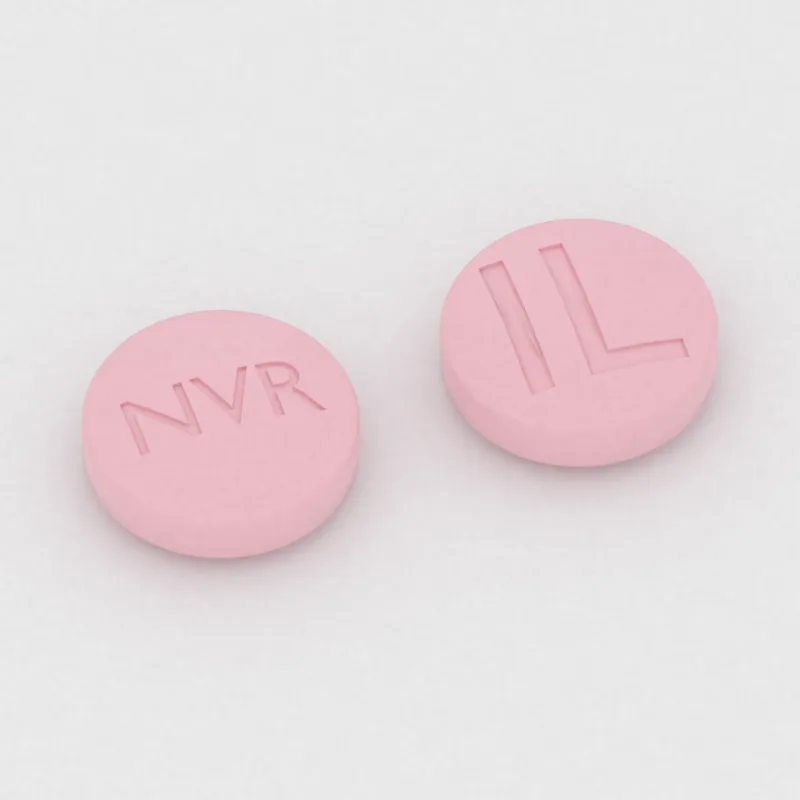
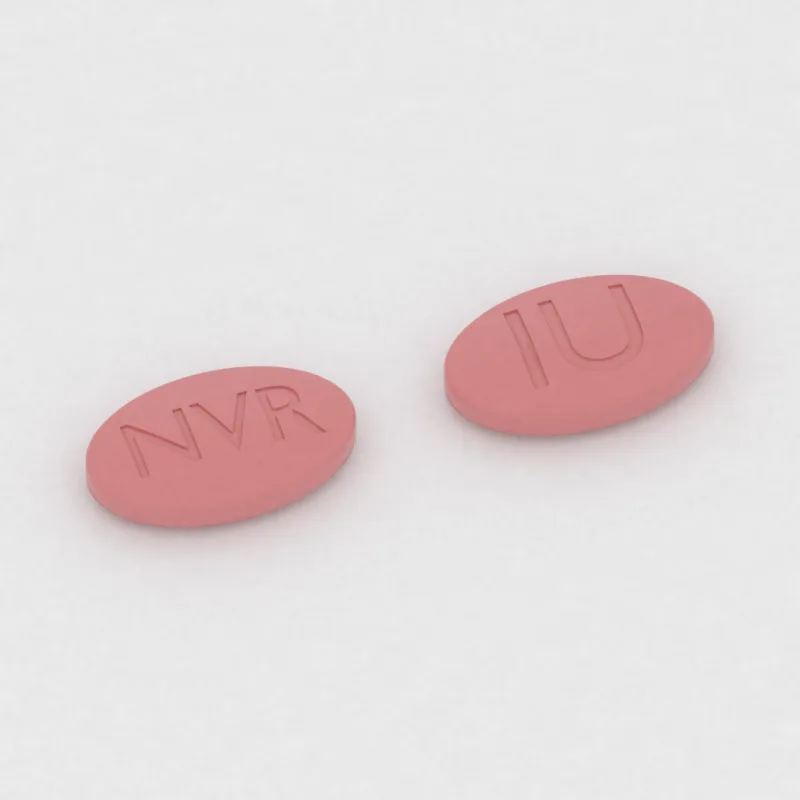
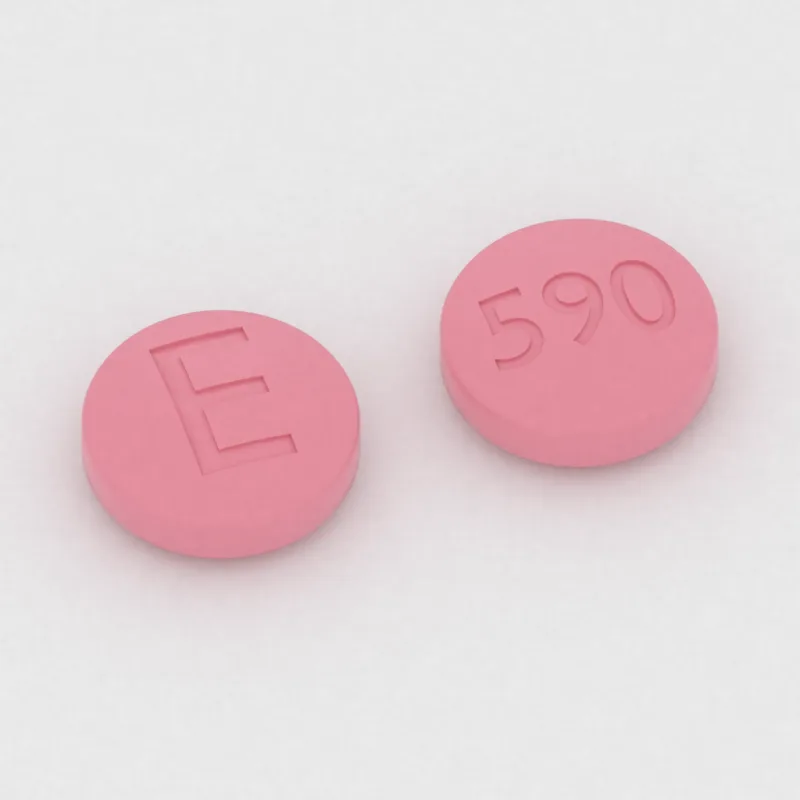
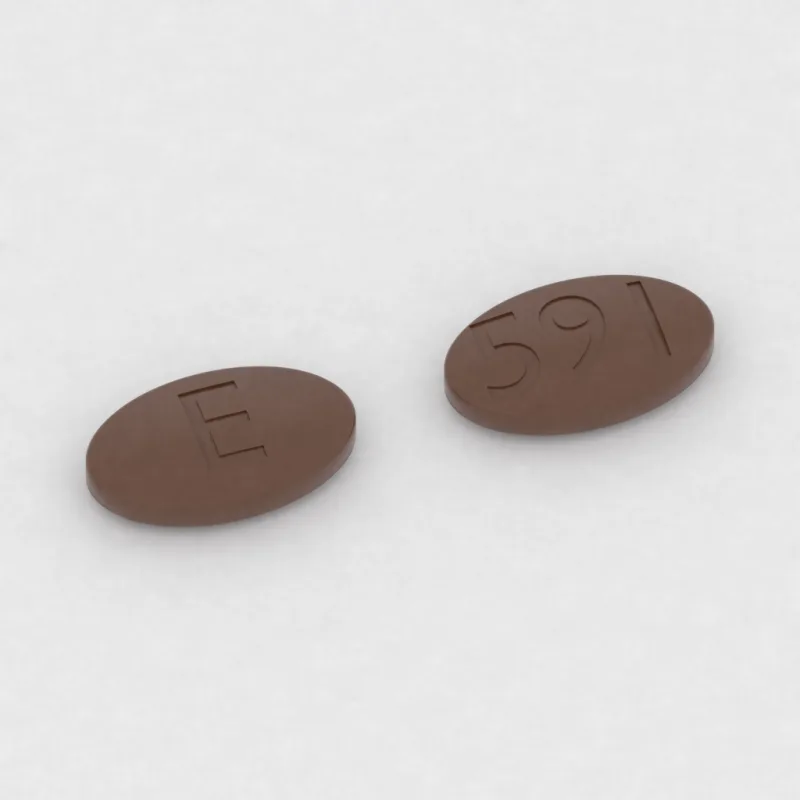
Renderings from the FDA labels' product listings: color, shape, size, and imprint. 4 documented versions from 3 labelers.
Interactions from the label
Major interactions (44)
Do not use with angiotensin receptor blockers (ARBs) or angiotensin- converting enzyme inhibitors (ACEIs) in patients with diabetes. (Aliskiren label, Contraindications)
Do not use Tekturna with ARBs or ACEIs in patients with diabetes [see Warnings and Precautions ( 5.2 ) and Clinical Studies ( 14.3 )]. (Aliskiren label, Contraindications)
Do not use Tekturna with ARBs or ACEIs in patients with diabetes [see Warnings and Precautions ( 5.2 ) and Clinical Studies ( 14.3 )]. (Aliskiren label, Contraindications)
Do not use Tekturna with ARBs or ACEIs in patients with diabetes [see Warnings and Precautions ( 5.2 ) and Clinical Studies ( 14.3 )]. (Aliskiren label, Contraindications)
Do not use with angiotensin receptor blockers (ARBs) or angiotensin- converting enzyme inhibitors (ACEIs) in patients with diabetes. (Aliskiren label, Contraindications)
Do not use with angiotensin receptor blockers (ARBs) or angiotensin- converting enzyme inhibitors (ACEIs) in patients with diabetes. (Aliskiren label, Contraindications)
Do not use Tekturna with ARBs or ACEIs in patients with diabetes [see Warnings and Precautions ( 5.2 ) and Clinical Studies ( 14.3 )]. (Aliskiren label, Contraindications)
Do not use Tekturna with ARBs or ACEIs in patients with diabetes [see Warnings and Precautions ( 5.2 ) and Clinical Studies ( 14.3 )]. (Aliskiren label, Contraindications)
Do not use with angiotensin receptor blockers (ARBs) or angiotensin- converting enzyme inhibitors (ACEIs) in patients with diabetes. (Aliskiren label, Contraindications)
Use CLOZARIL cautiously in patients with cardiovascular or cerebrovascular disease or conditions predisposing to hypotension (e.g., dehydration, use of antihypertensive medications) [see Dosage and Administration ( 2.2 , 2.6 ), Warnings and Precautions ( 5.2 )]. (Clozapine label, Boxed warning)
Avoid concomitant use of Tekturna with cyclosporine or itraconazole [see Drug Interactions ( 7 )] . (Aliskiren label, Warnings and precautions)
Do not use with angiotensin receptor blockers (ARBs) or angiotensin- converting enzyme inhibitors (ACEIs) in patients with diabetes. (Aliskiren label, Contraindications)
Do not use with angiotensin receptor blockers (ARBs) or angiotensin- converting enzyme inhibitors (ACEIs) in patients with diabetes. (Aliskiren label, Contraindications)
Do not use with angiotensin receptor blockers (ARBs) or angiotensin- converting enzyme inhibitors (ACEIs) in patients with diabetes. (Aliskiren label, Contraindications)
…of active abnormal bleeding within the previous 30 days Severe hypertension (systolic blood pressure >200 mm Hg or diastolic blood pressure >110 mm Hg) not adequately controlled on antihypertensive therapy Major surgery within the preceding 6 weeks History of stroke within 30 days or any history of hemorrhagic stroke Current or planned administration of another… (Eptifibatide label, Contraindications)
Do not use with angiotensin receptor blockers (ARBs) or angiotensin- converting enzyme inhibitors (ACEIs) in patients with diabetes. (Aliskiren label, Contraindications)
Do not use with angiotensin receptor blockers (ARBs) or angiotensin- converting enzyme inhibitors (ACEIs) in patients with diabetes. (Aliskiren label, Contraindications)
Do not use Tekturna with ARBs or ACEIs in patients with diabetes [see Warnings and Precautions ( 5.2 ) and Clinical Studies ( 14.3 )]. (Aliskiren label, Contraindications)
Do not use Tekturna with ARBs or ACEIs in patients with diabetes [see Warnings and Precautions ( 5.2 ) and Clinical Studies ( 14.3 )]. (Aliskiren label, Contraindications)
Avoid concomitant use of Tekturna with cyclosporine or itraconazole [see Drug Interactions ( 7 )] . (Aliskiren label, Warnings and precautions)
Do not use with angiotensin receptor blockers (ARBs) or angiotensin- converting enzyme inhibitors (ACEIs) in patients with diabetes. (Aliskiren label, Contraindications)
Do not use with angiotensin receptor blockers (ARBs) or angiotensin- converting enzyme inhibitors (ACEIs) in patients with diabetes. (Aliskiren label, Contraindications)
Do not use Tekturna with ARBs or ACEIs in patients with diabetes [see Warnings and Precautions ( 5.2 ) and Clinical Studies ( 14.3 )]. (Aliskiren label, Contraindications)
Do not use Tekturna with ARBs or ACEIs in patients with diabetes [see Warnings and Precautions ( 5.2 ) and Clinical Studies ( 14.3 )]. (Aliskiren label, Contraindications)
Other Antihypertensive Drugs When metolazone tablets, USP, are used with other antihypertensive drugs, particular care must be taken to avoid excessive reduction of blood pressure, especially during initial therapy. (Metolazone label, Warnings)
Minoxidil should be reserved for hypertensive patients who do not respond adequately to maximum therapeutic doses of a diuretic and two other antihypertensive agents. (Minoxidil label, Boxed warning)
Do not use with angiotensin receptor blockers (ARBs) or angiotensin- converting enzyme inhibitors (ACEIs) in patients with diabetes. (Aliskiren label, Contraindications)
Do not use Tekturna with ARBs or ACEIs in patients with diabetes [see Warnings and Precautions ( 5.2 ) and Clinical Studies ( 14.3 )]. (Aliskiren label, Contraindications)
Do not use Tekturna with ARBs or ACEIs in patients with diabetes [see Warnings and Precautions ( 5.2 ) and Clinical Studies ( 14.3 )]. (Aliskiren label, Contraindications)
Do not use Tekturna with ARBs or ACEIs in patients with diabetes [see Warnings and Precautions ( 5.2 ) and Clinical Studies ( 14.3 )]. (Aliskiren label, Contraindications)
Do not use with angiotensin receptor blockers (ARBs) or angiotensin- converting enzyme inhibitors (ACEIs) in patients with diabetes. (Aliskiren label, Contraindications)
These medicines reduce potassium excretion; adding potassium supplements or salt substitutes can cause hyperkalemia, which affects heart rhythm. (NIH Office of Dietary Supplements, Potassium)
Do not use with angiotensin receptor blockers (ARBs) or angiotensin- converting enzyme inhibitors (ACEIs) in patients with diabetes. (Aliskiren label, Contraindications)
Do not use with angiotensin receptor blockers (ARBs) or angiotensin- converting enzyme inhibitors (ACEIs) in patients with diabetes. (Aliskiren label, Contraindications)
Do not use with angiotensin receptor blockers (ARBs) or angiotensin- converting enzyme inhibitors (ACEIs) in patients with diabetes. (Aliskiren label, Contraindications)
Do not use Tekturna with ARBs or ACEIs in patients with diabetes [see Warnings and Precautions ( 5.2 ) and Clinical Studies ( 14.3 )]. (Aliskiren label, Contraindications)
…coadministration of an alpha-blocker and CIALIS for the treatment of BPH has not been adequately studied, and due to the potential vasodilatory effects of combined use resulting in blood pressure lowering, the combination of CIALIS and alpha-blockers is not recommended for the treatment of BPH. [see Dosage and Administration ( 2.7 ), Drug Interactions ( 7.1 ),… (Tadalafil label, Warnings and precautions)
Do not use Tekturna with ARBs or ACEIs in patients with diabetes [see Warnings and Precautions ( 5.2 ) and Clinical Studies ( 14.3 )]. (Aliskiren label, Contraindications)
Do not use Tekturna with ARBs or ACEIs in patients with diabetes [see Warnings and Precautions ( 5.2 ) and Clinical Studies ( 14.3 )]. (Aliskiren label, Contraindications)
Do not use Tekturna with ARBs or ACEIs in patients with diabetes [see Warnings and Precautions ( 5.2 ) and Clinical Studies ( 14.3 )]. (Aliskiren label, Contraindications)
Do not use with angiotensin receptor blockers (ARBs) or angiotensin- converting enzyme inhibitors (ACEIs) in patients with diabetes. (Aliskiren label, Contraindications)
Do not use Tekturna with ARBs or ACEIs in patients with diabetes [see Warnings and Precautions ( 5.2 ) and Clinical Studies ( 14.3 )]. (Aliskiren label, Contraindications)
Do not use Tekturna with ARBs or ACEIs in patients with diabetes [see Warnings and Precautions ( 5.2 ) and Clinical Studies ( 14.3 )]. (Aliskiren label, Contraindications)
Moderate interactions (160)
…part on the activity of the RAAS (e.g., patients with renal artery stenosis, severe heart failure, post-myocardial infarction or volume depletion) or patients receiving ARB, ACEI or nonsteroidal anti-inflammatory drug (NSAID), including selective Cyclooxygenase-2 inhibitors (COX-2 inhibitors), therapy may be at particular risk for developing acute renal failure… (Aliskiren label, Warnings and precautions)
Risk factors for the development of hyperkalemia include renal insufficiency, diabetes, combination use with ARBs or ACEIs [see Contraindications ( 4 ), Warnings and Precautions ( 5.2 ), and Clinical Studies ( 14.3 )] , NSAIDs, or potassium supplements or potassium sparing diuretics. (Aliskiren label, Warnings and precautions)
Postural hypotension/syncope: Care should be taken in patients with symptomatic hypotension or who have had a hypotensive response to other medications or are concomitantly treated with antihypertensive medication or nitrates ( 5.1 ) (Alfuzosin label, Warnings and precautions)
Risk factors for the development of hyperkalemia include renal insufficiency, diabetes, combination use with ARBs or ACEIs [see Contraindications ( 4 ), Warnings and Precautions ( 5.2 ), and Clinical Studies ( 14.3 )] , NSAIDs, or potassium supplements or potassium sparing diuretics. (Aliskiren label, Warnings and precautions)
Antihypertensive Drugs Due to its alpha-adrenergic antagonism, aripiprazole has the potential to enhance the effect of certain antihypertensive agents. (Aripiprazole label, Drug interactions)
There was also a slightly greater proportion of patients on NUVIGIL requiring new or increased use of antihypertensive medications (2.9%) compared to patients on placebo (1.8%). (Armodafinil label, Warnings and precautions)
Orthostatic vital signs should be monitored in patients who are vulnerable to hypotension (elderly patients, patients with dehydration, hypovolemia, concomitant treatment with antihypertensive medications, patients with known cardiovascular disease (history of myocardial infarction or ischemic heart disease, heart failure, or conduction abnormalities), and patients… (Asenapine label, Warnings and precautions)
…part on the activity of the RAAS (e.g., patients with renal artery stenosis, severe heart failure, post-myocardial infarction or volume depletion) or patients receiving ARB, ACEI or nonsteroidal anti-inflammatory drug (NSAID), including selective Cyclooxygenase-2 inhibitors (COX-2 inhibitors), therapy may be at particular risk for developing acute renal failure… (Aliskiren label, Warnings and precautions)
…part on the activity of the RAAS (e.g., patients with renal artery stenosis, severe heart failure, post-myocardial infarction or volume depletion) or patients receiving ARB, ACEI or nonsteroidal anti-inflammatory drug (NSAID), including selective Cyclooxygenase-2 inhibitors (COX-2 inhibitors), therapy may be at particular risk for developing acute renal failure… (Aliskiren label, Warnings and precautions)
Because of its relative beta 1 selectivity, however, TENORMIN may be used with caution in patients with bronchospastic disease who do not respond to, or cannot tolerate, other antihypertensive treatment. (Atenolol label, Warnings)
Risk factors for the development of hyperkalemia include renal insufficiency, diabetes, combination use with ARBs or ACEIs [see Contraindications ( 4 ), Warnings and Precautions ( 5.2 ), and Clinical Studies ( 14.3 )] , NSAIDs, or potassium supplements or potassium sparing diuretics. (Aliskiren label, Warnings and precautions)
Antihypertensive Drugs Prevention or Management Increase the frequency of monitoring blood pressure and adjust atomoxetine oral solution dosage as clinically appropriate. (Atomoxetine label, Drug interactions)
• Use of avanafil with alpha-blockers, other antihypertensives, or substantial amounts of alcohol (greater than 3 units) may lead to hypotension ( 2.3 , 5.6 , 5.7 ) (Avanafil label, Warnings and precautions)
Patients who experience these effects, even without respiratory distress, require prolonged observation and appropriate monitoring measures since treatment with antihistamines and corticosteroids may not be sufficient to prevent respiratory involvement. (Aliskiren label, Warnings and precautions)
Patients who experience these effects, even without respiratory distress, require prolonged observation and appropriate monitoring measures since treatment with antihistamines and corticosteroids may not be sufficient to prevent respiratory involvement. (Aliskiren label, Warnings and precautions)
Patients who experience these effects, even without respiratory distress, require prolonged observation and appropriate monitoring measures since treatment with antihistamines and corticosteroids may not be sufficient to prevent respiratory involvement. (Aliskiren label, Warnings and precautions)
Amphetamines may decrease the hypotensive effect of antihypertensives. (Benzphetamine label, Drug interactions)
Patients who experience these effects, even without respiratory distress, require prolonged observation and appropriate monitoring measures since treatment with antihistamines and corticosteroids may not be sufficient to prevent respiratory involvement. (Aliskiren label, Warnings and precautions)
Because of its relative beta 1 -selectivity, however, BISOPROLOL FUMARATE may be used with caution in patients with bronchospastic disease who do not respond to, or who cannot tolerate other antihypertensive treatment. (Bisoprolol label, Warnings)
Risk factors for the development of hyperkalemia include renal insufficiency, diabetes, combination use with ARBs or ACEIs [see Contraindications ( 4 ), Warnings and Precautions ( 5.2 ), and Clinical Studies ( 14.3 )] , NSAIDs, or potassium supplements or potassium sparing diuretics. (Aliskiren label, Warnings and precautions)
- BortezomibModerate
Hypotension: Use caution when treating patients taking antihypertensives, with a history of syncope, or with dehydration. (Bortezomib label, Warnings and precautions)
Orthostatic vital signs should be monitored in patients who are vulnerable to hypotension (e.g., elderly patients, patients with dehydration, hypovolemia, concomitant treatment with antihypertensive medication), patients with known cardiovascular disease (history of myocardial infarction, ischemic heart disease, heart failure, or conduction abnormalities), and… (Brexpiprazole label, Warnings and precautions)
Antihypertensives/Cardiac Glycosides Because brimonidine tartrate ophthalmic solution 0.1% and 0.15% may reduce blood pressure, caution in using drugs such as antihypertensives and/or cardiac glycosides with brimonidine tartrate ophthalmic solution 0.1% and 0.15% is advised. (Brimonidine label, Drug interactions)
Antihypertensives/Cardiac Glycosides Because brimonidine tartrate/timolol maleate ophthalmic solution may reduce blood pressure, caution in using drugs such as antihypertensives and/or cardiac glycosides with brimonidine tartrate/timolol maleate ophthalmic solution is advised. (Brimonidine and timolol label, Drug interactions)
Use caution in patients taking antihypertensive medications. (Bromocriptine label, Warnings and precautions)
Patients who experience these effects, even without respiratory distress, require prolonged observation and appropriate monitoring measures since treatment with antihistamines and corticosteroids may not be sufficient to prevent respiratory involvement. (Aliskiren label, Warnings and precautions)
Patients who experience these effects, even without respiratory distress, require prolonged observation and appropriate monitoring measures since treatment with antihistamines and corticosteroids may not be sufficient to prevent respiratory involvement. (Aliskiren label, Warnings and precautions)
Patients who experience these effects, even without respiratory distress, require prolonged observation and appropriate monitoring measures since treatment with antihistamines and corticosteroids may not be sufficient to prevent respiratory involvement. (Aliskiren label, Warnings and precautions)
Risk factors for the development of hyperkalemia include renal insufficiency, diabetes, combination use with ARBs or ACEIs [see Contraindications ( 4 ), Warnings and Precautions ( 5.2 ), and Clinical Studies ( 14.3 )] , NSAIDs, or potassium supplements or potassium sparing diuretics. (Aliskiren label, Warnings and precautions)
…part on the activity of the RAAS (e.g., patients with renal artery stenosis, severe heart failure, post-myocardial infarction or volume depletion) or patients receiving ARB, ACEI or nonsteroidal anti-inflammatory drug (NSAID), including selective Cyclooxygenase-2 inhibitors (COX-2 inhibitors), therapy may be at particular risk for developing acute renal failure… (Aliskiren label, Warnings and precautions)
…part on the activity of the RAAS (e.g., patients with renal artery stenosis, severe heart failure, post-myocardial infarction or volume depletion) or patients receiving ARB, ACEI or nonsteroidal anti-inflammatory drug (NSAID), including selective Cyclooxygenase-2 inhibitors (COX-2 inhibitors), therapy may be at particular risk for developing acute renal failure… (Aliskiren label, Warnings and precautions)
- CarbidopaModerate
Symptomatic postural hypotension has occurred when carbidopa, given with levodopa or carbidopa-levodopa combination products, was added to the treatment of a patient receiving antihypertensive drugs. (Carbidopa label, Drug interactions)
Antihypertensive drugs: May cause symptomatic postural hypotension. (Carbidopa and levodopa label, Drug interactions)
Antihypertensive Agents Symptomatic postural hypotension has occurred when carbidopa/levodopa was added to the treatment of patients receiving antihypertensive drugs. (Carbidopa, levodopa, and entacapone label, Drug interactions)
Patients who experience these effects, even without respiratory distress, require prolonged observation and appropriate monitoring measures since treatment with antihistamines and corticosteroids may not be sufficient to prevent respiratory involvement. (Aliskiren label, Warnings and precautions)
Orthostatic vital signs should be monitored in patients who are vulnerable to hypotension (e.g., elderly patients, patients with dehydration, hypovolemia, and concomitant treatment with antihypertensive medications), patients with known cardiovascular disease (history of myocardial infarction, ischemic heart disease, heart failure, or conduction abnormalities), and… (Cariprazine label, Warnings and precautions)
COREG may be used with caution, however, in patients who do not respond to, or cannot tolerate, other antihypertensive agents. (Carvedilol label, Warnings and precautions)
…part on the activity of the RAAS (e.g., patients with renal artery stenosis, severe heart failure, post-myocardial infarction or volume depletion) or patients receiving ARB, ACEI or nonsteroidal anti-inflammatory drug (NSAID), including selective Cyclooxygenase-2 inhibitors (COX-2 inhibitors), therapy may be at particular risk for developing acute renal failure… (Aliskiren label, Warnings and precautions)
Patients who experience these effects, even without respiratory distress, require prolonged observation and appropriate monitoring measures since treatment with antihistamines and corticosteroids may not be sufficient to prevent respiratory involvement. (Aliskiren label, Warnings and precautions)
Risk factors for the development of hyperkalemia include renal insufficiency, diabetes, combination use with ARBs or ACEIs [see Contraindications ( 4 ), Warnings and Precautions ( 5.2 ), and Clinical Studies ( 14.3 )] , NSAIDs, or potassium supplements or potassium sparing diuretics. (Aliskiren label, Warnings and precautions)
Patients who experience these effects, even without respiratory distress, require prolonged observation and appropriate monitoring measures since treatment with antihistamines and corticosteroids may not be sufficient to prevent respiratory involvement. (Aliskiren label, Warnings and precautions)
Risk factors for the development of hyperkalemia include renal insufficiency, diabetes, combination use with ARBs or ACEIs [see Contraindications ( 4 ), Warnings and Precautions ( 5.2 ), and Clinical Studies ( 14.3 )] , NSAIDs, or potassium supplements or potassium sparing diuretics. (Aliskiren label, Warnings and precautions)
Patients who experience these effects, even without respiratory distress, require prolonged observation and appropriate monitoring measures since treatment with antihistamines and corticosteroids may not be sufficient to prevent respiratory involvement. (Aliskiren label, Warnings and precautions)
Patients who experience these effects, even without respiratory distress, require prolonged observation and appropriate monitoring measures since treatment with antihistamines and corticosteroids may not be sufficient to prevent respiratory involvement. (Aliskiren label, Warnings and precautions)
Patients who experience these effects, even without respiratory distress, require prolonged observation and appropriate monitoring measures since treatment with antihistamines and corticosteroids may not be sufficient to prevent respiratory involvement. (Aliskiren label, Warnings and precautions)
…concomitant use of TONMYA with: MAO inhibitors may be life-threatening [see Contraindications (4) ] , Alcohol, barbiturates, and other CNS depressants may increase the risk of adverse reactions associated with these drugs, Tramadol may increase the seizure risk, Guanethidine or other similar acting drugs may block the antihypertensive action of these drugs. (Cyclobenzaprine label, Drug interactions)
Patients who experience these effects, even without respiratory distress, require prolonged observation and appropriate monitoring measures since treatment with antihistamines and corticosteroids may not be sufficient to prevent respiratory involvement. (Aliskiren label, Warnings and precautions)
Risk factors for the development of hyperkalemia include renal insufficiency, diabetes, combination use with ARBs or ACEIs [see Contraindications ( 4 ), Warnings and Precautions ( 5.2 ), and Clinical Studies ( 14.3 )] , NSAIDs, or potassium supplements or potassium sparing diuretics. (Aliskiren label, Warnings and precautions)
Patients who experience these effects, even without respiratory distress, require prolonged observation and appropriate monitoring measures since treatment with antihistamines and corticosteroids may not be sufficient to prevent respiratory involvement. (Aliskiren label, Warnings and precautions)
Patients who experience these effects, even without respiratory distress, require prolonged observation and appropriate monitoring measures since treatment with antihistamines and corticosteroids may not be sufficient to prevent respiratory involvement. (Aliskiren label, Warnings and precautions)
Patients who experience these effects, even without respiratory distress, require prolonged observation and appropriate monitoring measures since treatment with antihistamines and corticosteroids may not be sufficient to prevent respiratory involvement. (Aliskiren label, Warnings and precautions)
Patients who experience these effects, even without respiratory distress, require prolonged observation and appropriate monitoring measures since treatment with antihistamines and corticosteroids may not be sufficient to prevent respiratory involvement. (Aliskiren label, Warnings and precautions)
Patients who experience these effects, even without respiratory distress, require prolonged observation and appropriate monitoring measures since treatment with antihistamines and corticosteroids may not be sufficient to prevent respiratory involvement. (Aliskiren label, Warnings and precautions)
• Antihypertensive Drugs: Monitor blood pressure. (Dexmethylphenidate label, Drug interactions)
…part on the activity of the RAAS (e.g., patients with renal artery stenosis, severe heart failure, post-myocardial infarction or volume depletion) or patients receiving ARB, ACEI or nonsteroidal anti-inflammatory drug (NSAID), including selective Cyclooxygenase-2 inhibitors (COX-2 inhibitors), therapy may be at particular risk for developing acute renal failure… (Aliskiren label, Warnings and precautions)
…part on the activity of the RAAS (e.g., patients with renal artery stenosis, severe heart failure, post-myocardial infarction or volume depletion) or patients receiving ARB, ACEI or nonsteroidal anti-inflammatory drug (NSAID), including selective Cyclooxygenase-2 inhibitors (COX-2 inhibitors), therapy may be at particular risk for developing acute renal failure… (Aliskiren label, Warnings and precautions)
The pressor effects of diethylpropion and those of other drugs may be additive when the drugs are used concomitantly; conversely, diethylpropion may interfere with antihypertensive drugs (i.e., guanethidine, a-methyldopa). (Diethylpropion label, Drug interactions)
…part on the activity of the RAAS (e.g., patients with renal artery stenosis, severe heart failure, post-myocardial infarction or volume depletion) or patients receiving ARB, ACEI or nonsteroidal anti-inflammatory drug (NSAID), including selective Cyclooxygenase-2 inhibitors (COX-2 inhibitors), therapy may be at particular risk for developing acute renal failure… (Aliskiren label, Warnings and precautions)
Patients who experience these effects, even without respiratory distress, require prolonged observation and appropriate monitoring measures since treatment with antihistamines and corticosteroids may not be sufficient to prevent respiratory involvement. (Aliskiren label, Warnings and precautions)
Patients who experience these effects, even without respiratory distress, require prolonged observation and appropriate monitoring measures since treatment with antihistamines and corticosteroids may not be sufficient to prevent respiratory involvement. (Aliskiren label, Warnings and precautions)
Patients who experience these effects, even without respiratory distress, require prolonged observation and appropriate monitoring measures since treatment with antihistamines and corticosteroids may not be sufficient to prevent respiratory involvement. (Aliskiren label, Warnings and precautions)
Patients who experience these effects, even without respiratory distress, require prolonged observation and appropriate monitoring measures since treatment with antihistamines and corticosteroids may not be sufficient to prevent respiratory involvement. (Aliskiren label, Warnings and precautions)
The risk of BP decreases may be greater in patients taking concomitant medications that induce orthostatic hypotension (such as antihypertensives) or are potent CYP1A2 inhibitors [see Drug Interactions ( 7.1 )] and in patients taking duloxetine delayed-release capsules at doses above 60 mg daily. (Duloxetine label, Warnings and precautions)
Epinephrine may antagonize the neuronal blockade produced by guanethidine resulting in decreased antihypertensive effect and requiring increased dosage of the latter. (Epinephrine label, Drug interactions)
Risk factors for the development of hyperkalemia include renal insufficiency, diabetes, combination use with ARBs or ACEIs [see Contraindications ( 4 ), Warnings and Precautions ( 5.2 ), and Clinical Studies ( 14.3 )] , NSAIDs, or potassium supplements or potassium sparing diuretics. (Aliskiren label, Warnings and precautions)
- Epoetin alfaModerate
Following initiation and titration of Epogen, approximately 25% of patients on dialysis required initiation of or increases in antihypertensive therapy; hypertensive encephalopathy and seizures have been reported in patients with CKD receiving Epogen. (Epoetin alfa label, Warnings and precautions)
Additional reductions in blood pressure may occur when VELETRI is administered with diuretics, antihypertensive agents, or other vasodilators. (Epoprostenol label, Drug interactions)
Antihypertensive agents clonidine, guanfacine, or moxonidine: Beta blockers also increase the risk of clonidine-, guanfacine-, or moxonidine-withdrawal rebound hypertension. (Esmolol label, Drug interactions)
Risk factors for the development of hyperkalemia include renal insufficiency, diabetes, combination use with ARBs or ACEIs [see Contraindications ( 4 ), Warnings and Precautions ( 5.2 ), and Clinical Studies ( 14.3 )] , NSAIDs, or potassium supplements or potassium sparing diuretics. (Aliskiren label, Warnings and precautions)
…part on the activity of the RAAS (e.g., patients with renal artery stenosis, severe heart failure, post-myocardial infarction or volume depletion) or patients receiving ARB, ACEI or nonsteroidal anti-inflammatory drug (NSAID), including selective Cyclooxygenase-2 inhibitors (COX-2 inhibitors), therapy may be at particular risk for developing acute renal failure… (Aliskiren label, Warnings and precautions)
…part on the activity of the RAAS (e.g., patients with renal artery stenosis, severe heart failure, post-myocardial infarction or volume depletion) or patients receiving ARB, ACEI or nonsteroidal anti-inflammatory drug (NSAID), including selective Cyclooxygenase-2 inhibitors (COX-2 inhibitors), therapy may be at particular risk for developing acute renal failure… (Aliskiren label, Warnings and precautions)
Patients who experience these effects, even without respiratory distress, require prolonged observation and appropriate monitoring measures since treatment with antihistamines and corticosteroids may not be sufficient to prevent respiratory involvement. (Aliskiren label, Warnings and precautions)
Patients who experience these effects, even without respiratory distress, require prolonged observation and appropriate monitoring measures since treatment with antihistamines and corticosteroids may not be sufficient to prevent respiratory involvement. (Aliskiren label, Warnings and precautions)
Patients who experience these effects, even without respiratory distress, require prolonged observation and appropriate monitoring measures since treatment with antihistamines and corticosteroids may not be sufficient to prevent respiratory involvement. (Aliskiren label, Warnings and precautions)
Patients who experience these effects, even without respiratory distress, require prolonged observation and appropriate monitoring measures since treatment with antihistamines and corticosteroids may not be sufficient to prevent respiratory involvement. (Aliskiren label, Warnings and precautions)
…part on the activity of the RAAS (e.g., patients with renal artery stenosis, severe heart failure, post-myocardial infarction or volume depletion) or patients receiving ARB, ACEI or nonsteroidal anti-inflammatory drug (NSAID), including selective Cyclooxygenase-2 inhibitors (COX-2 inhibitors), therapy may be at particular risk for developing acute renal failure… (Aliskiren label, Warnings and precautions)
Patients who experience these effects, even without respiratory distress, require prolonged observation and appropriate monitoring measures since treatment with antihistamines and corticosteroids may not be sufficient to prevent respiratory involvement. (Aliskiren label, Warnings and precautions)
Patients who experience these effects, even without respiratory distress, require prolonged observation and appropriate monitoring measures since treatment with antihistamines and corticosteroids may not be sufficient to prevent respiratory involvement. (Aliskiren label, Warnings and precautions)
Furosemide: Oral coadministration of aliskiren and furosemide reduced exposure to furosemide. (Aliskiren label, Drug interactions)
Patients who experience these effects, even without respiratory distress, require prolonged observation and appropriate monitoring measures since treatment with antihistamines and corticosteroids may not be sufficient to prevent respiratory involvement. (Aliskiren label, Warnings and precautions)
Risk factors for the development of hyperkalemia include renal insufficiency, diabetes, combination use with ARBs or ACEIs [see Contraindications ( 4 ), Warnings and Precautions ( 5.2 ), and Clinical Studies ( 14.3 )] , NSAIDs, or potassium supplements or potassium sparing diuretics. (Aliskiren label, Warnings and precautions)
Patients who experience these effects, even without respiratory distress, require prolonged observation and appropriate monitoring measures since treatment with antihistamines and corticosteroids may not be sufficient to prevent respiratory involvement. (Aliskiren label, Warnings and precautions)
…part on the activity of the RAAS (e.g., patients with renal artery stenosis, severe heart failure, post-myocardial infarction or volume depletion) or patients receiving ARB, ACEI or nonsteroidal anti-inflammatory drug (NSAID), including selective Cyclooxygenase-2 inhibitors (COX-2 inhibitors), therapy may be at particular risk for developing acute renal failure… (Aliskiren label, Warnings and precautions)
Patients who experience these effects, even without respiratory distress, require prolonged observation and appropriate monitoring measures since treatment with antihistamines and corticosteroids may not be sufficient to prevent respiratory involvement. (Aliskiren label, Warnings and precautions)
Patients who experience these effects, even without respiratory distress, require prolonged observation and appropriate monitoring measures since treatment with antihistamines and corticosteroids may not be sufficient to prevent respiratory involvement. (Aliskiren label, Warnings and precautions)
…part on the activity of the RAAS (e.g., patients with renal artery stenosis, severe heart failure, post-myocardial infarction or volume depletion) or patients receiving ARB, ACEI or nonsteroidal anti-inflammatory drug (NSAID), including selective Cyclooxygenase-2 inhibitors (COX-2 inhibitors), therapy may be at particular risk for developing acute renal failure… (Aliskiren label, Warnings and precautions)
…part on the activity of the RAAS (e.g., patients with renal artery stenosis, severe heart failure, post-myocardial infarction or volume depletion) or patients receiving ARB, ACEI or nonsteroidal anti-inflammatory drug (NSAID), including selective Cyclooxygenase-2 inhibitors (COX-2 inhibitors), therapy may be at particular risk for developing acute renal failure… (Aliskiren label, Warnings and precautions)
Orthostatic vital signs should be monitored in patients who are vulnerable to hypotension (e.g., elderly patients, patients with dehydration, hypovolemia, and concomitant treatment with antihypertensive medications), patients with known cardiovascular disease (history of myocardial infarction, ischemic heart disease, heart failure, or conduction abnormalities), and… (Iloperidone label, Warnings and precautions)
Risk factors for the development of hyperkalemia include renal insufficiency, diabetes, combination use with ARBs or ACEIs [see Contraindications ( 4 ), Warnings and Precautions ( 5.2 ), and Clinical Studies ( 14.3 )] , NSAIDs, or potassium supplements or potassium sparing diuretics. (Aliskiren label, Warnings and precautions)
…part on the activity of the RAAS (e.g., patients with renal artery stenosis, severe heart failure, post-myocardial infarction or volume depletion) or patients receiving ARB, ACEI or nonsteroidal anti-inflammatory drug (NSAID), including selective Cyclooxygenase-2 inhibitors (COX-2 inhibitors), therapy may be at particular risk for developing acute renal failure… (Aliskiren label, Warnings and precautions)
Dihydropyridines: Concomitant administration of ketoconazole tablets may cause several-fold increases in plasma concentrations of dihydropyridines Cardiovascular Drugs, Miscellaneous ranolazine aliskiren, bosentan Ranolazine: The potential increase in plasma concentrations of ranolazine when coadministered with ketoconazole tablets may increase the risk of serious cardiovascular… (Ketoconazole label, Drug interactions)
…part on the activity of the RAAS (e.g., patients with renal artery stenosis, severe heart failure, post-myocardial infarction or volume depletion) or patients receiving ARB, ACEI or nonsteroidal anti-inflammatory drug (NSAID), including selective Cyclooxygenase-2 inhibitors (COX-2 inhibitors), therapy may be at particular risk for developing acute renal failure… (Aliskiren label, Warnings and precautions)
…part on the activity of the RAAS (e.g., patients with renal artery stenosis, severe heart failure, post-myocardial infarction or volume depletion) or patients receiving ARB, ACEI or nonsteroidal anti-inflammatory drug (NSAID), including selective Cyclooxygenase-2 inhibitors (COX-2 inhibitors), therapy may be at particular risk for developing acute renal failure… (Aliskiren label, Warnings and precautions)
Patients who experience these effects, even without respiratory distress, require prolonged observation and appropriate monitoring measures since treatment with antihistamines and corticosteroids may not be sufficient to prevent respiratory involvement. (Aliskiren label, Warnings and precautions)
- LomitapideModerate
Coadministration of lomitapide with P-gp substrates (such as aliskiren, ambrisentan, colchicine, dabigatran etexilate, digoxin, everolimus, fexofenadine, imatinib, lapatinib, maraviroc, nilotinib, posaconazole, ranolazine, saxagliptin, sirolimus, sitagliptin, talinolol, tolvaptan, topotecan) may increase the absorption of P-gp substrates. (Lomitapide label, Drug interactions)
Patients who experience these effects, even without respiratory distress, require prolonged observation and appropriate monitoring measures since treatment with antihistamines and corticosteroids may not be sufficient to prevent respiratory involvement. (Aliskiren label, Warnings and precautions)
Orthostatic vital signs should be monitored in patients who are vulnerable to hypotension (e.g., elderly patients, patients with dehydration, hypovolemia, and concomitant treatment with antihypertensive drugs), patients with known cardiovascular disease (history of myocardial infarction, ischemic heart disease, heart failure, or conduction abnormalities), and patients… (Lumateperone label, Warnings and precautions)
Patients at increased risk of these adverse reactions or at increased risk of developing complications from hypotension include those with dehydration, hypovolemia, treatment with antihypertensive medication, history of cardiovascular disease (e.g., heart failure, myocardial infarction, ischemia, or conduction abnormalities), history of cerebrovascular disease,… (Lurasidone label, Warnings and precautions)
The action of Mecamylamine HCl may be potentiated by anesthesia, other antihypertensive drugs and alcohol. (Mecamylamine label, Drug interactions)
Patients who experience these effects, even without respiratory distress, require prolonged observation and appropriate monitoring measures since treatment with antihistamines and corticosteroids may not be sufficient to prevent respiratory involvement. (Aliskiren label, Warnings and precautions)
…part on the activity of the RAAS (e.g., patients with renal artery stenosis, severe heart failure, post-myocardial infarction or volume depletion) or patients receiving ARB, ACEI or nonsteroidal anti-inflammatory drug (NSAID), including selective Cyclooxygenase-2 inhibitors (COX-2 inhibitors), therapy may be at particular risk for developing acute renal failure… (Aliskiren label, Warnings and precautions)
…part on the activity of the RAAS (e.g., patients with renal artery stenosis, severe heart failure, post-myocardial infarction or volume depletion) or patients receiving ARB, ACEI or nonsteroidal anti-inflammatory drug (NSAID), including selective Cyclooxygenase-2 inhibitors (COX-2 inhibitors), therapy may be at particular risk for developing acute renal failure… (Aliskiren label, Warnings and precautions)
Antihypertensive Drugs: Monitor blood pressure. (Methylphenidate label, Drug interactions)
Patients who experience these effects, even without respiratory distress, require prolonged observation and appropriate monitoring measures since treatment with antihistamines and corticosteroids may not be sufficient to prevent respiratory involvement. (Aliskiren label, Warnings and precautions)
Risk factors for the development of hyperkalemia include renal insufficiency, diabetes, combination use with ARBs or ACEIs [see Contraindications ( 4 ), Warnings and Precautions ( 5.2 ), and Clinical Studies ( 14.3 )] , NSAIDs, or potassium supplements or potassium sparing diuretics. (Aliskiren label, Warnings and precautions)
REMERON/REMERONSolTab should be used with caution in patients with known cardiovascular or cerebrovascular disease that could be exacerbated by hypotension (history of myocardial infarction, angina, or ischemic stroke) and conditions that would predispose patients to hypotension (dehydration, hypovolemia, and treatment with antihypertensive medication). (Mirtazapine label, Warnings and precautions)
However, a retrospective analysis of the use of antihypertensive medication in these studies showed that a greater proportion of patients on PROVIGIL required new or increased use of antihypertensive medications (2.4%) compared to patients on placebo (0.7%). (Modafinil label, Warnings and precautions)
Patients who experience these effects, even without respiratory distress, require prolonged observation and appropriate monitoring measures since treatment with antihistamines and corticosteroids may not be sufficient to prevent respiratory involvement. (Aliskiren label, Warnings and precautions)
…part on the activity of the RAAS (e.g., patients with renal artery stenosis, severe heart failure, post-myocardial infarction or volume depletion) or patients receiving ARB, ACEI or nonsteroidal anti-inflammatory drug (NSAID), including selective Cyclooxygenase-2 inhibitors (COX-2 inhibitors), therapy may be at particular risk for developing acute renal failure… (Aliskiren label, Warnings and precautions)
…part on the activity of the RAAS (e.g., patients with renal artery stenosis, severe heart failure, post-myocardial infarction or volume depletion) or patients receiving ARB, ACEI or nonsteroidal anti-inflammatory drug (NSAID), including selective Cyclooxygenase-2 inhibitors (COX-2 inhibitors), therapy may be at particular risk for developing acute renal failure… (Aliskiren label, Warnings and precautions)
…part on the activity of the RAAS (e.g., patients with renal artery stenosis, severe heart failure, post-myocardial infarction or volume depletion) or patients receiving ARB, ACEI or nonsteroidal anti-inflammatory drug (NSAID), including selective Cyclooxygenase-2 inhibitors (COX-2 inhibitors), therapy may be at particular risk for developing acute renal failure… (Aliskiren label, Warnings and precautions)
Risk factors for the development of hyperkalemia include renal insufficiency, diabetes, combination use with ARBs or ACEIs [see Contraindications ( 4 ), Warnings and Precautions ( 5.2 ), and Clinical Studies ( 14.3 )] , NSAIDs, or potassium supplements or potassium sparing diuretics. (Aliskiren label, Warnings and precautions)
- NiacinModerate
Antihypertensive Therapy Niacin may potentiate the effects of ganglionic blocking agents and vasoactive drugs resulting in postural hypotension. (Niacin label, Drug interactions)
Blood Pressure Lowering Drugs Nimodipine may increase the blood pressure lowering effect of concomitantly administered anti-hypertensives such as diuretics, beta-blockers, ACE inhibitors, angiotensin receptor blockers, other calcium channel blockers, α-adrenergic blockers, PDE5 inhibitors, and α-methyldopa. (Nimodipine label, Drug interactions)
Antihypertensives: Possible additive hypotensive effects. (Nitroglycerin label, Drug interactions)
…of myocardial infarction or ischemia, heart failure, or conduction abnormalities), cerebrovascular disease, and conditions which would predispose patients to hypotension (dehydration, hypovolemia, and treatment with antihypertensive medications) where the occurrence of syncope, or hypotension and/or bradycardia might put the patient at increased medical risk. (Olanzapine label, Warnings and precautions)
…and fluoxetine capsules should be used with particular caution in patients with known cardiovascular disease (history of myocardial infarction or ischemia, heart failure, or conduction abnormalities), cerebrovascular disease, or conditions that would predispose patients to hypotension (dehydration, hypovolemia, and treatment with antihypertensive medications). (Olanzapine and fluoxetine label, Warnings and precautions)
Patients who experience these effects, even without respiratory distress, require prolonged observation and appropriate monitoring measures since treatment with antihistamines and corticosteroids may not be sufficient to prevent respiratory involvement. (Aliskiren label, Warnings and precautions)
Patients who experience these effects, even without respiratory distress, require prolonged observation and appropriate monitoring measures since treatment with antihistamines and corticosteroids may not be sufficient to prevent respiratory involvement. (Aliskiren label, Warnings and precautions)
…part on the activity of the RAAS (e.g., patients with renal artery stenosis, severe heart failure, post-myocardial infarction or volume depletion) or patients receiving ARB, ACEI or nonsteroidal anti-inflammatory drug (NSAID), including selective Cyclooxygenase-2 inhibitors (COX-2 inhibitors), therapy may be at particular risk for developing acute renal failure… (Aliskiren label, Warnings and precautions)
…part on the activity of the RAAS (e.g., patients with renal artery stenosis, severe heart failure, post-myocardial infarction or volume depletion) or patients receiving ARB, ACEI or nonsteroidal anti-inflammatory drug (NSAID), including selective Cyclooxygenase-2 inhibitors (COX-2 inhibitors), therapy may be at particular risk for developing acute renal failure… (Aliskiren label, Warnings and precautions)
Use ERZOFRI with caution in patients with known cardiovascular disease (e.g., heart failure, history of myocardial infarction or ischemia, conduction abnormalities), cerebrovascular disease, or conditions that predispose the patient to hypotension (e.g., dehydration, hypovolemia, and treatment with antihypertensive medications). (Paliperidone label, Warnings and precautions)
- PazopanibModerate
Monitor blood pressure as clinically indicated and initiate and adjust antihypertensive therapy as appropriate. (Pazopanib label, Warnings and precautions)
Small decreases in blood pressure have been observed in some patients treated with pentoxifylline extended-release tablets; periodic systemic blood pressure monitoring is recommended for patients receiving concomitant antihypertensive therapy. (Pentoxifylline label, Drug interactions)
…hydrochloride desipramine hydrochloride imipramine hydrochloride doxepin carbamazepine cyclobenzaprine HCl amoxapine maprotiline HCl trimipramine maleate protriptyline HCl mirtazapine Phenelzine sulfate should be used with caution in combination with antihypertensive drugs, including thiazide diuretics and β-blockers, since exaggerated hypotensive effects may result. (Phenelzine label, Warnings)
…part on the activity of the RAAS (e.g., patients with renal artery stenosis, severe heart failure, post-myocardial infarction or volume depletion) or patients receiving ARB, ACEI or nonsteroidal anti-inflammatory drug (NSAID), including selective Cyclooxygenase-2 inhibitors (COX-2 inhibitors), therapy may be at particular risk for developing acute renal failure… (Aliskiren label, Warnings and precautions)
Risk factors for the development of hyperkalemia include renal insufficiency, diabetes, combination use with ARBs or ACEIs [see Contraindications ( 4 ), Warnings and Precautions ( 5.2 ), and Clinical Studies ( 14.3 )] , NSAIDs, or potassium supplements or potassium sparing diuretics. (Aliskiren label, Warnings and precautions)
Risk factors for the development of hyperkalemia include renal insufficiency, diabetes, combination use with ARBs or ACEIs [see Contraindications ( 4 ), Warnings and Precautions ( 5.2 ), and Clinical Studies ( 14.3 )] , NSAIDs, or potassium supplements or potassium sparing diuretics. (Aliskiren label, Warnings and precautions)
Syncopal episodes have usually occurred within 30 to 90 minutes of the initial dose of the drug; occasionally, they have been reported in association with rapid dosage increases or the introduction of another antihypertensive drug into the regimen of a patient taking high doses of prazosin hydrochloride capsules. (Prazosin label, Warnings)
Patients who experience these effects, even without respiratory distress, require prolonged observation and appropriate monitoring measures since treatment with antihistamines and corticosteroids may not be sufficient to prevent respiratory involvement. (Aliskiren label, Warnings and precautions)
Patients who experience these effects, even without respiratory distress, require prolonged observation and appropriate monitoring measures since treatment with antihistamines and corticosteroids may not be sufficient to prevent respiratory involvement. (Aliskiren label, Warnings and precautions)
Patients who experience these effects, even without respiratory distress, require prolonged observation and appropriate monitoring measures since treatment with antihistamines and corticosteroids may not be sufficient to prevent respiratory involvement. (Aliskiren label, Warnings and precautions)
Patients who experience these effects, even without respiratory distress, require prolonged observation and appropriate monitoring measures since treatment with antihistamines and corticosteroids may not be sufficient to prevent respiratory involvement. (Aliskiren label, Warnings and precautions)
Patients who experience these effects, even without respiratory distress, require prolonged observation and appropriate monitoring measures since treatment with antihistamines and corticosteroids may not be sufficient to prevent respiratory involvement. (Aliskiren label, Warnings and precautions)
Quetiapine should be used with particular caution in patients with known cardiovascular disease (history of myocardial infarction or ischemic heart disease, heart failure, or conduction abnormalities), cerebrovascular disease, or conditions which would predispose patients to hypotension (dehydration, hypovolemia, and treatment with antihypertensive medications). (Quetiapine label, Warnings and precautions)
Risk factors for the development of hyperkalemia include renal insufficiency, diabetes, combination use with ARBs or ACEIs [see Contraindications ( 4 ), Warnings and Precautions ( 5.2 ), and Clinical Studies ( 14.3 )] , NSAIDs, or potassium supplements or potassium sparing diuretics. (Aliskiren label, Warnings and precautions)
Consider the potential for symptomatic hypotension or ischemia in patients with hypovolemia, severe left ventricular outflow obstruction, resting hypotension, autonomic dysfunction, or concomitant treatment with antihypertensives or strong CYP and P-gp/BCRP inhibitors [see Drug Interactions (7.2) and Clinical Pharmacology (12.3) ] . (Riociguat label, Warnings and precautions)
Clinically significant hypotension has been observed with concomitant use of oral RISPERDAL and antihypertensive medication. (Risperidone label, Warnings and precautions)
…part on the activity of the RAAS (e.g., patients with renal artery stenosis, severe heart failure, post-myocardial infarction or volume depletion) or patients receiving ARB, ACEI or nonsteroidal anti-inflammatory drug (NSAID), including selective Cyclooxygenase-2 inhibitors (COX-2 inhibitors), therapy may be at particular risk for developing acute renal failure… (Aliskiren label, Warnings and precautions)
Caution is advised when SILDENAFIL ORAL FILM is co-administered with alpha-blockers or antihypertensives. (Sildenafil label, Warnings and precautions)
However, patients in the Phase 3 clinical studies taking concomitant antihypertensive medications with silodosin capsules did not experience a significant increase in the incidence of syncope, dizziness, or orthostasis. (Silodosin label, Warnings and precautions)
Risk factors for the development of hyperkalemia include renal insufficiency, diabetes, combination use with ARBs or ACEIs [see Contraindications ( 4 ), Warnings and Precautions ( 5.2 ), and Clinical Studies ( 14.3 )] , NSAIDs, or potassium supplements or potassium sparing diuretics. (Aliskiren label, Warnings and precautions)
- SorafenibModerate
Consider temporary or permanent discontinuation for severe or persistent hypertension despite antihypertensive therapy. (Sorafenib label, Warnings and precautions)
Risk factors for the development of hyperkalemia include renal insufficiency, diabetes, combination use with ARBs or ACEIs [see Contraindications ( 4 ), Warnings and Precautions ( 5.2 ), and Clinical Studies ( 14.3 )] , NSAIDs, or potassium supplements or potassium sparing diuretics. (Aliskiren label, Warnings and precautions)
Risk factors for the development of hyperkalemia include renal insufficiency, diabetes, combination use with ARBs or ACEIs [see Contraindications ( 4 ), Warnings and Precautions ( 5.2 ), and Clinical Studies ( 14.3 )] , NSAIDs, or potassium supplements or potassium sparing diuretics. (Aliskiren label, Warnings and precautions)
…part on the activity of the RAAS (e.g., patients with renal artery stenosis, severe heart failure, post-myocardial infarction or volume depletion) or patients receiving ARB, ACEI or nonsteroidal anti-inflammatory drug (NSAID), including selective Cyclooxygenase-2 inhibitors (COX-2 inhibitors), therapy may be at particular risk for developing acute renal failure… (Aliskiren label, Warnings and precautions)
…part on the activity of the RAAS (e.g., patients with renal artery stenosis, severe heart failure, post-myocardial infarction or volume depletion) or patients receiving ARB, ACEI or nonsteroidal anti-inflammatory drug (NSAID), including selective Cyclooxygenase-2 inhibitors (COX-2 inhibitors), therapy may be at particular risk for developing acute renal failure… (Aliskiren label, Warnings and precautions)
- SunitinibModerate
Initiate and/or adjust antihypertensive therapy as appropriate. (Sunitinib label, Warnings and precautions)
• Hypertension: May require antihypertensive therapy; monitor relevant drug interactions. (Tacrolimus label, Warnings and precautions)
Risk of Hypotension with Concomitant Use of Other Antihypertensive Agents and Phospodiesterase Type 5 Inhibitors (PDE5-I): Concomitant administration of TEZRULY with antihypertensives or phosphodiesterase-5 (PDE-5) inhibitors can result in additive blood pressure lowering effects and symptomatic hypotension (5.3). (Terazosin label, Warnings and precautions)
In patients with hypertension on antihypertensive therapy, TLANDO increased the mean systolic/diastolic BP by 4.8/1.6 mm Hg from baseline. [see Adverse Reactions ( 6.1 )] . (Testosterone label, Warnings and precautions)
…part on the activity of the RAAS (e.g., patients with renal artery stenosis, severe heart failure, post-myocardial infarction or volume depletion) or patients receiving ARB, ACEI or nonsteroidal anti-inflammatory drug (NSAID), including selective Cyclooxygenase-2 inhibitors (COX-2 inhibitors), therapy may be at particular risk for developing acute renal failure… (Aliskiren label, Warnings and precautions)
Risk factors for the development of hyperkalemia include renal insufficiency, diabetes, combination use with ARBs or ACEIs [see Contraindications ( 4 ), Warnings and Precautions ( 5.2 ), and Clinical Studies ( 14.3 )] , NSAIDs, or potassium supplements or potassium sparing diuretics. (Aliskiren label, Warnings and precautions)
Concomitant use with an antihypertensive may require a reduction in the dose of the antihypertensive drug. (Trazodone label, Warnings and precautions)
Patients who experience these effects, even without respiratory distress, require prolonged observation and appropriate monitoring measures since treatment with antihistamines and corticosteroids may not be sufficient to prevent respiratory involvement. (Aliskiren label, Warnings and precautions)
Risk factors for the development of hyperkalemia include renal insufficiency, diabetes, combination use with ARBs or ACEIs [see Contraindications ( 4 ), Warnings and Precautions ( 5.2 ), and Clinical Studies ( 14.3 )] , NSAIDs, or potassium supplements or potassium sparing diuretics. (Aliskiren label, Warnings and precautions)
Risk factors for the development of hyperkalemia include renal insufficiency, diabetes, combination use with ARBs or ACEIs [see Contraindications ( 4 ), Warnings and Precautions ( 5.2 ), and Clinical Studies ( 14.3 )] , NSAIDs, or potassium supplements or potassium sparing diuretics. (Aliskiren label, Warnings and precautions)
Vardenafil hydrochloride tablets can potentiate the hypotensive effects of nitrates, alpha- blockers, and antihypertensives. (Vardenafil label, Drug interactions)
Metoprolol: Possibly reduced blood-pressure lowering effect despite increased metoprolol plasma levels. (Venlafaxine label, Drug interactions)
Ziprasidone should be used with particular caution in patients with known cardiovascular disease (history of myocardial infarction or ischemic heart disease, heart failure or conduction abnormalities), cerebrovascular disease, or conditions which would predispose patients to hypotension (dehydration, hypovolemia, and treatment with antihypertensive medications). (Ziprasidone label, Warnings and precautions)
Minor mentions (22)
Prompt administration of subcutaneous epinephrine solution 1:1000 (0.3 mL to 0.5 mL) and measures to ensure a patent airway may be necessary. (Aliskiren label, Warnings and precautions)
Prompt administration of subcutaneous epinephrine solution 1:1000 (0.3 mL to 0.5 mL) and measures to ensure a patent airway may be necessary. (Aliskiren label, Warnings and precautions)
In such cases, butorphanol should be discontinued and the hypertension treated with antihypertensive drugs. (Butorphanol label, Warnings)
Chlorpromazine may counteract the antihypertensive effect of guanethidine and related compounds. (Chlorpromazine label, Warnings)
This drug is capable of blocking the antihypertensive effect of guanethidine and similarly acting compounds. (Desipramine label, Warnings)
If other contraceptive methods are not suitable, hormonal contraceptive therapy may continue combined with antihypertensive therapy. (Desogestrel and ethinyl estradiol label, Warnings)
Antihypertensives Amphetamines may antagonize the hypotensive effects of antihypertensives. (Dextroamphetamine label, Drug interactions)
Examples: α-adrenergic antagonists, β-adrenergic receptor antagonists, reserpine, quinidine, mephentermine Other Drug Interactions G u anethidine C linical Impact: Ephedrine may inhibit the neuron blockage produced by guanethidine, resulting in loss of antihypertensive effectiveness. (Ephedrine label, Drug interactions)
When other potent parenteral antihypertensive drugs, such as diazoxide, are used in combination with hydralazine, patients should be continuously observed for several hours for any excessive fall in blood pressure. (Hydralazine label, Drug interactions)
- IcatibantMinor
ACE Inhibitors FIRAZYR is a bradykinin B2 receptor antagonist and thereby has the potential to have a pharmacodynamic interaction with ACE inhibitors where FIRAZYR may attenuate the antihypertensive effect of ACE inhibitors. (Icatibant label, Drug interactions)
In a study in hypertensive patients, addition of isradipine to existing hydrochlorothiazide therapy did not result in any unexpected adverse effects, and isradipine had an additional antihypertensive effect. (Isradipine label, Drug interactions)
Prompt administration of subcutaneous epinephrine solution 1:1000 (0.3 mL to 0.5 mL) and measures to ensure a patent airway may be necessary. (Aliskiren label, Warnings and precautions)
Drug Interactions When methyldopa is used with other antihypertensive drugs, potentiation of antihypertensive effect may occur. (Methyldopa label, Drug interactions)
Because of its relative beta 1 cardio-selectivity, however, Metoprolol Tartrate Tablets may be used in patients with bronchospastic disease who do not respond to, or cannot tolerate, other antihypertensive treatment. (Metoprolol label, Warnings and precautions)
In a large compassionate use program mexiletine has been used concurrently with commonly employed antianginal, antihypertensive, and anticoagulant drugs without observed interactions. (Mexiletine label, Drug interactions)
The blood pressure effect of SULAR tended to be greater in patients on atenolol than in patients on no other antihypertensive therapy. (Nisoldipine label, Drug interactions)
Hypertensive patients, and patients concomitantly receiving other antihypertensive medications, may be more sensitive to the effects of sodium nitroprusside than normal subjects. (Nitroprusside label, Warnings)
The antihypertensive action of guanethidine and similar agents may be blocked. (Nortriptyline label, Warnings)
Prompt administration of subcutaneous epinephrine solution 1:1000 (0.3 mL to 0.5 mL) and measures to ensure a patent airway may be necessary. (Aliskiren label, Warnings and precautions)
Antihypertensive effects of guanethidine and related compounds may be counteracted when phenothiazines are used concomitantly. (Prochlorperazine label, Precautions)
Protriptyline may block the antihypertensive effect of guanethidine or similarly acting compounds. (Protriptyline label, Warnings)
Antihypertensive effects of guanethidine and related compounds may be counteracted when phenothiazines are used concurrently. (Trifluoperazine label, Precautions)
Check Aliskiren against everything you take. Add your full list; every pair is checked at once.
Open in the checkerNot medical advice. Severity reflects the label's wording, not your circumstances. A "major" flag can be routine under supervision and a "minor" one can matter at high doses. Ask a pharmacist.