
Wechselwirkungen von Atovaquon und Proguanil
Atovaquon und Proguanil (Malarone), ein Malariamittel, hat in den von uns erfassten FDA-Fachinformationen und Faktenblättern 44 dokumentierte Wechselwirkungen: 4 schwerwiegende, 38 mittelschwere, 2 geringfügige und 0, bei denen eine Fachinformation keine relevante Wechselwirkung berichtet. Jeder Eintrag unten zitiert den Satz, auf dem er beruht. Diese Medikamentenseite ist ein Ausgangspunkt, kein Urteil über Ihre persönliche Situation.
So sieht Atovaquon und Proguanil aus
Alle 6 Varianten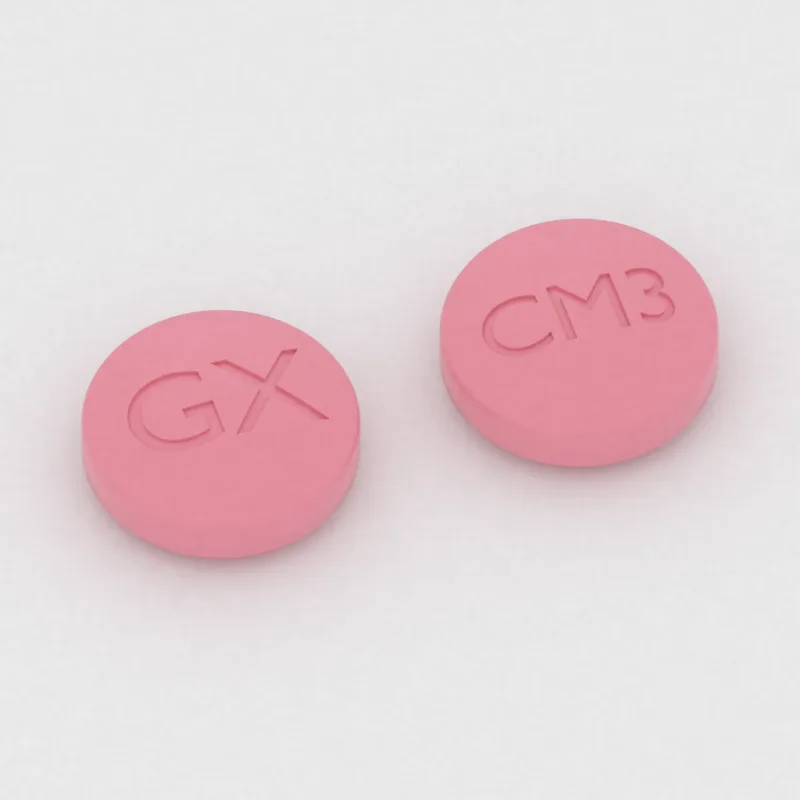
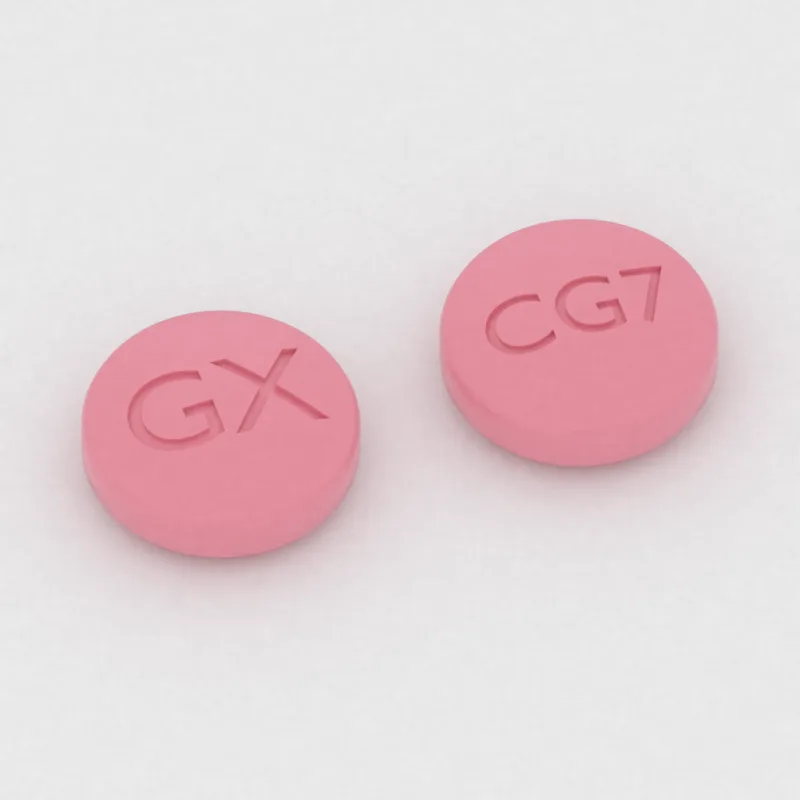
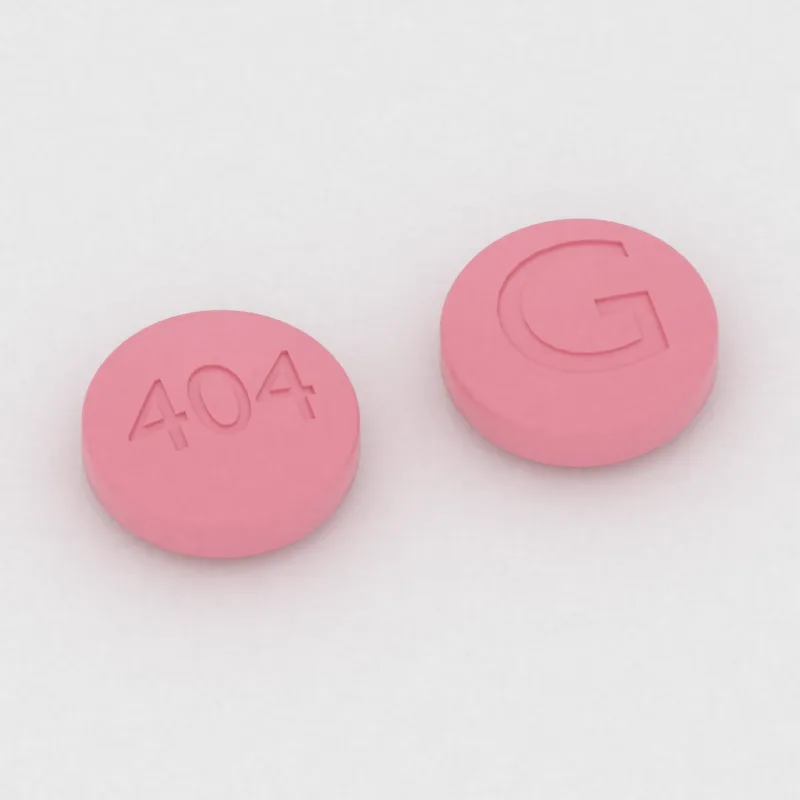
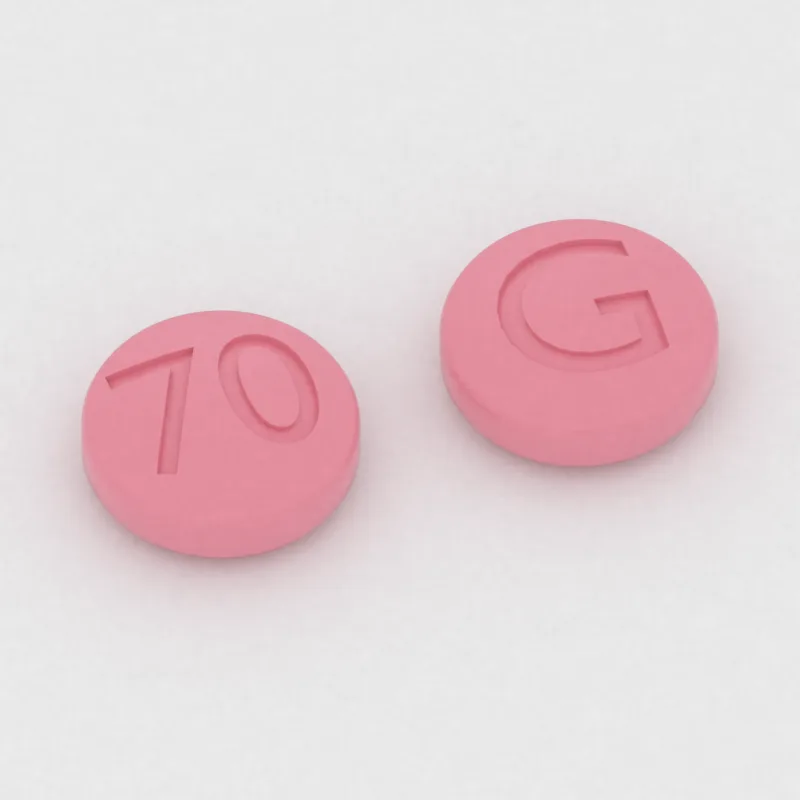
Darstellungen nach den Produktangaben der FDA-Fachinformationen: Farbe, Form, Größe und Prägung. 6 dokumentierte Varianten von 5 Anbietern.
Wechselwirkungen laut Fachinformation
Schwerwiegende Wechselwirkungen (4)
Atovaquone/ proguanil ↓ atovaquone ↓ proguanil Concomitant administration is not recommended. (Fachinformation zu Efavirenz, Lamivudin und Tenofovir, Arzneimittelwechselwirkungen)
- PenicillaminSchwerwiegend
Penicillamine should not be used in patients who are receiving concurrently gold therapy, antimalarial or cytotoxic drugs, oxyphenbutazone or phenylbutazone because these drugs are also associated with similar serious hematologic and renal adverse reactions. (Fachinformation zu Penicillamin, Vorsichtsmaßnahmen)
• Administration with rifampin or rifabutin is known to reduce atovaquone concentrations; concomitant use with MALARONE is not recommended. (Fachinformation zu Atovaquon und Proguanil, Arzneimittelwechselwirkungen)
• Administration with rifampin or rifabutin is known to reduce atovaquone concentrations; concomitant use with MALARONE is not recommended. (Fachinformation zu Atovaquon und Proguanil, Arzneimittelwechselwirkungen)
Mittelschwere Wechselwirkungen (38)
• Proguanil may potentiate anticoagulant effect of warfarin and other coumarin-based anticoagulants. (Fachinformation zu Atovaquon und Proguanil, Arzneimittelwechselwirkungen)
• Proguanil may potentiate anticoagulant effect of warfarin and other coumarin-based anticoagulants. (Fachinformation zu Atovaquon und Proguanil, Arzneimittelwechselwirkungen)
…ropivacaine, tetracaine Antineoplastic agents cyclophosphamide, flutamide, hydroxyurea, ifosfamide, rasburicase Antibiotics dapsone, nitrofurantoin, para-aminosalicylic acid, sulfonamides Antimalarials chloroquine, primaquine Anticonvulsants phenobarbital, phenytoin, sodium valproate Other drugs acetaminophen, metoclopramide, quinine, sulfasalazine Monoamine Oxidase… (Fachinformation zu Articain und Adrenalin, Arzneimittelwechselwirkungen)
• Tetracycline may reduce atovaquone concentrations; parasitemia should be closely monitored. (Fachinformation zu Atovaquon und Proguanil, Arzneimittelwechselwirkungen)
• Proguanil may potentiate anticoagulant effect of warfarin and other coumarin-based anticoagulants. (Fachinformation zu Atovaquon und Proguanil, Arzneimittelwechselwirkungen)
• Drugs Associated with Methemoglobinemia : Patients are at increased risk of developing methemoglobinemia when concurrently exposed to nitrates, nitrites, local anesthetics, antineoplastic agents, antibiotics, antimalarials, anticonvulsants, and other drugs. (Fachinformation zu Bupivacain, Arzneimittelwechselwirkungen)
• Drugs Associated with Methemoglobinemia : Patients are at increased risk of developing methemoglobinemia when concurrently exposed to nitrates, nitrites, local anesthetics, antineoplastic agents, antibiotics, antimalarials, anticonvulsants, and other drugs. (Fachinformation zu Bupivacain und Adrenalin, Arzneimittelwechselwirkungen)
…procaine, ropivacaine, tetracaine Antineoplastic agents cyclophosphamide, flutamide, hydroxyurea, ifosfamide, rasburicase Antibiotics dapsone, nitrofurantoin, para-aminosalicylic acid, sulfonamides Antimalarials chloroquine, primaquine Anticonvulsants Phenobarbital, phenytoin, sodium valproate Other drugs acetaminophen, metoclopramide, quinine, sulfasalazine (Fachinformation zu Chloroprocain, Vorsichtsmaßnahmen)
Patients infected with a resistant strain of plasmodia as shown by the fact that normally adequate doses have failed to prevent or cure clinical malaria or parasitemia should be treated with another form of antimalarial therapy. (Fachinformation zu Chloroquin, Warnhinweise)
• Proguanil may potentiate anticoagulant effect of warfarin and other coumarin-based anticoagulants. (Fachinformation zu Atovaquon und Proguanil, Arzneimittelwechselwirkungen)
• Tetracycline may reduce atovaquone concentrations; parasitemia should be closely monitored. (Fachinformation zu Atovaquon und Proguanil, Arzneimittelwechselwirkungen)
• Tetracycline may reduce atovaquone concentrations; parasitemia should be closely monitored. (Fachinformation zu Atovaquon und Proguanil, Arzneimittelwechselwirkungen)
Possible pharmacodynamic interactions can occur between droperidol and potentially arrhythmogenic agents such as class I or III antiarrhythmics, antihistamines that prolong the QT interval, antimalarials, calcium channel blockers, neuroleptics that prolong the QT interval, and antidepressants. (Fachinformation zu Droperidol, Arzneimittelwechselwirkungen)
• Proguanil may potentiate anticoagulant effect of warfarin and other coumarin-based anticoagulants. (Fachinformation zu Atovaquon und Proguanil, Arzneimittelwechselwirkungen)
Antimalarials: Artemether/lumefantrine Atovaquone/ proguanil ↓ artemether * ↓ dihydroartemisinin * ↓ lumefantrine * ↓ atovaquone ↓ proguanil Consider alternatives to artemether/ lumefantrine because of the risk of QT interval prolongation. (Fachinformation zu Efavirenz, Arzneimittelwechselwirkungen)
• Proguanil may potentiate anticoagulant effect of warfarin and other coumarin-based anticoagulants. (Fachinformation zu Atovaquon und Proguanil, Arzneimittelwechselwirkungen)
Antimalarial : artemether/lumefantrine ↔ etravirine ↓ artemether ↓ dihydroartemisinin ↓ lumefantrine Caution is warranted when co-administering Etravirine and artemether/lumefantrine as it is unknown whether the decrease in exposure of artemether or its active metabolite, dihydroartemisinin, could result in decreased antimalarial efficacy. (Fachinformation zu Etravirin, Arzneimittelwechselwirkungen)
• Proguanil may potentiate anticoagulant effect of warfarin and other coumarin-based anticoagulants. (Fachinformation zu Atovaquon und Proguanil, Arzneimittelwechselwirkungen)
• Proguanil may potentiate anticoagulant effect of warfarin and other coumarin-based anticoagulants. (Fachinformation zu Atovaquon und Proguanil, Arzneimittelwechselwirkungen)
Co-administration of PLAQUENIL with other antimalarials known to lower the seizure threshold (e.g., mefloquine) may increase the risk of seizures. (Fachinformation zu Hydroxychloroquin, Arzneimittelwechselwirkungen)
Drugs Associated with Methemoglobinemia: Patients are at increased risk of developing methemoglobinemia when concurrently exposed to nitrates, nitrites, local anesthetics, antineoplastic agents, antibiotics, antimalarials, anticonvulsants, and other drugs. (Fachinformation zu Lidocain und Adrenalin, Arzneimittelwechselwirkungen)
…prilocaine, procaine, ropivacaine, tetracaine Antineoplastic agents cyclophosphamide, flutamide, hydroxyurea, isofamide, rasburicase Antibiotics dapsone, nitrofurantoin, para-aminosalicylic acid, sufonamides Antimalarials chloroquine, primaquine Anticonvulsants Phenobarbital, phenytoin, sodium valproate Other drugs acetaminophen, metoclopramide, quinine, sulfasalazine (Fachinformation zu Lidocain und Prilocain, Arzneimittelwechselwirkungen)
Other Antimalarial Drugs Concomitant administration of mefloquine and other related antimalarial compounds (e.g., quinine, quinidine and chloroquine) may produce electrocardiographic abnormalities and increase the risk of convulsions (see WARNINGS ). (Fachinformation zu Mefloquin, Arzneimittelwechselwirkungen)
…procaine, ropivacaine, tetracaine Antineoplastic agents cyclophosphamide, flutamide, hydroxyurea, ifosfamide, rasburicase Antibiotics dapsone, nitrofurantoin, para-aminosalicylic acid, sulfonamides Antimalarials chloroquine, primaquine Anticonvulsants phenobarbital, phenytoin, sodium valproate Other drugs acetaminophen, metoclopramide, quinine, sulfasalazine (Fachinformation zu Mepivacain, Arzneimittelwechselwirkungen)
Metoclopramide While antiemetics may be indicated for patients receiving MALARONE, metoclopramide may reduce the bioavailability of atovaquone and should be used only if other antiemetics are not available [see Clinical Pharmacology ( 12.3 )] . (Fachinformation zu Atovaquon und Proguanil, Arzneimittelwechselwirkungen)
• Tetracycline may reduce atovaquone concentrations; parasitemia should be closely monitored. (Fachinformation zu Atovaquon und Proguanil, Arzneimittelwechselwirkungen)
…ropivacaine, tetracaine Antineoplastic Agents cyclophosphamide, flutamide, hydroxyurea, ifosfamide, rasburicase Antibiotics dapsone, nitrofurantoin, para-aminosalicylic acid, sulfonamides Antimalarials chloroquine, primaquine Anticonvulsants phenobarbital, phenytoin, sodium valproate Other drugs acetaminophen, metoclopramide, quinine, sulfasalazine The administration… (Fachinformation zu Prilocain und Adrenalin, Arzneimittelwechselwirkungen)
However, the concomitant use of other antifolic drugs or agents associated with myelosuppression including sulfonamides or trimethoprim- sulfamethoxazole combinations, proguanil, zidovudine, or cytostatic agents (e.g., methotrexate), while the patient is receiving pyrimethamine, may increase the risk of bone marrow suppression. (Fachinformation zu Pyrimethamin, Arzneimittelwechselwirkungen)
…quinidine, tocainide Antibiotics Chloramphenicol, clarithromycin, dapsone, doxycycline; Fluoroquinolones (such as ciprofloxacin) Oral Anticoagulants Warfarin Anticonvulsants Phenytoin Antimalarials Quinine Azole Antifungals Fluconazole, itraconazole, ketoconazole Antipsychotics Haloperidol Barbiturates Phenobarbital Benzodiazepines Diazepam Beta-Blockers Propranolol… (Fachinformation zu Rifapentin, Arzneimittelwechselwirkungen)
• Proguanil may potentiate anticoagulant effect of warfarin and other coumarin-based anticoagulants. (Fachinformation zu Atovaquon und Proguanil, Arzneimittelwechselwirkungen)
…ropivacaine, tetracaine Antineoplastic agents cyclophosphamide, flutamide, hydroxyurea, ifosfamide, rasburicase Antibiotics dapsone, nitrofurantoin, para-aminosalicylic acid, sulfonamides Antimalarials chloroquine, primaquine Anticonvulsants Phenobarbital, phenytoin, sodium valproate Other drugs acetaminophen, metoclopramide, quinine, sulfasalazine NAROPIN should be… (Fachinformation zu Ropivacain, Arzneimittelwechselwirkungen)
• Tetracycline may reduce atovaquone concentrations; parasitemia should be closely monitored. (Fachinformation zu Atovaquon und Proguanil, Arzneimittelwechselwirkungen)
• Tetracycline may reduce atovaquone concentrations; parasitemia should be closely monitored. (Fachinformation zu Atovaquon und Proguanil, Arzneimittelwechselwirkungen)
• Proguanil may potentiate anticoagulant effect of warfarin and other coumarin-based anticoagulants. (Fachinformation zu Atovaquon und Proguanil, Arzneimittelwechselwirkungen)
Geringfügige Erwähnungen (2)
Pediatric use In antimalarial trials, quinidine was as safe and effective in pediatric patients as in adults. (Fachinformation zu Chinidin, Vorsichtsmaßnahmen)
Other antimalarials (e.g., halofantrine, mefloquine). (Fachinformation zu Chinin, Arzneimittelwechselwirkungen)
Prüfen Sie Atovaquon und Proguanil gegen alles, was Sie einnehmen. Fügen Sie Ihre gesamte Liste hinzu; alle Paare werden auf einmal geprüft.
Im Wechselwirkungscheck öffnenKeine medizinische Beratung. Der Schweregrad gibt die Formulierung der Fachinformation wieder, nicht Ihre persönlichen Umstände. Eine als „schwerwiegend“ eingestufte Wechselwirkung kann unter Aufsicht Routine sein, und eine „geringfügige“ kann bei hohen Dosen von Bedeutung sein. Fragen Sie in einer Apotheke nach.