
Bisoprolol and hydrochlorothiazide interactions
Bisoprolol and hydrochlorothiazide (Ziac), a beta blocker has 476 documented interactions across the FDA labels and fact sheets we index: 43 major, 373 moderate, 57 minor, and 3 where a label reports no significant interaction. Each entry below quotes the sentence behind it. This drug page is a starting point, not a verdict for your situation.
What Bisoprolol and hydrochlorothiazide looks like
All 24 versions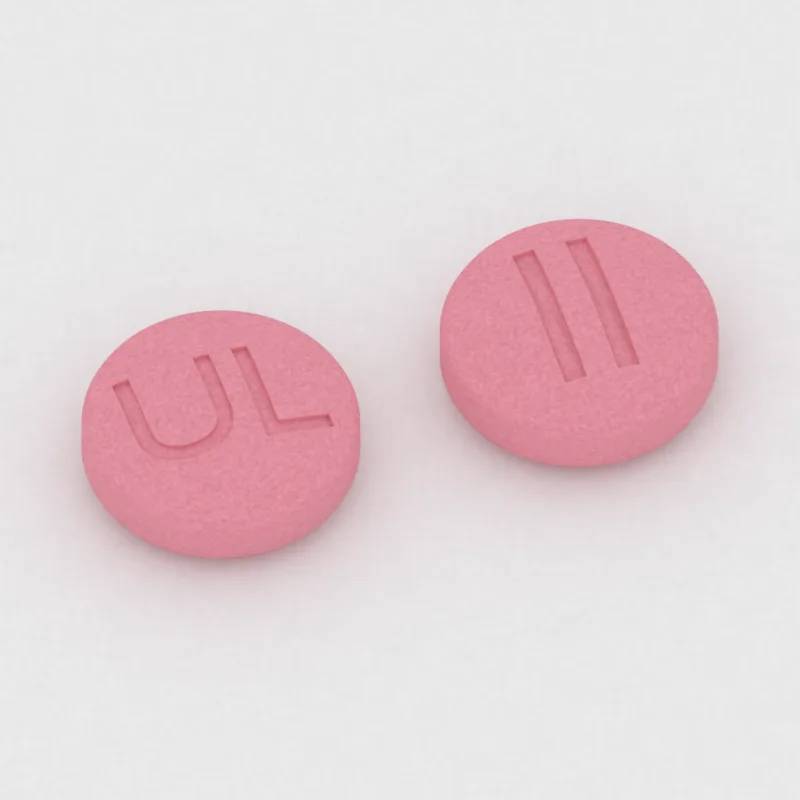
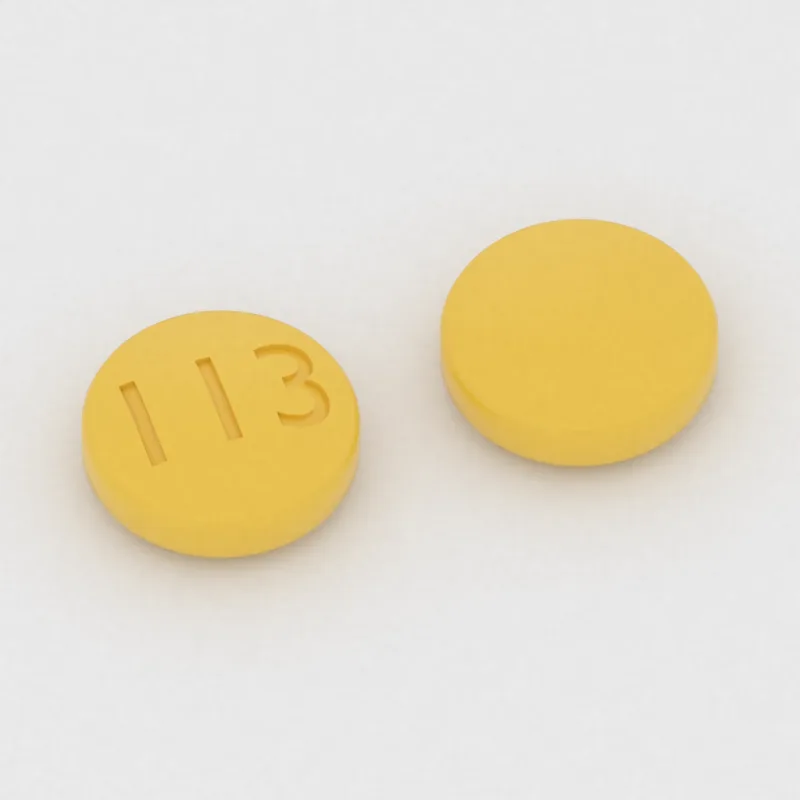
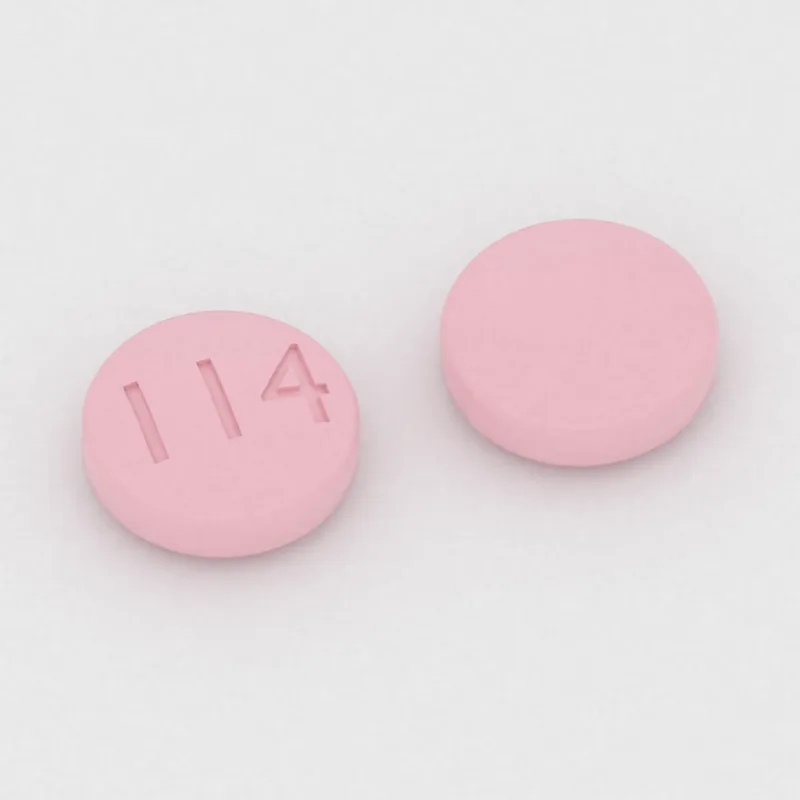
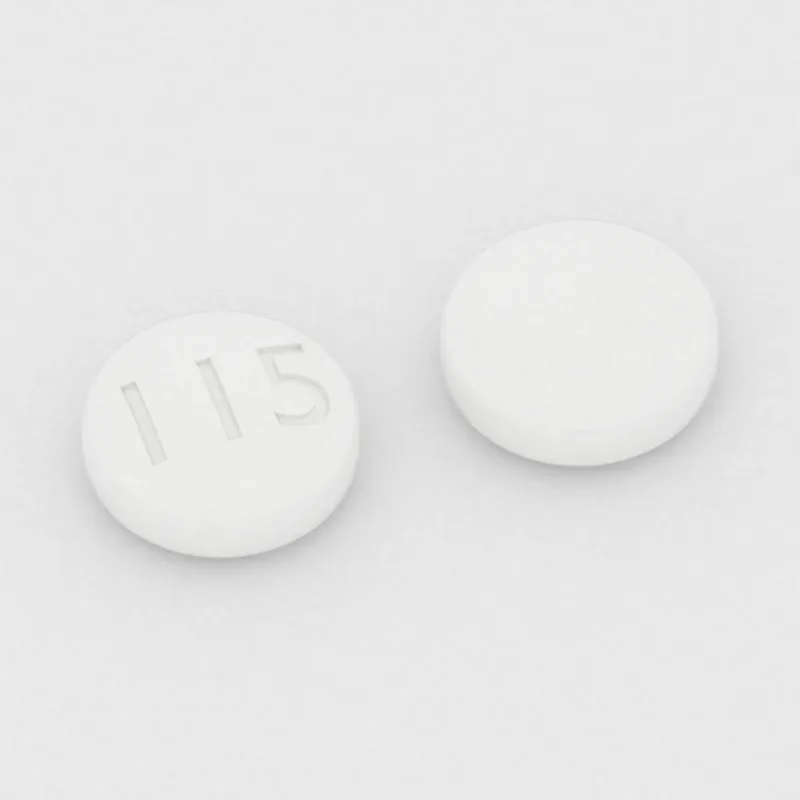
Renderings from the FDA labels' product listings: color, shape, size, and imprint. 24 documented versions from 10 labelers.
Interactions from the label
Major interactions (43)
CONTRAINDICATIONS Bisoprolol fumarate and hydrochlorothiazide tablets are contraindicated in patients in cardiogenic shock, overt cardiac failure (see WARNINGS ), second or third degree AV block, marked sinus bradycardia, anuria, and hypersensitivity to either component of this product or to other sulfonamide-derived drugs. (Bisoprolol and hydrochlorothiazide label, Contraindications)
Hyperkalemia occurs commonly (about 10%) when amiloride is used without a kaliuretic diuretic. (Amiloride label, Boxed warning)
The risk of torsade de pointes is related to the extent of QTc prolongation, concomitant administration of QTc prolonging drugs, a history of torsade de pointes, pre-existing QTc interval prolongation, congestive heart failure, administration of potassium-wasting diuretics, or other conditions that result in hypokalemia or hypomagnesemia. (Arsenic trioxide label, Warnings and precautions)
Lotensin HCT is also contraindicated in patients who are hypersensitive to benazepril, to any other ACE inhibitor, to hydrochlorothiazide, or to other sulfonamide-derived drugs. (Benazepril and hydrochlorothiazide label, Contraindications)
CONTRAINDICATIONS Bisoprolol fumarate and hydrochlorothiazide tablets are contraindicated in patients in cardiogenic shock, overt cardiac failure (see WARNINGS ), second or third degree AV block, marked sinus bradycardia, anuria, and hypersensitivity to either component of this product or to other sulfonamide-derived drugs. (Bisoprolol and hydrochlorothiazide label, Contraindications)
WARNING Bumetanide is a potent diuretic which, if given in excessive amounts, can lead to a profound diuresis with water and electrolyte depletion. (Bumetanide label, Boxed warning)
Because the use of diuretics can accentuate the diminished intravascular volume, avoid diuretics except in the late phase of resolution. (Choriogonadotropin alfa label, Warnings)
Use CLOZARIL cautiously in patients with cardiovascular or cerebrovascular disease or conditions predisposing to hypotension (e.g., dehydration, use of antihypertensive medications) [see Dosage and Administration ( 2.2 , 2.6 ), Warnings and Precautions ( 5.2 )]. (Clozapine label, Boxed warning)
Potassium-Sparing Diuretics Cyclosporine should not be used with potassium-sparing diuretics because hyperkalemia can occur. (Cyclosporine label, Drug interactions)
- DiazoxideMajor
CONTRAINDICATIONS PROGLYCEM is contraindicated in patients with: Functional hypoglycemia Hypersensitivity to diazoxide, any of the excipients in PROGLYCEM, or other thiazides (Diazoxide label, Contraindications)
CONTRAINDICATIONS Bisoprolol fumarate and hydrochlorothiazide tablets are contraindicated in patients in cardiogenic shock, overt cardiac failure (see WARNINGS ), second or third degree AV block, marked sinus bradycardia, anuria, and hypersensitivity to either component of this product or to other sulfonamide-derived drugs. (Bisoprolol and hydrochlorothiazide label, Contraindications)
The concomitant use of hydrochlorothiazide (alone or in combinations such as with triamterene) with dofetilide is contraindicated (see PRECAUTIONS, Drug-Drug Interactions ) because this has been shown to significantly increase dofetilide plasma concentrations and QT interval prolongation. (Dofetilide label, Contraindications)
CONTRAINDICATIONS Bisoprolol fumarate and hydrochlorothiazide tablets are contraindicated in patients in cardiogenic shock, overt cardiac failure (see WARNINGS ), second or third degree AV block, marked sinus bradycardia, anuria, and hypersensitivity to either component of this product or to other sulfonamide-derived drugs. (Bisoprolol and hydrochlorothiazide label, Contraindications)
CONTRAINDICATIONS Bisoprolol fumarate and hydrochlorothiazide tablets are contraindicated in patients in cardiogenic shock, overt cardiac failure (see WARNINGS ), second or third degree AV block, marked sinus bradycardia, anuria, and hypersensitivity to either component of this product or to other sulfonamide-derived drugs. (Bisoprolol and hydrochlorothiazide label, Contraindications)
Droperidol should be administered with extreme caution to patients who may be at risk for development of prolonged QT syndrome (e.g., congestive heart failure, bradycardia, use of a diuretic, cardiac hypertrophy, hypokalemia, hypomagnesemia, or administration of other drugs known to increase the QT interval). (Droperidol label, Boxed warning)
…sometimes associated with oliguria and/or progressive azotemia, and rarely with acute renal failure and/or death, include those with the following conditions or characteristics: heart failure, hyponatremia, high dose diuretic therapy, recent intensive diuresis or increase in diuretic dose, renal dialysis, or severe volume and/or salt depletion of any etiology. (Enalaprilat label, Warnings)
…• serum creatinine > 2.0 mg/dL in males or >1.8 mg/dL in females, • creatinine clearance < 50 mL/min, or • concomitant administration of potassium supplements or potassium-sparing diuretics (e.g., amiloride, spironolactone, or triamterene) [see Warnings and Precautions (5.1) , Adverse Reactions (6.2) , Drug Interactions (7) , and Clinical Pharmacology (12.3)… (Eplerenone label, Contraindications)
…of active abnormal bleeding within the previous 30 days Severe hypertension (systolic blood pressure >200 mm Hg or diastolic blood pressure >110 mm Hg) not adequately controlled on antihypertensive therapy Major surgery within the preceding 6 weeks History of stroke within 30 days or any history of hemorrhagic stroke Current or planned administration of another… (Eptifibatide label, Contraindications)
CONTRAINDICATIONS All diuretics, including ethacrynic acid, are contraindicated in anuria. (Ethacrynic acid label, Contraindications)
Concomitant negative chronotropic therapy such as digoxin or beta-blockers may lower the risk of this complication. (Flecainide label, Boxed warning)
- FollitropinMajor
Because the use of diuretics can accentuate the diminished intravascular volume, diuretics should be avoided except in the late phase of resolution as described below. (Follitropin label, Warnings and precautions)
The concurrent use of gentamicin with potent diuretics, such as ethacrynic acid or furosemide, should be avoided, since certain diuretics by themselves may cause ototoxicity. (Gentamicin label, Boxed warning)
- IrinotecanMajor
Avoid diuretics or laxatives in patients with diarrhea. (Irinotecan label, Warnings and precautions)
Diuretics Eplerenone Contraindicated during and 2 weeks after TOLSURA treatment. (Itraconazole label, Drug interactions)
CONTRAINDICATIONS Bisoprolol fumarate and hydrochlorothiazide tablets are contraindicated in patients in cardiogenic shock, overt cardiac failure (see WARNINGS ), second or third degree AV block, marked sinus bradycardia, anuria, and hypersensitivity to either component of this product or to other sulfonamide-derived drugs. (Bisoprolol and hydrochlorothiazide label, Contraindications)
Other Antihypertensive Drugs When metolazone tablets, USP, are used with other antihypertensive drugs, particular care must be taken to avoid excessive reduction of blood pressure, especially during initial therapy. (Metolazone label, Warnings)
- MetyrosineMajor
In addition, life-threatening arrhythmias may occur during anesthesia and surgery, and may require treatment with a beta-blocker or lidocaine. (Metyrosine label, Warnings)
Minoxidil should be reserved for hypertensive patients who do not respond adequately to maximum therapeutic doses of a diuretic and two other antihypertensive agents. (Minoxidil label, Boxed warning)
Hypotensive Agents Do not use BYSTOLIC with other β-blockers. (Nebivolol label, Drug interactions)
The concurrent use of neomycin with potent diuretics such as ethacrynic acid or furosemide should be avoided, since certain diuretics by themselves may cause ototoxicity. (Neomycin label, Boxed warning)
The following drug interactions may occur with potassium citrate: Potassium-sparing diuretics: concomitant administration should be avoided since the simultaneous administration of these agents can produce severe hyperkalemia (7.1) (Potassium citrate label, Drug interactions)
- ProtamineMajor
Risk factors include high dose or overdose, rapid administration (see WARNINGS and DOSAGE AND ADMINISTRATION ), repeated doses, previous administration of protamine, and current or previous use of protamine-containing drugs (NPH insulin, protamine zinc insulin, and certain beta-blockers). (Protamine label, Boxed warning)
…sometimes associated with oliguria and/or progressive azotemia, and rarely with acute renal failure and/or death, include patients with the following conditions or characteristics: heart failure, hyponatremia, high dose diuretic therapy, recent intensive diuresis or increase in diuretic dose, renal dialysis, or severe volume and/or salt depletion of any etiology. (Quinapril label, Warnings)
Examples: beta-blockers, clonidine, guanethidine, and reserpine Clopidogrel : Avoid concomitant use; if used concomitantly initiate at 0.5 mg before each meal and limit total daily dose to 4 mg ( 7 ) (Repaglinide label, Drug interactions)
Concomitant use with metoclopramide, beta-blockers, or cholinomimetic and anticholinergic drugs is not recommended ( 7.1 , 7.2 , 7.3 ) (Rivastigmine label, Drug interactions)
CONTRAINDICATIONS Bisoprolol fumarate and hydrochlorothiazide tablets are contraindicated in patients in cardiogenic shock, overt cardiac failure (see WARNINGS ), second or third degree AV block, marked sinus bradycardia, anuria, and hypersensitivity to either component of this product or to other sulfonamide-derived drugs. (Bisoprolol and hydrochlorothiazide label, Contraindications)
Sodium bicarbonate injection is contraindicated in patients who are losing chloride by vomiting or from continuous gastrointestinal suction and in patients receiving diuretics known to produce a hypochloremic alkalosis. (Sodium bicarbonate label, Contraindications)
CONTRAINDICATIONS Bisoprolol fumarate and hydrochlorothiazide tablets are contraindicated in patients in cardiogenic shock, overt cardiac failure (see WARNINGS ), second or third degree AV block, marked sinus bradycardia, anuria, and hypersensitivity to either component of this product or to other sulfonamide-derived drugs. (Bisoprolol and hydrochlorothiazide label, Contraindications)
CONTRAINDICATIONS Bisoprolol fumarate and hydrochlorothiazide tablets are contraindicated in patients in cardiogenic shock, overt cardiac failure (see WARNINGS ), second or third degree AV block, marked sinus bradycardia, anuria, and hypersensitivity to either component of this product or to other sulfonamide-derived drugs. (Bisoprolol and hydrochlorothiazide label, Contraindications)
CONTRAINDICATIONS Bisoprolol fumarate and hydrochlorothiazide tablets are contraindicated in patients in cardiogenic shock, overt cardiac failure (see WARNINGS ), second or third degree AV block, marked sinus bradycardia, anuria, and hypersensitivity to either component of this product or to other sulfonamide-derived drugs. (Bisoprolol and hydrochlorothiazide label, Contraindications)
…coadministration of an alpha-blocker and CIALIS for the treatment of BPH has not been adequately studied, and due to the potential vasodilatory effects of combined use resulting in blood pressure lowering, the combination of CIALIS and alpha-blockers is not recommended for the treatment of BPH. [see Dosage and Administration ( 2.7 ), Drug Interactions ( 7.1 ),… (Tadalafil label, Warnings and precautions)
…Syndrome (SS) c ] Agents with blood pressure-reducing effects Use with caution d Hypotension e Non-selective H1 receptor antagonists Contraindicated a Increased anticholinergic effects Beta-adrenergic blockers (see also agents or procedures with blood pressure-reducing effects) Use with the caution d More pronounced bradycardia, postural hypotension e Blood glucose-lowering… (Tranylcypromine label, Drug interactions)
CONTRAINDICATIONS Bisoprolol fumarate and hydrochlorothiazide tablets are contraindicated in patients in cardiogenic shock, overt cardiac failure (see WARNINGS ), second or third degree AV block, marked sinus bradycardia, anuria, and hypersensitivity to either component of this product or to other sulfonamide-derived drugs. (Bisoprolol and hydrochlorothiazide label, Contraindications)
Moderate interactions (373)
Antidiabetic drugs (oral agents and insulin) - dosage adjustment of the antidiabetic drug may be required. (Bisoprolol and hydrochlorothiazide label, Precautions)
Because of the relative beta 1 -selectivity of bisoprolol fumarate, bisoprolol fumarate and hydrochlorothiazide tablets may be used with caution in patients with bronchospastic disease who do not respond to, or who cannot tolerate other antihypertensive treatment. (Bisoprolol and hydrochlorothiazide label, Warnings)
Alcohol, barbiturates, or narcotics - potentiation of orthostatic hypotension may occur. (Bisoprolol and hydrochlorothiazide label, Precautions)
Nonsteroidal anti-inflammatory drugs - In some patients, the administration of a nonsteroidal anti-inflammatory agent can reduce the diuretic, natriuretic, and antihypertensive effects of loop, potassium sparing, and thiazide diuretics. (Bisoprolol and hydrochlorothiazide label, Precautions)
Bisoprolol fumarate and hydrochlorothiazide tablets should be used with caution when myocardial depressants or inhibitors of AV conduction, such as certain calcium antagonists (particularly of the phenylalkylamine [verapamil] and benzothiazepine [diltiazem] classes), or antiarrhythmic agents, such as disopyramide, are used concurrently. (Bisoprolol and hydrochlorothiazide label, Drug interactions)
Beta-blockers: Use with caution. (Albuterol label, Drug interactions)
Alcohol, barbiturates, or narcotics - potentiation of orthostatic hypotension may occur. (Bisoprolol and hydrochlorothiazide label, Precautions)
Postural hypotension/syncope: Care should be taken in patients with symptomatic hypotension or who have had a hypotensive response to other medications or are concomitantly treated with antihypertensive medication or nitrates ( 5.1 ) (Alfuzosin label, Warnings and precautions)
Because of the relative beta 1 -selectivity of bisoprolol fumarate, bisoprolol fumarate and hydrochlorothiazide tablets may be used with caution in patients with bronchospastic disease who do not respond to, or who cannot tolerate other antihypertensive treatment. (Bisoprolol and hydrochlorothiazide label, Warnings)
Hypersensitivity reactions to allopurinol tablets may be increased in patients with decreased kidney function receiving thiazide diuretics and allopurinol tablets concurrently. (Allopurinol label, Warnings and precautions)
Antidiabetic drugs (oral agents and insulin) - dosage adjustment of the antidiabetic drug may be required. (Bisoprolol and hydrochlorothiazide label, Precautions)
Antidiabetic drugs (oral agents and insulin) - dosage adjustment of the antidiabetic drug may be required. (Bisoprolol and hydrochlorothiazide label, Precautions)
Ethacrynic Acid, Furosemide, Urea, or Mannitol Some diuretics can enhance aminoglycoside toxicity by altering aminoglycoside concentrations in serum and tissue. (Amikacin label, Drug interactions)
Bisoprolol fumarate and hydrochlorothiazide tablets should be used with caution when myocardial depressants or inhibitors of AV conduction, such as certain calcium antagonists (particularly of the phenylalkylamine [verapamil] and benzothiazepine [diltiazem] classes), or antiarrhythmic agents, such as disopyramide, are used concurrently. (Bisoprolol and hydrochlorothiazide label, Drug interactions)
Because of the relative beta 1 -selectivity of bisoprolol fumarate, bisoprolol fumarate and hydrochlorothiazide tablets may be used with caution in patients with bronchospastic disease who do not respond to, or who cannot tolerate other antihypertensive treatment. (Bisoprolol and hydrochlorothiazide label, Warnings)
Because of the relative beta 1 -selectivity of bisoprolol fumarate, bisoprolol fumarate and hydrochlorothiazide tablets may be used with caution in patients with bronchospastic disease who do not respond to, or who cannot tolerate other antihypertensive treatment. (Bisoprolol and hydrochlorothiazide label, Warnings)
Because of the relative beta 1 -selectivity of bisoprolol fumarate, bisoprolol fumarate and hydrochlorothiazide tablets may be used with caution in patients with bronchospastic disease who do not respond to, or who cannot tolerate other antihypertensive treatment. (Bisoprolol and hydrochlorothiazide label, Warnings)
Because of the relative beta 1 -selectivity of bisoprolol fumarate, bisoprolol fumarate and hydrochlorothiazide tablets may be used with caution in patients with bronchospastic disease who do not respond to, or who cannot tolerate other antihypertensive treatment. (Bisoprolol and hydrochlorothiazide label, Warnings)
Because of the relative beta 1 -selectivity of bisoprolol fumarate, bisoprolol fumarate and hydrochlorothiazide tablets may be used with caution in patients with bronchospastic disease who do not respond to, or who cannot tolerate other antihypertensive treatment. (Bisoprolol and hydrochlorothiazide label, Warnings)
Risk factors for developing acute angle-closure glaucoma may include a history of sulfonamide or penicillin allergy. (Bisoprolol and hydrochlorothiazide label, Warnings)
Risk factors for developing acute angle-closure glaucoma may include a history of sulfonamide or penicillin allergy. (Bisoprolol and hydrochlorothiazide label, Warnings)
Risk factors for developing acute angle-closure glaucoma may include a history of sulfonamide or penicillin allergy. (Bisoprolol and hydrochlorothiazide label, Warnings)
Risk factors for developing acute angle-closure glaucoma may include a history of sulfonamide or penicillin allergy. (Bisoprolol and hydrochlorothiazide label, Warnings)
Xanthine derivatives, steroids, diuretics, or non-potassium sparing diuretics may potentiate hypokalemia or ECG changes. (Arformoterol label, Drug interactions)
Antihypertensive Drugs Due to its alpha-adrenergic antagonism, aripiprazole has the potential to enhance the effect of certain antihypertensive agents. (Aripiprazole label, Drug interactions)
There was also a slightly greater proportion of patients on NUVIGIL requiring new or increased use of antihypertensive medications (2.9%) compared to patients on placebo (1.8%). (Armodafinil label, Warnings and precautions)
Such patients may be unresponsive to the usual doses of epinephrine used to treat allergic reactions. (Bisoprolol and hydrochlorothiazide label, Precautions)
Orthostatic vital signs should be monitored in patients who are vulnerable to hypotension (elderly patients, patients with dehydration, hypovolemia, concomitant treatment with antihypertensive medications, patients with known cardiovascular disease (history of myocardial infarction or ischemic heart disease, heart failure, or conduction abnormalities), and patients… (Asenapine label, Warnings and precautions)
Nonsteroidal anti-inflammatory drugs - In some patients, the administration of a nonsteroidal anti-inflammatory agent can reduce the diuretic, natriuretic, and antihypertensive effects of loop, potassium sparing, and thiazide diuretics. (Bisoprolol and hydrochlorothiazide label, Precautions)
Nonsteroidal anti-inflammatory drugs - In some patients, the administration of a nonsteroidal anti-inflammatory agent can reduce the diuretic, natriuretic, and antihypertensive effects of loop, potassium sparing, and thiazide diuretics. (Bisoprolol and hydrochlorothiazide label, Precautions)
Because of the relative beta 1 -selectivity of bisoprolol fumarate, bisoprolol fumarate and hydrochlorothiazide tablets may be used with caution in patients with bronchospastic disease who do not respond to, or who cannot tolerate other antihypertensive treatment. (Bisoprolol and hydrochlorothiazide label, Warnings)
Because of the relative beta 1 -selectivity of bisoprolol fumarate, bisoprolol fumarate and hydrochlorothiazide tablets may be used with caution in patients with bronchospastic disease who do not respond to, or who cannot tolerate other antihypertensive treatment. (Bisoprolol and hydrochlorothiazide label, Warnings)
Antihypertensive Drugs Prevention or Management Increase the frequency of monitoring blood pressure and adjust atomoxetine oral solution dosage as clinically appropriate. (Atomoxetine label, Drug interactions)
• Use of avanafil with alpha-blockers, other antihypertensives, or substantial amounts of alcohol (greater than 3 units) may lead to hypotension ( 2.3 , 5.6 , 5.7 ) (Avanafil label, Warnings and precautions)
Because of the relative beta 1 -selectivity of bisoprolol fumarate, bisoprolol fumarate and hydrochlorothiazide tablets may be used with caution in patients with bronchospastic disease who do not respond to, or who cannot tolerate other antihypertensive treatment. (Bisoprolol and hydrochlorothiazide label, Warnings)
Skeletal muscle relaxants, nondepolarizing (e.g., tubocurarine) - possible increased responsiveness to the muscle relaxant. (Bisoprolol and hydrochlorothiazide label, Precautions)
Alcohol, barbiturates, or narcotics - potentiation of orthostatic hypotension may occur. (Bisoprolol and hydrochlorothiazide label, Precautions)
Because of the relative beta 1 -selectivity of bisoprolol fumarate, bisoprolol fumarate and hydrochlorothiazide tablets may be used with caution in patients with bronchospastic disease who do not respond to, or who cannot tolerate other antihypertensive treatment. (Bisoprolol and hydrochlorothiazide label, Warnings)
Amphetamines may decrease the hypotensive effect of antihypertensives. (Benzphetamine label, Drug interactions)
Because of the relative beta 1 -selectivity of bisoprolol fumarate, bisoprolol fumarate and hydrochlorothiazide tablets may be used with caution in patients with bronchospastic disease who do not respond to, or who cannot tolerate other antihypertensive treatment. (Bisoprolol and hydrochlorothiazide label, Warnings)
Antidiabetic drugs (oral agents and insulin) - dosage adjustment of the antidiabetic drug may be required. (Bisoprolol and hydrochlorothiazide label, Precautions)
Because of the relative beta 1 -selectivity of bisoprolol fumarate, bisoprolol fumarate and hydrochlorothiazide tablets may be used with caution in patients with bronchospastic disease who do not respond to, or who cannot tolerate other antihypertensive treatment. (Bisoprolol and hydrochlorothiazide label, Warnings)
- BortezomibModerate
Hypotension: Use caution when treating patients taking antihypertensives, with a history of syncope, or with dehydration. (Bortezomib label, Warnings and precautions)
Orthostatic vital signs should be monitored in patients who are vulnerable to hypotension (e.g., elderly patients, patients with dehydration, hypovolemia, concomitant treatment with antihypertensive medication), patients with known cardiovascular disease (history of myocardial infarction, ischemic heart disease, heart failure, or conduction abnormalities), and… (Brexpiprazole label, Warnings and precautions)
Antihypertensives/Cardiac Glycosides Because brimonidine tartrate ophthalmic solution 0.1% and 0.15% may reduce blood pressure, caution in using drugs such as antihypertensives and/or cardiac glycosides with brimonidine tartrate ophthalmic solution 0.1% and 0.15% is advised. (Brimonidine label, Drug interactions)
Antihypertensives/Cardiac Glycosides Because brimonidine tartrate/timolol maleate ophthalmic solution may reduce blood pressure, caution in using drugs such as antihypertensives and/or cardiac glycosides with brimonidine tartrate/timolol maleate ophthalmic solution is advised. (Brimonidine and timolol label, Drug interactions)
Use caution in patients taking antihypertensive medications. (Bromocriptine label, Warnings and precautions)
Central Nervous System (CNS) depressants Antihistamines have additive effects with alcohol and other CNS depressants (hypnotics, sedatives, tranquilizers, antianxiety agents, etc.). Antihypertensive drugs Sympathomimetic may reduce the effects of antihypertensive drugs. (Brompheniramine, pseudoephedrine, and dextromethorphan label, Drug interactions)
Beta-blockers: Use with caution. (Budesonide and formoterol label, Drug interactions)
Risk of Hypertension and Bradycardia Due to Drug Interactions Between MARCAINE WITH EPINEPHRINE and Nonselective Beta-Adrenergic Antagonists Administration of MARCAINE WITH EPINEPHRINE (containing a vasoconstrictor) in patients receiving nonselective beta-adrenergic antagonists may cause severe hypertension and bradycardia. (Bupivacaine label, Warnings and precautions)
Such patients may be unresponsive to the usual doses of epinephrine used to treat allergic reactions. (Bisoprolol and hydrochlorothiazide label, Precautions)
Alcohol, barbiturates, or narcotics - potentiation of orthostatic hypotension may occur. (Bisoprolol and hydrochlorothiazide label, Precautions)
Alcohol, barbiturates, or narcotics - potentiation of orthostatic hypotension may occur. (Bisoprolol and hydrochlorothiazide label, Precautions)
Drugs Metabolized by CYP2D6: Bupropion inhibits CYP2D6 and can increase concentrations of: antidepressants (e.g., venlafaxine, nortriptyline, imipramine, desipramine, paroxetine, fluoxetine, sertraline), antipsychotics (e.g., haloperidol, risperidone, thioridazine), beta-blockers (e.g., metoprolol), and Type 1C antiarrhythmics (e.g., propafenone, flecainide). (Bupropion label, Drug interactions)
Alcohol, barbiturates, or narcotics - potentiation of orthostatic hypotension may occur. (Bisoprolol and hydrochlorothiazide label, Precautions)
Alcohol, barbiturates, or narcotics - potentiation of orthostatic hypotension may occur. (Bisoprolol and hydrochlorothiazide label, Precautions)
Alcohol, barbiturates, or narcotics - potentiation of orthostatic hypotension may occur. (Bisoprolol and hydrochlorothiazide label, Precautions)
Alcohol, barbiturates, or narcotics - potentiation of orthostatic hypotension may occur. (Bisoprolol and hydrochlorothiazide label, Precautions)
Alcohol, barbiturates, or narcotics - potentiation of orthostatic hypotension may occur. (Bisoprolol and hydrochlorothiazide label, Precautions)
Alcohol, barbiturates, or narcotics - potentiation of orthostatic hypotension may occur. (Bisoprolol and hydrochlorothiazide label, Precautions)
Thiazides Thiazides are known to induce hypercalcemia by the reduction of calcium excretion in urine. (Calcitriol label, Drug interactions)
- Calcium chlorideModerate
Drugs That Increase the Risk of Hypercalcemia Increase frequency of monitoring of calcium concentrations in patients taking concomitant Calcium Chloride Injection and other drugs that increase the risk of hypercalcemia (e.g., calcipotriene, estrogen, lithium, parathyroid hormone, teriparatide, thiazide diuretics, Vitamin A, and Vitamin D). (Calcium chloride label, Drug interactions)
Antidiabetic drugs (oral agents and insulin) - dosage adjustment of the antidiabetic drug may be required. (Bisoprolol and hydrochlorothiazide label, Precautions)
Because of the relative beta 1 -selectivity of bisoprolol fumarate, bisoprolol fumarate and hydrochlorothiazide tablets may be used with caution in patients with bronchospastic disease who do not respond to, or who cannot tolerate other antihypertensive treatment. (Bisoprolol and hydrochlorothiazide label, Warnings)
Because of the relative beta 1 -selectivity of bisoprolol fumarate, bisoprolol fumarate and hydrochlorothiazide tablets may be used with caution in patients with bronchospastic disease who do not respond to, or who cannot tolerate other antihypertensive treatment. (Bisoprolol and hydrochlorothiazide label, Warnings)
Because of the relative beta 1 -selectivity of bisoprolol fumarate, bisoprolol fumarate and hydrochlorothiazide tablets may be used with caution in patients with bronchospastic disease who do not respond to, or who cannot tolerate other antihypertensive treatment. (Bisoprolol and hydrochlorothiazide label, Warnings)
Elderly patients and patients treated with diuretics are at greater risk of developing hyponatremia. (Carbamazepine label, Warnings and precautions)
- CarbidopaModerate
Symptomatic postural hypotension has occurred when carbidopa, given with levodopa or carbidopa-levodopa combination products, was added to the treatment of a patient receiving antihypertensive drugs. (Carbidopa label, Drug interactions)
Antihypertensive drugs: May cause symptomatic postural hypotension. (Carbidopa and levodopa label, Drug interactions)
Antihypertensive Agents Symptomatic postural hypotension has occurred when carbidopa/levodopa was added to the treatment of patients receiving antihypertensive drugs. (Carbidopa, levodopa, and entacapone label, Drug interactions)
Orthostatic vital signs should be monitored in patients who are vulnerable to hypotension (e.g., elderly patients, patients with dehydration, hypovolemia, and concomitant treatment with antihypertensive medications), patients with known cardiovascular disease (history of myocardial infarction, ischemic heart disease, heart failure, or conduction abnormalities), and… (Cariprazine label, Warnings and precautions)
Skeletal muscle relaxants, nondepolarizing (e.g., tubocurarine) - possible increased responsiveness to the muscle relaxant. (Bisoprolol and hydrochlorothiazide label, Precautions)
Because of the relative beta 1 -selectivity of bisoprolol fumarate, bisoprolol fumarate and hydrochlorothiazide tablets may be used with caution in patients with bronchospastic disease who do not respond to, or who cannot tolerate other antihypertensive treatment. (Bisoprolol and hydrochlorothiazide label, Warnings)
Diuretics: Nephrotoxicity has been reported with concomitant administration of cephalosporins with potent diuretics such as furosemide. (Cefepime label, Drug interactions)
Drug Interactions Nephrotoxicity has been reported following concomitant administration of cephalosporins with aminoglycoside antibacterial drugs or potent diuretics such as furosemide. (Ceftazidime label, Drug interactions)
Nonsteroidal anti-inflammatory drugs - In some patients, the administration of a nonsteroidal anti-inflammatory agent can reduce the diuretic, natriuretic, and antihypertensive effects of loop, potassium sparing, and thiazide diuretics. (Bisoprolol and hydrochlorothiazide label, Precautions)
DRUG INTERACTIONS Cevimeline should be administered with caution to patients taking beta adrenergic antagonists, because of the possibility of conduction disturbances. (Cevimeline label, Drug interactions)
Because of the relative beta 1 -selectivity of bisoprolol fumarate, bisoprolol fumarate and hydrochlorothiazide tablets may be used with caution in patients with bronchospastic disease who do not respond to, or who cannot tolerate other antihypertensive treatment. (Bisoprolol and hydrochlorothiazide label, Warnings)
Thiazide diuretics may accentuate the orthostatic hypotension that may occur with phenothiazines. (Chlorpromazine label, Precautions)
Because of the relative beta 1 -selectivity of bisoprolol fumarate, bisoprolol fumarate and hydrochlorothiazide tablets may be used with caution in patients with bronchospastic disease who do not respond to, or who cannot tolerate other antihypertensive treatment. (Bisoprolol and hydrochlorothiazide label, Warnings)
Skeletal muscle relaxants, nondepolarizing (e.g., tubocurarine) - possible increased responsiveness to the muscle relaxant. (Bisoprolol and hydrochlorothiazide label, Precautions)
Single doses of cholestyramine and colestipol resins bind the hydrochlorothiazide and reduce its absorption in the gastrointestinal tract by up to 85 percent and 43 percent, respectively. (Bisoprolol and hydrochlorothiazide label, Precautions)
Elderly patients, patients taking diuretics, and those who are volume depleted may be at greater risk for developing hyponatremia with SSRIs [see Use in Specific Populations ( 8.5 )] . (Citalopram label, Warnings and precautions)
Consider use of diuretics and/or albumin. (Clofarabine label, Warnings and precautions)
Because of the relative beta 1 -selectivity of bisoprolol fumarate, bisoprolol fumarate and hydrochlorothiazide tablets may be used with caution in patients with bronchospastic disease who do not respond to, or who cannot tolerate other antihypertensive treatment. (Bisoprolol and hydrochlorothiazide label, Warnings)
Alcohol, barbiturates, or narcotics - potentiation of orthostatic hypotension may occur. (Bisoprolol and hydrochlorothiazide label, Precautions)
Single doses of cholestyramine and colestipol resins bind the hydrochlorothiazide and reduce its absorption in the gastrointestinal tract by up to 85 percent and 43 percent, respectively. (Bisoprolol and hydrochlorothiazide label, Precautions)
Skeletal muscle relaxants, nondepolarizing (e.g., tubocurarine) - possible increased responsiveness to the muscle relaxant. (Bisoprolol and hydrochlorothiazide label, Precautions)
…inhibitors: ACE inhibitors can cause leukopenia. ● Natalizumab ● Paclitaxel: Increased hematotoxicity has been reported when cyclophosphamide was administered after paclitaxel infusion. ● Thiazide diuretics ● Zidovudine Increased cardiotoxicity ● Anthracyclines ● Cytarabine ● Pentostatin ● Radiation therapy of the cardiac region ● Trastuzumab Increased pulmonary toxicity… (Cyclophosphamide label, Drug interactions)
Skeletal muscle relaxants, nondepolarizing (e.g., tubocurarine) - possible increased responsiveness to the muscle relaxant. (Bisoprolol and hydrochlorothiazide label, Precautions)
Antidiabetic drugs (oral agents and insulin) - dosage adjustment of the antidiabetic drug may be required. (Bisoprolol and hydrochlorothiazide label, Precautions)
Antidiabetic drugs (oral agents and insulin) - dosage adjustment of the antidiabetic drug may be required. (Bisoprolol and hydrochlorothiazide label, Precautions)
Elderly patients, patients taking diuretics, and those who are volume-depleted may be at greater risk of developing hyponatremia with NORPRAMIN. (Desipramine label, Warnings)
- DesmopressinModerate
…Hyponatremia Concomitant administration of DESMODA with other drugs that may increase the risk of water intoxication with hyponatremia, (e.g., tricyclic antidepressants, selective serotonin re-uptake inhibitors, chlorpromazine, opiate analgesics, thiazide diuretics, NSAIDs, lamotrigine, sulfonylureas, particularly chlorpropamide, oxybutynin and carbamazepine). (Desmopressin label, Drug interactions)
Also, patients taking diuretics or who are otherwise volume depleted can be at greater risk [see Use in Specific Populations (8.5) and Clinical Pharmacology (12.3) ] . (Desvenlafaxine label, Warnings and precautions)
Patients receiving catecholamine-depleting drugs, such as reserpine or guanethidine, should be closely monitored because the added beta-adrenergic blocking action of bisoprolol fumarate may produce excessive reduction of sympathetic activity. (Bisoprolol and hydrochlorothiazide label, Drug interactions)
For patients expected to be on prolonged treatment or who take PPIs with medications such as digoxin or drugs that may cause hypomagnesemia (e.g., diuretics), health care professionals may consider monitoring magnesium levels prior to initiation of PPI treatment and periodically [see Adverse Reactions (6.2) ] . (Dexlansoprazole label, Warnings and precautions)
• Antihypertensive Drugs: Monitor blood pressure. (Dexmethylphenidate label, Drug interactions)
Nonsteroidal anti-inflammatory drugs - In some patients, the administration of a nonsteroidal anti-inflammatory agent can reduce the diuretic, natriuretic, and antihypertensive effects of loop, potassium sparing, and thiazide diuretics. (Bisoprolol and hydrochlorothiazide label, Precautions)
Nonsteroidal anti-inflammatory drugs - In some patients, the administration of a nonsteroidal anti-inflammatory agent can reduce the diuretic, natriuretic, and antihypertensive effects of loop, potassium sparing, and thiazide diuretics. (Bisoprolol and hydrochlorothiazide label, Precautions)
Risk factors for developing acute angle-closure glaucoma may include a history of sulfonamide or penicillin allergy. (Bisoprolol and hydrochlorothiazide label, Warnings)
The pressor effects of diethylpropion and those of other drugs may be additive when the drugs are used concomitantly; conversely, diethylpropion may interfere with antihypertensive drugs (i.e., guanethidine, a-methyldopa). (Diethylpropion label, Drug interactions)
Nonsteroidal anti-inflammatory drugs - In some patients, the administration of a nonsteroidal anti-inflammatory agent can reduce the diuretic, natriuretic, and antihypertensive effects of loop, potassium sparing, and thiazide diuretics. (Bisoprolol and hydrochlorothiazide label, Precautions)
Bisoprolol fumarate and hydrochlorothiazide tablets should be used with caution when myocardial depressants or inhibitors of AV conduction, such as certain calcium antagonists (particularly of the phenylalkylamine [verapamil] and benzothiazepine [diltiazem] classes), or antiarrhythmic agents, such as disopyramide, are used concurrently. (Bisoprolol and hydrochlorothiazide label, Drug interactions)
Beta Blockers Although the results of a clinical study did not indicate a safety problem associated with the administration of Dihydroergotamine Mesylate Injection, USP to subjects already receiving propranolol, there have been reports that propranolol may potentiate the vasoconstrictive action of ergotamine by blocking the vasodilating property of epinephrine. (Dihydroergotamine label, Drug interactions)
Because of the relative beta 1 -selectivity of bisoprolol fumarate, bisoprolol fumarate and hydrochlorothiazide tablets may be used with caution in patients with bronchospastic disease who do not respond to, or who cannot tolerate other antihypertensive treatment. (Bisoprolol and hydrochlorothiazide label, Warnings)
Bisoprolol fumarate and hydrochlorothiazide tablets should be used with caution when myocardial depressants or inhibitors of AV conduction, such as certain calcium antagonists (particularly of the phenylalkylamine [verapamil] and benzothiazepine [diltiazem] classes), or antiarrhythmic agents, such as disopyramide, are used concurrently. (Bisoprolol and hydrochlorothiazide label, Drug interactions)
Because of the relative beta 1 -selectivity of bisoprolol fumarate, bisoprolol fumarate and hydrochlorothiazide tablets may be used with caution in patients with bronchospastic disease who do not respond to, or who cannot tolerate other antihypertensive treatment. (Bisoprolol and hydrochlorothiazide label, Warnings)
Risk may be increased when used concomitantly with high dose calcium preparations, thiazide diuretics, or vitamin D compounds. (Doxercalciferol label, Warnings and precautions)
Bisoprolol fumarate and hydrochlorothiazide tablets should be used with caution when myocardial depressants or inhibitors of AV conduction, such as certain calcium antagonists (particularly of the phenylalkylamine [verapamil] and benzothiazepine [diltiazem] classes), or antiarrhythmic agents, such as disopyramide, are used concurrently. (Bisoprolol and hydrochlorothiazide label, Drug interactions)
Medications that may increase serum potassium concentration include ACE inhibitors, angiotensin-II receptor antagonists, potassium-sparing diuretics, potassium supplementation, heparin, aldosterone antagonists, and NSAIDS. (Drospirenone and ethinyl estradiol label, Warnings and precautions)
Antidiabetic drugs (oral agents and insulin) - dosage adjustment of the antidiabetic drug may be required. (Bisoprolol and hydrochlorothiazide label, Precautions)
The risk of BP decreases may be greater in patients taking concomitant medications that induce orthostatic hypotension (such as antihypertensives) or are potent CYP1A2 inhibitors [see Drug Interactions ( 7.1 )] and in patients taking duloxetine delayed-release capsules at doses above 60 mg daily. (Duloxetine label, Warnings and precautions)
Alcohol, barbiturates, or narcotics - potentiation of orthostatic hypotension may occur. (Bisoprolol and hydrochlorothiazide label, Precautions)
Beta-Blockers: e.g., metoprolol timolol ↑ beta-blockers Clinical monitoring is recommended and a dosage decrease of the beta blocker may be necessary when these agents are coadministered with GENVOYA. (Elvitegravir, cobicistat, emtricitabine, and tenofovir label, Drug interactions)
Antidiabetic drugs (oral agents and insulin) - dosage adjustment of the antidiabetic drug may be required. (Bisoprolol and hydrochlorothiazide label, Precautions)
Antidiabetic drugs (oral agents and insulin) - dosage adjustment of the antidiabetic drug may be required. (Bisoprolol and hydrochlorothiazide label, Precautions)
Because of the relative beta 1 -selectivity of bisoprolol fumarate, bisoprolol fumarate and hydrochlorothiazide tablets may be used with caution in patients with bronchospastic disease who do not respond to, or who cannot tolerate other antihypertensive treatment. (Bisoprolol and hydrochlorothiazide label, Warnings)
Because of the relative beta 1 -selectivity of bisoprolol fumarate, bisoprolol fumarate and hydrochlorothiazide tablets may be used with caution in patients with bronchospastic disease who do not respond to, or who cannot tolerate other antihypertensive treatment. (Bisoprolol and hydrochlorothiazide label, Warnings)
Such patients may be unresponsive to the usual doses of epinephrine used to treat allergic reactions. (Bisoprolol and hydrochlorothiazide label, Precautions)
- Epoetin alfaModerate
Following initiation and titration of Epogen, approximately 25% of patients on dialysis required initiation of or increases in antihypertensive therapy; hypertensive encephalopathy and seizures have been reported in patients with CKD receiving Epogen. (Epoetin alfa label, Warnings and precautions)
Additional reductions in blood pressure may occur when VELETRI is administered with diuretics, antihypertensive agents, or other vasodilators. (Epoprostenol label, Drug interactions)
The beta-blocker Inderal (propranolol) has been reported to potentiate the vasoconstrictive action of ergotamine tartrate and caffeine tablets by blocking the vasodilating property of epinephrine. (Ergotamine and caffeine label, Drug interactions)
Also, patients taking diuretics or who are otherwise volume depleted may be at greater risk. (Escitalopram label, Warnings and precautions)
Bisoprolol fumarate and hydrochlorothiazide tablets should be used with caution when myocardial depressants or inhibitors of AV conduction, such as certain calcium antagonists (particularly of the phenylalkylamine [verapamil] and benzothiazepine [diltiazem] classes), or antiarrhythmic agents, such as disopyramide, are used concurrently. (Bisoprolol and hydrochlorothiazide label, Drug interactions)
For patients expected to be on prolonged treatment or who take PPIs with medications such as digoxin or drugs that may cause hypomagnesemia (e.g., diuretics), health care professionals may consider monitoring magnesium levels prior to initiation of PPI treatment and periodically [see Adverse Reactions (6.2) ] . (Esomeprazole label, Warnings and precautions)
Nonsteroidal anti-inflammatory drugs - In some patients, the administration of a nonsteroidal anti-inflammatory agent can reduce the diuretic, natriuretic, and antihypertensive effects of loop, potassium sparing, and thiazide diuretics. (Bisoprolol and hydrochlorothiazide label, Precautions)
Antidiabetic drugs (oral agents and insulin) - dosage adjustment of the antidiabetic drug may be required. (Bisoprolol and hydrochlorothiazide label, Precautions)
Because of the relative beta 1 -selectivity of bisoprolol fumarate, bisoprolol fumarate and hydrochlorothiazide tablets may be used with caution in patients with bronchospastic disease who do not respond to, or who cannot tolerate other antihypertensive treatment. (Bisoprolol and hydrochlorothiazide label, Warnings)
Nonsteroidal anti-inflammatory drugs - In some patients, the administration of a nonsteroidal anti-inflammatory agent can reduce the diuretic, natriuretic, and antihypertensive effects of loop, potassium sparing, and thiazide diuretics. (Bisoprolol and hydrochlorothiazide label, Precautions)
Alcohol, barbiturates, or narcotics - potentiation of orthostatic hypotension may occur. (Bisoprolol and hydrochlorothiazide label, Precautions)
Hydrochlorothiazide In a pharmacokinetic interaction study, coadministration of multiple-dose hydrochlorothiazide to healthy volunteers receiving fluconazole increased plasma concentrations of fluconazole by 40%. (Fluconazole label, Drug interactions)
Amphotericin B or potassium-depleting diuretics (benzothiadiazines and related drugs, ethacrynic acid and furosemide)—enhanced hypokalemia. (Fludrocortisone label, Drug interactions)
Also, patients taking diuretics or who are otherwise volume depleted may be at greater risk [see Use in Specific Populations ( 8.5 )] . (Fluoxetine label, Warnings and precautions)
Nonsteroidal anti-inflammatory drugs - In some patients, the administration of a nonsteroidal anti-inflammatory agent can reduce the diuretic, natriuretic, and antihypertensive effects of loop, potassium sparing, and thiazide diuretics. (Bisoprolol and hydrochlorothiazide label, Precautions)
Diuretics: Use with caution. (Fluticasone and salmeterol label, Drug interactions)
Also, patients taking diuretics or who are otherwise volume depleted may be at greater risk. (Fluvoxamine label, Warnings and precautions)
• Xanthine derivatives, steroids, diuretics, or non-potassium sparing diuretics may potentiate hypokalemia or ECG changes. (Formoterol label, Drug interactions)
When diuretics are indicated, thiazides are recommended over loop diuretics because the latter inhibit renal tubular secretion, and may impair elimination of FOSCAVIR, potentially leading to toxicity. (Foscarnet label, Drug interactions)
Because of the relative beta 1 -selectivity of bisoprolol fumarate, bisoprolol fumarate and hydrochlorothiazide tablets may be used with caution in patients with bronchospastic disease who do not respond to, or who cannot tolerate other antihypertensive treatment. (Bisoprolol and hydrochlorothiazide label, Warnings)
Because of the relative beta 1 -selectivity of bisoprolol fumarate, bisoprolol fumarate and hydrochlorothiazide tablets may be used with caution in patients with bronchospastic disease who do not respond to, or who cannot tolerate other antihypertensive treatment. (Bisoprolol and hydrochlorothiazide label, Warnings)
Because of the relative beta 1 -selectivity of bisoprolol fumarate, bisoprolol fumarate and hydrochlorothiazide tablets may be used with caution in patients with bronchospastic disease who do not respond to, or who cannot tolerate other antihypertensive treatment. (Bisoprolol and hydrochlorothiazide label, Warnings)
Beta-blockers may further increase the risk of severe hypoglycemia when used concurrently with sulfonylureas. (Bisoprolol and hydrochlorothiazide label, Warnings)
Beta-blockers may further increase the risk of severe hypoglycemia when used concurrently with sulfonylureas. (Bisoprolol and hydrochlorothiazide label, Warnings)
Beta-blockers may further increase the risk of severe hypoglycemia when used concurrently with sulfonylureas. (Bisoprolol and hydrochlorothiazide label, Warnings)
- GlucagonModerate
Table 4: Clinically Significant Drug Interaction with GVOKE and GVOKE VialDx Beta-Blockers Clincial Impact: Patients taking beta-blockers may have a transient increase in pulse and blood pressure when given GVOKE or GVOKE VialDx. (Glucagon label, Drug interactions)
Beta-blockers may further increase the risk of severe hypoglycemia when used concurrently with sulfonylureas. (Bisoprolol and hydrochlorothiazide label, Warnings)
Beta-blockers may further increase the risk of severe hypoglycemia when used concurrently with sulfonylureas. (Bisoprolol and hydrochlorothiazide label, Warnings)
Because of the relative beta 1 -selectivity of bisoprolol fumarate, bisoprolol fumarate and hydrochlorothiazide tablets may be used with caution in patients with bronchospastic disease who do not respond to, or who cannot tolerate other antihypertensive treatment. (Bisoprolol and hydrochlorothiazide label, Warnings)
Caution is advised when haloperidol decanoate is used in combination with drugs known to cause electrolyte imbalance (e.g., diuretics or corticosteroids) because hypokalemia, hypomagnesemia, and hypocalcemia are risk factors for QT prolongation. (Haloperidol label, Drug interactions)
Because of the relative beta 1 -selectivity of bisoprolol fumarate, bisoprolol fumarate and hydrochlorothiazide tablets may be used with caution in patients with bronchospastic disease who do not respond to, or who cannot tolerate other antihypertensive treatment. (Bisoprolol and hydrochlorothiazide label, Warnings)
Because of the relative beta 1 -selectivity of bisoprolol fumarate, bisoprolol fumarate and hydrochlorothiazide tablets may be used with caution in patients with bronchospastic disease who do not respond to, or who cannot tolerate other antihypertensive treatment. (Bisoprolol and hydrochlorothiazide label, Warnings)
Alcohol, barbiturates, or narcotics - potentiation of orthostatic hypotension may occur. (Bisoprolol and hydrochlorothiazide label, Precautions)
Alcohol, barbiturates, or narcotics - potentiation of orthostatic hypotension may occur. (Bisoprolol and hydrochlorothiazide label, Precautions)
Alcohol, barbiturates, or narcotics - potentiation of orthostatic hypotension may occur. (Bisoprolol and hydrochlorothiazide label, Precautions)
Alcohol, barbiturates, or narcotics - potentiation of orthostatic hypotension may occur. (Bisoprolol and hydrochlorothiazide label, Precautions)
Alcohol, barbiturates, or narcotics - potentiation of orthostatic hypotension may occur. (Bisoprolol and hydrochlorothiazide label, Precautions)
Alcohol, barbiturates, or narcotics - potentiation of orthostatic hypotension may occur. (Bisoprolol and hydrochlorothiazide label, Precautions)
Nonsteroidal anti-inflammatory drugs - In some patients, the administration of a nonsteroidal anti-inflammatory agent can reduce the diuretic, natriuretic, and antihypertensive effects of loop, potassium sparing, and thiazide diuretics. (Bisoprolol and hydrochlorothiazide label, Precautions)
Nonsteroidal anti-inflammatory drugs - In some patients, the administration of a nonsteroidal anti-inflammatory agent can reduce the diuretic, natriuretic, and antihypertensive effects of loop, potassium sparing, and thiazide diuretics. (Bisoprolol and hydrochlorothiazide label, Precautions)
Bisoprolol fumarate and hydrochlorothiazide tablets should be used with caution when myocardial depressants or inhibitors of AV conduction, such as certain calcium antagonists (particularly of the phenylalkylamine [verapamil] and benzothiazepine [diltiazem] classes), or antiarrhythmic agents, such as disopyramide, are used concurrently. (Bisoprolol and hydrochlorothiazide label, Drug interactions)
Orthostatic vital signs should be monitored in patients who are vulnerable to hypotension (e.g., elderly patients, patients with dehydration, hypovolemia, and concomitant treatment with antihypertensive medications), patients with known cardiovascular disease (history of myocardial infarction, ischemic heart disease, heart failure, or conduction abnormalities), and… (Iloperidone label, Warnings and precautions)
Elderly patients, patients taking diuretics, and those who are volume-depleted may be at greater risk of developing hyponatremia with imipramine hydrochloride tablets. (Imipramine label, Warnings)
Because of the relative beta 1 -selectivity of bisoprolol fumarate, bisoprolol fumarate and hydrochlorothiazide tablets may be used with caution in patients with bronchospastic disease who do not respond to, or who cannot tolerate other antihypertensive treatment. (Bisoprolol and hydrochlorothiazide label, Warnings)
Nonsteroidal anti-inflammatory drugs - In some patients, the administration of a nonsteroidal anti-inflammatory agent can reduce the diuretic, natriuretic, and antihypertensive effects of loop, potassium sparing, and thiazide diuretics. (Bisoprolol and hydrochlorothiazide label, Precautions)
Also, latent diabetes mellitus may become manifest and diabetic patients given thiazides may require adjustment of their insulin dose. (Bisoprolol and hydrochlorothiazide label, Warnings)
Also, latent diabetes mellitus may become manifest and diabetic patients given thiazides may require adjustment of their insulin dose. (Bisoprolol and hydrochlorothiazide label, Warnings)
Also, latent diabetes mellitus may become manifest and diabetic patients given thiazides may require adjustment of their insulin dose. (Bisoprolol and hydrochlorothiazide label, Warnings)
Also, latent diabetes mellitus may become manifest and diabetic patients given thiazides may require adjustment of their insulin dose. (Bisoprolol and hydrochlorothiazide label, Warnings)
Also, latent diabetes mellitus may become manifest and diabetic patients given thiazides may require adjustment of their insulin dose. (Bisoprolol and hydrochlorothiazide label, Warnings)
Also, latent diabetes mellitus may become manifest and diabetic patients given thiazides may require adjustment of their insulin dose. (Bisoprolol and hydrochlorothiazide label, Warnings)
Diuretics The electrocardiogram (ECG) changes and/or hypokalemia that may result from the administration of non-potassium sparing diuretics (such as loop or thiazide diuretics) can be acutely worsened by β-agonists, especially when the recommended dose of the β-agonist is exceeded. (Ipratropium and albuterol label, Drug interactions)
Because of the relative beta 1 -selectivity of bisoprolol fumarate, bisoprolol fumarate and hydrochlorothiazide tablets may be used with caution in patients with bronchospastic disease who do not respond to, or who cannot tolerate other antihypertensive treatment. (Bisoprolol and hydrochlorothiazide label, Warnings)
Because of the relative beta 1 -selectivity of bisoprolol fumarate, bisoprolol fumarate and hydrochlorothiazide tablets may be used with caution in patients with bronchospastic disease who do not respond to, or who cannot tolerate other antihypertensive treatment. (Bisoprolol and hydrochlorothiazide label, Warnings)
Concomitant Use with Beta Blockers Concomitant use of beta blockers may exaggerate the cardiovascular effects of inhalational anesthetics, including hypotension and negative inotropic effects. (Isoflurane label, Drug interactions)
Because of the relative beta 1 -selectivity of bisoprolol fumarate, bisoprolol fumarate and hydrochlorothiazide tablets may be used with caution in patients with bronchospastic disease who do not respond to, or who cannot tolerate other antihypertensive treatment. (Bisoprolol and hydrochlorothiazide label, Warnings)
Because of the relative beta 1 -selectivity of bisoprolol fumarate, bisoprolol fumarate and hydrochlorothiazide tablets may be used with caution in patients with bronchospastic disease who do not respond to, or who cannot tolerate other antihypertensive treatment. (Bisoprolol and hydrochlorothiazide label, Warnings)
- IvabradineModerate
The risk of bradycardia increases with concomitant administration of drugs that slow heart rate (e.g., digoxin, amiodarone, beta-blockers). (Ivabradine label, Drug interactions)
Antivirals indinavir, maraviroc, saquinavir Beta Blockers nadolol Calcium Channel Blockers felodipine, nisoldipine other dihydropyridines, verapamil Calcium channel blockers can have a negative inotropic effect which may be additive to those of ketoconazole. (Ketoconazole label, Drug interactions)
Nonsteroidal anti-inflammatory drugs - In some patients, the administration of a nonsteroidal anti-inflammatory agent can reduce the diuretic, natriuretic, and antihypertensive effects of loop, potassium sparing, and thiazide diuretics. (Bisoprolol and hydrochlorothiazide label, Precautions)
Nonsteroidal anti-inflammatory drugs - In some patients, the administration of a nonsteroidal anti-inflammatory agent can reduce the diuretic, natriuretic, and antihypertensive effects of loop, potassium sparing, and thiazide diuretics. (Bisoprolol and hydrochlorothiazide label, Precautions)
Because of the relative beta 1 -selectivity of bisoprolol fumarate, bisoprolol fumarate and hydrochlorothiazide tablets may be used with caution in patients with bronchospastic disease who do not respond to, or who cannot tolerate other antihypertensive treatment. (Bisoprolol and hydrochlorothiazide label, Warnings)
VIMPAT should also be used with caution in patients on concomitant medications that affect cardiac conduction, including sodium channel blockers, beta-blockers, calcium channel blockers, potassium channel blockers, and medications that prolong the PR interval [see Drug Interactions (7.2) ] . (Lacosamide label, Warnings and precautions)
- LanreotideModerate
Bradycardia-Inducing Drugs (e.g., beta-blockers) : Lanreotide Injection may decrease heart rate. (Lanreotide label, Drug interactions)
For patients expected to be on prolonged treatment or who take PPIs with medications such as digoxin or drugs that may cause hypomagnesemia (e.g., diuretics), health care professionals may consider monitoring magnesium levels prior to initiation of PPI treatment and periodically [see Adverse Reactions (6.2) ] . (Lansoprazole label, Warnings and precautions)
Patients also taking beta blockers, or those with underlying cardiac comorbidities and/or advanced liver disease, may be at increased risk for symptomatic bradycardia with coadministration of amiodarone. (Ledipasvir and sofosbuvir label, Warnings and precautions)
In this setting, cardioselective beta-blockers should be considered, although they should be administered with caution. (Levalbuterol label, Drug interactions)
Also, patients taking diuretics or who are otherwise volume depleted can be at greater risk. (Levomilnacipran label, Warnings and precautions)
Alcohol, barbiturates, or narcotics - potentiation of orthostatic hypotension may occur. (Bisoprolol and hydrochlorothiazide label, Precautions)
Laboratory Test Interactions Based on reports involving thiazides, bisoprolol fumarate and hydrochlorothiazide tablets may decrease serum levels of protein-bound iodine without signs of thyroid disturbance. (Bisoprolol and hydrochlorothiazide label, Precautions)
Laboratory Test Interactions Based on reports involving thiazides, bisoprolol fumarate and hydrochlorothiazide tablets may decrease serum levels of protein-bound iodine without signs of thyroid disturbance. (Bisoprolol and hydrochlorothiazide label, Precautions)
Bisoprolol fumarate and hydrochlorothiazide tablets should be used with caution when myocardial depressants or inhibitors of AV conduction, such as certain calcium antagonists (particularly of the phenylalkylamine [verapamil] and benzothiazepine [diltiazem] classes), or antiarrhythmic agents, such as disopyramide, are used concurrently. (Bisoprolol and hydrochlorothiazide label, Drug interactions)
Such patients may be unresponsive to the usual doses of epinephrine used to treat allergic reactions. (Bisoprolol and hydrochlorothiazide label, Precautions)
Bisoprolol fumarate and hydrochlorothiazide tablets should be used with caution when myocardial depressants or inhibitors of AV conduction, such as certain calcium antagonists (particularly of the phenylalkylamine [verapamil] and benzothiazepine [diltiazem] classes), or antiarrhythmic agents, such as disopyramide, are used concurrently. (Bisoprolol and hydrochlorothiazide label, Drug interactions)
Antidiabetic drugs (oral agents and insulin) - dosage adjustment of the antidiabetic drug may be required. (Bisoprolol and hydrochlorothiazide label, Precautions)
Antidiabetic drugs (oral agents and insulin) - dosage adjustment of the antidiabetic drug may be required. (Bisoprolol and hydrochlorothiazide label, Precautions)
Monitor serum sodium levels regularly in the elderly, in patients taking diuretics, and in other patients at risk of hyponatremia and/or SIADH while taking Linezolid injection. (Linezolid label, Warnings and precautions)
Laboratory Test Interactions Based on reports involving thiazides, bisoprolol fumarate and hydrochlorothiazide tablets may decrease serum levels of protein-bound iodine without signs of thyroid disturbance. (Bisoprolol and hydrochlorothiazide label, Precautions)
Antidiabetic drugs (oral agents and insulin) - dosage adjustment of the antidiabetic drug may be required. (Bisoprolol and hydrochlorothiazide label, Precautions)
Because of the relative beta 1 -selectivity of bisoprolol fumarate, bisoprolol fumarate and hydrochlorothiazide tablets may be used with caution in patients with bronchospastic disease who do not respond to, or who cannot tolerate other antihypertensive treatment. (Bisoprolol and hydrochlorothiazide label, Warnings)
Because of the relative beta 1 -selectivity of bisoprolol fumarate, bisoprolol fumarate and hydrochlorothiazide tablets may be used with caution in patients with bronchospastic disease who do not respond to, or who cannot tolerate other antihypertensive treatment. (Bisoprolol and hydrochlorothiazide label, Warnings)
Diuretic agents reduce the renal clearance of lithium and add a high risk of lithium toxicity. (Bisoprolol and hydrochlorothiazide label, Precautions)
Because of the relative beta 1 -selectivity of bisoprolol fumarate, bisoprolol fumarate and hydrochlorothiazide tablets may be used with caution in patients with bronchospastic disease who do not respond to, or who cannot tolerate other antihypertensive treatment. (Bisoprolol and hydrochlorothiazide label, Warnings)
Because of the relative beta 1 -selectivity of bisoprolol fumarate, bisoprolol fumarate and hydrochlorothiazide tablets may be used with caution in patients with bronchospastic disease who do not respond to, or who cannot tolerate other antihypertensive treatment. (Bisoprolol and hydrochlorothiazide label, Warnings)
Because of the relative beta 1 -selectivity of bisoprolol fumarate, bisoprolol fumarate and hydrochlorothiazide tablets may be used with caution in patients with bronchospastic disease who do not respond to, or who cannot tolerate other antihypertensive treatment. (Bisoprolol and hydrochlorothiazide label, Warnings)
Orthostatic vital signs should be monitored in patients who are vulnerable to hypotension (e.g., elderly patients, patients with dehydration, hypovolemia, and concomitant treatment with antihypertensive drugs), patients with known cardiovascular disease (history of myocardial infarction, ischemic heart disease, heart failure, or conduction abnormalities), and patients… (Lumateperone label, Warnings and precautions)
Patients at increased risk of these adverse reactions or at increased risk of developing complications from hypotension include those with dehydration, hypovolemia, treatment with antihypertensive medication, history of cardiovascular disease (e.g., heart failure, myocardial infarction, ischemia, or conduction abnormalities), history of cerebrovascular disease,… (Lurasidone label, Warnings and precautions)
Because of the relative beta 1 -selectivity of bisoprolol fumarate, bisoprolol fumarate and hydrochlorothiazide tablets may be used with caution in patients with bronchospastic disease who do not respond to, or who cannot tolerate other antihypertensive treatment. (Bisoprolol and hydrochlorothiazide label, Warnings)
Nonsteroidal anti-inflammatory drugs - In some patients, the administration of a nonsteroidal anti-inflammatory agent can reduce the diuretic, natriuretic, and antihypertensive effects of loop, potassium sparing, and thiazide diuretics. (Bisoprolol and hydrochlorothiazide label, Precautions)
There is one report of cardiopulmonary arrest, with full recovery, in a patient who was taking a beta blocker (propranolol) (see PRECAUTIONS, Cardiac Effects ). (Mefloquine label, Drug interactions)
Nonsteroidal anti-inflammatory drugs - In some patients, the administration of a nonsteroidal anti-inflammatory agent can reduce the diuretic, natriuretic, and antihypertensive effects of loop, potassium sparing, and thiazide diuretics. (Bisoprolol and hydrochlorothiazide label, Precautions)
Alcohol, barbiturates, or narcotics - potentiation of orthostatic hypotension may occur. (Bisoprolol and hydrochlorothiazide label, Precautions)
Skeletal muscle relaxants, nondepolarizing (e.g., tubocurarine) - possible increased responsiveness to the muscle relaxant. (Bisoprolol and hydrochlorothiazide label, Precautions)
Antidiabetic drugs (oral agents and insulin) - dosage adjustment of the antidiabetic drug may be required. (Bisoprolol and hydrochlorothiazide label, Precautions)
Alcohol, barbiturates, or narcotics - potentiation of orthostatic hypotension may occur. (Bisoprolol and hydrochlorothiazide label, Precautions)
Laboratory Test Interactions Based on reports involving thiazides, bisoprolol fumarate and hydrochlorothiazide tablets may decrease serum levels of protein-bound iodine without signs of thyroid disturbance. (Bisoprolol and hydrochlorothiazide label, Precautions)
Skeletal muscle relaxants, nondepolarizing (e.g., tubocurarine) - possible increased responsiveness to the muscle relaxant. (Bisoprolol and hydrochlorothiazide label, Precautions)
Alcohol, barbiturates, or narcotics - potentiation of orthostatic hypotension may occur. (Bisoprolol and hydrochlorothiazide label, Precautions)
Because of the relative beta 1 -selectivity of bisoprolol fumarate, bisoprolol fumarate and hydrochlorothiazide tablets may be used with caution in patients with bronchospastic disease who do not respond to, or who cannot tolerate other antihypertensive treatment. (Bisoprolol and hydrochlorothiazide label, Warnings)
Beta-blockers Caution should be exercised when methylergonovine maleate is used concurrently with beta-blockers. (Methylergonovine label, Drug interactions)
Antihypertensive Drugs: Monitor blood pressure. (Methylphenidate label, Drug interactions)
Because of the relative beta 1 -selectivity of bisoprolol fumarate, bisoprolol fumarate and hydrochlorothiazide tablets may be used with caution in patients with bronchospastic disease who do not respond to, or who cannot tolerate other antihypertensive treatment. (Bisoprolol and hydrochlorothiazide label, Warnings)
Because of the relative beta 1 -selectivity of bisoprolol fumarate, bisoprolol fumarate and hydrochlorothiazide tablets may be used with caution in patients with bronchospastic disease who do not respond to, or who cannot tolerate other antihypertensive treatment. (Bisoprolol and hydrochlorothiazide label, Warnings)
Bisoprolol fumarate and hydrochlorothiazide tablets should be used with caution when myocardial depressants or inhibitors of AV conduction, such as certain calcium antagonists (particularly of the phenylalkylamine [verapamil] and benzothiazepine [diltiazem] classes), or antiarrhythmic agents, such as disopyramide, are used concurrently. (Bisoprolol and hydrochlorothiazide label, Drug interactions)
Antidiabetic drugs (oral agents and insulin) - dosage adjustment of the antidiabetic drug may be required. (Bisoprolol and hydrochlorothiazide label, Precautions)
Also, patients taking diuretics or who are otherwise volume-depleted may be at greater risk [see Geriatric Use ( 8.5 )] . (Milnacipran label, Warnings and precautions)
Elderly patients, patients taking diuretics, and those who are volume-depleted may be at greater risk of developing hyponatremia [see Use in Specific Populations (8.5) ] . (Mirtazapine label, Warnings and precautions)
However, a retrospective analysis of the use of antihypertensive medication in these studies showed that a greater proportion of patients on PROVIGIL required new or increased use of antihypertensive medications (2.4%) compared to patients on placebo (0.7%). (Modafinil label, Warnings and precautions)
Because of the relative beta 1 -selectivity of bisoprolol fumarate, bisoprolol fumarate and hydrochlorothiazide tablets may be used with caution in patients with bronchospastic disease who do not respond to, or who cannot tolerate other antihypertensive treatment. (Bisoprolol and hydrochlorothiazide label, Warnings)
Alcohol, barbiturates, or narcotics - potentiation of orthostatic hypotension may occur. (Bisoprolol and hydrochlorothiazide label, Precautions)
- MotixafortideModerate
Patients receiving concomitant negative chronotropic drugs (e.g., beta blockers) may be more at risk for hypotension in case of hypersensitivity reaction. (Motixafortide label, Warnings and precautions)
Nonsteroidal anti-inflammatory drugs - In some patients, the administration of a nonsteroidal anti-inflammatory agent can reduce the diuretic, natriuretic, and antihypertensive effects of loop, potassium sparing, and thiazide diuretics. (Bisoprolol and hydrochlorothiazide label, Precautions)
Because of the relative beta 1 -selectivity of bisoprolol fumarate, bisoprolol fumarate and hydrochlorothiazide tablets may be used with caution in patients with bronchospastic disease who do not respond to, or who cannot tolerate other antihypertensive treatment. (Bisoprolol and hydrochlorothiazide label, Warnings)
Risk factors for developing acute angle-closure glaucoma may include a history of sulfonamide or penicillin allergy. (Bisoprolol and hydrochlorothiazide label, Warnings)
Alcohol, barbiturates, or narcotics - potentiation of orthostatic hypotension may occur. (Bisoprolol and hydrochlorothiazide label, Precautions)
Drugs Metabolized by CYP2D6: Bupropion inhibits CYP2D6 and can increase concentrations of antidepressants, (e.g., selective serotonin reuptake inhibitors and many tricyclics), antipsychotics (e.g., haloperidol, risperidone and thioridazine), beta-blockers (e.g., metoprolol) and Type 1C antiarrhythmics (e.g., propafenone and flecainide). (Naltrexone and bupropion label, Drug interactions)
Nonsteroidal anti-inflammatory drugs - In some patients, the administration of a nonsteroidal anti-inflammatory agent can reduce the diuretic, natriuretic, and antihypertensive effects of loop, potassium sparing, and thiazide diuretics. (Bisoprolol and hydrochlorothiazide label, Precautions)
Nonsteroidal anti-inflammatory drugs - In some patients, the administration of a nonsteroidal anti-inflammatory agent can reduce the diuretic, natriuretic, and antihypertensive effects of loop, potassium sparing, and thiazide diuretics. (Bisoprolol and hydrochlorothiazide label, Precautions)
Antidiabetic drugs (oral agents and insulin) - dosage adjustment of the antidiabetic drug may be required. (Bisoprolol and hydrochlorothiazide label, Precautions)
- NiacinModerate
Antihypertensive Therapy Niacin may potentiate the effects of ganglionic blocking agents and vasoactive drugs resulting in postural hypotension. (Niacin label, Drug interactions)
Because of the relative beta 1 -selectivity of bisoprolol fumarate, bisoprolol fumarate and hydrochlorothiazide tablets may be used with caution in patients with bronchospastic disease who do not respond to, or who cannot tolerate other antihypertensive treatment. (Bisoprolol and hydrochlorothiazide label, Warnings)
Because of the relative beta 1 -selectivity of bisoprolol fumarate, bisoprolol fumarate and hydrochlorothiazide tablets may be used with caution in patients with bronchospastic disease who do not respond to, or who cannot tolerate other antihypertensive treatment. (Bisoprolol and hydrochlorothiazide label, Warnings)
Bisoprolol fumarate and hydrochlorothiazide tablets should be used with caution when myocardial depressants or inhibitors of AV conduction, such as certain calcium antagonists (particularly of the phenylalkylamine [verapamil] and benzothiazepine [diltiazem] classes), or antiarrhythmic agents, such as disopyramide, are used concurrently. (Bisoprolol and hydrochlorothiazide label, Drug interactions)
Because of the relative beta 1 -selectivity of bisoprolol fumarate, bisoprolol fumarate and hydrochlorothiazide tablets may be used with caution in patients with bronchospastic disease who do not respond to, or who cannot tolerate other antihypertensive treatment. (Bisoprolol and hydrochlorothiazide label, Warnings)
Antihypertensives: Possible additive hypotensive effects. (Nitroglycerin label, Drug interactions)
Because of the relative beta 1 -selectivity of bisoprolol fumarate, bisoprolol fumarate and hydrochlorothiazide tablets may be used with caution in patients with bronchospastic disease who do not respond to, or who cannot tolerate other antihypertensive treatment. (Bisoprolol and hydrochlorothiazide label, Warnings)
- OctreotideModerate
Dosage adjustments of concomitantly used drugs that have bradycardia effects (i.e. beta-blockers) may be necessary [see Drug Interactions (7.2) ]. (Octreotide label, Warnings and precautions)
…of myocardial infarction or ischemia, heart failure, or conduction abnormalities), cerebrovascular disease, and conditions which would predispose patients to hypotension (dehydration, hypovolemia, and treatment with antihypertensive medications) where the occurrence of syncope, or hypotension and/or bradycardia might put the patient at increased medical risk. (Olanzapine label, Warnings and precautions)
…and fluoxetine capsules should be used with particular caution in patients with known cardiovascular disease (history of myocardial infarction or ischemia, heart failure, or conduction abnormalities), cerebrovascular disease, or conditions that would predispose patients to hypotension (dehydration, hypovolemia, and treatment with antihypertensive medications). (Olanzapine and fluoxetine label, Warnings and precautions)
Alcohol, barbiturates, or narcotics - potentiation of orthostatic hypotension may occur. (Bisoprolol and hydrochlorothiazide label, Precautions)
Because of the relative beta 1 -selectivity of bisoprolol fumarate, bisoprolol fumarate and hydrochlorothiazide tablets may be used with caution in patients with bronchospastic disease who do not respond to, or who cannot tolerate other antihypertensive treatment. (Bisoprolol and hydrochlorothiazide label, Warnings)
Because of the relative beta 1 -selectivity of bisoprolol fumarate, bisoprolol fumarate and hydrochlorothiazide tablets may be used with caution in patients with bronchospastic disease who do not respond to, or who cannot tolerate other antihypertensive treatment. (Bisoprolol and hydrochlorothiazide label, Warnings)
Because of the relative beta 1 -selectivity of bisoprolol fumarate, bisoprolol fumarate and hydrochlorothiazide tablets may be used with caution in patients with bronchospastic disease who do not respond to, or who cannot tolerate other antihypertensive treatment. (Bisoprolol and hydrochlorothiazide label, Warnings)
For patients expected to be on prolonged treatment or who take PPIs with medications such as digoxin or drugs that may cause hypomagnesemia (e.g., diuretics), health care professionals may consider monitoring magnesium levels prior to initiation of PPI treatment and periodically [see Adverse Reactions ( 6.2 )] . (Omeprazole label, Warnings and precautions)
For patients expected to be on prolonged treatment or who take PPIs with medications such as digoxin or drugs that may cause hypomagnesemia (e.g., diuretics), health care professionals may consider monitoring magnesium levels prior to initiation of PPI treatment and periodically [see Adverse Reactions ( 6.2 )] . (Omeprazole and sodium bicarbonate label, Warnings and precautions)
Skeletal muscle relaxants, nondepolarizing (e.g., tubocurarine) - possible increased responsiveness to the muscle relaxant. (Bisoprolol and hydrochlorothiazide label, Precautions)
Skeletal muscle relaxants, nondepolarizing (e.g., tubocurarine) - possible increased responsiveness to the muscle relaxant. (Bisoprolol and hydrochlorothiazide label, Precautions)
Risk factors for developing acute angle-closure glaucoma may include a history of sulfonamide or penicillin allergy. (Bisoprolol and hydrochlorothiazide label, Warnings)
Nonsteroidal anti-inflammatory drugs - In some patients, the administration of a nonsteroidal anti-inflammatory agent can reduce the diuretic, natriuretic, and antihypertensive effects of loop, potassium sparing, and thiazide diuretics. (Bisoprolol and hydrochlorothiazide label, Precautions)
Alcohol, barbiturates, or narcotics - potentiation of orthostatic hypotension may occur. (Bisoprolol and hydrochlorothiazide label, Precautions)
Alcohol, barbiturates, or narcotics - potentiation of orthostatic hypotension may occur. (Bisoprolol and hydrochlorothiazide label, Precautions)
Caution in using drugs such as beta-blockers, anti-hypertensives, and/or cardiac glycosides is advised. (Oxymetazoline label, Drug interactions)
Alcohol, barbiturates, or narcotics - potentiation of orthostatic hypotension may occur. (Bisoprolol and hydrochlorothiazide label, Precautions)
Use ERZOFRI with caution in patients with known cardiovascular disease (e.g., heart failure, history of myocardial infarction or ischemia, conduction abnormalities), cerebrovascular disease, or conditions that predispose the patient to hypotension (e.g., dehydration, hypovolemia, and treatment with antihypertensive medications). (Paliperidone label, Warnings and precautions)
For patients expected to be on prolonged treatment or who take PPIs with medications such as digoxin or drugs that may cause hypomagnesemia (e.g., diuretics), health care professionals may consider monitoring magnesium levels prior to initiation of PPI treatment and periodically [see Adverse Reactions (6.2) ]. (Pantoprazole label, Warnings and precautions)
The risk may be increased when Paricalcitol Injection is used concomitantly with high dose calcium preparations, thiazide diuretics, or vitamin D compounds. (Paricalcitol label, Warnings and precautions)
Elderly patients, patients taking diuretics, and those who are volume-depleted may be at greater risk of developing hyponatremia with SNRIs and SSRIs. [see Use in Specific Populations ( 8.5 )]. (Paroxetine label, Warnings and precautions)
- PasireotideModerate
Adjustments in the dose of drugs known to slow the heart rate (e.g., beta-blockers, calcium channel blockers) and correction of electrolyte disturbances may be necessary when initiating or during the course of SIGNIFOR LAR treatment. (Pasireotide label, Warnings and precautions)
- PazopanibModerate
Monitor blood pressure as clinically indicated and initiate and adjust antihypertensive therapy as appropriate. (Pazopanib label, Warnings and precautions)
Risk factors for developing acute angle-closure glaucoma may include a history of sulfonamide or penicillin allergy. (Bisoprolol and hydrochlorothiazide label, Warnings)
Risk factors for developing acute angle-closure glaucoma may include a history of sulfonamide or penicillin allergy. (Bisoprolol and hydrochlorothiazide label, Warnings)
Alcohol, barbiturates, or narcotics - potentiation of orthostatic hypotension may occur. (Bisoprolol and hydrochlorothiazide label, Precautions)
Small decreases in blood pressure have been observed in some patients treated with pentoxifylline extended-release tablets; periodic systemic blood pressure monitoring is recommended for patients receiving concomitant antihypertensive therapy. (Pentoxifylline label, Drug interactions)
Because of the relative beta 1 -selectivity of bisoprolol fumarate, bisoprolol fumarate and hydrochlorothiazide tablets may be used with caution in patients with bronchospastic disease who do not respond to, or who cannot tolerate other antihypertensive treatment. (Bisoprolol and hydrochlorothiazide label, Warnings)
…hydrochloride desipramine hydrochloride imipramine hydrochloride doxepin carbamazepine cyclobenzaprine HCl amoxapine maprotiline HCl trimipramine maleate protriptyline HCl mirtazapine Phenelzine sulfate should be used with caution in combination with antihypertensive drugs, including thiazide diuretics and β-blockers, since exaggerated hypotensive effects may result. (Phenelzine label, Warnings)
Alcohol, barbiturates, or narcotics - potentiation of orthostatic hypotension may occur. (Bisoprolol and hydrochlorothiazide label, Precautions)
Alcohol, barbiturates, or narcotics - potentiation of orthostatic hypotension may occur. (Bisoprolol and hydrochlorothiazide label, Precautions)
Because of the relative beta 1 -selectivity of bisoprolol fumarate, bisoprolol fumarate and hydrochlorothiazide tablets may be used with caution in patients with bronchospastic disease who do not respond to, or who cannot tolerate other antihypertensive treatment. (Bisoprolol and hydrochlorothiazide label, Warnings)
Concomitant administration of hydrochlorothiazide alone with topiramate alone has been shown to increase the C max and AUC of topiramate by 27% and 29%, respectively. (Phentermine and topiramate label, Drug interactions)
Drug Interactions Pilocarpine should be administered with caution to patients taking beta-adrenergic antagonists because of the possibility of conduction disturbances. (Pilocarpine label, Drug interactions)
Because of the relative beta 1 -selectivity of bisoprolol fumarate, bisoprolol fumarate and hydrochlorothiazide tablets may be used with caution in patients with bronchospastic disease who do not respond to, or who cannot tolerate other antihypertensive treatment. (Bisoprolol and hydrochlorothiazide label, Warnings)
Antidiabetic drugs (oral agents and insulin) - dosage adjustment of the antidiabetic drug may be required. (Bisoprolol and hydrochlorothiazide label, Precautions)
Beta-blockers may further increase the risk of severe hypoglycemia when used concurrently with sulfonylureas. (Bisoprolol and hydrochlorothiazide label, Warnings)
Antidiabetic drugs (oral agents and insulin) - dosage adjustment of the antidiabetic drug may be required. (Bisoprolol and hydrochlorothiazide label, Precautions)
Risk factors for developing acute angle-closure glaucoma may include a history of sulfonamide or penicillin allergy. (Bisoprolol and hydrochlorothiazide label, Warnings)
Nonsteroidal anti-inflammatory drugs - In some patients, the administration of a nonsteroidal anti-inflammatory agent can reduce the diuretic, natriuretic, and antihypertensive effects of loop, potassium sparing, and thiazide diuretics. (Bisoprolol and hydrochlorothiazide label, Precautions)
Experience with PONVORY is limited in patients receiving concurrent therapy with drugs that decrease heart rate (e.g., beta-blockers, non-dihydropyridine calcium channel blockers - diltiazem and verapamil, and other drugs that may decrease heart rate such as digoxin). (Ponesimod label, Warnings and precautions)
- Potassium iodideModerate
Concurrent use with potassium-containing medications, potassium-sparing diuretics and angiotensin-converting enzyme inhibitors (ACE inhibitors) may result in hyperkalemia and cardiac arrhythmias or cardiac arrest. (Potassium iodide label, Drug interactions)
Because of the relative beta 1 -selectivity of bisoprolol fumarate, bisoprolol fumarate and hydrochlorothiazide tablets may be used with caution in patients with bronchospastic disease who do not respond to, or who cannot tolerate other antihypertensive treatment. (Bisoprolol and hydrochlorothiazide label, Warnings)
Such patients may be unresponsive to the usual doses of epinephrine used to treat allergic reactions. (Bisoprolol and hydrochlorothiazide label, Precautions)
Alcohol, barbiturates, or narcotics - potentiation of orthostatic hypotension may occur. (Bisoprolol and hydrochlorothiazide label, Precautions)
Bisoprolol fumarate and hydrochlorothiazide tablets should be used with caution when myocardial depressants or inhibitors of AV conduction, such as certain calcium antagonists (particularly of the phenylalkylamine [verapamil] and benzothiazepine [diltiazem] classes), or antiarrhythmic agents, such as disopyramide, are used concurrently. (Bisoprolol and hydrochlorothiazide label, Drug interactions)
Thiazide diuretics may accentuate the orthostatic hypotension that may occur with phenothiazines. (Prochlorperazine label, Precautions)
Alcohol, barbiturates, or narcotics - potentiation of orthostatic hypotension may occur. (Bisoprolol and hydrochlorothiazide label, Precautions)
Bisoprolol fumarate and hydrochlorothiazide tablets should be used with caution when myocardial depressants or inhibitors of AV conduction, such as certain calcium antagonists (particularly of the phenylalkylamine [verapamil] and benzothiazepine [diltiazem] classes), or antiarrhythmic agents, such as disopyramide, are used concurrently. (Bisoprolol and hydrochlorothiazide label, Drug interactions)
Because of the relative beta 1 -selectivity of bisoprolol fumarate, bisoprolol fumarate and hydrochlorothiazide tablets may be used with caution in patients with bronchospastic disease who do not respond to, or who cannot tolerate other antihypertensive treatment. (Bisoprolol and hydrochlorothiazide label, Warnings)
Laboratory Test Interactions Based on reports involving thiazides, bisoprolol fumarate and hydrochlorothiazide tablets may decrease serum levels of protein-bound iodine without signs of thyroid disturbance. (Bisoprolol and hydrochlorothiazide label, Precautions)
Use with caution in persons with increased risk of anticholinergic reactions, such as persons with bronchial asthma, chronic obstructive pulmonary disease, bradycardia, cardiac arrhythmias, beta blocker treatment (increased risk of anticholinergic reactions). (Pyridostigmine label, Warnings and precautions)
Quetiapine should be used with particular caution in patients with known cardiovascular disease (history of myocardial infarction or ischemic heart disease, heart failure, or conduction abnormalities), cerebrovascular disease, or conditions which would predispose patients to hypotension (dehydration, hypovolemia, and treatment with antihypertensive medications). (Quetiapine label, Warnings and precautions)
Because of the relative beta 1 -selectivity of bisoprolol fumarate, bisoprolol fumarate and hydrochlorothiazide tablets may be used with caution in patients with bronchospastic disease who do not respond to, or who cannot tolerate other antihypertensive treatment. (Bisoprolol and hydrochlorothiazide label, Warnings)
Bisoprolol fumarate and hydrochlorothiazide tablets should be used with caution when myocardial depressants or inhibitors of AV conduction, such as certain calcium antagonists (particularly of the phenylalkylamine [verapamil] and benzothiazepine [diltiazem] classes), or antiarrhythmic agents, such as disopyramide, are used concurrently. (Bisoprolol and hydrochlorothiazide label, Drug interactions)
For patients expected to be on prolonged treatment or who take PPIs with medications such as digoxin or drugs that may cause hypomagnesemia (e.g., diuretics), health care professionals may consider monitoring magnesium levels prior to initiation of PPI treatment and periodically [see Adverse Reactions (6.2) ]. (Rabeprazole label, Warnings and precautions)
Because of the relative beta 1 -selectivity of bisoprolol fumarate, bisoprolol fumarate and hydrochlorothiazide tablets may be used with caution in patients with bronchospastic disease who do not respond to, or who cannot tolerate other antihypertensive treatment. (Bisoprolol and hydrochlorothiazide label, Warnings)
Alcohol, barbiturates, or narcotics - potentiation of orthostatic hypotension may occur. (Bisoprolol and hydrochlorothiazide label, Precautions)
Bisoprolol Fumarate Concurrent use of rifampin increases the metabolic clearance of bisoprolol fumarate, shortening its elimination half-life. (Bisoprolol and hydrochlorothiazide label, Precautions)
…Anticonvulsants Phenytoin Antimalarials Quinine Azole Antifungals Fluconazole, itraconazole, ketoconazole Antipsychotics Haloperidol Barbiturates Phenobarbital Benzodiazepines Diazepam Beta-Blockers Propranolol Calcium Channel Blockers Diltiazem, nifedipine, verapamil Cardiac Glycoside Preparations Digoxin Corticosteroids Prednisone Fibrates Clofibrate Oral Hypoglycemics… (Rifapentine label, Drug interactions)
Consider the potential for symptomatic hypotension or ischemia in patients with hypovolemia, severe left ventricular outflow obstruction, resting hypotension, autonomic dysfunction, or concomitant treatment with antihypertensives or strong CYP and P-gp/BCRP inhibitors [see Drug Interactions (7.2) and Clinical Pharmacology (12.3) ] . (Riociguat label, Warnings and precautions)
Clinically significant hypotension has been observed with concomitant use of oral RISPERDAL and antihypertensive medication. (Risperidone label, Warnings and precautions)
Patients on beta-blockers may not manifest changes in heart rate, but blood pressure monitoring can detect a rise in systolic blood pressure. (Ropivacaine label, Warnings and precautions)
Because of the relative beta 1 -selectivity of bisoprolol fumarate, bisoprolol fumarate and hydrochlorothiazide tablets may be used with caution in patients with bronchospastic disease who do not respond to, or who cannot tolerate other antihypertensive treatment. (Bisoprolol and hydrochlorothiazide label, Warnings)
• Beta-blockers: Use with caution. (Salmeterol label, Drug interactions)
Nonsteroidal anti-inflammatory drugs - In some patients, the administration of a nonsteroidal anti-inflammatory agent can reduce the diuretic, natriuretic, and antihypertensive effects of loop, potassium sparing, and thiazide diuretics. (Bisoprolol and hydrochlorothiazide label, Precautions)
Antidiabetic drugs (oral agents and insulin) - dosage adjustment of the antidiabetic drug may be required. (Bisoprolol and hydrochlorothiazide label, Precautions)
Antidiabetic drugs (oral agents and insulin) - dosage adjustment of the antidiabetic drug may be required. (Bisoprolol and hydrochlorothiazide label, Precautions)
Antidiabetic drugs (oral agents and insulin) - dosage adjustment of the antidiabetic drug may be required. (Bisoprolol and hydrochlorothiazide label, Precautions)
Elderly patients, patients taking diuretics, and those who are volume-depleted may be at greater risk of developing hyponatremia with SSRIs [see Use in Specific Populations ( 8.5 )] . (Sertraline label, Warnings and precautions)
Caution is advised when SILDENAFIL ORAL FILM is co-administered with alpha-blockers or antihypertensives. (Sildenafil label, Warnings and precautions)
However, patients in the Phase 3 clinical studies taking concomitant antihypertensive medications with silodosin capsules did not experience a significant increase in the incidence of syncope, dizziness, or orthostasis. (Silodosin label, Warnings and precautions)
Antidiabetic drugs (oral agents and insulin) - dosage adjustment of the antidiabetic drug may be required. (Bisoprolol and hydrochlorothiazide label, Precautions)
Antidiabetic drugs (oral agents and insulin) - dosage adjustment of the antidiabetic drug may be required. (Bisoprolol and hydrochlorothiazide label, Precautions)
- Sodium zirconium cyclosilicateModerate
Increase the dose of diuretics as needed [see Adverse Reactions (6) ] . (Sodium zirconium cyclosilicate label, Warnings and precautions)
Patients also taking beta blockers, or those with underlying cardiac comorbidities and/or advanced liver disease may be at increased risk for symptomatic bradycardia with coadministration of amiodarone. (Sofosbuvir and velpatasvir label, Warnings and precautions)
- SorafenibModerate
Consider temporary or permanent discontinuation for severe or persistent hypertension despite antihypertensive therapy. (Sorafenib label, Warnings and precautions)
Bisoprolol fumarate and hydrochlorothiazide tablets should be used with caution when myocardial depressants or inhibitors of AV conduction, such as certain calcium antagonists (particularly of the phenylalkylamine [verapamil] and benzothiazepine [diltiazem] classes), or antiarrhythmic agents, such as disopyramide, are used concurrently. (Bisoprolol and hydrochlorothiazide label, Drug interactions)
Because of the relative beta 1 -selectivity of bisoprolol fumarate, bisoprolol fumarate and hydrochlorothiazide tablets may be used with caution in patients with bronchospastic disease who do not respond to, or who cannot tolerate other antihypertensive treatment. (Bisoprolol and hydrochlorothiazide label, Warnings)
Because of the relative beta 1 -selectivity of bisoprolol fumarate, bisoprolol fumarate and hydrochlorothiazide tablets may be used with caution in patients with bronchospastic disease who do not respond to, or who cannot tolerate other antihypertensive treatment. (Bisoprolol and hydrochlorothiazide label, Warnings)
Prolonged Neuromuscular Block in Patients with Hypokalemia or Hypocalcemia Neuromuscular blockade may be prolonged in patients with hypokalemia (e.g., after severe vomiting, diarrhea, digitalisation and diuretic therapy) or hypocalcemia (e.g., after massive transfusions). (Succinylcholine label, Warnings and precautions)
Nonsteroidal anti-inflammatory drugs - In some patients, the administration of a nonsteroidal anti-inflammatory agent can reduce the diuretic, natriuretic, and antihypertensive effects of loop, potassium sparing, and thiazide diuretics. (Bisoprolol and hydrochlorothiazide label, Precautions)
Nonsteroidal anti-inflammatory drugs - In some patients, the administration of a nonsteroidal anti-inflammatory agent can reduce the diuretic, natriuretic, and antihypertensive effects of loop, potassium sparing, and thiazide diuretics. (Bisoprolol and hydrochlorothiazide label, Precautions)
- SunitinibModerate
Initiate and/or adjust antihypertensive therapy as appropriate. (Sunitinib label, Warnings and precautions)
• Hypertension: May require antihypertensive therapy; monitor relevant drug interactions. (Tacrolimus label, Warnings and precautions)
Alcohol, barbiturates, or narcotics - potentiation of orthostatic hypotension may occur. (Bisoprolol and hydrochlorothiazide label, Precautions)
Because of the relative beta 1 -selectivity of bisoprolol fumarate, bisoprolol fumarate and hydrochlorothiazide tablets may be used with caution in patients with bronchospastic disease who do not respond to, or who cannot tolerate other antihypertensive treatment. (Bisoprolol and hydrochlorothiazide label, Warnings)
Because of the relative beta 1 -selectivity of bisoprolol fumarate, bisoprolol fumarate and hydrochlorothiazide tablets may be used with caution in patients with bronchospastic disease who do not respond to, or who cannot tolerate other antihypertensive treatment. (Bisoprolol and hydrochlorothiazide label, Warnings)
Because of the relative beta 1 -selectivity of bisoprolol fumarate, bisoprolol fumarate and hydrochlorothiazide tablets may be used with caution in patients with bronchospastic disease who do not respond to, or who cannot tolerate other antihypertensive treatment. (Bisoprolol and hydrochlorothiazide label, Warnings)
Because of the relative beta 1 -selectivity of bisoprolol fumarate, bisoprolol fumarate and hydrochlorothiazide tablets may be used with caution in patients with bronchospastic disease who do not respond to, or who cannot tolerate other antihypertensive treatment. (Bisoprolol and hydrochlorothiazide label, Warnings)
In this setting, cardioselective beta-blockers could be considered, although they should be administered with caution. (Terbutaline label, Precautions)
Laboratory Test Interactions Based on reports involving thiazides, bisoprolol fumarate and hydrochlorothiazide tablets may decrease serum levels of protein-bound iodine without signs of thyroid disturbance. (Bisoprolol and hydrochlorothiazide label, Precautions)
In patients with hypertension on antihypertensive therapy, TLANDO increased the mean systolic/diastolic BP by 4.8/1.6 mm Hg from baseline. [see Adverse Reactions ( 6.1 )] . (Testosterone label, Warnings and precautions)
Patients receiving catecholamine-depleting drugs, such as reserpine or guanethidine, should be closely monitored because the added beta-adrenergic blocking action of bisoprolol fumarate may produce excessive reduction of sympathetic activity. (Bisoprolol and hydrochlorothiazide label, Drug interactions)
Also, latent diabetes mellitus may become manifest and diabetic patients given thiazides may require adjustment of their insulin dose. (Bisoprolol and hydrochlorothiazide label, Warnings)
Because of the relative beta 1 -selectivity of bisoprolol fumarate, bisoprolol fumarate and hydrochlorothiazide tablets may be used with caution in patients with bronchospastic disease who do not respond to, or who cannot tolerate other antihypertensive treatment. (Bisoprolol and hydrochlorothiazide label, Warnings)
Some diuretics can enhance aminoglycoside toxicity by altering antibiotic concentrations in serum and tissue. (Tobramycin label, Drug interactions)
Nonsteroidal anti-inflammatory drugs - In some patients, the administration of a nonsteroidal anti-inflammatory agent can reduce the diuretic, natriuretic, and antihypertensive effects of loop, potassium sparing, and thiazide diuretics. (Bisoprolol and hydrochlorothiazide label, Precautions)
- TolvaptanModerate
Co-administration of diuretics also increases the risk of too rapid correction of serum sodium and such patients should undergo close monitoring of serum sodium. (Tolvaptan label, Warnings and precautions)
Hydrochlorothiazide (HCTZ) Topiramate C max and AUC increased when HCTZ was added to immediate-release topiramate. (Topiramate label, Drug interactions)
Drugs that decrease renal calcium excretion, e.g., thiazide diuretics, may increase the risk of hypercalcemia in patients receiving FARESTON. (Toremifene label, Drug interactions)
Because of the relative beta 1 -selectivity of bisoprolol fumarate, bisoprolol fumarate and hydrochlorothiazide tablets may be used with caution in patients with bronchospastic disease who do not respond to, or who cannot tolerate other antihypertensive treatment. (Bisoprolol and hydrochlorothiazide label, Warnings)
Alcohol, barbiturates, or narcotics - potentiation of orthostatic hypotension may occur. (Bisoprolol and hydrochlorothiazide label, Precautions)
Alcohol, barbiturates, or narcotics - potentiation of orthostatic hypotension may occur. (Bisoprolol and hydrochlorothiazide label, Precautions)
Because of the relative beta 1 -selectivity of bisoprolol fumarate, bisoprolol fumarate and hydrochlorothiazide tablets may be used with caution in patients with bronchospastic disease who do not respond to, or who cannot tolerate other antihypertensive treatment. (Bisoprolol and hydrochlorothiazide label, Warnings)
Concomitant use with an antihypertensive may require a reduction in the dose of the antihypertensive drug. (Trazodone label, Warnings and precautions)
Because of the relative beta 1 -selectivity of bisoprolol fumarate, bisoprolol fumarate and hydrochlorothiazide tablets may be used with caution in patients with bronchospastic disease who do not respond to, or who cannot tolerate other antihypertensive treatment. (Bisoprolol and hydrochlorothiazide label, Warnings)
Because of the relative beta 1 -selectivity of bisoprolol fumarate, bisoprolol fumarate and hydrochlorothiazide tablets may be used with caution in patients with bronchospastic disease who do not respond to, or who cannot tolerate other antihypertensive treatment. (Bisoprolol and hydrochlorothiazide label, Warnings)
Thiazide diuretics may accentuate the orthostatic hypotension that may occur with phenothiazines. (Trifluoperazine label, Precautions)
• Beta-blockers: Use with caution. (Umeclidinium and vilanterol label, Drug interactions)
Patients receiving catecholamine-depleting drugs, such as reserpine or guanethidine, should be closely monitored because the added beta-adrenergic blocking action of bisoprolol fumarate may produce excessive reduction of sympathetic activity. (Bisoprolol and hydrochlorothiazide label, Drug interactions)
Because of the relative beta 1 -selectivity of bisoprolol fumarate, bisoprolol fumarate and hydrochlorothiazide tablets may be used with caution in patients with bronchospastic disease who do not respond to, or who cannot tolerate other antihypertensive treatment. (Bisoprolol and hydrochlorothiazide label, Warnings)
Because of the relative beta 1 -selectivity of bisoprolol fumarate, bisoprolol fumarate and hydrochlorothiazide tablets may be used with caution in patients with bronchospastic disease who do not respond to, or who cannot tolerate other antihypertensive treatment. (Bisoprolol and hydrochlorothiazide label, Warnings)
Vardenafil hydrochloride tablets can potentiate the hypotensive effects of nitrates, alpha- blockers, and antihypertensives. (Vardenafil label, Drug interactions)
Also, patients taking diuretics or who are otherwise volume-depleted may be at greater risk [see Use in Specific Populations ( 8.5 )] . (Venlafaxine label, Warnings and precautions)
Because of the relative beta 1 -selectivity of bisoprolol fumarate, bisoprolol fumarate and hydrochlorothiazide tablets may be used with caution in patients with bronchospastic disease who do not respond to, or who cannot tolerate other antihypertensive treatment. (Bisoprolol and hydrochlorothiazide label, Warnings)
Elderly patients, patients taking diuretics, and those who are volume-depleted may be at greater risk of developing hyponatremia with SSRIs and SNRIs [see Use in Specific Populations ( 8.5 )] . (Vilazodone label, Warnings and precautions)
Thiazide diuretics reduce calcium excretion; combined with vitamin D and calcium supplements this can lead to hypercalcemia, especially in older adults. (NIH Office of Dietary Supplements, Vitamin D)
Also, patients taking diuretics or who are otherwise volume-depleted can be at greater risk. (Vortioxetine label, Warnings and precautions)
There was no effect of bisoprolol fumarate on prothrombin times in patients on stable doses of warfarin. (Bisoprolol and hydrochlorothiazide label, Precautions)
Zileuton increases propranolol levels and beta-blocker activity. (Zileuton label, Drug interactions)
Hypokalemia may result from diuretic therapy, diarrhea, and other causes. (Ziprasidone label, Warnings and precautions)
Elderly patients and those receiving diuretic therapy are at increased risk of acute renal failure. (Zoledronic acid label, Warnings and precautions)
Minor mentions (57)
A beta 2 agonist (bronchodilator) should be made available. (Bisoprolol and hydrochlorothiazide label, Warnings)
Coadministration of 1 Dyazide (triamterene/hydrochlorothiazide) resulted in a higher plasma amantadine hydrochloride concentration in a 61-year old man receiving amantadine hydrochloride 100 mg TID for Parkinson's disease. (Amantadine label, Drug interactions)
- AmbrisentanMinor
Patients required intervention with a diuretic, fluid management, or, in some cases, hospitalization for decompensating heart failure. (Ambrisentan label, Warnings and precautions)
A beta 2 agonist (bronchodilator) should be made available. (Bisoprolol and hydrochlorothiazide label, Warnings)
Corticosteroids, ACTH - Intensified electrolyte depletion, particularly hypokalemia. (Bisoprolol and hydrochlorothiazide label, Precautions)
Corticosteroids, ACTH - Intensified electrolyte depletion, particularly hypokalemia. (Bisoprolol and hydrochlorothiazide label, Precautions)
Corticosteroids, ACTH - Intensified electrolyte depletion, particularly hypokalemia. (Bisoprolol and hydrochlorothiazide label, Precautions)
Patients required intervention with a diuretic, fluid management, or hospitalization for decompensating heart failure. (Bosentan label, Warnings and precautions)
Corticosteroids, ACTH - Intensified electrolyte depletion, particularly hypokalemia. (Bisoprolol and hydrochlorothiazide label, Precautions)
Thiazide diuretics reduce calcium excretion, so high calcium intake can raise blood calcium. (NIH Office of Dietary Supplements, Calcium)
- Calcium gluconateMinor
Drugs that may cause hypercalcemia: Vitamin D, vitamin A, thiazide diuretics, estrogen, calcipotriene and teriparatide administration may cause hypercalcemia. (Calcium gluconate label, Drug interactions)
Corticosteroids, ACTH - Intensified electrolyte depletion, particularly hypokalemia. (Bisoprolol and hydrochlorothiazide label, Precautions)
Corticosteroids, ACTH - Intensified electrolyte depletion, particularly hypokalemia. (Bisoprolol and hydrochlorothiazide label, Precautions)
- CorticotropinMinor
Acthar Gel may accentuate the electrolyte loss associated with diuretic therapy. (Corticotropin label, Drug interactions)
- DasatinibMinor
Fluid retention events were typically managed by supportive care measures that may include diuretics or short courses of steroids. (Dasatinib label, Warnings and precautions)
Corticosteroids, ACTH - Intensified electrolyte depletion, particularly hypokalemia. (Bisoprolol and hydrochlorothiazide label, Precautions)
If other contraceptive methods are not suitable, hormonal contraceptive therapy may continue combined with antihypertensive therapy. (Desogestrel and ethinyl estradiol label, Warnings)
Corticosteroids, ACTH - Intensified electrolyte depletion, particularly hypokalemia. (Bisoprolol and hydrochlorothiazide label, Precautions)
Corticosteroids, ACTH - Intensified electrolyte depletion, particularly hypokalemia. (Bisoprolol and hydrochlorothiazide label, Precautions)
Examples of alkalinizing agents include gastrointestinal alkalinizing agents (e.g., sodium bicarbonate) and urinary alkalinizing agents (e.g. acetazolamide, some thiazides). (Dextroamphetamine label, Drug interactions)
- DocetaxelMinor
Patients developing peripheral edema may be treated with standard measures, e.g., salt restriction, oral diuretic(s). (Docetaxel label, Warnings and precautions)
Examples: α-adrenergic antagonists, β-adrenergic receptor antagonists, reserpine, quinidine, mephentermine Other Drug Interactions G u anethidine C linical Impact: Ephedrine may inhibit the neuron blockage produced by guanethidine, resulting in loss of antihypertensive effectiveness. (Ephedrine label, Drug interactions)
In addition to discontinuation of the drug, diuretic therapy may be required. (Esterified estrogens and methyltestosterone label, Warnings)
In Vivo Drug Interaction Studies Based on drug interaction studies in healthy patients, ULORIC does not have clinically significant interactions with colchicine, naproxen, indomethacin, hydrochlorothiazide, warfarin or desipramine [see Clinical Pharmacology (12.3) ]. (Febuxostat label, Drug interactions)
…PROSCAR was concomitantly used in clinical studies with acetaminophen, acetylsalicylic acid, α-blockers, angiotensin-converting enzyme (ACE) inhibitors, analgesics, anti-convulsants, beta-adrenergic blocking agents, diuretics, calcium channel blockers, cardiac nitrates, HMG-CoA reductase inhibitors, nonsteroidal anti-inflammatory drugs (NSAIDs), benzodiazepines,… (Finasteride label, Drug interactions)
Drugs That Slow Heart Rate or Atrioventricular Conduction (e.g., beta blockers or diltiazem) Experience with GILENYA in patients receiving concurrent therapy with drugs that slow the heart rate or AV conduction (e.g., beta blockers, digoxin, or heart rate-slowing calcium channel blockers, such as diltiazem or verapamil) is limited. (Fingolimod label, Drug interactions)
Corticosteroids, ACTH - Intensified electrolyte depletion, particularly hypokalemia. (Bisoprolol and hydrochlorothiazide label, Precautions)
Corticosteroids, ACTH - Intensified electrolyte depletion, particularly hypokalemia. (Bisoprolol and hydrochlorothiazide label, Precautions)
Corticosteroids, ACTH - Intensified electrolyte depletion, particularly hypokalemia. (Bisoprolol and hydrochlorothiazide label, Precautions)
Corticosteroids, ACTH - Intensified electrolyte depletion, particularly hypokalemia. (Bisoprolol and hydrochlorothiazide label, Precautions)
Corticosteroids, ACTH - Intensified electrolyte depletion, particularly hypokalemia. (Bisoprolol and hydrochlorothiazide label, Precautions)
- IcatibantMinor
ACE Inhibitors FIRAZYR is a bradykinin B2 receptor antagonist and thereby has the potential to have a pharmacodynamic interaction with ACE inhibitors where FIRAZYR may attenuate the antihypertensive effect of ACE inhibitors. (Icatibant label, Drug interactions)
Weigh patients regularly and manage unexpected rapid weight gain by drug interruption and diuretics. (Imatinib label, Warnings and precautions)
A beta 2 agonist (bronchodilator) should be made available. (Bisoprolol and hydrochlorothiazide label, Warnings)
A beta 2 agonist (bronchodilator) should be made available. (Bisoprolol and hydrochlorothiazide label, Warnings)
- MacitentanMinor
Postmarketing cases of edema and fluid retention occurring within weeks of starting OPSUMIT, some requiring intervention with a diuretic or hospitalization for decompensated heart failure, have been reported [see Adverse Reactions (6.2) ] . (Macitentan label, Warnings and precautions)
Long-term use of loop and thiazide diuretics increases magnesium loss in urine. (NIH Office of Dietary Supplements, Magnesium)
Corticosteroids, ACTH - Intensified electrolyte depletion, particularly hypokalemia. (Bisoprolol and hydrochlorothiazide label, Precautions)
In addition to discontinuation of the drug, diuretic therapy may be required. (Methyltestosterone label, Warnings)
…been observed in limited experience with patients in whom milrinone was used concurrently with the following drugs: digitalis glycosides; lidocaine, quinidine; hydralazine, prazosin; isosorbide dinitrate, nitroglycerin; chlorthalidone, furosemide, hydrochlorothiazide, spironolactone; captopril; heparin, warfarin, diazepam, insulin; and potassium supplements. (Milrinone label, Drug interactions)
A beta 2 agonist (bronchodilator) should be made available. (Bisoprolol and hydrochlorothiazide label, Warnings)
Corticosteroids, ACTH - Intensified electrolyte depletion, particularly hypokalemia. (Bisoprolol and hydrochlorothiazide label, Precautions)
The antihypertensive action of guanethidine and similar agents may be blocked. (Nortriptyline label, Warnings)
Corticosteroids, ACTH - Intensified electrolyte depletion, particularly hypokalemia. (Bisoprolol and hydrochlorothiazide label, Precautions)
Drug Interactions Metabolism of a number of medications, including antipsychotics, antidepressants, β-blockers, and antiarrhythmics, occurs through the cytochrome P450 2D6 isoenzyme (debrisoquine hydroxylase). (Perphenazine label, Drug interactions)
Loop and thiazide diuretics increase potassium loss; supplementation is sometimes prescribed alongside them. (NIH Office of Dietary Supplements, Potassium)
Corticosteroids, ACTH - Intensified electrolyte depletion, particularly hypokalemia. (Bisoprolol and hydrochlorothiazide label, Precautions)
Corticosteroids, ACTH - Intensified electrolyte depletion, particularly hypokalemia. (Bisoprolol and hydrochlorothiazide label, Precautions)
Protriptyline may block the antihypertensive effect of guanethidine or similarly acting compounds. (Protriptyline label, Warnings)
Drugs predominantly metabolized by the CYP450 2D6 isozyme include the following drug classes: tricyclic antidepressants, selective serotonin reuptake inhibitors, beta-blockers, antiarrhythmics class 1C (e.g., flecainide and propafenone) and monoamine oxidase inhibitors Type B. (Terbinafine label, Drug interactions)
A beta 2 agonist (bronchodilator) should be made available. (Bisoprolol and hydrochlorothiazide label, Warnings)
Bisoprolol fumarate and hydrochlorothiazide tablets should not be combined with other beta-blocking agents. (Bisoprolol and hydrochlorothiazide label, Drug interactions)
A beta 2 agonist (bronchodilator) should be made available. (Bisoprolol and hydrochlorothiazide label, Warnings)
Corticosteroids, ACTH - Intensified electrolyte depletion, particularly hypokalemia. (Bisoprolol and hydrochlorothiazide label, Precautions)
A beta 2 agonist (bronchodilator) should be made available. (Bisoprolol and hydrochlorothiazide label, Warnings)
A beta 2 agonist (bronchodilator) should be made available. (Bisoprolol and hydrochlorothiazide label, Warnings)
Thiazide diuretics increase zinc loss in urine with long-term use. (NIH Office of Dietary Supplements, Zinc)
No significant interaction reported (3)
Pharmacokinetic studies document no clinically relevant interactions with other agents given concomitantly, including thiazide diuretics and cimetidine. (Bisoprolol and hydrochlorothiazide label, Precautions)
Loop Diuretics Concomitant administration of a loop diuretic had no effect on the calcium-lowering action of pamidronate disodium. (Pamidronate label, Drug interactions)
Commonly Administered Drugs: Population analysis showed that commonly administered drugs (e.g., selegiline, amantadine, tricyclic antidepressants, benzodiazepines, ibuprofen, thiazides, antihistamines, anticholinergics) did not affect the clearance of ropinirole. (Ropinirole label, Drug interactions)
Check Bisoprolol and hydrochlorothiazide against everything you take. Add your full list; every pair is checked at once.
Open in the checkerNot medical advice. Severity reflects the label's wording, not your circumstances. A "major" flag can be routine under supervision and a "minor" one can matter at high doses. Ask a pharmacist.